Euphorbia ingens E. Mey. ex Boiss.
Common name(s): Candelabra Tree, Naboom, Giant Euphorbia, Tree Euphorbia
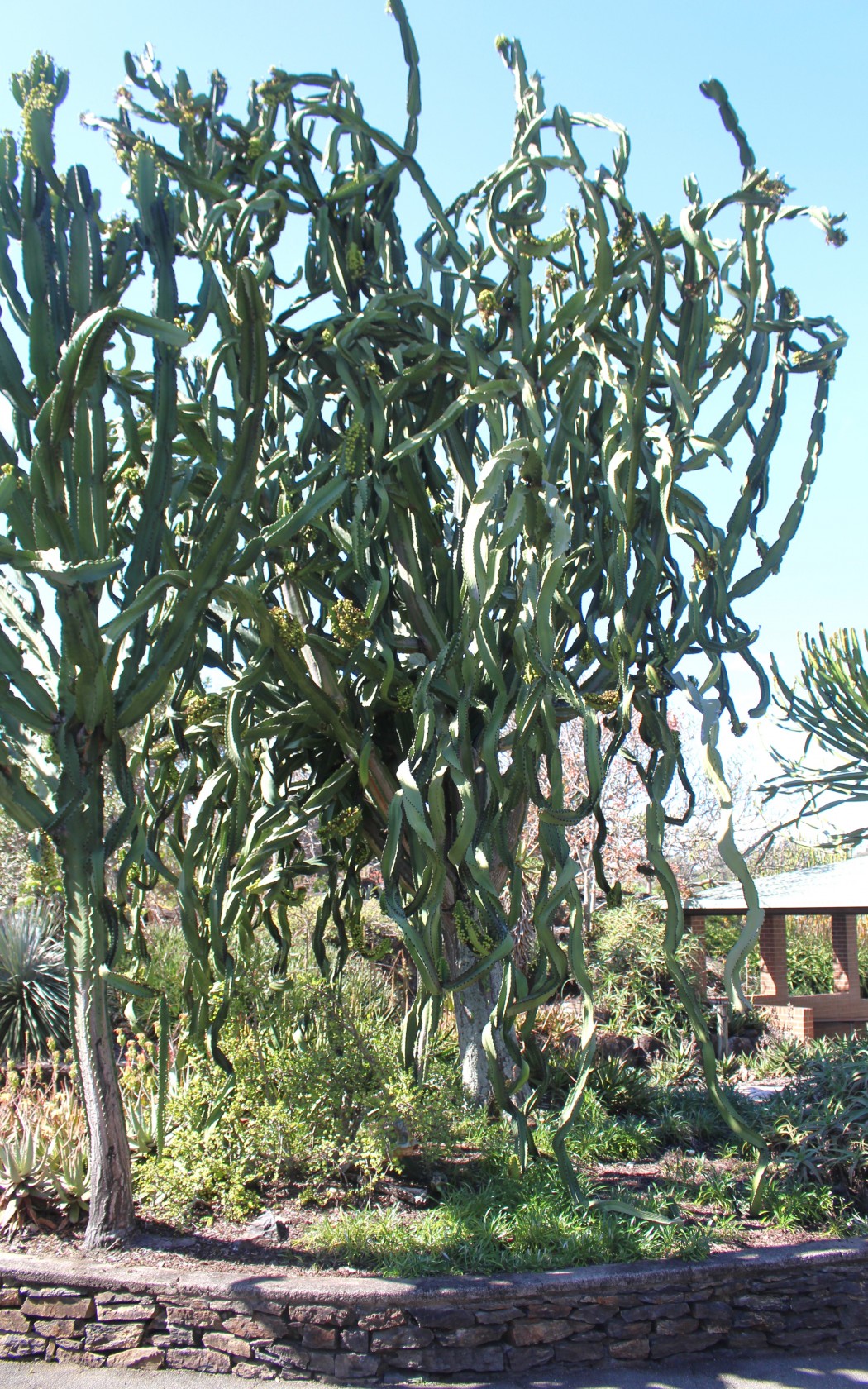
Plant
Plant - Euphorbia ingens (E. Mey. ex Boiss.)
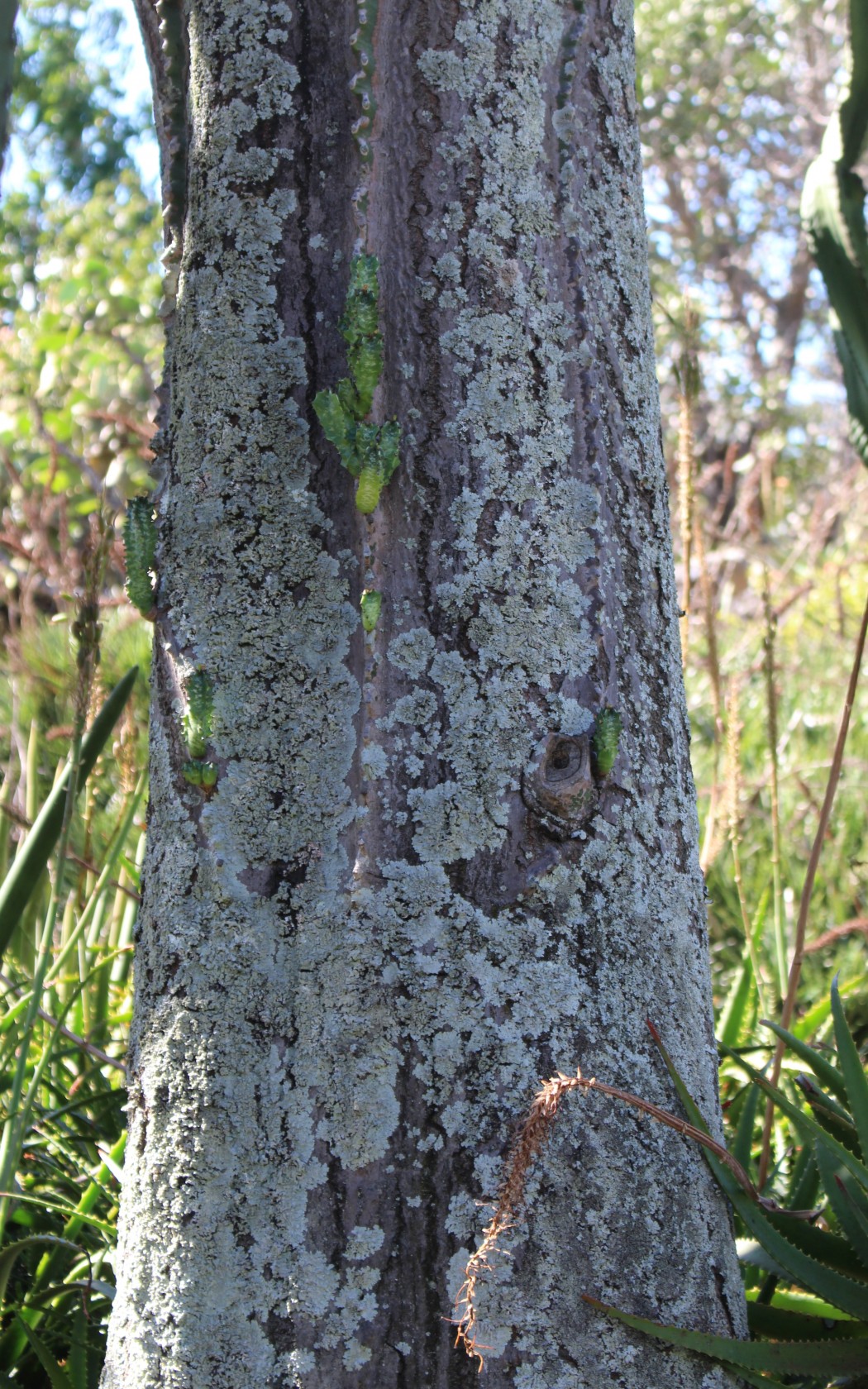
Stem (Lower)
Stem (Lower) - Euphorbia ingens (E. Mey. ex Boiss.)
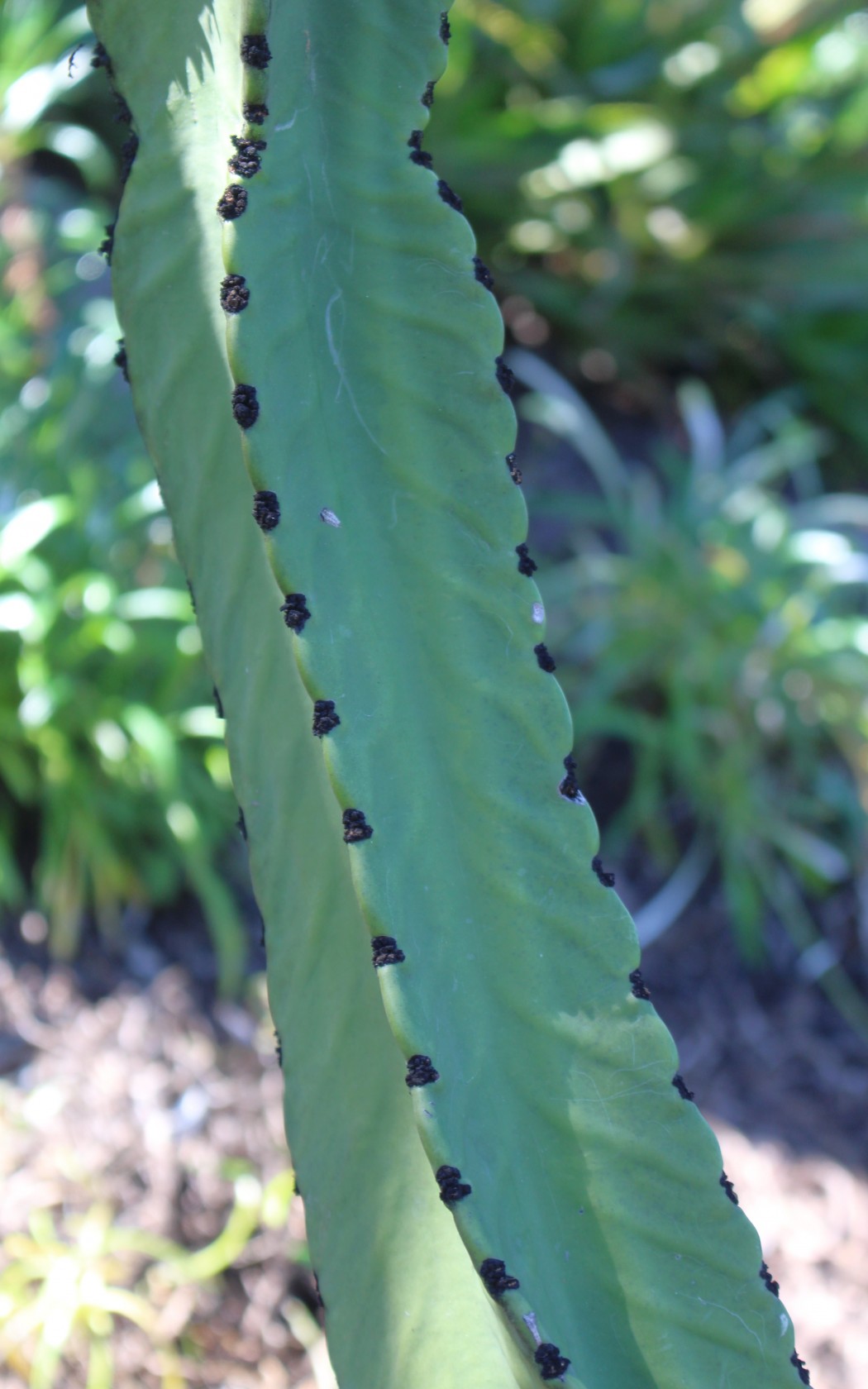
Stem (Upper)
Stem (Upper) - Euphorbia ingens (E. Mey. ex Boiss.)
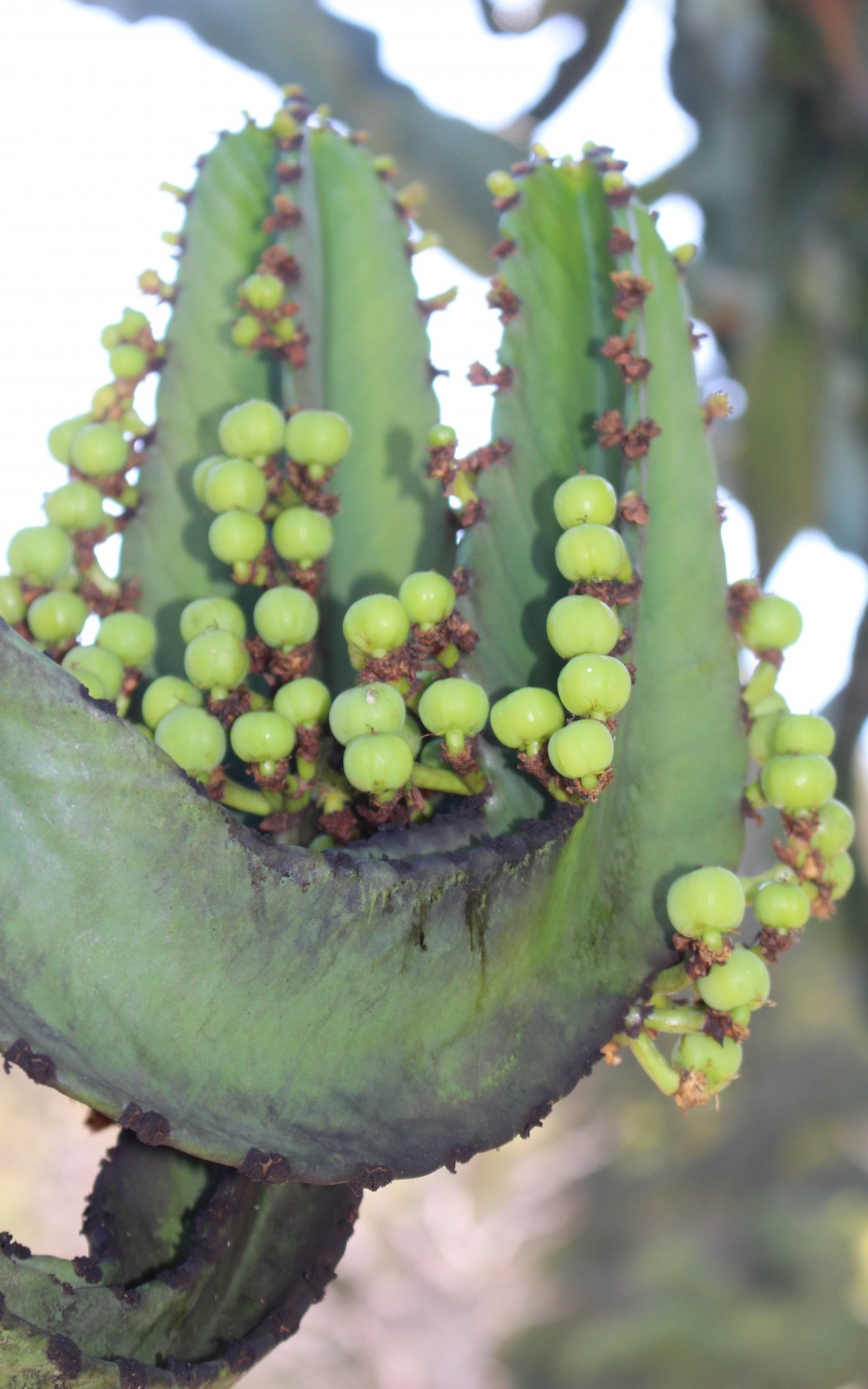
Fruit - Immature
Fruit - Immature - Euphorbia ingens (E. Mey. ex Boiss.)
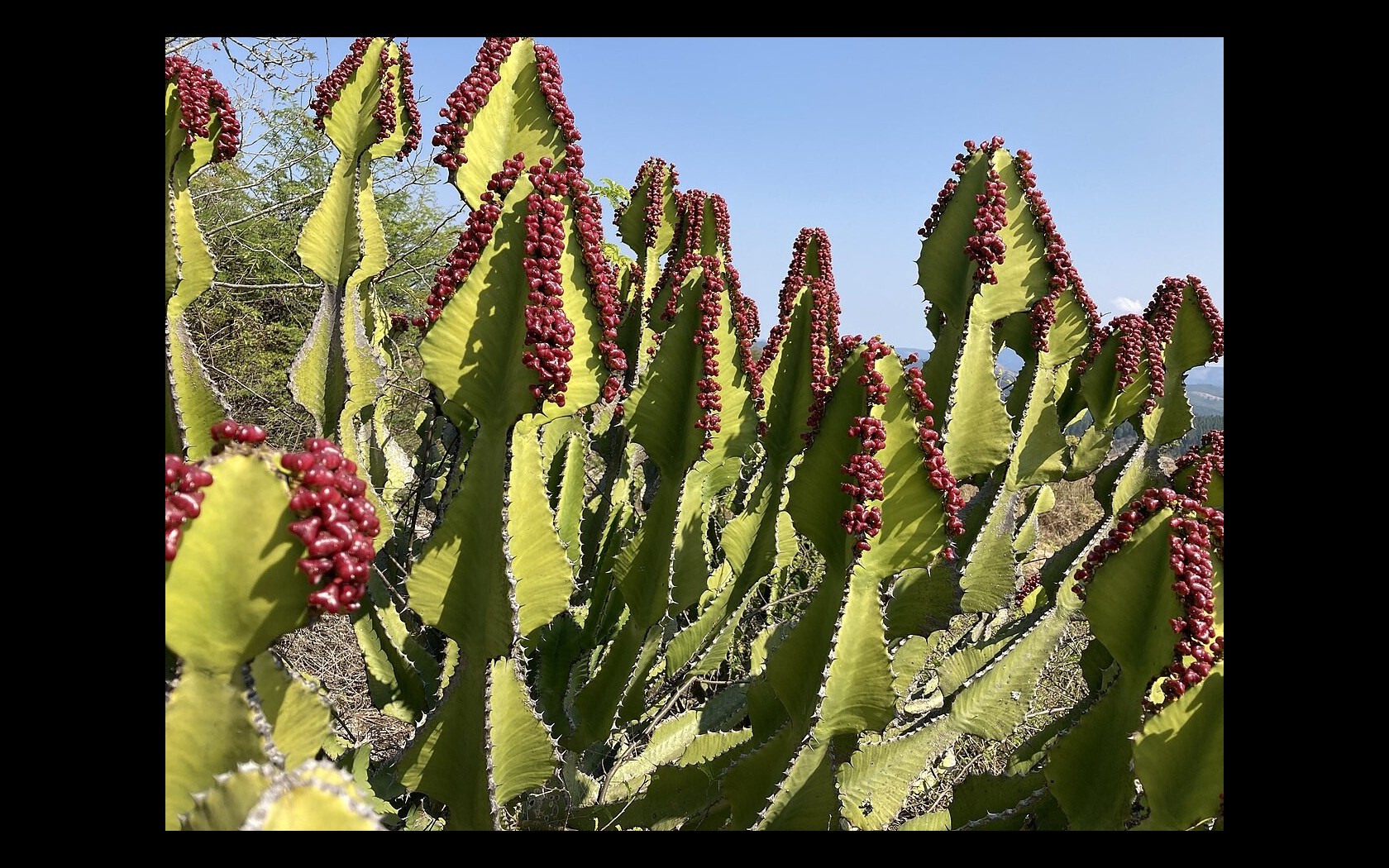
Fruit
Fruit - Euphorbia ingens (E. Mey. ex Boiss.)
Expand all
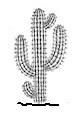 Branched - Columnar
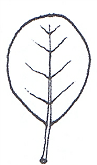
 Obovate,
Ovate
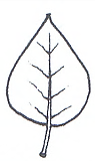
Obovate,
Ovate
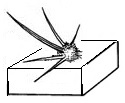 Spined
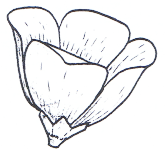
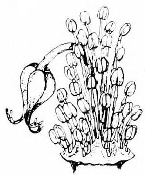 Cyathiform,
Cyathium - Male
Cyathiform,
Cyathium - Male
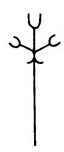 Cyme Monochasial / Simple
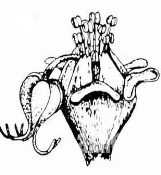 Cyathiform,
Cyathium - Female
Cyme Monochasial / Simple
Cyathiform,
Cyathium - Female
Cyme Monochasial / Simple
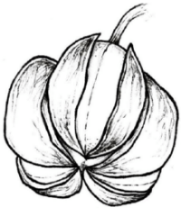 Coccarium
 Glabrous
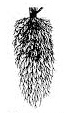
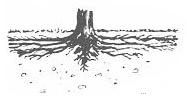 Fibrous,
Plate
Fibrous,
Plate

 Moist,
Moist-Dry
Moist,
Moist-Dry
 Slight
Cacti, Succulents, & Allies Properties
Origin(s)
Plant Type
Climate Range(s) - Habitat
Climate Range(s) - Tolerance
Aspect Range(s)
Habitat Range(s)
Habitat Zone(s)
Mature Height
Mature Width
Plant Shape
Branched - Columnar
Branched - Columnar
Growth Rate
Maturity
Leaf Properties
Leaf Colour (front)
Leaf Colour (back)
Leaf Shape(s)
Obovate
Ovate
Obovate,
Ovate
Leaf Length(s)
Leaf Aroma
Trunk / Stem Properties
Trunk / Stem Upper Colour(s)
Trunk / Stem Base Colour(s)
Trunk / Stem / Phylloclade Feature(s)
Spined
Spined
Ribbed-deeply
,
Spines-sharp
,
Spines-short
Ribbed-deeply,
Spines-sharp,
Spines-short
Inflorescence (Flower) Properties
Gender: Male
Flowering Time (start)
Flowering Time (end)
Colour(s)
Aroma(s)
Flower Shape(s)
Cyathiform
Cyathium - Male
Cyathiform,
Cyathium - Male
Flower Size(s) Width
Arrangement(s)
Cyme Monochasial / Simple
Cyme Monochasial / Simple
Terminal
Terminal
Flowers per Arrangement
Pollinator(s)
Male and Female Flowers, Borne
Gender: Female
Flowering Time (start)
Flowering Time (end)
Colour(s)
Aroma(s)
Flower Shape(s)
Cyathiform
Cyathium - Female
Cyathiform,
Cyathium - Female
Arrangement(s)
Cyme Monochasial / Simple
Cyme Monochasial / Simple
Terminal
Terminal
Pollinator(s)
Male and Female Flowers, Borne
Indusia (Fruiting Body) Properties
Type
Coccarium
Coccarium
Shape(s)
Outer Colour(s)
Outer Texture
Glabrous
Glabrous
Fleshy
Fleshy
Width
Aroma
Season of Fruiting
Fruit Ripening
Maturation for Fruiting
Root Properties
Type
Fibrous
Plate
Fibrous,
Plate
Invasiveness
Soil Properties
pH Range(s)
Condition(s)
Moist
Moist-Dry
Moist,
Moist-Dry
Poor
,
Deep
,
Well Drained
Poor,
Deep,
Well Drained
Salinities
Slight
Slight
Waterlogging Class
Watering Requirements
Other Properties / Uses
Bee Attraction
Bird Attraction
Butterfly Attraction
Frog Habitat
Coastal
Edible(s)
Drought Tolerance
Frost Tolerance
Snow Tolerance
Smog Tolerant
Landscape Use
Humidity Requirements
Fertilising Requirements
Wind Tolerance
General Notes
A tough, hardy evergreen succulent tree for drier climates. The latex is very toxic and causes skin blistering and intense irritation. The plant does produce small scale like leaves on new growth but they are deciduous and fall off at an early age.