Loading...

Echeveria 'Black Prince'

Common name(s): Black Mexican Hen and Chicken, Black Echeveria
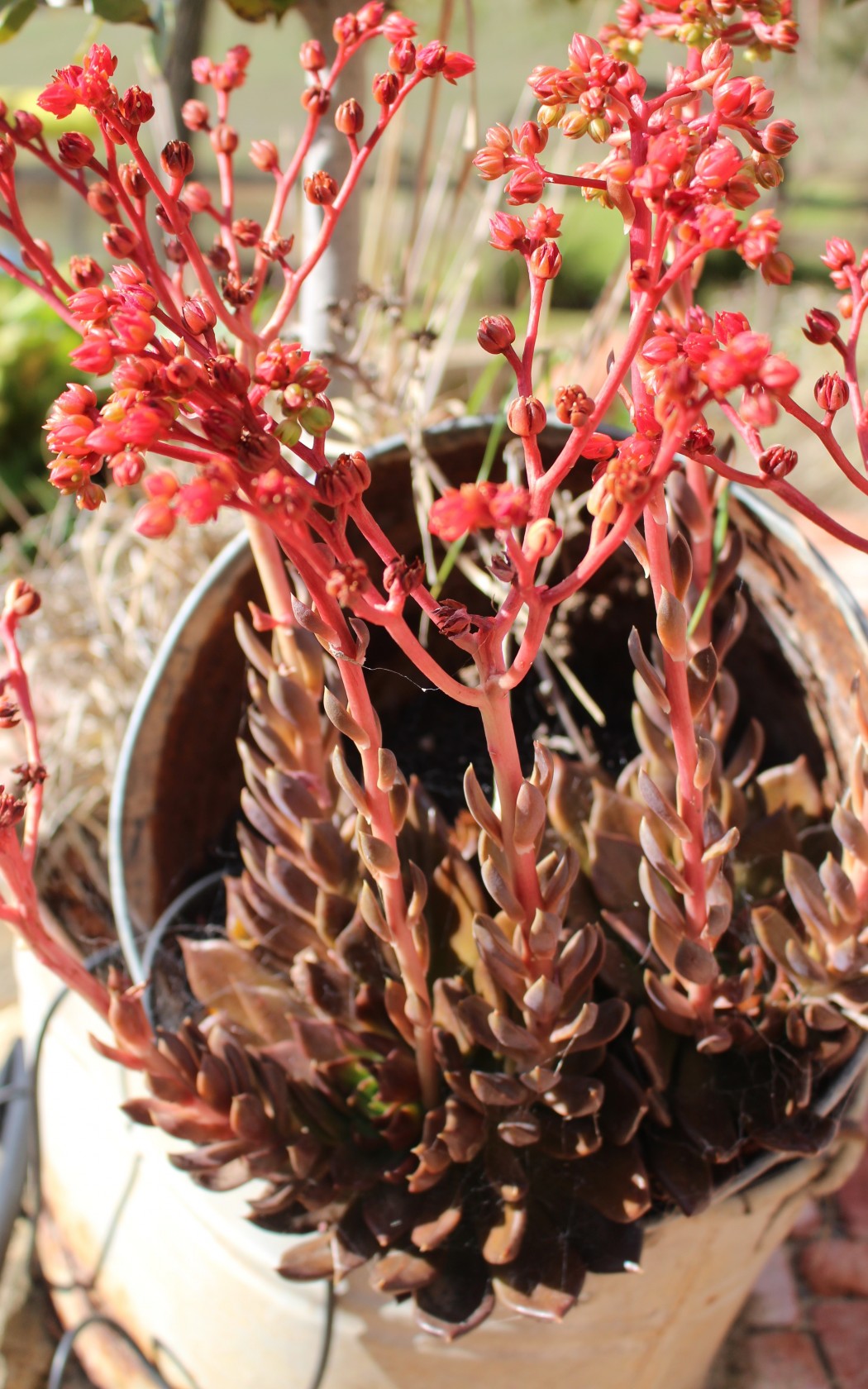
Family: Crassulaceae Subfamily: Sempervivoideae
Plant
Plant
Taken by Ken Harrington on 28th July, 2025 at Mt. Torrens, South Australia
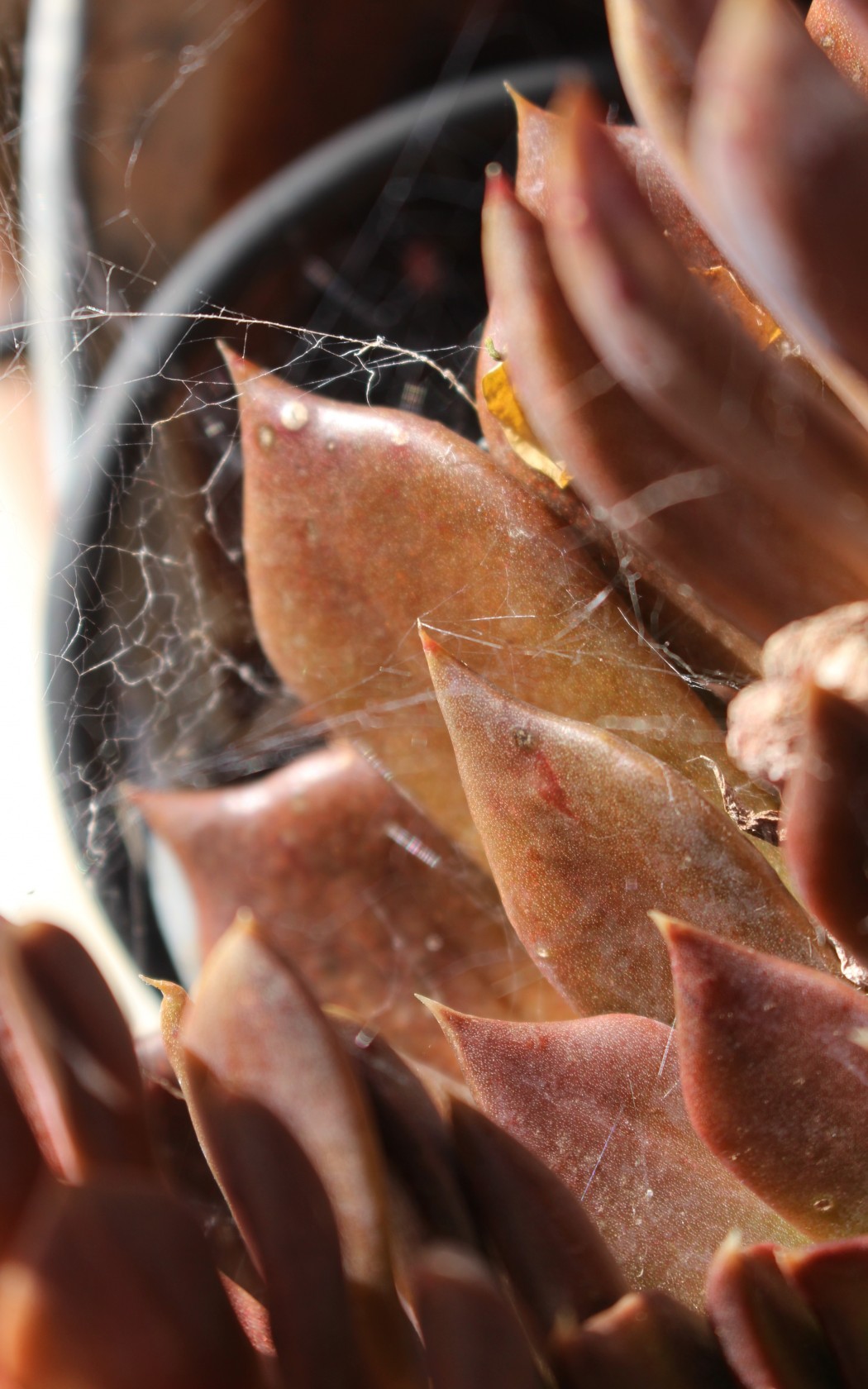
Leaf
Leaves
Taken by Ken Harrington
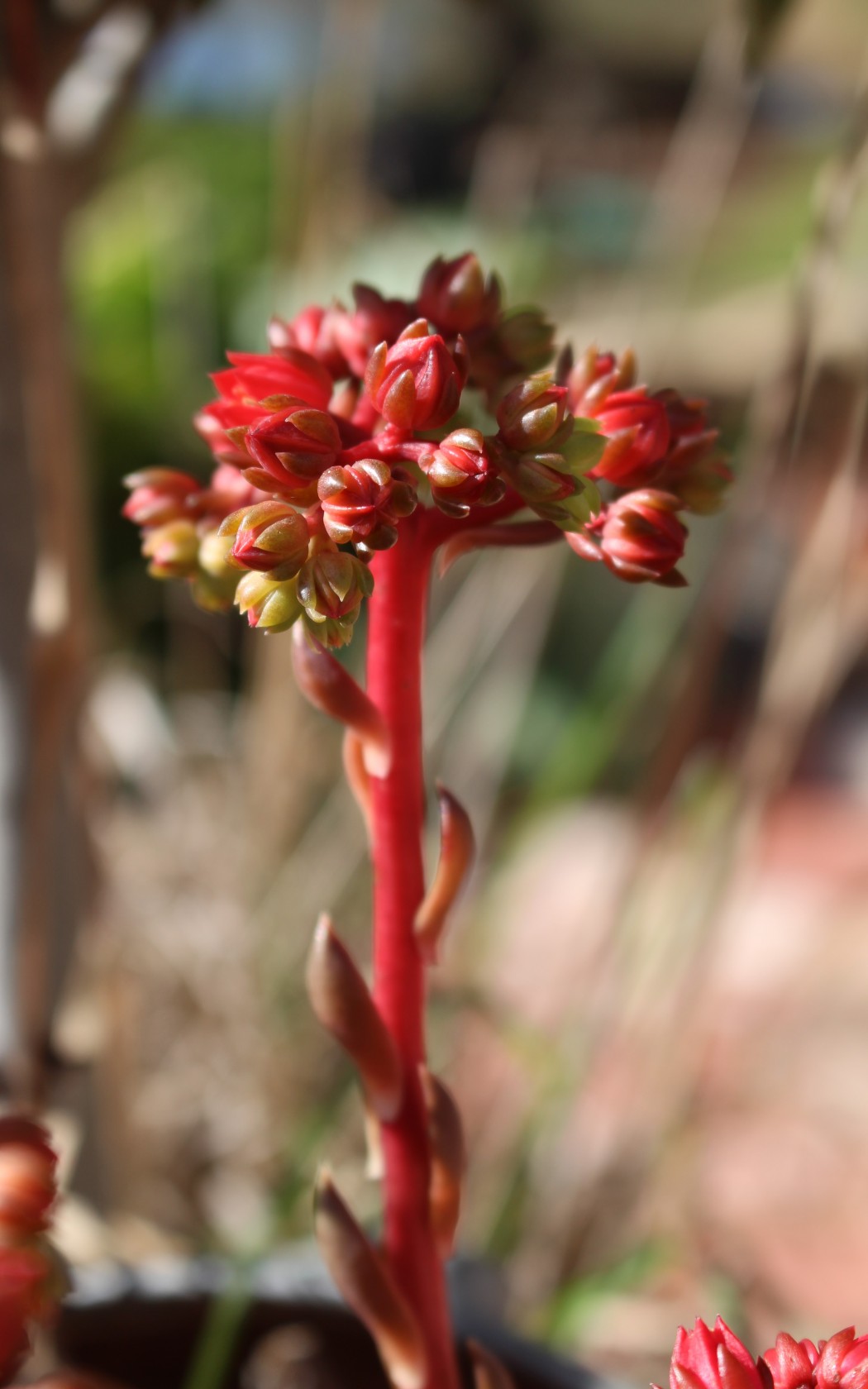
Flower
Flowers
Taken by Ken Harrington
Expand all
Cacti, Succulents, & Allies Properties

Origin(s)
United States
  • Cal.: Cultivar
Plant Type
Succulent, Evergreen Succulent, Perennial
Succulent,
Evergreen Succulent,
Perennial
Climate Range(s) - Tolerance
Arid-Humid, Arid-Semi / Steppe, Temperate Cool, Temperate Warm, Mediterranean, Tropical-Sub
Arid-Humid,
Arid-Semi / Steppe,
Temperate Cool,
Temperate Warm,
Mediterranean,
Tropical-Sub
Aspect Range(s)
Sun - Full, Shade - Light
Sun - Full,
Shade - Light
Habitat Range(s)
Garden, Landscape
Garden,
Landscape
Habitat Zone(s)
Coastal Margins, Dry, Dry Valley Slopes, Exposed, Exposed Stony embankments, Garden, Hill Sides, Hills, Landscape, Moist Slopes, Open areas, Ridges, Rock crevices, Sandy Dry, Sandy Moist, Slopes, Well drained
Coastal Margins,
Dry,
Dry Valley Slopes,
Exposed,
Exposed Stony embankments,
Garden,
Hill Sides,
Hills,
Landscape,
Moist Slopes,
Open areas,
Ridges,
Rock crevices,
Sandy Dry,
Sandy Moist,
Slopes,
Well drained
Mature Height
100-150mm
100-150mm
Mature Width
100-150mm
100-150mm
Plant Shape
Rosette
Rosette
Rosette Rosette
Growth Rate
Slow
Slow
Maturity
2-4 yrs.
2-4 yrs.
Life Span
15-30yrs
15-30yrs
Leaf Properties
Juvenile Leaf Colour(s) (front)
Green Dark, Green Light, Green-black
Green Dark,
Green Light,
Green-black
Juvenile Leaf Colour(s) (back)
Green Dark, Green Light, Green-black
Green Dark,
Green Light,
Green-black
Leaf Colour (front)
Brown-black, Black-purple, Brown Dark, Burgundy, Burgundy Dark, Orange-brown
Brown-black,
Black-purple,
Brown Dark,
Burgundy,
Burgundy Dark,
Orange-brown
Leaf Colour (back)
Brown-black, Black-purple, Brown Dark, Burgundy, Burgundy Dark, Orange-brown
Brown-black,
Black-purple,
Brown Dark,
Burgundy,
Burgundy Dark,
Orange-brown
Leaf Shape(s)
Oblanceolate
Oblanceolate
Spathulate
Spathulate
Oblanceolate Oblanceolate,
Spathulate Spathulate
Leaf Texture (front)
Glabrous
Glabrous
Smooth
Smooth
Waxy
Waxy
Glabrous Glabrous,
Smooth Smooth,
Waxy Waxy
Fleshy , Glossy , Thick
Fleshy,
Glossy,
Thick
Leaf Texture (back)
Glabrous
Glabrous
Smooth
Smooth
Waxy
Waxy
Glabrous Glabrous,
Smooth Smooth,
Waxy Waxy
Fleshy , Glossy , Thick
Fleshy,
Glossy,
Thick
Leaf Length(s)
40-50mm, 50-60mm, 60-70mm
40-50mm,
50-60mm,
60-70mm
Leaf Width(s)
25-30mm, 30-40mm
25-30mm,
30-40mm
Leaf Margin(s)
Entire
Entire
Entire Entire
Leaf Arrangement
Rosette
Rosette
Rosette Rosette
Leaf Cross Section(s)
Concave
Concave
Concave Concave
Apice(s)
Acuminate Broad
Acuminate Broad
Aristate
Aristate
Acuminate Broad Acuminate Broad,
Aristate Aristate
Base(s)
Truncate
Truncate
Truncate Truncate
Leaf Aroma
None
None
Leaf Attachment
Collar Divided
Collar Divided
Sessile
Sessile
Collar Divided Collar Divided,
Sessile Sessile
Inflorescence (Flower) Properties

Gender: Bisexual
Flowering Time (start)
Winter Early
Winter Early
Flowering Time (end)
Winter Late
Winter Late
Colour(s)
Red, Red-orange
Red,
Red-orange
Aroma(s)
None
None
Flower Shape(s)
Campanulate
Campanulate
Campanulate Campanulate
Flower Size(s) Width
10-12.5mm, 12.5-15mm
10-12.5mm,
12.5-15mm
Attachment
Pedicelate
Pedicelate
Pedicel Colour (flower stem)
Red Dark, Red-brown
Red Dark,
Red-brown
Pedicel Texture
Glabrous, Waxy
Glabrous,
Waxy
Arrangement(s)
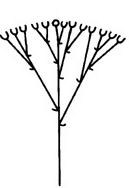
Corymb Compound
Corymb Compound
Corymb Compound Corymb Compound
Terminal
Terminal
Arrangement Size(s)
150-175mm, 175-200mm, 200-225mm, 225-250mm
150-175mm,
175-200mm,
200-225mm,
225-250mm
Flowers per Arrangement
many
many
Pollinator(s)
Bees, Birds, Butterflies
Bees,
Birds,
Butterflies
Root Properties
Type
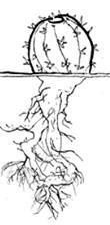
Fibrous
Fibrous
Tap Conical
Tap Conical
Fibrous Fibrous,
Tap Conical Tap Conical
Texture
Fibrous
Fibrous
Invasiveness
None
None
Soil Properties
Type(s)
Loam, Sandy-loam, Sand, Shaley, Stony, Premium Potting Mix
Loam,
Sandy-loam,
Sand,
Shaley,
Stony,
Premium Potting Mix
pH Range(s)
Acid, Slightly Acid, Neutral, Slightly Alkaline, Alkaline
Acid,
Slightly Acid,
Neutral,
Slightly Alkaline,
Alkaline
Condition(s)
Moist
Moist
Moist-Dry
Moist-Dry
Moist Moist,
Moist-Dry Moist-Dry
Fertile , Poor , Shallow , Deep , Well Drained
Fertile,
Poor,
Shallow,
Deep,
Well Drained
Salinities
Slight
Slight
Slight Slight
Waterlogging Class
None
None
Watering Requirements
WR4 - allow soil to dry between watering, WR5 - soil should remain dry 4 - 5 days between watering, WR7 - reduce watering during dormant period
WR4 - allow soil to dry between watering,
WR5 - soil should remain dry 4 - 5 days between watering,
WR7 - reduce watering during dormant period
Other Properties / Uses
Bee Attraction
Moderate
Moderate
Bird Attraction
Insect, Nectar
Insect,
Nectar
Butterfly Attraction
Moderate
Moderate
Frog Habitat
None
None
Coastal
1st Line
1st Line
Edible(s)
None
None
Fire Retarding
Poor
Poor
Drought Tolerance
Good
Good
Frost Tolerance
Light
Light
Snow Tolerance
None
None
Minimum Temperature Tolerance
-2 - 0°C
-2 - 0°C
Smog Tolerant
Moderate
Moderate
Landscape Use
Good
Good
Street Use
None
None
Commercial Use(s)
Horticulture - Amenity
Maintenance(s)
Dead Heading
Dead Heading
Special Purpose(s)
Garden-Architectural, Garden-Modern, Garden-Border Plant, Garden-Container, Fire Retarding, Foliage-dark contrasting, Foliage-interesting, Garden-Cacti, Garden-Coastal, Garden-Cottage, Garden-Courtyard, Garden-Desert, Garden-Indoors, Garden-Informal, Garden-Mediterranean, Garden-Rock, Garden-Tropical, Garden-Xeriscape, Groundcover, Playground Friendly, Pool side, Specimen, Suckering, Sunny Dry, Sunny Moist, Tolerant- Rabbit's/Hares, Tolerant-Deer, Tolerant-Kangaroo's
Garden-Architectural,
Garden-Modern,
Garden-Border Plant,
Garden-Container,
Fire Retarding,
Foliage-dark contrasting,
Foliage-interesting,
Garden-Cacti,
Garden-Coastal,
Garden-Cottage,
Garden-Courtyard,
Garden-Desert,
Garden-Indoors,
Garden-Informal,
Garden-Mediterranean,
Garden-Rock,
Garden-Tropical,
Garden-Xeriscape,
Groundcover,
Playground Friendly,
Pool side,
Specimen,
Suckering,
Sunny Dry,
Sunny Moist,
Tolerant- Rabbit's/Hares,
Tolerant-Deer,
Tolerant-Kangaroo's
Dormancy
Summer
Summer
Humidity Requirements
Low, Medium, High
Low,
Medium,
High
Vulnerability
LC - Least Concern
LC - Least Concern
Fertilising Requirements
FR6, FR11
FR6,
FR11
Wind Tolerance
Strong Winds, Hot / Humid Winds
Strong Winds,
Hot / Humid Winds
Propagation
Offsets, Leaf Cuttings

General Notes

Echeveria 'Black Prince' is a hybrid created by Frank Reinelt of Capitola, California and introduced by Abbey Gardens in 1970. A cross between Echeveria shaviana and Echeveria affinis. A variable Echeveria with black to dark brown leaves and red-orange flowers, a stunning succulent with star shaped rosettes forming a dense clump with offsets.

Propagation Notes

Expand all
Leaf Cuttings
Flowering
Winter
Cutting
Summer Early, Spring Late
Material Preparation

Select mature leaves and carefully pull down and sideways to pull them off the stem. Cut across the base of the leaf to tidy up the torn material. Set aside for 1-2 days to callous over and dry the wound area.

Propagating Mix

2 parts washed Propagating Sand + 1 part Perlite

Treatment

ill the seedling tray with mix and firm down. Water tray of mix thoroughly wet with Previcur fungicide. Using a dibber, press leaf gently into tray of mix until it will stand firm, allow space between the leaves for the plantlets to form and grow. Place in a cold house with temperature between 20-30° C. Spray fortnightly with fungicide. Keep in bright but indirect light.

Strike Rate:-    Field Stock        75 %

                       Nursery Stock   95%

Plantlet Time:- Field Stock       8 - 12 weeks

                       Nursery Stock   8 - 12 weeks

100mm Pot Mix:- Premium Cacti Mix

                            1 part Premium Potting Mix + 2 parts coarse washed Sand

Offsets
Flowering
Winter
Division
Summer Early, Spring Late
Material Preparation

Usually this is a thinning process as the patch or container gets overcrowded. Dig up a large clump. Seperate the smaller offsets from the larger parent plant. Replant the parent plant if required. Cut off any damaged sections, stems, roots etc. If the offset has no roots and has been removed from a stem or rhizome/root, remove the lower half of the leaves. Place these offsets aside and allow to callous for 1-2 days.

Propagating Mix

Premium Cacti Mix

1 part Premium Potting Mix + 2 parts coarse washed Sand

Treatment

Water mix and thoroughly wet with Previcur fungicide. Pot up offsets that have roots attached as soon as possible. Using a dibber, press unrooted offset stem gently into 100mm pot of mix. Place in a cold house with temperature between 20-30° C. Spray fortnightly with fungicide. Keep in bright but indirect light.

Strike Rate:-    Field Stock        85 %

                       Nursery Stock   99%

Rooting Time:- Field Stock       8 - 12 weeks

                       Nursery Stock   8 - 12 weeks