Agave tequilana F. A. C. Weber, 1902
Common name(s): Blue Agave, Tequila Agave, Blue Webber Agave
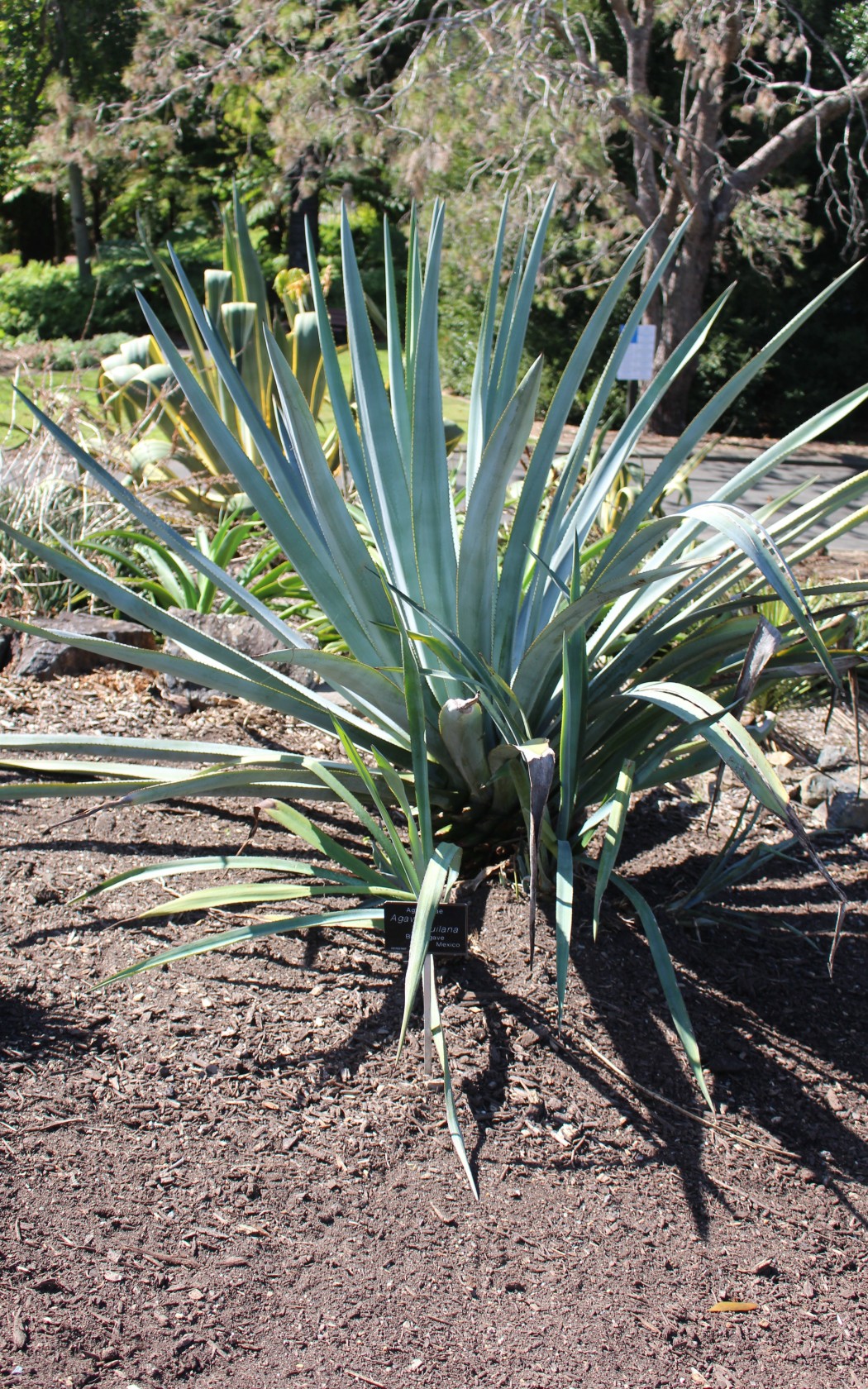
Plant
Plant - Agave tequilana (F. A. C. Weber, 1902)
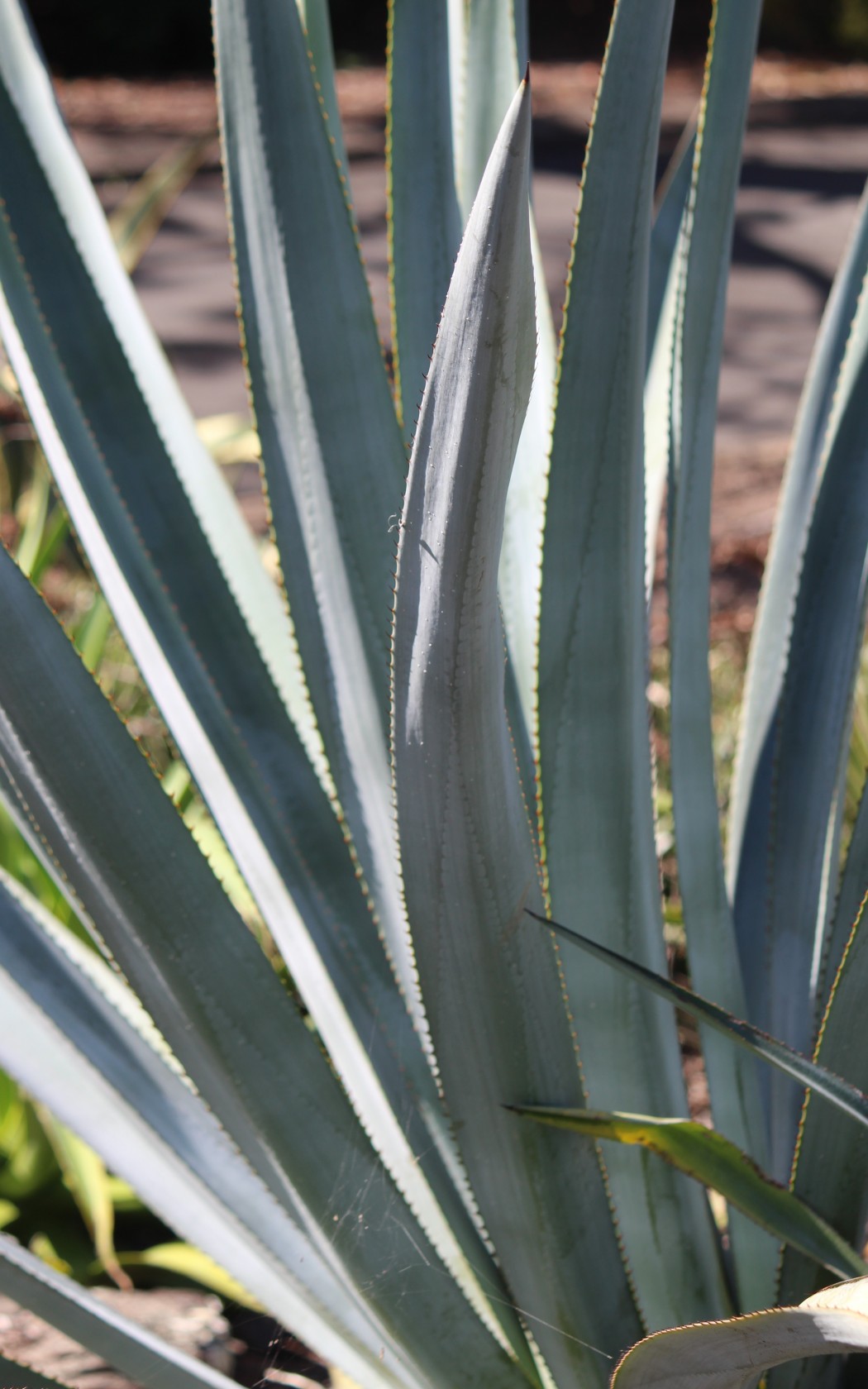
Leaves
Leaves - Agave tequilana (F. A. C. Weber, 1902)
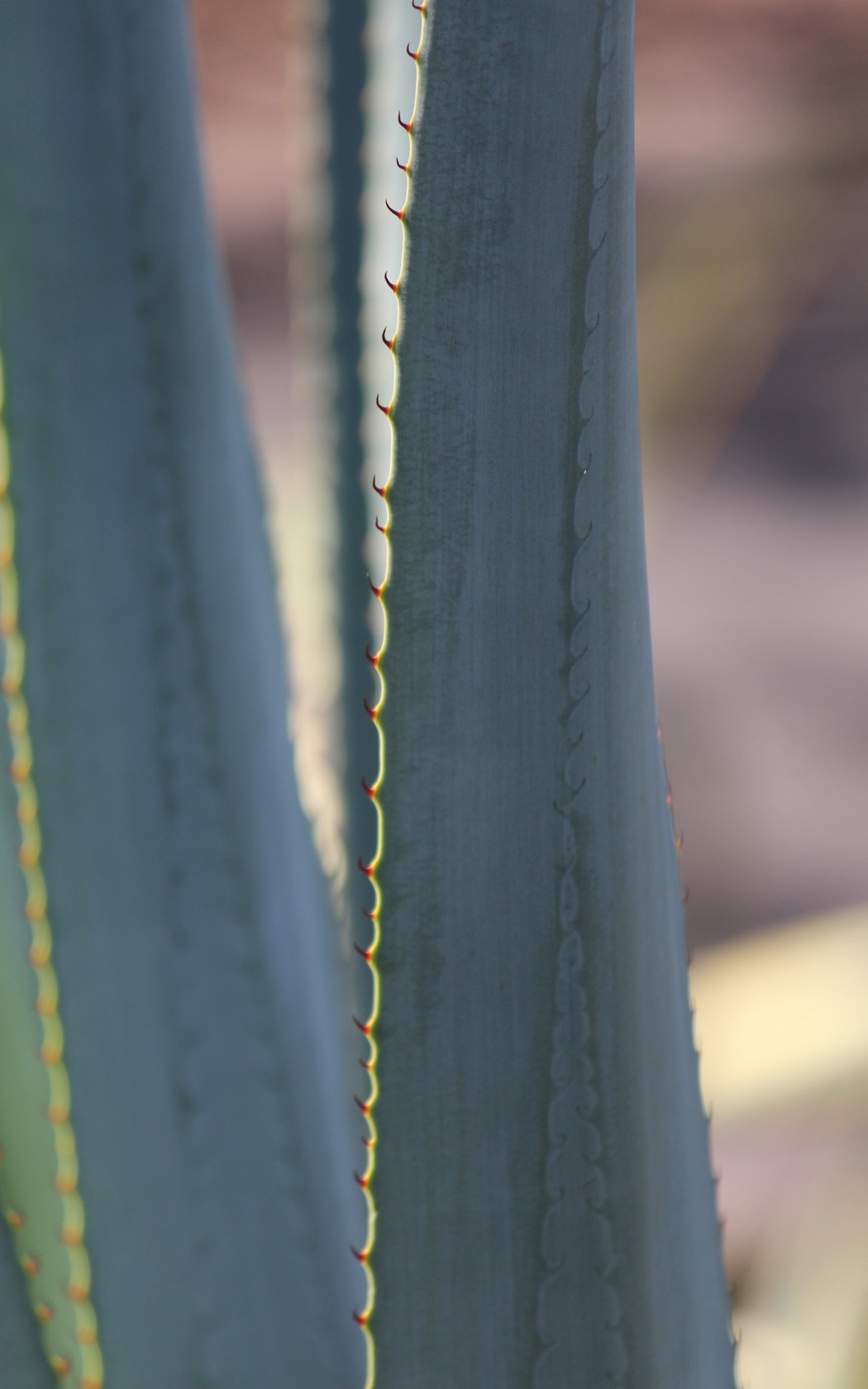
Leaf (Back)
Leaf (Back) - Agave tequilana (F. A. C. Weber, 1902)
Expand all
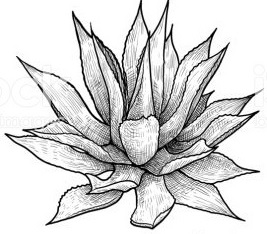 Rosette - Spiked
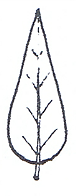
 Lanceolate,
Lanceolate-attentuate
Lanceolate,
Lanceolate-attentuate
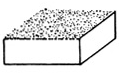
 Glaucous,
Smooth,
Waxy
Glaucous,
Smooth,
Waxy
Glaucous,
Smooth,
Waxy
Glaucous,
Smooth,
Waxy

 Open Crown,
Rosette
Open Crown,
Rosette
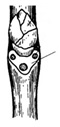 Leaf Scar
 Tubulate
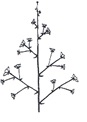
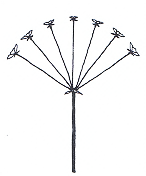 Panicle,
Umbel
Panicle,
Umbel
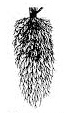
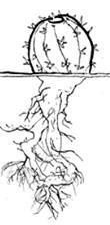 Fibrous,
Tap Conical
Fibrous,
Tap Conical

 Moist,
Moist-Dry
Moist,
Moist-Dry
 Slight
Cacti, Succulents, & Allies Properties
Origin(s)
Plant Type
Aspect Range(s)
Mature Height
Mature Width
Plant Shape
Rosette - Spiked
Rosette - Spiked
Growth Rate
Maturity
Life Span
Leaf Properties
Leaf Colour (front)
Leaf Colour (back)
Leaf Shape(s)
Lanceolate
Lanceolate-attentuate
Lanceolate,
Lanceolate-attentuate
Leaf Texture (front)
Glaucous
Smooth
Waxy
Glaucous,
Smooth,
Waxy
Fleshy
,
Thick
Fleshy,
Thick
Leaf Texture (back)
Glaucous
Smooth
Waxy
Glaucous,
Smooth,
Waxy
Fleshy
,
Thick
Fleshy,
Thick
Leaf Length(s)
Leaf Width(s)
Leaf Arrangement
Open Crown
Rosette
Open Crown,
Rosette
Leaf Aroma
Trunk / Stem Properties
Trunk / Stem Upper Colour(s)
Trunk / Stem Base Colour(s)
Trunk / Stem / Phylloclade Feature(s)
Leaf Scar
Leaf Scar
Stem-erect
,
Stem-single
Stem-erect,
Stem-single
Inflorescence (Flower) Properties
Gender: Bisexual
Flowering Time (start)
Flowering Time (end)
Colour(s)
Flower Shape(s)
Tubulate
Tubulate
Flower Size(s) Length
Arrangement(s)
Panicle
Umbel
Panicle,
Umbel
Terminal
Terminal
Arrangement Size(s)
Flowers per Arrangement
Pollinator(s)
Root Properties
Type
Fibrous
Tap Conical
Fibrous,
Tap Conical
Invasiveness
Soil Properties
pH Range(s)
Condition(s)
Moist
Moist-Dry
Moist,
Moist-Dry
Fertile
,
Poor
,
Shallow
,
Deep
,
Well Drained
Fertile,
Poor,
Shallow,
Deep,
Well Drained
Salinities
Slight
Slight
Waterlogging Class
Watering Requirements
Other Properties / Uses
Bee Attraction
Bird Attraction
Butterfly Attraction
Frog Habitat
Coastal
Edible(s)
Fire Retarding
Drought Tolerance
Frost Tolerance
Snow Tolerance
Smog Tolerant
Landscape Use
Pests/Diseases
Humidity Requirements
Altitude Range - Tolerance
Fertilising Requirements
Wind Tolerance
General Notes
A very important Agave for its economic product of tequila in the state of Jalisco, Mexico and surrounding areas. Tequila is made only from a specific cultivar called 'Weber Azul'. Tequila is produced from the processed portion of the stem that the leaves attach to, the heart, called the pina, with the leaves removed it looks like a pineapple, usually in 7th - 14th year of growth. When it is roasted, crushed to release the sugary liquid, fermented and distilled.
As a garden specimen it is a stand out with its long blue-grey leaves.