Agave ' Blue Glow'
Common name(s): Blue Glow Agave
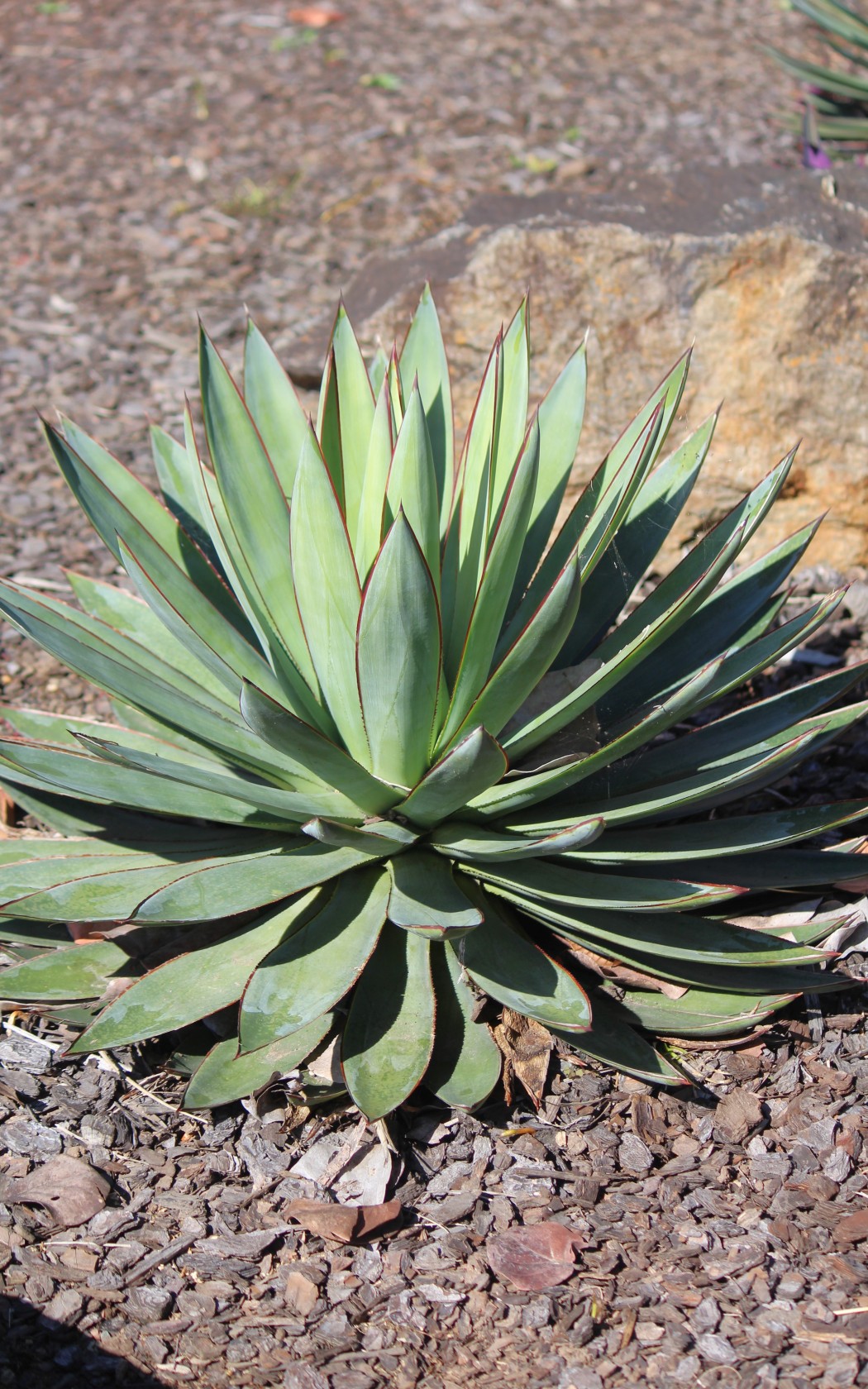
Plant
Plant - Agave ' Blue Glow'
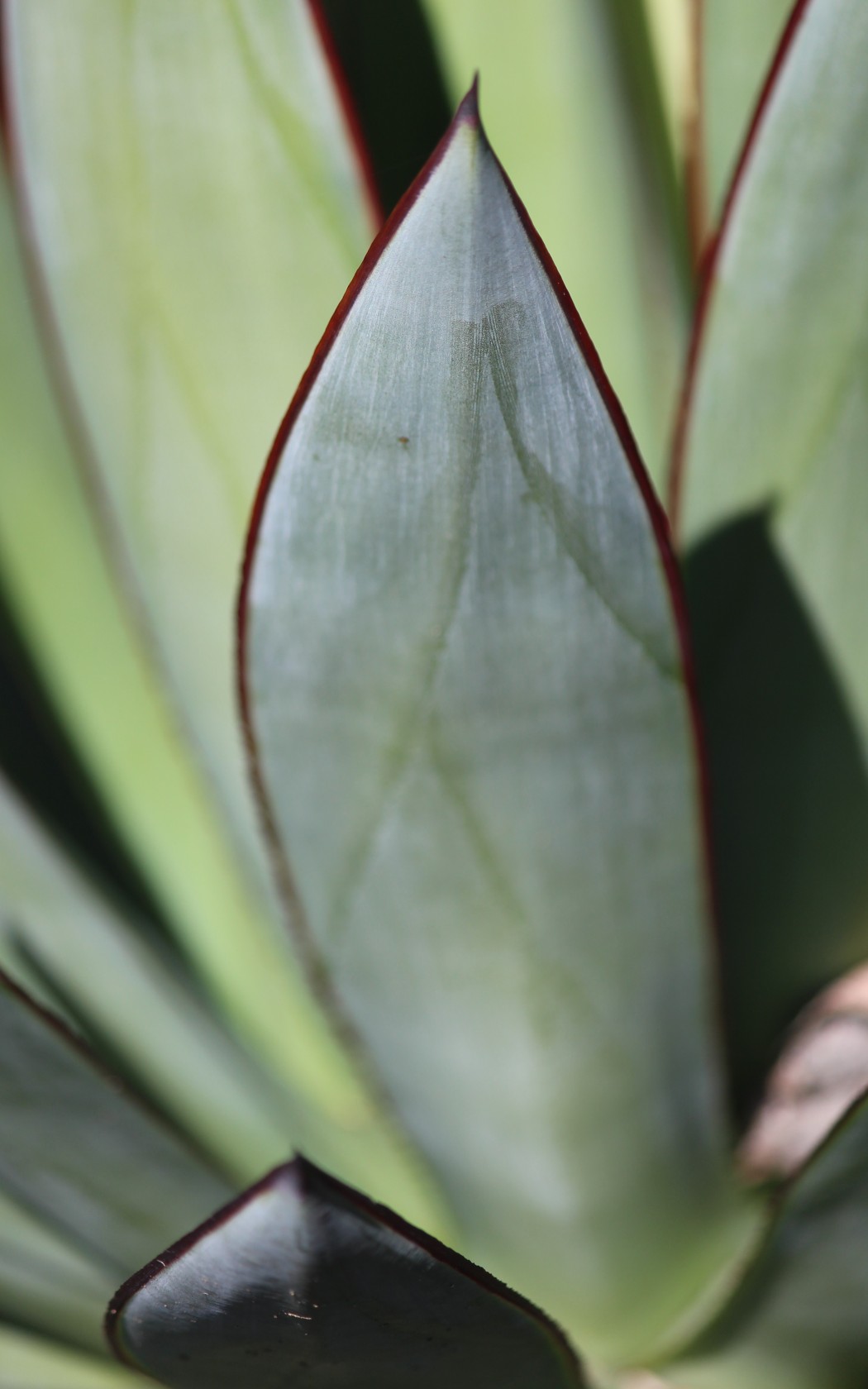
Leaves
Leaves - Agave ' Blue Glow'
Expand all
 Rosette - Spiked
 Lanceolate
 Glabrous,
Smooth,
Waxy
Glabrous,
Smooth,
Waxy
Glabrous,
Smooth,
Waxy
Glabrous,
Smooth,
Waxy
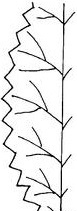
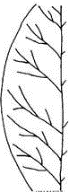 Dentate,
Entire
Dentate,
Entire
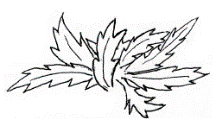
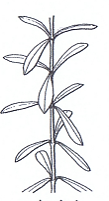 Basal or Radial,
Whorled
Basal or Radial,
Whorled
 Concave


 Acute Narrowly,
Aristate,
Spinous
Acute Narrowly,
Aristate,
Spinous
 Truncate
 Tubulate
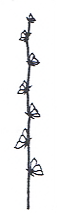
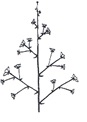 Spike,
Panicle
Spike,
Panicle

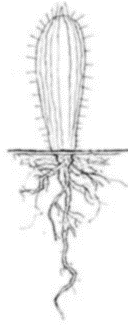 Fibrous,
Tap
Fibrous,
Tap

 Moist,
Moist-Dry
Moist,
Moist-Dry
 Slight
Cacti, Succulents, & Allies Properties
Origin(s)
Plant Type
Climate Range(s) - Tolerance
Aspect Range(s)
Habitat Range(s)
Habitat Zone(s)
Mature Height
Mature Width
Plant Shape
Rosette - Spiked
Rosette - Spiked
Growth Rate
Maturity
Life Span
Leaf Properties
Leaf Colour (front)
Leaf Colour (back)
Leaf Shape(s)
Lanceolate
Lanceolate
Leaf Texture (front)
Glabrous
Smooth
Waxy
Glabrous,
Smooth,
Waxy
Leaf Texture (back)
Glabrous
Smooth
Waxy
Glabrous,
Smooth,
Waxy
Leaf Length(s)
Leaf Width(s)
Leaf Margin(s)
Dentate
Entire
Dentate,
Entire
Leaf Arrangement
Basal or Radial
Whorled
Basal or Radial,
Whorled
Leaf Cross Section(s)
Concave
Concave
Apice(s)
Acute Narrowly
Aristate
Spinous
Acute Narrowly,
Aristate,
Spinous
Base(s)
Truncate
Truncate
Leaf Aroma
Inflorescence (Flower) Properties
Gender: Bisexual
Flowering Time (start)
Flowering Time (end)
Colour(s)
Flower Shape(s)
Tubulate
Tubulate
Pendulous
Pendulous
Flower Size(s) Length
Attachment
Arrangement(s)
Spike
Panicle
Spike,
Panicle
Terminal
Terminal
Arrangement Size(s)
Flowers per Arrangement
Pollinator(s)
Stamen Colour(s)
Root Properties
Type
Fibrous
Tap
Fibrous,
Tap Soil Properties
Type(s)
pH Range(s)
Condition(s)
Moist
Moist-Dry
Moist,
Moist-Dry
Poor
,
Shallow
,
Deep
,
Well Drained
Poor,
Shallow,
Deep,
Well Drained
Salinities
Slight
Slight
Waterlogging Class
Watering Requirements
Other Properties / Uses
Bee Attraction
Bird Attraction
Butterfly Attraction
Frog Habitat
Coastal
Edible(s)
Drought Tolerance
Frost Tolerance
Snow Tolerance
Minimum Temperature Tolerance
Smog Tolerant
Landscape Use
Street Use
Commercial Use(s)
Pests/Diseases
Special Purpose(s)
Dormancy
Humidity Requirements
Vulnerability
Altitude Range - Tolerance
Fertilising Requirements
Wind Tolerance
Propagation
General Notes
An attracttive, architectural blue-grey leaf with a red-brown margin makes this solitary succulent stand out in the garden. A large red stemmed, yellow flower spike may appear after about 10 years when the plant will die back. Unlike many Agave's it does not produce 'pup's' as it dies back, nor does it send out suckers. Originating from a cross between Agave attenuata and Agave ocahui by Kelly Griffin from Rancho Soledad Nursery in Santa Fe, New Mexico.