Loading...

Alcantarea imperialis Carriere, Harms

Common name(s): Empress of Brazil, Imperial Bromeliad
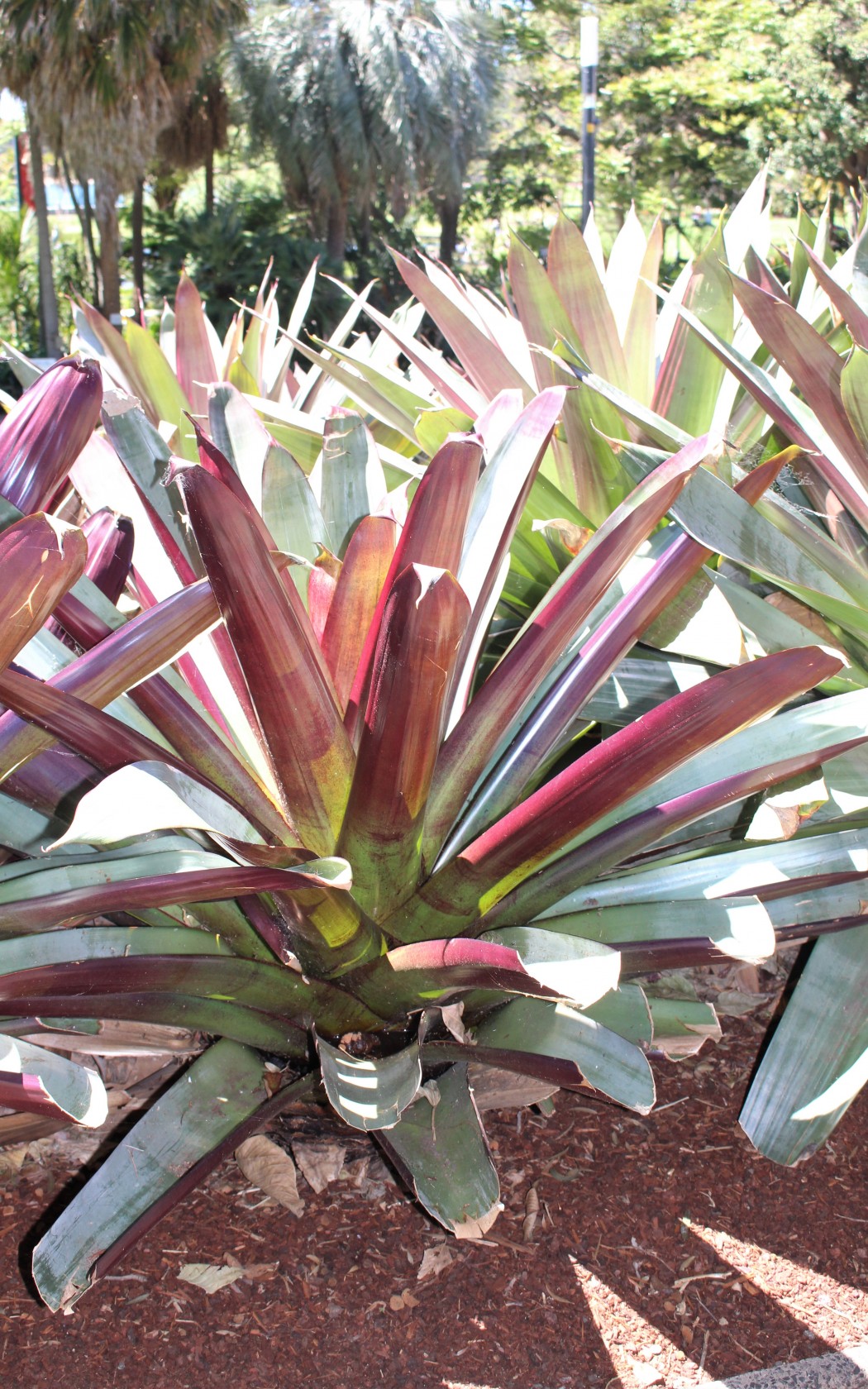
Family: Bromeliaceae Synonym(s): Vriesea imperialis Carriere 1888
Plant
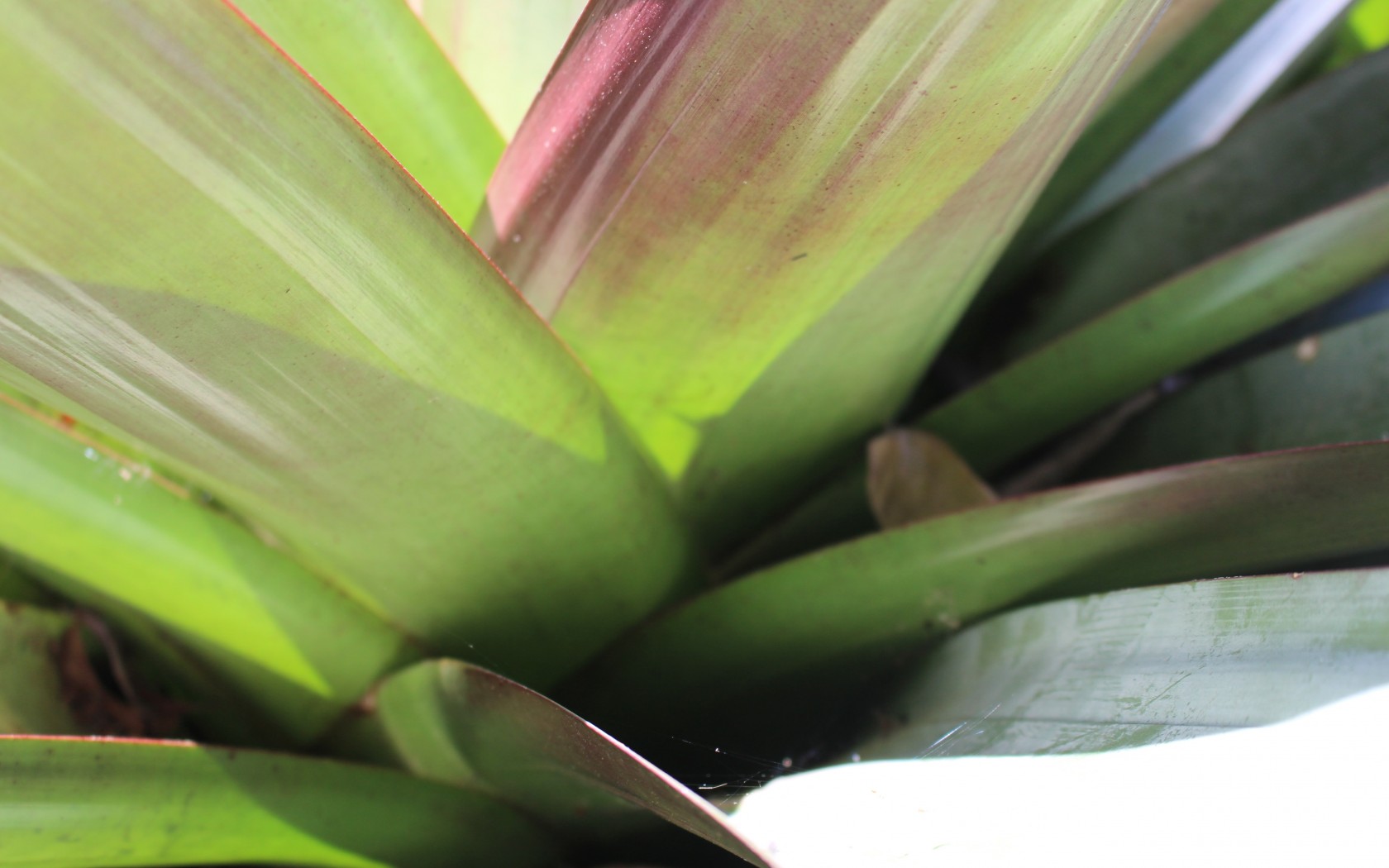
Plant
Taken by Ken Harrington
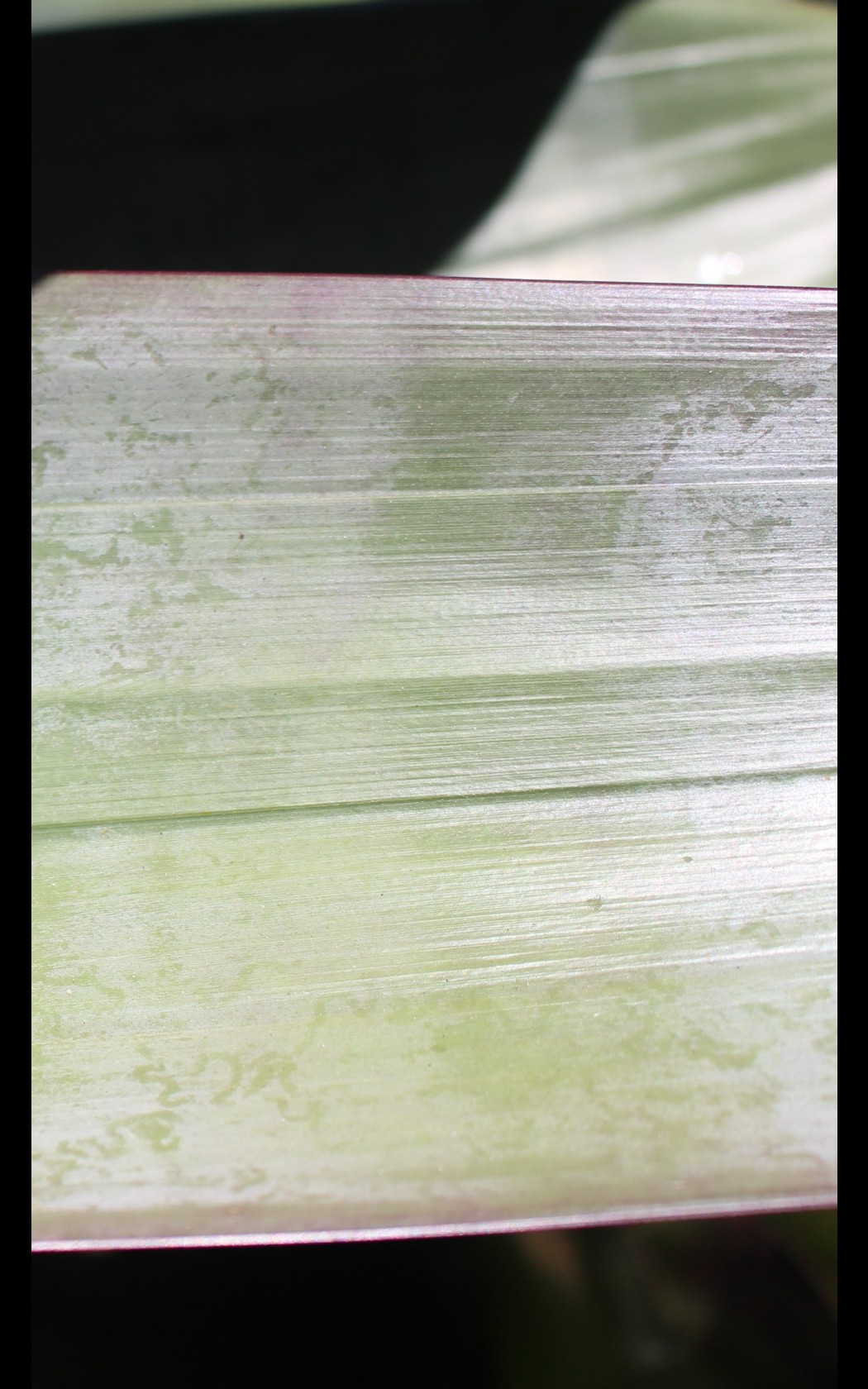
Leaf
Leaves
Taken by Ken Harrington
Leaf
Leaves
Taken by Ken Harrington
Expand all
Cacti, Succulents, & Allies Properties
Origin(s)
Mexico
  • Rio de Jan: Indigenous
Plant Type
Bromeliad, Perennial, Succulent Ally
Bromeliad,
Perennial,
Succulent Ally
Climate Range(s) - Habitat
Arid-Semi / Steppe, Temperate Warm, Mediterranean, Tropical-Sub
Arid-Semi / Steppe,
Temperate Warm,
Mediterranean,
Tropical-Sub
Aspect Range(s)
Sun - Full, Sun - Afternoon, Shade - Dappled, Shade - Light
Sun - Full,
Sun - Afternoon,
Shade - Dappled,
Shade - Light
Habitat Range(s)
Desert Vegetation
Desert Vegetation
Habitat Zone(s)
Cliffs, Dry Valley Slopes, Exposed Stony embankments, Garden, Hill Sides, Landscape, Open areas, Rock crevices, Rocky, Well drained
Cliffs,
Dry Valley Slopes,
Exposed Stony embankments,
Garden,
Hill Sides,
Landscape,
Open areas,
Rock crevices,
Rocky,
Well drained
Mature Height
1-1.5m
1-1.5m
Mature Width
1-1.5m
1-1.5m
Plant Shape
Rosette
Rosette
Rosette Rosette
Growth Rate
Slow
Slow
Life Span
10-15yrs, 15-30yrs
10-15yrs,
15-30yrs
Leaf Properties
Leaf Colour (front)
Grey-green, Silver-green
Grey-green,
Silver-green
Leaf Colour (back)
Burgundy Dark, Grey-green, Maroon
Burgundy Dark,
Grey-green,
Maroon
Leaf Shape(s)
Linear
Linear
Linear Linear
Broad
Broad
Leaf Texture (front)
Glabrous
Glabrous
Leathery
Leathery
Glabrous Glabrous,
Leathery Leathery
Fleshy
Fleshy
Leaf Texture (back)
Glabrous
Glabrous
Leathery
Leathery
Glabrous Glabrous,
Leathery Leathery
Fleshy
Fleshy
Leaf Width(s)
100-150mm
100-150mm
Leaf Arrangement
Basal or Radial
Basal or Radial
Basal or Radial Basal or Radial
Leaf Aroma
None
None
Inflorescence (Flower) Properties
Gender: Bisexual
Flowering Time (start)
Summer Early
Summer Early
Flowering Time (end)
Autumn Early
Autumn Early
Colour(s)
Cream
Cream
Aroma(s)
Sweet-moderate
Sweet-moderate
Flower Shape(s)
Tubulate
Tubulate
Tubulate Tubulate
Flower Size(s) Width
15-20mm, 20-25mm
15-20mm,
20-25mm
Arrangement(s)
Bract
Bract
Spike
Spike
Bract Bract,
Spike Spike
Arrangement Size(s)
2-2.5m
2-2.5m
Pollinator(s)
Bees, Birds, Butterflies
Bees,
Birds,
Butterflies
Indusia (Fruiting Body) Properties
Type
Bacca
Bacca
Bacca Bacca
Outer Texture
Smooth
Smooth
Waxy
Waxy
Smooth Smooth,
Waxy Waxy
Aroma
None
None
Root Properties
Type
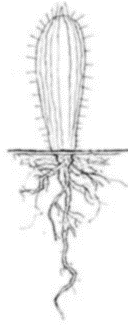
Fibrous
Fibrous
Tap
Tap
Fibrous Fibrous,
Tap Tap
Soil Properties
pH Range(s)
Slightly Acid, Neutral
Slightly Acid,
Neutral
Condition(s)
Moist
Moist
Dry
Dry
Moist Moist,
Dry Dry
Fertile , Poor , Shallow , Deep , Well Drained
Fertile,
Poor,
Shallow,
Deep,
Well Drained
Salinities
Slight
Slight
Slight Slight
Other Properties / Uses
Bee Attraction
Poor
Poor
Bird Attraction
Insect
Insect
Butterfly Attraction
Poor
Poor
Frog Habitat
Moderate
Moderate
Coastal
1st Line
1st Line
Edible(s)
None
None
Fire Retarding
Moderate
Moderate
Drought Tolerance
Good
Good
Frost Tolerance
Poor
Poor
Snow Tolerance
None
None
Smog Tolerant
Moderate
Moderate
Landscape Use
Good
Good
Pests/Diseases
Aphid, Mealy Bug, Root Rot Fungus, Scale
Aphid,
Mealy Bug,
Root Rot Fungus,
Scale
Humidity Requirements
Medium, High
Medium,
High
Fertilising Requirements
FR2
FR2
Wind Tolerance
Light Winds
Light Winds

General Notes

A large terrestrial bromeliad, considered one of the giants of the species. Tolerating dry conditions and full sun, it is a hardy addition to the garden or landscape for warm to hot areas. It takes 8 - 15 years before it flowers with a 3 metre tall spike of cream flowers that lasts for up to 12 months then dies back, leaving a collection of offsets (pups) in its place.

Several cultivars are available A. imperialis 'Rubra' underside of leaf red                                                                                                                                                                        A. imperialis 'Purpurea' deep purple to maroon leaves                                                                                                                                                    A. imperialis 'Peter Tristam' cultivated in Australia the largest of the species, grey-green upper and maroon underside                                                                                            of the leaf