Carpobrotus glaucescens Haw., Schwantes
Common name(s): Pigface, Angular Sea-fig, Angular Pigface, Iceplant
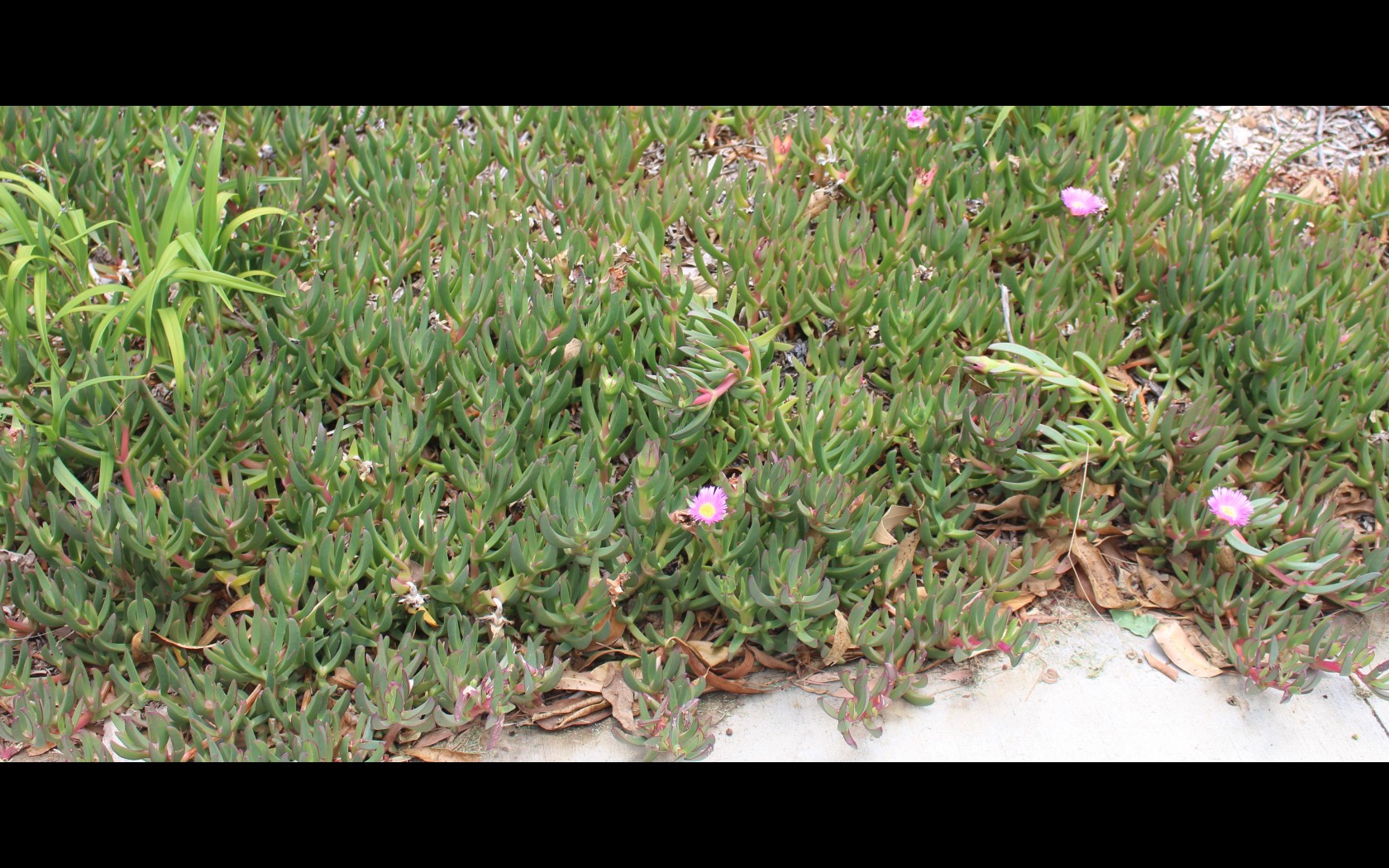
Plant
Plant - Carpobrotus glaucescens (Haw., Schwantes)
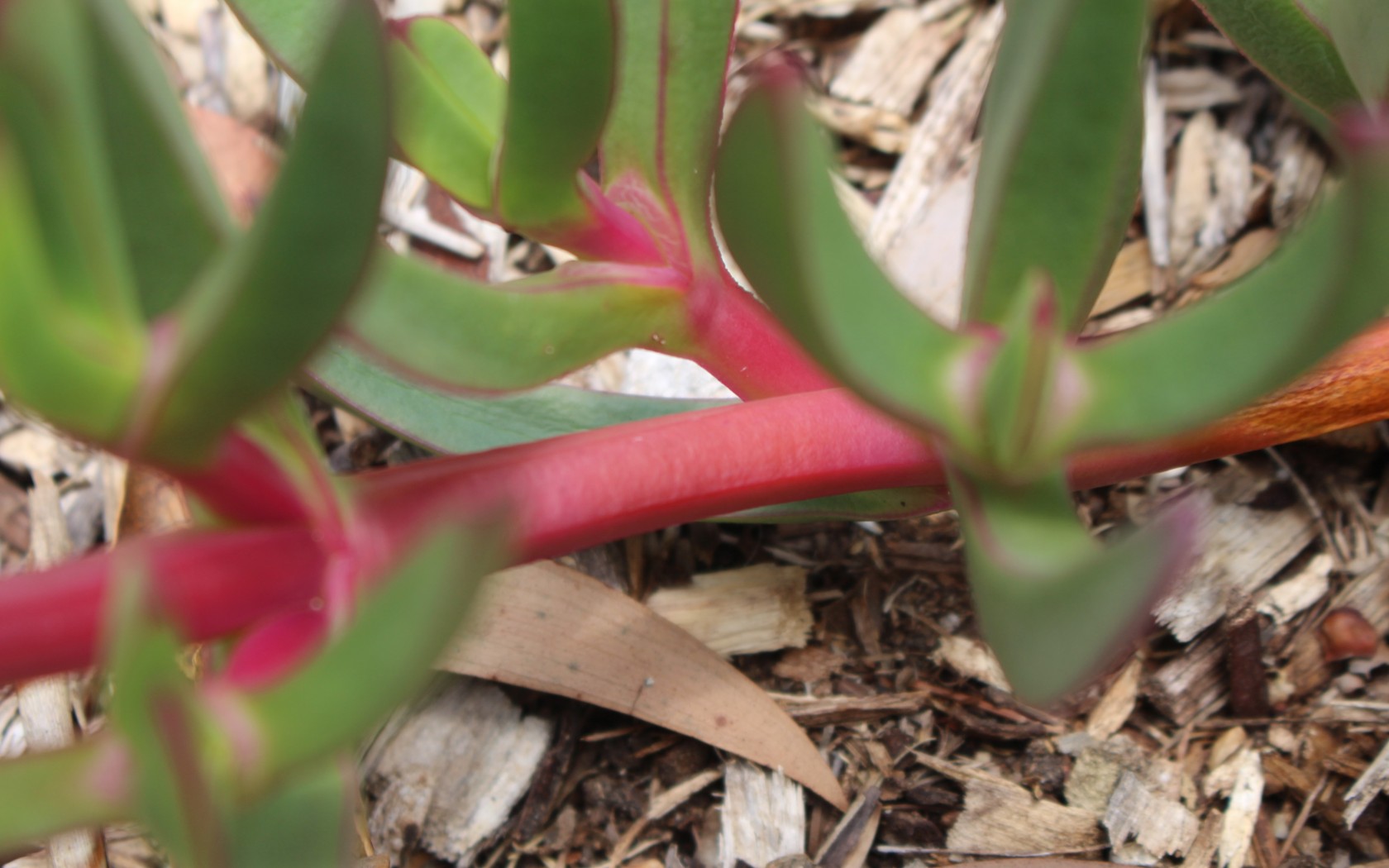
Bark (Upper)
Bark (Upper) - Carpobrotus glaucescens (Haw., Schwantes)
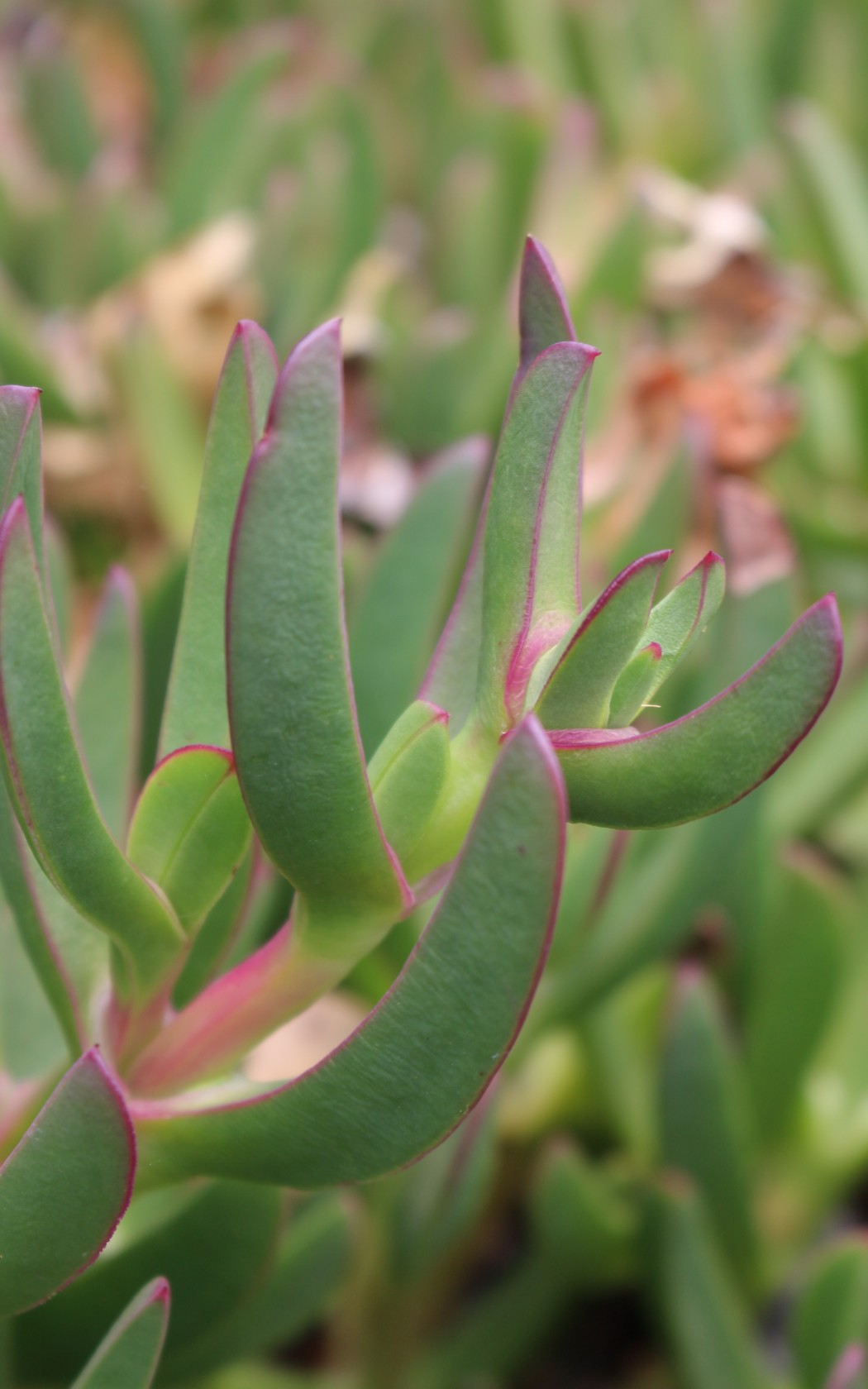
Leaves
Leaves - Carpobrotus glaucescens (Haw., Schwantes)
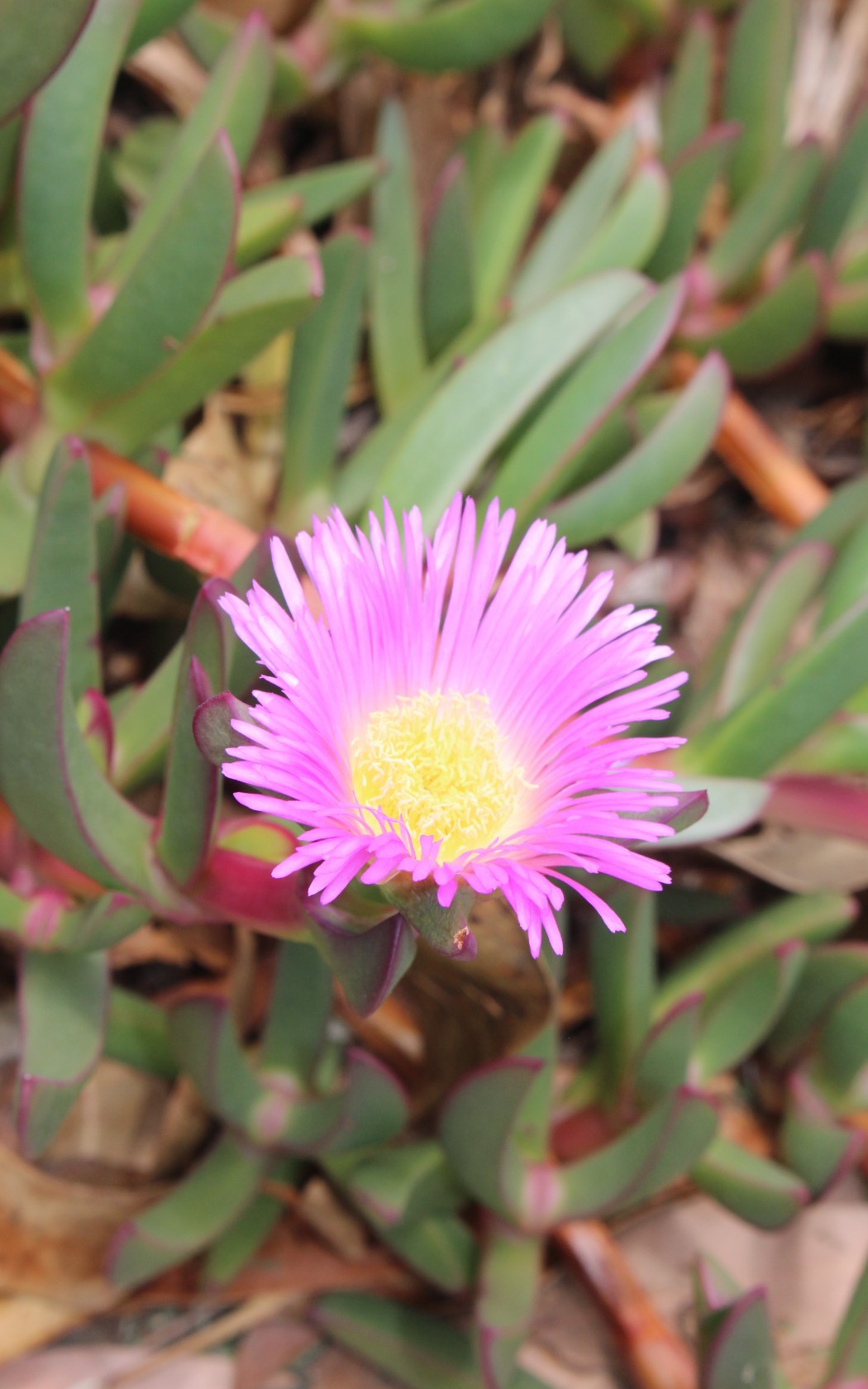
Flowers
Flowers - Carpobrotus glaucescens (Haw., Schwantes)
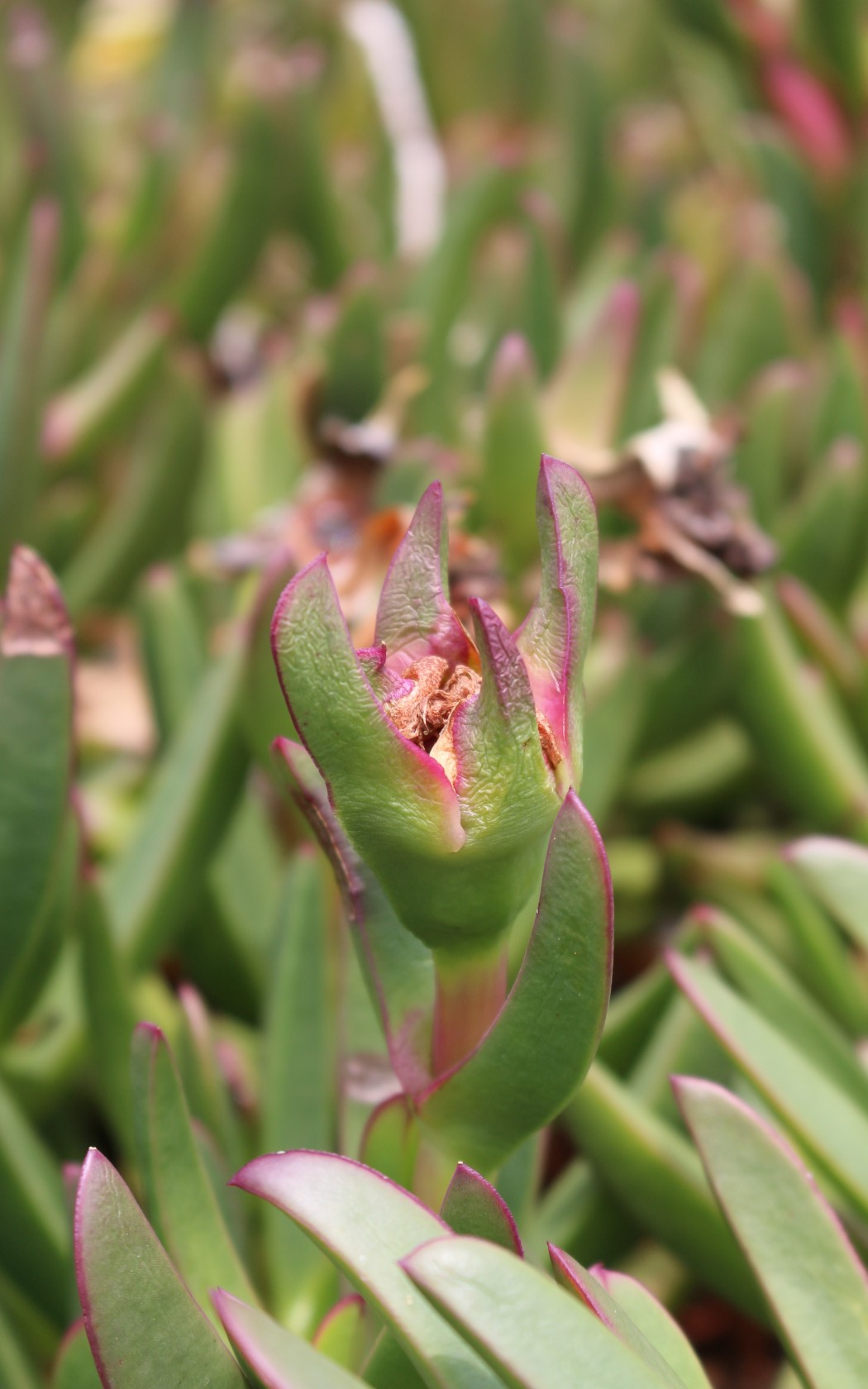
Fruit
Fruit - Carpobrotus glaucescens (Haw., Schwantes)
Expand all
 Prostrate
 Linear
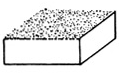 Glaucous
Glaucous
Glaucous
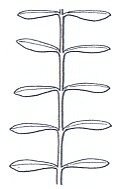
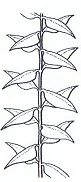 Opposite,
Opposite & Decussate
Opposite,
Opposite & Decussate
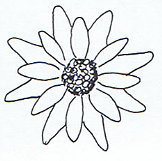 Composite
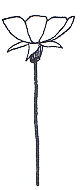 Solitary
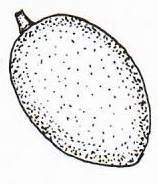 Ellipsoid
 Smooth,
Waxy
Smooth,
Waxy
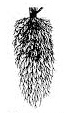
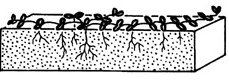 Fibrous,
Repent
Fibrous,
Repent

 Moist,
Moist-Dry
Moist,
Moist-Dry
 Slight-Moderate
Cacti, Succulents, & Allies Properties
Origin(s)
Plant Type
Climate Range(s) - Habitat
Aspect Range(s)
Habitat Range(s)
Habitat Zone(s)
Mature Height
Mature Width
Plant Shape
Prostrate
Prostrate
Growth Rate
Maturity
Life Span
Leaf Properties
Leaf Colour (front)
Leaf Colour (back)
Leaf Shape(s)
Linear
Linear
Leaf Texture (front)
Glaucous
Glaucous
Fleshy
,
Thick
Fleshy,
Thick
Leaf Texture (back)
Glaucous
Glaucous
Fleshy
,
Thick
Fleshy,
Thick
Leaf Length(s)
Leaf Width(s)
Leaf Arrangement
Opposite
Opposite & Decussate
Opposite,
Opposite & Decussate
Leaf Aroma
Trunk / Stem Properties
Trunk / Stem Upper Colour(s)
Trunk / Stem Base Colour(s)
Inflorescence (Flower) Properties
Gender: Bisexual
Flowering Time (start)
Flowering Time (end)
Colour(s)
Aroma(s)
Flower Shape(s)
Composite
Composite
Flower Size(s) Width
Arrangement(s)
Solitary
Solitary
Pollinator(s)
Indusia (Fruiting Body) Properties
Shape(s)
Ellipsoid
Ellipsoid
Outer Colour(s)
Outer Texture
Smooth
Waxy
Smooth,
Waxy
Length
Aroma
Root Properties
Type
Fibrous
Repent
Fibrous,
Repent
Invasiveness
Soil Properties
pH Range(s)
Condition(s)
Moist
Moist-Dry
Moist,
Moist-Dry
Poor
,
Shallow
,
Deep
,
Well Drained
Poor,
Shallow,
Deep,
Well Drained
Salinities
Slight-Moderate
Slight-Moderate
Waterlogging Class
Watering Requirements
Other Properties / Uses
Bee Attraction
Bird Attraction
Butterfly Attraction
Frog Habitat
Coastal
Edible(s)
Fire Retarding
Drought Tolerance
Frost Tolerance
Snow Tolerance
Smog Tolerant
Landscape Use
Pests/Diseases
Humidity Requirements
Fertilising Requirements
Wind Tolerance
General Notes
A common, hardy ground cover for beach side gardens with showy purple-pink flowers. Salt and wind tolerate it is good for binding sand and soil from wind and water erosion.
The Aboriginal people used the fruit and leaves as a food source. The flesh of the fruit has a taste of salty apples or some say strawberry or kiwifruit. The juice of the leaves can be used to relieve pain from insect bites. The leaves can be eaten raw or roasted and used as a salt substitute.