Loading...

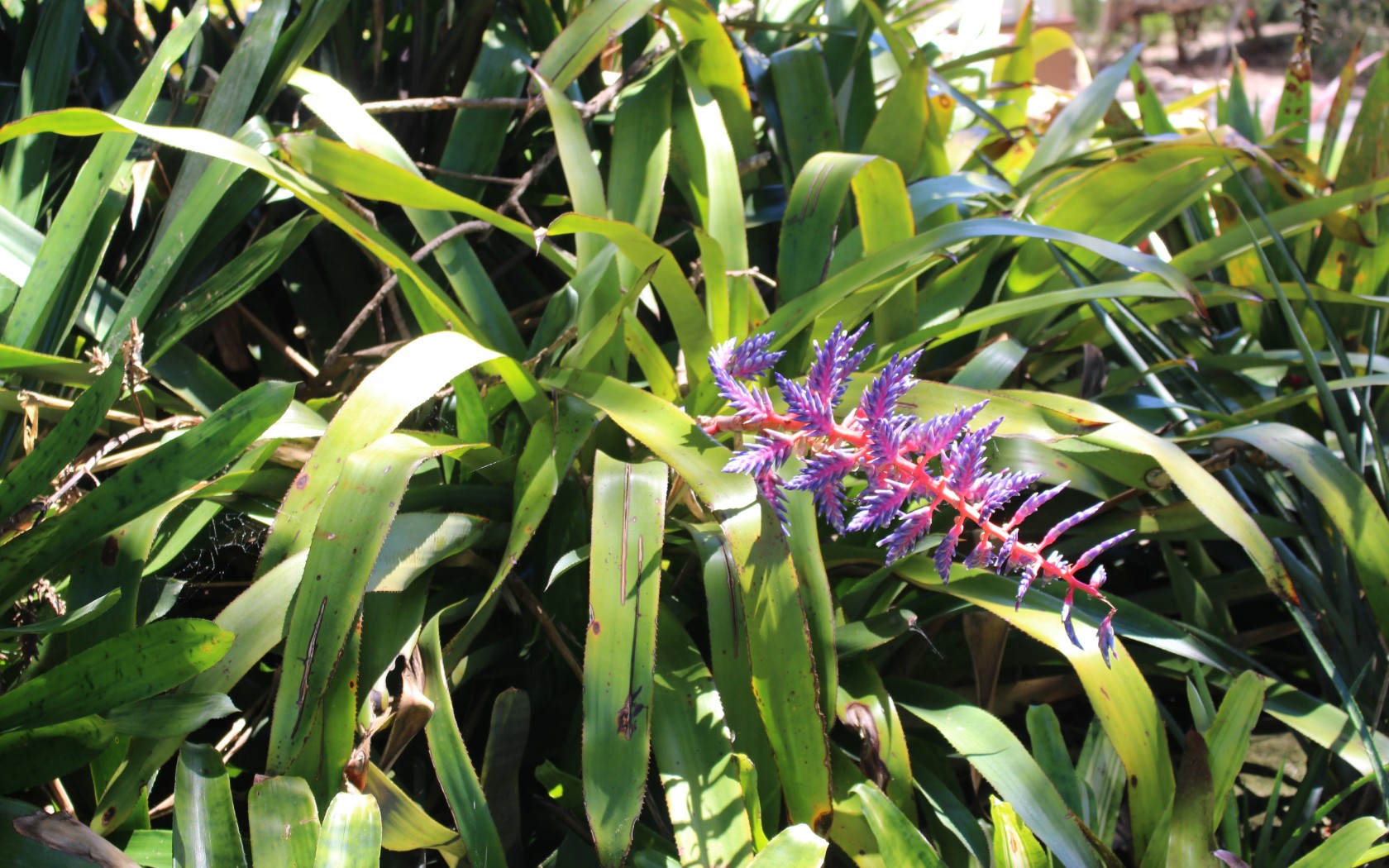
Aechmea 'Blue Tango'

Common name(s): Blue Tango Bromeliad
Family: Bromeliaceae
Plant
Plant
Taken by Ken Harrington
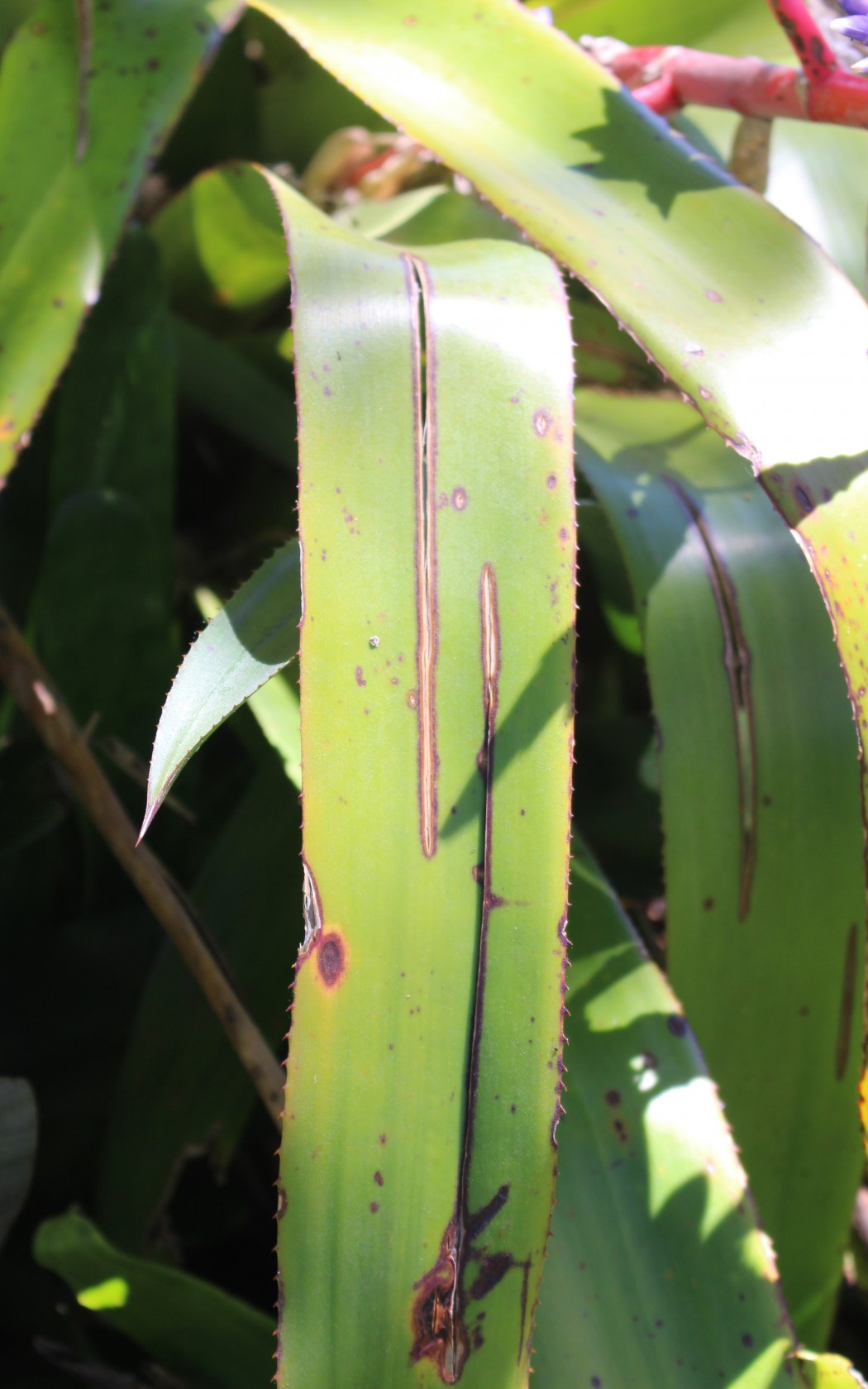
Leaf
Leaves
Taken by Ken Harrington
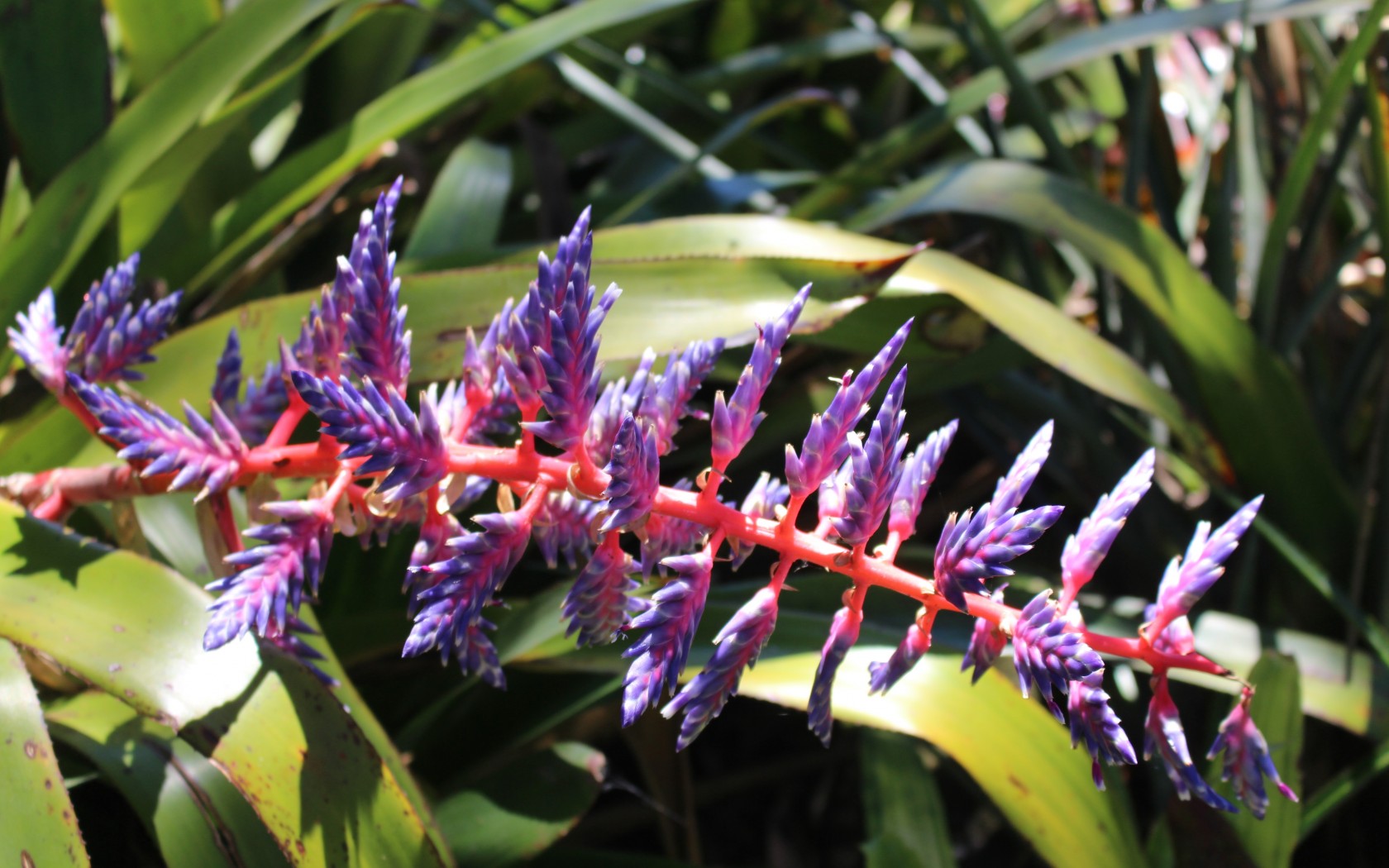
Flower
Flowers
Taken by Ken Harrington
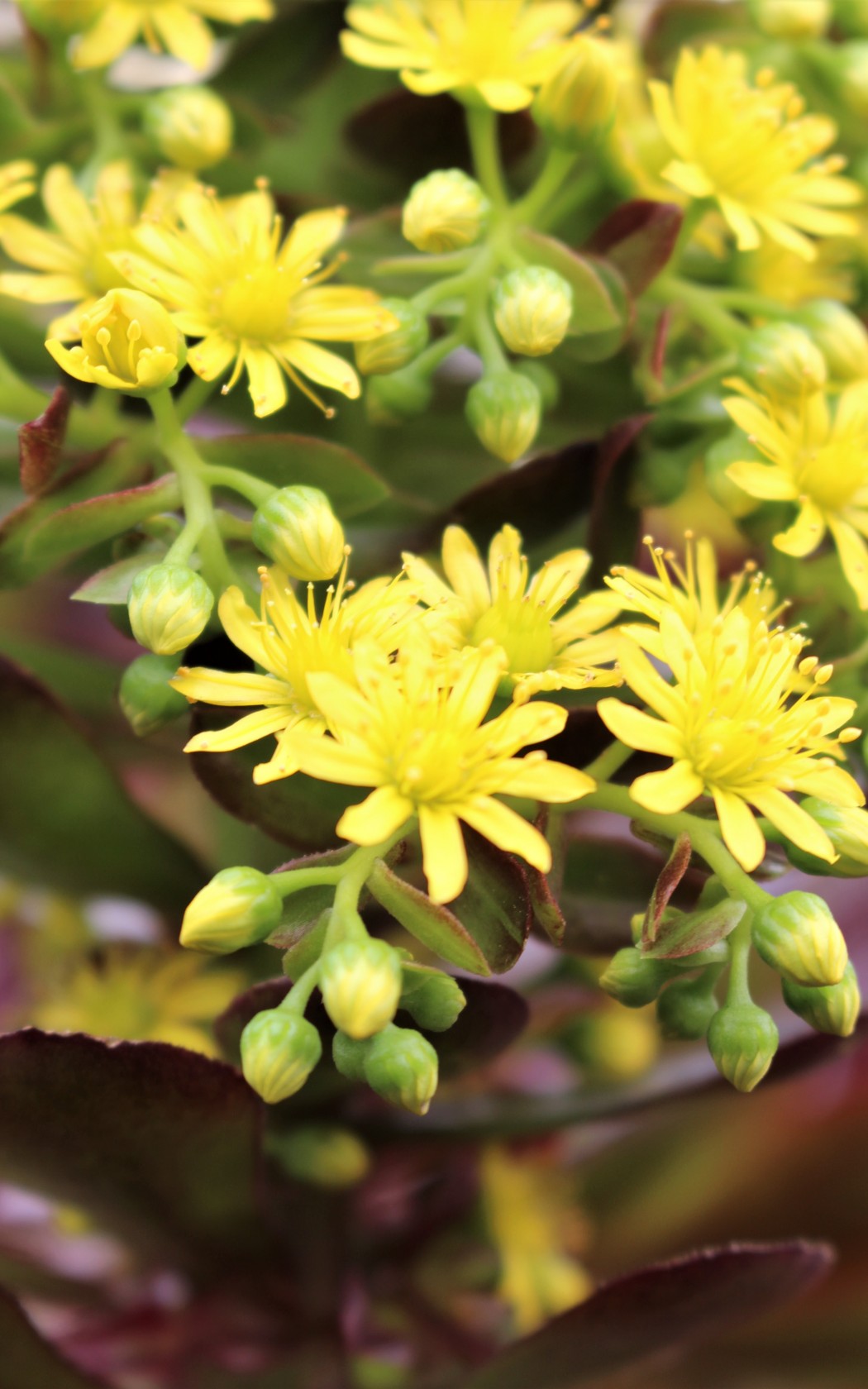
Flower
Flowers
Taken by Ken Harrington
Expand all
Cacti, Succulents, & Allies Properties

Origin(s)
United States
  • Florida: Cultivar
Plant Type
Bromeliad, Epiphytic, Perennial, Succulent Ally
Bromeliad,
Epiphytic,
Perennial,
Succulent Ally
Climate Range(s) - Habitat
Tropical-Sub, Tropical
Tropical-Sub,
Tropical
Climate Range(s) - Tolerance
Temperate Warm, Mediterranean, Tropical-Sub, Tropical
Temperate Warm,
Mediterranean,
Tropical-Sub,
Tropical
Aspect Range(s)
Shade - Dappled, Shade - Light, Shade - Heavy
Shade - Dappled,
Shade - Light,
Shade - Heavy
Habitat Zone(s)
Garden, Landscape, Moist areas, Moist Slopes, Rock crevices, Understory, Wind Protected
Garden,
Landscape,
Moist areas,
Moist Slopes,
Rock crevices,
Understory,
Wind Protected
Mature Height
800-900mm, 900mm-1m
800-900mm,
900mm-1m
Mature Width
150-200mm
150-200mm
Plant Shape
Rosette
Rosette
Rosette Rosette
Growth Rate
Moderate
Moderate
Life Span
1-2yrs, 2-5yrs
1-2yrs,
2-5yrs
Leaf Properties
Leaf Colour (front)
Glossy, Green, Green Light
Glossy,
Green,
Green Light
Leaf Colour (back)
Glossy, Green, Green Light
Glossy,
Green,
Green Light
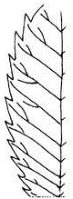
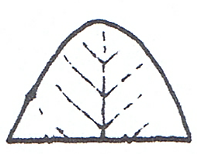
Leaf Shape(s)
Linear
Linear
Recurved
Recurved
Linear Linear,
Recurved Recurved
Broad
Broad
Leaf Texture (front)
Glabrous
Glabrous
Smooth
Smooth
Waxy
Waxy
Glabrous Glabrous,
Smooth Smooth,
Waxy Waxy
Fleshy
Fleshy
Leaf Texture (back)
Glabrous
Glabrous
Smooth
Smooth
Waxy
Waxy
Glabrous Glabrous,
Smooth Smooth,
Waxy Waxy
Fleshy
Fleshy
Leaf Length(s)
300-400mm, 400-500mm, 500-600mm
300-400mm,
400-500mm,
500-600mm
Leaf Width(s)
50-60mm, 60-70mm, 70-80mm
50-60mm,
60-70mm,
70-80mm
Leaf Margin(s)
Serrate
Serrate
Toothed
Toothed
Serrate Serrate,
Toothed Toothed
Leaf Arrangement
Basal or Radial
Basal or Radial
Rosette
Rosette
Basal or Radial Basal or Radial,
Rosette Rosette
Leaf Cross Section(s)
Concave
Concave
Flat
Flat
Concave Concave,
Flat Flat
Apice(s)
Aristate
Aristate
Obtuse
Obtuse
Aristate Aristate,
Obtuse Obtuse
Base(s)
Truncate
Truncate
Truncate Truncate
Leaf Aroma
None
None
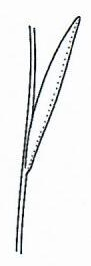
Leaf Attachment
Ascending
Ascending
Collar Broad
Collar Broad
Collar Divided
Collar Divided
Ascending Ascending,
Collar Broad Collar Broad,
Collar Divided Collar Divided
Inflorescence (Flower) Properties
Gender: Bisexual
Colour(s)
Blue, Pink Dark, Red
Blue,
Pink Dark,
Red
Aroma(s)
None
None
Arrangement Size(s)
375-400mm
375-400mm
Pollinator(s)
Birds, Butterflies
Birds,
Butterflies
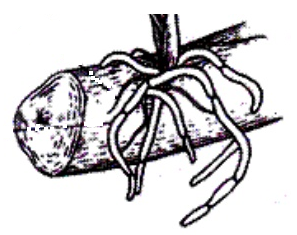
Root Properties
Type
Epiphytic
Epiphytic
Fibrous
Fibrous
Epiphytic Epiphytic,
Fibrous Fibrous
Texture
Cord-like , Fibrous , Fleshy , Pliable
Cord-like,
Fibrous,
Fleshy,
Pliable
Colour(s)
Brown Light, Cream Deep
Brown Light,
Cream Deep
Invasiveness
None
None
Soil Properties
Type(s)
Hummus Rich, Organic Matter
Hummus Rich,
Organic Matter
pH Range(s)
Acid, Slightly Acid, Neutral
Acid,
Slightly Acid,
Neutral
Condition(s)
Moist
Moist
Moist Moist
Fertile , Poor , Shallow , Well Drained
Fertile,
Poor,
Shallow,
Well Drained
Salinities
None
None
None None
Waterlogging Class
None
None
Watering Requirements
WR4 - allow soil to dry between watering, WR5 - soil should remain dry 4 - 5 days between watering
WR4 - allow soil to dry between watering,
WR5 - soil should remain dry 4 - 5 days between watering
Other Properties / Uses
Bee Attraction
Poor
Poor
Bird Attraction
Insect, Nectar
Insect,
Nectar
Butterfly Attraction
Moderate
Moderate
Frog Habitat
Moderate
Moderate
Coastal
2nd Line
2nd Line
Edible(s)
None
None
Fire Regeneration(s)
None
None
Fire Retarding
Moderate
Moderate
Drought Tolerance
Moderate
Moderate
Frost Tolerance
Poor
Poor
Snow Tolerance
None
None
Smog Tolerant
Poor
Poor
Landscape Use
Good
Good
Street Use
None
None
Commercial Use(s)
Horticulture - Amenity
Maintenance(s)
Dead Heading
Dead Heading
Pests/Diseases
Slugs, Snails
Slugs,
Snails
Special Purpose(s)
Garden-Architectural, Garden-Border Plant, Garden-Container, Fire Retarding, Foliage-interesting, Garden-Cacti, Garden-Indoors, Garden-Rock, Garden-Tropical, Pool side, Shade Tolerant, Shady Dry, Shady Moist, Specimen, Tolerant- Rabbit's/Hares, Tolerant-Deer, Tolerant-Kangaroo's
Garden-Architectural,
Garden-Border Plant,
Garden-Container,
Fire Retarding,
Foliage-interesting,
Garden-Cacti,
Garden-Indoors,
Garden-Rock,
Garden-Tropical,
Pool side,
Shade Tolerant,
Shady Dry,
Shady Moist,
Specimen,
Tolerant- Rabbit's/Hares,
Tolerant-Deer,
Tolerant-Kangaroo's
Dormancy
Winter
Winter
Humidity Requirements
Medium, High, Very High
Medium,
High,
Very High
Vulnerability
LC - Least Concern
LC - Least Concern
Annual Precipitation Range
250mm, 300mm, 350mm, 400mm, 450mm, 500mm
250mm,
300mm,
350mm,
400mm,
450mm,
500mm
Fertilising Requirements
FR2
FR2
Wind Tolerance
Light Winds
Light Winds
Propagation
Offsets

General Notes

A cultivar of Aechmea dichlamydea var. trinitensis x A. fendleri developed by Patricia Bullis of Princeton, Florida has a stunning irredescent blue flower.

Propagation Notes

Offsets
Division
Sep, Oct, Nov, Dec, Feb, Mar, Apr, May
Material Preparation

Select offsets that are approximately a 1/3 or more the size of the mother plant. Either pull away or with a sharp knife, slice down the side of the stem of the mother plant to remove the offset with roots attached where possible. Place to one side and allow the wound to callous for 4 - 8 hours.

Propagating Mix

1 part Premium Potting Mix + 1 part Orchid Bark

Treatment

3/4 fill the 140mm pot with mix. Hold the offset over the soil mix in the pot and back fill around the offset and firm down. The offset should stand firm and be approximately 20 - 30mm into the mix, not too deep or it will rot. Water the pots of mix thoroughly with Previcur fungicide.  Place in cold house, keep moist. Maintain cold house environment between 50-75% humidity and temperature between 20-30° C.

Strike Rate:-     Field Stock        75-95 %

                        Nursery Stock   90-99 %

Rooting time:- Field Stock        4 - 8 weeks

                        Nursery Stock  4 - 8 weeks

Notes

Once the plant has finished flowering it will start to die, the offsets remaining will get nutrients from the dying plant and take better root. They can be divided easily after that with a good root system.