Billbergia nutans H. Wendl.
Common name(s): Queen's Tears, Friendship Plant
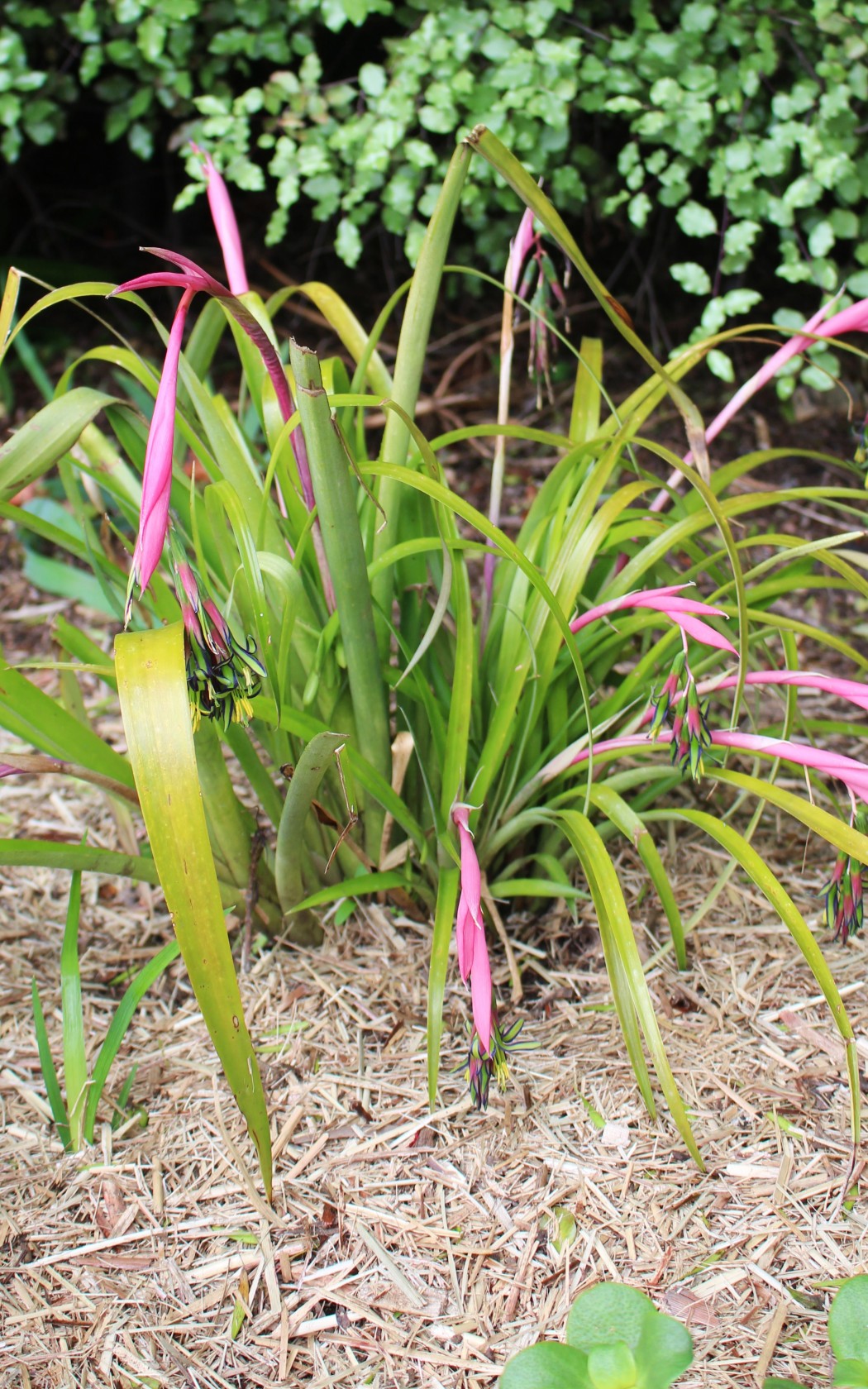
Plant
Plant - Billbergia nutans (H. Wendl.)
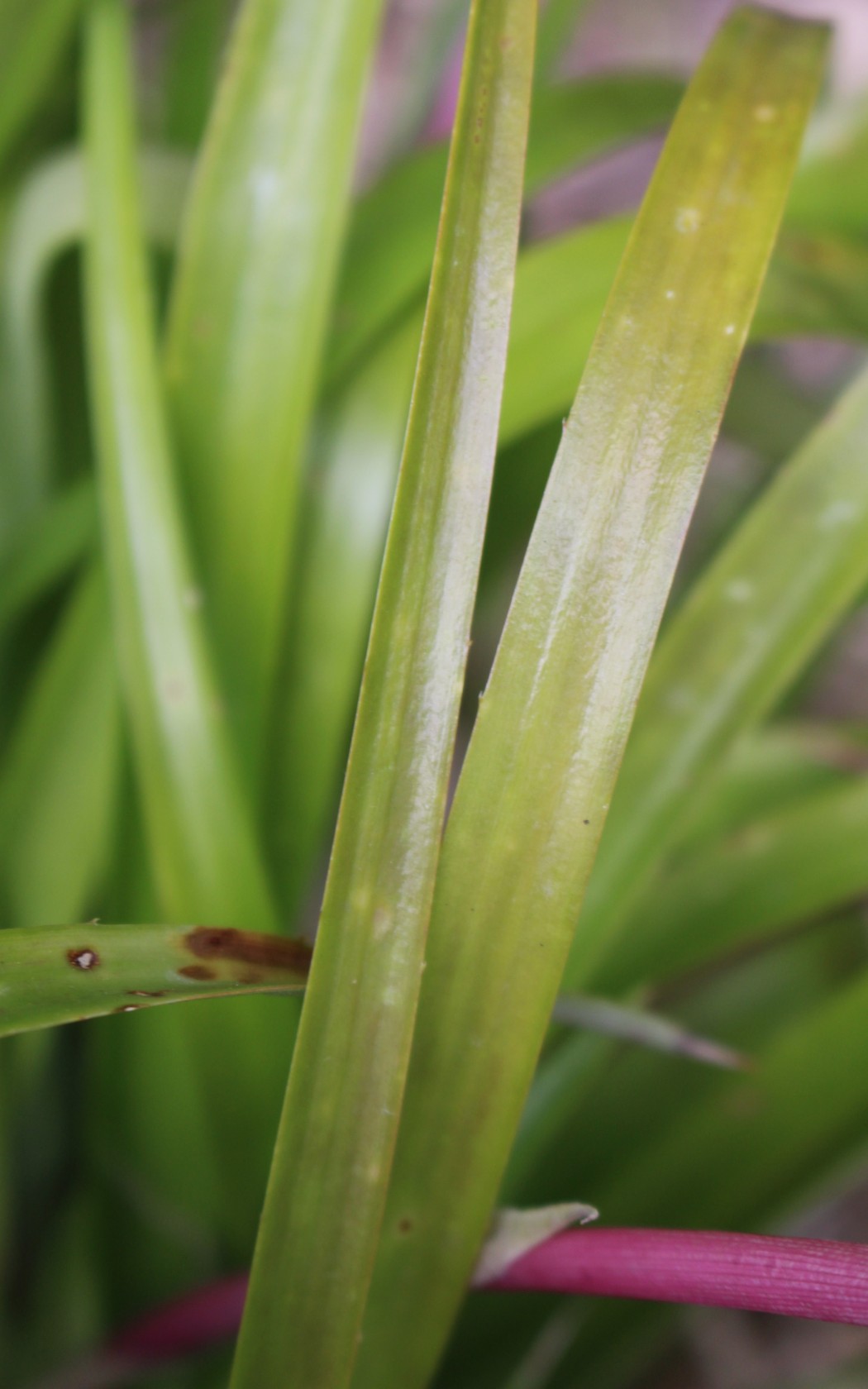
Leaf (Front)
Leaf (Front) - Billbergia nutans (H. Wendl.)
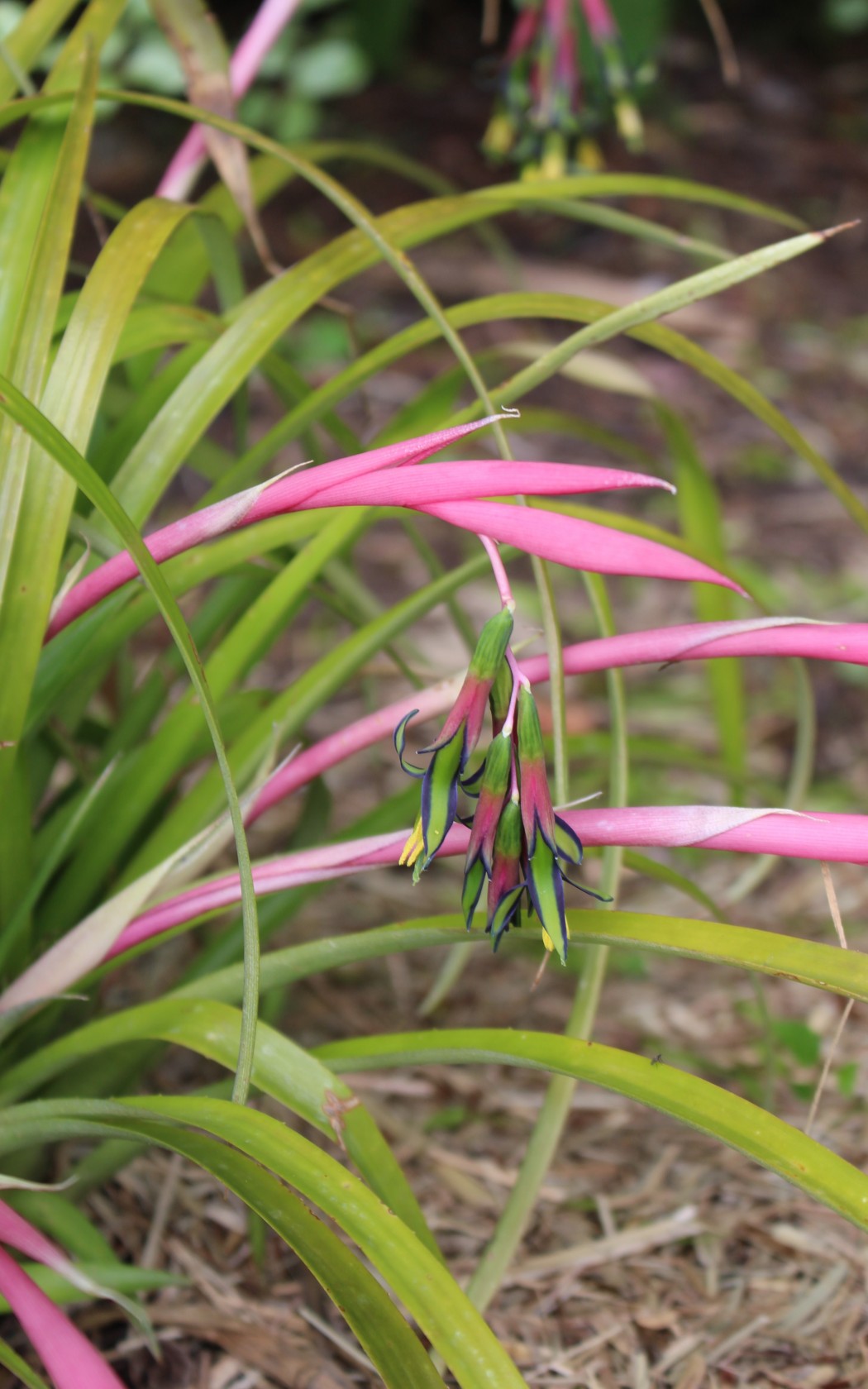
Inflorescence
Inflorescence - Billbergia nutans (H. Wendl.)

Flowers
Flowers - Billbergia nutans (H. Wendl.)
Expand all
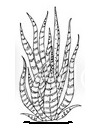 Clump - Upright
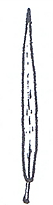

 Acicular,
Linear,
Recurved
Acicular,
Linear,
Recurved



 Glabrous,
Leathery,
Ribbed,
Scaly
Glabrous,
Leathery,
Ribbed,
Scaly


 Glabrous,
Lepidate,
Smooth,
Waxy
Glabrous,
Lepidate,
Smooth,
Waxy
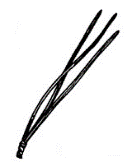
 Fascicled,
Rosette
Fascicled,
Rosette
 Tubulate

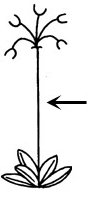 Bract Spike,
Scape
Bract Spike,
Scape
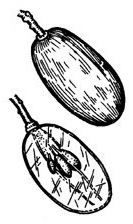 Bacca
Bacca
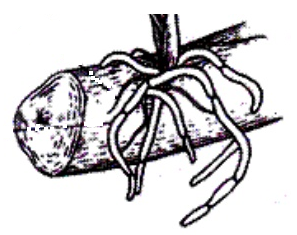
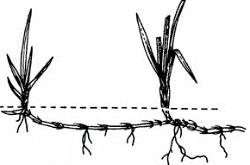 Epiphytic,
Rhizome Stoloniferous
Epiphytic,
Rhizome Stoloniferous


 Damp,
Moist,
Moist-Dry
Damp,
Moist,
Moist-Dry
 Slight
Cacti, Succulents, & Allies Properties
Origin(s)
Plant Type
Climate Range(s) - Habitat
Aspect Range(s)
Habitat Range(s)
Habitat Zone(s)
Mature Height
Mature Width
Plant Shape
Clump - Upright
Clump - Upright
Growth Rate
Maturity
Life Span
Leaf Properties
Leaf Colour (front)
Leaf Colour (back)
Leaf Shape(s)
Acicular
Linear
Recurved
Acicular,
Linear,
Recurved
Leaf Texture (front)
Glabrous
Leathery
Ribbed
Scaly
Glabrous,
Leathery,
Ribbed,
Scaly
Leaf Texture (back)
Glabrous
Lepidate
Smooth
Waxy
Glabrous,
Lepidate,
Smooth,
Waxy
Leaf Length(s)
Leaf Width(s)
Leaf Arrangement
Fascicled
Rosette
Fascicled,
Rosette
Leaf Aroma
Inflorescence (Flower) Properties
Gender: Bisexual
Flowering Time (start)
Flowering Time (end)
Colour(s)
Aroma(s)
Flower Shape(s)
Tubulate
Tubulate
Pendulous
Pendulous
Flower Size(s) Width
Arrangement(s)
Bract Spike
Scape
Bract Spike,
Scape
Arrangement Size(s)
Flowers per Arrangement
Pollinator(s)
Indusia (Fruiting Body) Properties
Type
Bacca
Bacca
Outer Colour(s)
Aroma
Season of Fruiting
Maturation for Fruiting
Root Properties
Type
Epiphytic
Rhizome Stoloniferous
Epiphytic,
Rhizome Stoloniferous
Invasiveness
Soil Properties
pH Range(s)
Condition(s)
Damp
Moist
Moist-Dry
Damp,
Moist,
Moist-Dry
Poor
,
Shallow
,
Well Drained
Poor,
Shallow,
Well Drained
Salinities
Slight
Slight
Waterlogging Class
Watering Requirements
Other Properties / Uses
Bee Attraction
Bird Attraction
Butterfly Attraction
Frog Habitat
Coastal
Edible(s)
Fire Retarding
Drought Tolerance
Frost Tolerance
Snow Tolerance
Smog Tolerant
Landscape Use
Pests/Diseases
Humidity Requirements
Fertilising Requirements
Wind Tolerance
General Notes
An epiphytic plant really, though often grown in gardens with well drain soil as a border plant. A narrow, tubular shaped, upright plant that will have arching leaves as they age. Producing numerous offsets all year round, it will spread over an area in a period of time. One of the hardiest of the Bromeliad family and easy to grow. The common name of Queen's Tears comes from the amount of nectar the flower produces.
There are two recognized varieties and many cultivars
- Billbegia nutans var. nutans
- Billbegia nutans var. schimperiana (Wittm. ex Baker) Mez.