Aloe chabaudii Schonland
Common name(s): Dwala Aloe, Chabaud's Aloe
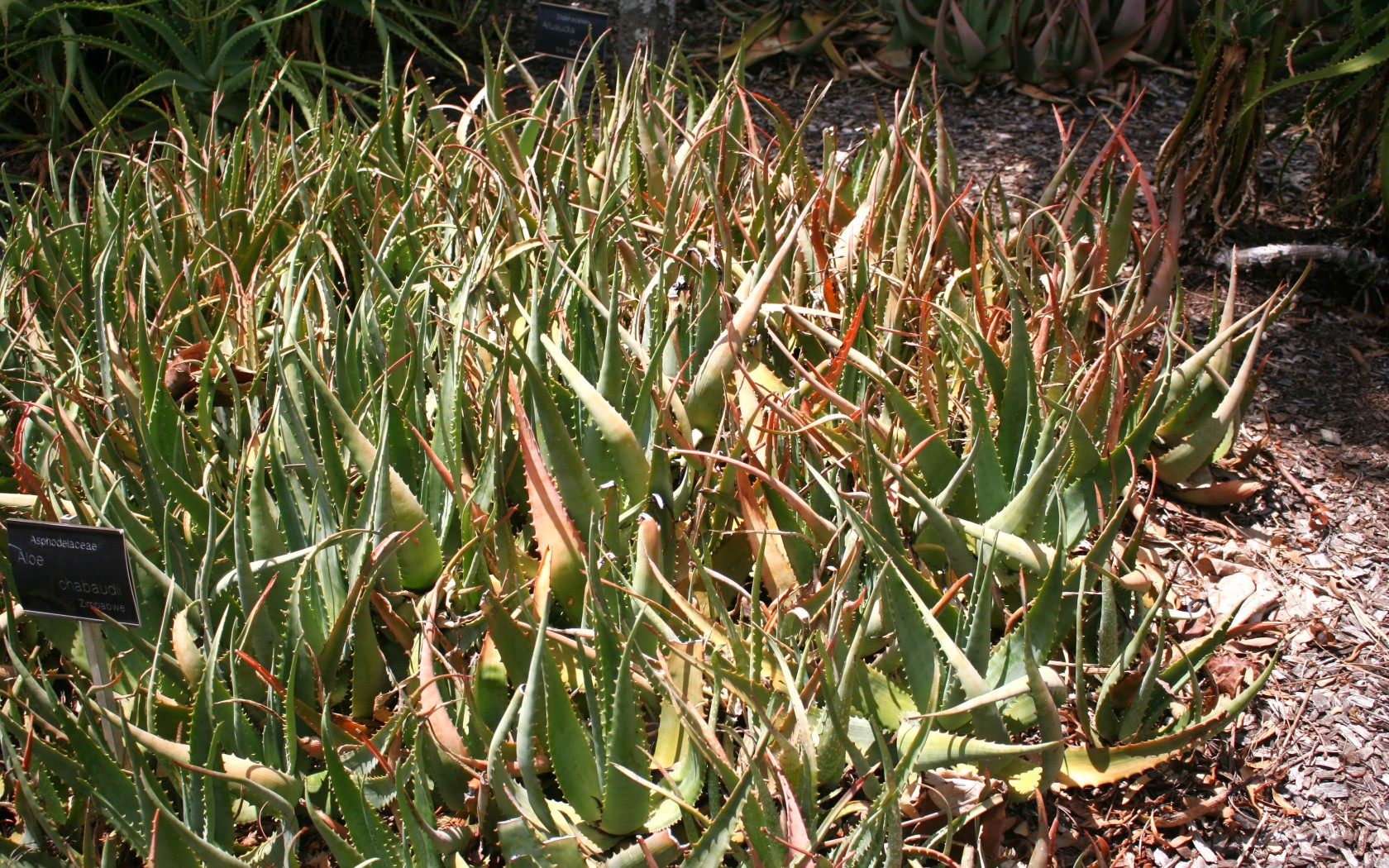
Plant
Plant - Aloe chabaudii (Schonland)
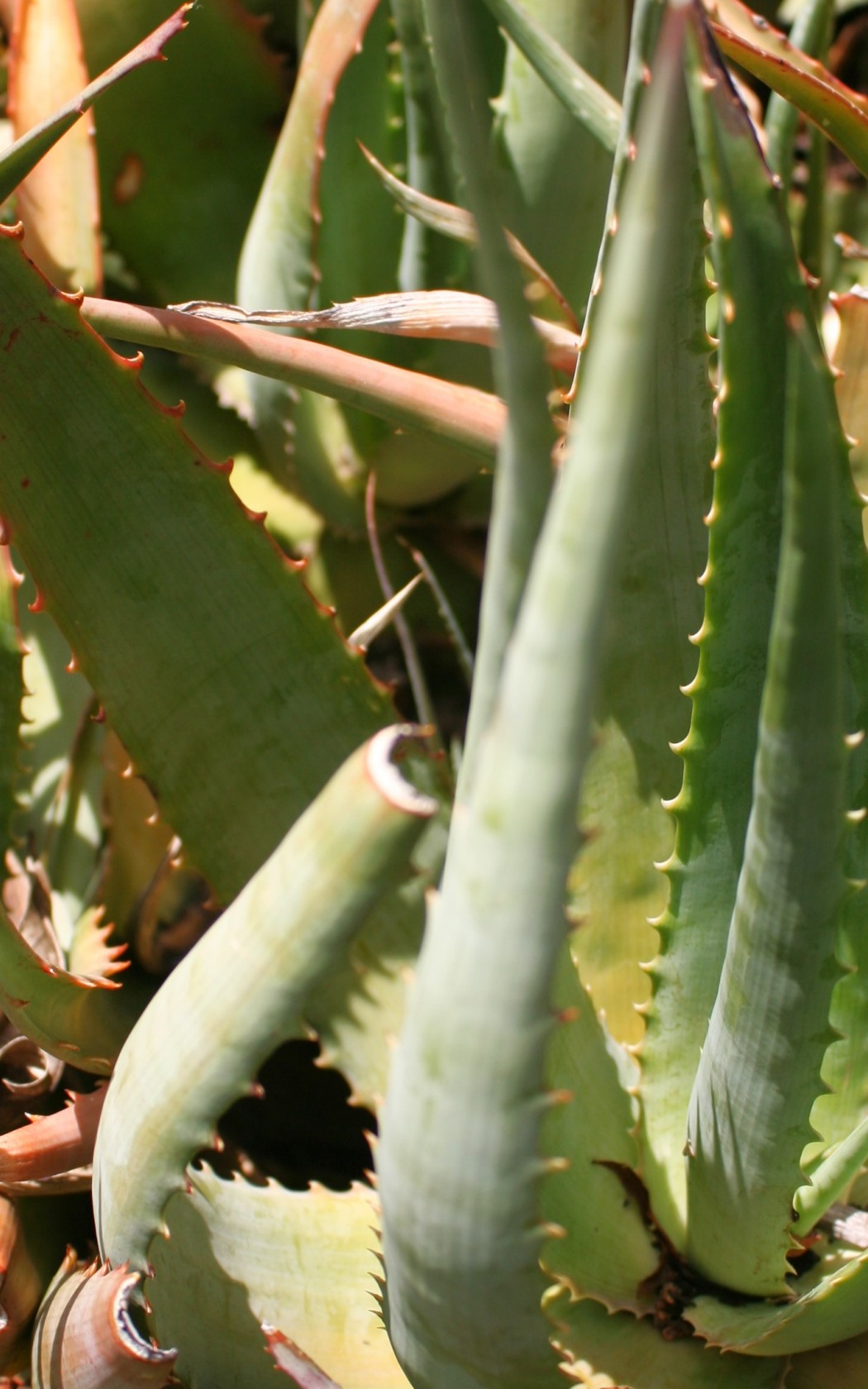
Leaves
Leaves - Aloe chabaudii (Schonland)
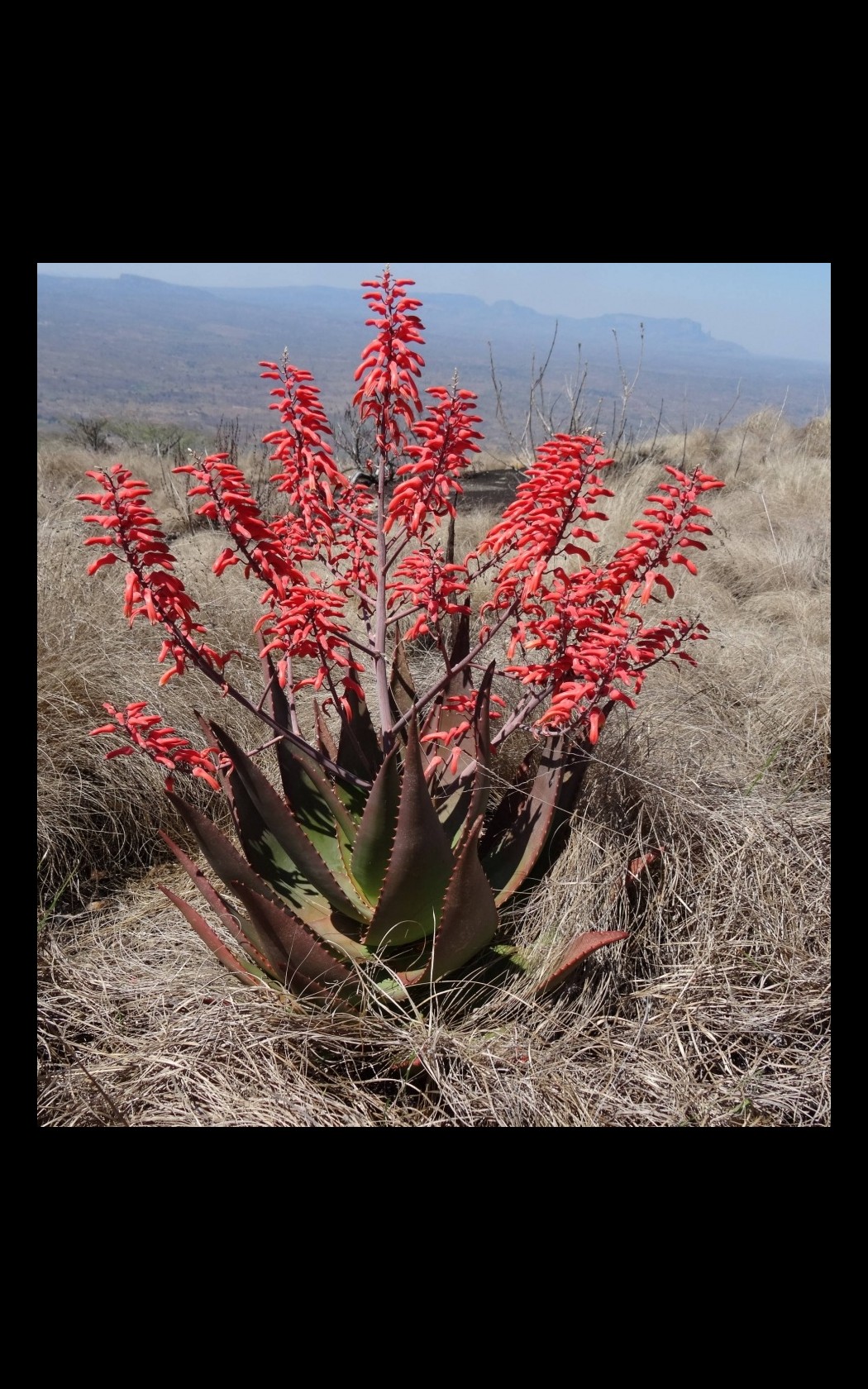
Flowers
Flowers - Aloe chabaudii (Schonland)
Expand all
 Rosette - Spiked
 Lanceolate-attentuate
 Glabrous,
Glaucous,
Waxy
Glabrous,
Glaucous,
Waxy
Glabrous,
Glaucous,
Waxy
Glabrous,
Glaucous,
Waxy
 Rosette
 Tubulate
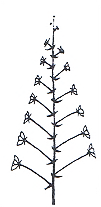
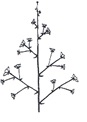 Raceme,
Panicle
Raceme,
Panicle
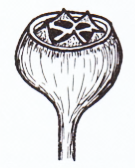 Capsule
 Ovoid
Ovoid
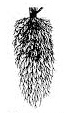 Fibrous

 Moist,
Moist-Dry
Moist,
Moist-Dry
 Slight
Cacti, Succulents, & Allies Properties
Origin(s)
Plant Type
Climate Range(s) - Habitat
Climate Range(s) - Tolerance
Aspect Range(s)
Habitat Range(s)
Habitat Zone(s)
Mature Height
Mature Width
Plant Shape
Rosette - Spiked
Rosette - Spiked
Growth Rate
Leaf Properties
Leaf Colour (front)
Leaf Colour (back)
Leaf Shape(s)
Lanceolate-attentuate
Lanceolate-attentuate
Leaf Texture (front)
Glabrous
Glaucous
Waxy
Glabrous,
Glaucous,
Waxy
Fleshy
Fleshy
Leaf Texture (back)
Glabrous
Glaucous
Waxy
Glabrous,
Glaucous,
Waxy
Fleshy
Fleshy
Leaf Length(s)
Leaf Width(s)
Leaf Arrangement
Rosette
Rosette
Leaf Aroma
Trunk / Stem Properties
Trunk / Stem / Phylloclade Feature(s)
Inflorescence (Flower) Properties
Gender: Bisexual
Flowering Time (start)
Flowering Time (end)
Colour(s)
Aroma(s)
Flower Shape(s)
Tubulate
Tubulate
Flower Size(s) Width
Arrangement(s)
Raceme
Panicle
Raceme,
Panicle
Erect
,
Spikelets 10-11
,
Spikelets 11-12
,
Spikelets 12-13
,
Spikelets 13-14
,
Spikelets 15-16
,
Spikelets 6-7
,
Spikelets 7-8
,
Spikelets 8-9
,
Spikelets 9-10
Erect,
Spikelets 10-11,
Spikelets 11-12,
Spikelets 12-13,
Spikelets 13-14,
Spikelets 15-16,
Spikelets 6-7,
Spikelets 7-8,
Spikelets 8-9,
Spikelets 9-10
Arrangement Size(s)
Flowers per Arrangement
Pollinator(s)
Indusia (Fruiting Body) Properties
Type
Capsule
Capsule
Shape(s)
Ovoid
Ovoid
Outer Colour(s)
Aroma
Season of Fruiting
Root Properties
Type
Fibrous
Fibrous
Invasiveness
Soil Properties
pH Range(s)
Condition(s)
Moist
Moist-Dry
Moist,
Moist-Dry
Poor
,
Shallow
,
Deep
,
Well Drained
Poor,
Shallow,
Deep,
Well Drained
Salinities
Slight
Slight
Waterlogging Class
Watering Requirements
Other Properties / Uses
Bee Attraction
Bird Attraction
Butterfly Attraction
Frog Habitat
Coastal
Edible(s)
Fire Retarding
Drought Tolerance
Frost Tolerance
Snow Tolerance
Smog Tolerant
Landscape Use
Humidity Requirements
Wind Tolerance
General Notes
A hardy, suckering succulent forming large clumps for a xeriscape or rock garden but it does require some water during summer months as it comes from an area with summer rainfall, especially as in its natural enviroment it is growing on garnite outcrops with virtually no soil. Bright red-orange flowers are born on a large panicle that has up to 15 spike/racemes of the tubular flowers in winter attracting honeyeaters and bees. In full sun the leaves blush a pink colour.
There are cultivars available of this species
- Aloe chabaudii 'Orange Burst', bright orange flowers