Loading...

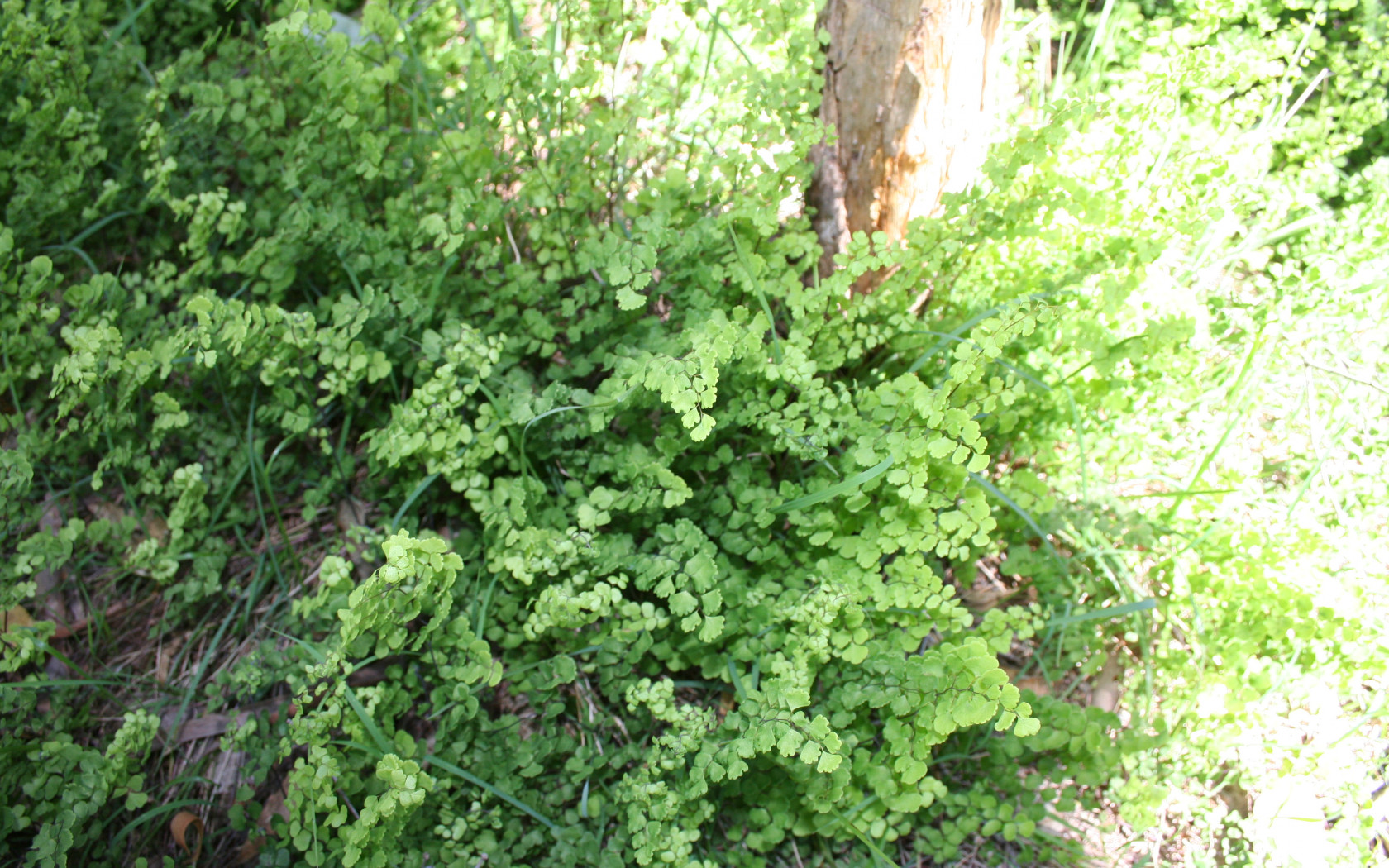
Adiantum aethiopicum

Common name(s): Common Maiden Hair fern, Bush Maidenhair fern
Family: Adiantaceae
Fern
Fern
Taken by Unknown Photographer
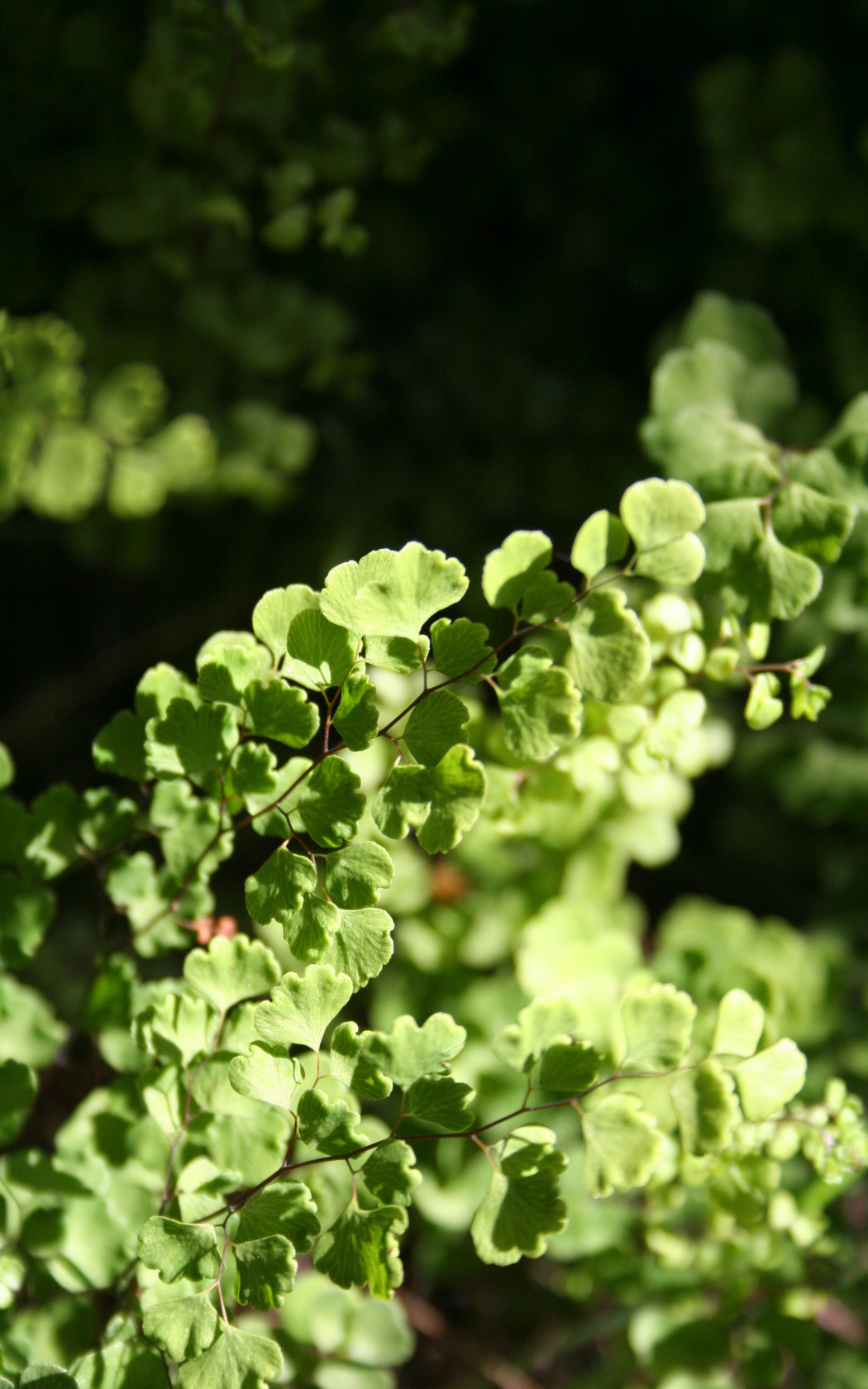
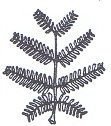
Pinna
Pinna
Taken by Unknown Photographer
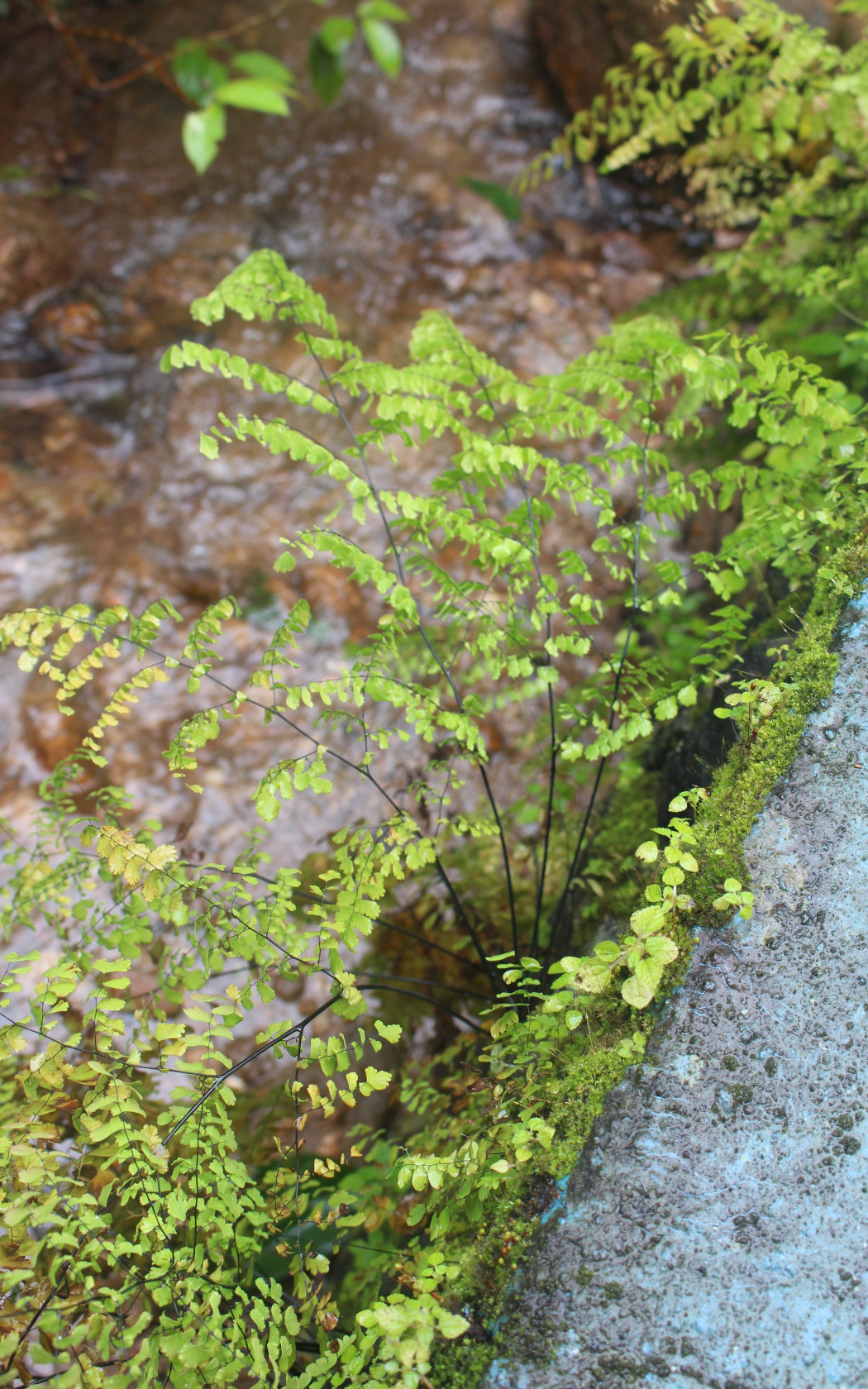
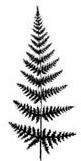
Frond
Frond
Taken by Unknown Photographer
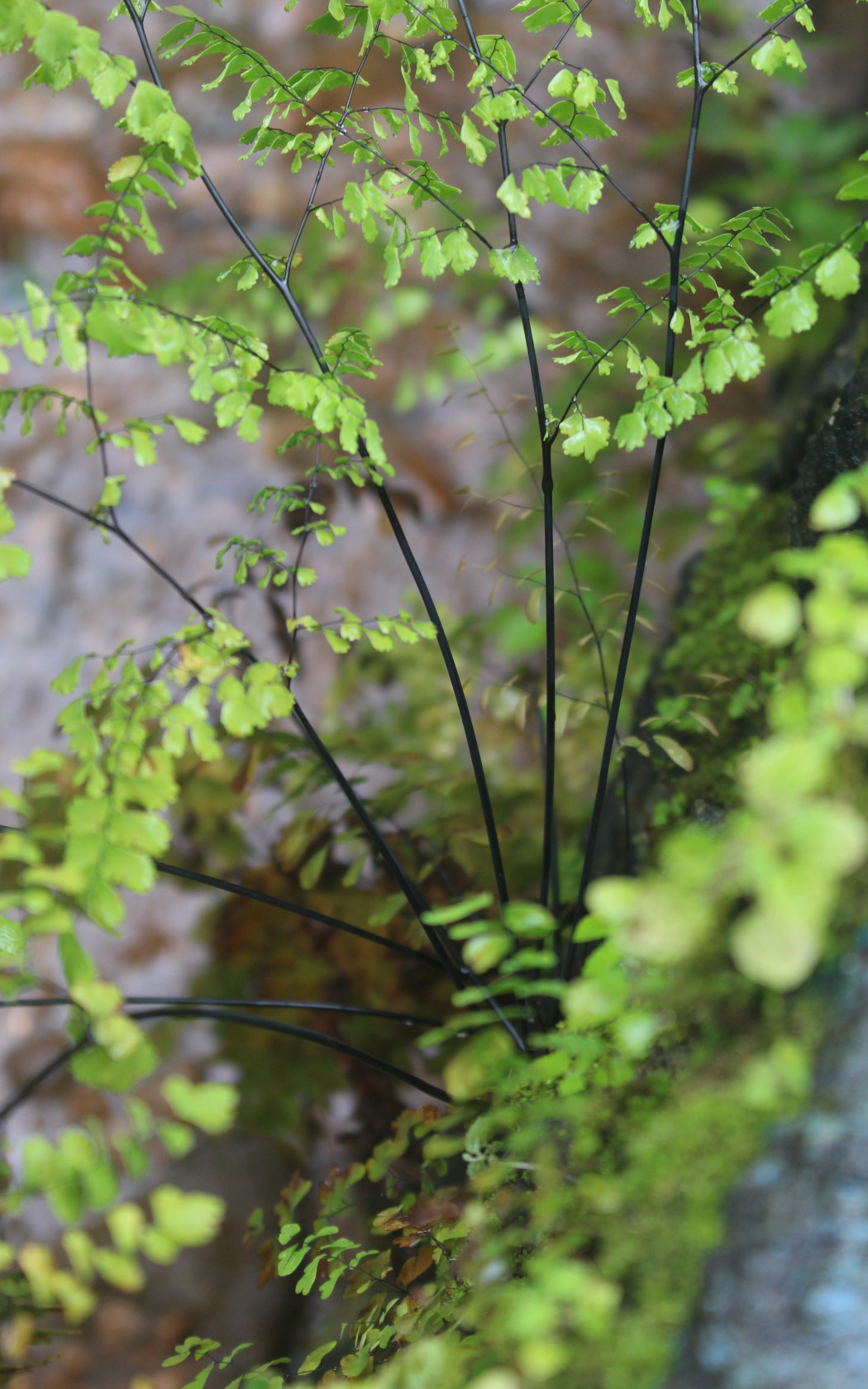
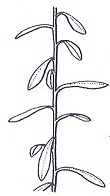
Rachis_stem
Rachis / Stem
Taken by Unknown Photographer
Expand all
Fern / Fern Ally Properties
Origin(s)
Australia
  • NSW: NS, NT, NC, CS, CT, CC, SS, ST, SC, JB, LH, CAN
  • NT: DG, CS
  • QLD: CO, KN, KS, PC, BN, WB, DD, MO
  • SA: EP, NL, SL, KI, SE
  • TAS: NW, ML, NE, WC, CH, EC, SW
  • VIC: WA, GR, VP, OP, OR, EH, GP, PR, EG
  • WA: DA, EY
New Zealand
  • Sth. Is.: BU
  • Nth. Is.: TKI, NO, AU, WA, TA, HA, WAI
South Africa
  • South Afri: Indigenous
Plant Type
Terrestrial Fern
Terrestrial Fern
Climate Range(s) - Habitat
Temperate Cool, Temperate Warm, Tropical-Sub, Tropical
Temperate Cool,
Temperate Warm,
Tropical-Sub,
Tropical
Aspect Range(s)
Shade - Dappled, Shade - Light, Shade - Medium
Shade - Dappled,
Shade - Light,
Shade - Medium
Habitat Range(s)
Garden, Landscape, Rainforest - Monsoonal, Rainforest - Temperate, Rainforest - Tropical, Sclerophyll Forest - Wet
Garden,
Landscape,
Rainforest - Monsoonal,
Rainforest - Temperate,
Rainforest - Tropical,
Sclerophyll Forest - Wet
Habitat Zone(s)
Gullies, Moist areas, Moist Valley Slopes, Rocky, Understory, Well drained, Wet Pockets
Gullies,
Moist areas,
Moist Valley Slopes,
Rocky,
Understory,
Well drained,
Wet Pockets
Mature Height
250-500mm
250-500mm
Mature Width
750mm-1m
750mm-1m
Plant Shape
Low Bun
Low Bun
Low Bun Low Bun
Growth Rate
Fast
Fast
Life Span
5-15yrs
5-15yrs
Frond Properties
Frond Colour(s) (upper)
Green Light
Green Light
Frond Colour(s) (lower)
Green Light
Green Light
Frond Texture (upper)
Smooth
Smooth
Smooth Smooth
Frond Texture (lower)
Smooth
Smooth
Smooth Smooth
Frond Aroma
None
None
Frond Length
300-400mm
300-400mm
Frond Shape(s)
Bipinnate
Bipinnate
Bipinnate-pinnatifid
Bipinnate Bipinnate,
Bipinnate-pinnatifid Bipinnate-pinnatifid
Frond Arrangement
Alternate
Alternate
Alternate Alternate
Root Properties
Root Type(s)
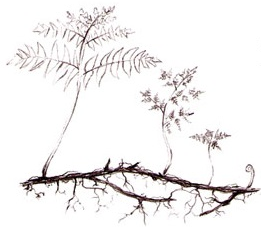
Rhizome Long-creeping
Rhizome Long-creeping Rhizome Long-creeping
Root/Rhizome Texture(s)
Rough / Scabrous
Rough / Scabrous
Rough / Scabrous Rough / Scabrous
Pliable , Wiry
Pliable,
Wiry
Soil Properties
Soil Type(s)
Clay, Clay-loam, Loam, Sandy-loam
Clay,
Clay-loam,
Loam,
Sandy-loam
Soil pH Range(s)
Acid, Slightly Acid, Neutral, Slightly Alkaline
Acid,
Slightly Acid,
Neutral,
Slightly Alkaline
Soil Condition(s)
Wet
Wet
Moist
Moist
Wet Wet,
Moist Moist
Fertile , Shallow , Deep , Well Drained
Fertile,
Shallow,
Deep,
Well Drained
Soil Salinities
None
None
None None
Other Properties / Uses
Bird Attraction(s)
None
None
Butterfly Attraction
None
None
Frog Habitat
Moderate
Moderate
Coastal
None
None
Edible(s)
None
None
Fire Retarding
None
None
Drought Tolerance
Poor
Poor
Frost Tolerance
Poor
Poor
Snow Tolerance
None
None
Smog Tolerant
Poor
Poor
Landscape Use
Moderate
Moderate
Special Purpose(s)
Floral Art, Groundcover, Phytophthora Susceptible, Shade Tolerant, Shady Moist, Temporary Inundation
Floral Art,
Groundcover,
Phytophthora Susceptible,
Shade Tolerant,
Shady Moist,
Temporary Inundation
Maintenance(s)
Periodic Pruning, Cut Back
Periodic Pruning,
Cut Back
Pest / Diseases
Scale, Snails, Slugs, Aphid, Mealy Bug, Phytophthora cinnamomi
Scale,
Snails,
Slugs,
Aphid,
Mealy Bug,
Phytophthora cinnamomi

General Notes

A fairly vigorous fern spreading on short rhizomes. One of the most commonest native ferns.  Wide spread along creek banks and rocky gullies in moist areas with a sunny protected aspect.

A very good house plant. Cut it down to 20-30 mm bove the pot line in winter, liquid fertilise and it will come back very well.

Sterile fronds are spreading, fertile fronds are erect with smaller pinnules 1-5 segments, 1-4 sori per pinnule.

Aborigines used the fronds for treatment of coughs and chest ailments and the rhizomes as a abortifacent.

* Many of the traditional Bush Food and Medicine Plants are now commercially available in various forms, however beware of picking and using your own unless you have conducted research, as many parts of the plants may not be edible or requires some form of treatment before use in any way.