Loading...

Adiantum aethiopicum

Common name(s): Common Maiden Hair fern, Bush Maidenhair fern
Family: Adiantaceae
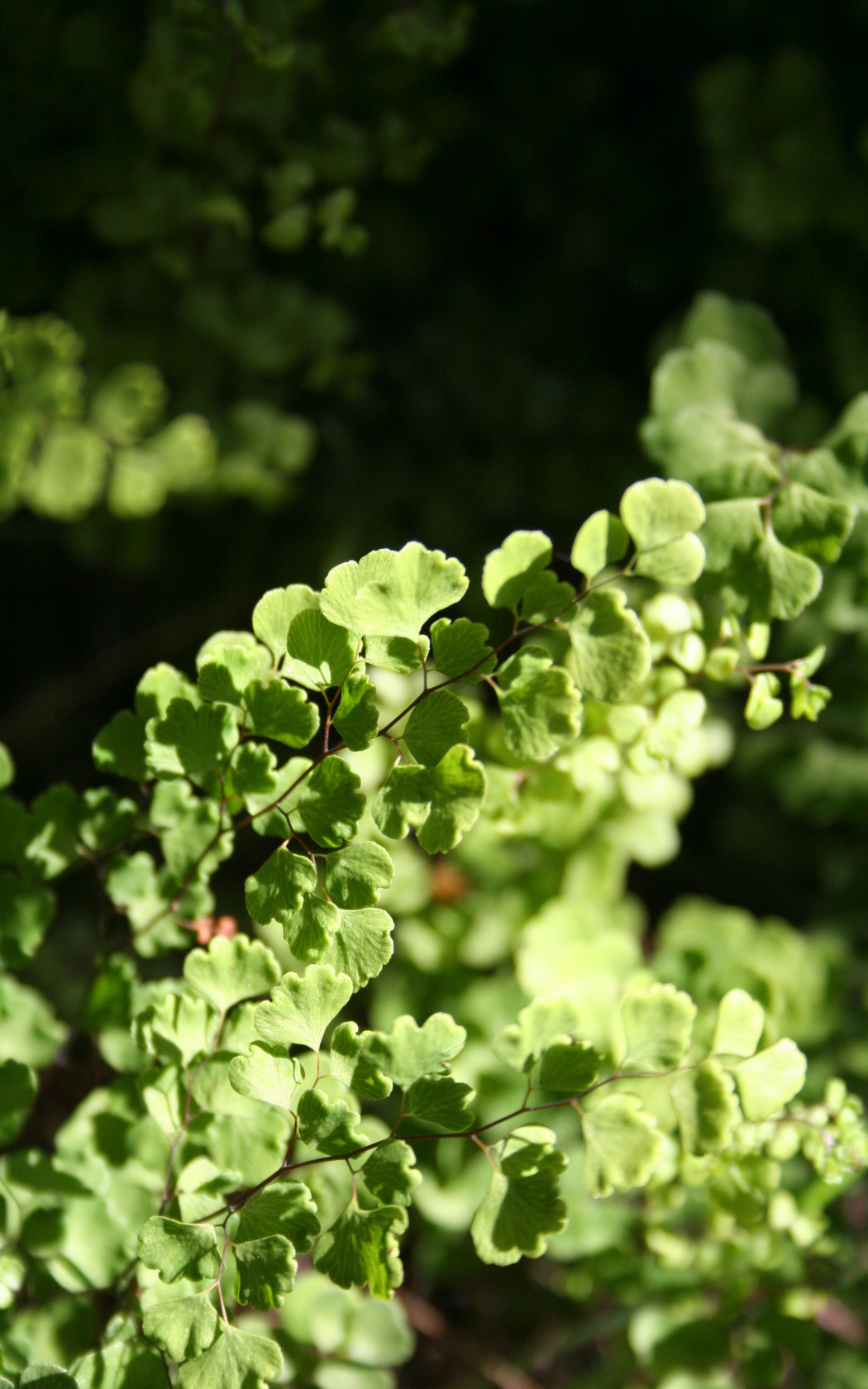
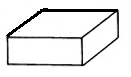
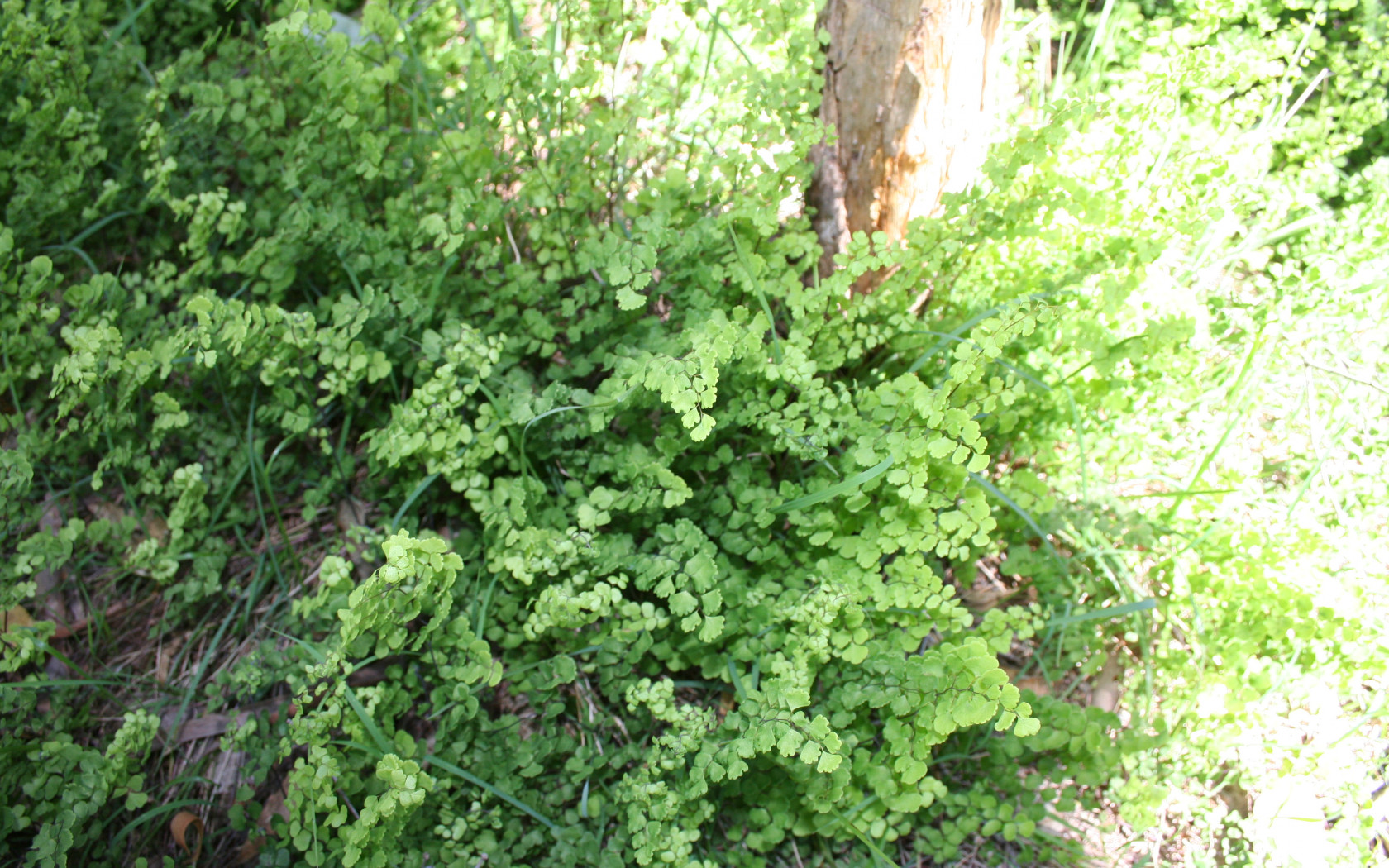
Fern
Fern
Taken by Unknown Photographer
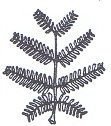
Pinna
Pinna
Taken by Unknown Photographer
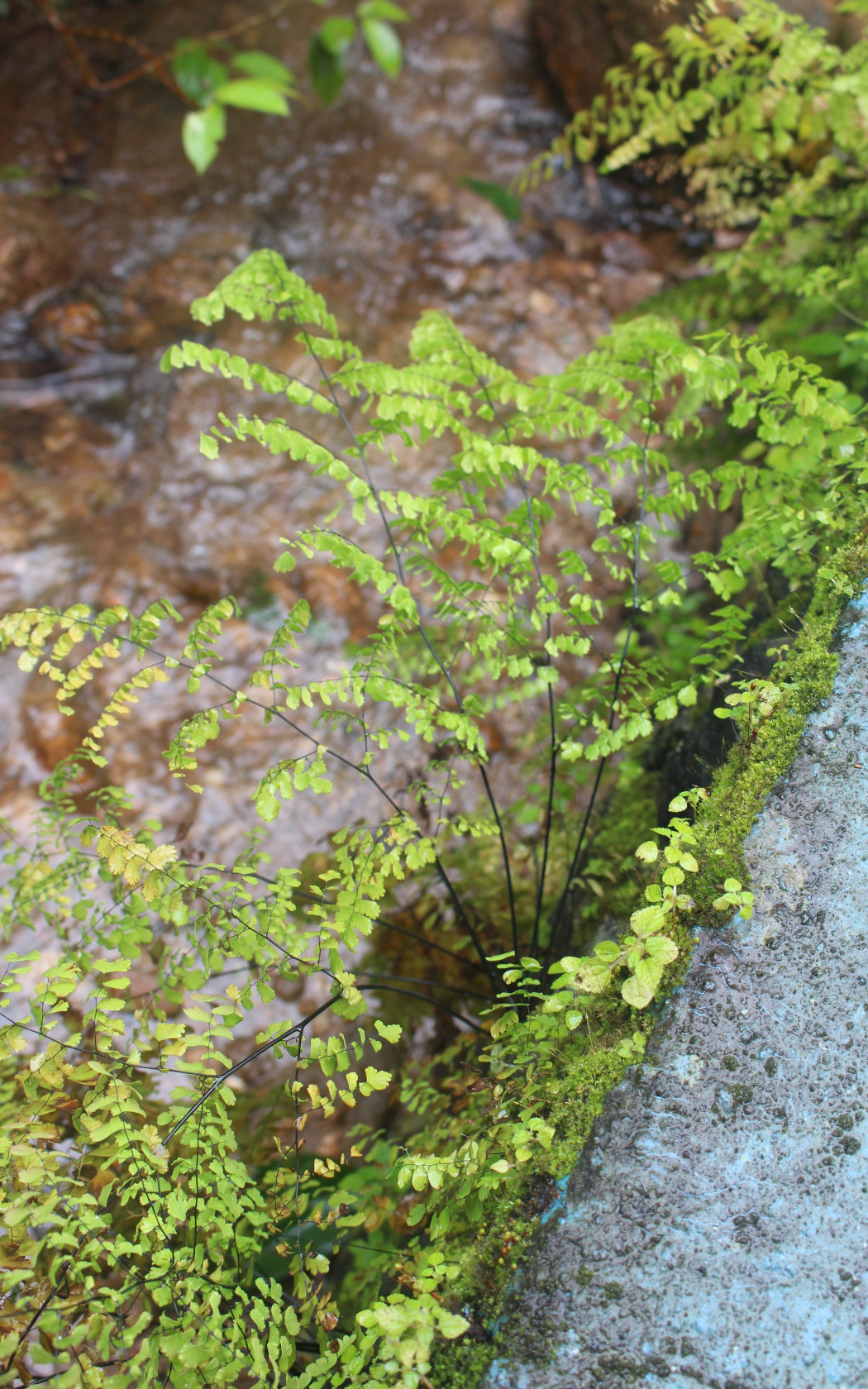
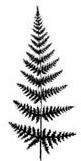
Frond
Frond
Taken by Unknown Photographer
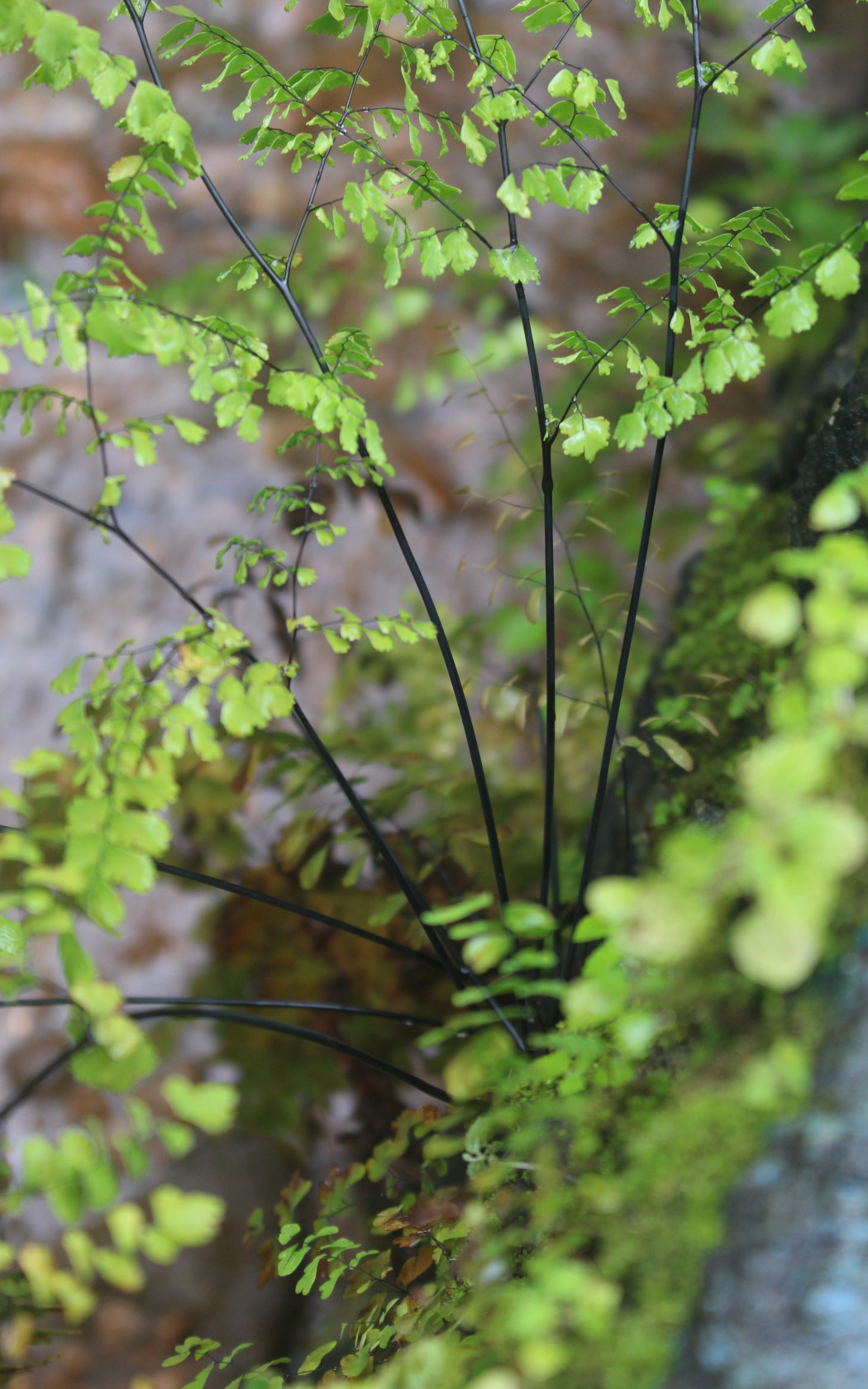
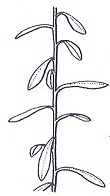
Rachis_stem
Rachis / Stem
Taken by Unknown Photographer
Expand all
Fern / Fern Ally Properties
Origin(s)
Australia
  • NSW: NS, NT, NC, CS, CT, CC, SS, ST, SC, JB, LH, CAN
  • NT: DG, CS
  • QLD: CO, KN, KS, PC, BN, WB, DD, MO
  • SA: EP, NL, SL, KI, SE
  • TAS: NW, ML, NE, WC, CH, EC, SW
  • VIC: WA, GR, VP, OP, OR, EH, GP, PR, EG
  • WA: DA, EY
New Zealand
  • Sth. Is.: BU
  • Nth. Is.: TKI, NO, AU, WA, TA, HA, WAI
South Africa
  • South Afri: Indigenous
Plant Type
Terrestrial Fern
Terrestrial Fern
Climate Range(s) - Habitat
Temperate Cool, Temperate Warm, Tropical-Sub, Tropical
Temperate Cool,
Temperate Warm,
Tropical-Sub,
Tropical
Aspect Range(s)
Shade - Dappled, Shade - Light, Shade - Medium
Shade - Dappled,
Shade - Light,
Shade - Medium
Habitat Range(s)
Garden, Landscape, Rainforest - Monsoonal, Rainforest - Temperate, Rainforest - Tropical, Sclerophyll Forest - Wet
Garden,
Landscape,
Rainforest - Monsoonal,
Rainforest - Temperate,
Rainforest - Tropical,
Sclerophyll Forest - Wet
Habitat Zone(s)
Gullies, Moist areas, Moist Valley Slopes, Rocky, Understory, Well drained, Wet Pockets
Gullies,
Moist areas,
Moist Valley Slopes,
Rocky,
Understory,
Well drained,
Wet Pockets
Mature Height
250-500mm
250-500mm
Mature Width
750mm-1m
750mm-1m
Plant Shape
Low Bun
Low Bun
Low Bun Low Bun
Growth Rate
Fast
Fast
Life Span
5-15yrs
5-15yrs
Frond Properties
Frond Colour(s) (upper)
Green Light
Green Light
Frond Colour(s) (lower)
Green Light
Green Light
Frond Texture (upper)
Smooth
Smooth
Smooth Smooth
Frond Texture (lower)
Smooth
Smooth
Smooth Smooth
Frond Aroma
None
None
Frond Length
300-400mm
300-400mm
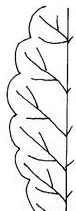
Frond Shape(s)
Bipinnate
Bipinnate
Bipinnate-pinnatifid
Bipinnate Bipinnate,
Bipinnate-pinnatifid Bipinnate-pinnatifid
Frond Position
Pendulous
Pendulous
Frond Arrangement
Alternate
Alternate
Alternate Alternate
Frond Venation
Reticulate
Reticulate
Reticulate Reticulate
Pinnule Shape (Leaflet)
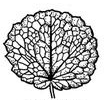
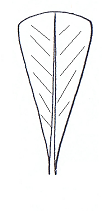
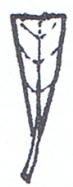
Cuneate
Cuneate
Cuneate Cuneate
Pinnule Apice(s) (Leaflet)
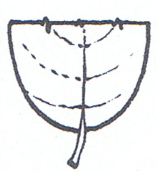
Obcordate
Obcordate
Obcordate Obcordate
Pinnule Base(s) (Leaflet)
Attenuate
Attenuate
Obtuse
Obtuse
Attenuate Attenuate,
Obtuse Obtuse
Pinnule Margin(s) (Leaflet)
Ciliate
Ciliate
Crenate
Crenate
Ciliate Ciliate,
Crenate Crenate
Pinnule Cross Section(s) (Leaflet)
Flat
Flat
Flat Flat
Rachis / Stem / Scale Properties
Rachis / Stem / Stipe Upper Colour(s)
Brown Dark, Red-brown
Brown Dark,
Red-brown
Rachis / Stem / Stipe Upper Texture(s)
Smooth
Smooth
Scale Colour(s)
Brown
Brown
Indusia (Fruiting Body) Properties
Indusia Colour(s)
Brown
Brown
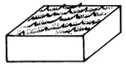
Indusia Texture(s)
Rough / Scabrous
Rough / Scabrous
Rough / Scabrous Rough / Scabrous
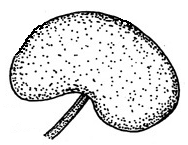
Indusia Shape (Fruit)
Reniform
Reniform
Reniform Reniform
Indusia Size (Fruit)
1-5mm
1-5mm
Spore Properties
Spore Colour(s)
Brown
Brown
Spore Number
Many
Many
Root Properties
Root Type(s)
Rhizome Long-creeping
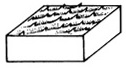
Rhizome Long-creeping Rhizome Long-creeping
Root/Rhizome Texture(s)
Rough / Scabrous
Rough / Scabrous
Rough / Scabrous Rough / Scabrous
Pliable , Wiry
Pliable,
Wiry
Root Colour(s)
Brown-black
Brown-black
Soil Properties
Soil Type(s)
Clay, Clay-loam, Loam, Sandy-loam
Clay,
Clay-loam,
Loam,
Sandy-loam
Soil pH Range(s)
Acid, Slightly Acid, Neutral, Slightly Alkaline
Acid,
Slightly Acid,
Neutral,
Slightly Alkaline
Soil Condition(s)
Wet
Wet
Moist
Moist
Wet Wet,
Moist Moist
Fertile , Shallow , Deep , Well Drained
Fertile,
Shallow,
Deep,
Well Drained
Soil Salinities
None
None
None None
Other Properties / Uses
Bird Attraction(s)
None
None
Butterfly Attraction
None
None
Frog Habitat
Moderate
Moderate
Coastal
None
None
Edible(s)
None
None
Fire Regeneration(s)
Rhizome
Rhizome
Fire Retarding
None
None
Drought Tolerance
Poor
Poor
Frost Tolerance
Poor
Poor
Snow Tolerance
None
None
Smog Tolerant
Poor
Poor
Landscape Use
Moderate
Moderate
Street Use
None
None
Commercial Use(s)
None
None
Indigenous Use(s)
Leaves, Roots
Leaves,
Roots
Special Purpose(s)
Floral Art, Groundcover, Phytophthora Susceptible, Shade Tolerant, Shady Moist, Temporary Inundation
Floral Art,
Groundcover,
Phytophthora Susceptible,
Shade Tolerant,
Shady Moist,
Temporary Inundation
Maintenance(s)
Periodic Pruning, Cut Back
Periodic Pruning,
Cut Back
Pest / Diseases
Scale, Snails, Slugs, Aphid, Mealy Bug, Phytophthora cinnamomi
Scale,
Snails,
Slugs,
Aphid,
Mealy Bug,
Phytophthora cinnamomi
Propagation
Fresh Spore

General Notes

A fairly vigorous fern spreading on short rhizomes. One of the most commonest native ferns.  Wide spread along creek banks and rocky gullies in moist areas with a sunny protected aspect.

A very good house plant. Cut it down to 20-30 mm bove the pot line in winter, liquid fertilise and it will come back very well.

Sterile fronds are spreading, fertile fronds are erect with smaller pinnules 1-5 segments, 1-4 sori per pinnule.

Aborigines used the fronds for treatment of coughs and chest ailments and the rhizomes as a abortifacent.

* Many of the traditional Bush Food and Medicine Plants are now commercially available in various forms, however beware of picking and using your own unless you have conducted research, as many parts of the plants may not be edible or requires some form of treatment before use in any way.

Propagation Notes

Expand all
Fresh Spore
Seed Collecting
Dec, Jan, Feb
Material Preparation

Place mature fronds in a paper bag and keep warm and dry. After a few days the spores and frass will collect in the bottom of the bag, remove the fine spore dust, place in an envelope. Store in a cool dark place. Sow spore as soon as possible after collection.

Propagating Mix

Peat Moss / Coco Peat sterilized with boiling water.

Treatment

Sow spores as soon after collection as possible for best results. Once the sterilized medium has cooled, place in a pot, spread the spores over the medium. Cover the top of the pot immediately with clear plastic or glass. Stand the pot in a shallow dish of water. Place on 21° heated bed. Maintain a hothouse temperature around 21 - 25° at plant level, where possible. Remove cover 1 -2 weeks after first fronds appear. Allow to harden off before repotting.

Germination time:- 4 – 8 weeks prothalli appear, a green scum on surface. 6 - 12 months for first fronds to appear.

Rhizomes
Division
Jun, Jul, Aug
Material Preparation

For field collected stock, choose small to medium clumps. Dig up and remove the top half of the foliage on site. Wash all soil from the roots. Carefully prize apart the root system for each section of the clump, ensure each section of rhizome has roots attached. Remove damaged roots. Reduce the number of stems per section by 50%. Drop all sections into a mild solution of Phosacid bath to kill any Phytopthera etc, from the field collection. Drain.     Keep moist during preparation.

For nursery stock, remove from the pot. Wash all soil from the roots. Carefully prize apart the root system for each clump, ensure each section has roots attached. Remove damaged roots. Reduce the number of stems per section by 50%. Keep moist during preparation.

Propagating Mix

Premium Fern Potting mix

Treatment

Keep hydrated during prep. Pot up as soon as possible. Water in with dilute 30ml Seasol and 10ml Plant Starter solution to 5 lt. water. Place outside in a shady position.

Strike Rate:-           Field Stock     50 – 75%

                             Nursery Stock 95%

Rooting time:-        Field Stock      6 - 8 weeks 

                             Nursery Stock 4 - 6 weeks 

Division Yield                                                                                                                                                                                                        per 140mm Pot:-    2 – 3 plants        

Notes

 Field stock can be hard to take root.