Loading...

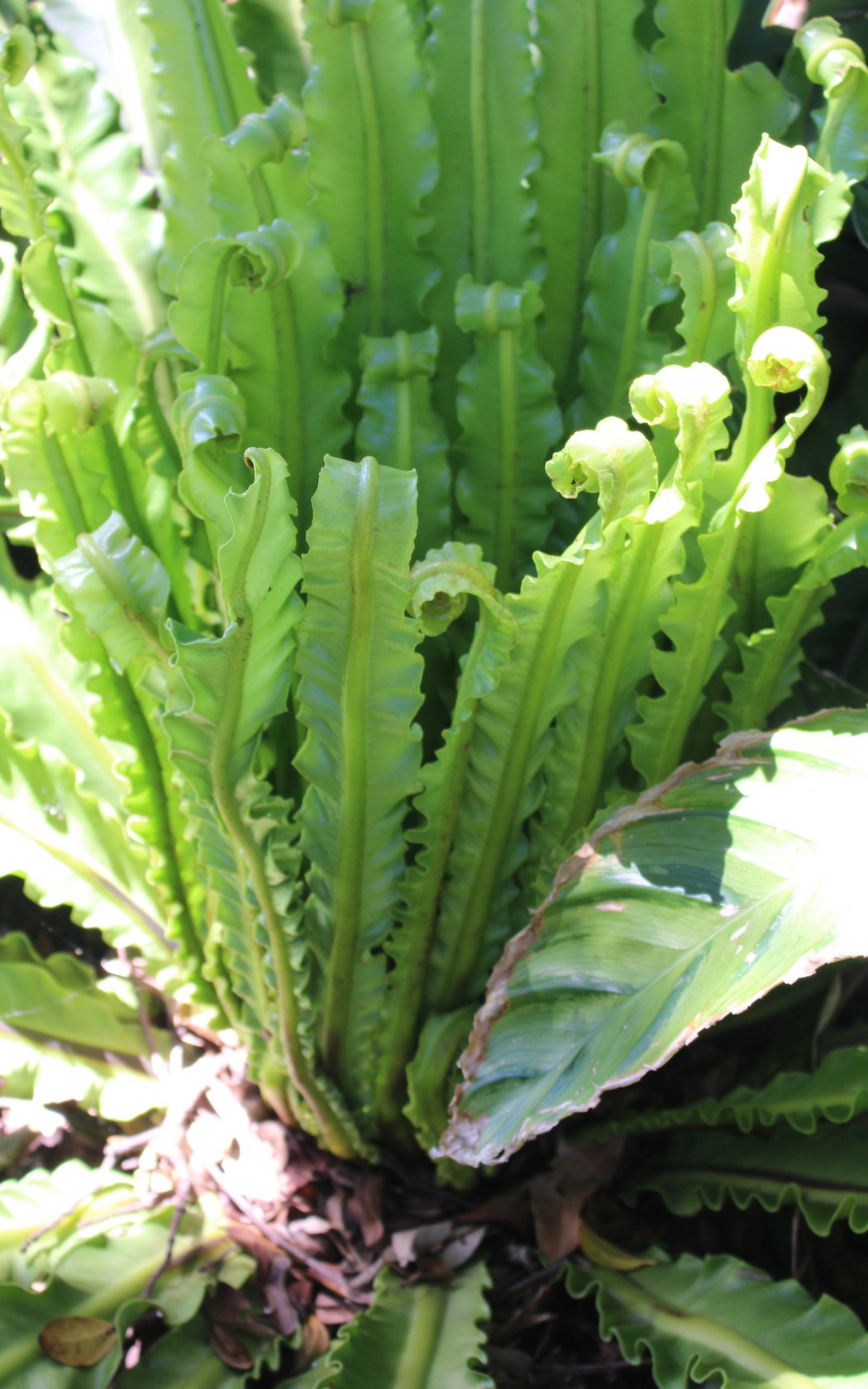
Asplenium nidus 'Victoria'

Common name(s): Crinkly Bird's Nest Fern, Victoria Bird's Nest Fern
Family: Aspleniaceae
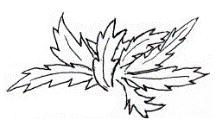
Fern
Fern
Taken by Ken Harrington
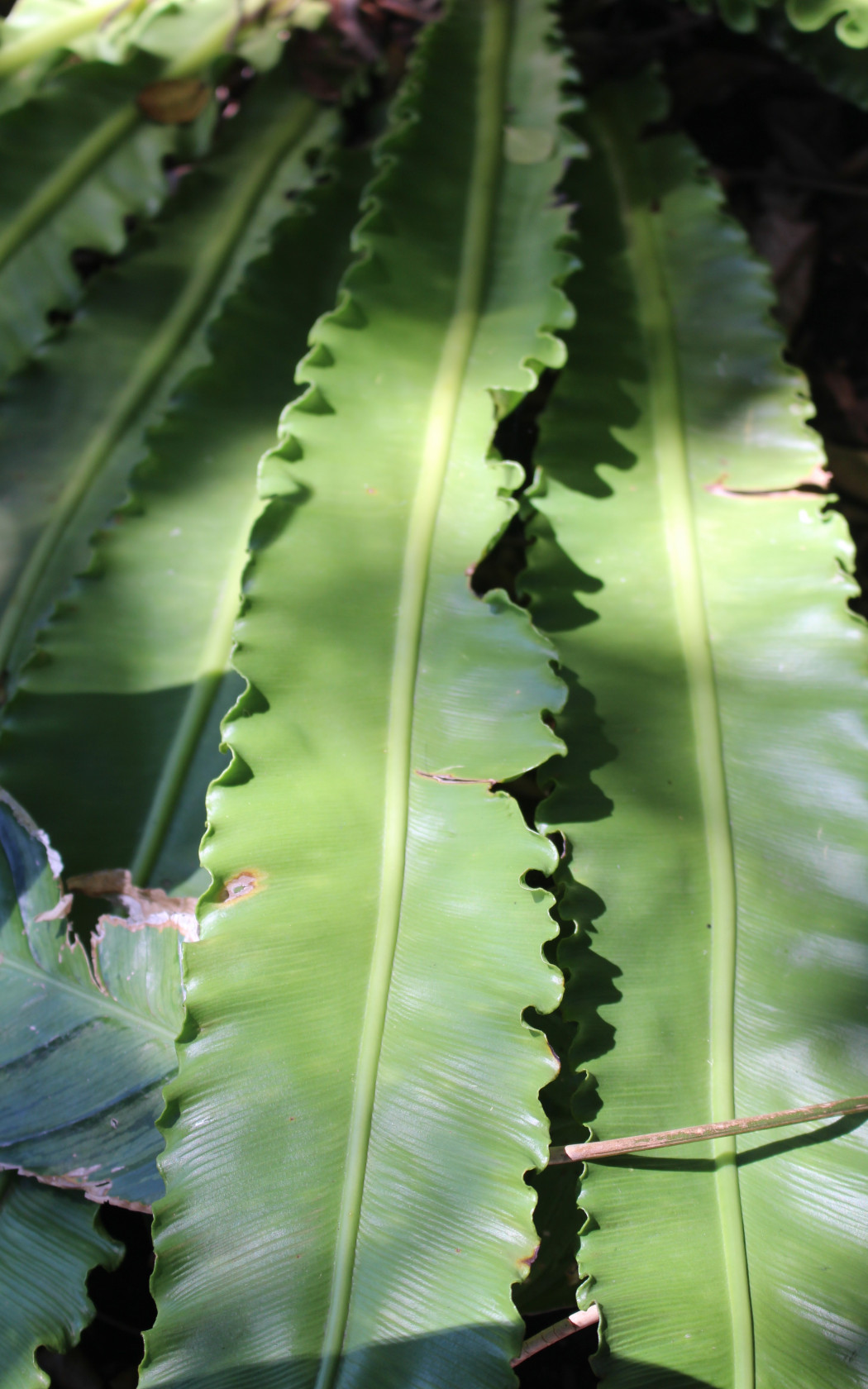
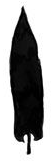
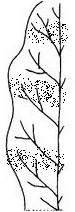
Frond
Frond
Taken by Unknown Photographer
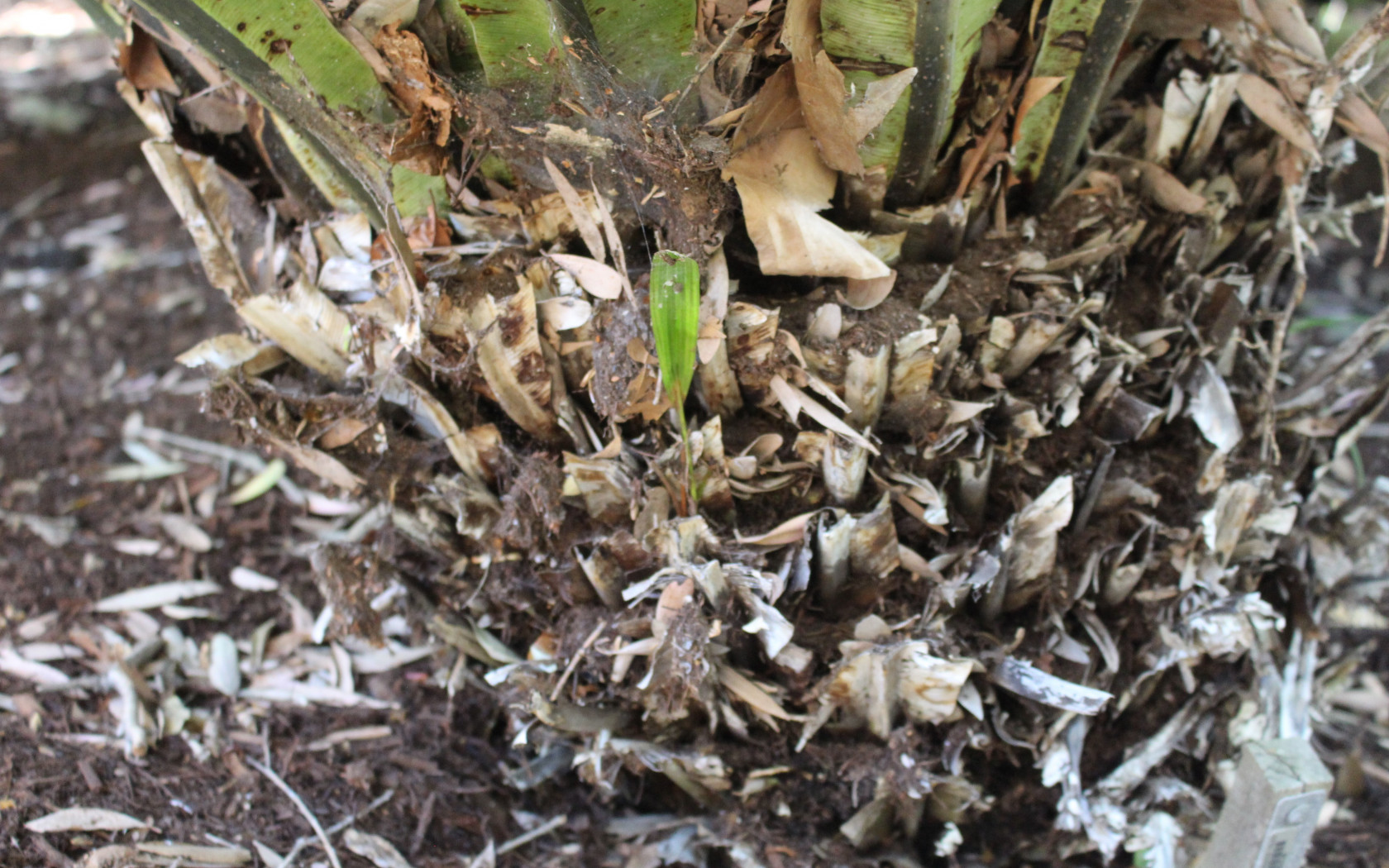
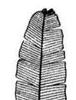
Rachis_stem
Rachis / Stem
Taken by Unknown Photographer
Expand all
Fern / Fern Ally Properties
Origin(s)
Australia
  • Australia: Cultivar
Plant Type
Epiphytic Fern
Epiphytic Fern
Climate Range(s) - Habitat
Temperate Warm, Tropical-Sub, Tropical
Temperate Warm,
Tropical-Sub,
Tropical
Aspect Range(s)
Sun - Morning, Shade - Dappled, Shade - Light, Shade - Medium, Shade - Heavy
Sun - Morning,
Shade - Dappled,
Shade - Light,
Shade - Medium,
Shade - Heavy
Habitat Range(s)
Garden, Landscape, Rainforest - Temperate, Rainforest - Tropical
Garden,
Landscape,
Rainforest - Temperate,
Rainforest - Tropical
Habitat Zone(s)
Moist areas, Understory, Well drained
Moist areas,
Understory,
Well drained
Mature Height
1-2m
1-2m
Mature Width
1-2m
1-2m
Plant Shape
Upright Open Clump
Upright Open Clump
Upright Open Clump Upright Open Clump
Growth Rate
Slow
Slow
Life Span
30-50yrs
30-50yrs
Frond Properties
Frond Colour(s) (upper)
Green
Green
Frond Colour(s) (lower)
Green
Green
Frond Texture (upper)
Smooth
Smooth
Smooth Smooth
Frond Texture (lower)
Hoary
Hoary
Hoary Hoary
Frond Aroma
None
None
Frond Shape(s)
Simple
Simple
Simple Simple
Frond Arrangement
Basal or Radial
Basal or Radial
Basal or Radial Basal or Radial
Frond Venation
Parallel Pinnate
Parallel Pinnate
Parallel Pinnate Parallel Pinnate
Pinnule Margin(s) (Leaflet)
Undulate
Undulate
Undulate Undulate
Pinnule Cross Section(s) (Leaflet)
Convex
Convex
Convex Convex
Rachis / Stem / Scale Properties
Rachis / Stem / Stipe Base Colour(s)
Brown Dark
Brown Dark
Rachis / Stem / Stipe Base Texture(s)
Rough / Scabrous
Rough / Scabrous
Rough / Scabrous Rough / Scabrous
Hairs Dense
Hairs Dense
Indusia (Fruiting Body) Properties
Indusia Colour(s)
Brown
Brown
Indusia Texture(s)
Rough / Scabrous
Rough / Scabrous
Rough / Scabrous Rough / Scabrous
Indusia Shape (Fruit)
Elongate on Vein
Elongate on Vein
Elongate on Vein Elongate on Vein
Spore Properties
Spore Colour(s)
Brown Light
Brown Light
Spore Number
Many
Many
Spore Dispersal
Wind
Wind
Root Properties
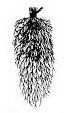
Root Type(s)
Fibrous
Fibrous
Rhizome Ascending
Rhizome Ascending
Fibrous Fibrous,
Rhizome Ascending Rhizome Ascending
Root/Rhizome Texture(s)
Fleshy , Stiff , Wiry
Fleshy,
Stiff,
Wiry
Root Colour(s)
Black, Brown Dark
Black,
Brown Dark
Invasiveness
None
None
Soil Properties
Soil Type(s)
Peaty
Peaty
Soil pH Range(s)
Acid, Slightly Acid, Neutral
Acid,
Slightly Acid,
Neutral
Soil Condition(s)
Moist
Moist
Moist Moist
Fertile , Shallow , Deep , Well Drained
Fertile,
Shallow,
Deep,
Well Drained
Soil Salinities
None
None
None None
Waterlogging Class
W0 – Low tolerance
W0 – Low tolerance
Watering Requirements
WR2 - keep soil moist but never soggy, WR3 - never let soil dry out, WR4 - allow soil to dry between watering
WR2 - keep soil moist but never soggy,
WR3 - never let soil dry out,
WR4 - allow soil to dry between watering
Other Properties / Uses
Bee Attraction
None
None
Bird Attraction(s)
Insect, Habitat
Insect,
Habitat
Butterfly Attraction
None
None
Frog Habitat
Moderate
Moderate
Coastal
None
None
Edible(s)
None
None
Fire Regeneration(s)
Spore
Spore
Fire Retarding
None
None
Drought Tolerance
Poor
Poor
Frost Tolerance
Poor
Poor
Snow Tolerance
None
None
Smog Tolerant
Poor
Poor
Landscape Use
Moderate
Moderate
Street Use
None
None
Commercial Use(s)
Horticulture - Amenity
Special Purpose(s)
Phytophthora Susceptible, Shade Tolerant, Shady Moist
Phytophthora Susceptible,
Shade Tolerant,
Shady Moist
Maintenance(s)
Dead Fronding
Dead Fronding
Pest / Diseases
Scale, Snails, Slugs, Mealy Bug
Scale,
Snails,
Slugs,
Mealy Bug
Dormancy
Winter
Winter
Humidity Requirements
Medium, High, Very High
Medium,
High,
Very High
Vulnerability
LC - Least Concern
LC - Least Concern
Fertilising Requirements
FR1, FR6
FR1,
FR6
Wind Tolerance
Light Winds, Hot/Humid Winds
Light Winds,
Hot/Humid Winds
Propagation
Fresh Spore

General Notes

A cultivar of Asplenium nidus with very attactive glossy, crinkly margined fronds. A beautiful big fern that will grow as an epiphyte or as a terrestrial plant, in humus rich organic soil. Thrives in warm humid areas in partial to full shade. Spores develop in sori on the underside of the frond, forming long rows extending out from the black midrib. 


Propagation Notes

Fresh Spore
Material Preparation

Place mature fronds, cut down into smaller pieces in a paper bag and keep warm and dry. After a few days the spores and frass will collect in the bottom of the bag, remove the fine spore dust, place in an envelope. Store in a cool dark place. Sow spore as soon as possible after collection.

Propagating Mix

Peat Moss / Coco Peat sterilized with boiling water.

Treatment

Sow spores as soon after collection as possible for best results. Once the sterilized medium has cooled, place in a pot, spread the spores over the medium. Cover the top of the pot immediately with clear plastic or glass. Stand the pot in a shallow dish of water. Place on 21° heated bed. Maintain a hothouse temperature around 21 - 25° at plant level, where possible. Remove cover 1 -2 weeks after first fronds appear, care should be taken to ensure they do not dry out. Allow to harden off before repotting.

Viable spores/gram:-

Germination time:- 2 – 8 weeks prothalli appear, a green scum on surface. 6 - 12 months for first fronds to appear.

Pricking out:-        when 2nd frond appears to avoid over crowding

Tube mix:-           Coco Peat or Peat Moss 75% / Isolite 25%