Dicksonia antarctica
Common name(s): Soft Tree fern



Fern / Fern Ally Properties
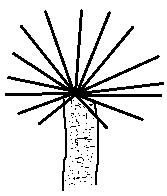 Open, Standard Crown
 Frond Properties
 Radial Stemmed Open Crown
 Root Properties
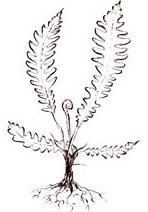 Rhizome Ascending
  Rough / Scabrous
 Soil Properties
 Moist
Moist  None
None Other Properties / Uses
General Notes
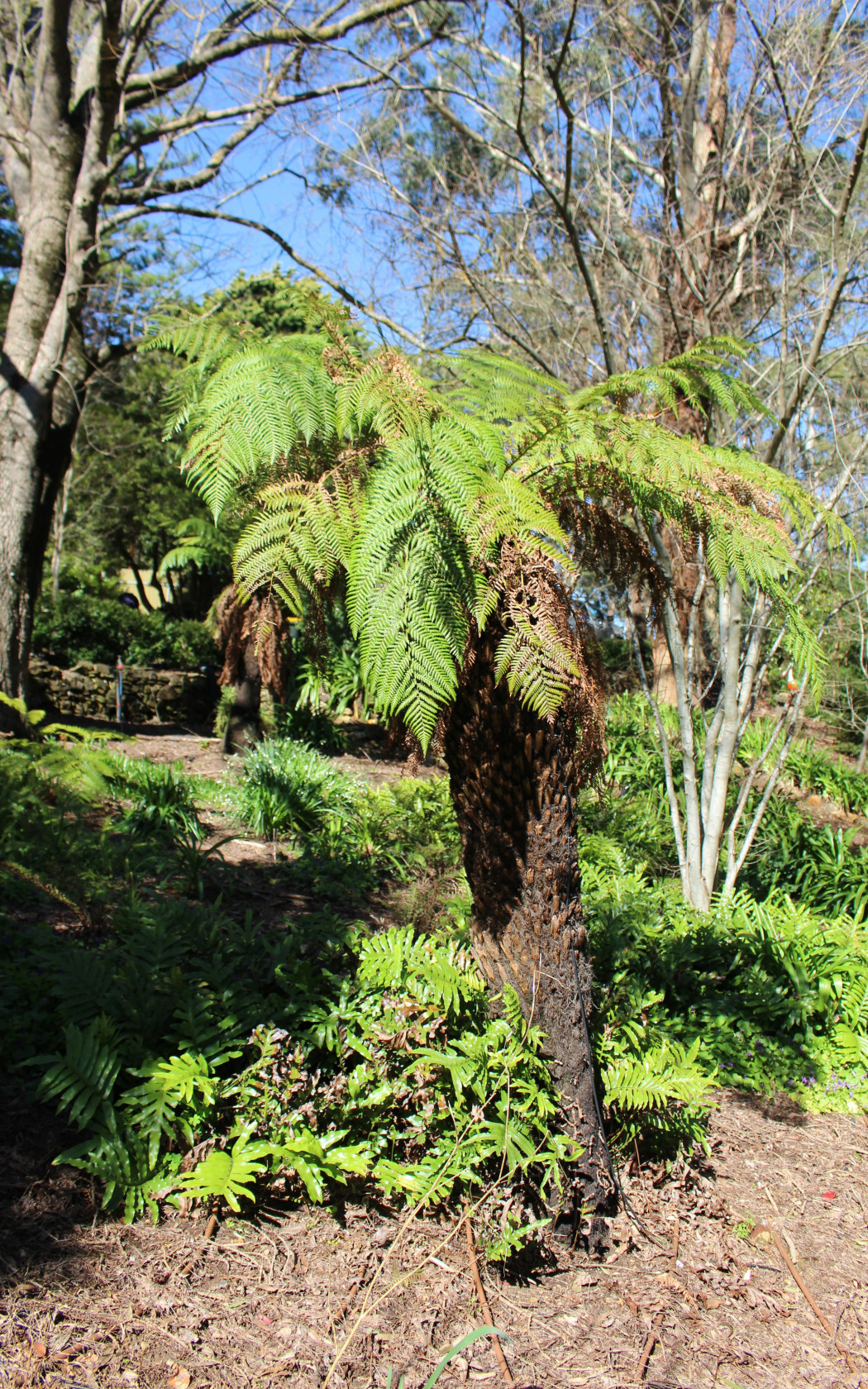
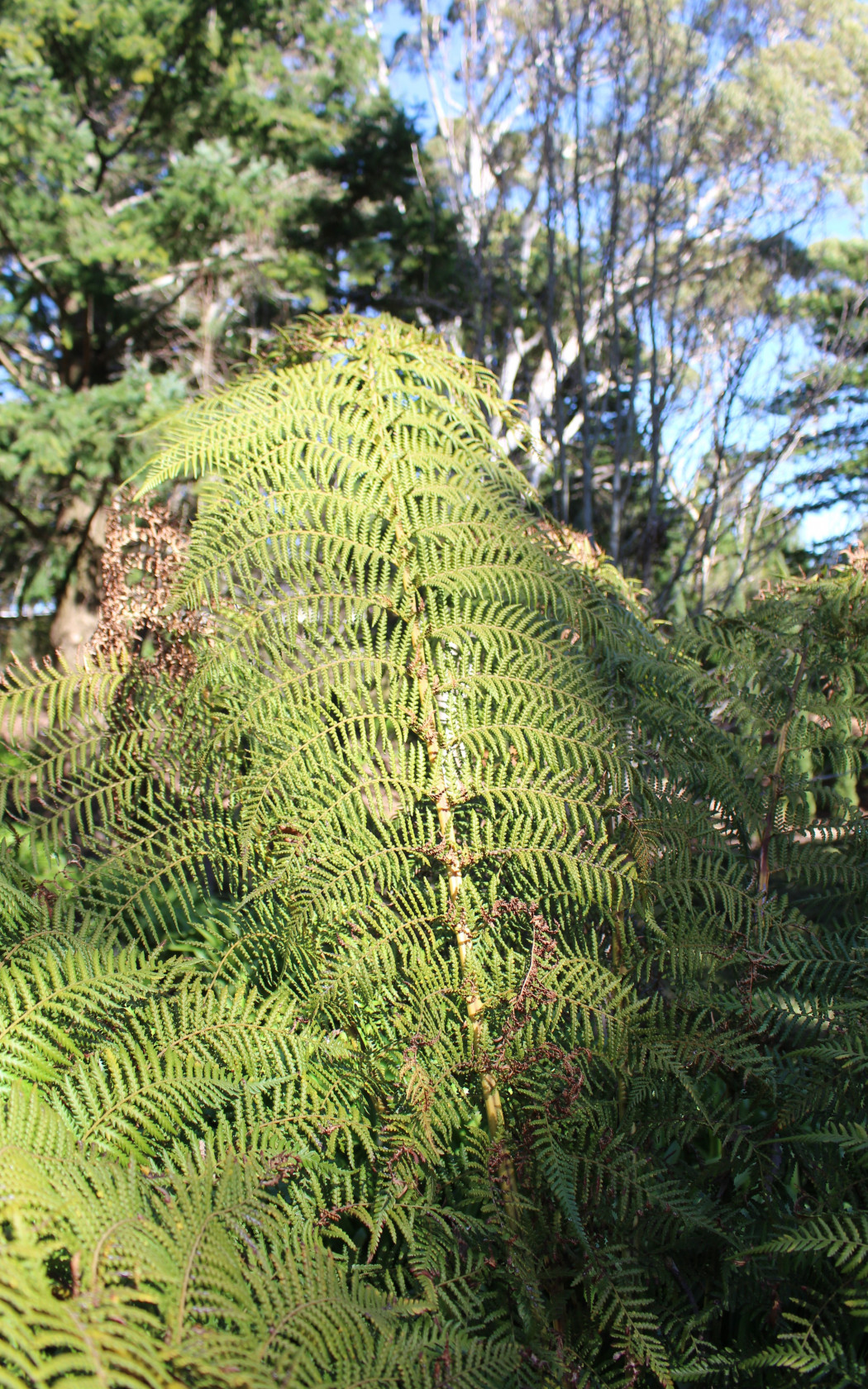
Called the Soft Tree Fern due to masses of adventitious roots and hairs on its lower trunk, growing through the remains of decaying earlier growth, which provides habitat for epiphytes, orchids, ferns etc.. Stipe bases persistant on the upper trunk. On large specimens the trunk can reach a diameter of 600 mm. The uncurling croziers and stipes are covered with soft, reddish-brown hairs. In its natural environment growth is about 25mm per year.
Adapts well to a variety of climates and soils. Though does best in high humidity and high soil moisture conditions. Generally requires minimum rainfall of 500mm per year.
Aboriginal people use the pith of the top of the trunk and the crozier as a food source either cooked or raw.
It can be propagated by 'cuttings', sawing the top half of the trunk off, removing the fronds and replanting. Unfortunately the bottom half left behind will die. When grown in the garden Do Not remove the old dead fronds, as they protect the trunk from cold and from drying out in the hot wind and heat.