Dicksonia antarctica
Common name(s): Soft Tree fern



Fern / Fern Ally Properties
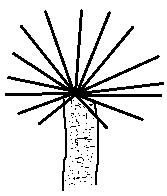 Open, Standard Crown
 Frond Properties
 Radial Stemmed Open Crown
 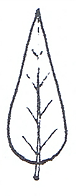 Lanceolate
  Acute Narrowly
 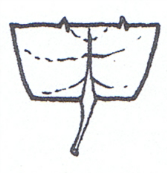 Truncate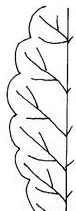
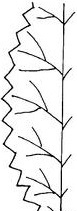 Crenate,
Dentate
Crenate,
Dentate  Convex
 Rachis / Stem / Scale Properties
Indusia (Fruiting Body) Properties
Spore Properties
Root Properties
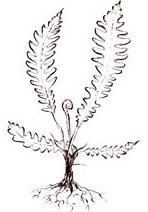 Rhizome Ascending
  Rough / Scabrous
 Soil Properties
 Moist
Moist  None
None Other Properties / Uses
General Notes
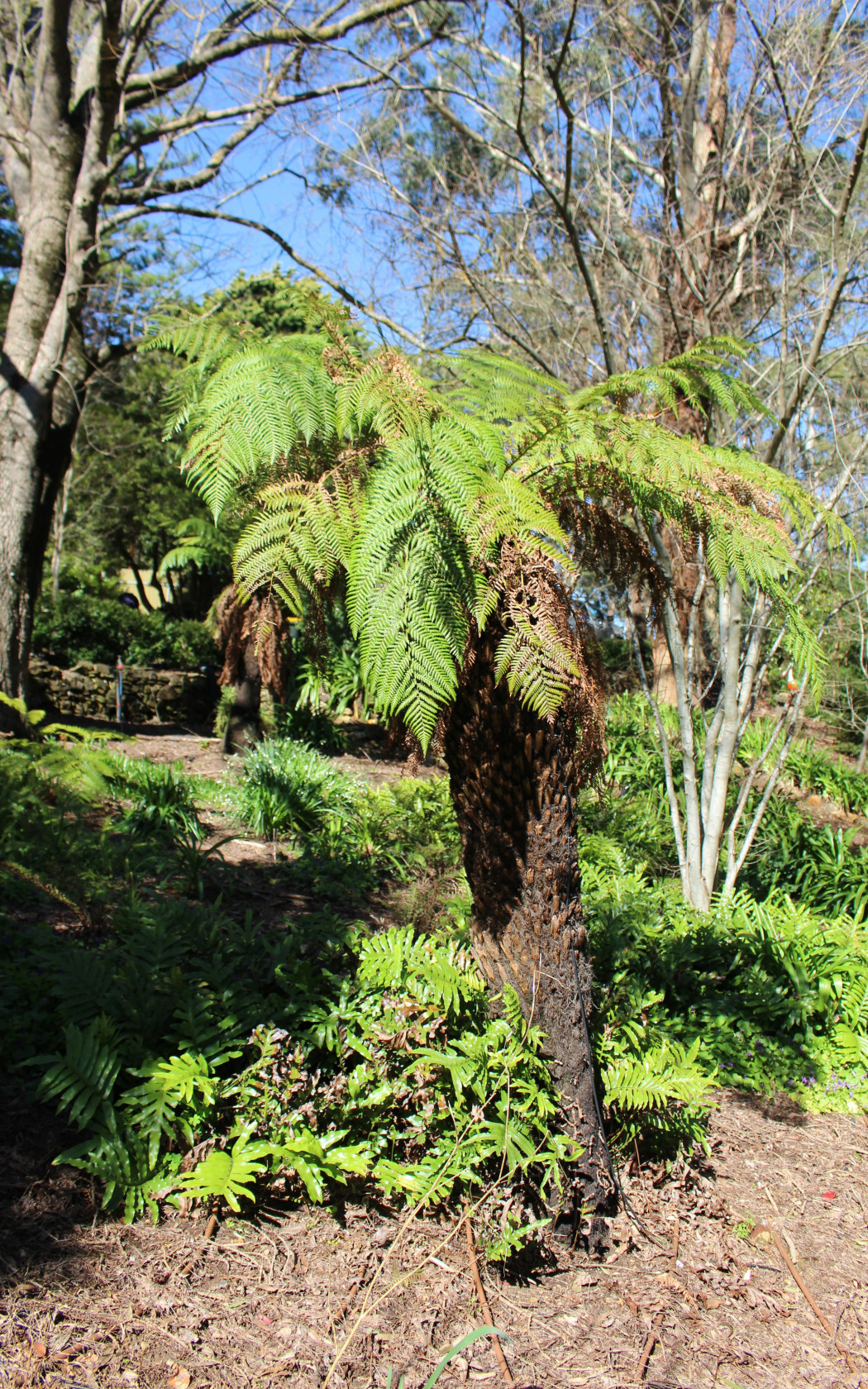
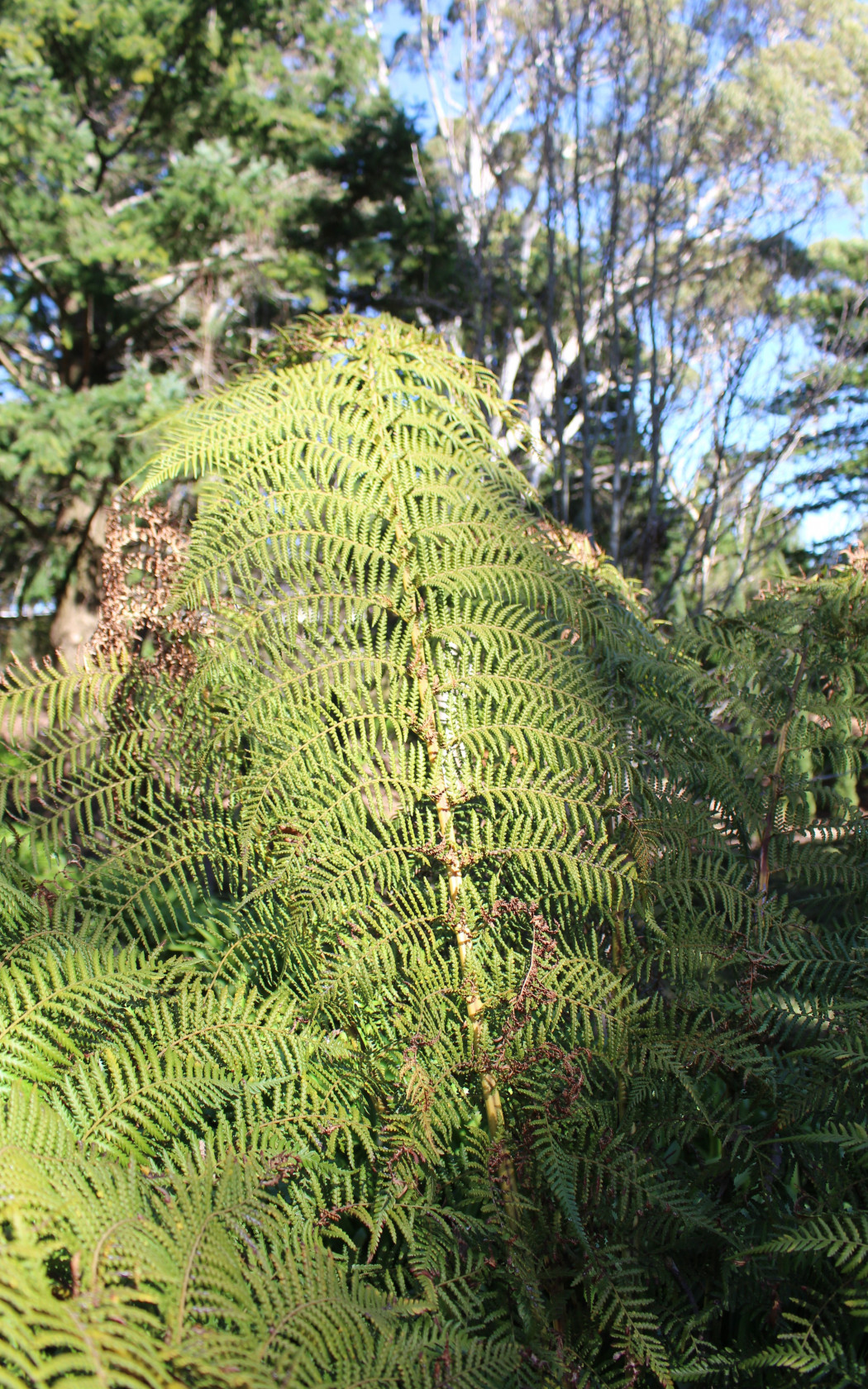
Called the Soft Tree Fern due to masses of adventitious roots and hairs on its lower trunk, growing through the remains of decaying earlier growth, which provides habitat for epiphytes, orchids, ferns etc.. Stipe bases persistant on the upper trunk. On large specimens the trunk can reach a diameter of 600 mm. The uncurling croziers and stipes are covered with soft, reddish-brown hairs. In its natural environment growth is about 25mm per year.
Adapts well to a variety of climates and soils. Though does best in high humidity and high soil moisture conditions. Generally requires minimum rainfall of 500mm per year.
Aboriginal people use the pith of the top of the trunk and the crozier as a food source either cooked or raw.
It can be propagated by 'cuttings', sawing the top half of the trunk off, removing the fronds and replanting. Unfortunately the bottom half left behind will die. When grown in the garden Do Not remove the old dead fronds, as they protect the trunk from cold and from drying out in the hot wind and heat.
Propagation Notes
Fresh Spore
Sori about 10mm across containing the spores will be green, then turn dark brown to black when ripe. Cut off the section of frond required and place in a large paper bag in a warm postion. The spores will fall out and become a brown dust in the bottom of the bag. Store in a clean, dry container out of sunlight. Sow as soon as possible.
Peat Moss / Coco Peat sterilized with boiling water.
Sow spores as soon after collection as possible for best results. Once the sterilized medium has cooled, place in a pot, spread the spores over the medium. Cover the top of the pot immediately with clear plastic or glass. Stand the pot in a shallow dish of water. Place on 21° heated bed. Maintain a hothouse temperature around 21 - 25° at plant level, where possible. Remove cover 1 -2 weeks after first fronds appear. Allow to harden off before repotting.
Viable spores/gram:-
Germination time:- 2 – 8 weeks prothalli appear, a green scum on surface. 6 - 12 months for first fronds to appear.
Pricking out:- when 2nd frond appears to avoid over crowding
Tube mix:- Coco Peat or Peat Moss
Dicksonia antarctica produces an abundance of spores per plant, 800 million annually.