Platycerium bifurcatum Cav., C. Chr.
Common name(s): Elkhorn Fern
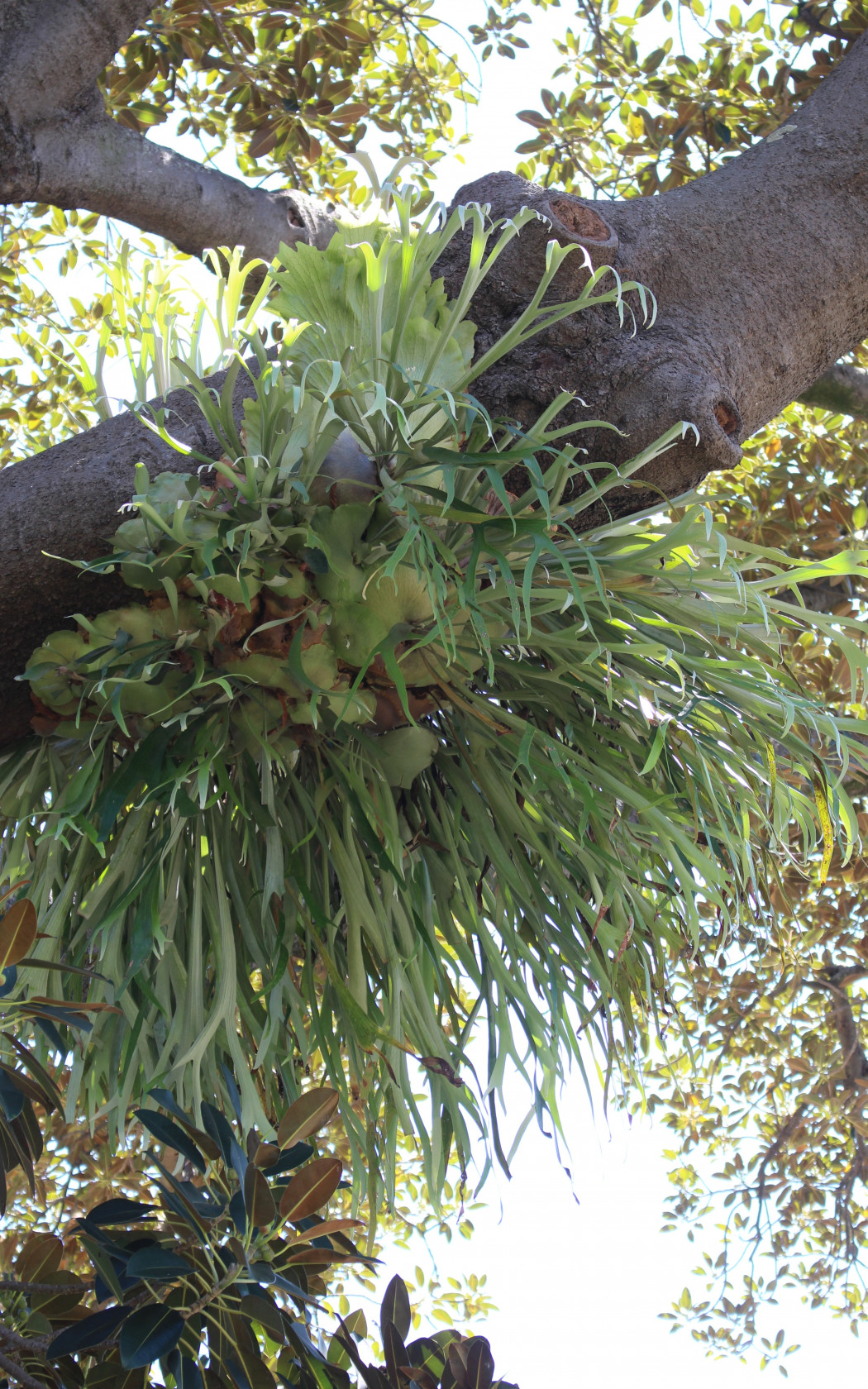
Fern
Fern - Platycerium bifurcatum (Cav., C. Chr.)
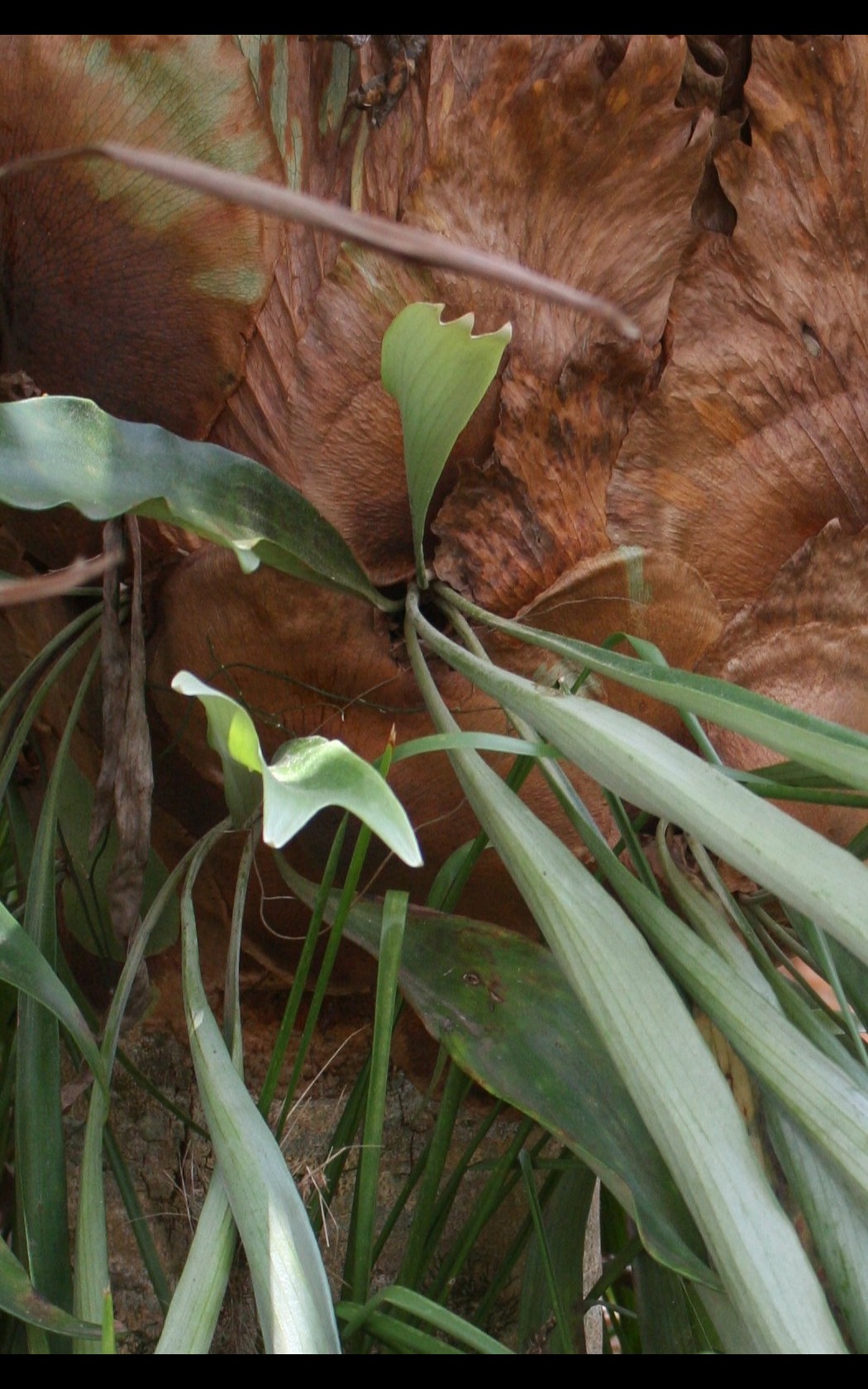
Fern
Fern - Platycerium bifurcatum (Cav., C. Chr.)
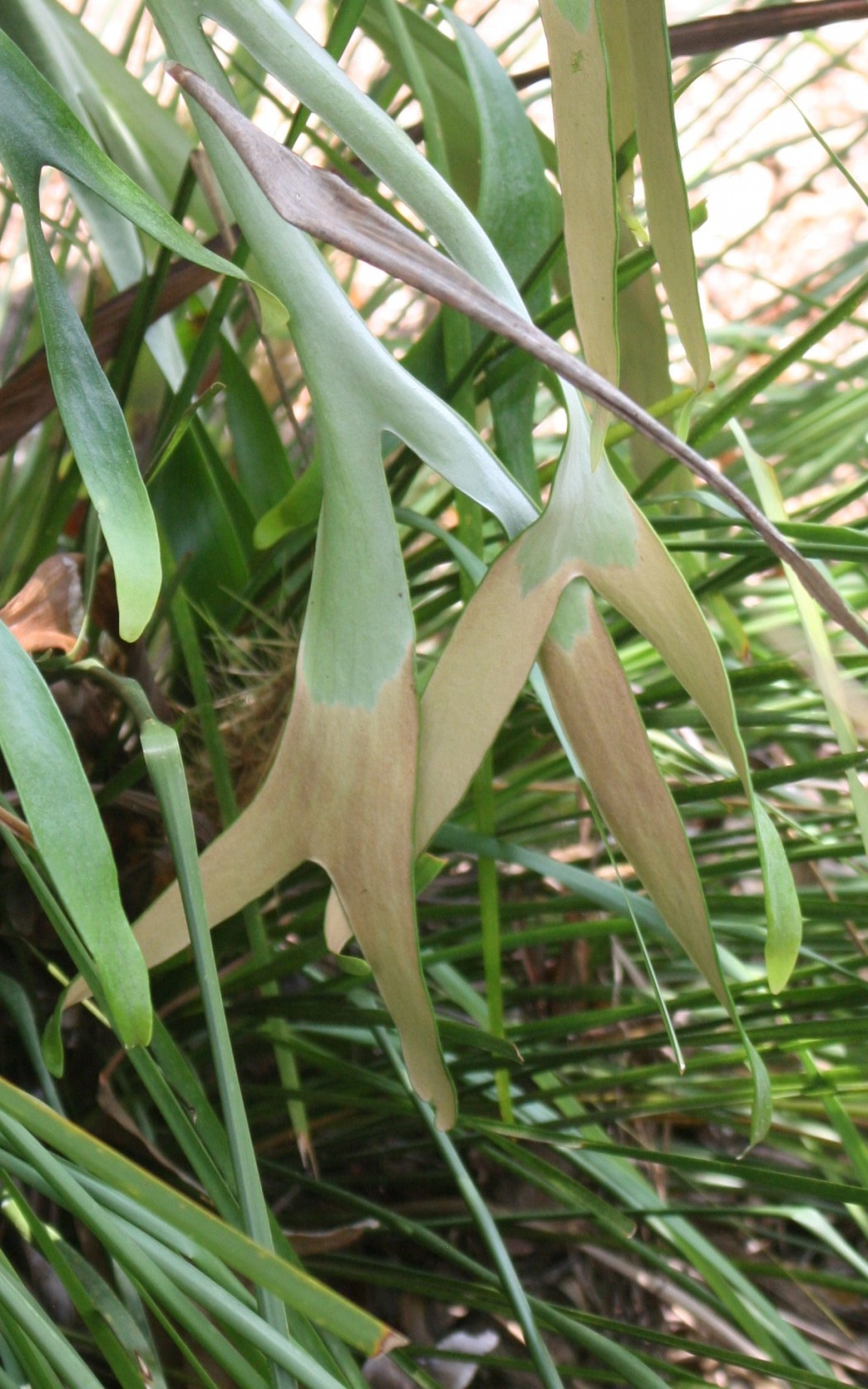
Fertile Frond
Fertile Frond - Platycerium bifurcatum (Cav., C. Chr.)
Expand all
 Pendulous Open Bun
 Smooth
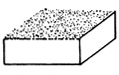 Pulverulent
 Flabellate
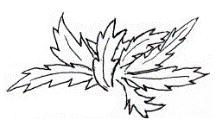 Basal or Radial
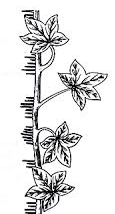
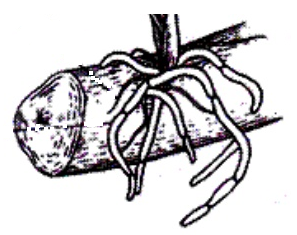 Clinging,
Epiphytic
Clinging,
Epiphytic

 Damp,
Moist
Damp,
Moist
 None
None
Fern / Fern Ally Properties
Origin(s)
Plant Type
Climate Range(s) - Habitat
Aspect Range(s)
Habitat Range(s)
Habitat Zone(s)
Mature Height
Mature Width
Plant Shape
Pendulous Open Bun
Pendulous Open Bun
Growth Rate
Life Span
Frond Properties
Frond Colour(s) (upper)
Frond Colour(s) (lower)
Frond Texture (upper)
Smooth
Smooth
Frond Texture (lower)
Pulverulent
Pulverulent
Frond Aroma
Frond Length
Frond Shape(s)
Flabellate
Flabellate
Furcate
Furcate
Frond Arrangement
Basal or Radial
Basal or Radial Root Properties
Root Type(s)
Clinging
Epiphytic
Clinging,
Epiphytic
Root/Rhizome Texture(s)
Soil Properties
Soil Type(s)
Soil pH Range(s)
Soil Condition(s)
Damp
Moist
Damp,
Moist
Fertile
,
Well Drained
Fertile,
Well Drained
Soil Salinities
None
None
Waterlogging Class
Watering Requirements
Other Properties / Uses
Bird Attraction(s)
Butterfly Attraction
Frog Habitat
Coastal
Edible(s)
Fire Retarding
Drought Tolerance
Frost Tolerance
Snow Tolerance
Smog Tolerant
Landscape Use
Special Purpose(s)
Pest / Diseases
Humidity Requirements
Fertilising Requirements
Wind Tolerance
Weed Potential(s)
General Notes
The Elkhorn is made up of a mass of plantlets, composed of a nest leaf 120-300mm wide lying against the host tree with nest leaves of neighbouring plantlets overlapping. The nest leaves become brown and papery with age and are sterile. Fertile fronds 250mm - 900mm long protrude from each plantlet. The base of the true fronds are narrowly wedge shaped while the top section can be forked several times.
Unfortunately around the world it has escaped the garden and has become in some places an environmental weed.