Loading...

Platycerium bifurcatum Cav., C. Chr.

Common name(s): Elkhorn Fern
Family: Polypodiaceae
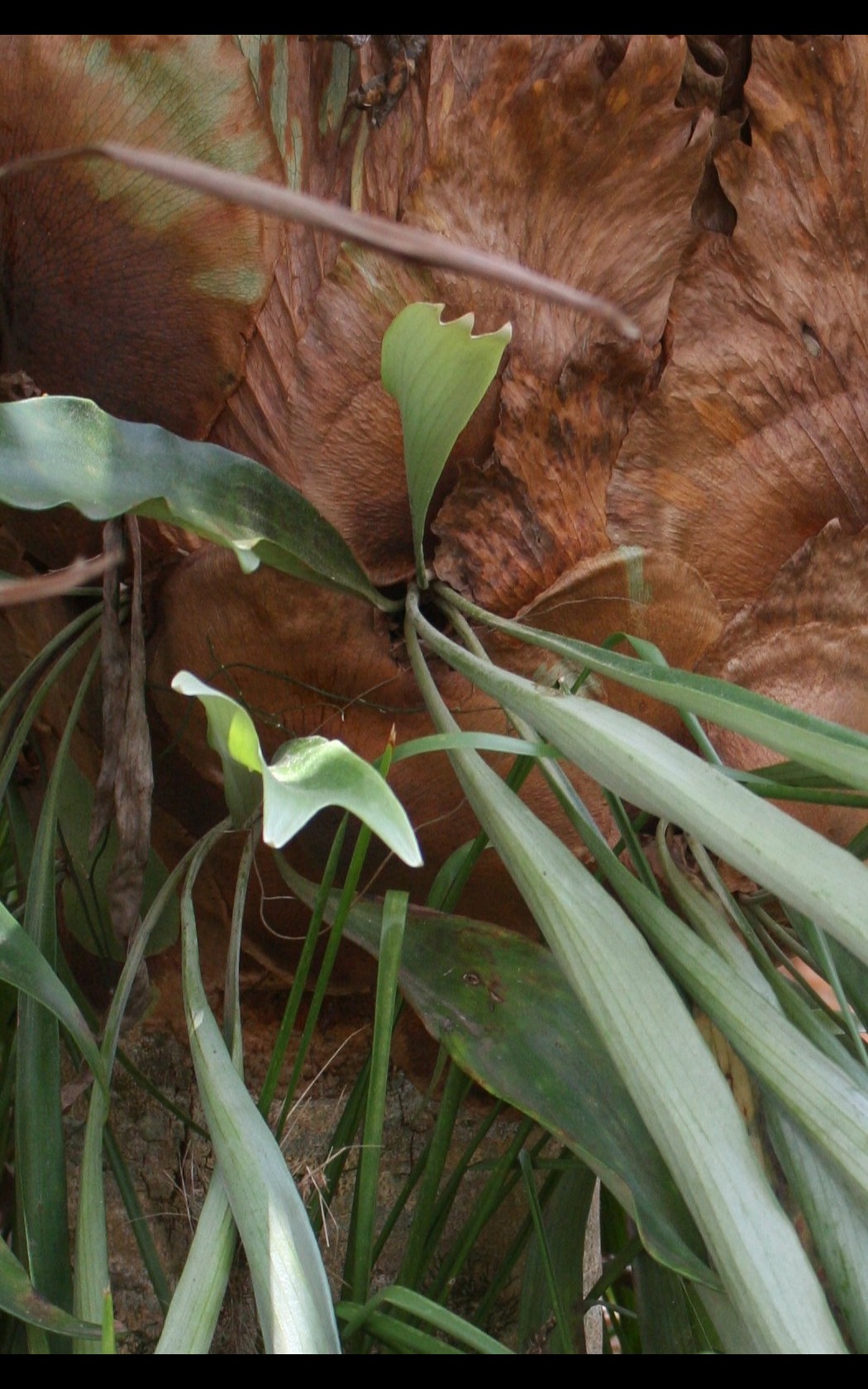
Fern
Fern
Taken by Unknown Photographer
Fern
Fern
Taken by Ken Harrington
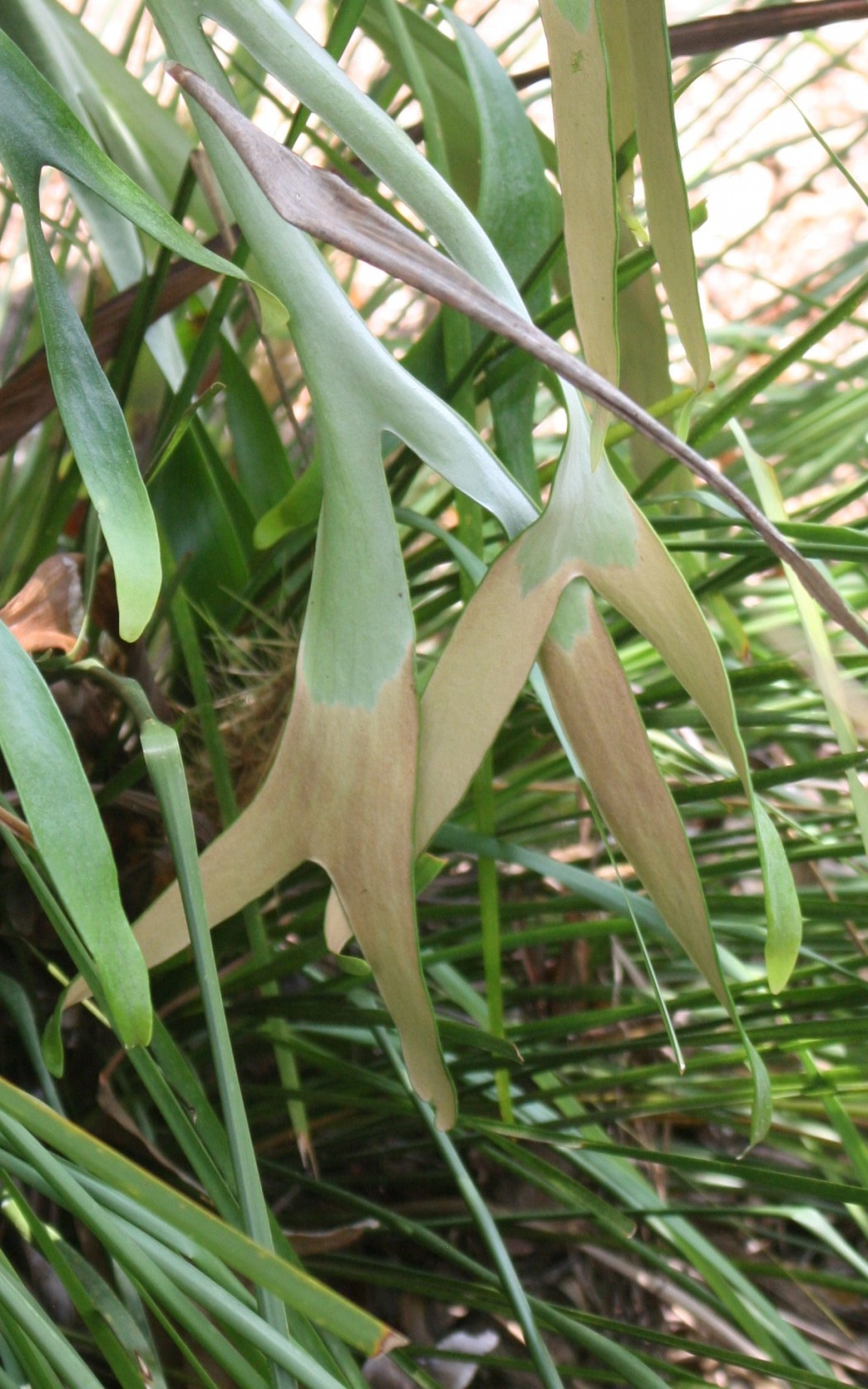
Fertile_frond
Fertile Frond
Taken by Ken Harrington
Expand all
Fern / Fern Ally Properties
Origin(s)
Australia
  • NSW: NC, CC, SC, JB, LH, CAN
  • QLD: CO, KN, KS, LE, PC, BN, WB, MO
Plant Type
Epiphytic Fern
Epiphytic Fern
Climate Range(s) - Habitat
Temperate Warm, Tropical-Sub, Tropical
Temperate Warm,
Tropical-Sub,
Tropical
Aspect Range(s)
Sun - Morning, Shade - Dappled, Shade - Light, Shade - Medium
Sun - Morning,
Shade - Dappled,
Shade - Light,
Shade - Medium
Habitat Range(s)
Rainforest - Tropical
Habitat Zone(s)
Moist areas, Understory
Moist areas,
Understory
Mature Height
500-750mm, 750mm-1m, 1-2m
500-750mm,
750mm-1m,
1-2m
Mature Width
750mm-1m
750mm-1m
Plant Shape
Pendulous Open Bun
Pendulous Open Bun
Pendulous Open Bun Pendulous Open Bun
Growth Rate
Moderate
Moderate
Life Span
30-50yrs
30-50yrs
Frond Properties
Frond Colour(s) (upper)
Green
Green
Frond Colour(s) (lower)
Grey-green
Grey-green
Frond Texture (upper)
Smooth
Smooth
Smooth Smooth
Frond Texture (lower)
Pulverulent
Pulverulent
Pulverulent Pulverulent
Frond Aroma
None
None
Frond Length
250-300mm, 300-400mm, 400-500mm, 500-600mm, 600-700mm, 700-800mm, 800-900mm
250-300mm,
300-400mm,
400-500mm,
500-600mm,
600-700mm,
700-800mm,
800-900mm
Frond Shape(s)
Flabellate
Flabellate
Flabellate Flabellate
Furcate
Furcate
Frond Position
Erect Semi
Erect Semi
Frond Arrangement
Basal or Radial
Basal or Radial
Basal or Radial Basal or Radial
Pinna Shape(s)
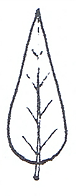
Lanceolate
Lanceolate
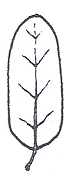
Oblong
Oblong
Lanceolate Lanceolate,
Oblong Oblong
Pinna Length (Frondlet)
250-300mm
250-300mm
Pinna Width (Frondlet)
30-40mm
30-40mm
Pinnule Apice(s) (Leaflet)
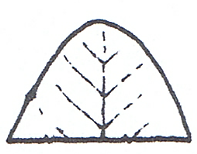
Obtuse
Obtuse
Obtuse Obtuse
Pinnule Margin(s) (Leaflet)
Entire
Entire
Lobed
Lobed
Entire Entire,
Lobed Lobed
Pinnule Cross Section(s) (Leaflet)
Incurved
Incurved
Incurved Incurved
Indusia (Fruiting Body) Properties
Indusia Colour(s)
Brown
Brown
Spore Properties
Spore Colour(s)
Brown Light
Brown Light
Spore Number
Many
Many
Spore Dispersal
Wind
Wind
Root Properties
Root Type(s)
Clinging
Clinging
Epiphytic
Epiphytic
Clinging Clinging,
Epiphytic Epiphytic
Root/Rhizome Texture(s)
Pliable , Soft
Pliable,
Soft
Root Colour(s)
Brown
Brown
Soil Properties
Soil Type(s)
Organic Matter, Hummus Rich, Soil-less
Organic Matter,
Hummus Rich,
Soil-less
Soil pH Range(s)
Acid, Slightly Acid, Neutral
Acid,
Slightly Acid,
Neutral
Soil Condition(s)
Damp
Damp
Moist
Moist
Damp Damp,
Moist Moist
Fertile , Well Drained
Fertile,
Well Drained
Soil Salinities
None
None
None None
Waterlogging Class
W0 – Low tolerance
W0 – Low tolerance
Watering Requirements
WR2 - keep soil moist but never soggy, WR3 - never let soil dry out
WR2 - keep soil moist but never soggy,
WR3 - never let soil dry out
Other Properties / Uses
Bird Attraction(s)
Insect, Nesting, Habitat
Insect,
Nesting,
Habitat
Butterfly Attraction
None
None
Frog Habitat
Moderate
Moderate
Coastal
2nd Line
2nd Line
Edible(s)
None
None
Fire Regeneration(s)
Spore
Spore
Fire Retarding
None
None
Drought Tolerance
Poor
Poor
Frost Tolerance
Poor
Poor
Snow Tolerance
None
None
Smog Tolerant
Poor
Poor
Landscape Use
Moderate
Moderate
Street Use
None
None
Commercial Use(s)
Horticulture - Amenity
Indigenous Use(s)
None
None
Special Purpose(s)
Garden-Australian Native, Garden-Fern, Garden-Foliage, Garden-Informal, Garden-Rainforest, Garden-Tropical, Playground Friendly, Shade Tolerant, Shady Moist, Specimen
Garden-Australian Native,
Garden-Fern,
Garden-Foliage,
Garden-Informal,
Garden-Rainforest,
Garden-Tropical,
Playground Friendly,
Shade Tolerant,
Shady Moist,
Specimen
Pest / Diseases
Scale, Mealy Bug
Scale,
Mealy Bug
Dormancy
Summer
Summer
Minimum Temperature Tolerance
2 - 4°C
2 - 4°C
Humidity Requirements
Medium, High, Very High
Medium,
High,
Very High
Vulnerability
LC - Least Concern
LC - Least Concern
Fertilising Requirements
FR2, FR6
FR2,
FR6
Wind Tolerance
Light Winds
Light Winds
Propagation
Fresh Spore
Weed Potential(s)
United States
  • Hawaii: Declared
  • Florida: Strong

General Notes

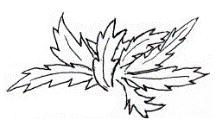
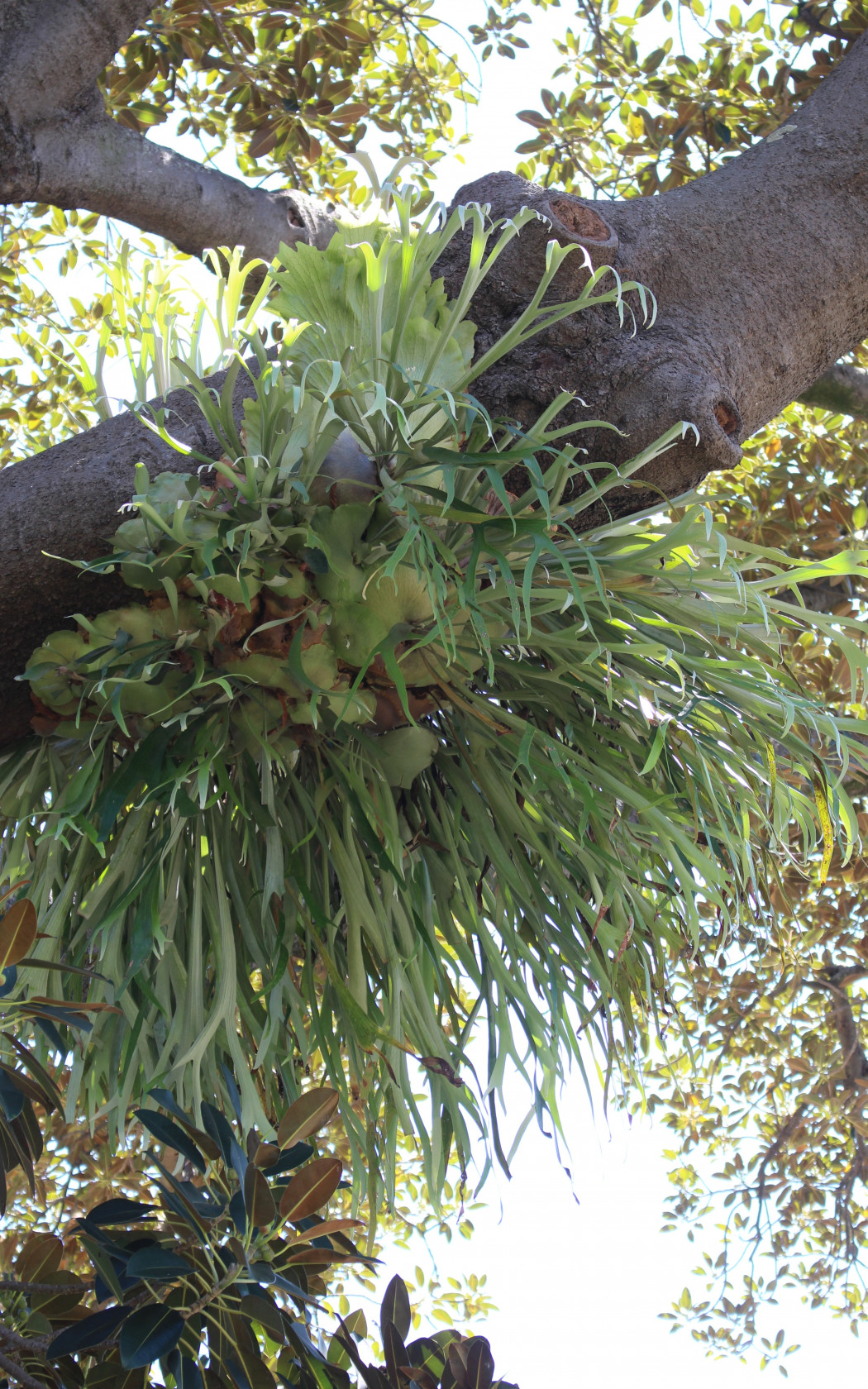
The Elkhorn is made up of a mass of plantlets, composed of a nest leaf 120-300mm wide lying against the host tree with nest leaves of neighbouring plantlets overlapping. The nest leaves become brown and papery with age and are sterile. Fertile fronds 250mm - 900mm long protrude from each plantlet. The base of the true fronds are narrowly wedge shaped while the top section can be forked several times.

Unfortunately around the world it has escaped the garden and has become in some places an environmental weed.

Propagation Notes

Expand all
Offsets
Division
Apr, May, Jun, Jul, Aug, Sep
Material Preparation

For field collected stock, choose small to medium clumps. Slide a knife under the edge of the shield leaf and prise away from the host plant. Then cut down through the shield leaves to remove a section of plantlets. Reduce the number of fronds per plantlet. Drop all sections into a mild solution of Phosacid bath to kill any Phytopthera etc, from the field collection. Drain.  Keep moist during preparation.

For nursery stock, remove from the pot. Wash all soil from the roots. Carefully cut apart each clump or seperate plantlet, ensure each section has       roots attached. Remove damaged roots. Reduce the number of fronds per section by 50%. Keep moist during preparation.

Propagating Mix

Peatmoss or Coco Peat

Treatment

Keep hydrated during prep. Attach to backing boardor log as soon as possible. Wrap nursery binding cloth onto the backing material. Pack planting medium/humus firmly down the back of the plantlet. Water in with dilute 30ml Seasol and 10ml Plant Starter solution to 5 lt. water. Place outside in a shady, moist position.

Strike Rate:-           Field Stock     60 – 85%

                             Nursery Stock 99%

Rooting time:-        Field Stock      8 - 12 weeks 

                             Nursery Stock 4 - 6 weeks 


Fresh Spore
Sowing
Winter, Spring, Summer, Autumn
Material Preparation

The sori on the end of the frond will turn brown when ripe, Place mature fronds, cut into smaller sections, in a paper bag and keep warm and dry. After a few days the spores and frass will collect in the bottom of the bag, remove the fine spore dust, place in sealed, dry container. Store in a cool dark place. Sow spore as soon as possible after collection.

Propagating Mix

Peat Moss / Coco Peat sterilized with boiling water.

Treatment

Sow spores as soon after collection as possible for best results. Once the sterilized medium has cooled, place in a pot, spread the spores over the medium. Cover the top of the pot immediately with clear plastic or glass. Stand the pot in a shallow dish of water. Place on 21° heated bed. Maintain a hothouse temperature around 21 - 25° at plant level, where possible. Remove cover 1 -2 weeks after first fronds appear. Allow to harden off before repotting.

Viable spores/gram:-

Germination time:- 2 – 8 weeks prothalli appear, a green scum on surface. 6 - 12 months for first fronds to appear.

Pricking out:-        when 2nd frond appears to avoid over crowding

Tube mix:-           Coco Peat or Peat Moss