Loading...

Pteridium esculentum

Common name(s): Bracken fern, Austral Bracken
Family: Dennstaedtiaceae Synonym(s): Pteris esculenta
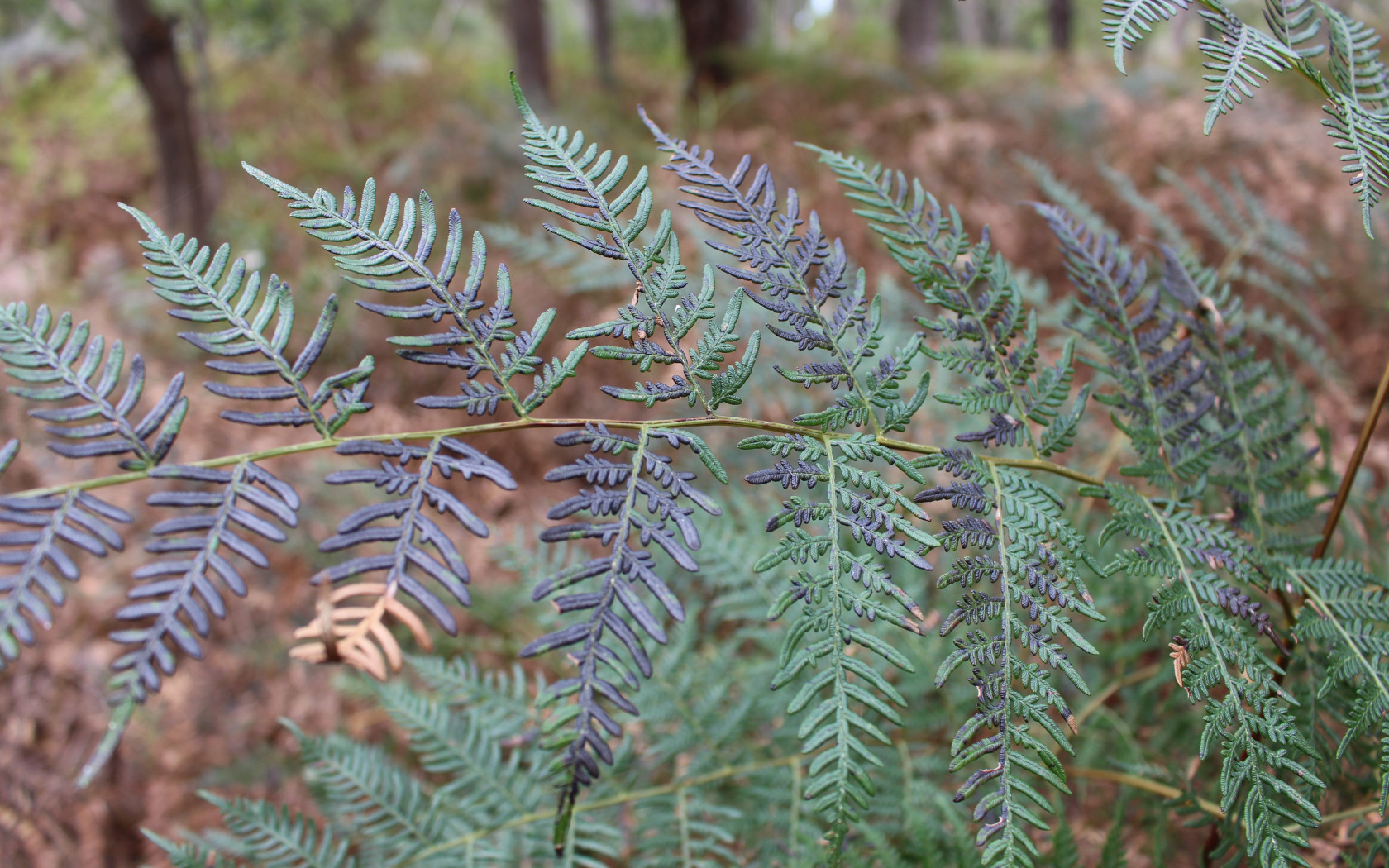
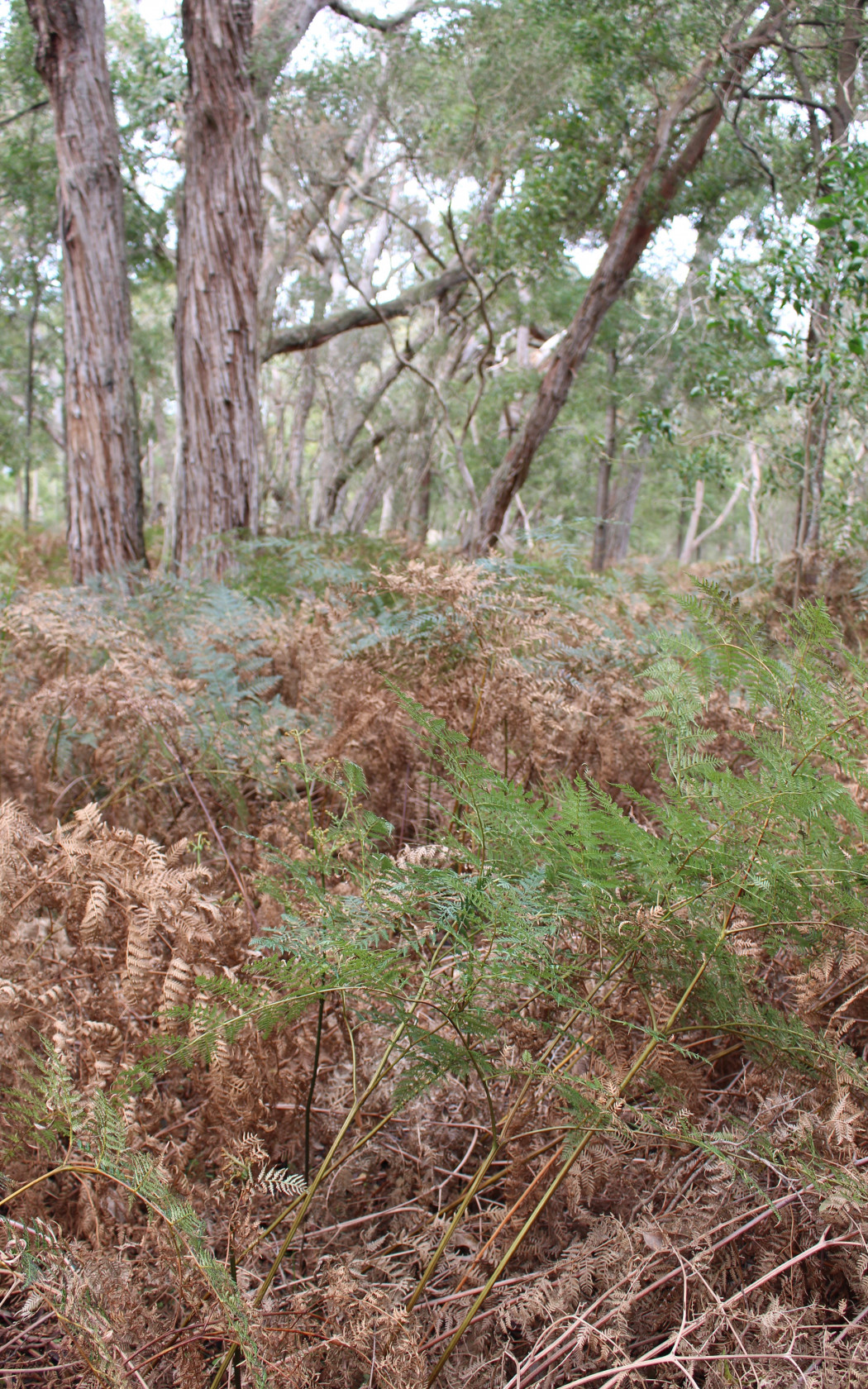
Fern
Fern
Taken by Unknown Photographer
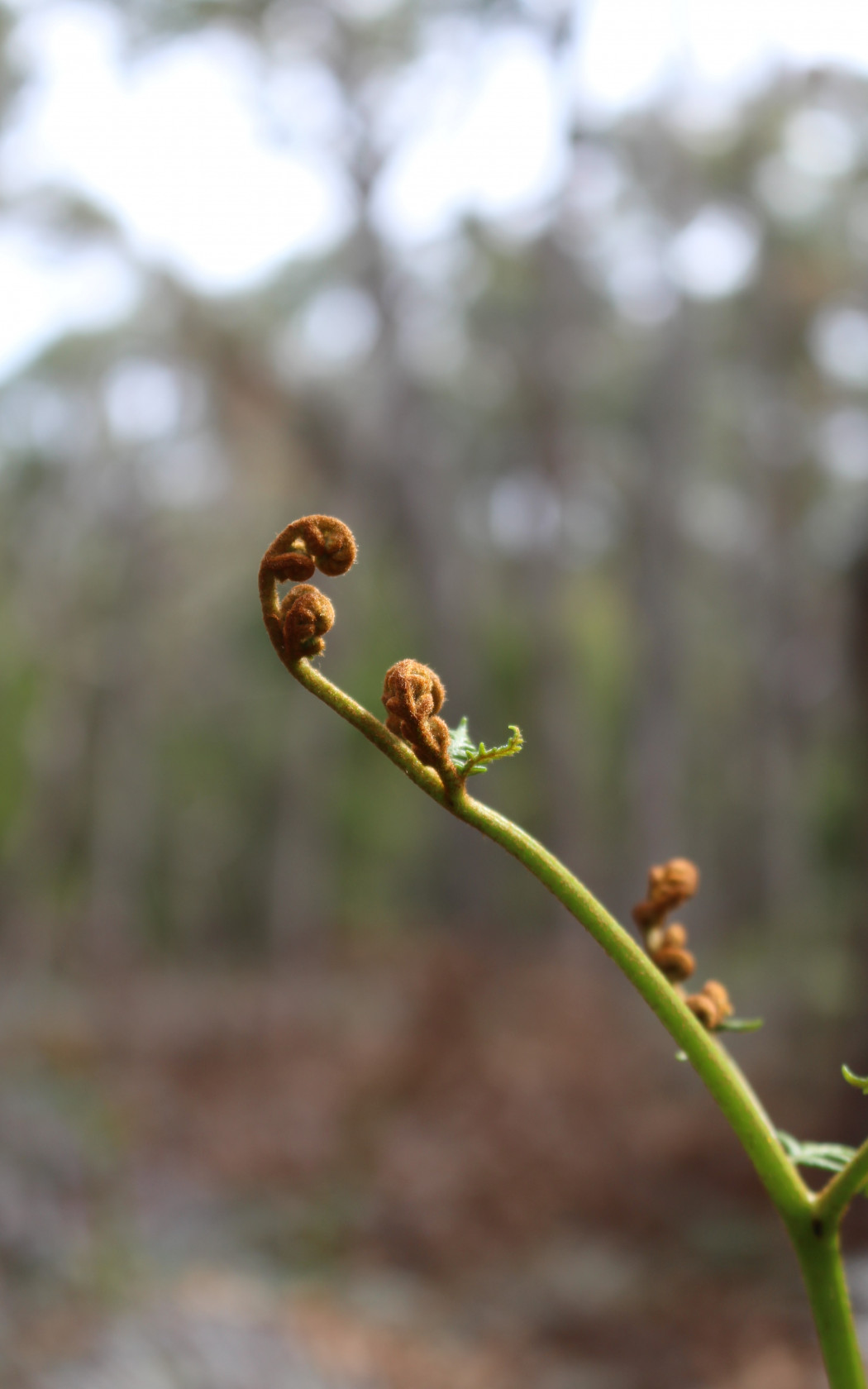
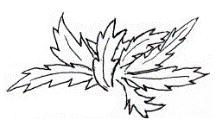
Frond
Frond
Taken by Unknown Photographer
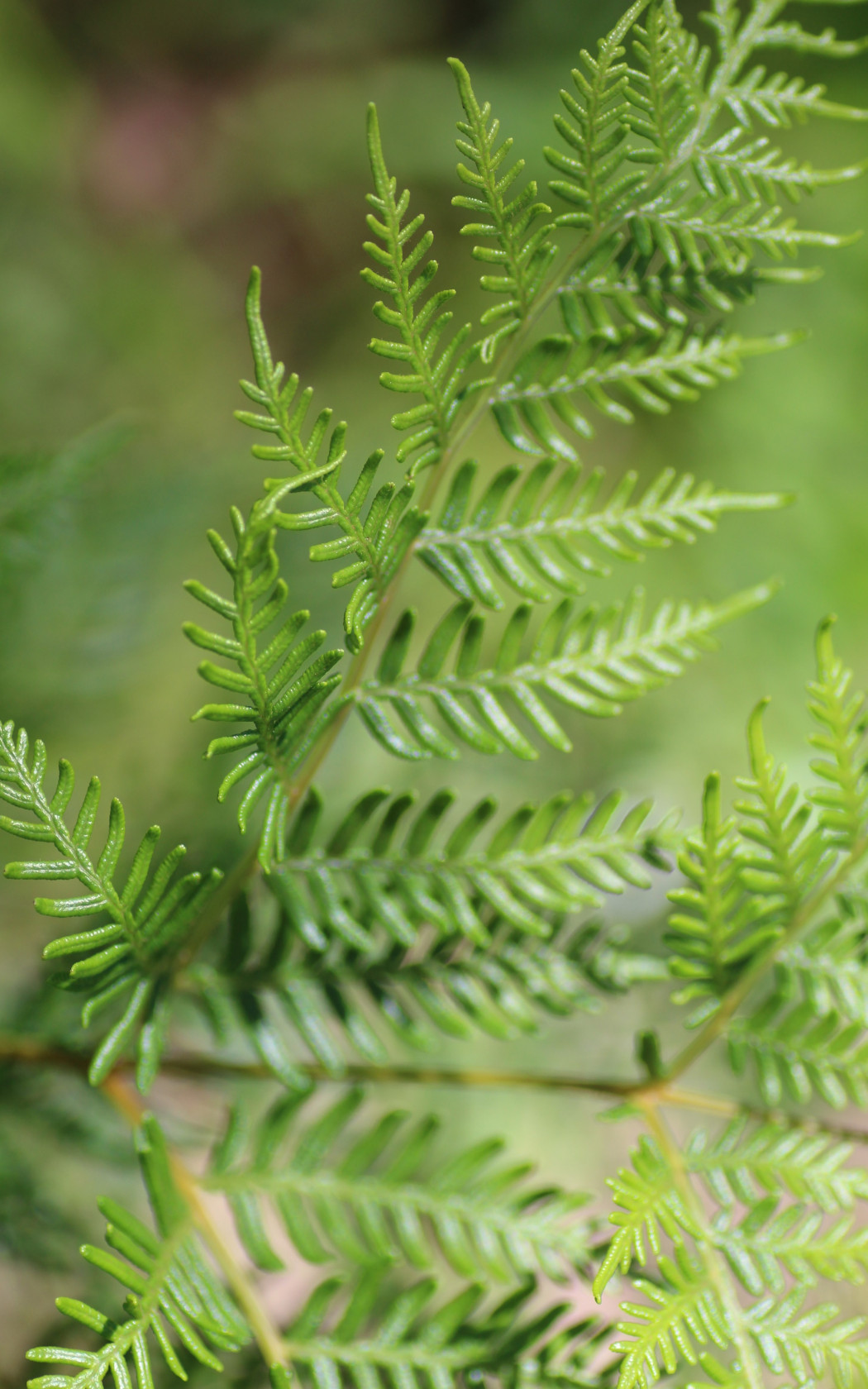
Pinna
Pinna
Taken by Unknown Photographer
Frond
Frond
Taken by Unknown Photographer
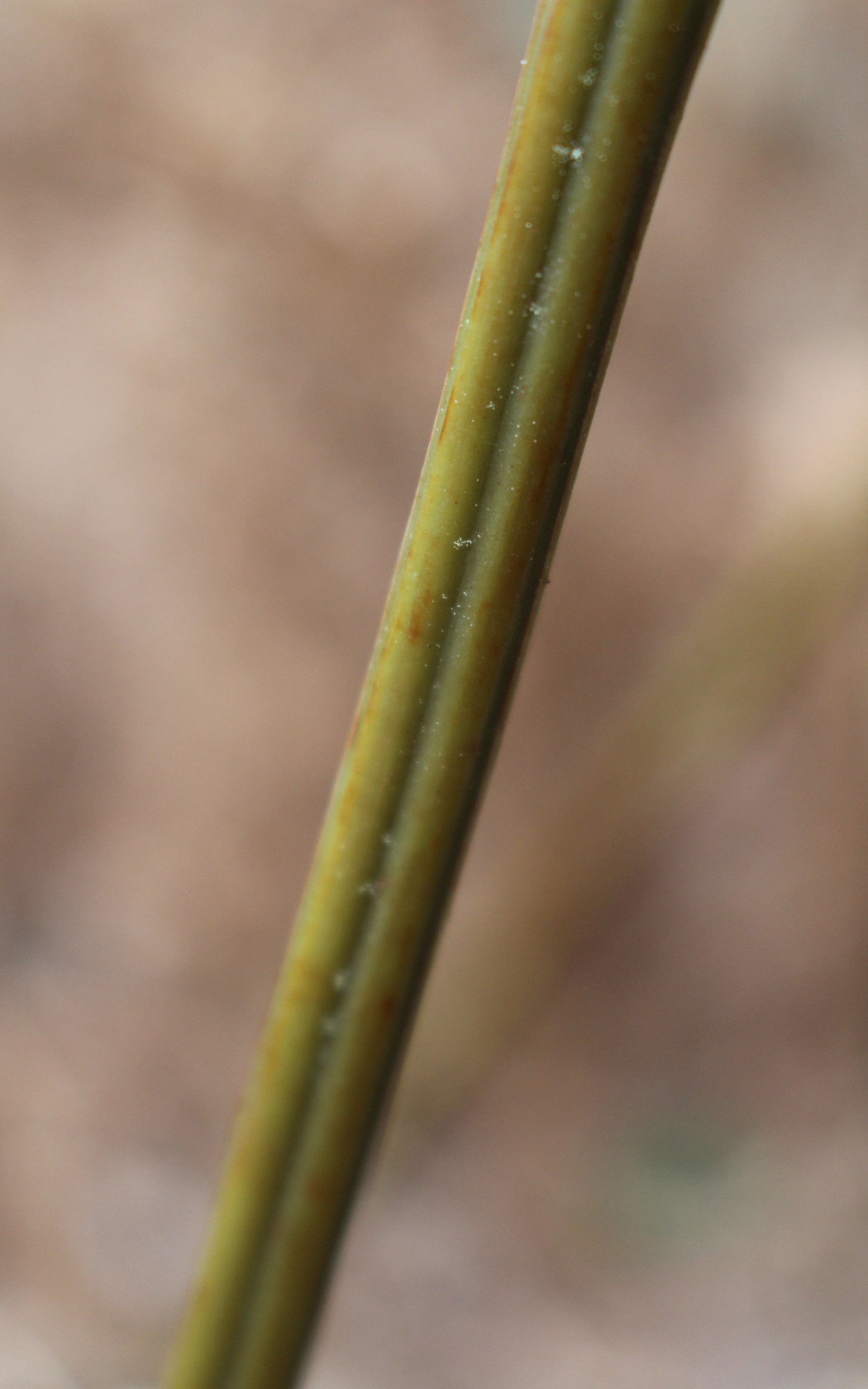
Rachis_stem
Rachis / Stem
Taken by Unknown Photographer
Expand all
Fern / Fern Ally Properties
Origin(s)
Australia
  • NSW: NS, NT, NC, SP, CS, CT, CC, SS, ST, SC
  • NT: DG
  • QLD: CO, KN, KS, LE, PC, WB, DD, MO
  • SA: EP, NL, SL, KI, SE
  • TAS: NW, ML, NE, BL, WC, CH, EC, SW, MF, MW, KI, FU
  • VIC: WA, GR, MI, VP, OP, OR, EH, GP, GH, PR, EG
  • WA: IR, DA, EY
New Caledonia
  • New Cal.: Indigenous
New Zealand
  • Sth. Is.: NE, BU, MA, WE, CA, FI, OT, SO, SI, SnI, AnI
  • Nth. Is.: TKI, NO, AU, WA, GI, TA, CE, HA, MA, WAI
Norfolk Island
  • Norfolk Is: Indigenous
Papua New Guinea
  • PNG: Indigenous
Vanuatu
  • Vanuatu: Indigenous
Fiji
  • Fiji: Indigenous
Malaysia
  • Malaysia: Indigenous
Plant Type
Terrestrial Fern
Terrestrial Fern
Climate Range(s) - Habitat
Temperate Cool, Temperate Warm, Tropical-Sub, Tropical
Temperate Cool,
Temperate Warm,
Tropical-Sub,
Tropical
Aspect Range(s)
Sun - Full, Sun - Morning, Shade - Dappled, Shade - Light, Shade - Medium
Sun - Full,
Sun - Morning,
Shade - Dappled,
Shade - Light,
Shade - Medium
Habitat Range(s)
Heath, Open Woodlands, Rainforest - Temperate, Rainforest - Tropical, Sclerophyll Forest - Wet
Heath,
Open Woodlands,
Rainforest - Temperate,
Rainforest - Tropical,
Sclerophyll Forest - Wet
Habitat Zone(s)
Gullies, Heavy soils, Hill Sides, Moist areas, Moist Valley Slopes, Open areas, Slopes, Understory, Well drained
Gullies,
Heavy soils,
Hill Sides,
Moist areas,
Moist Valley Slopes,
Open areas,
Slopes,
Understory,
Well drained
Mature Height
1-2m, 2-3m
1-2m,
2-3m
Mature Width
4-5m
4-5m
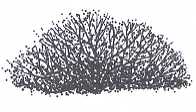
Plant Shape
Broad Open Bun
Broad Open Bun
Broad Open Bun Broad Open Bun
Growth Rate
Very Fast
Very Fast
Life Span
30-50yrs
30-50yrs
Frond Properties
Frond Colour(s) (upper)
Green Dark
Green Dark
Frond Colour(s) (lower)
Green Light
Green Light
Frond Texture (upper)
Glabrous
Glabrous
Glabrous Glabrous
Dull , Leathery
Dull,
Leathery
Frond Texture (lower)
Strigose
Strigose
Strigose Strigose
Frond Aroma
None
None
Frond Length
300-400mm
300-400mm
Frond Shape(s)
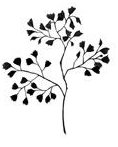
Tripinnate
Tripinnate
Tripinnate Tripinnate
Frond Arrangement
Basal or Radial
Basal or Radial
Basal or Radial Basal or Radial
Root Properties
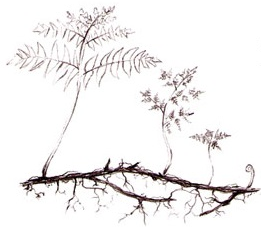
Root Type(s)
Rhizome Long-creeping
Rhizome Long-creeping Rhizome Long-creeping
Root/Rhizome Texture(s)
Hairy
Hairy
Soil Properties
Soil Type(s)
Clay, Clay-loam, Loam, Sandy-loam, Sand, Stony, Peaty, Organic Matter, Hummus Rich
Clay,
Clay-loam,
Loam,
Sandy-loam,
Sand,
Stony,
Peaty,
Organic Matter,
Hummus Rich
Soil pH Range(s)
Acid, Slightly Acid, Neutral, Slightly Alkaline, Alkaline
Acid,
Slightly Acid,
Neutral,
Slightly Alkaline,
Alkaline
Soil Condition(s)
Moist
Moist
Dry
Dry
Moist Moist,
Dry Dry
Fertile , Poor , Shallow , Deep , Well Drained
Fertile,
Poor,
Shallow,
Deep,
Well Drained
Soil Salinities
None
None
None None
Other Properties / Uses
Bird Attraction(s)
Habitat
Habitat
Butterfly Attraction
None
None
Frog Habitat
None
None
Coastal
1st Line
1st Line
Edible(s)
None
None
Fire Retarding
None
None
Drought Tolerance
Moderate
Moderate
Frost Tolerance
Poor
Poor
Snow Tolerance
Light
Light
Smog Tolerant
Moderate
Moderate
Landscape Use
Poor
Poor
Special Purpose(s)
Groundcover, Pond Edge, Rampant, Sand Binder, Shade Tolerant, Shady Dry, Shady Moist, Soil Binder, Suckering, Sunny Moist
Groundcover,
Pond Edge,
Rampant,
Sand Binder,
Shade Tolerant,
Shady Dry,
Shady Moist,
Soil Binder,
Suckering,
Sunny Moist

General Notes

It is a rapid growing fern that will colonise disturbed areas very quickly, forming a dense understory. Quite often treated as a weed because of this and can be difficult to eradicate. Can be poisonous to stock eating the fronds.

Native to a number of countries in the Southern Hemisphere. The Aboriginal people (Eora people) of the Sydney area called bracken fern, Gurgi, ate the roots after they were pounded into a paste and roasted. Juicy stems were rubbed on to relieve stining and itching of insect bites.           The Maori's of new Zealand used the rhizomes as a staple food source, especially when out hunting.

In Western Australia tissue culture has been used to build up large numbers of plants for re-vegetation work on mining sites.