Loading...

Pteridium esculentum

Common name(s): Bracken fern, Austral Bracken
Family: Dennstaedtiaceae Synonym(s): Pteris esculenta
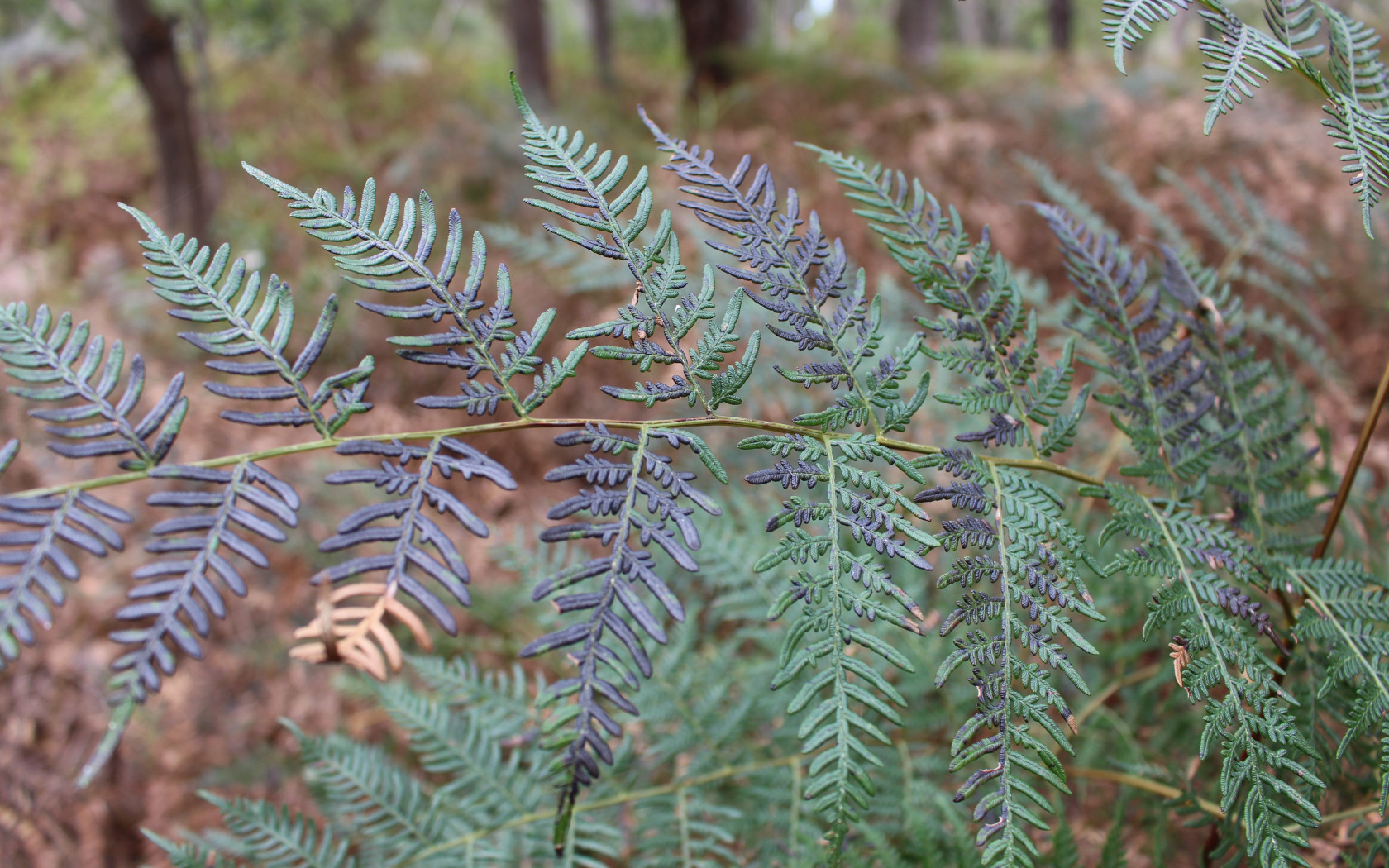
Fern
Fern
Taken by Unknown Photographer
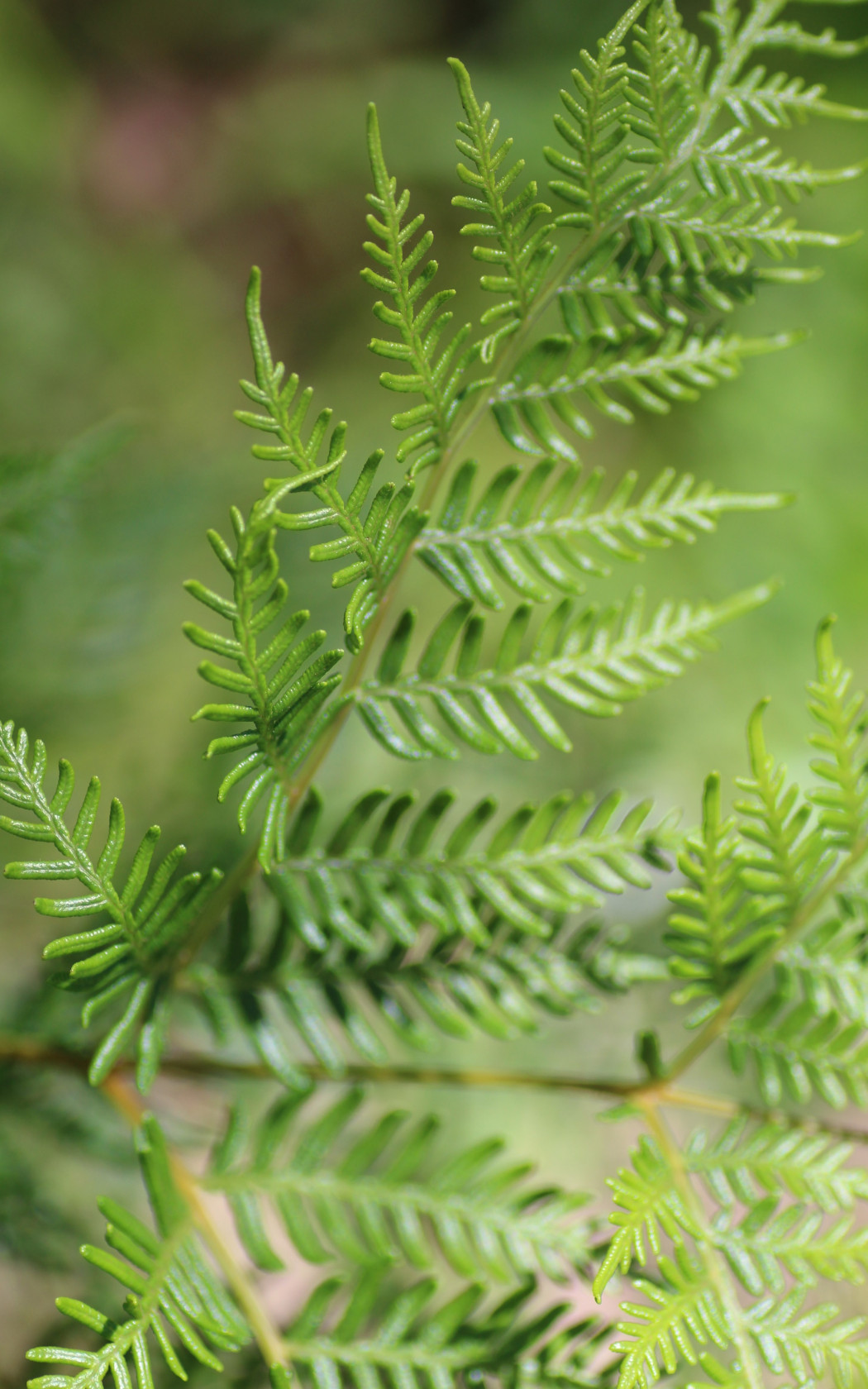
Frond
Frond
Taken by Unknown Photographer
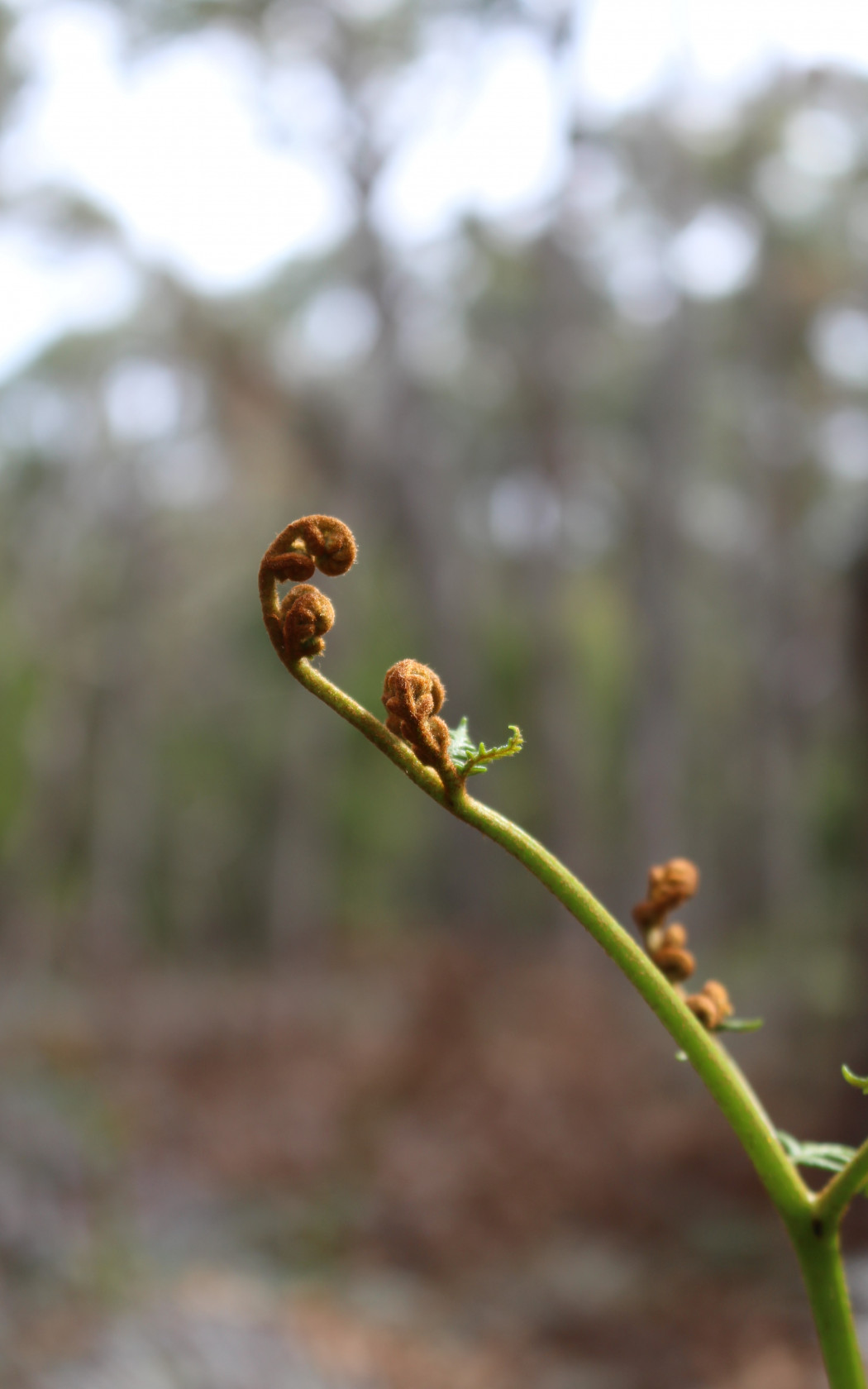
Pinna
Pinna
Taken by Unknown Photographer
Frond
Frond
Taken by Unknown Photographer
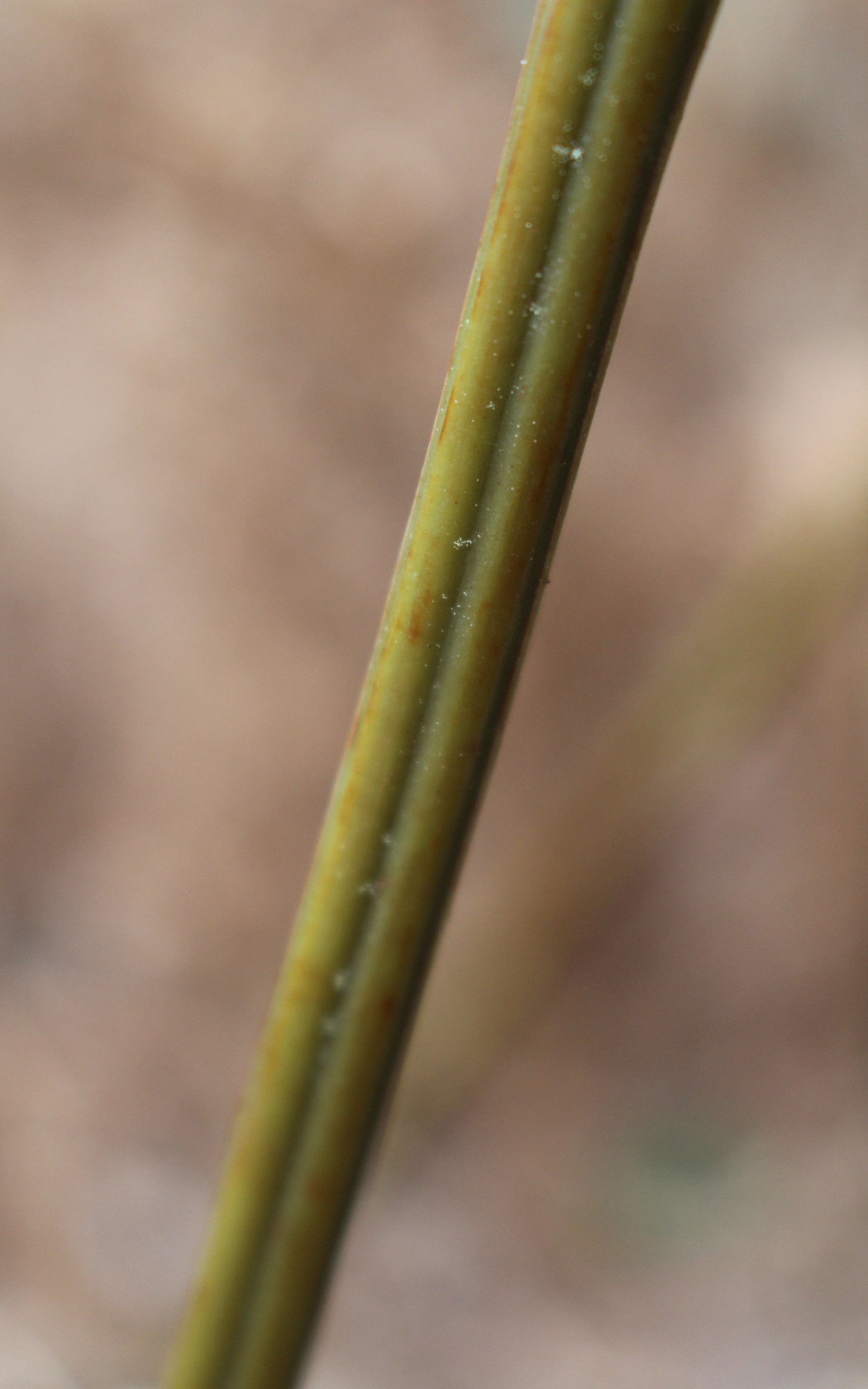
Rachis_stem
Rachis / Stem
Taken by Unknown Photographer
Expand all
Fern / Fern Ally Properties
Origin(s)
Australia
  • NSW: NS, NT, NC, SP, CS, CT, CC, SS, ST, SC
  • NT: DG
  • QLD: CO, KN, KS, LE, PC, WB, DD, MO
  • SA: EP, NL, SL, KI, SE
  • TAS: NW, ML, NE, BL, WC, CH, EC, SW, MF, MW, KI, FU
  • VIC: WA, GR, MI, VP, OP, OR, EH, GP, GH, PR, EG
  • WA: IR, DA, EY
New Caledonia
  • New Cal.: Indigenous
New Zealand
  • Sth. Is.: NE, BU, MA, WE, CA, FI, OT, SO, SI, SnI, AnI
  • Nth. Is.: TKI, NO, AU, WA, GI, TA, CE, HA, MA, WAI
Norfolk Island
  • Norfolk Is: Indigenous
Papua New Guinea
  • PNG: Indigenous
Vanuatu
  • Vanuatu: Indigenous
Fiji
  • Fiji: Indigenous
Malaysia
  • Malaysia: Indigenous
Plant Type
Terrestrial Fern
Terrestrial Fern
Climate Range(s) - Habitat
Temperate Cool, Temperate Warm, Tropical-Sub, Tropical
Temperate Cool,
Temperate Warm,
Tropical-Sub,
Tropical
Aspect Range(s)
Sun - Full, Sun - Morning, Shade - Dappled, Shade - Light, Shade - Medium
Sun - Full,
Sun - Morning,
Shade - Dappled,
Shade - Light,
Shade - Medium
Habitat Range(s)
Heath, Open Woodlands, Rainforest - Temperate, Rainforest - Tropical, Sclerophyll Forest - Wet
Heath,
Open Woodlands,
Rainforest - Temperate,
Rainforest - Tropical,
Sclerophyll Forest - Wet
Habitat Zone(s)
Gullies, Heavy soils, Hill Sides, Moist areas, Moist Valley Slopes, Open areas, Slopes, Understory, Well drained
Gullies,
Heavy soils,
Hill Sides,
Moist areas,
Moist Valley Slopes,
Open areas,
Slopes,
Understory,
Well drained
Mature Height
1-2m, 2-3m
1-2m,
2-3m
Mature Width
4-5m
4-5m
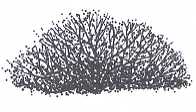
Plant Shape
Broad Open Bun
Broad Open Bun
Broad Open Bun Broad Open Bun
Growth Rate
Very Fast
Very Fast
Life Span
30-50yrs
30-50yrs
Frond Properties
Frond Colour(s) (upper)
Green Dark
Green Dark
Frond Colour(s) (lower)
Green Light
Green Light
Frond Texture (upper)
Glabrous
Glabrous
Glabrous Glabrous
Dull , Leathery
Dull,
Leathery
Frond Texture (lower)
Strigose
Strigose
Strigose Strigose
Frond Aroma
None
None
Frond Length
300-400mm
300-400mm
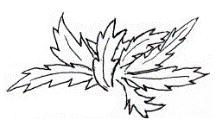
Frond Shape(s)
Tripinnate
Tripinnate
Tripinnate Tripinnate
Frond Position
Erect
Erect
Frond Arrangement
Basal or Radial
Basal or Radial
Basal or Radial Basal or Radial
Pinna Shape(s)
Oblong
Oblong
Oblong Oblong
Pinnule Apice(s) (Leaflet)
Obtuse
Obtuse
Obtuse Obtuse
Pinnule Base(s) (Leaflet)
Hastate
Hastate
Hastate Hastate
Pinnule Margin(s) (Leaflet)
Entire
Entire
Entire Entire
Pinnule Cross Section(s) (Leaflet)
Flat
Flat
Flat Flat
Rachis / Stem / Scale Properties
Rachis / Stem / Stipe Upper Colour(s)
Brown
Brown
Rachis / Stem / Stipe Upper Texture(s)
Smooth
Smooth
Indusia (Fruiting Body) Properties
Indusia Colour(s)
Brown-Light
Brown-Light
Indusia Shape (Fruit)
Elongate on Margin
Elongate on Margin
Elongate on Margin Elongate on Margin
Indusia Size (Fruit)
< 1mm
< 1mm
Spore Properties
Spore Colour(s)
Brown Light, Yellow Dark
Brown Light,
Yellow Dark
Spore Texture(s)
Granulose
Granulose
Spore Number
Many
Many
Root Properties
Root Type(s)
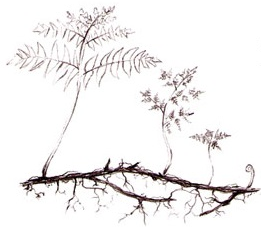
Rhizome Long-creeping
Rhizome Long-creeping Rhizome Long-creeping
Root/Rhizome Texture(s)
Hairy
Hairy
Root Colour(s)
Red-brown
Red-brown
Soil Properties
Soil Type(s)
Clay, Clay-loam, Loam, Sandy-loam, Sand, Stony, Peaty, Organic Matter, Hummus Rich
Clay,
Clay-loam,
Loam,
Sandy-loam,
Sand,
Stony,
Peaty,
Organic Matter,
Hummus Rich
Soil pH Range(s)
Acid, Slightly Acid, Neutral, Slightly Alkaline, Alkaline
Acid,
Slightly Acid,
Neutral,
Slightly Alkaline,
Alkaline
Soil Condition(s)
Moist
Moist
Dry
Dry
Moist Moist,
Dry Dry
Fertile , Poor , Shallow , Deep , Well Drained
Fertile,
Poor,
Shallow,
Deep,
Well Drained
Soil Salinities
None
None
None None
Other Properties / Uses
Bird Attraction(s)
Habitat
Habitat
Butterfly Attraction
None
None
Frog Habitat
None
None
Coastal
1st Line
1st Line
Edible(s)
None
None
Fire Regeneration(s)
Spore, Rhizome
Spore,
Rhizome
Fire Retarding
None
None
Drought Tolerance
Moderate
Moderate
Frost Tolerance
Poor
Poor
Snow Tolerance
Light
Light
Smog Tolerant
Moderate
Moderate
Landscape Use
Poor
Poor
Street Use
None
None
Commercial Use(s)
None
None
Indigenous Use(s)
Roots, Stems
Roots,
Stems
Special Purpose(s)
Groundcover, Pond Edge, Rampant, Sand Binder, Shade Tolerant, Shady Dry, Shady Moist, Soil Binder, Suckering, Sunny Moist
Groundcover,
Pond Edge,
Rampant,
Sand Binder,
Shade Tolerant,
Shady Dry,
Shady Moist,
Soil Binder,
Suckering,
Sunny Moist
Propagation
Fresh Spore

General Notes

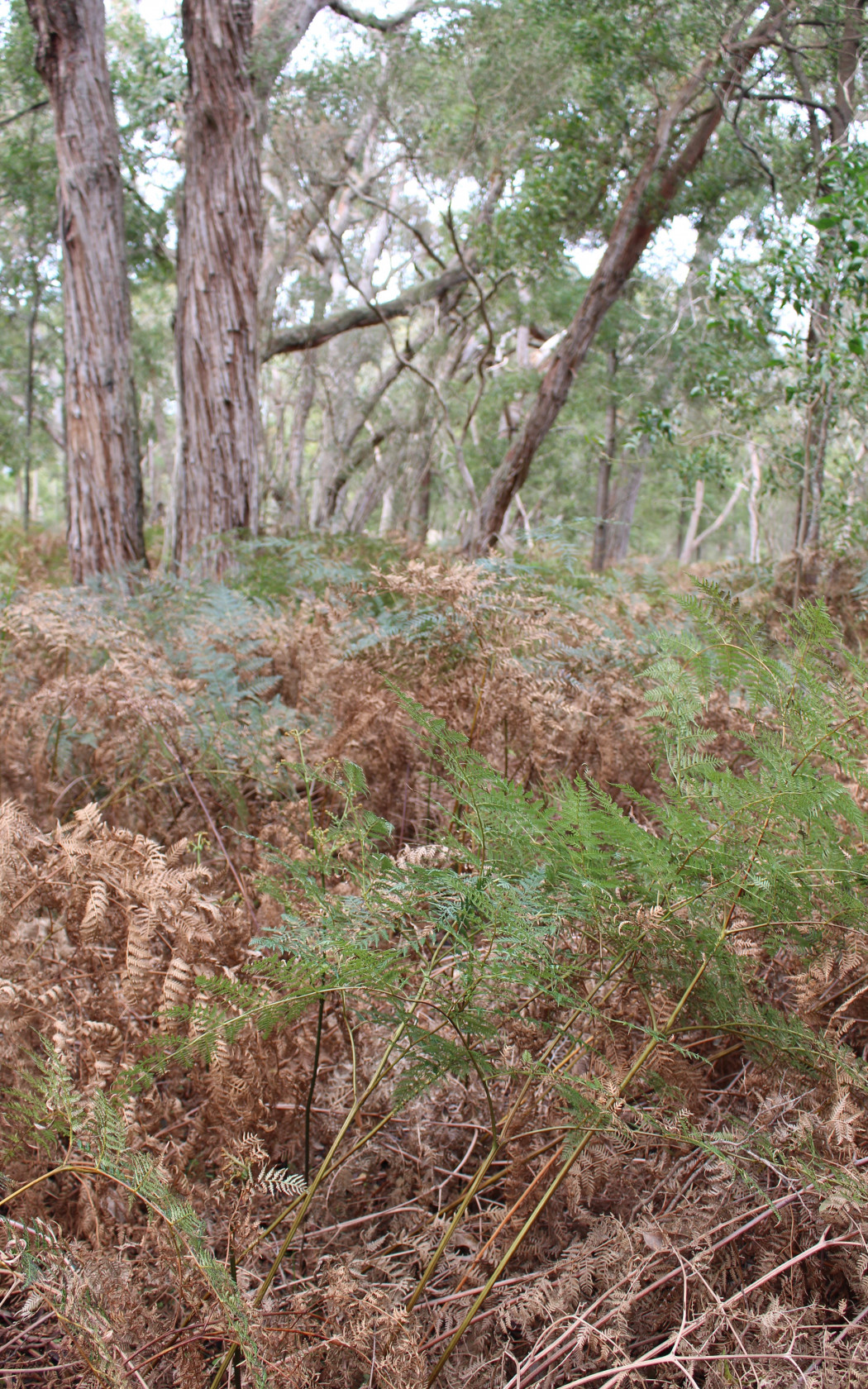
It is a rapid growing fern that will colonise disturbed areas very quickly, forming a dense understory. Quite often treated as a weed because of this and can be difficult to eradicate. Can be poisonous to stock eating the fronds.

Native to a number of countries in the Southern Hemisphere. The Aboriginal people (Eora people) of the Sydney area called bracken fern, Gurgi, ate the roots after they were pounded into a paste and roasted. Juicy stems were rubbed on to relieve stining and itching of insect bites.           The Maori's of new Zealand used the rhizomes as a staple food source, especially when out hunting.

In Western Australia tissue culture has been used to build up large numbers of plants for re-vegetation work on mining sites.

Propagation Notes

Expand all
Unknown Propagation
Seed Collecting
Jan, Feb, Mar, Apr
Sowing
Apr, May, Jun, Jul, Aug, Sep
Material Preparation

Place mature fronds, cut down into smaller pieces, in a paper bag and keep warm and dry. After a few days the spores and frass will collect in the bottom of the bag, remove the fine spore dust, place in an envelope. Store in a cool dark place. Sow spore as soon as possible after collection.

Propagating Mix

Peat Moss / Coco Peat sterilized with boiling water.

Treatment

Sow spores as soon after collection as possible for best results. Once the sterilized medium has cooled, place in a pot, spread the spores over the medium. Cover the top of the pot immediately with clear plastic or glass. Stand the pot in a shallow dish of water. Place on 21° heated bed. Maintain a hothouse temperature around 21 - 25° at plant level, where possible. Remove cover 1 -2 weeks after first fronds appear, care should be taken to ensure they do not dry out. Allow to harden off before repotting.

Viable spores/gram:-

Germination time:- 2 – 8 weeks prothalli appear, a green scum on surface. 6 - 12 months for first fronds to appear.

Pricking out:-        when 2nd frond appears to avoid over crowding

Tube mix:-           Coco Peat or Peat Moss 75% / Isolite 25%

Notes

Fertile fronds can sometimes be hard to locate so most propagation is done with rhizomes. It is a difficult species to propagate from spore and division.

Rhizomes
Division
May, Jun, Jul, Aug, Sep
Material Preparation

For field collected stock, choose small to medium clumps. Dig up and remove the top half of the foliage on site. Wash all soil from the roots. Carefully prize apart the root system for each section of the clump, ensure each section of rhizome has roots attached. Remove damaged roots. Reduce the number of stems per section by 50%. Drop all sections into a mild solution of Phosacid bath to kill any Phytopthera etc, from the field collection. Drain.  Keep moist during preparation.

For nursery stock, remove from the pot. Wash all soil from the roots. Carefully prize apart the root system for each clump, ensure each section has       roots attached. Remove damaged roots. Reduce the number of stems per section by 50%. Keep moist during preparation.

Propagating Mix

BioGrow Premium Potting mix

Treatment

Keep hydrated during prep. Pot up as soon as possible. Water in with dilute 30ml Seasol and 10ml Plant Starter solution to 5 lt. water. Place outside in a shady position.

Strike Rate:-           Field Stock     50 – 75%

                             Nursery Stock 95%

Rooting time:-        Field Stock      6 - 8 weeks 

                             Nursery Stock 4 - 6 weeks 

Division Yield                                                                                                                                                                                                        per 140mm Pot:-    2 – 3 plants       

Notes

Field stock can be hard to take root. A difficult species to propagate from division or spore, considering it can be a pest weed in some areas.