Loading...

Blechnum gibbum 'SilverLady'

Common name(s): 'Silver Lady' Fern, Dwarf Tree Fern, Norfolk Island Water Fern
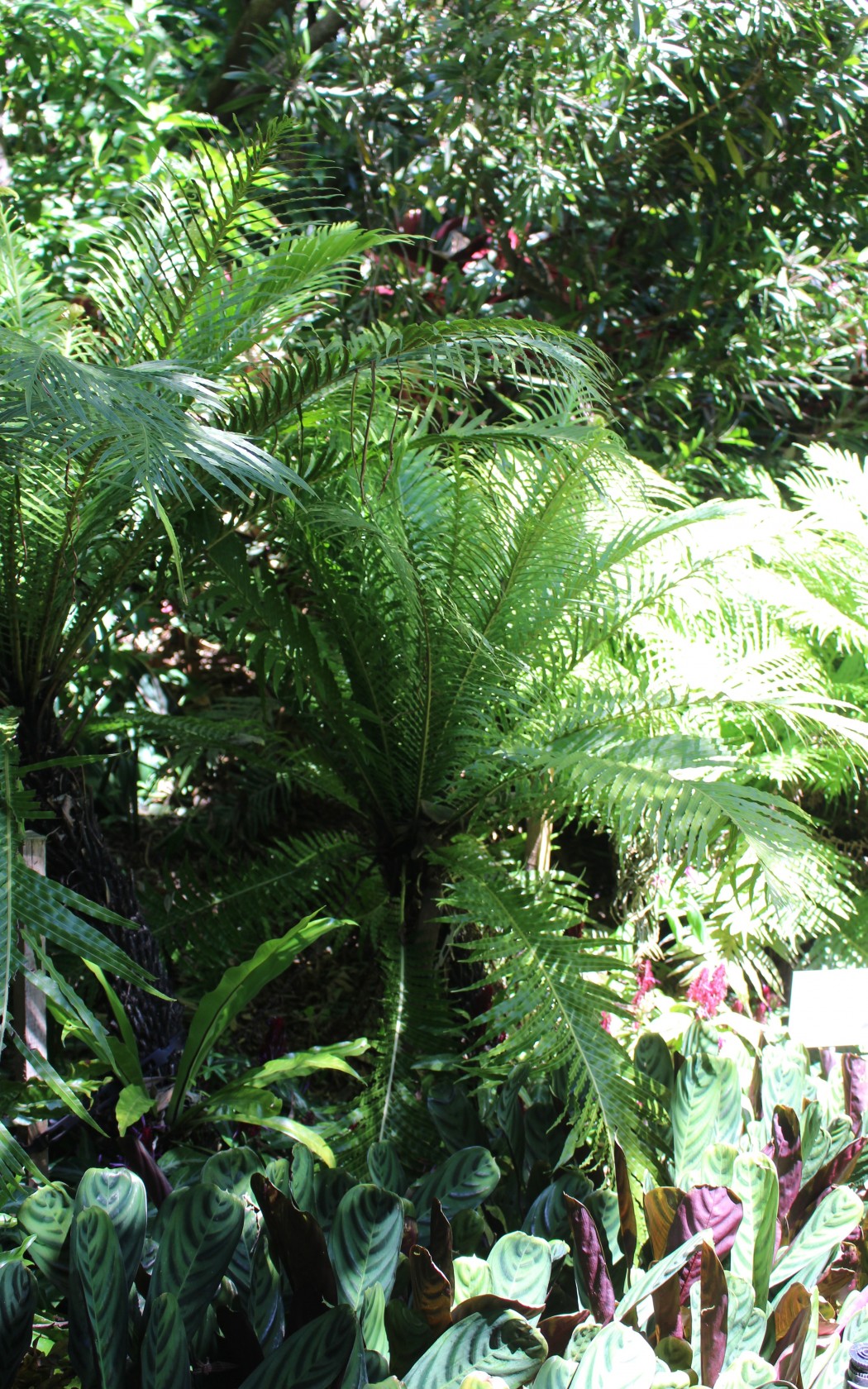
Family: Blechnaceae Synonym(s): Oceaniopteris gibba, Blechnum neocaledonicum, Lomaria gibba, Lomaria neocaledonica, Struthiopteris gibba
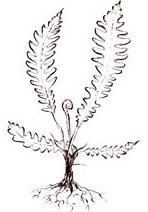
Fern
Fern
Taken by Ken Harrington
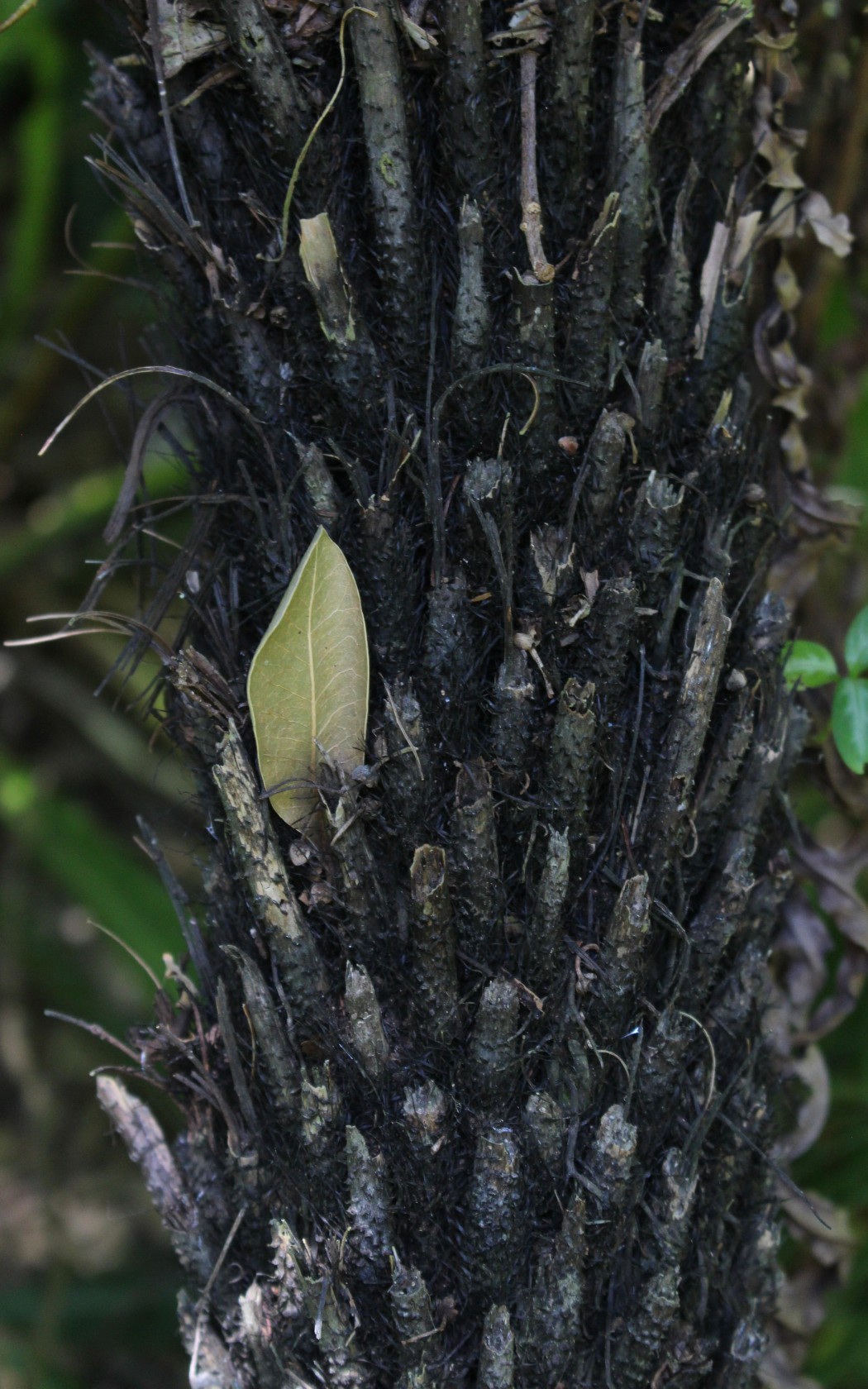
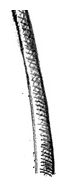
Bark
Bark
Taken by Ken Harrington
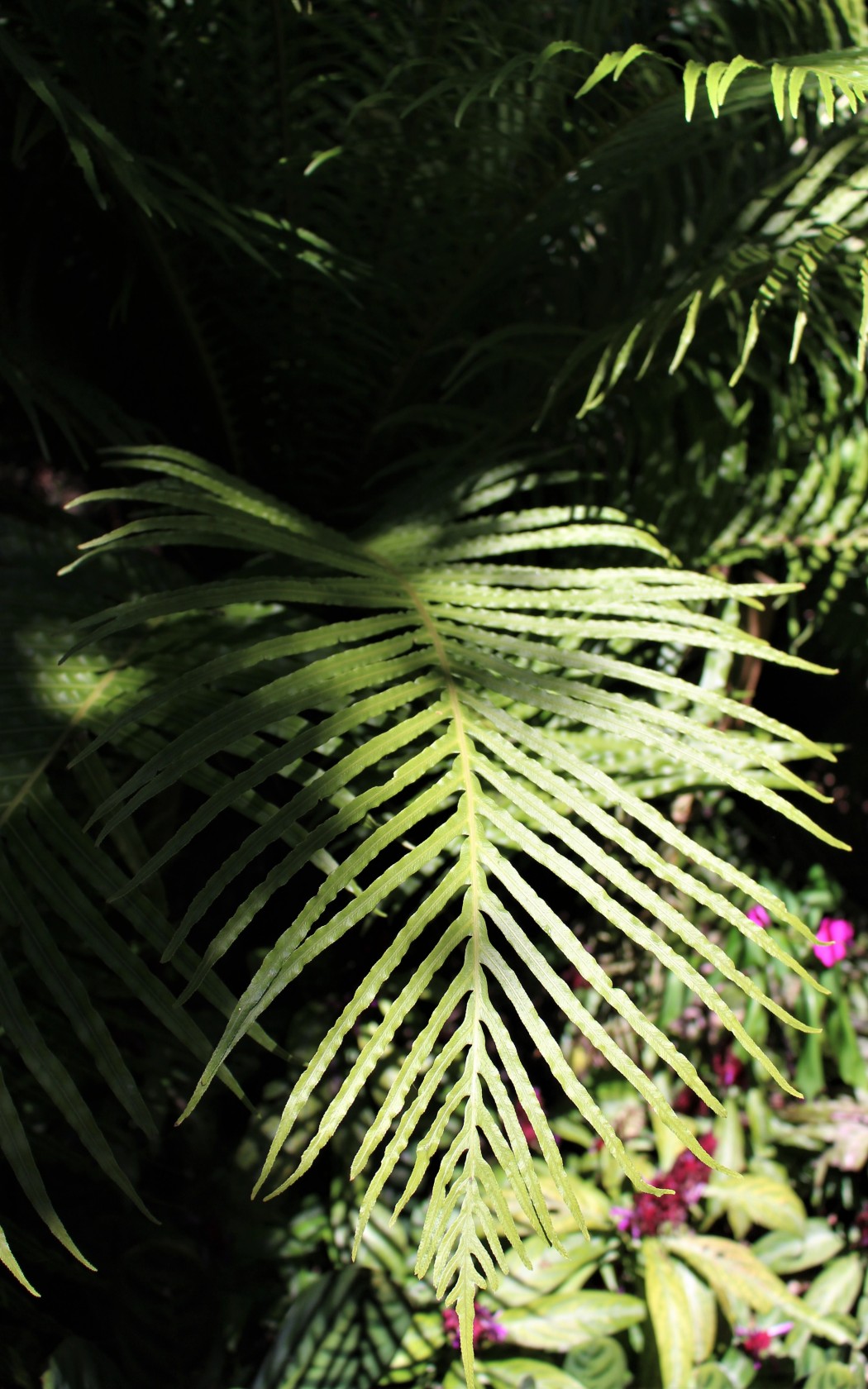
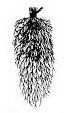
Frond
Frond
Taken by Ken Harrington
Expand all
Fern / Fern Ally Properties
Origin(s)
Fiji
  • Fiji: Indigenous
New Caledonia
  • New Cal.: Indigenous
Norfolk Island
  • Norfolk Is: Indigenous
New Zealand
  • Nth. Is.: TKI, NO, AU
Plant Type
Solitary, Terrestrial Fern
Solitary,
Terrestrial Fern
Climate Range(s) - Habitat
Temperate Warm, Tropical-Sub, Tropical
Temperate Warm,
Tropical-Sub,
Tropical
Aspect Range(s)
Shade - Dappled, Shade - Light, Shade - Medium, Shade - Heavy
Shade - Dappled,
Shade - Light,
Shade - Medium,
Shade - Heavy
Habitat Range(s)
Rainforest - Sub-tropical, Rainforest - Tropical
Rainforest - Sub-tropical,
Rainforest - Tropical
Habitat Zone(s)
Garden, Gullies, Heavy soils, Lakes / Dams / Swamps, Landscape, Moist areas, Moist Valley Slopes, Riparian Areas, Rivers / Creeks / Streams, Sandy Moist, Understory, Water sides, Well drained, Wind Protected
Garden,
Gullies,
Heavy soils,
Lakes / Dams / Swamps,
Landscape,
Moist areas,
Moist Valley Slopes,
Riparian Areas,
Rivers / Creeks / Streams,
Sandy Moist,
Understory,
Water sides,
Well drained,
Wind Protected
Mature Height
750mm-1m, 1-2m
750mm-1m,
1-2m
Mature Width
1-2m
1-2m
Plant Shape
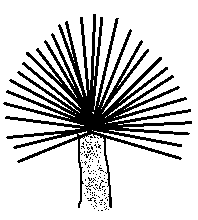
Dense, Standard Crown
Dense, Standard Crown Dense, Standard Crown
Growth Rate
Fast
Fast
Life Span
5-15yrs
5-15yrs
Frond Properties
Frond Colour(s) (upper)
Green Dark, Green Light
Green Dark,
Green Light
Frond Colour(s) (lower)
Green Dark, Green Light
Green Dark,
Green Light
Frond Texture (upper)
Glabrous
Glabrous
Glabrous Glabrous

Frond Texture (lower)
Glabrous
Glabrous
Glabrous Glabrous
Frond Aroma
None
None
Frond Length
900mm-1m
900mm-1m
Frond Width
70-80mm
70-80mm
Frond Shape(s)
Elliptical
Elliptical
Oblanceolate
Oblanceolate
Pinnate / Imparapinnate
Elliptical Elliptical,
Oblanceolate Oblanceolate,
Pinnate / Imparapinnate Pinnate / Imparapinnate
Frond Position
Erect
Erect
Frond Arrangement
Radial Stemmed Dense Crown

Radial Stemmed Dense Crown Radial Stemmed Dense Crown
Frond Venation
Pinnate
Pinnate
Pinnate Pinnate
Pinnule Shape (Leaflet)
Subulate
Subulate
Subulate Subulate
Pinnule Apice(s) (Leaflet)
Acute Narrowly
Acute Narrowly
Acute Narrowly Acute Narrowly
Pinnule Base(s) (Leaflet)
Truncate
Truncate
Truncate Truncate
Pinnule Margin(s) (Leaflet)
Undulate
Undulate
Undulate Undulate
Pinnule Length
30-40mm
30-40mm
Pinnule Cross Section(s) (Leaflet)
Flat
Flat
Flat Flat
Rachis / Stem / Scale Properties
Rachis / Stem / Stipe Upper Colour(s)
Black, Brown Dark, Grey-brown Dark
Black,
Brown Dark,
Grey-brown Dark
Rachis / Stem / Stipe Base Colour(s)
Black, Brown Dark, Grey-brown Dark
Black,
Brown Dark,
Grey-brown Dark
Rachis / Stem / Stipe Upper Texture(s)
Hairs-Coarse , Hairs-Stiff , Rough , Scaly
Hairs-Coarse,
Hairs-Stiff,
Rough,
Scaly
Rachis / Stem / Stipe Base Texture(s)
Hairs Coarse
Hairs Coarse
Rough / Scabrous
Rough / Scabrous
Scaly
Scaly
Hairs Coarse Hairs Coarse,
Rough / Scabrous Rough / Scabrous,
Scaly Scaly
Hairs Stiff
Hairs Stiff
Stipe / Rachis Feature(s)
Plain
Plain
Plain Plain
Root Properties
Root Type(s)
Fibrous
Fibrous
Rhizome Ascending
Rhizome Ascending
Fibrous Fibrous,
Rhizome Ascending Rhizome Ascending
Root/Rhizome Texture(s)
Rough / Scabrous
Rough / Scabrous
Rough / Scabrous Rough / Scabrous
Stiff , Wiry
Stiff,
Wiry
Root Colour(s)
Brown-black, Brown Dark
Brown-black,
Brown Dark
Soil Properties
Soil Type(s)
Clay-loam, Loam, Sandy-loam, Organic Matter, Hummus Rich
Clay-loam,
Loam,
Sandy-loam,
Organic Matter,
Hummus Rich
Soil pH Range(s)
Acid, Slightly Acid
Acid,
Slightly Acid
Soil Condition(s)
Damp
Damp
Moist
Moist
Damp Damp,
Moist Moist
Fertile , Shallow , Deep , Well Drained
Fertile,
Shallow,
Deep,
Well Drained
Soil Salinities
None
None
None None
Waterlogging Class
W0 – Low tolerance
W0 – Low tolerance
Other Properties / Uses
Bird Attraction(s)
Insect
Insect
Butterfly Attraction
None
None
Frog Habitat
Poor
Poor
Coastal
None
None
Edible(s)
None
None
Fire Regeneration(s)
Spore
Spore
Fire Retarding
None
None
Drought Tolerance
Poor
Poor
Frost Tolerance
Poor
Poor
Snow Tolerance
None
None
Smog Tolerant
Poor
Poor
Landscape Use
Good
Good
Street Use
None
None
Commercial Use(s)
Horticulture - Amenity
Special Purpose(s)
Garden - Indoors, Garden-Australian Native, Garden-Fern, Garden-Foliage, Garden-Informal, Garden-Rainforest, Garden-Tropical, Garden-Water, Interesting-Trunk, Phytophthora Susceptible, Playground Friendly, Pond Edge, Poolside, Shade Tolerant, Shady Moist, Specimen
Garden - Indoors,
Garden-Australian Native,
Garden-Fern,
Garden-Foliage,
Garden-Informal,
Garden-Rainforest,
Garden-Tropical,
Garden-Water,
Interesting-Trunk,
Phytophthora Susceptible,
Playground Friendly,
Pond Edge,
Poolside,
Shade Tolerant,
Shady Moist,
Specimen
Maintenance(s)
Dead Fronding
Dead Fronding
Pest / Diseases
Scale, Mealy Bug, Phytophthora cinnamomi
Scale,
Mealy Bug,
Phytophthora cinnamomi
Propagation
Fresh Spore

General Notes

A hardy fern for shady areas, looking like a miniature tree fern, creating a relaxed tropical feel in underplantings of larger trees. Keeping up the humidity is important to avoid frond burning, browning of the tips.

It has recieved the Royal Horticultural Society's Award of Garden Merit

Propagation Notes

Fresh Spore
Material Preparation

Place mature, spored fronds, cut down into smaller pieces, in a paper bag and keep warm and dry. After a few days the spores and frass will collect in the bottom of the bag, remove the fine spore dust, place in an envelope. Store in a cool dark place. Sow spore as soon as possible after collection.

Propagating Mix

Peat Moss / Coco Peat sterilized with boiling water.

Treatment

Sow spores as soon after collection as possible for best results. Once the sterilized medium has cooled, place in a pot, spread the spores over the medium. Cover the top of the pot immediately with clear plastic or glass. Stand the pot in a shallow dish of water. Place on 21° heated bed. Maintain a hothouse temperature around 21 - 25° at plant level, where possible. Remove cover 1 -2 weeks after first fronds appear, care should be taken to ensure they do not dry out. Allow to harden off before repotting.

Viable spores/gram:-

Germination time:- 2 – 8 weeks prothalli appear, a green scum on surface. 6 - 12 months for first fronds to appear.

Pricking out:-        when 2nd frond appears to avoid over crowding

Tube mix:-           3 parts Coco Peat or Peat Moss + 1 part Isolite