Loading...

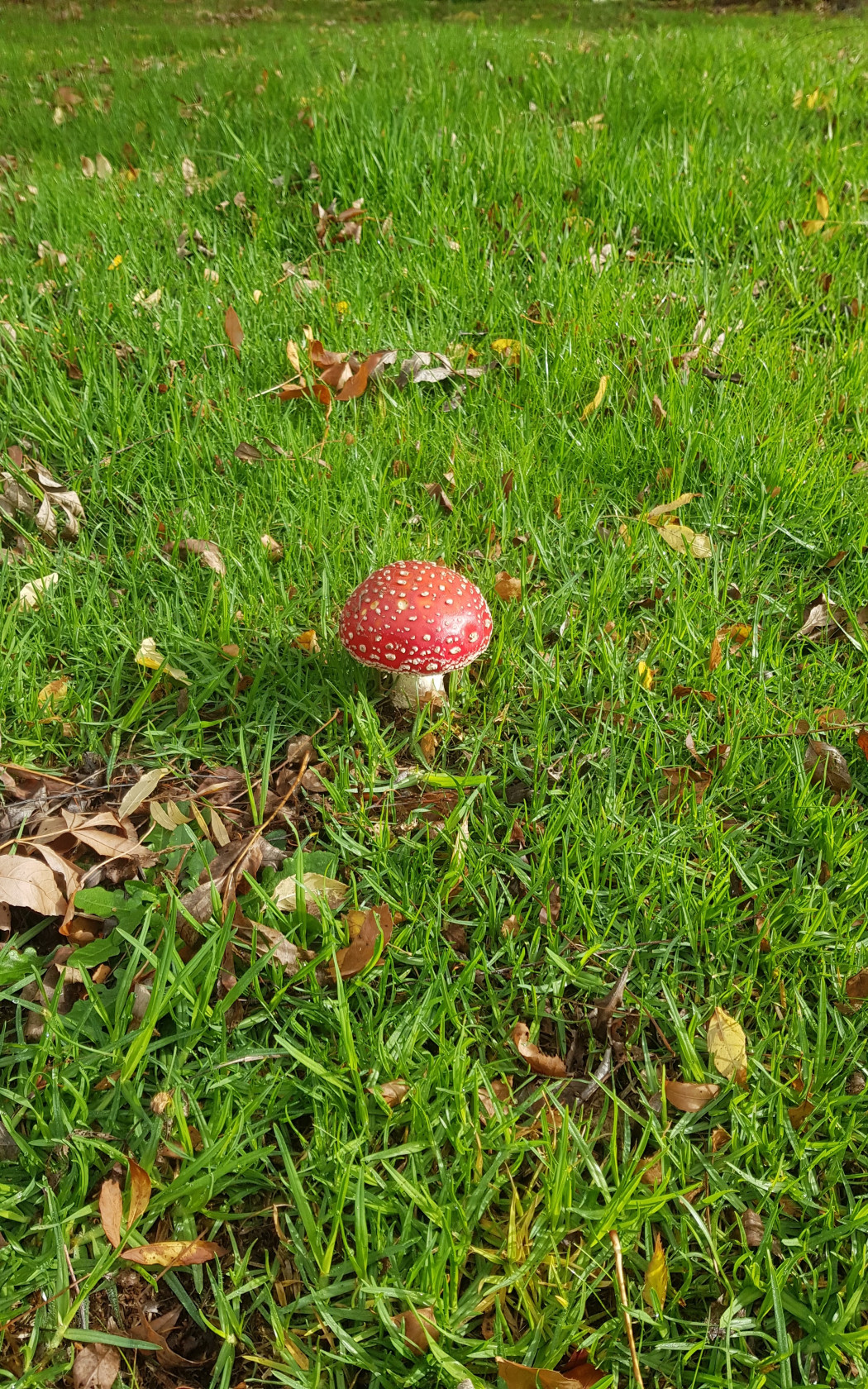
Amanita muscaria

Common name(s): Fly Agaric, Fly Amanita
Family: Amanitaceae
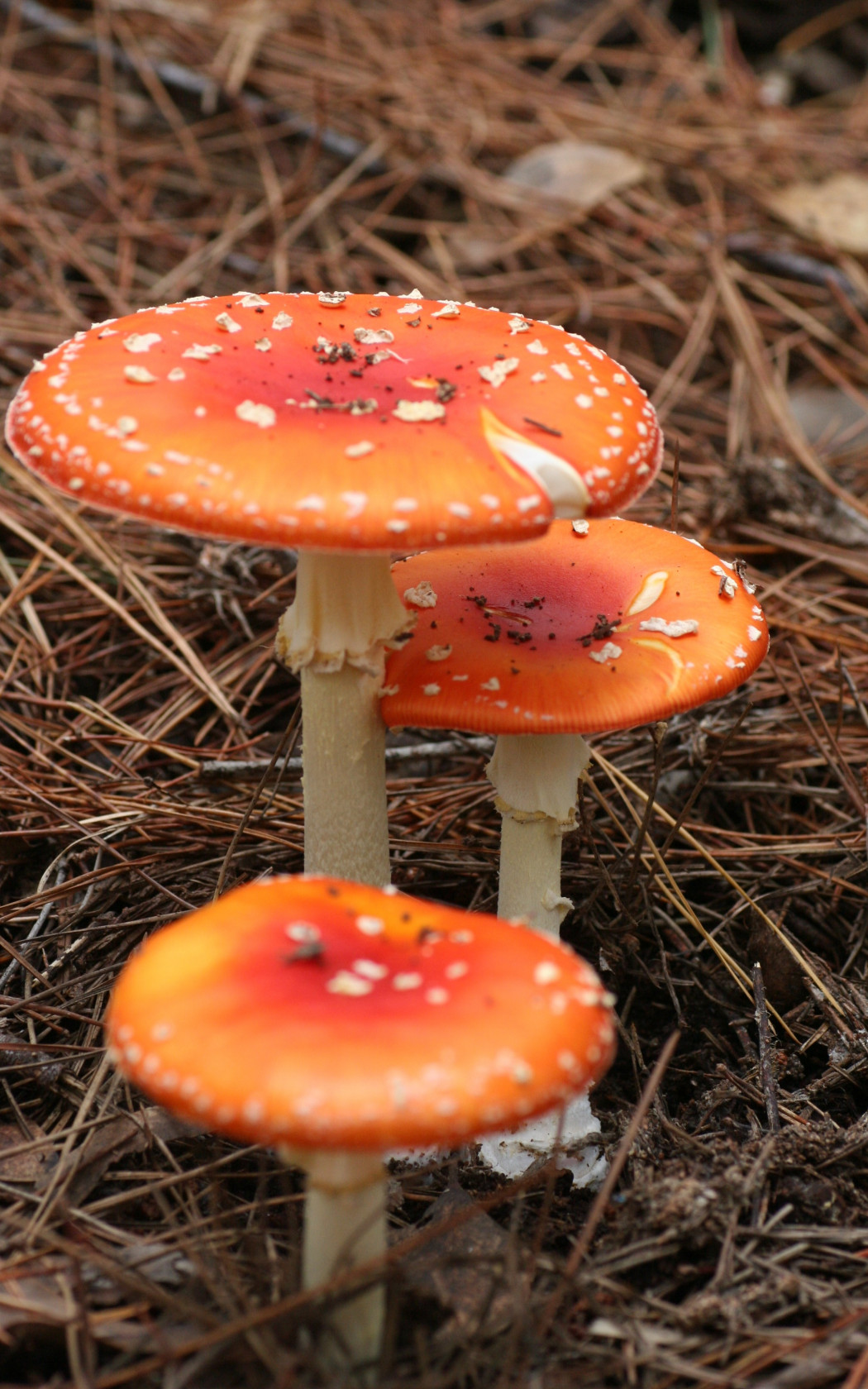
Pileus_cap
Pileus (Cap)
Taken by Ken Harrington
Pileus_cap
Pileus (Cap)
Taken by Ken Harrington
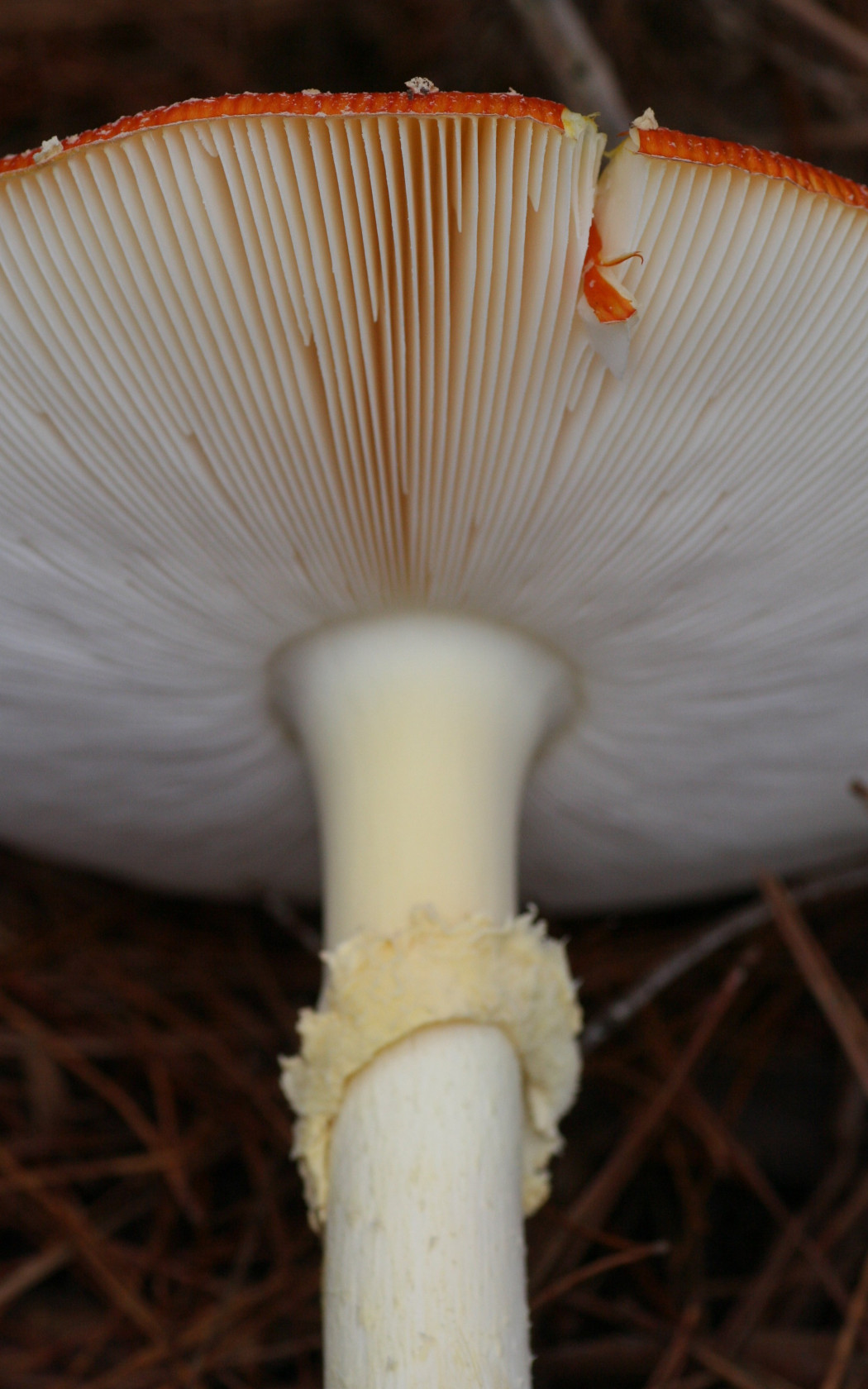
Lamellae
Lamellae (Gill)
Taken by Ken Harrington
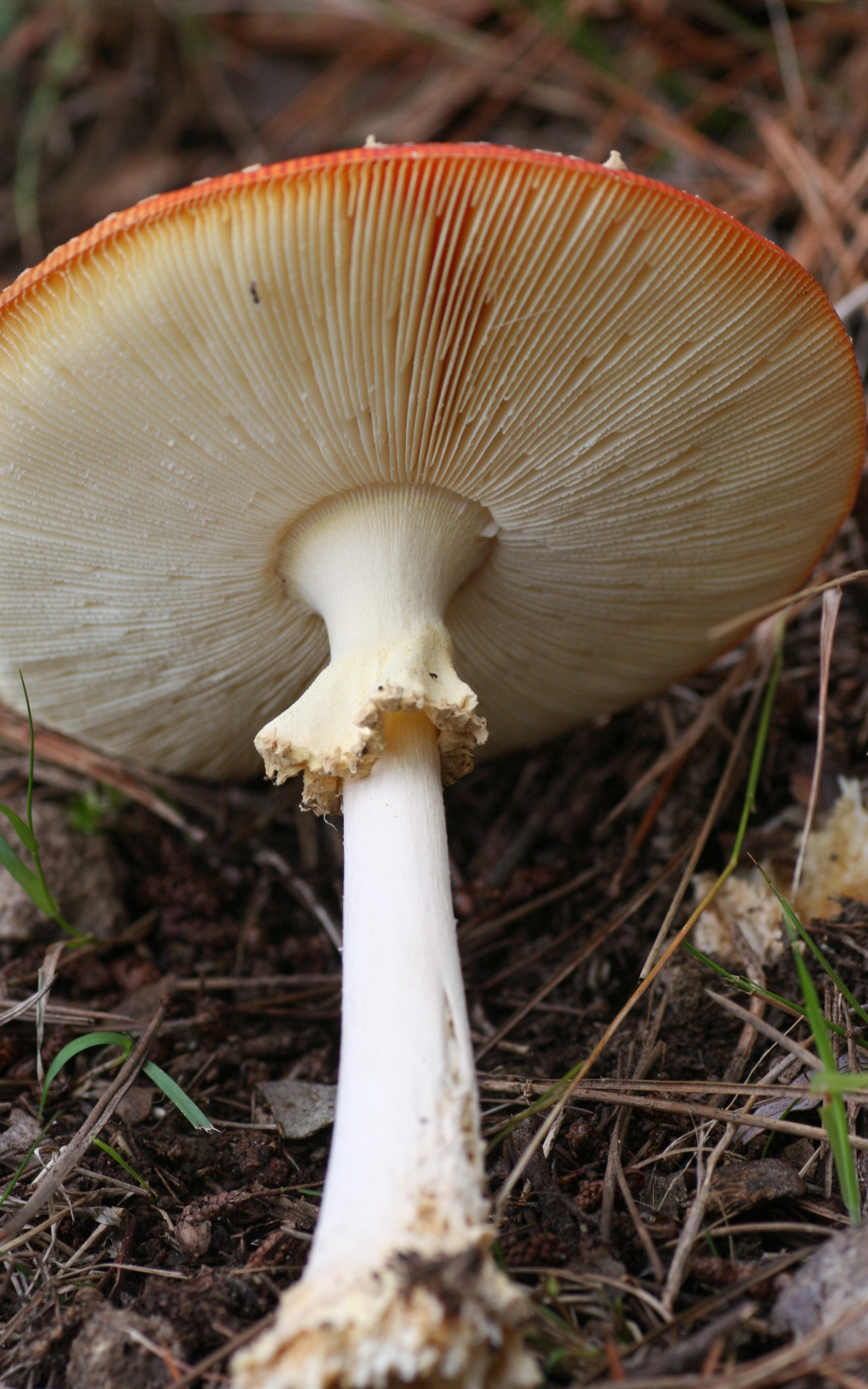
Lamellae_stipe_attachment
Lamellae / Stipe Attachment
Taken by Ken Harrington
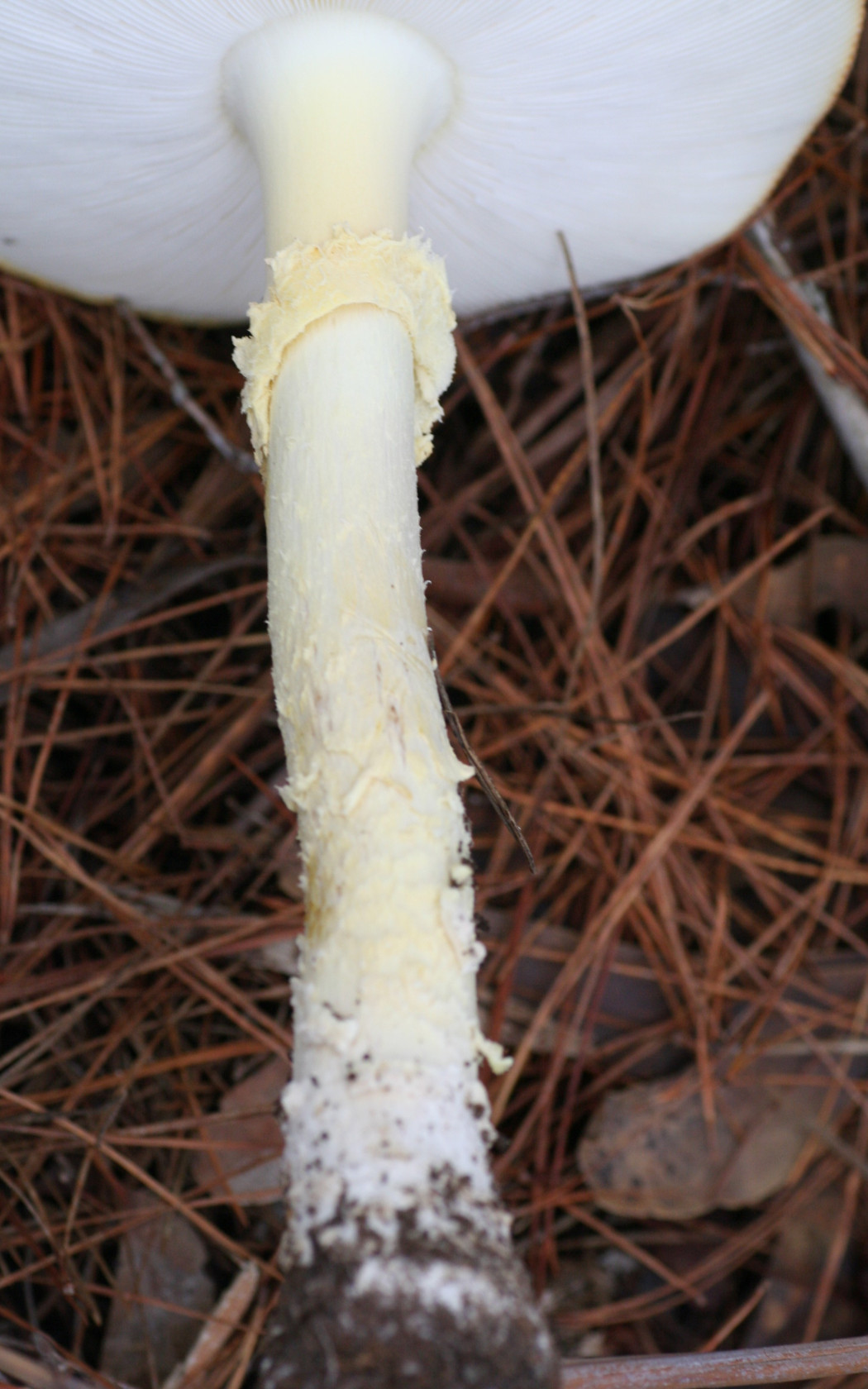
Stipe
Stipe (Stem)
Taken by Ken Harrington
Expand all
Fungi / Mould Properties
Origin(s)
China
  • China: Indigenous
Cyprus
  • Cyprus: Indigenous
France
  • France: Indigenous
Greece
  • Greece: Indigenous
India
  • India: Indigenous
Indonesia
  • Indonesia: Indigenous
Italy
  • Italy: Indigenous
Malta
  • Malta: Indigenous
Mongolia
  • Mong. East: Indigenous
Morocco
  • Morocco: Indigenous
Portugal
  • Portugal: Indigenous
Russian Federation
  • Russia S.E: Indigenous
Spain
  • Spain: Indigenous
Thailand
  • Thailand: Indigenous
Turkey
  • Turkey: Indigenous
Denmark
  • Denmark: Indigenous
United Kingdom
  • U.K.: Indigenous
United States
  • USA: Indigenous
Fungi / Mould Type
Agarics
Agarics
Gilled Stemmed
Gilled Stemmed
Agarics Agarics,
Gilled Stemmed Gilled Stemmed
Climate Range
Continental, Temperate Cool, Mediterranean, Polar-Sub
Continental,
Temperate Cool,
Mediterranean,
Polar-Sub
Aspect Range
Morning Sun, Dappled Shade, Light Shade
Morning Sun,
Dappled Shade,
Light Shade
Habitat Range
Garden, Grasslands, Forest - Grassy, Landscape, Mediterranean (Maquis Shrubland), Open Woodlands, Sclerophyll Forest - Wet
Garden,
Grasslands,
Forest - Grassy,
Landscape,
Mediterranean (Maquis Shrubland),
Open Woodlands,
Sclerophyll Forest - Wet
Habitat Zone
Arboreal, Gullies, Hills, Moist areas, Moist Valley Slopes, Sandy Moist, Slopes, Terrestrial, Understory, Well drained
Arboreal,
Gullies,
Hills,
Moist areas,
Moist Valley Slopes,
Sandy Moist,
Slopes,
Terrestrial,
Understory,
Well drained
Mature Height
175-200mm, 200-250mm
175-200mm,
200-250mm
Mature Width
175-200mm
175-200mm
Growth Rate
Very Fast
Very Fast
Life Span
4-6mths
4-6mths
Fungi / Mould Aroma
Slight
Slight
Pileus (Cap) Properties
Colour (Upper)
Red, White Spotted
Red,
White Spotted
Colour (Lower)
Cream
Cream
Shape
Applanate
Applanate
Convex Broad
Convex Broad
Applanate Applanate,
Convex Broad Convex Broad
Lamellae (Gill) Properties
Colour
Cream, White, Yellow Light
Cream,
White,
Yellow Light
Soil Properties
Type
Clay-loam, Loam, Sandy-loam, Sand
Clay-loam,
Loam,
Sandy-loam,
Sand
pH Range
Acid, Slightly Acid, Neutral, Slightly Alkaline
Acid,
Slightly Acid,
Neutral,
Slightly Alkaline
Condition
Moist
Moist
Moist Moist
Fertile , Poor , Shallow , Deep , Well Drained
Fertile,
Poor,
Shallow,
Deep,
Well Drained
Salinity
None
None
None None
Other Properties / Uses
Coastal
None
None
Frost Tolerance
Poor
Poor
Snow Tolerance
None
None
Drought Tolerance
Poor
Poor
Smog Tolerant
Poor
Poor
Edible(s)
None
None
Weed Potential(s)
Australia
  • NSW: Strong
  • NT: Moderate
  • QLD: Strong
  • SA: Strong
  • TAS: Strong
  • WA: Strong
  • Nth. Is.: Strong
New Zealand
  • Sth. Is.: Strong

General Notes

An introduced species from the Northern Hemisphere. Appears as a solitary specimen or in groups, on soil amongst leaf litter or grass. Its mycorrhizal partners are pine and birch but will associate with other deciduous and coniferous trees. Classified as Poisonous.

Classified as a fungal weed in New Zealand, Tasmania and Victoria where it is displacing the native species and effecting the mycorrhizal association of the Southern Beech (Nothofagus)