Amanita muscaria
Common name(s): Fly Agaric, Fly Amanita
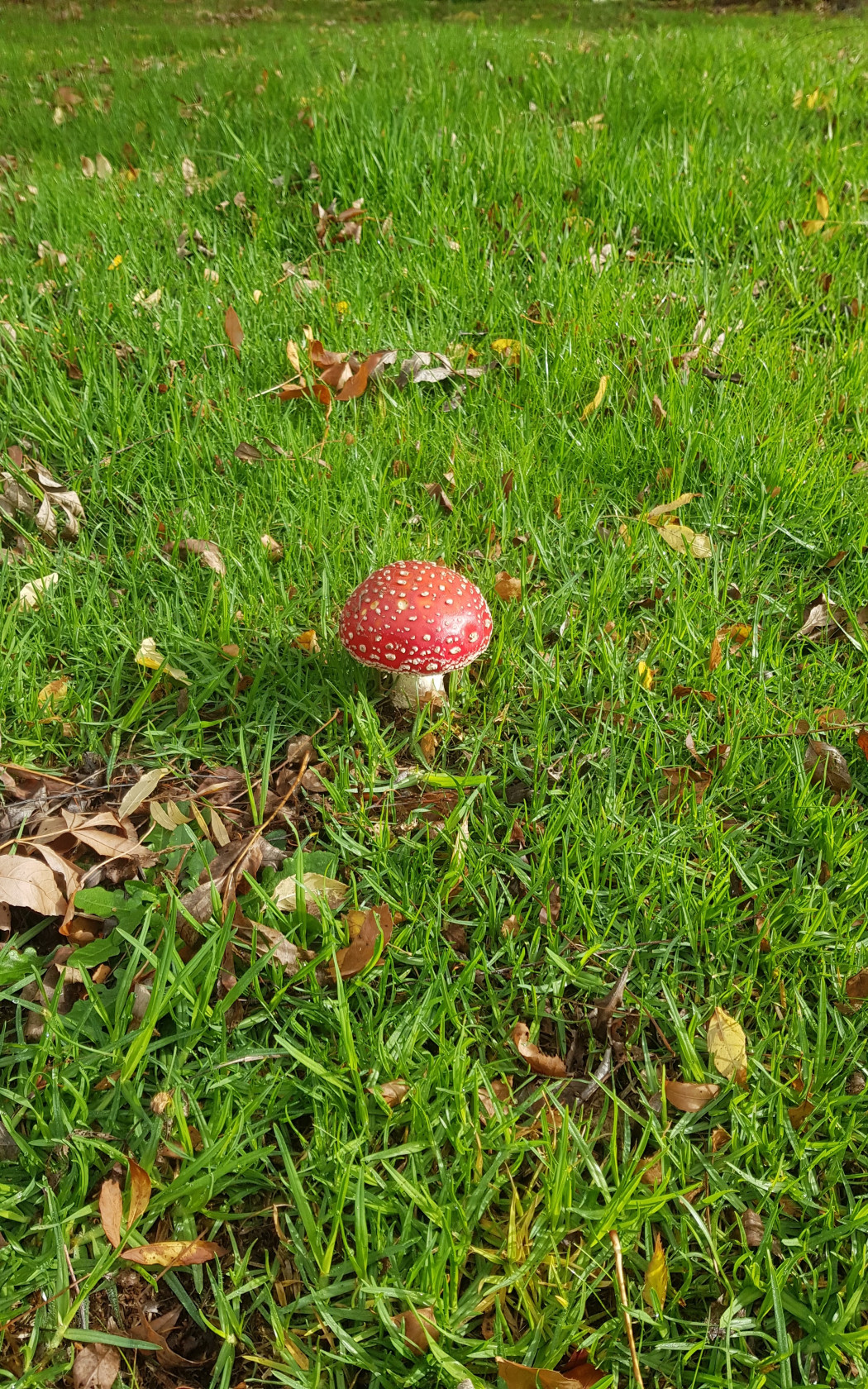
Pileus (Cap)
Pileus (Cap) - Amanita muscaria
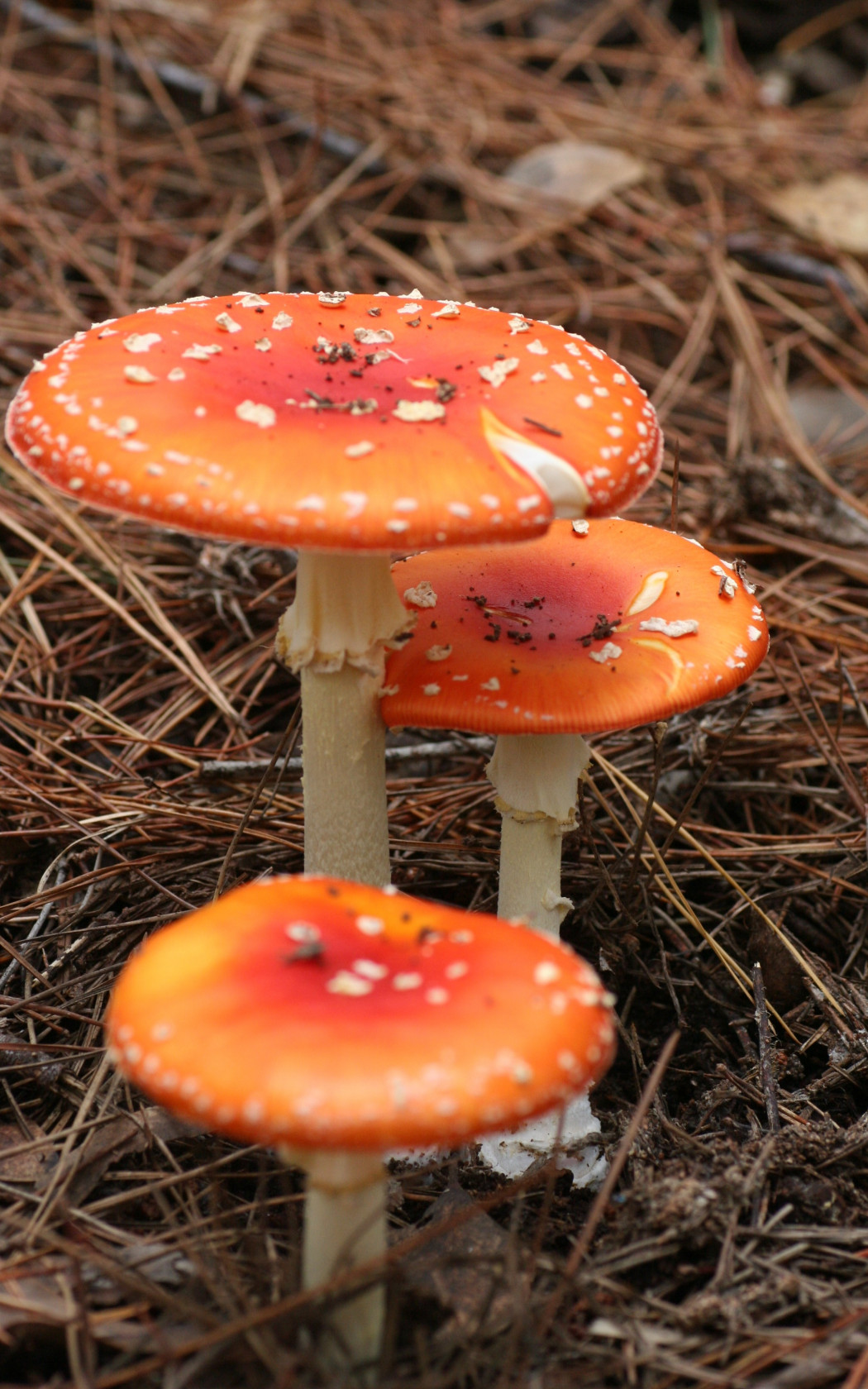
Pileus (Cap)
Pileus (Cap) - Amanita muscaria
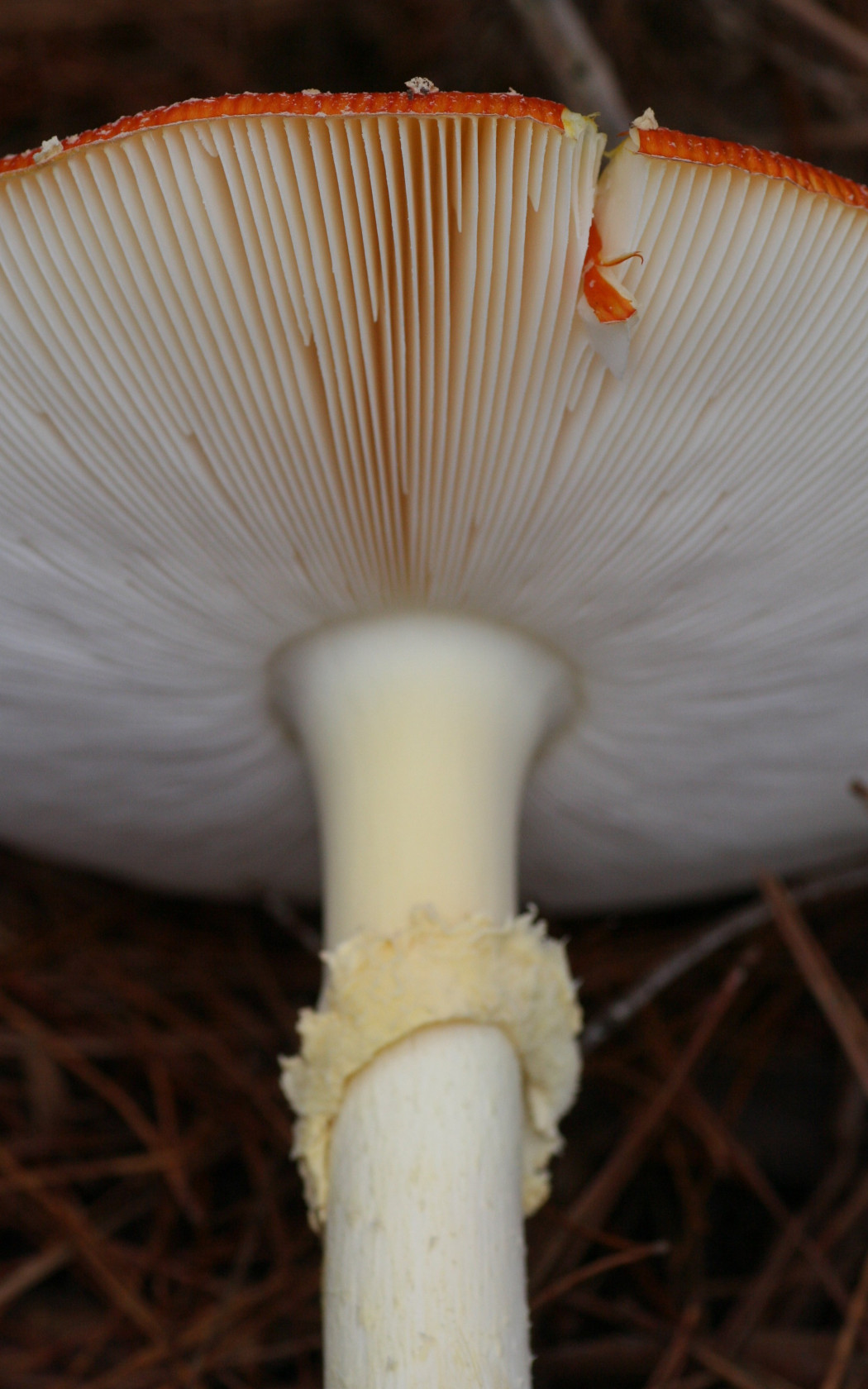
Lamellae (Gill)
Lamellae (Gill) - Amanita muscaria
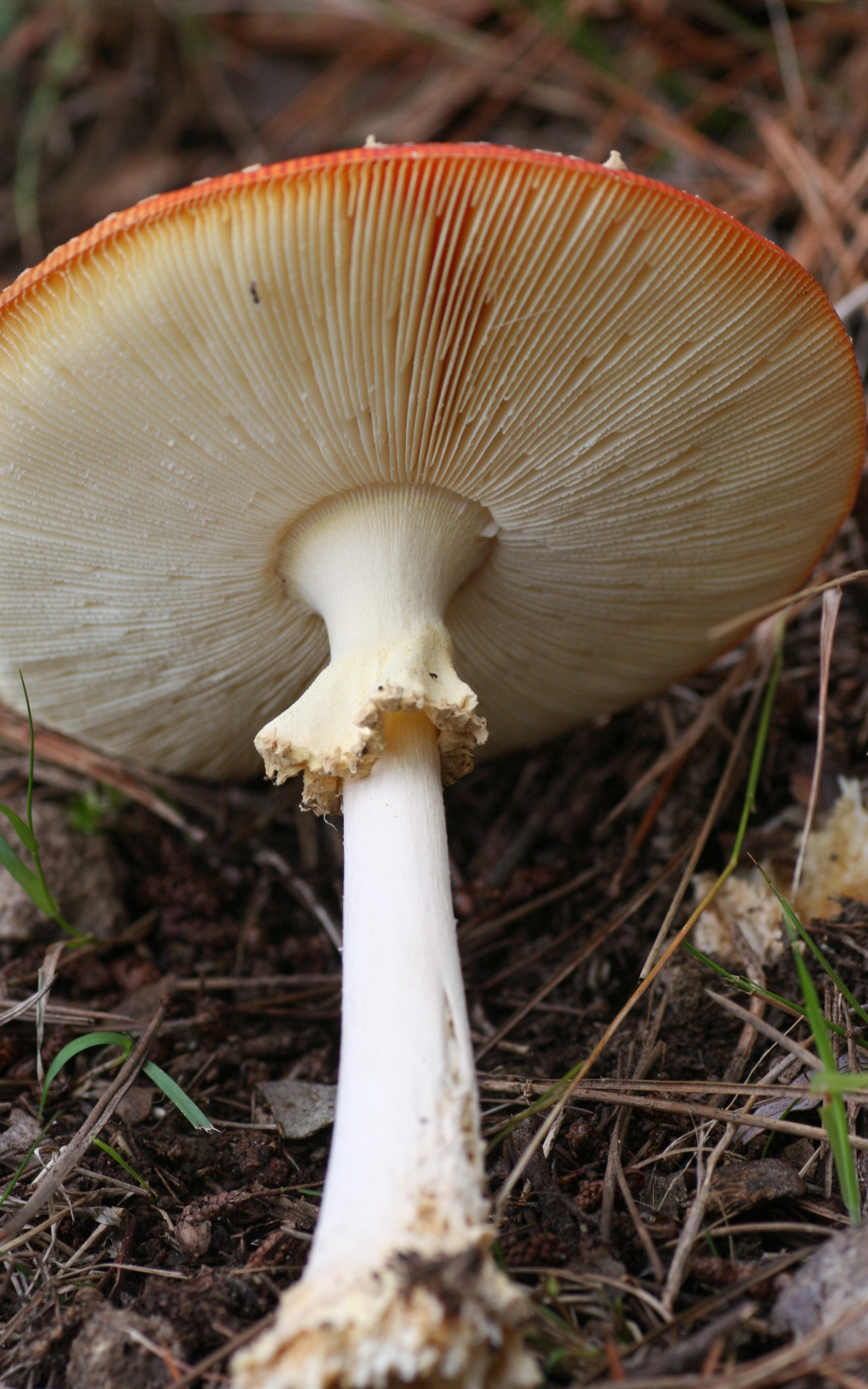
Lamellae / Stipe Attachment
Lamellae / Stipe Attachment - Amanita muscaria
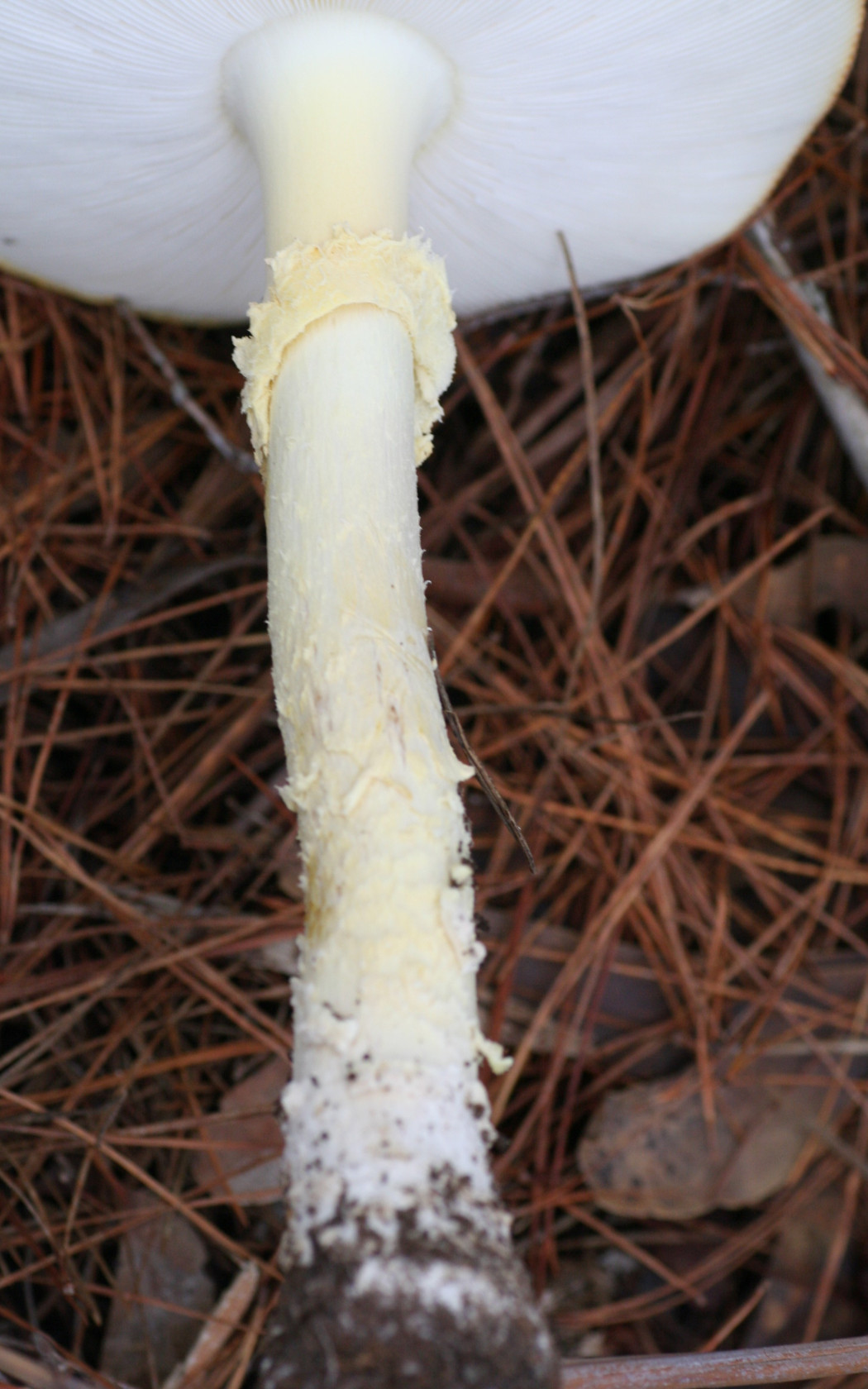
Stipe (Stem)
Stipe (Stem) - Amanita muscaria
Expand all
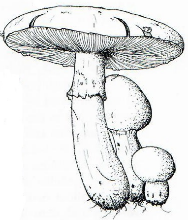
 Agarics,
Gilled Stemmed
Agarics,
Gilled Stemmed
 Scales Raised
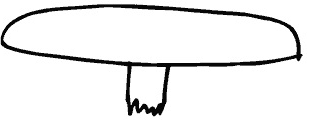
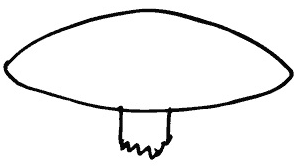 Applanate,
Convex Broad
Applanate,
Convex Broad
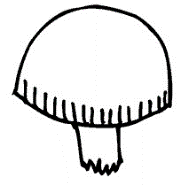 Striate
 Intermediate
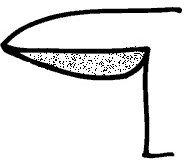 Adnexed
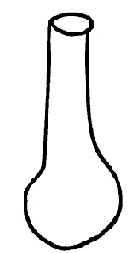 Bulbous
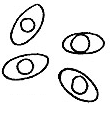 Elliptical
 Moist
Moist
 None
None
Fungi / Mould Properties
Origin(s)
Fungi / Mould Type
Agarics
Gilled Stemmed
Agarics,
Gilled Stemmed
Climate Range
Aspect Range
Habitat Range
Habitat Zone
Mature Height
Mature Width
Growth Rate
Life Span
Fungi / Mould Aroma
Pileus (Cap) Properties
Texture
Scales Raised
Scales Raised
Colour (Upper)
Colour (Lower)
Thickness
Width
Shape
Applanate
Convex Broad
Applanate,
Convex Broad
Margin
Striate
Striate Lamellae (Gill) Properties
Arrangement
Intermediate
Intermediate
Colour
Lamellae / Stipe Attachment
Adnexed
Adnexed Stipe (Stem) Properties
Texture
Colour
Shape
Bulbous
Bulbous
Length
Spore Properties
Colour
Texture
Size
Shape
Elliptical
Elliptical
Number
Soil Properties
Type
pH Range
Condition
Moist
Moist
Fertile
,
Poor
,
Shallow
,
Deep
,
Well Drained
Fertile,
Poor,
Shallow,
Deep,
Well Drained
Salinity
None
None Other Properties / Uses
Coastal
Fire Regeneration
Frost Tolerance
Snow Tolerance
Drought Tolerance
Smog Tolerant
Edible(s)
Indigenous Use(s)
Commercial Use
Propagation
Weed Potential(s)
General Notes
An introduced species from the Northern Hemisphere. Appears as a solitary specimen or in groups, on soil amongst leaf litter or grass. Its mycorrhizal partners are pine and birch but will associate with other deciduous and coniferous trees. Classified as Poisonous.
Classified as a fungal weed in New Zealand, Tasmania and Victoria where it is displacing the native species and effecting the mycorrhizal association of the Southern Beech (Nothofagus)