Chlorociboria aeruginascens
Common name(s): Green Elfin-cup, Green Wood Cup
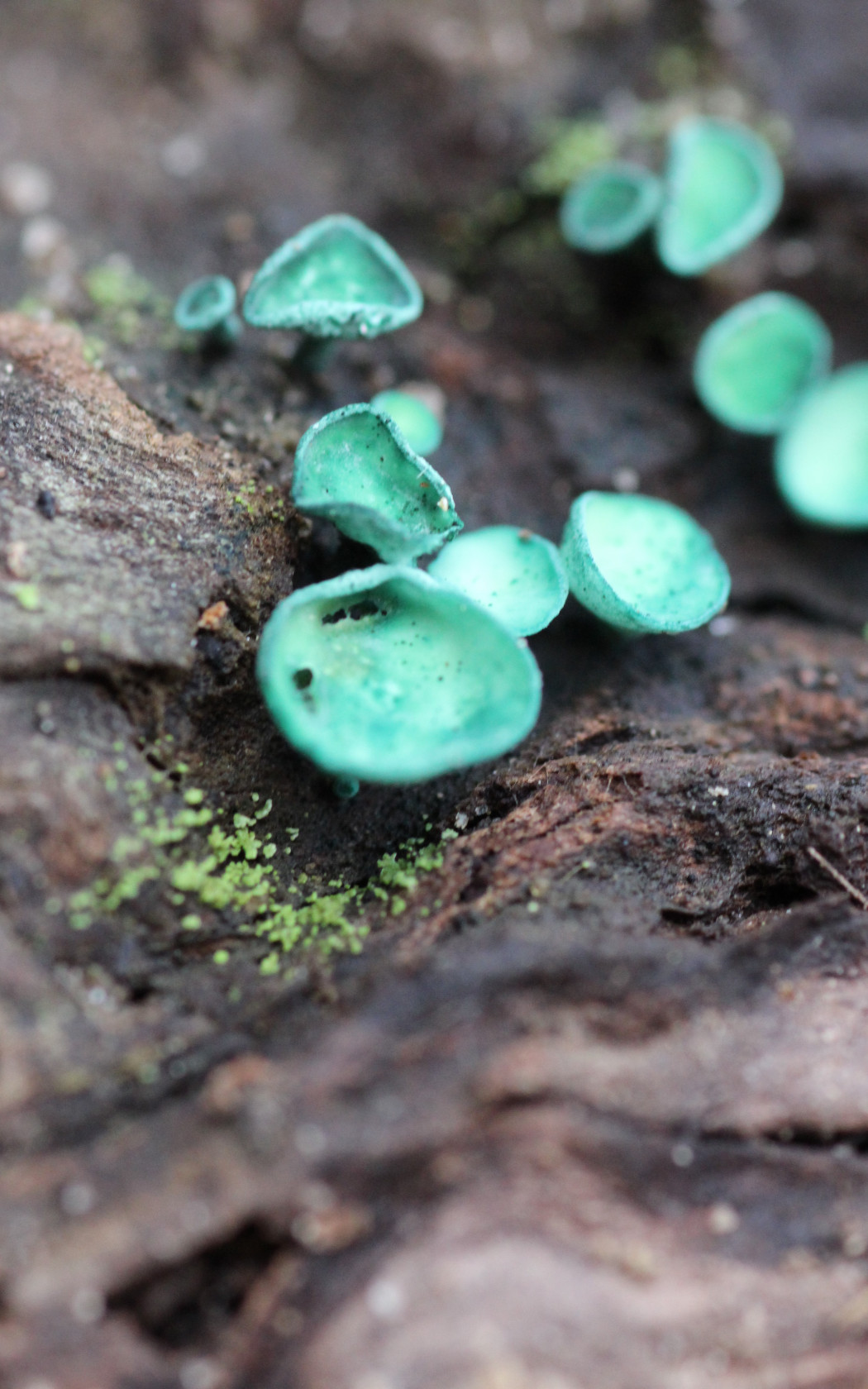
Pileus (Cap)
Pileus (Cap) - Chlorociboria aeruginascens
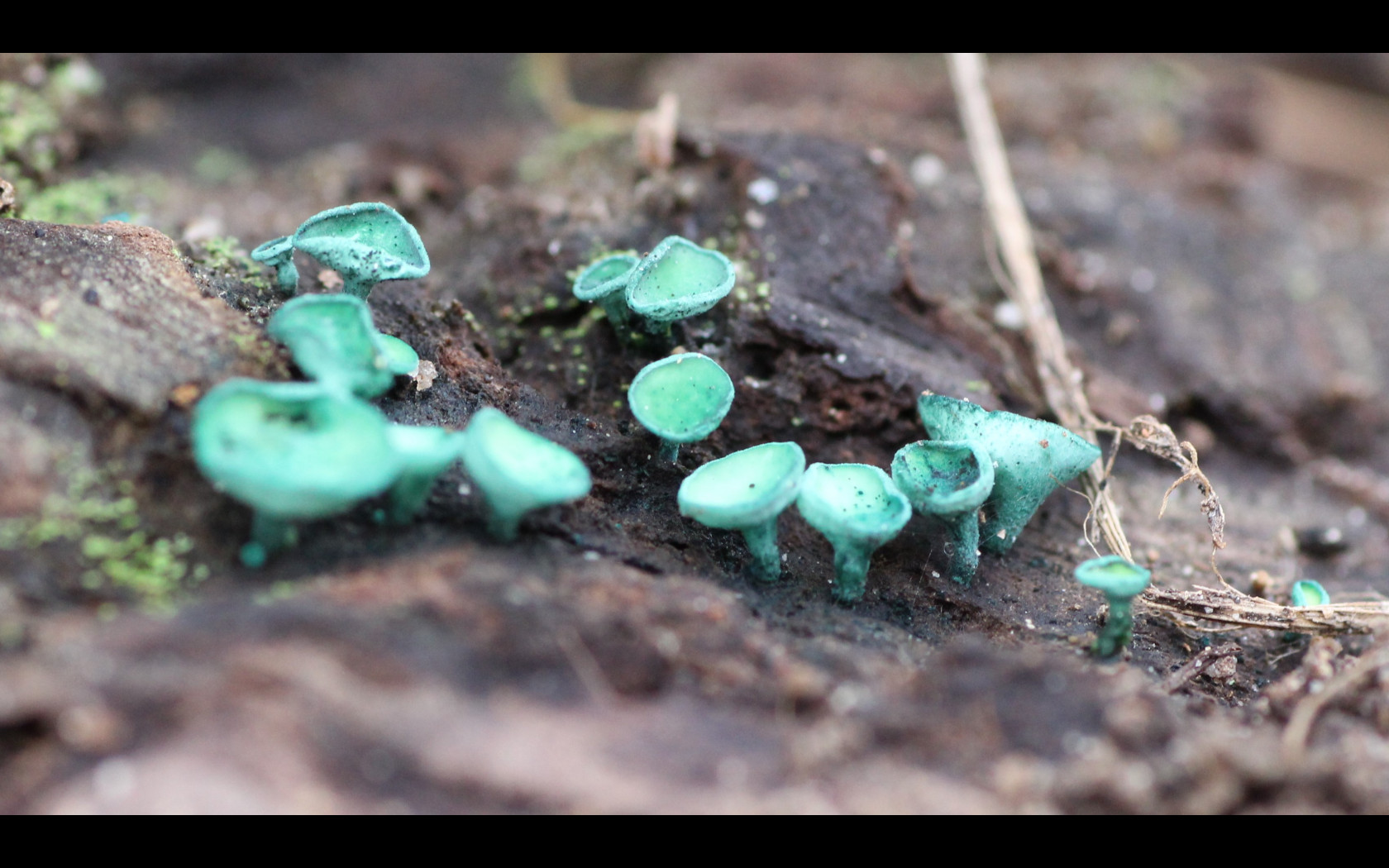
Stipe (Stem)
Stipe (Stem) - Chlorociboria aeruginascens
Expand all
 Polypore Stemmed
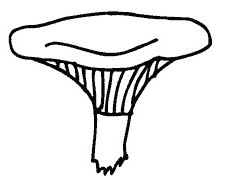 Funnel
 Moist
Moist
 None
None
Fungi / Mould Properties
Fungi / Mould Type
Polypore Stemmed
Polypore Stemmed
Climate Range
Aspect Range
Habitat Range
Habitat Zone
Mature Height
Mature Width
Growth Rate
Life Span
Fungi / Mould Aroma
Pileus (Cap) Properties
Colour (Upper)
Colour (Lower)
Shape
Funnel
Funnel Lamellae (Gill) Properties
Colour
Soil Properties
pH Range
Condition
Moist
Moist
Well Drained
Well Drained
Salinity
None
None Other Properties / Uses
Coastal
Smog Tolerant
Edible(s)
General Notes
The fruiting body is quite often not seen but the green staining of the wood that is grows on, is easily seen and highly sort after, known as 'green oak' and has been used for centuries in intarsia panels, Tunbridgeware and other decorative wood work.
Mainly a winter fruiting fungus, originating in the Northern Hemisphere. Inedible