Ganoderma applanatum Pers., Pat.
Common name(s): Artist's Bracket, Artist's Conk, Artist's Fungus, Bear Bread, Artist's Bracket Fungus
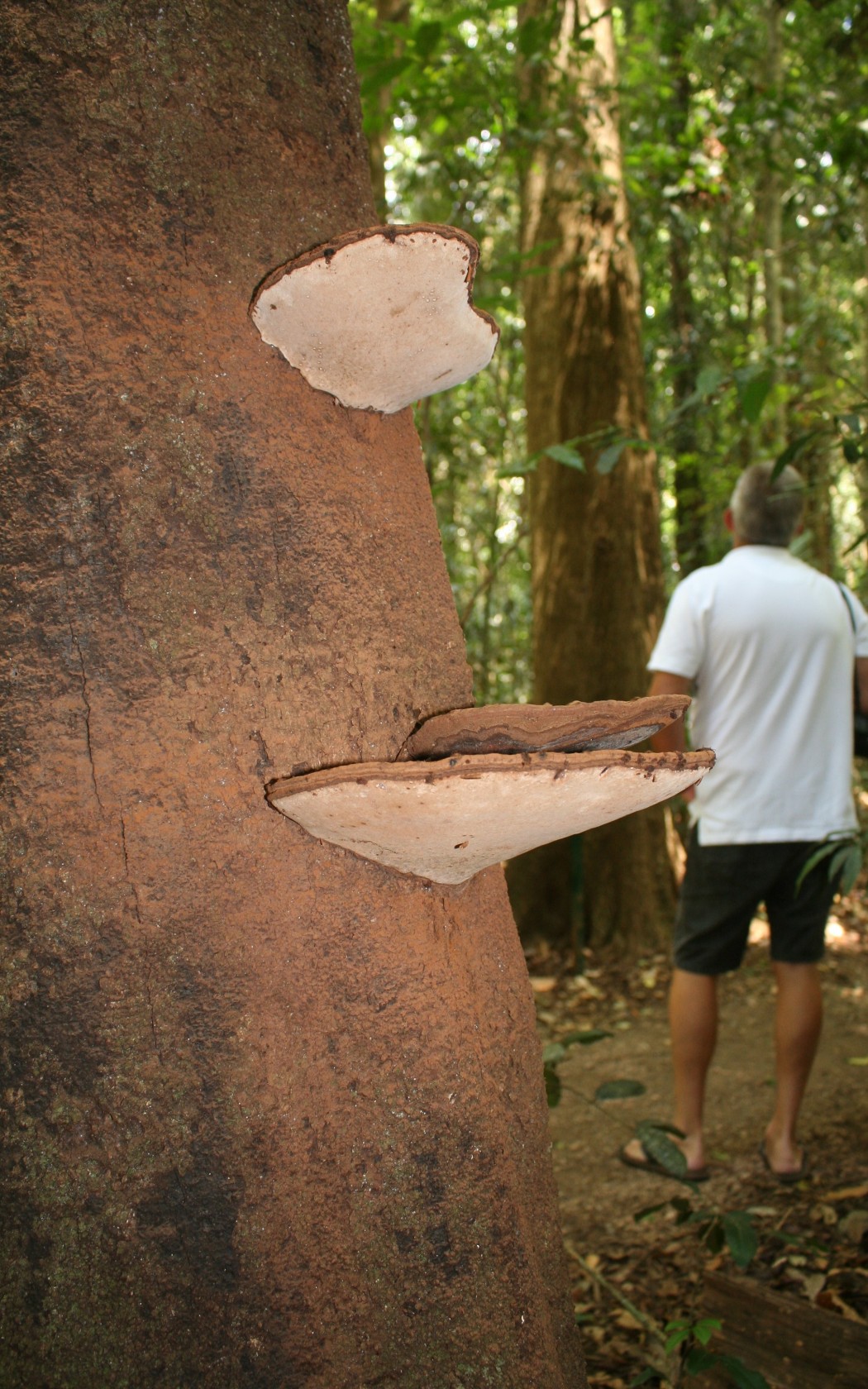
Fungi
Fungi - Ganoderma applanatum (Pers., Pat.)
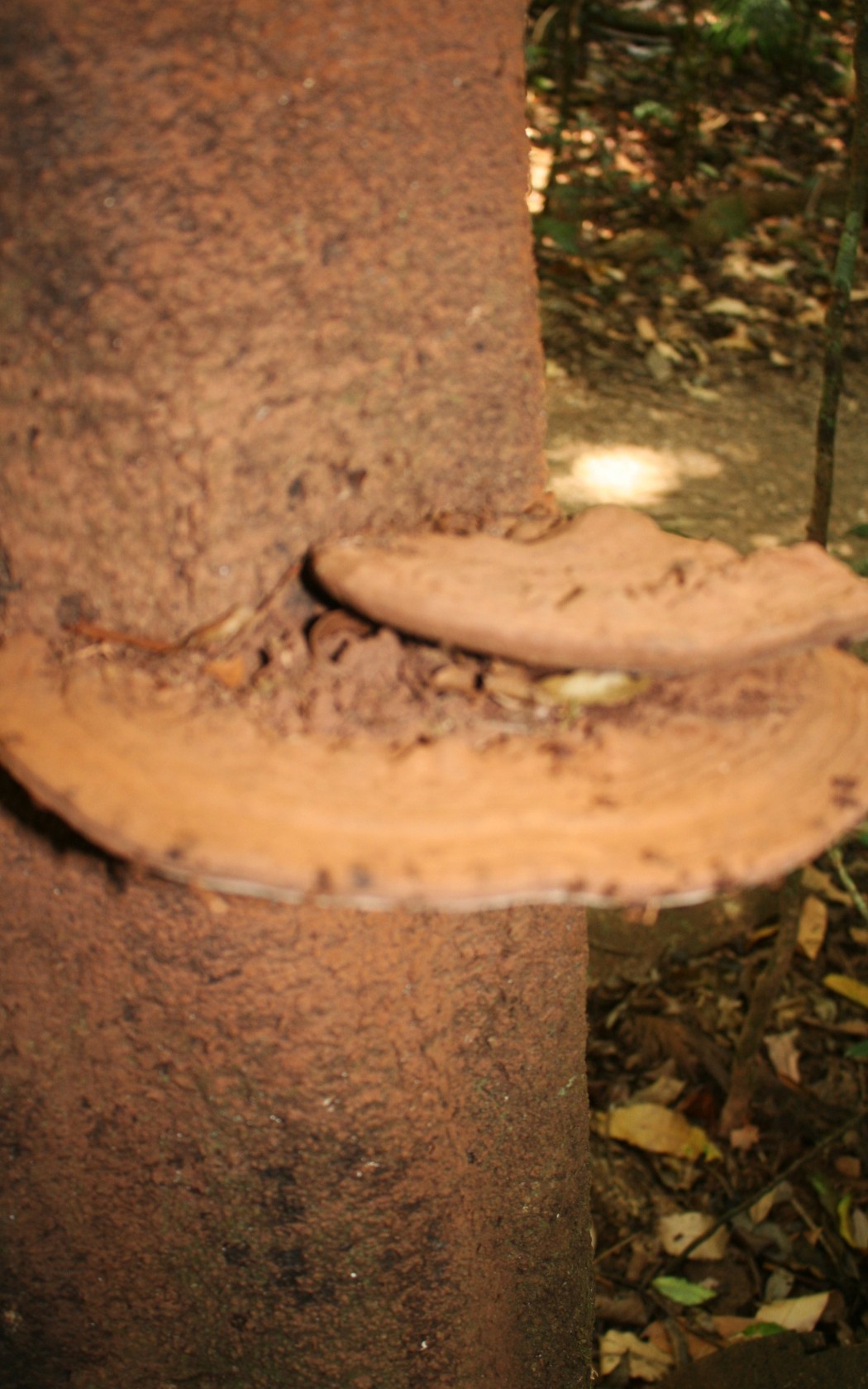
Pileus (Cap)
Pileus (Cap) - Ganoderma applanatum (Pers., Pat.)
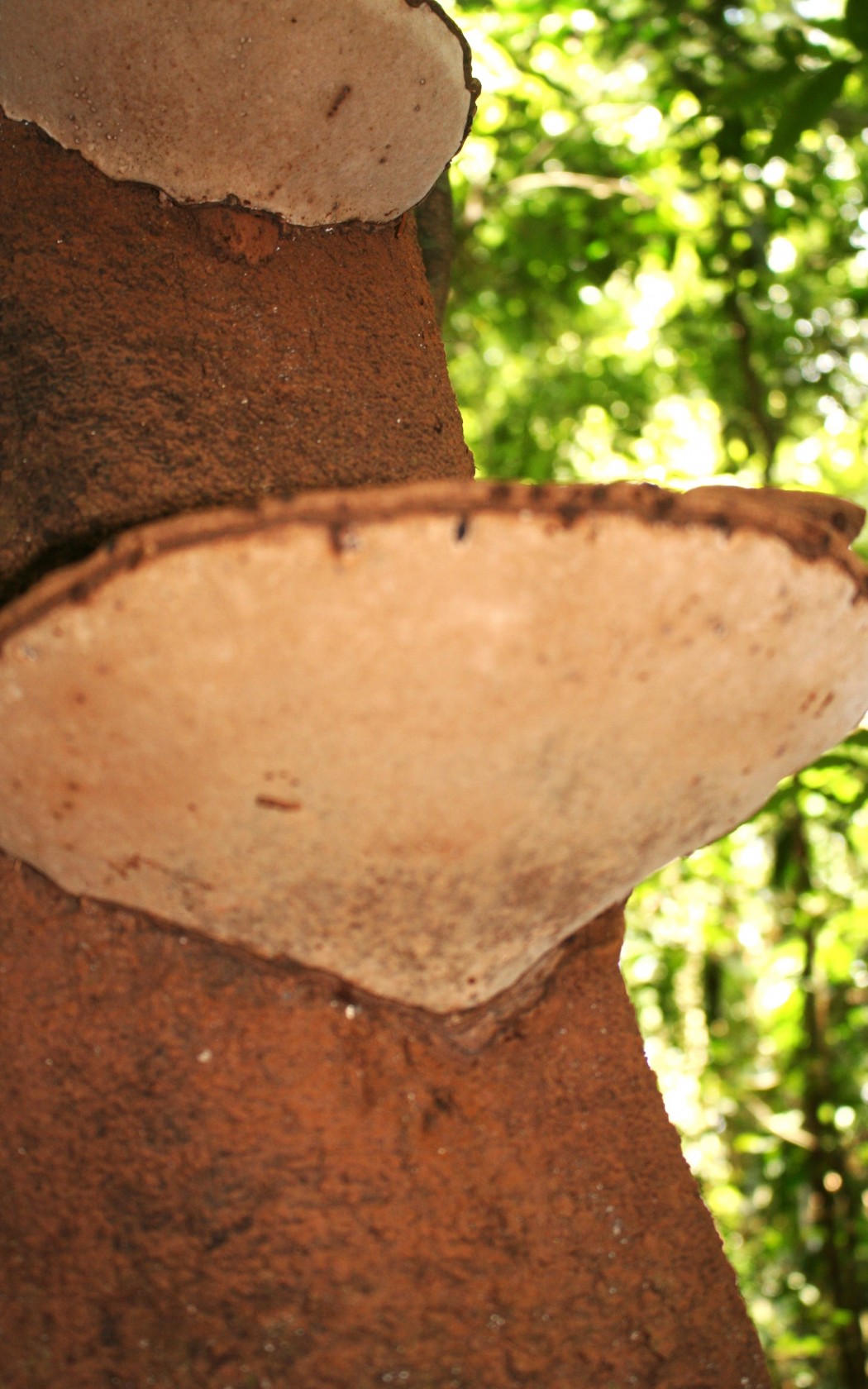
Lamellae (Polypore)
Lamellae (Polypore) - Ganoderma applanatum (Pers., Pat.)
Expand all
 Polypore Bracket
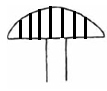 Ribbed
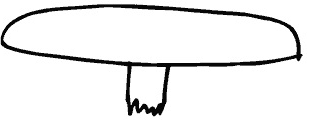 Applanate
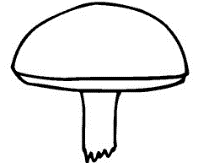 Entire
 Polypore
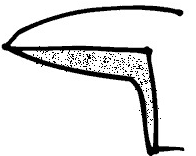 Strongly Decurrent
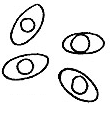 Elliptical

 Damp,
Moist
Damp,
Moist
 None
None
Fungi / Mould Properties
Origin(s)
Fungi / Mould Type
Polypore Bracket
Polypore Bracket
Parasitic
,
Arboreal
,
Saprophytic
Parasitic,
Arboreal,
Saprophytic
Arrangement
Climate Range
Aspect Range
Habitat Range
Habitat Zone
Mature Height
Mature Width
Growth Rate
Life Span
Fungi / Mould Aroma
Pileus (Cap) Properties
Texture
Ribbed
Ribbed
Dry
,
Leathery
,
Woody
Dry,
Leathery,
Woody
Colour (Upper)
Colour (Lower)
Thickness
Width
Shape
Applanate
Applanate
Margin
Entire
Entire Lamellae (Gill) Properties
Arrangement
Polypore
Polypore
Colour
Lamellae / Stipe Attachment
Strongly Decurrent
Strongly Decurrent Spore Properties
Colour
Texture
Size
Shape
Elliptical
Elliptical
Number
Spore Dispersal
Season of Fruiting
Soil Properties
Type
pH Range
Condition
Damp
Moist
Damp,
Moist
Fertile
,
Well Drained
Fertile,
Well Drained
Salinity
None
None
Waterlogging Class
Watering Requirements
Other Properties / Uses
Medicinal Use(s)
Coastal
Fire Regeneration
Frost Tolerance
Snow Tolerance
Drought Tolerance
Smog Tolerant
Edible(s)
Indigenous Use(s)
Humidity Requirements
Vulnerability
Altitude Range
Wind Tolerance
Dormancy
Propagation
General Notes
Usually found on dead trees but can be on live trees with dead wood within the tree. Considered to be fairly destructive tree parasites in forestry, producing a white rot of the tree heartwood. Found across the world in most countries. Called the Artist's Bracket as with a fine pointed object a brown stain occurs on the surface allowing pictures to be drawn. As many as 4.65 billion spores can be dispersed from a 100mm x 100mm section of the fruiting body.
G. australe is very similar in appearance and can be confused without a microscopic view.