Elaeis guineensis Jacq., 1763
Common name(s): Oil Palm, African Oil Palm, Macaw-fat
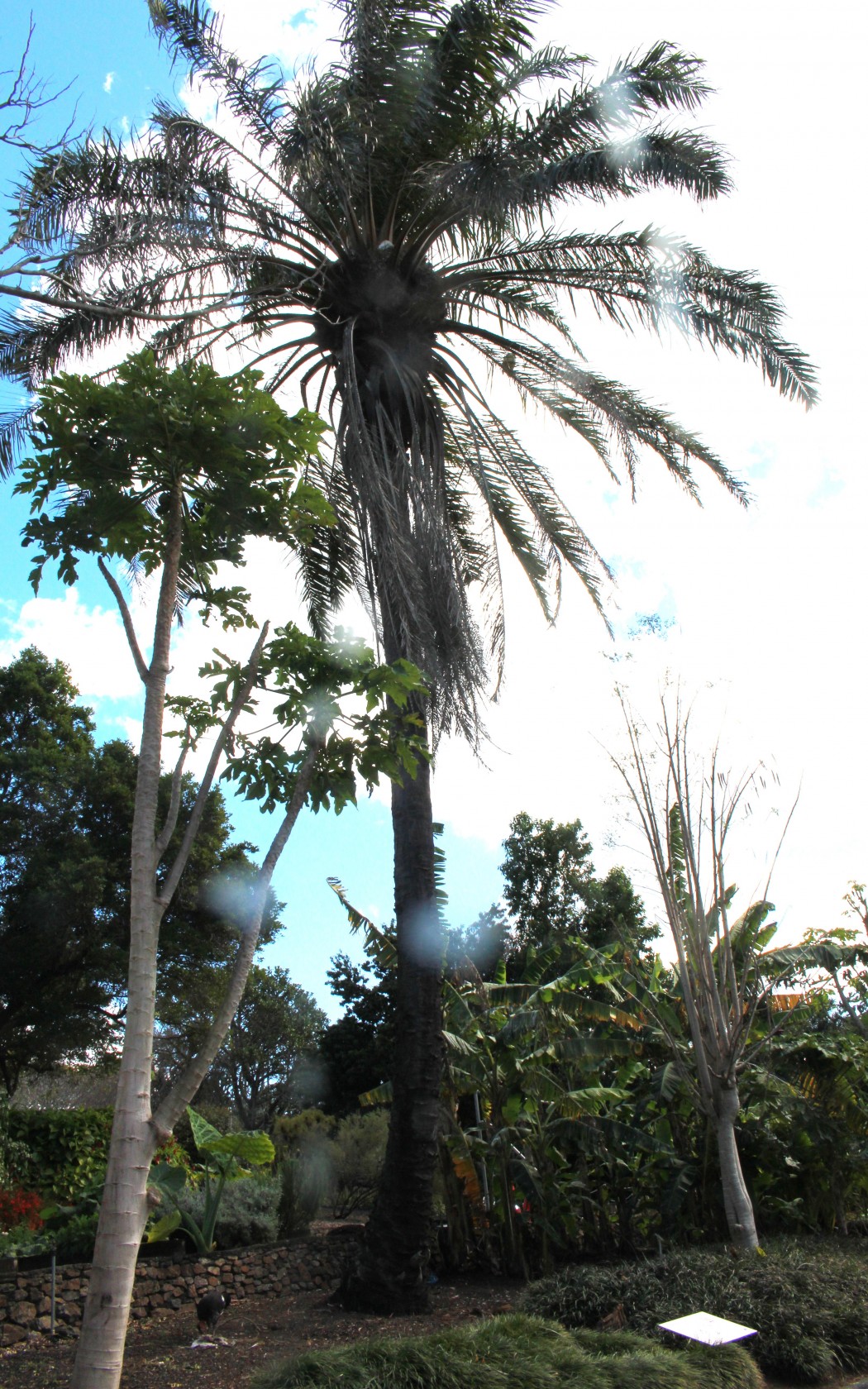
Plant
Plant - Elaeis guineensis (Jacq., 1763)
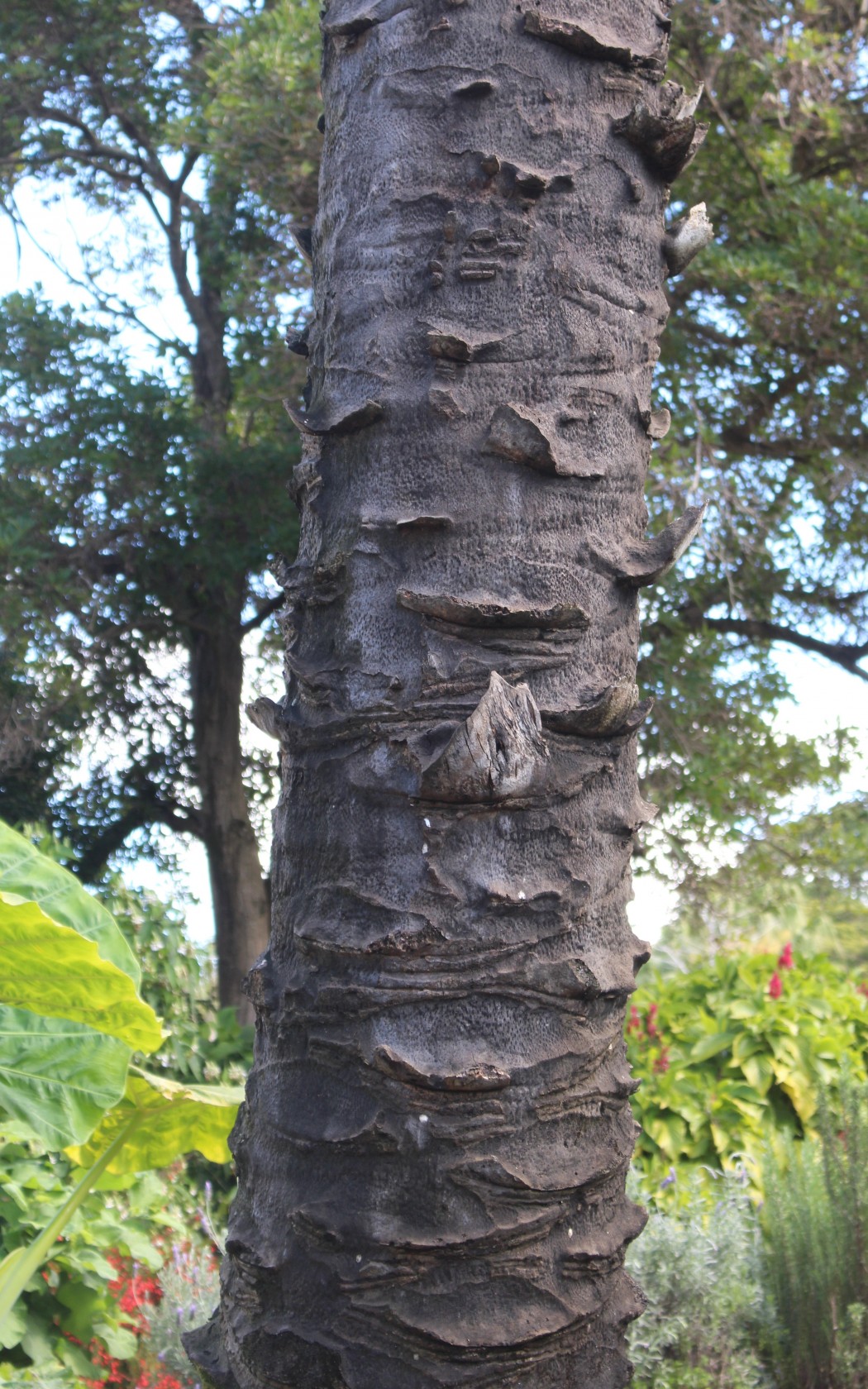
Stem (Lower)
Stem (Lower) - Elaeis guineensis (Jacq., 1763)
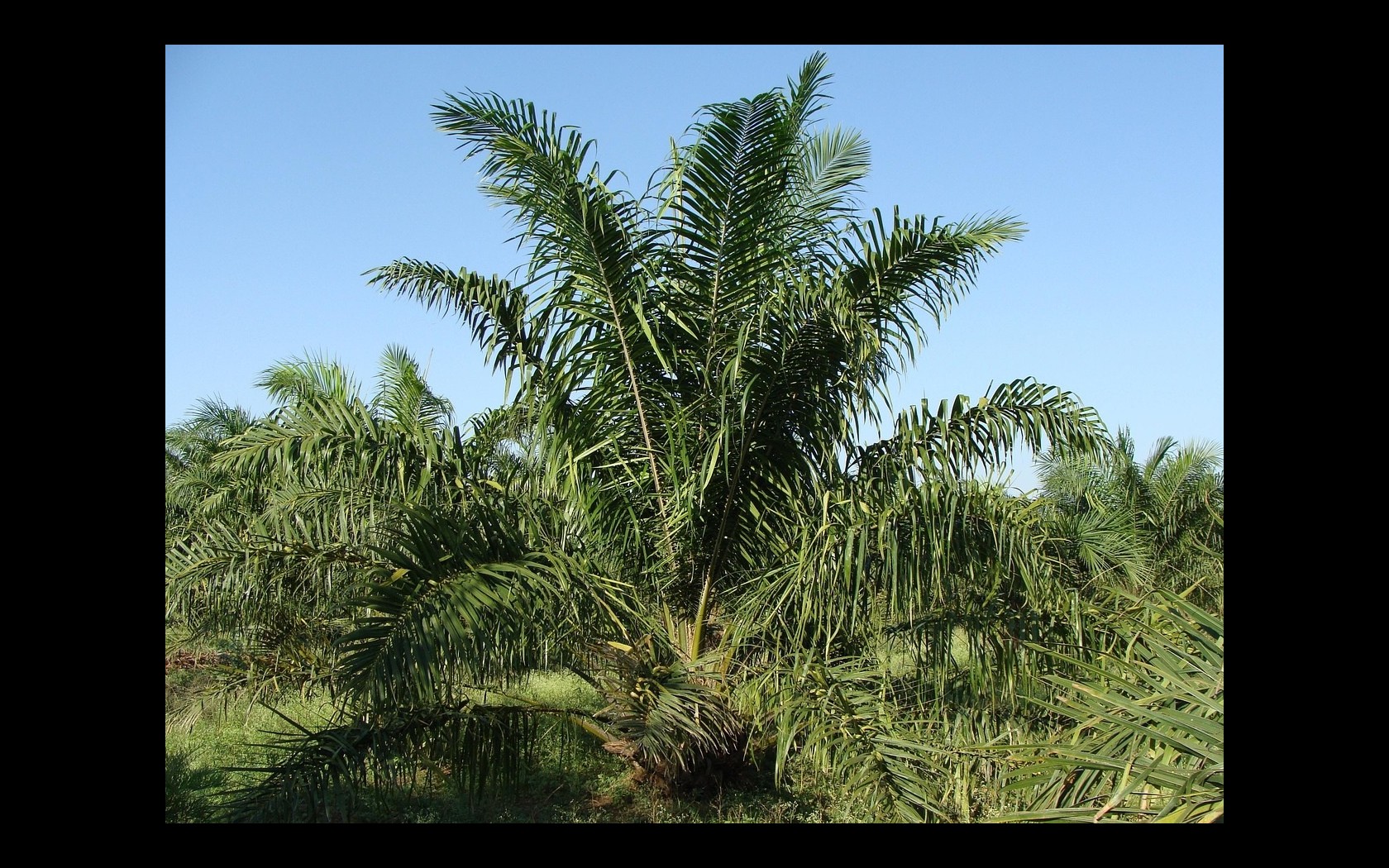
Frond
Frond - Elaeis guineensis (Jacq., 1763)
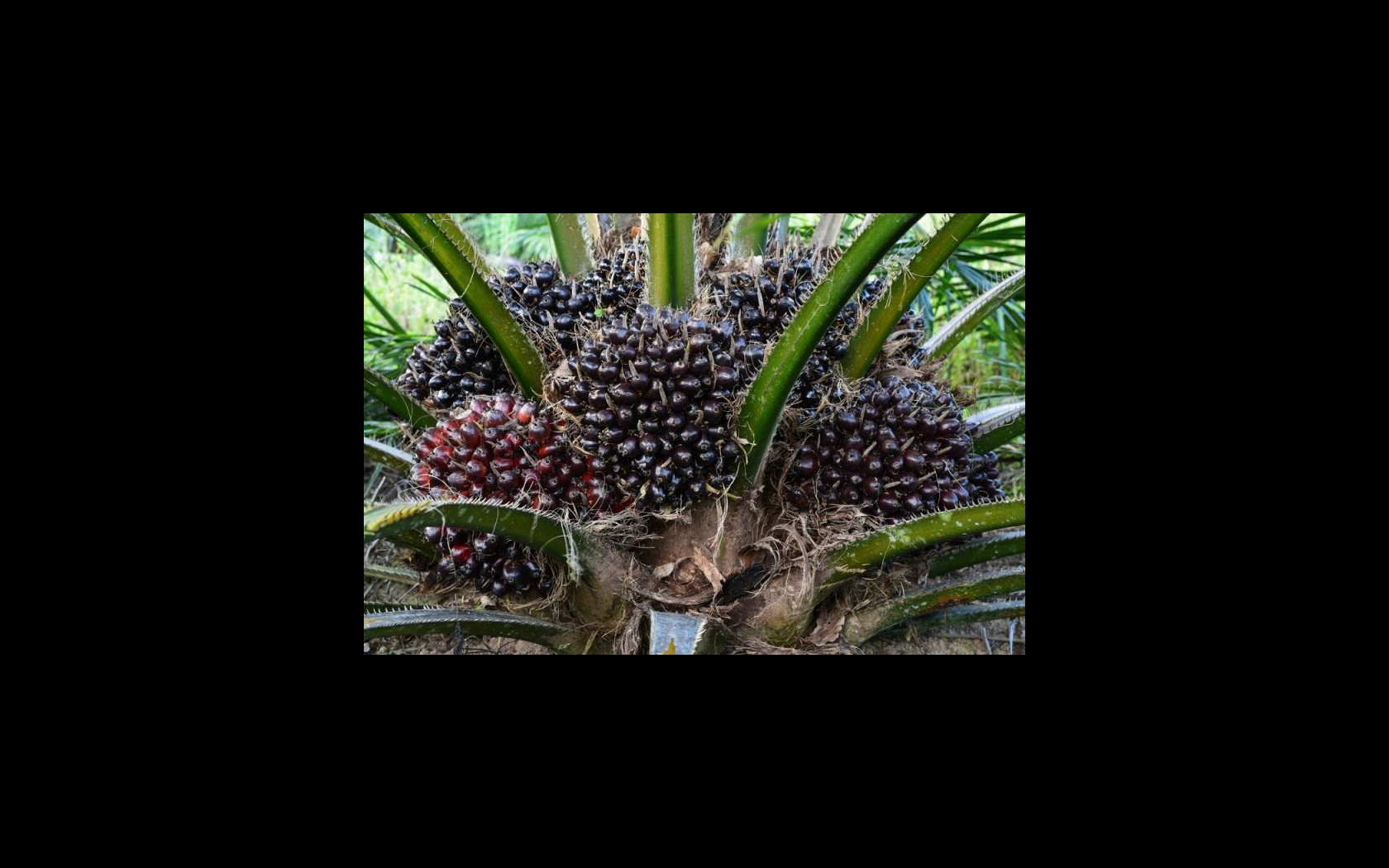
Fruit
Fruit - Elaeis guineensis (Jacq., 1763)
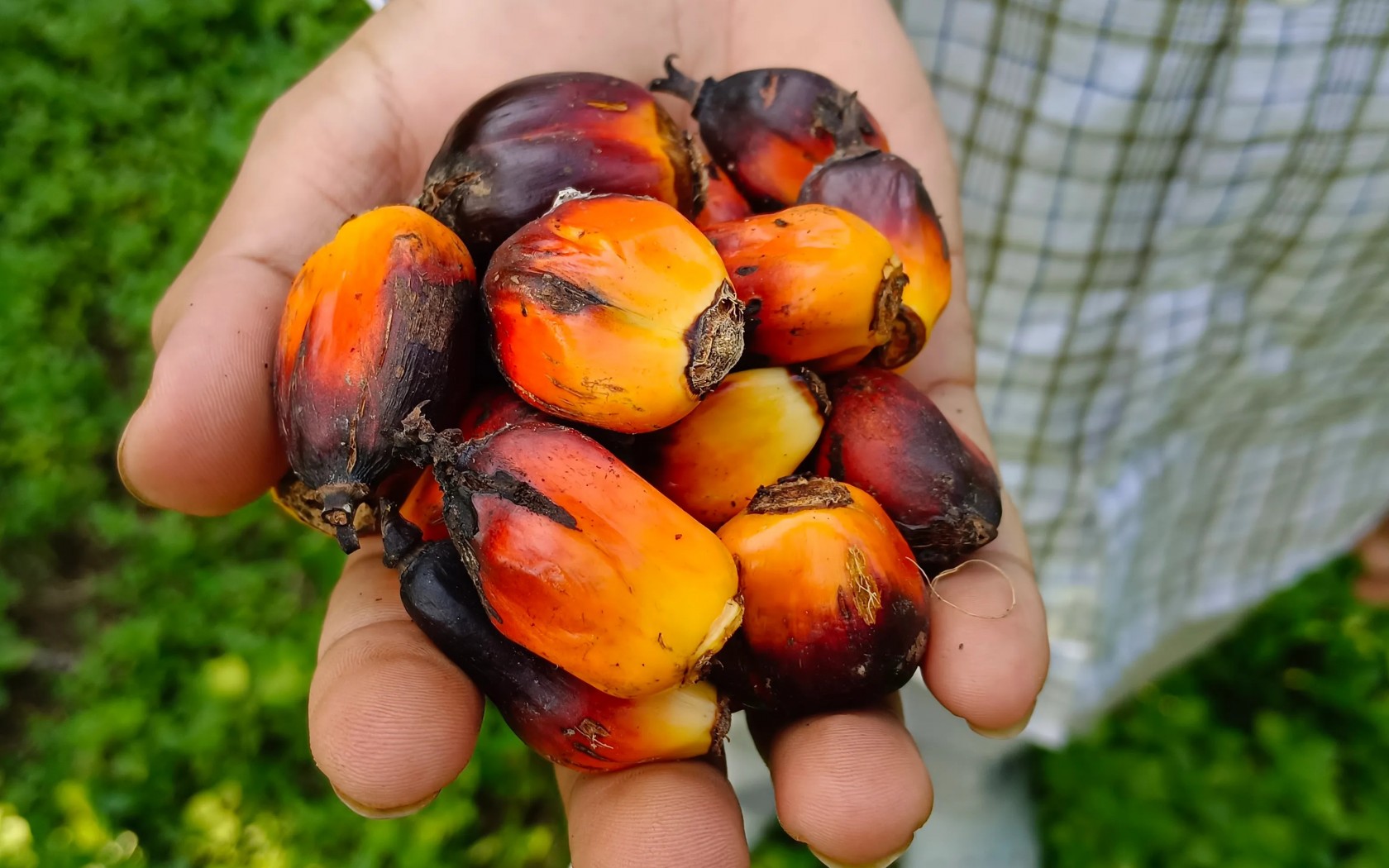
Seeds
Seeds - Elaeis guineensis (Jacq., 1763)
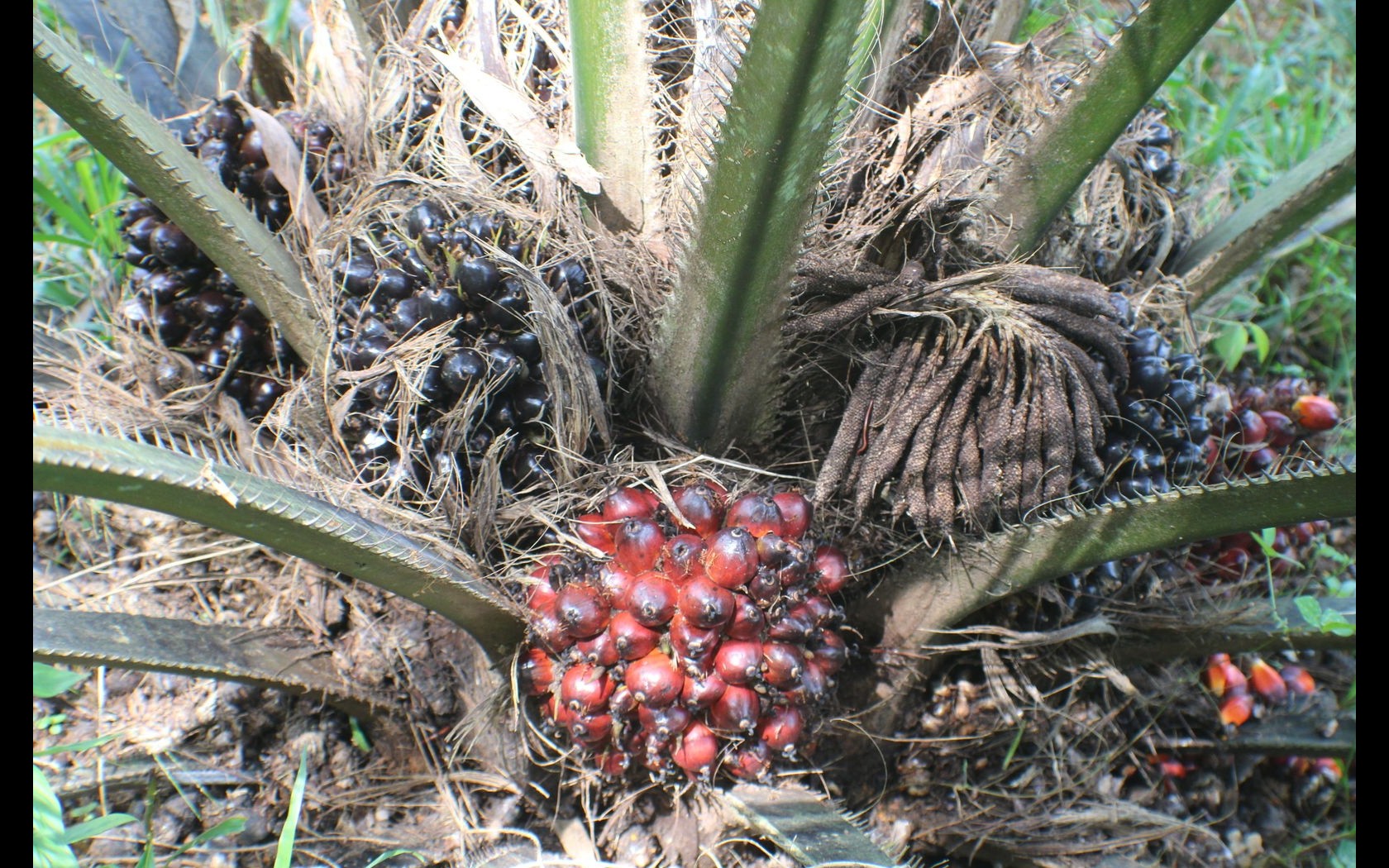
Petiole
Petiole - Elaeis guineensis (Jacq., 1763)
Expand all
 Domed - Broad
 Leathery
Leathery
Leathery
 Pinnate / Parapinnate
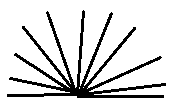 Alternate ,
Open Crown
Alternate ,
Open Crown
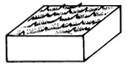 Rough / Scabrous
Rough / Scabrous
Rough / Scabrous
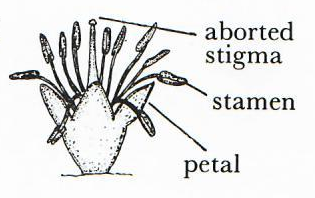 Male Staminate Flower
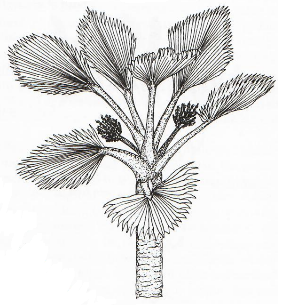 Axillary, Interfoliar Short
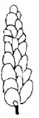 Bract Spike
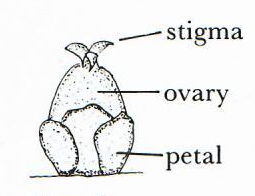 Female or Pistillate Flower
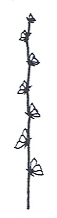 Axillary, Interfoliar Short,
Spike
Bract Spike
Axillary, Interfoliar Short,
Spike
Bract Spike
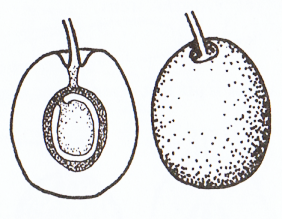 Drupe
Drupe
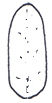
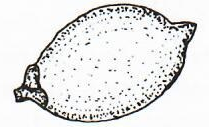 Oblong,
Ovoid
Oblong,
Ovoid
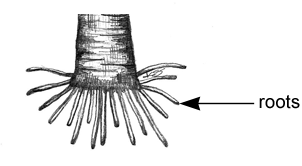 Surface Adventitious Root

 Damp,
Moist
Damp,
Moist
 Slight
Palm / Palm Ally Properties
Origin(s)
Plant Type
Climate Range(s) - Habitat
Climate Range(s) - Tolerance
Aspect Range(s)
Habitat Range(s)
Habitat Zone(s)
Mature Height
Mature Width
Growth Rate
Plant Shape
Domed - Broad
Domed - Broad
Life Span
Maturity
Frond Properties
Frond Number
Frond Colour(s) (front)
Frond Colour(s) (back)
Frond Texture (front)
Leathery
Leathery
Frond Texture (back)
Leathery
Leathery
Frond Length
Frond Aroma
Frond Shapes
Pinnate / Parapinnate
Pinnate / Parapinnate
Frond Arrangement
Alternate
Open Crown
Alternate ,
Open Crown Trunk / Stem Properties
Colour(s) (Upper/Crown Shaft)
Colour(s) (Base)
Texture (Upper)
Rough / Scabrous
Rough / Scabrous
Coarse
Coarse
Texture (Base)
Rough / Scabrous
Rough / Scabrous
Coarse
Coarse
Inflorescence (Flower) Properties
Gender: Male
Flowering Time (start)
Colour(s)
Flower Shape(s)
Male Staminate Flower
Male Staminate Flower
Aroma(s)
Arrangements
Axillary, Interfoliar Short
Axillary, Interfoliar Short
Arrangement Shape
Bract Spike
Bract Spike
Spike Open
,
Spikelets 100-150
,
Spikelets 150-200
,
Spikelets 200-250
,
Spikelets 250-300
Spike Open,
Spikelets 100-150,
Spikelets 150-200,
Spikelets 200-250,
Spikelets 250-300
Pollinator(s)
Male and Female Flowers Borne
Gender: Female
Flowering Time (start)
Colour(s)
Flower Shape(s)
Female or Pistillate Flower
Female or Pistillate Flower
Aroma(s)
Arrangements
Axillary, Interfoliar Short
Spike
Axillary, Interfoliar Short,
Spike
Arrangement Shape
Bract Spike
Bract Spike
Spikelets 100-150
,
Spikelets 150-200
,
Spikelets 200-250
,
Spikelets 250-300
Spikelets 100-150,
Spikelets 150-200,
Spikelets 200-250,
Spikelets 250-300
Pollinator(s)
Male and Female Flowers Borne
Indusia (Fruiting Body) Properties
Type
Drupe
Drupe
Shape(s)
Oblong
Ovoid
Oblong,
Ovoid
Length
Width
Flesh Colour
Flesh Texture
Fruit Ripening
Maturation for Fruiting
Root Properties
Type
Surface Adventitious Root
Surface Adventitious Root
Invasiveness
Soil Properties
Type(s)
pH Range(s)
Condition(s)
Damp
Moist
Damp,
Moist
Fertile
,
Deep
,
Well Drained
Fertile,
Deep,
Well Drained
Salinities
Slight
Slight
Waterlogging Class
Watering Requirements
Other Properties / Uses
Bee Attraction
Bird Attraction
Butterfly Attraction
Frog Habitat
Coastal
Edible(s)
Drought Tolerance
Frost Tolerance
Smog Tolerance
Snow Tolerance
Landscape Use
Special Purpose(s)
Humidity Requirements
Fertilising Requirements
Wind Tolerance
Weed Potential(s)
General Notes
Human use of oil palm may be dated as far back as 5,000 years in Egypt. Oil Palms have been the cause of a lot of deforestation in tropical regions which has given it a bad reputation for environmental damage. Oil palms however, can produce much more oil per unit of land area than most other oil-producing plants, from the fruit and seed, (about 9 x more than soy or 4.5 x more than rapeseed). The fruit of the Oil Palm is borne in a large bunch with a weight ranging from 23 - 82 kg. containing between 200 - 2,000 individual fruit (drupes).
There are quite a few varieties available
- Elais guineensis fo. dura, 20-40% shell
- Elais guineensis var. pisifera, shell-less
- Elais guineensis fo. tenera, 5-20% shell
- Elais guineensis var. macrocarpa, 40-60% shell