Loading...

Elaeis guineensis Jacq., 1763

Common name(s): Oil Palm, African Oil Palm, Macaw-fat
Family: Arecaceae (Palmae) Subfamily: Arecoideae Synonym(s): Elaeis dybowskii Hua, Elaeis macrophylla A.Chev. (nom. inval. Elaeis madagascariensis Jum. & H.Perrier, Becc., Elaeis melanococca Gaertn., Elaeis nigrescens A.Chev., Prain (nom. inval., Elaeis virescens A.Chev., Prain, Palma oleosa Mill.
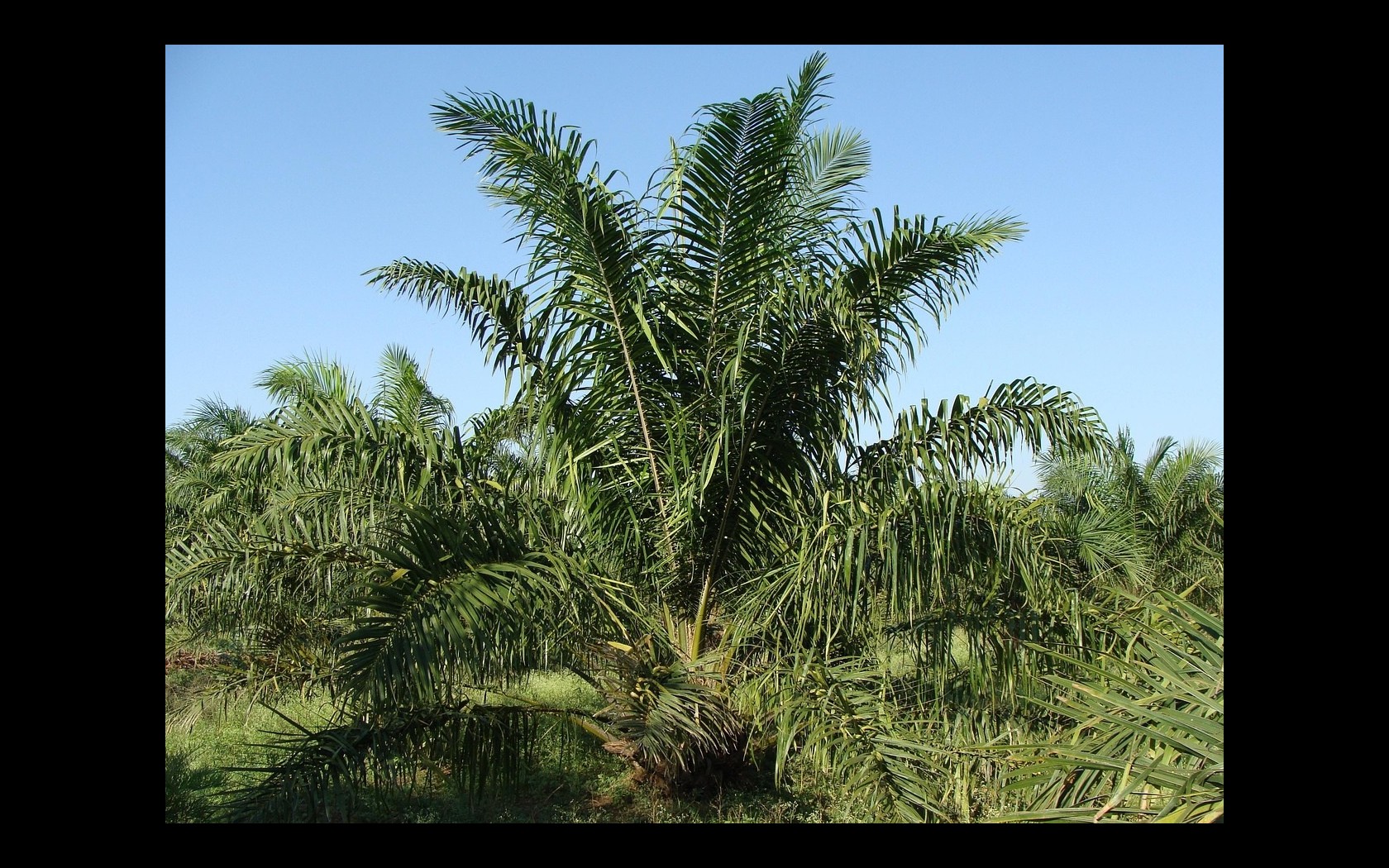
Plant
Plant
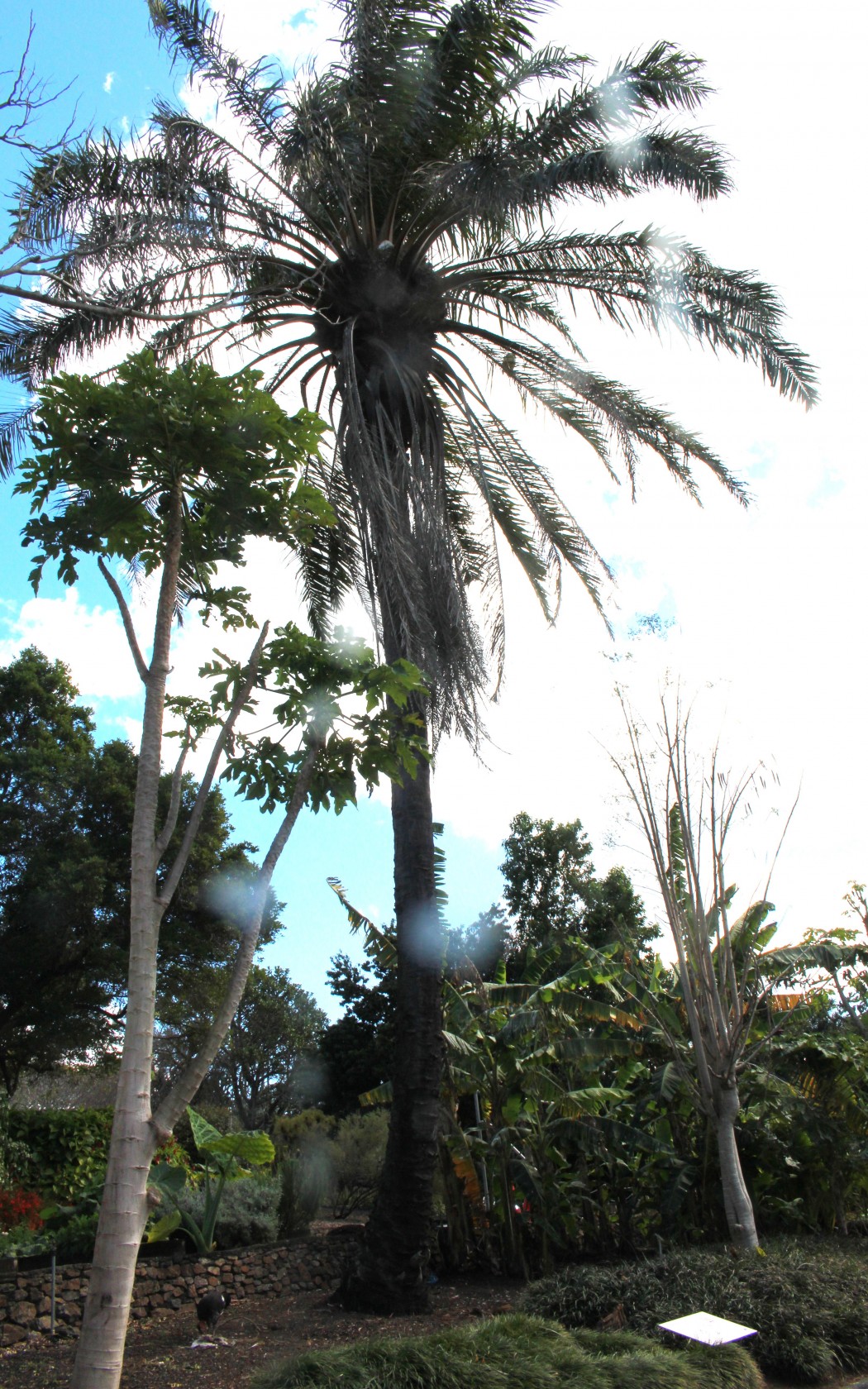
Taken by Ken Harrington on 5th August, 2025 at Mt Coot tha Botanical Gardens, Queensland
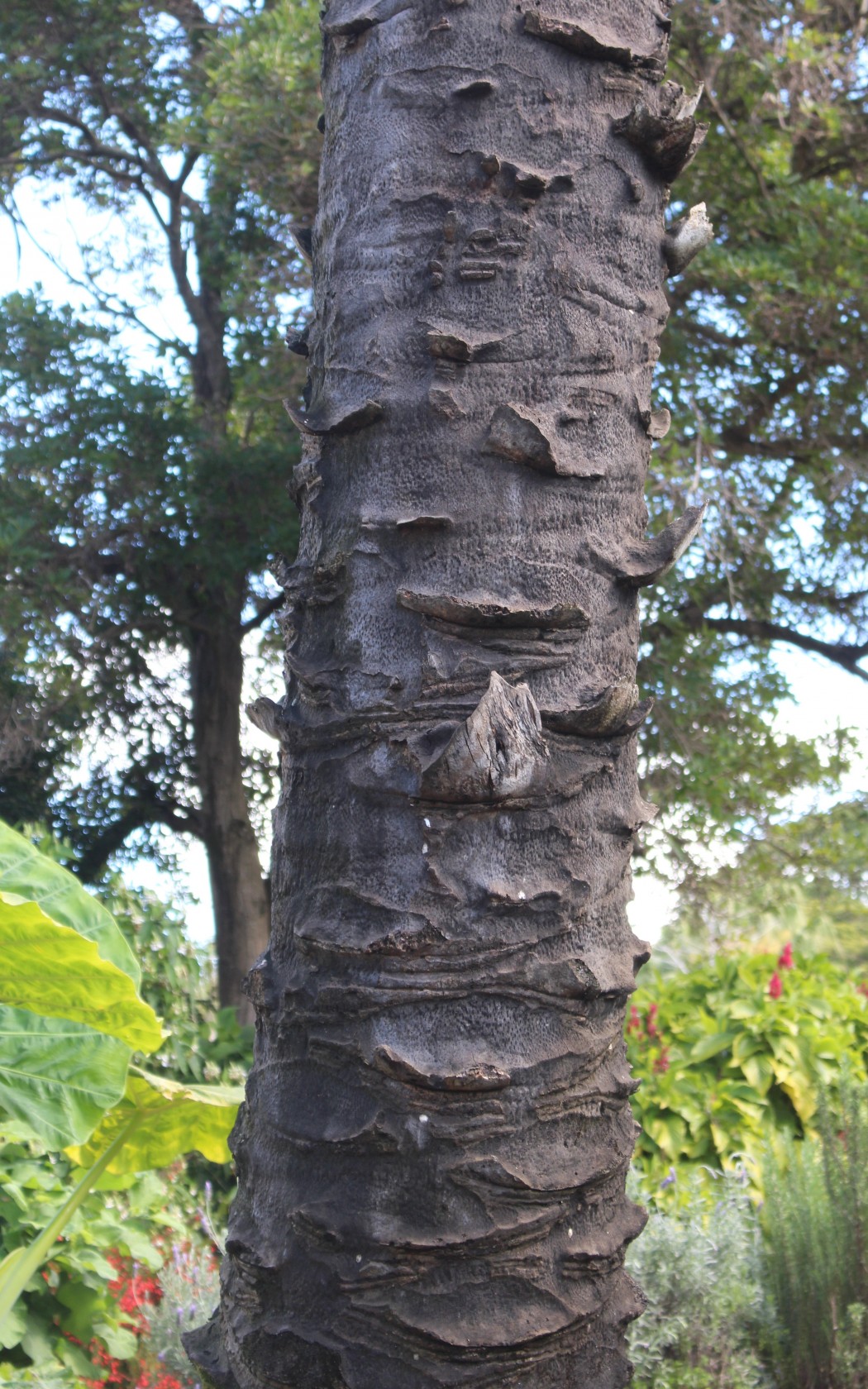
Stem_lower
Stem (Lower)
Taken by Ken Harrington
Frond
Frond
Taken by Unkown
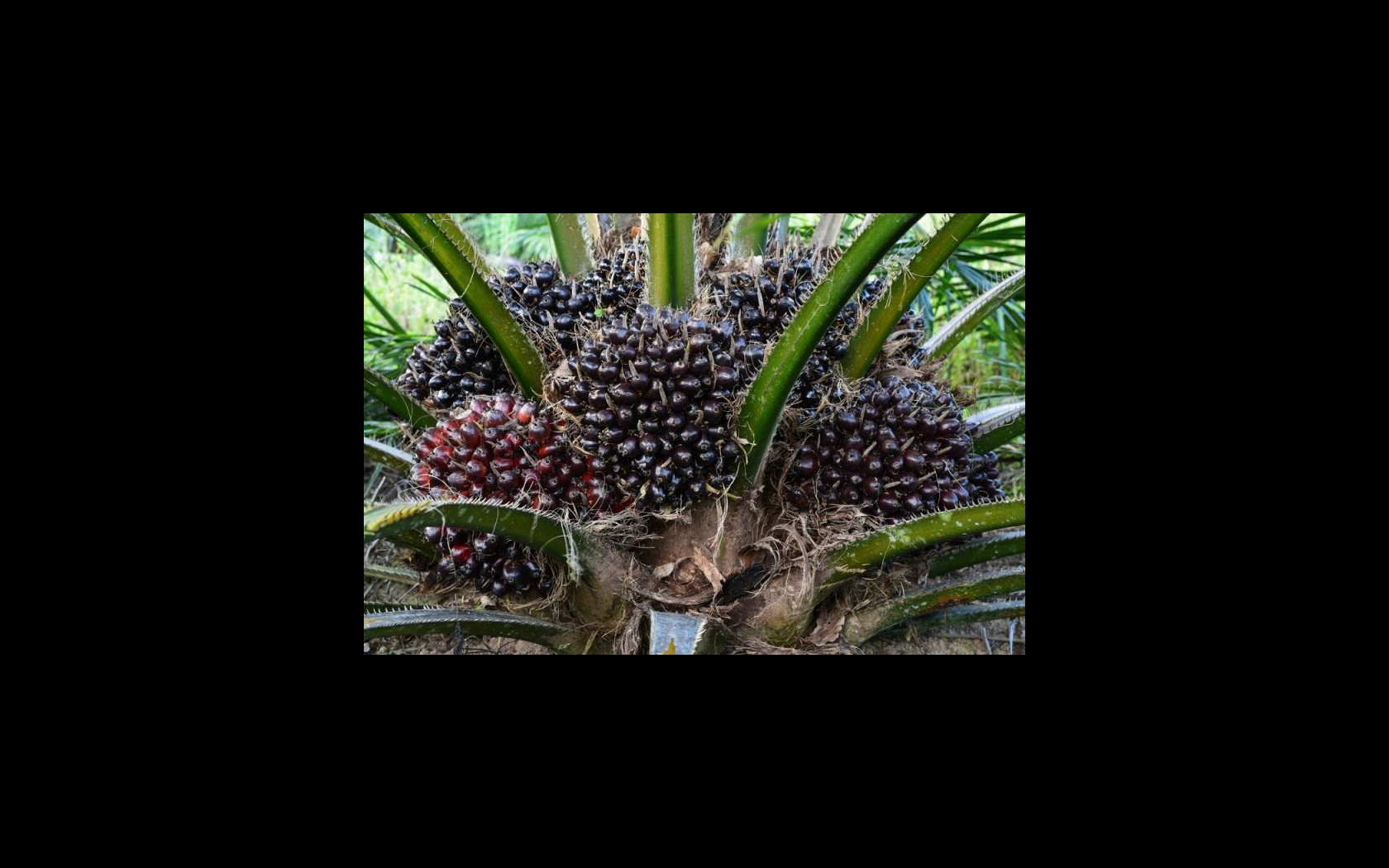
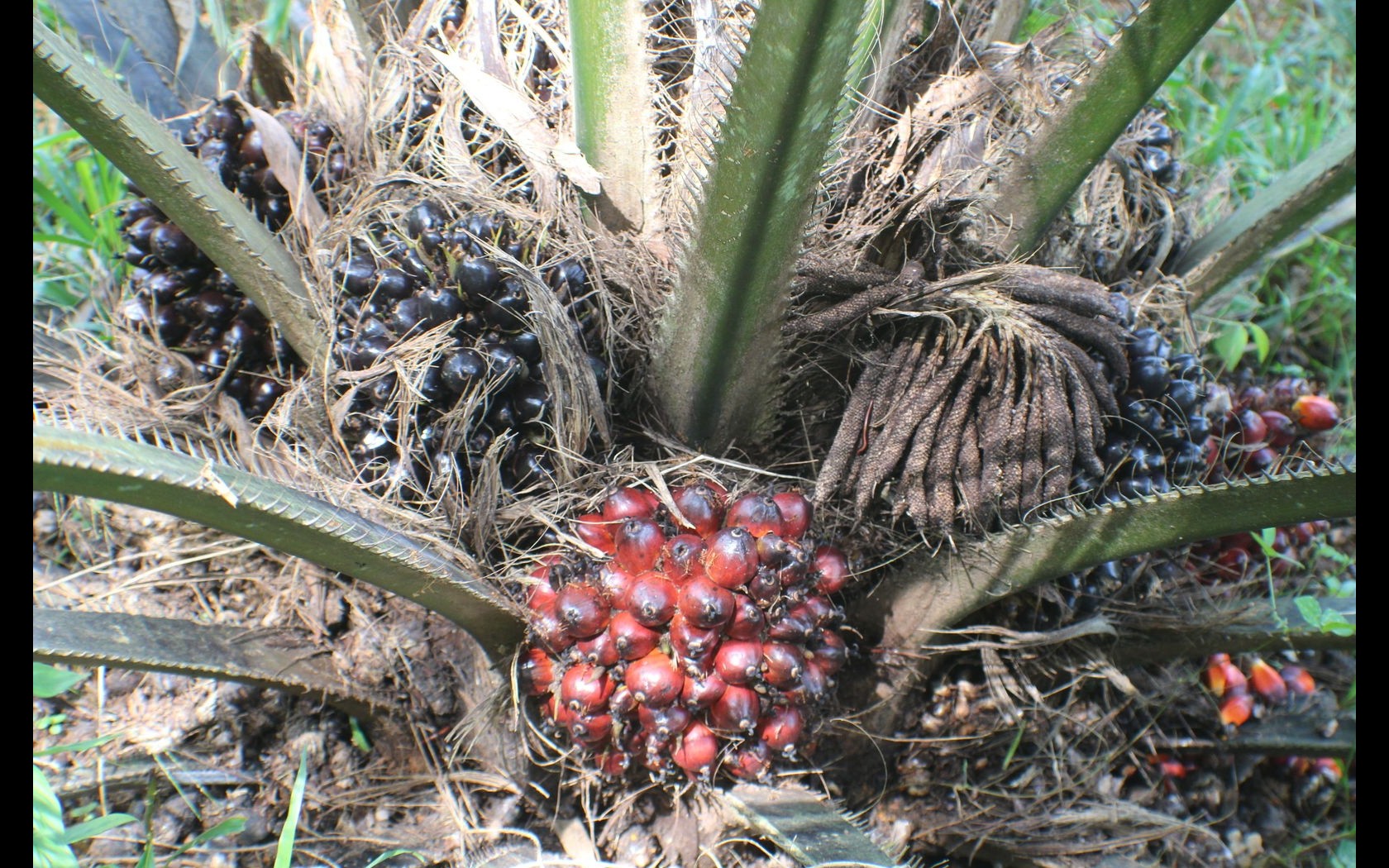
Fruit
Fruit
Taken by Unkown
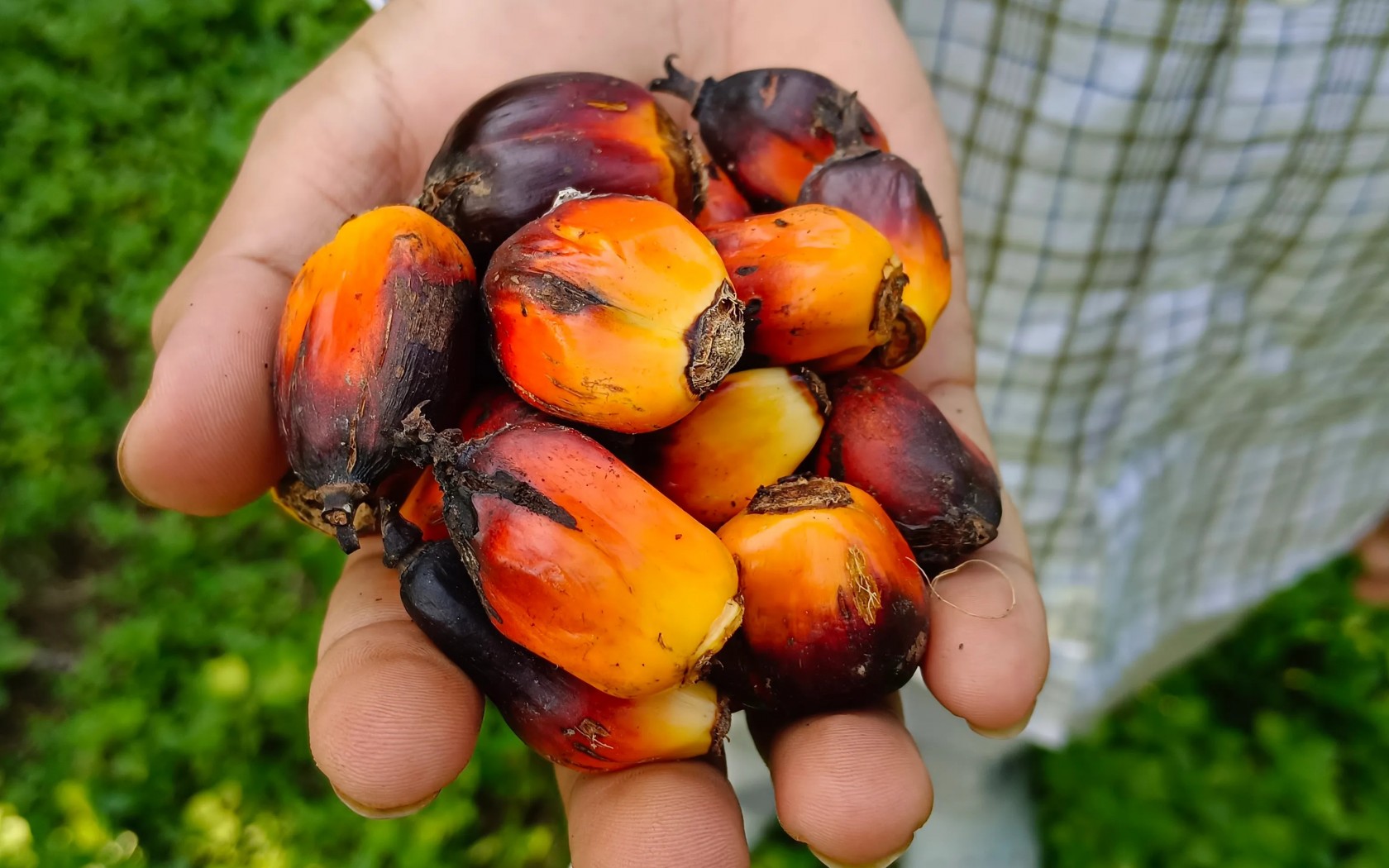
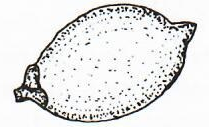
Seed
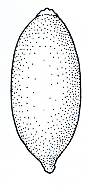
Seeds
Taken by Unkown
Petiole
Petiole
Taken by Unkown
Expand all
Palm / Palm Ally Properties
Origin(s)
Angola
  • Angola: Indigenous
Benin
  • Benin: Indigenous
Cameroon
  • Cameroon: Indigenous
Congo, the Democratic Republic of the
  • Congo: Indigenous
Côte d'Ivoire
  • Cote d'Ivo: Indigenous
Equatorial Guinea
  • Equ Guinea: Indigenous
Gabon
  • Gabon: Indigenous
Ghana
  • Ghana: Indigenous
Guinea
  • Guinea: Indigenous
Guinea-Bissau
  • Guinea-Bis: Indigenous
Liberia
  • Liberia: Indigenous
Nigeria
  • Nigeria: Indigenous
Sierra Leone
  • Sierra Leo: Indigenous
Togo
  • Togo: Indigenous
Gambia
  • Gambia: Indigenous
Plant Type
Evergreen, Palm, Palm Feather-leaved, Solitary, Terrestrial
Evergreen,
Palm,
Palm Feather-leaved,
Solitary,
Terrestrial
Climate Range(s) - Habitat
Tropical
Tropical
Climate Range(s) - Tolerance
Tropical-Sub, Tropical, Tropical Monsoon
Tropical-Sub,
Tropical,
Tropical Monsoon
Aspect Range(s)
Sun - Full
Sun - Full
Habitat Range(s)
Open Woodlands, Rainforest - Tropical
Open Woodlands,
Rainforest - Tropical
Habitat Zone(s)
Foothills, Gullies / Valley's / Canyon's, Heavy soils, Hill Sides, Lakes / Dams / Swamps, Moist areas, Moist Slopes, Open areas, Riparian areas, Rivers / Creeks / Streams, Sandy Moist, Scattered, Water sides, Well drained, Wet Pockets
Foothills,
Gullies / Valley's / Canyon's,
Heavy soils,
Hill Sides,
Lakes / Dams / Swamps,
Moist areas,
Moist Slopes,
Open areas,
Riparian areas,
Rivers / Creeks / Streams,
Sandy Moist,
Scattered,
Water sides,
Well drained,
Wet Pockets
Mature Height
15-20m
15-20m
Mature Width
8-9m, 9-10m
8-9m,
9-10m
Growth Rate
Slow
Slow
Plant Shape
Domed - Broad
Domed - Broad
Domed - Broad Domed - Broad
Life Span
200-300yrs
200-300yrs
Maturity
8-10 yrs.
8-10 yrs.
Frond Properties
Frond Position
Arching
Arching
Frond Number
20-25, 25-30, 30-35, 35-40, 40-45, 45-50
20-25,
25-30,
30-35,
35-40,
40-45,
45-50
New Frond Colour(s)
Green
Green
Frond Colour(s) (front)
Green, Green Dark
Green,
Green Dark
Frond Colour(s) (back)
Green, Green Light
Green,
Green Light
Frond Texture (front)
Leathery
Leathery
Leathery Leathery
Frond Texture (back)
Leathery
Leathery
Leathery Leathery
Frond Length
3-3.5m, 3.5-4m, 4-4.5m, 4.5-5m, 5-5.5m, 5.5-6m, 6-6.5m, 6.5-7m, 7-7.5m, 7.5-8m
3-3.5m,
3.5-4m,
4-4.5m,
4.5-5m,
5-5.5m,
5.5-6m,
6-6.5m,
6.5-7m,
7-7.5m,
7.5-8m
Frond Aroma
None
None
Frond Shapes
Pinnate / Parapinnate
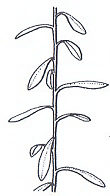
Pinnate / Parapinnate Pinnate / Parapinnate
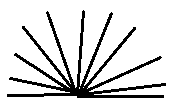
Frond Arrangement
Alternate
Alternate
Open Crown
Open Crown
Alternate Alternate ,
Open Crown Open Crown
Frond Attachment
Partial	Sheath
Partial Sheath
Partial	Sheath Partial Sheath
Rachis Length
3.5-4m, 4-4.5m, 4.5-5m, 5-5.5m
3.5-4m,
4-4.5m,
4.5-5m,
5-5.5m
Pinna Shape(s) (Frondlet)
Linear
Linear
Linear Linear
Pinna Apice(s)
Acute Narrowly
Acute Narrowly
Pinna Base(s)
Attenuate
Attenuate
Pinna Cross Section
Reduplicate
Reduplicate
Pinna Margins
Scabrous
Scabrous
Pinna Attachment
Sessile
Sessile
Pinnae Arrangement
Plumose Pinnae
Plumose Pinnae
Spined Pinnae
Spined Pinnae
Plumose Pinnae Plumose Pinnae,
Spined Pinnae Spined Pinnae
Pinnae Pairs / Frond
100-110, 110-120, 120-130, 130-140, 140-150, 150-160
100-110,
110-120,
120-130,
130-140,
140-150,
150-160
Pinnule Length
900mm-1m, 1-1.5m
900mm-1m,
1-1.5m
Petiole Length
1-1.5m
1-1.5m
Petiole Cross Section
Terete-grooved
Terete-grooved
Petiole Texture
Waxy
Waxy
Waxy Waxy
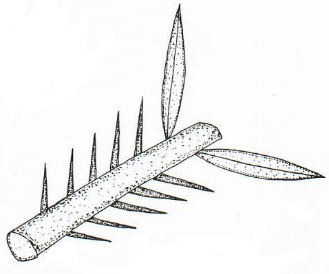
Spines-sharp , Spines-short
Spines-sharp,
Spines-short
Petiole Feature(s)
Spines Basal
Spines Basal
Trunk / Stem Properties
Colour(s) (Upper/Crown Shaft)
Grey-brown
Grey-brown
Colour(s) (Base)
Grey-brown Dark
Grey-brown Dark
Texture (Upper)
Rough / Scabrous
Rough / Scabrous
Rough / Scabrous Rough / Scabrous
Coarse
Coarse
Texture (Base)
Rough / Scabrous
Rough / Scabrous
Rough / Scabrous Rough / Scabrous
Coarse
Coarse
Cross Section
Terete
Terete
Terete Terete
Diameter
200-250mm, 250-300mm, 300-350mm, 350-400mm, 400-450mm, 450-500mm, 500-600mm, 600-700mm, 700-800mm
200-250mm,
250-300mm,
300-350mm,
350-400mm,
400-450mm,
450-500mm,
500-600mm,
600-700mm,
700-800mm
Features
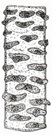
Persistent Rough Leaf Bases
Persistent Rough Leaf Bases Persistent Rough Leaf Bases
Stemmed-single , Erect
Stemmed-single,
Erect
Construction
Palm Wood Fibres / Solid
Inflorescence (Flower) Properties
Gender: Male
Flowering Time (start)
All Year Round
All Year Round
Colour(s)
Cream, Cream-white, White
Cream,
Cream-white,
White
Flower Shape(s)
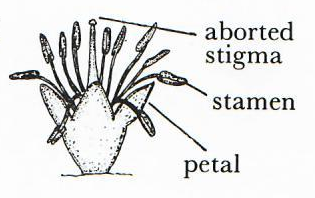
Male Staminate Flower
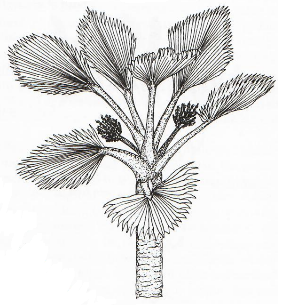
Male Staminate Flower Male Staminate Flower
Aroma(s)
Spicy-Slight, Sweet-Slight
Spicy-Slight,
Sweet-Slight
Sepal Number
3
3
Arrangements
Axillary, Interfoliar Short
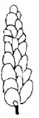
Axillary, Interfoliar Short Axillary, Interfoliar Short
Arrangement Shape
Bract Spike
Bract Spike
Bract Spike Bract Spike
Spike Open , Spikelets 100-150 , Spikelets 150-200 , Spikelets 200-250 , Spikelets 250-300
Spike Open,
Spikelets 100-150,
Spikelets 150-200,
Spikelets 200-250,
Spikelets 250-300
Flowers per Arrangment
many, 100>
many,
100>
Pollinator(s)
Bees, Insects, Wind, Weevils
Bees,
Insects,
Wind,
Weevils
Male and Female Flowers Borne
On Same Plant
On Same Plant
Petal Number
3
Stamen Number
6
Gender: Female
Flowering Time (start)
All Year Round
All Year Round
Colour(s)
Yellow
Yellow
Flower Shape(s)
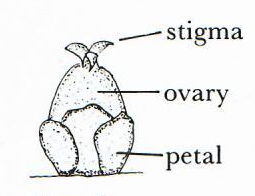
Female or Pistillate Flower
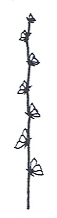
Female or Pistillate Flower Female or Pistillate Flower
Aroma(s)
Spicy-Moderate
Spicy-Moderate
Sepal Number
3
3
Arrangements
Axillary, Interfoliar Short
Spike
Spike
Axillary, Interfoliar Short Axillary, Interfoliar Short,
Spike Spike
Arrangement Shape
Bract Spike
Bract Spike
Bract Spike Bract Spike
Spikelets 100-150 , Spikelets 150-200 , Spikelets 200-250 , Spikelets 250-300
Spikelets 100-150,
Spikelets 150-200,
Spikelets 200-250,
Spikelets 250-300
Flowers per Arrangment
25-30, 20-25, 18-20, 16-18, 14-16, 12-14, 10-12, 9-10, 8-9, 7-8, 6-7, 5-6
25-30,
20-25,
18-20,
16-18,
14-16,
12-14,
10-12,
9-10,
8-9,
7-8,
6-7,
5-6
Pollinator(s)
Bees, Insects, Weevils, Wind
Bees,
Insects,
Weevils,
Wind
Male and Female Flowers Borne
On Same Plant
On Same Plant
Petal Number
3
Indusia (Fruiting Body) Properties
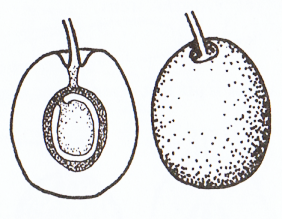
Type
Drupe
Drupe
Drupe Drupe
Shape(s)
Oblong
Oblong
Ovoid
Ovoid
Oblong Oblong,
Ovoid Ovoid
Outer Colour(s)
Black, Orange-brown, Red-brown, Yellow
Black,
Orange-brown,
Red-brown,
Yellow
Outer Texture
Smooth
Smooth
Waxy
Waxy
Smooth Smooth,
Waxy Waxy
Thin
Thin
Length
30-40mm, 40-50mm
30-40mm,
40-50mm
Width
15-20mm, 20-25mm
15-20mm,
20-25mm
Flesh Colour
Cream-white
Cream-white
Flesh Texture
Thick, Oily, Firm
Thick,
Oily,
Firm
Fruit Ripening
5 mths, 6 mths.
5 mths,
6 mths.
Maturation for Fruiting
3 yrs., 4 yrs.
3 yrs.,
4 yrs.
Seed Properties
Type
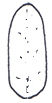
Nut Oblong
Nut Oblong
Nut Oblong Nut Oblong
Colour
Grey-brown
Grey-brown
Shape(s)
Elliptic
Elliptic
Elliptic Elliptic
Texture(s)
Waxy
Waxy
Waxy Waxy
Fleshy
Fleshy
Seed Appendage
Flesh
Flesh
Seed Dispersal
Animals, Birds, Gravity
Animals,
Birds,
Gravity
Seed Number
200-2,000
Root Properties
Type
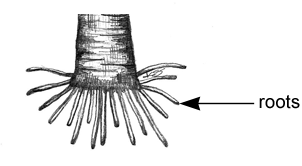
Surface Adventitious Root
Surface Adventitious Root Surface Adventitious Root
Texture
Cord-like , Fibrous
Cord-like,
Fibrous
Invasiveness
Low
Low
Soil Properties
Type(s)
Clay-loam, Loam, Sandy-loam, Hummus Rich, Organic Matter
Clay-loam,
Loam,
Sandy-loam,
Hummus Rich,
Organic Matter
pH Range(s)
Acid, Slightly Acid, Neutral
Acid,
Slightly Acid,
Neutral
Condition(s)
Damp
Damp
Moist
Moist
Damp Damp,
Moist Moist
Fertile , Deep , Well Drained
Fertile,
Deep,
Well Drained
Salinities
Slight
Slight
Slight Slight
Waterlogging Class
W0 – Low tolerance
W0 – Low tolerance
Watering Requirements
WR3 - never let soil dry out, WR4 - allow soil to dry between watering
WR3 - never let soil dry out,
WR4 - allow soil to dry between watering
Other Properties / Uses
Bee Attraction
Moderate
Moderate
Bird Attraction
Insect, Seed, Fruit, Habitat
Insect,
Seed,
Fruit,
Habitat
Butterfly Attraction
Poor
Poor
Frog Habitat
Poor
Poor
Carbon Sequestration Potential
Medium
Medium
Coastal
2nd Line
2nd Line
Edible(s)
None
None
Drought Tolerance
Poor
Poor
Frost Tolerance
None
None
Smog Tolerance
Moderate
Moderate
Minimum Temperature Tolerance
10 - 12°C
10 - 12°C
Snow Tolerance
None
None
Landscape Use
Moderate
Moderate
Street Use
Moderate
Moderate
Commercial Use(s)
Nut - Oil extract, cosmetics, Nut - Oil extract, culinary, Nut - Processed, fodder
Nut - Oil extract, cosmetics,
Nut - Oil extract, culinary,
Nut - Processed, fodder
Maintenance(s)
Dead Fronding
Dead Fronding
Pests/Diseases
Basal Stem Rot (Ganoderma orbiforme), Cadang-cadang (viral disease), Coconut Budrot (Phytophthora palmivora)
Basal Stem Rot (Ganoderma orbiforme),
Cadang-cadang (viral disease),
Coconut Budrot (Phytophthora palmivora)
Special Purpose(s)
Garden-Foliage, Garden-Tropical, Litter Issue - Leaves, Litter Issue - Seeds, Windbreak
Garden-Foliage,
Garden-Tropical,
Litter Issue - Leaves,
Litter Issue - Seeds,
Windbreak
Humidity Requirements
High, Very High
High,
Very High
Vulnerability
LC - Least Concern
LC - Least Concern
Altitude Range - Habitat
0-100m, 100-200m, 200-300m, 300-400m, 400-500m, 500-600m, 600-700m, 700-800m, 800-900m, 900-1,000m, 1,000-1,250m
0-100m,
100-200m,
200-300m,
300-400m,
400-500m,
500-600m,
600-700m,
700-800m,
800-900m,
900-1,000m,
1,000-1,250m
Annual Precipitation Range
1,5oomm, 1,600mm, 1,700mm, 1,800mm, 1,900mm, 2,000mm, 2,200mm, 2,400mm, 2,600mm, 2,800mm, 3,000mm
1,5oomm,
1,600mm,
1,700mm,
1,800mm,
1,900mm,
2,000mm,
2,200mm,
2,400mm,
2,600mm,
2,800mm,
3,000mm
Fertilising Requirements
FR5, FR6
FR5,
FR6
Wind Tolerance
Moderate Winds
Moderate Winds
Propagation
Fresh Seed
Weed Potential(s)
Cambodia
  • Cambodia: Naturalised
Costa Rica
  • Costa Rica: Naturalised
El Salvador
  • El Salvado: Naturalised
Honduras
  • Honduras: Naturalised
Indonesia
  • Indonesia: Naturalised
  • Sumatra: Naturalised
  • Java: Naturalised
  • Sulawesi: Naturalised
Madagascar
  • Madagascar: Naturalised
Malaysia
  • Malaysia: Naturalised
Sri Lanka
  • Sri Lanka: Naturalised
Barbados
  • Barbados: Naturalised
Belize
  • Belize: Naturalised
Dominica
  • Dominica: Naturalised
Dominican Republic
  • Dom. Repub: Naturalised
Guatemala
  • Guatemala: Naturalised
Haiti
  • Haiti: Naturalised
Jamaica
  • Jamaica: Naturalised
Montserrat
  • Montserrat: Naturalised
Nicaragua
  • Nicaragua: Naturalised
Aruba
  • Aruba: Naturalised
Colombia
  • Colombia: Naturalised
Curaçao
  • Curacao: Naturalised
Venezuela, Bolivarian Republic of
  • Venezuela: Naturalised
Kenya
  • Kenya: Declared
Tanzania, United Republic of
  • Tanzania: Declared
Uganda
  • Uganda: Declared

General Notes

Human use of oil palm may be dated as far back as 5,000 years in Egypt. Oil Palms have been the cause of a lot of deforestation in tropical regions which has given it a bad reputation for environmental damage. Oil palms however, can produce much more oil per unit of land area than most other oil-producing plants, from the fruit and seed, (about 9 x more than soy or 4.5 x more than rapeseed). The fruit of the Oil Palm is borne in a large bunch with a weight ranging from 23 - 82 kg. containing between 200 - 2,000 individual fruit (drupes).

There are quite a few varieties available

  • Elais guineensis fo. dura, 20-40% shell
  • Elais guineensis var. pisifera, shell-less
  • Elais guineensis fo. tenera, 5-20% shell
  • Elais guineensis var. macrocarpa, 40-60% shell

Propagation Notes

Expand all
High Temperature Stratified Seed
Flowering
Cyclic
Seed Collecting
Cyclic
Sowing
Cyclic
Material Preparation

Collect the fruit once they have ripened to yellow-brown, black colour. Soak the fruit in water for 24-48 hrs. and then remove the flesh and allow to dry. Store in a cool dark place. The nut has dormancy than needs to be broken by heat treatment.

Viability:-

Seeds/gram:-

Propagating Mix

Premium Potting Mix

Cocopeat

Treatment

Place the cleaned seed on trays in an oven set at 38-40oC for 60-70 days to break dormancy.

Remove and soak seeds for 2-4 days in water, replacing the water daily.

Place the seeds in a plastic bag with moist paper towels or cocopeat, moistened with a mix of Previcur fungicide and place the bag in a pie warmer or warm place in the dark at 27-30oC. Check for mould periodically and replace moist medium if required.

Sprouting a radicle root may take 4 weeks to 12 mths.

Fill a 140mm pot with fix, with a dibber make a hole in the centre and place the sprouted seed, carefully, with the root pointing down to avoid damaging the radicle root in a pot and cover with mix.

Place the pots in a hothouse at 20-25oC with misters to keep the environment warm and humid

Viable seeds/gram:-          (50 - 60%)

Germination time:- 4 weeks - 12 mths.

Pricking out:-           N.A.   

140mm Pot Mix:-  Premium Potting Mix


Notes

Experimentation of subjecting the seed (palm kernels) to an electromagnetic field while soaking in water has had results in obtaining germination within 1-2 weeks and more rapid seedling growth.

(Scientia Horticulturae, Stimulation of oil palm Eliaeis guineensis seed germination by exposure to electromagnetic fields, Faculty of Sciences and Industrial Technology, Prince of Songkla University-Surat-thani Campus, Muang District, Surat-thani Province, 84100, Thailand)

Tissue Culture
Notes

For best results tissue culture is the preffered method of propagation. As it requires specialist equipment no propagtion information is given.