Rhapis excelsa Thumb., A. Henry
Common name(s): Rhapis Palm, Broadleaf Lady Palm, Bamboo Palm
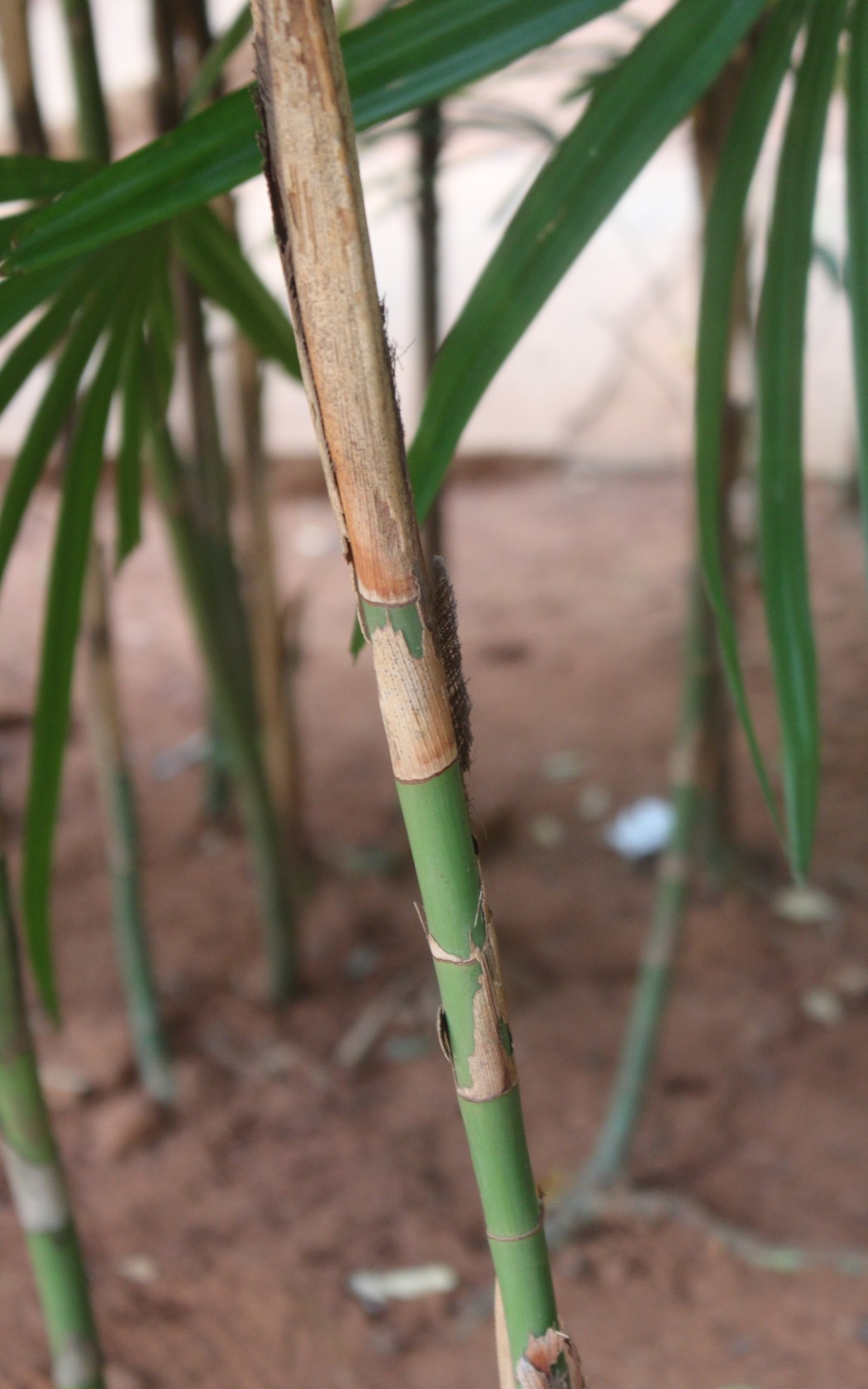
Palm / Palm Ally Properties
 Clump - Upright Open
 Frond Properties
 Glabrous,
Ribbed
Glabrous
Glabrous,
Ribbed
Glabrous 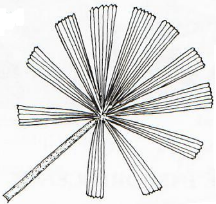 Palmate Divided
 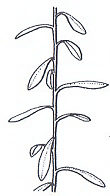 Alternate
 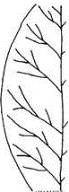 Entire
 Trunk / Stem Properties
 Smooth,
Waxy
Smooth,
Waxy 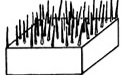 Bristly / Hispid
 Inflorescence (Flower) Properties
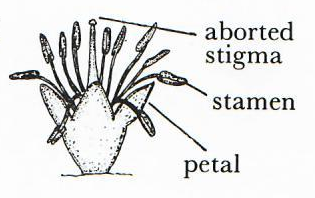
 Male Staminate Flower,
Globose
Male Staminate Flower,
Globose 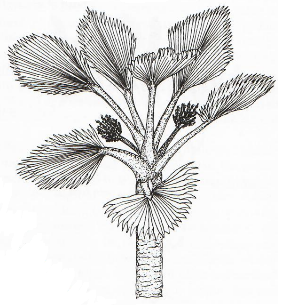
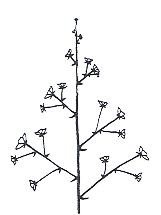 Axillary, Interfoliar Short,
Pannicle
Axillary, Interfoliar Short,
Pannicle 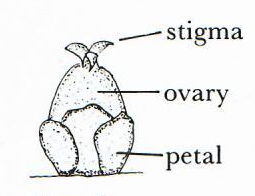 Female or Pistillate Flower
Axillary, Interfoliar Short,
Pannicle
Female or Pistillate Flower
Axillary, Interfoliar Short,
Pannicle Indusia (Fruiting Body) Properties
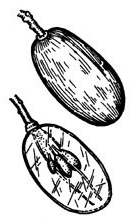 Bacca
Bacca 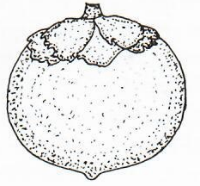 Globose
 Root Properties
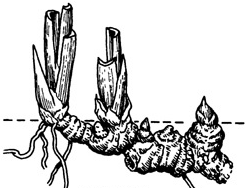 Rhizome Stoloniferous
 Soil Properties
 Moist
Moist  None
None Other Properties / Uses
General Notes
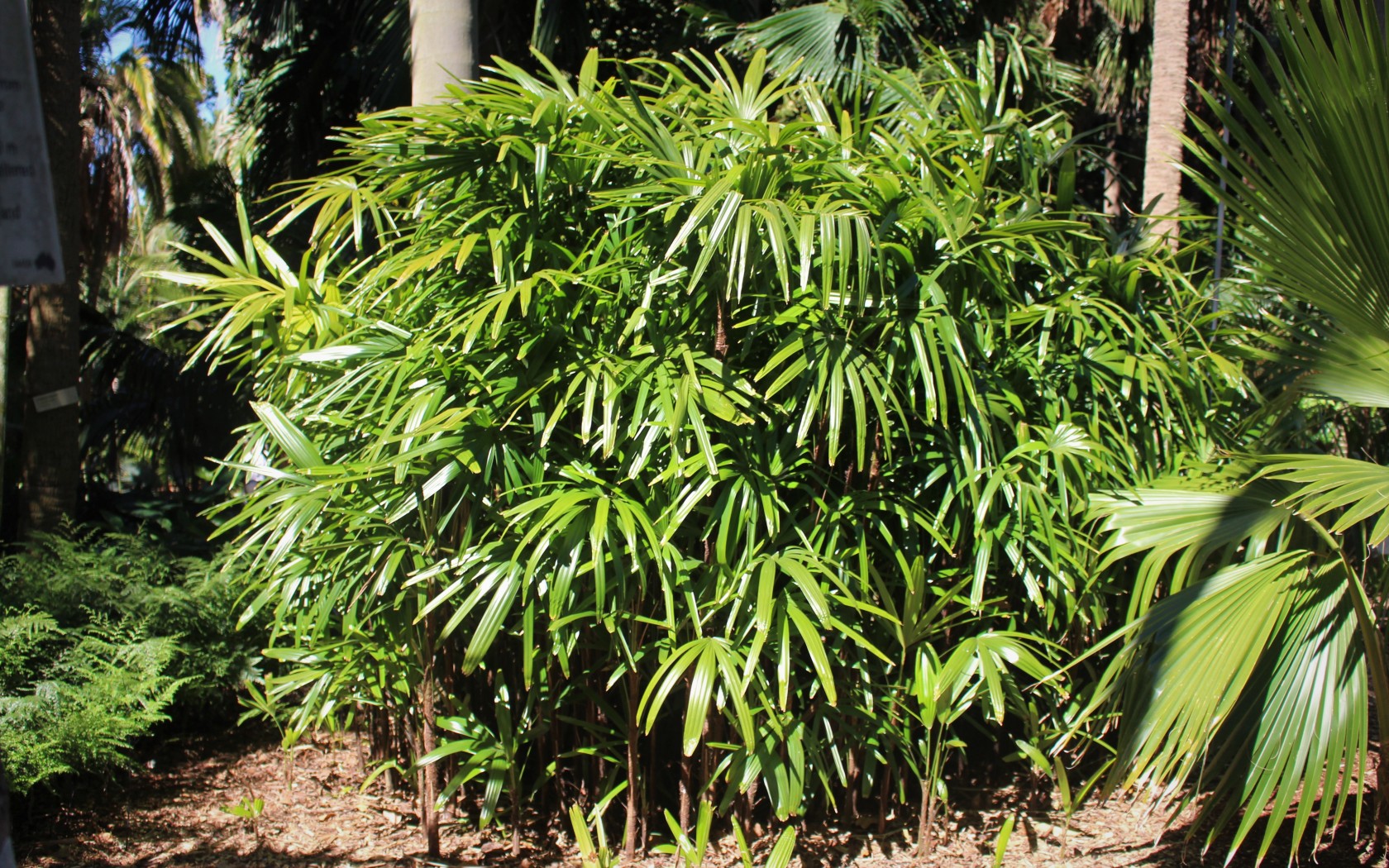
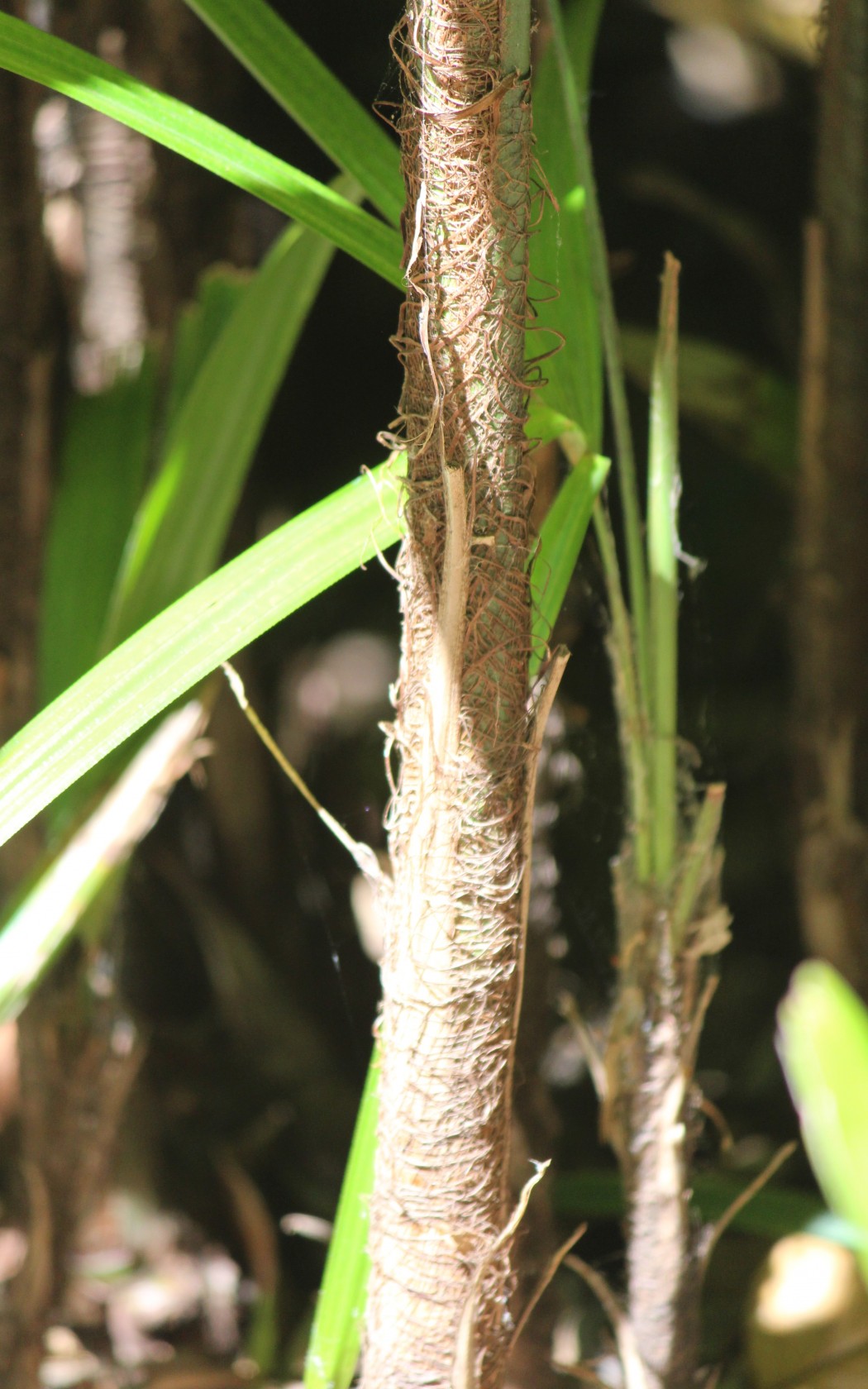
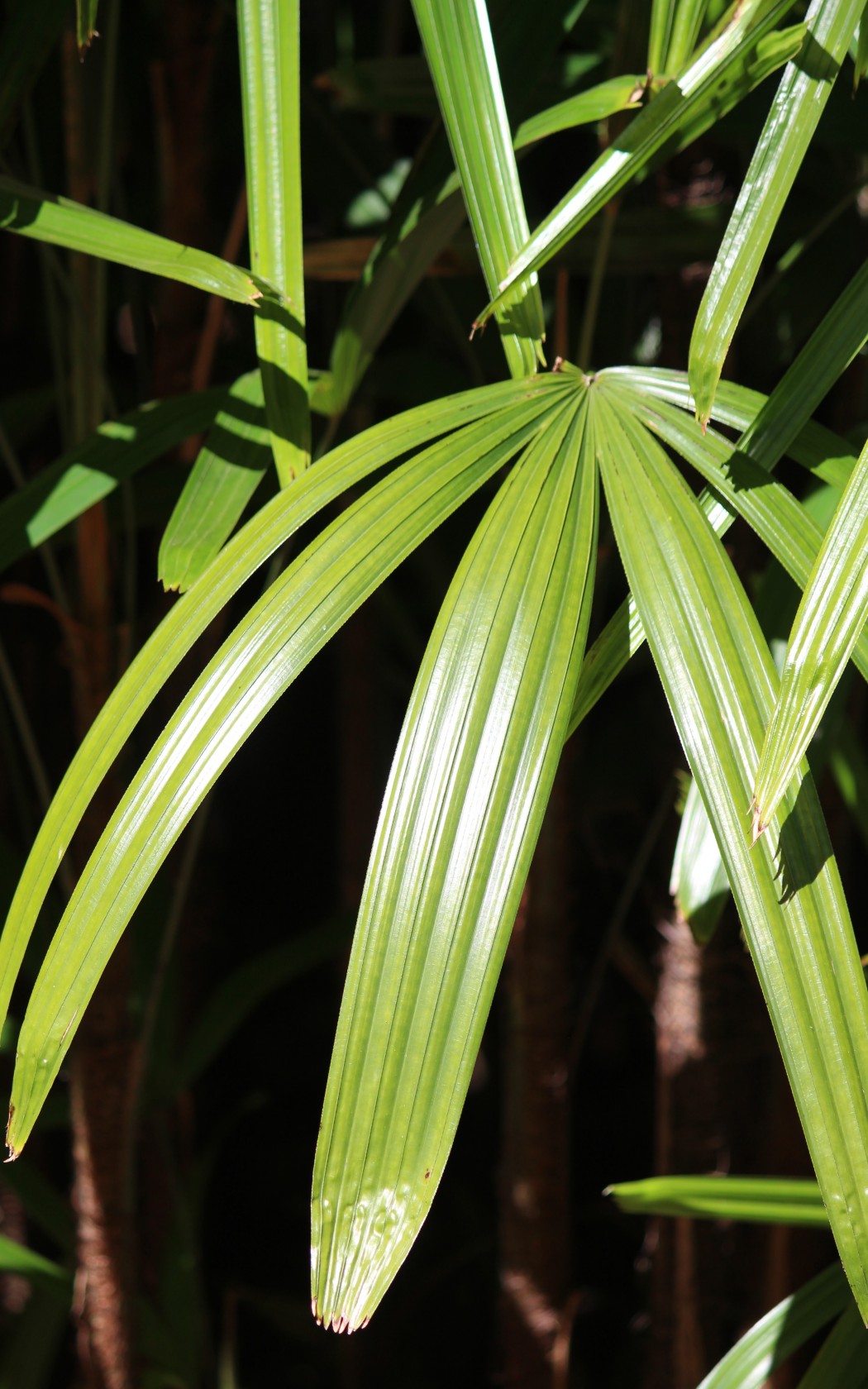
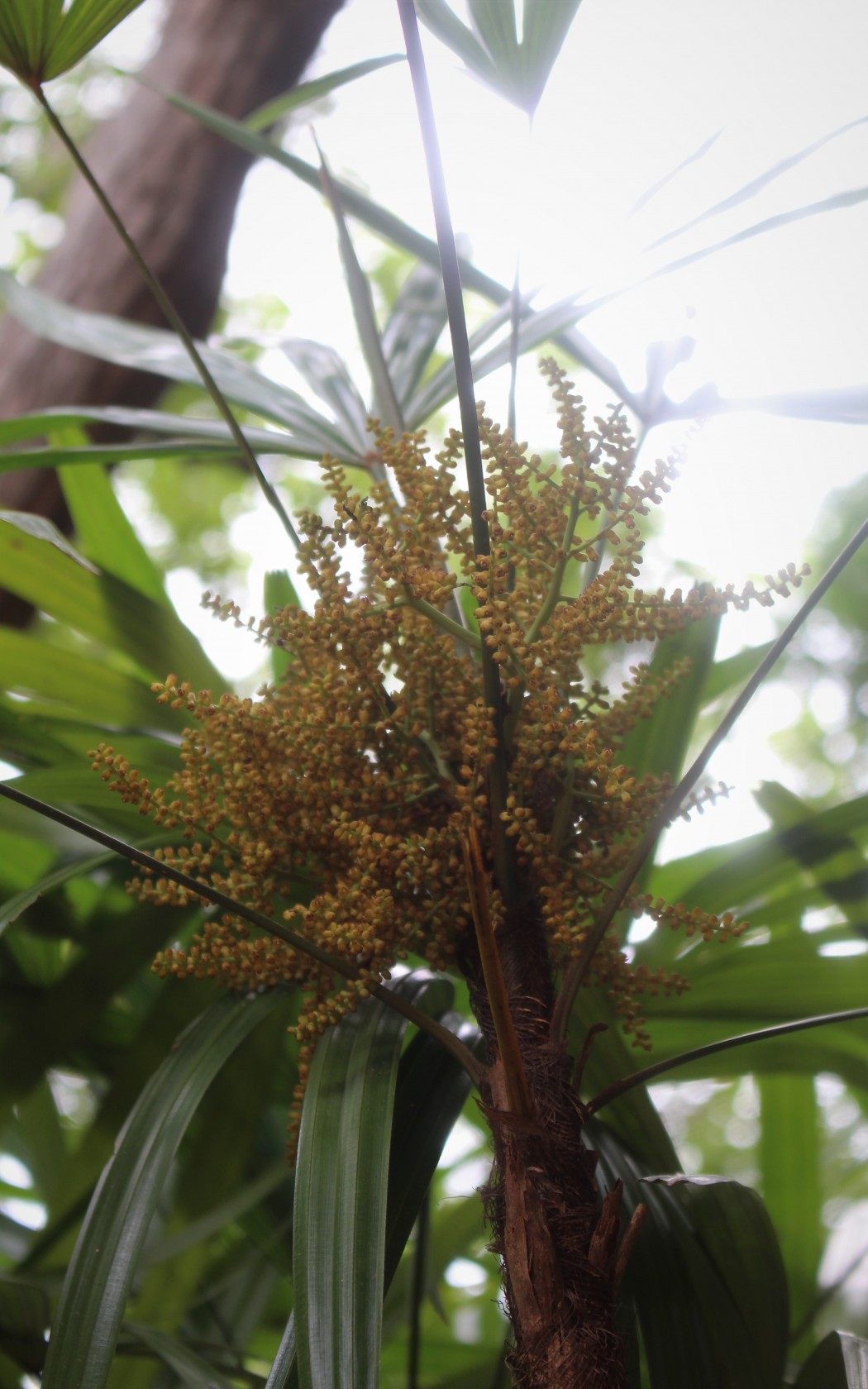
Assumed to be a native of southern China and Taiwan, however it is not known in the wild. Growing in multi-stemmed clumps with glossy palmate leaves it adapts well to indoor low light situations. For a palm it is quite cold tolerant but when grown outdoors it does need to be in a shaded, moist, sheltered position. As an indoor palm it has one of the top removal rates of toxins from the air. The frond is usually divided into 5-10 narrow oblong leaves (pinnae).
It has gained the Royal Horticultural Society's Award of Garden Merit
There are several varieties, R. excelsa 'Zuikonishiki' small growing, yellowish-white variegated markings on leaves. R. excelsa 'Koban' dark green leaves R. excelsa 'Gyokuhu' a dwarf variety 1.2 m after 30-40 years R. excelsa 'Kodaruma' miniature form, small leaves, small canes, dense clump R. excelsa 'Tenzan' long curving leaves, elegant slender form R. excelsa 'Daruma' medium growth rate, tall upright shape R. excelsa ' Zuiko-Lutino' creamy white leaves with green stripes R. excelsa 'Chiyodazuru' pin-striped variegation R. excelsa 'Kotobuki' tall, elegant form, white stripes on leaves