Rhapis humilis Thunb., A. Henry
Common name(s): Slender Lady Palm, Broadleaf Lady, Bamboo Palm Palm
Palm / Palm Ally Properties
 Clump - Upright
 Frond Properties
 Glabrous,
Ribbed
Glabrous,
Ribbed
 Glabrous,
Ribbed,
Tomentose
Glabrous,
Ribbed,
Tomentose 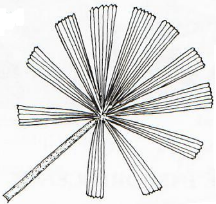 Palmate Divided
 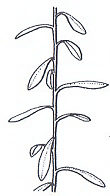 Alternate
 Trunk / Stem Properties
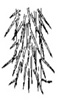 Hairs-stiff / Hirsute
 Inflorescence (Flower) Properties
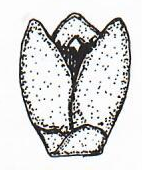
 Male Non-staminate Flower,
Obtriangular
Male Non-staminate Flower,
Obtriangular 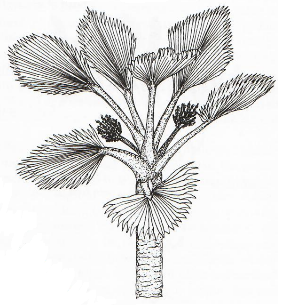
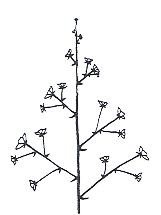 Axillary, Interfoliar Short,
Pannicle
Axillary, Interfoliar Short,
Pannicle 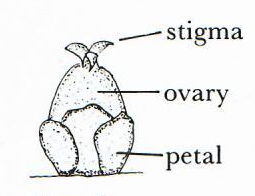
 Female or Pistillate Flower,
Clavate
Axillary, Interfoliar Short,
Pannicle
Female or Pistillate Flower,
Clavate
Axillary, Interfoliar Short,
Pannicle Indusia (Fruiting Body) Properties
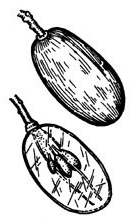 Bacca
Bacca 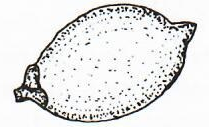 Ovoid
Ovoid Root Properties
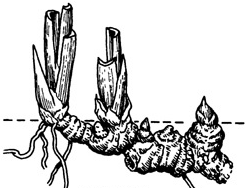 Rhizome Stoloniferous
 Soil Properties

 Moist,
Dry
Moist,
Dry  None
None Other Properties / Uses
General Notes
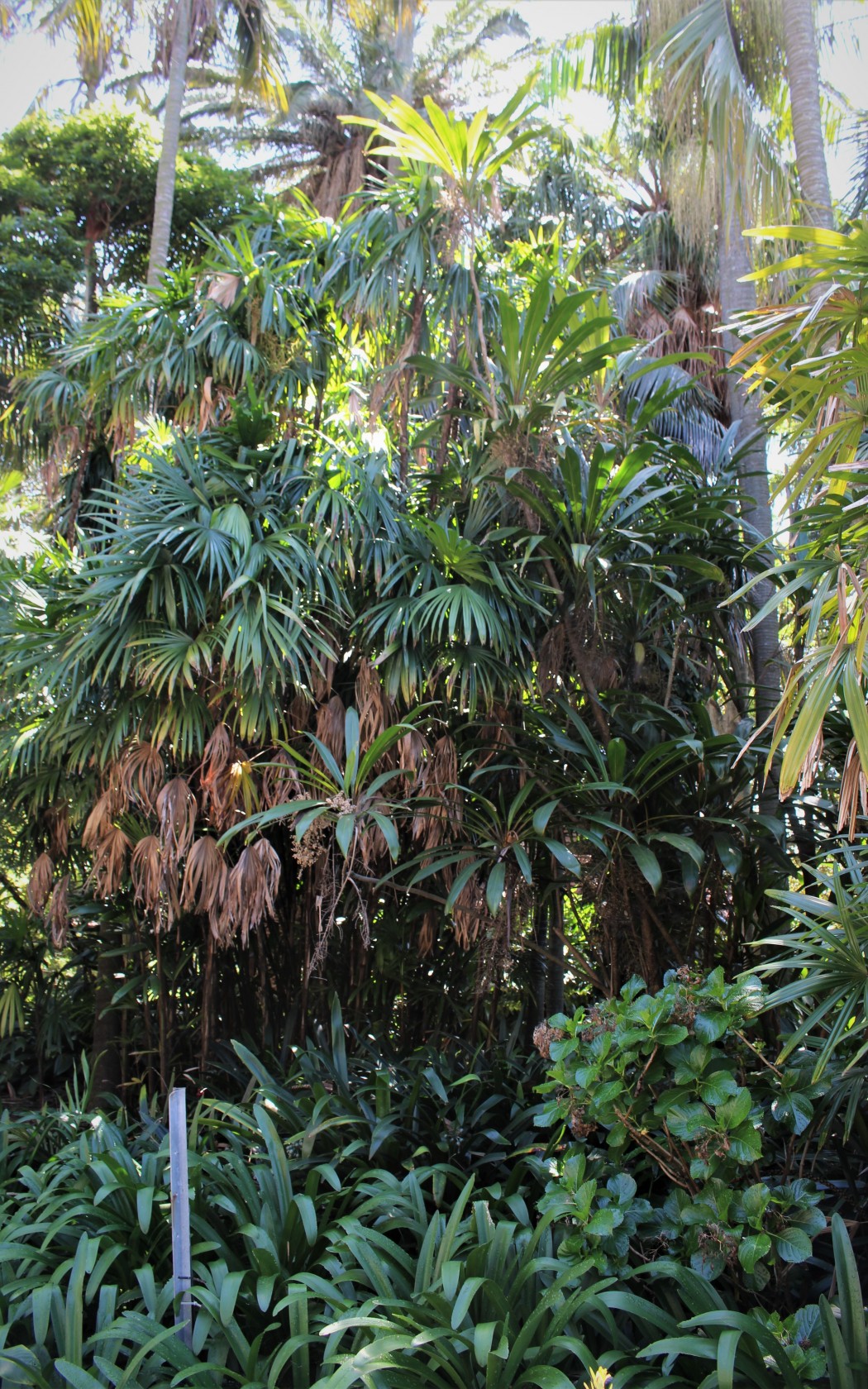
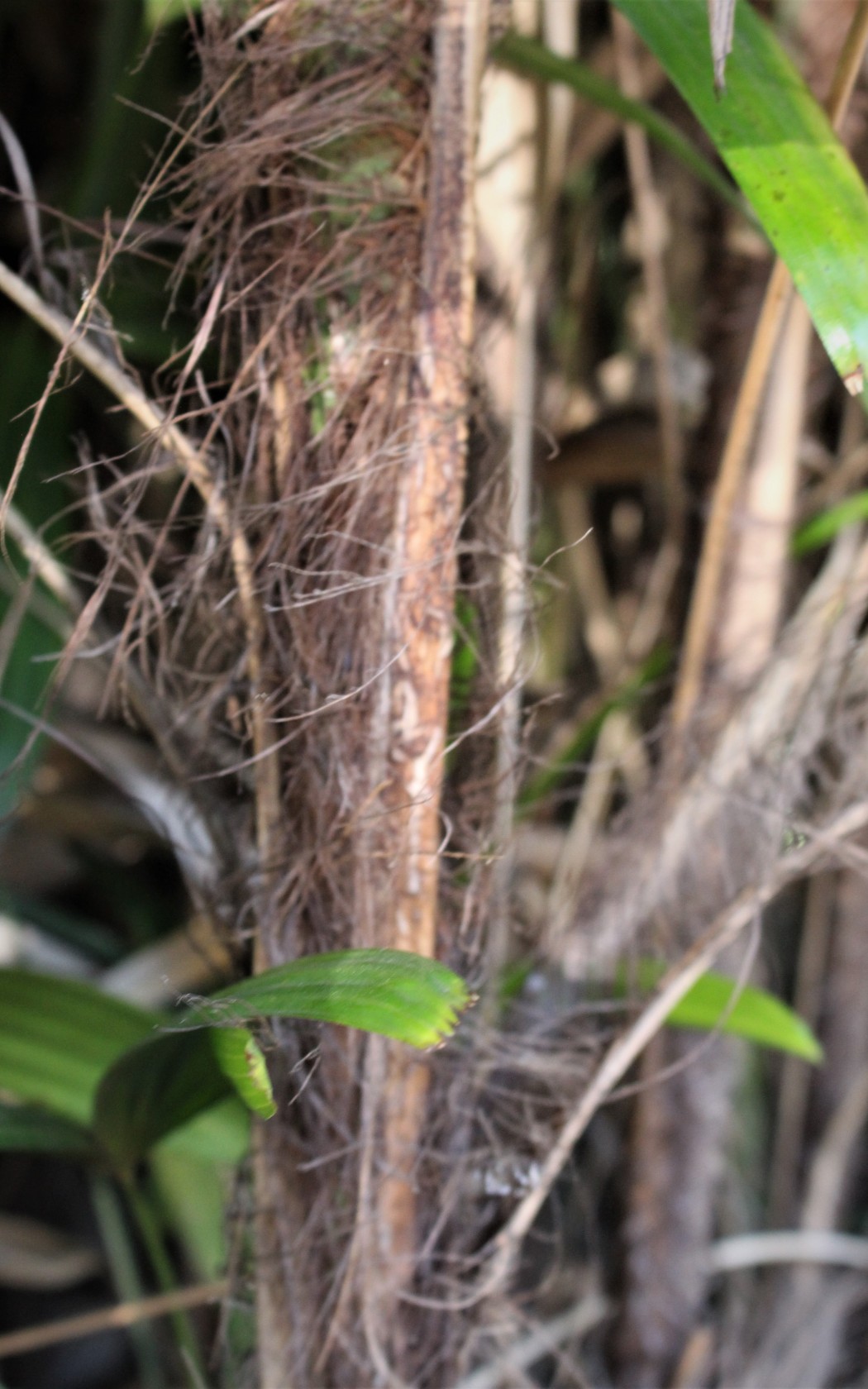
Rhapis palms have been cultivated for centuries, as early as 17th century in China and Japan then slowly spread to Europe and America. Like its close relative Rhapis excelsa there really is no known wild specimens of the palm. Rhapis humilis does well indoors and gardens with plenty of shade and shelter from winds. Tolerating a fair amount of cold it still does best outdoors in the tropics with shade. Forming dense bamboo-like clumps with the trunks covered with dark, fibrous square net and leaf sheaths looking like hairy bamboo canes. Being slow growing it can take 10 years or more to reach maturity.
It should be noted that most R. humilis in cultivation are male plants and do not set seed.
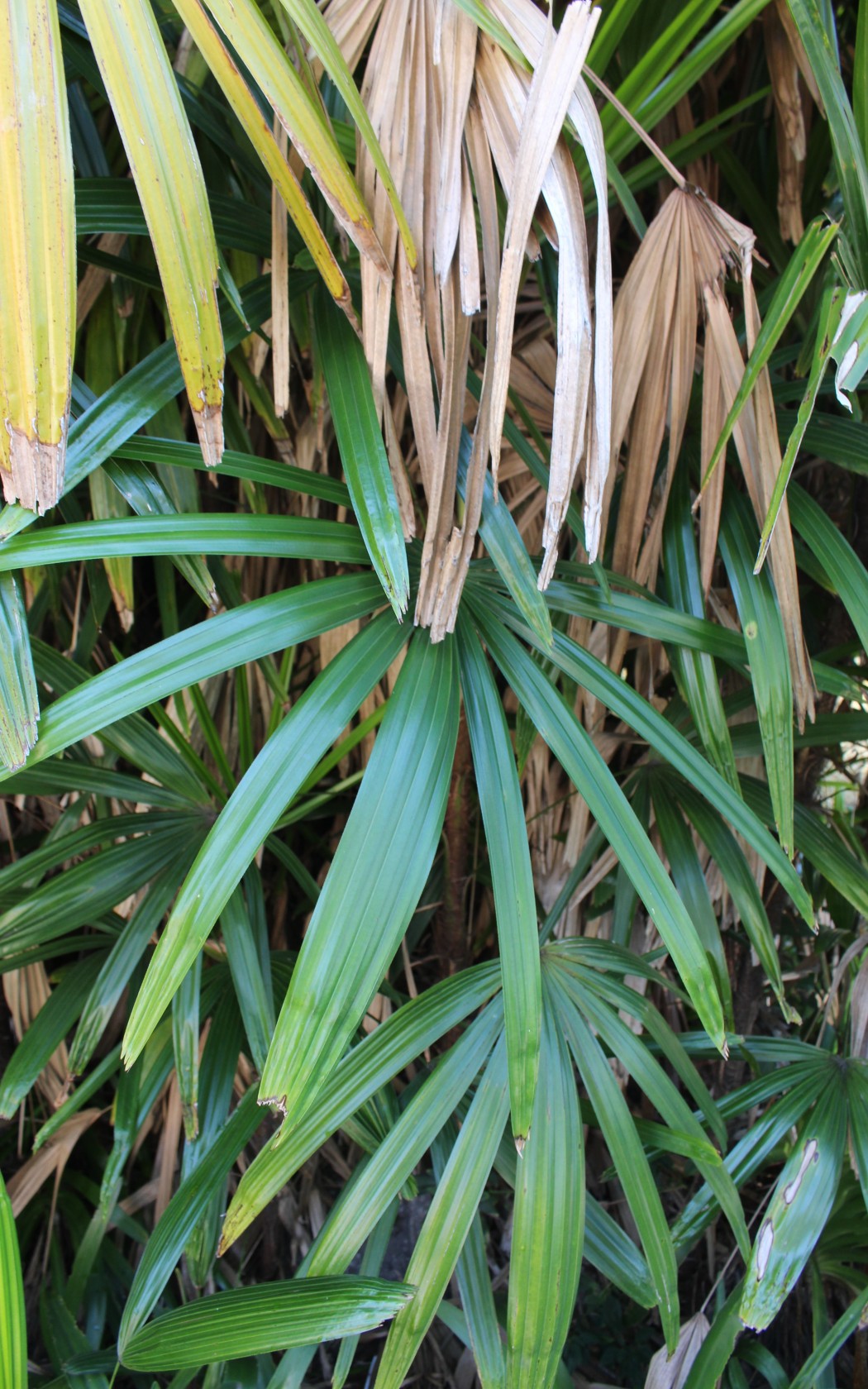
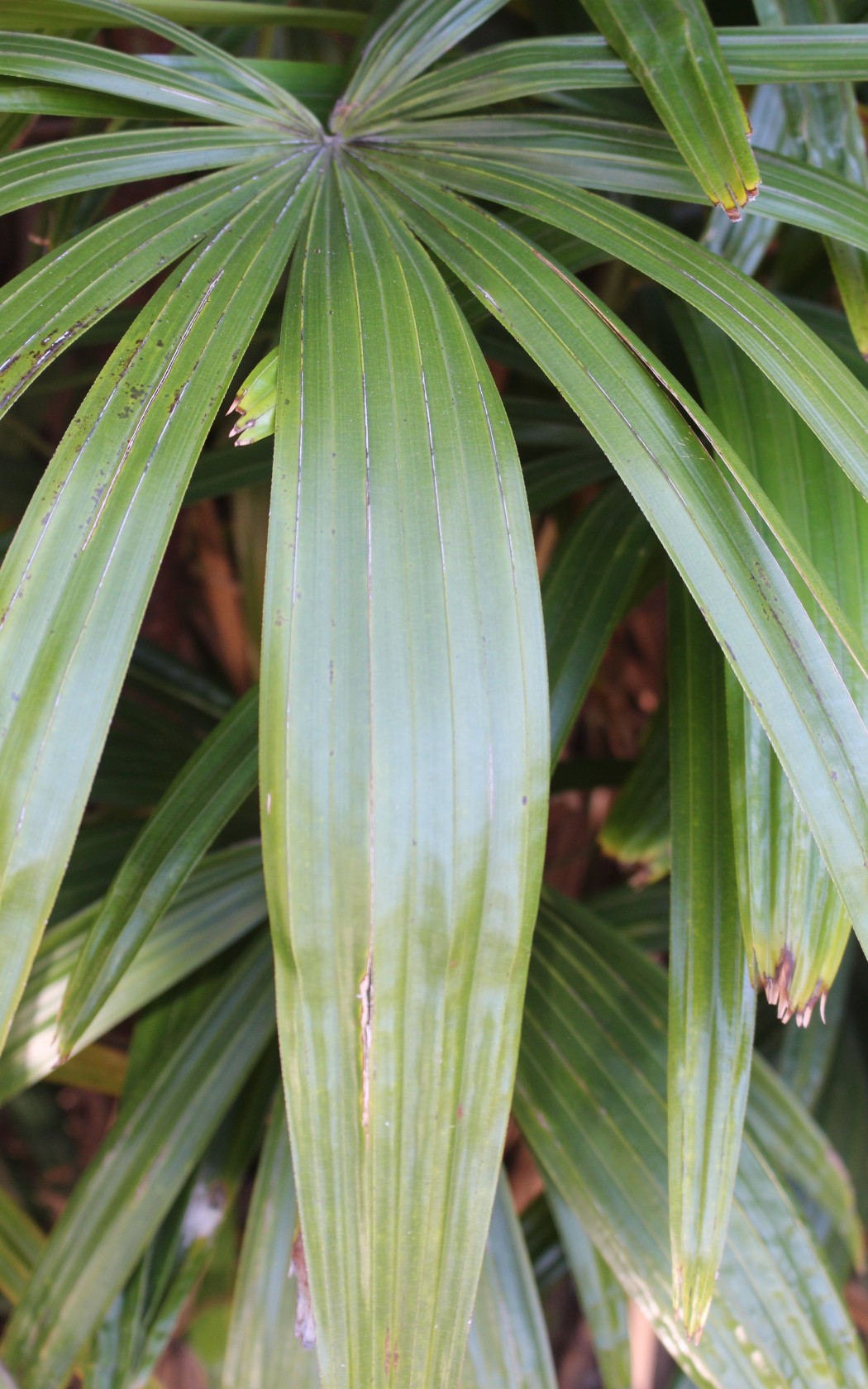
The fronds are a similar size to Rhapis excelsa but are divided into more segments, from 8-22 pinnae with 16-36 folds in the pinnae and droop, giving a slight weeping, graceful affect.
Gained the Royal Horticultural Society's Award of Garden Merit.