Rhapis humilis Thunb., A. Henry
Common name(s): Slender Lady Palm, Broadleaf Lady, Bamboo Palm Palm
Palm / Palm Ally Properties
 Clump - Upright
 Frond Properties
 Glabrous,
Ribbed
Glabrous,
Ribbed
 Glabrous,
Ribbed,
Tomentose
Glabrous,
Ribbed,
Tomentose 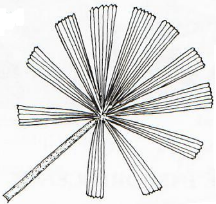 Palmate Divided
 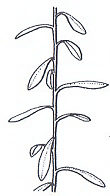 Alternate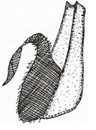
 Fibrous Sheath,
Ligule
Fibrous Sheath,
Ligule 
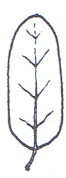 Linear,
Oblong
Linear,
Oblong 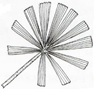 Digitate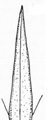
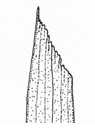 Entire,
Obliquely Praemorse
Entire,
Obliquely Praemorse 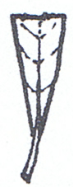
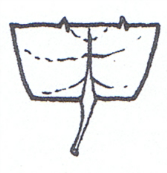 Attenuate,
Truncate
Attenuate,
Truncate 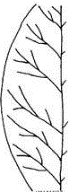 Entire
 Convex,
Pleated / Folded
Convex,
Pleated / Folded  Parallel
 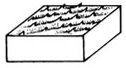 Rough / Scabrous
 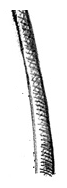 Plain
Plain Trunk / Stem Properties
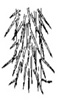 Hairs-stiff / Hirsute
  Terete
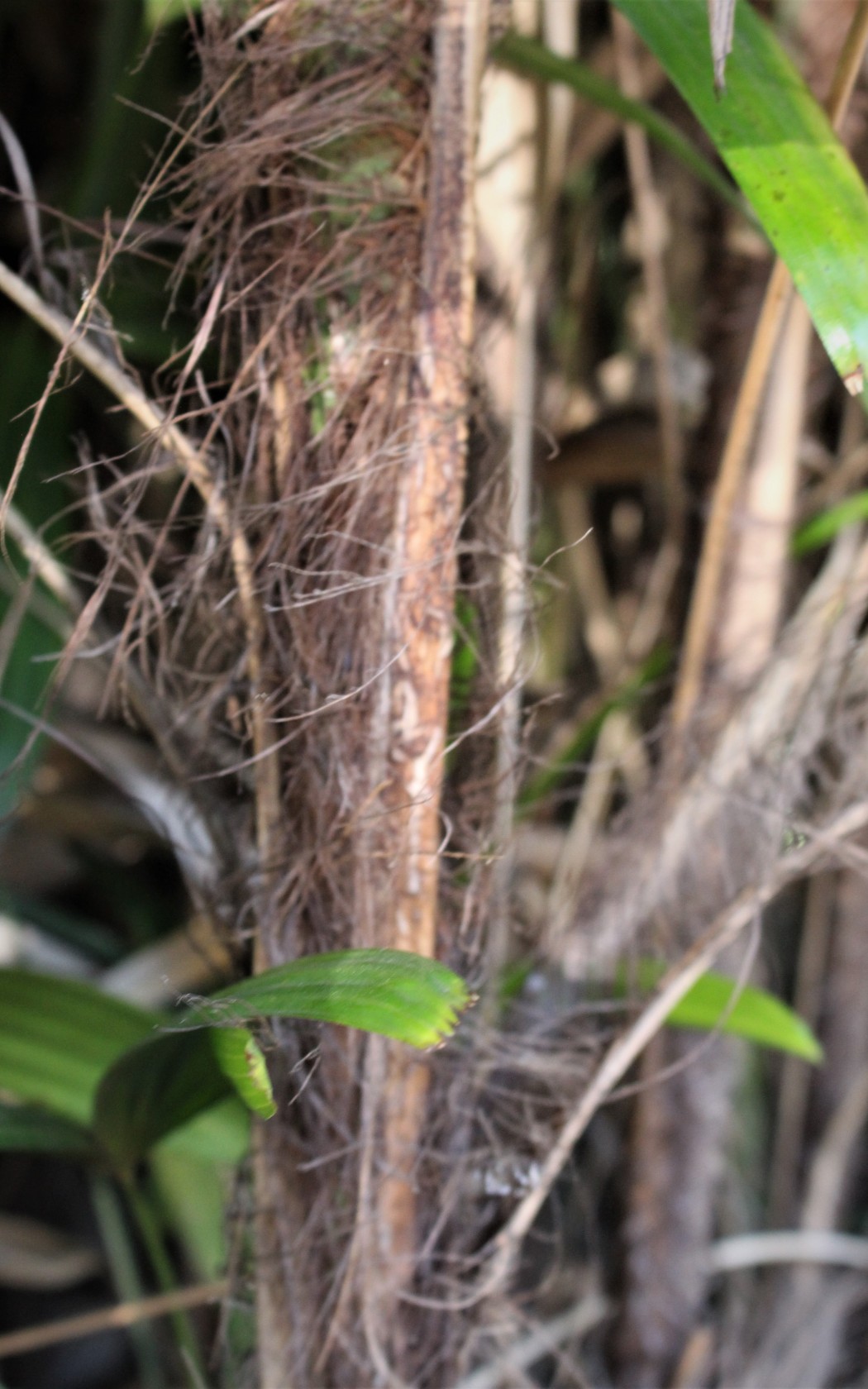
 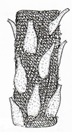 Persistent Leaf Bases and attached Fibrous Sheath
 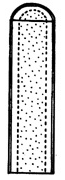 Pith Continuous
 Inflorescence (Flower) Properties
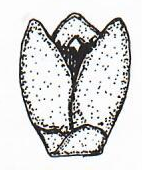
 Male Non-staminate Flower,
Obtriangular
Male Non-staminate Flower,
Obtriangular 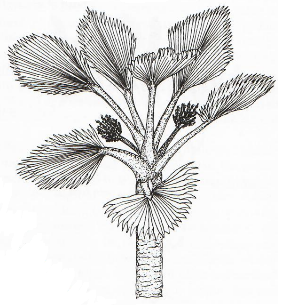
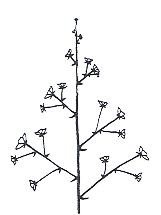 Axillary, Interfoliar Short,
Pannicle
Axillary, Interfoliar Short,
Pannicle 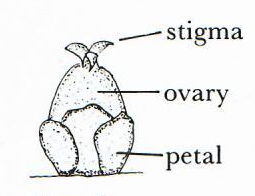
 Female or Pistillate Flower,
Clavate
Axillary, Interfoliar Short,
Pannicle
Female or Pistillate Flower,
Clavate
Axillary, Interfoliar Short,
Pannicle Indusia (Fruiting Body) Properties
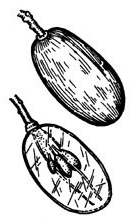 Bacca
Bacca 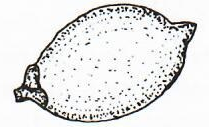 Ovoid
Ovoid  Smooth
 Seed Properties
 Nutlet
  Ovoid
Ovoid  Smooth
 Root Properties
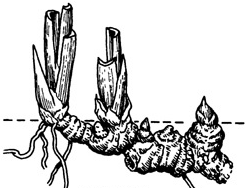 Rhizome Stoloniferous
  Rough / Scabrous
 Soil Properties

 Moist,
Dry
Moist,
Dry  None
None Other Properties / Uses
General Notes
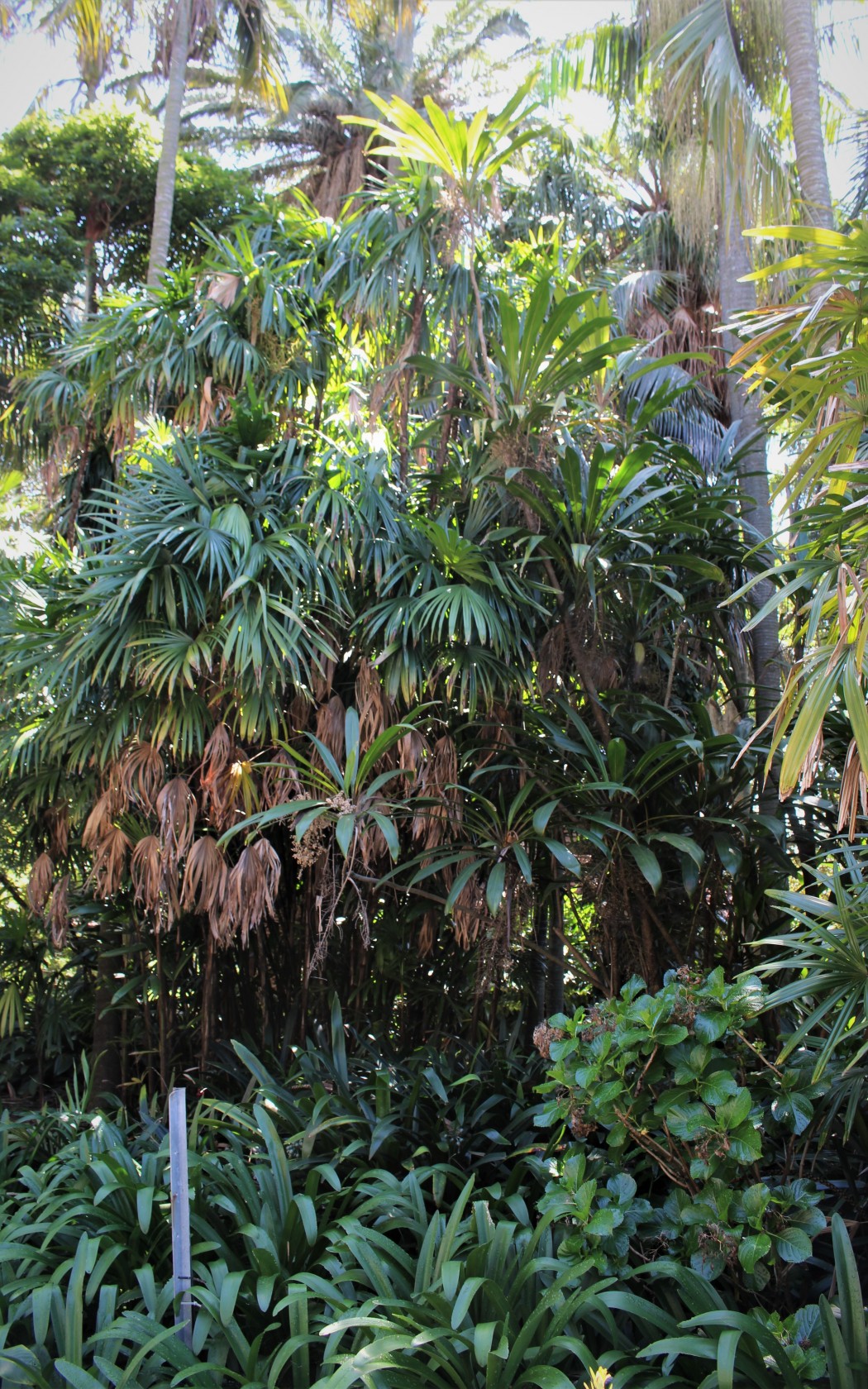
Rhapis palms have been cultivated for centuries, as early as 17th century in China and Japan then slowly spread to Europe and America. Like its close relative Rhapis excelsa there really is no known wild specimens of the palm. Rhapis humilis does well indoors and gardens with plenty of shade and shelter from winds. Tolerating a fair amount of cold it still does best outdoors in the tropics with shade. Forming dense bamboo-like clumps with the trunks covered with dark, fibrous square net and leaf sheaths looking like hairy bamboo canes. Being slow growing it can take 10 years or more to reach maturity.
It should be noted that most R. humilis in cultivation are male plants and do not set seed.
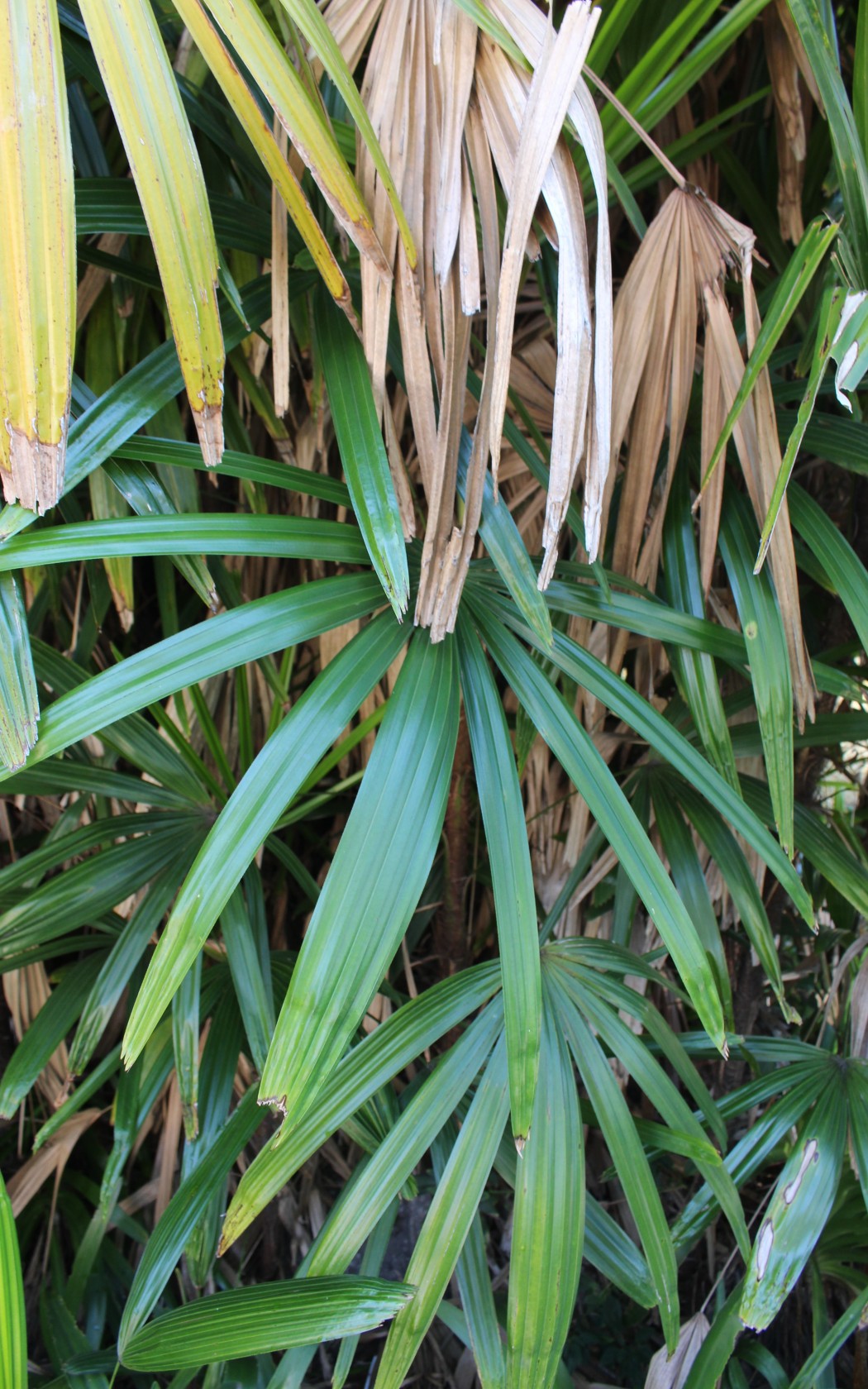
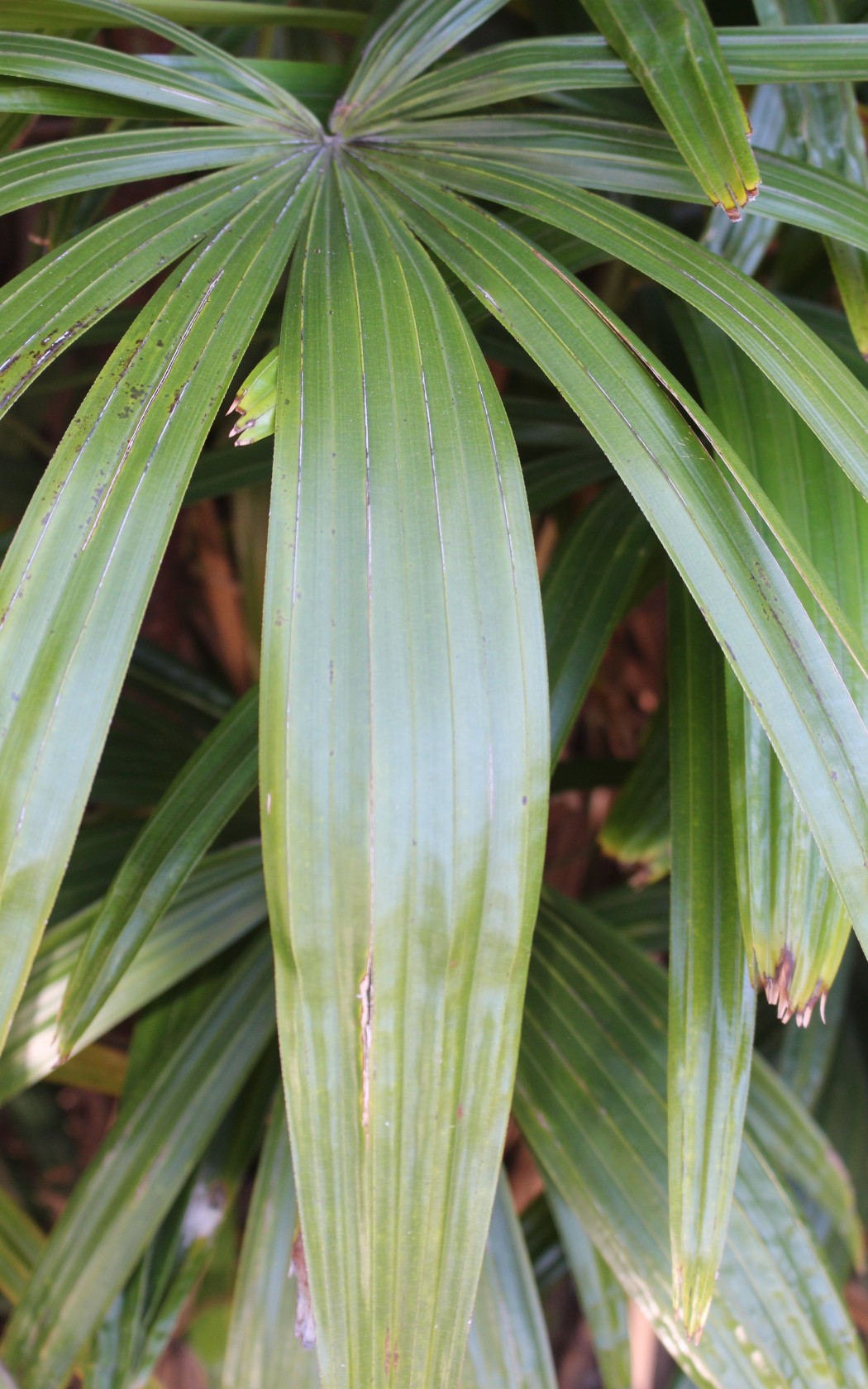
The fronds are a similar size to Rhapis excelsa but are divided into more segments, from 8-22 pinnae with 16-36 folds in the pinnae and droop, giving a slight weeping, graceful affect.
Gained the Royal Horticultural Society's Award of Garden Merit.
Propagation Notes
Rhizomes
For field collected stock, choose small to medium clumps. Dig up and remove dried foliage and half of the fronds from each stem on site. Gently plunge, wash soil from the roots. Carefully prize apart the root system for each section of the clump or carefully select each section and cut root mass with a sharp serrated bread knife, ensure each section has roots attached and at least 2-4 stems. Drop all sections into a mild solution of Phosacid bath to kill any Phytopthera etc., from the field collection. Drain. Remove damaged roots. Keep moist during preparation.
For nursery stock, remove from the pot. Gently plunge, wash soil from the roots. Carefully divide and cut with a sharp serrated knife down through the root system for each clump, ensure each section has roots attached and at least 2-4 stems. Remove remove dried foliage and half of the fronds from each stem along with any damaged roots.
Premium Potting Mix
Keep hydrated during prep. Pot up. In cooler areas place in a hothouse, maintain environment between 50-75% humidity and temperature between 20-34° C. Once rooting has taken place they can be hardened off and placed in a shadehouse. In warmer areas or if division is done in the warmer months the pots can be placed directly in a shadehouse.
Strike Rate:- Field Stock 80 – 90%
Nursery Stock 95 - 99%
Rooting time:- Field Stock 10 - 16 weeks
Nursery Stock 8 - 12 weeks
Division Yield per 300mm Pot:- 3 - 8 plants
Pot Mix:- Premium Potting Soil
As most palms in cultivation of this species is usually one or the other of the sexes, seed is very uncommon, so division or tissue culture is the main form of propagation
Tissue Culture
Tissue culture The most productive method of propagation is by tissue culture in specialised facilities. Preparation of material for tissue culture is undertaken in specialised facilities that are not in the normal nursey situation, so is not covered in this section.