Archontophoenix cunninghamiana H.Wendl., H.Wendl & Drude
Common name(s): Bangolow Palm, King Palm, Illawara Palm, Piccabben, Piccabeen
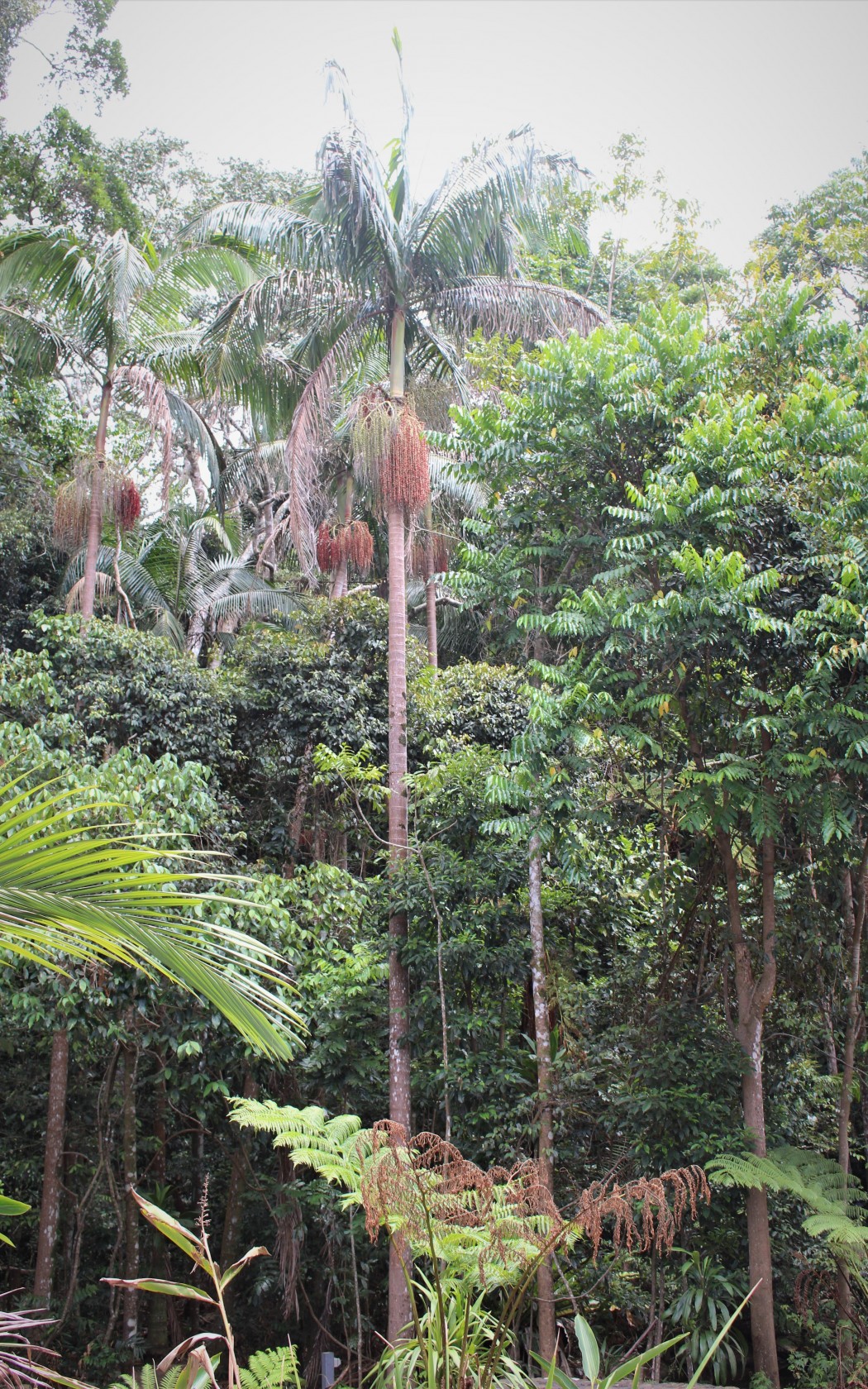
Plant
Plant - Archontophoenix cunninghamiana (H.Wendl., H.Wendl & Drude)
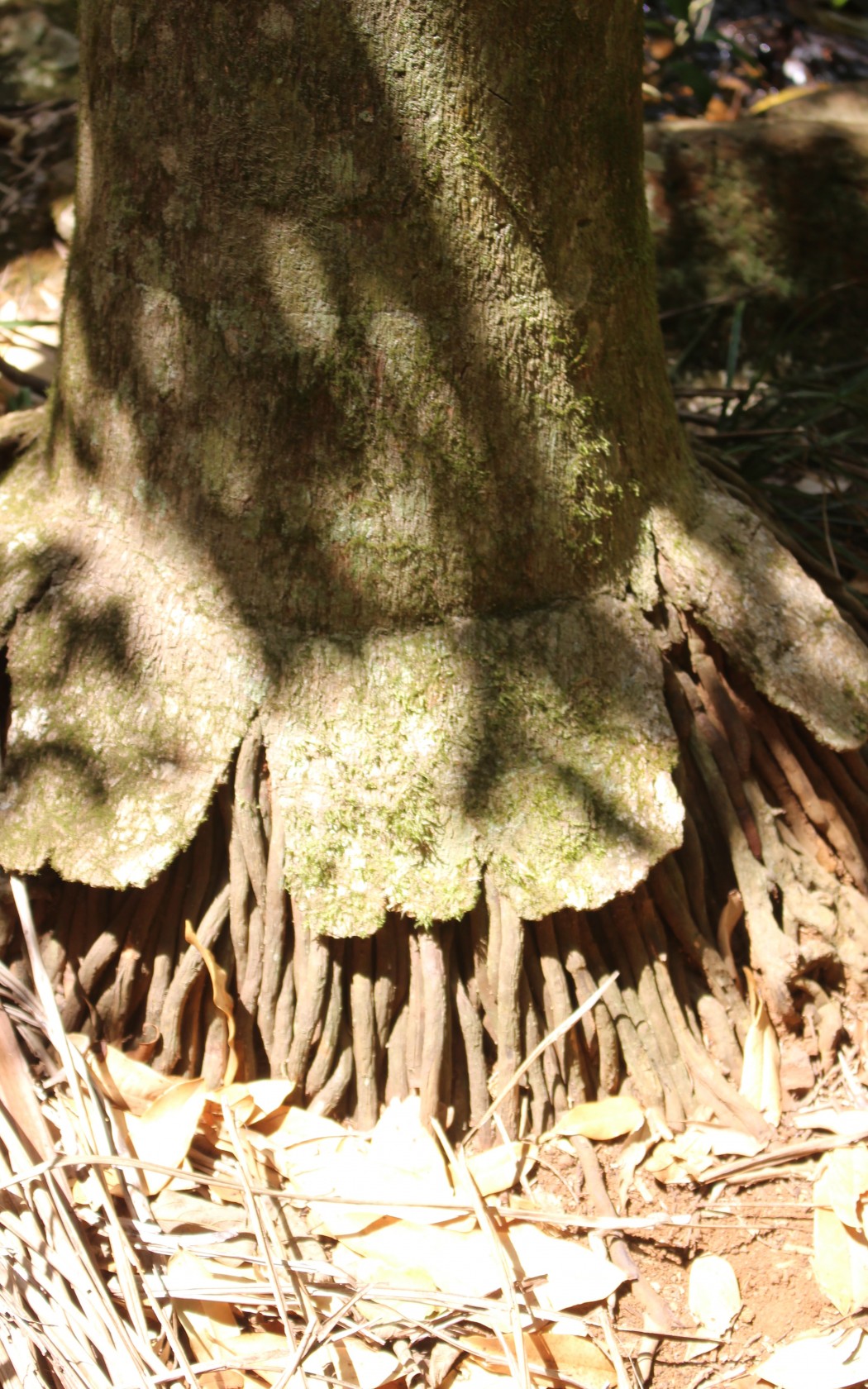
Bark (Lower)
Bark (Lower) - Archontophoenix cunninghamiana (H.Wendl., H.Wendl & Drude)
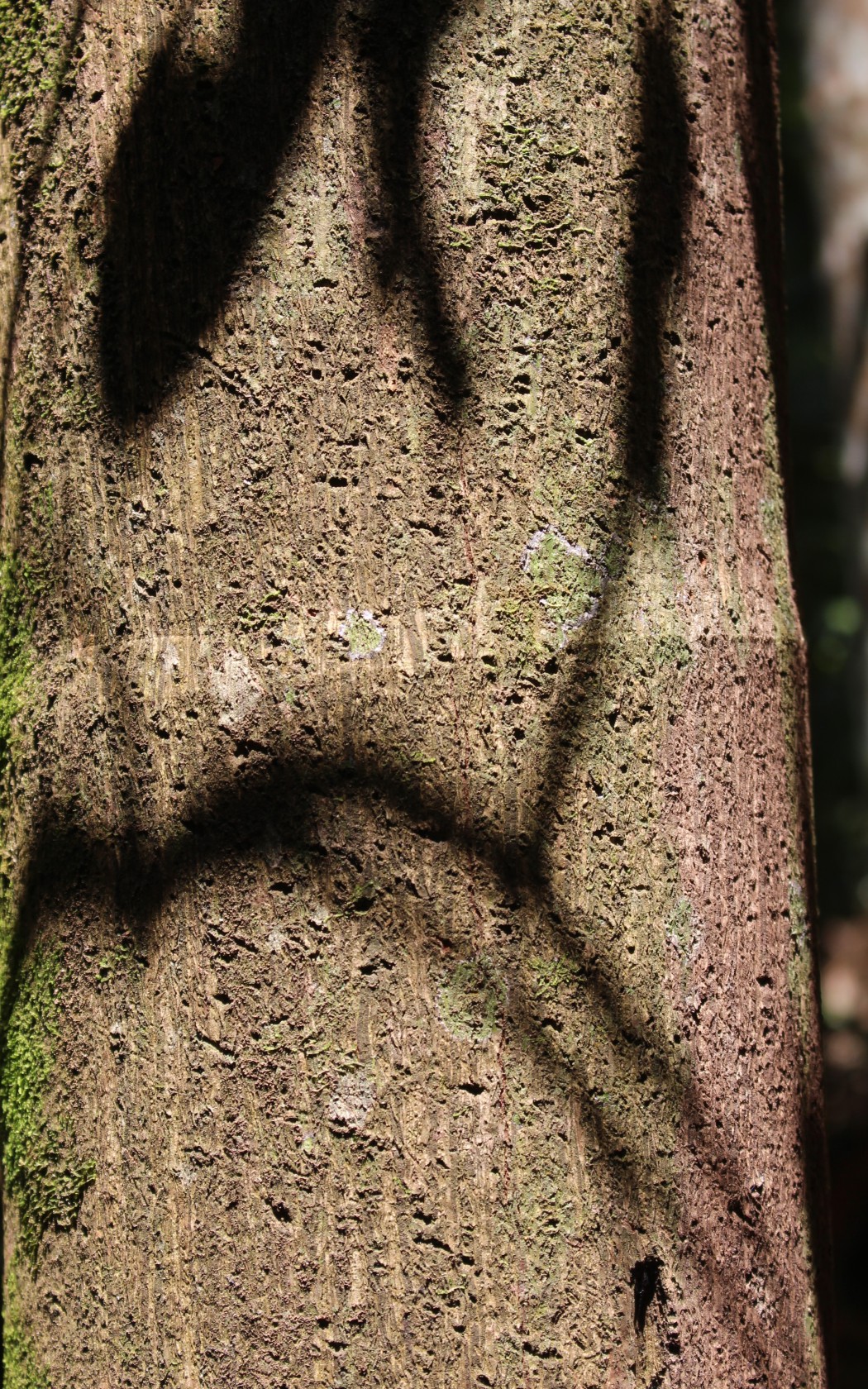
Bark (Lower)
Bark (Lower) - Archontophoenix cunninghamiana (H.Wendl., H.Wendl & Drude)
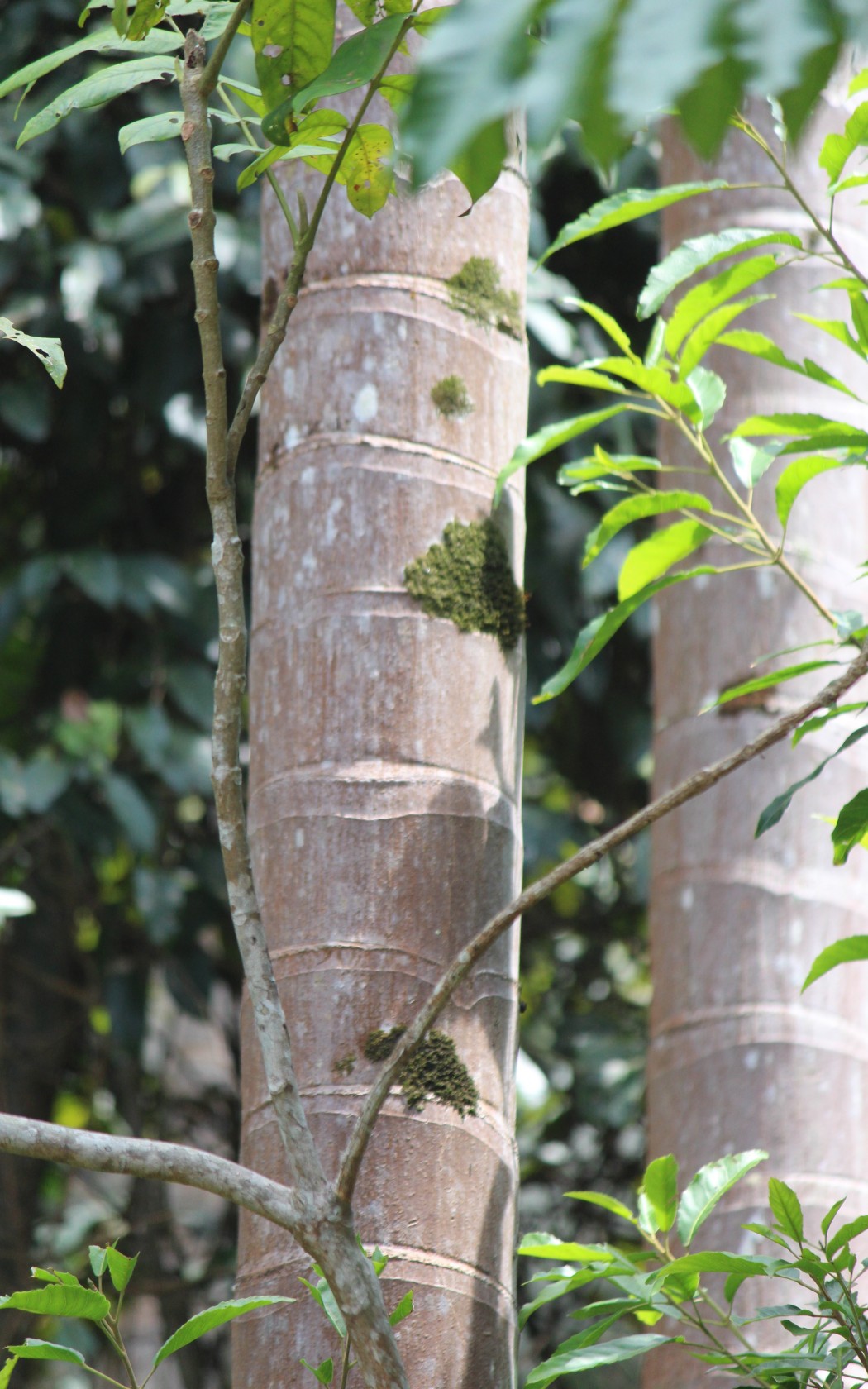
Bark (Upper)
Bark (Upper) - Archontophoenix cunninghamiana (H.Wendl., H.Wendl & Drude)
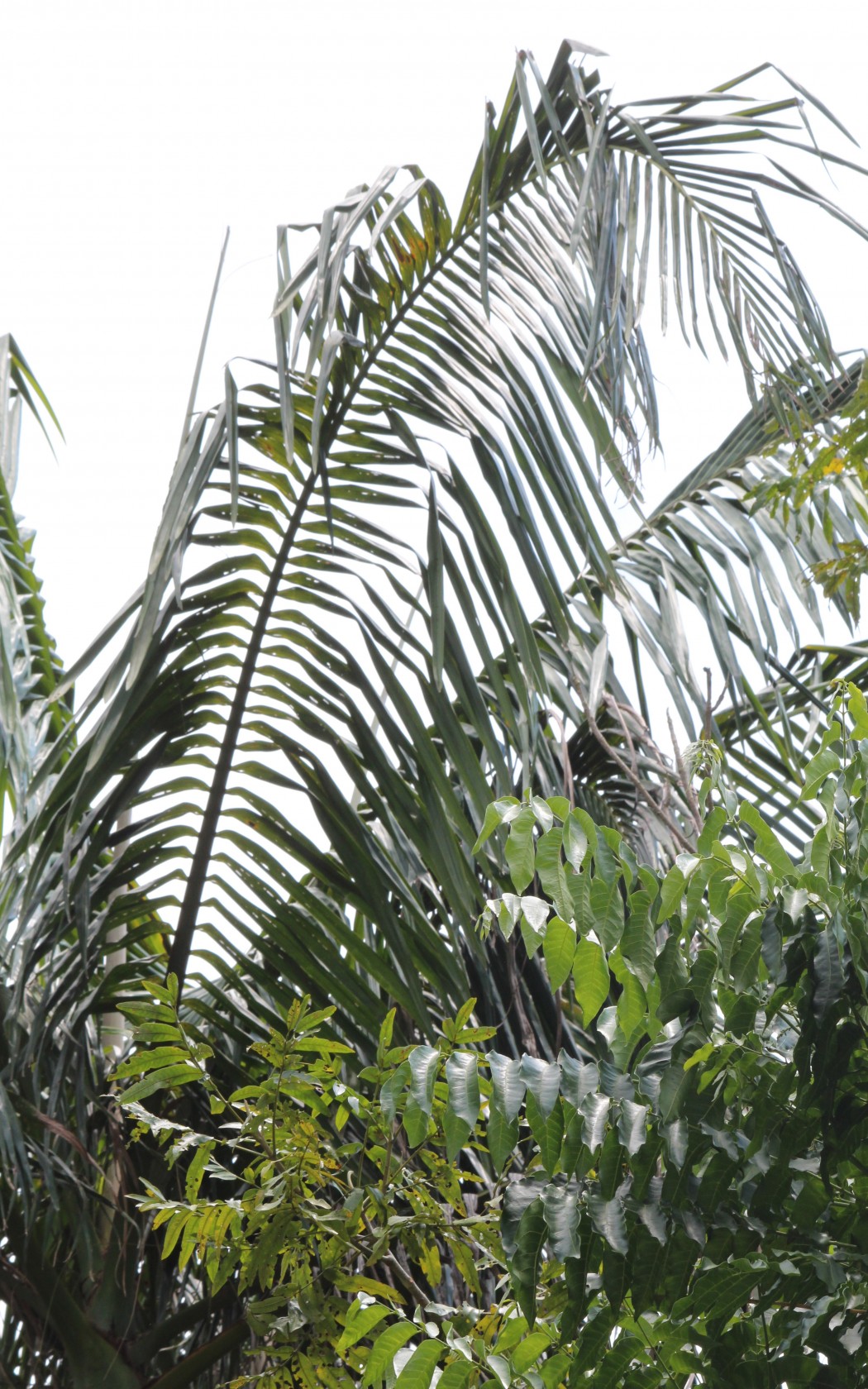
Frond (Back)
Frond (Back) - Archontophoenix cunninghamiana (H.Wendl., H.Wendl & Drude)
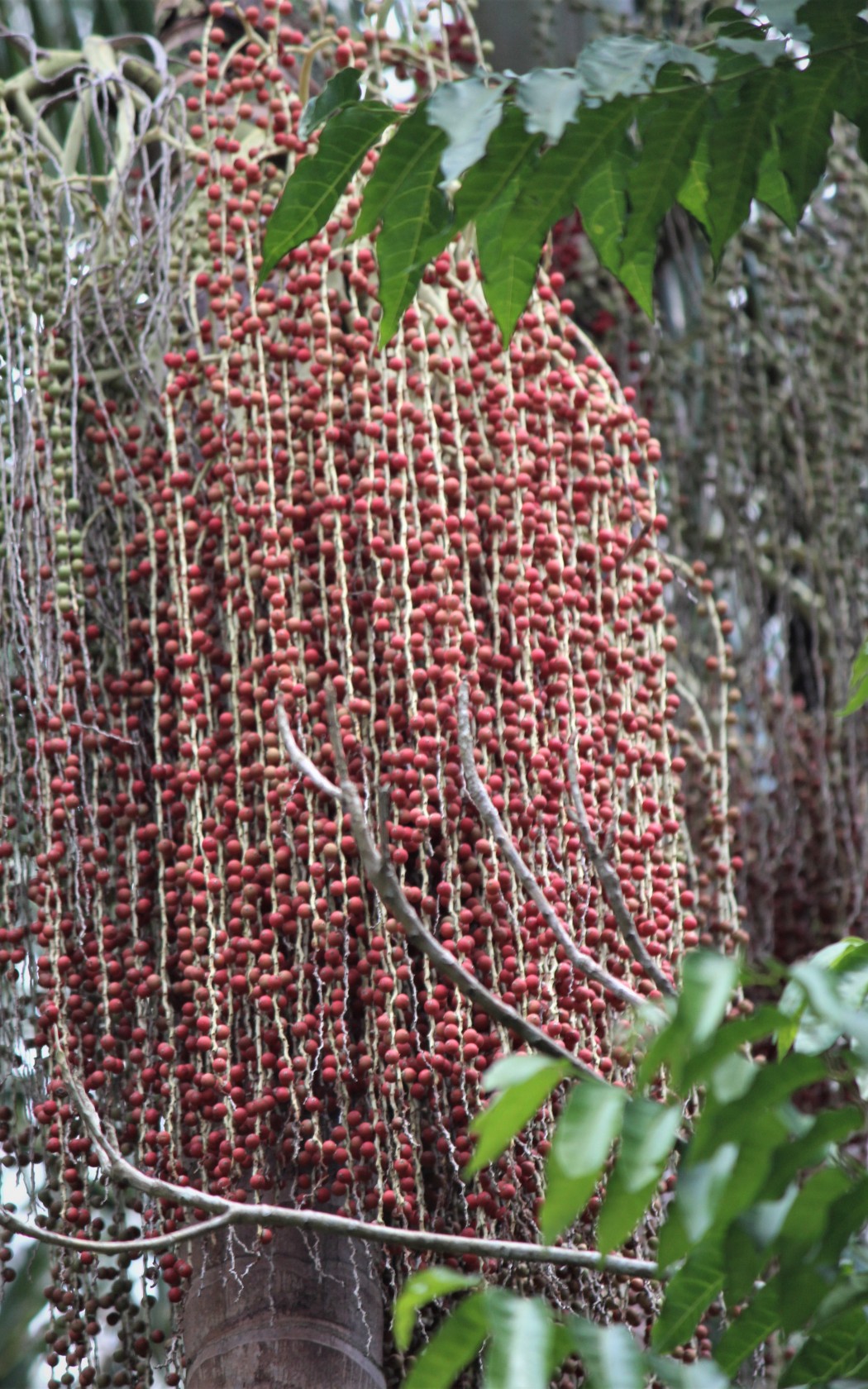
Fruit
Fruit - Archontophoenix cunninghamiana (H.Wendl., H.Wendl & Drude)
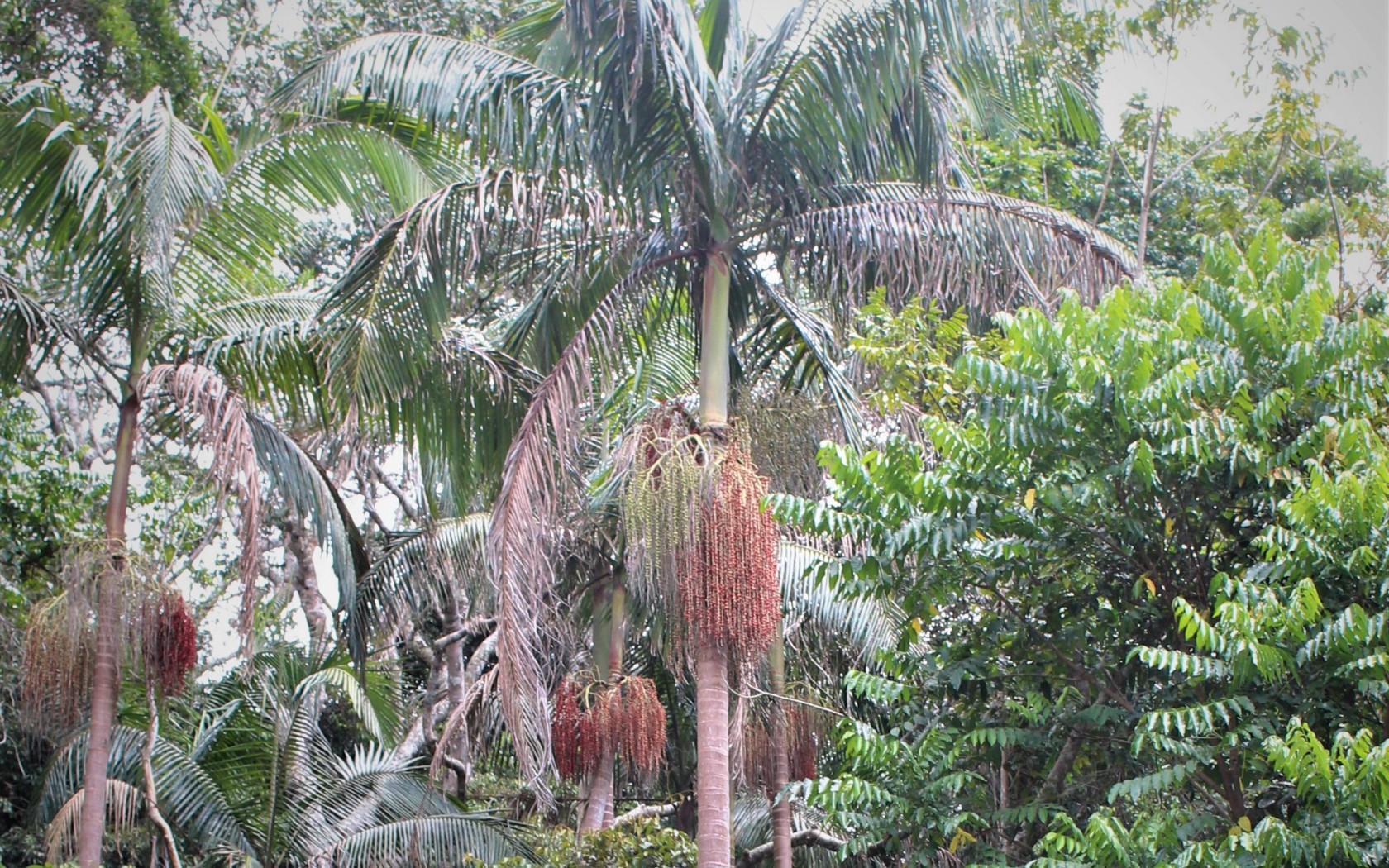
Fruit
Fruit - Archontophoenix cunninghamiana (H.Wendl., H.Wendl & Drude)
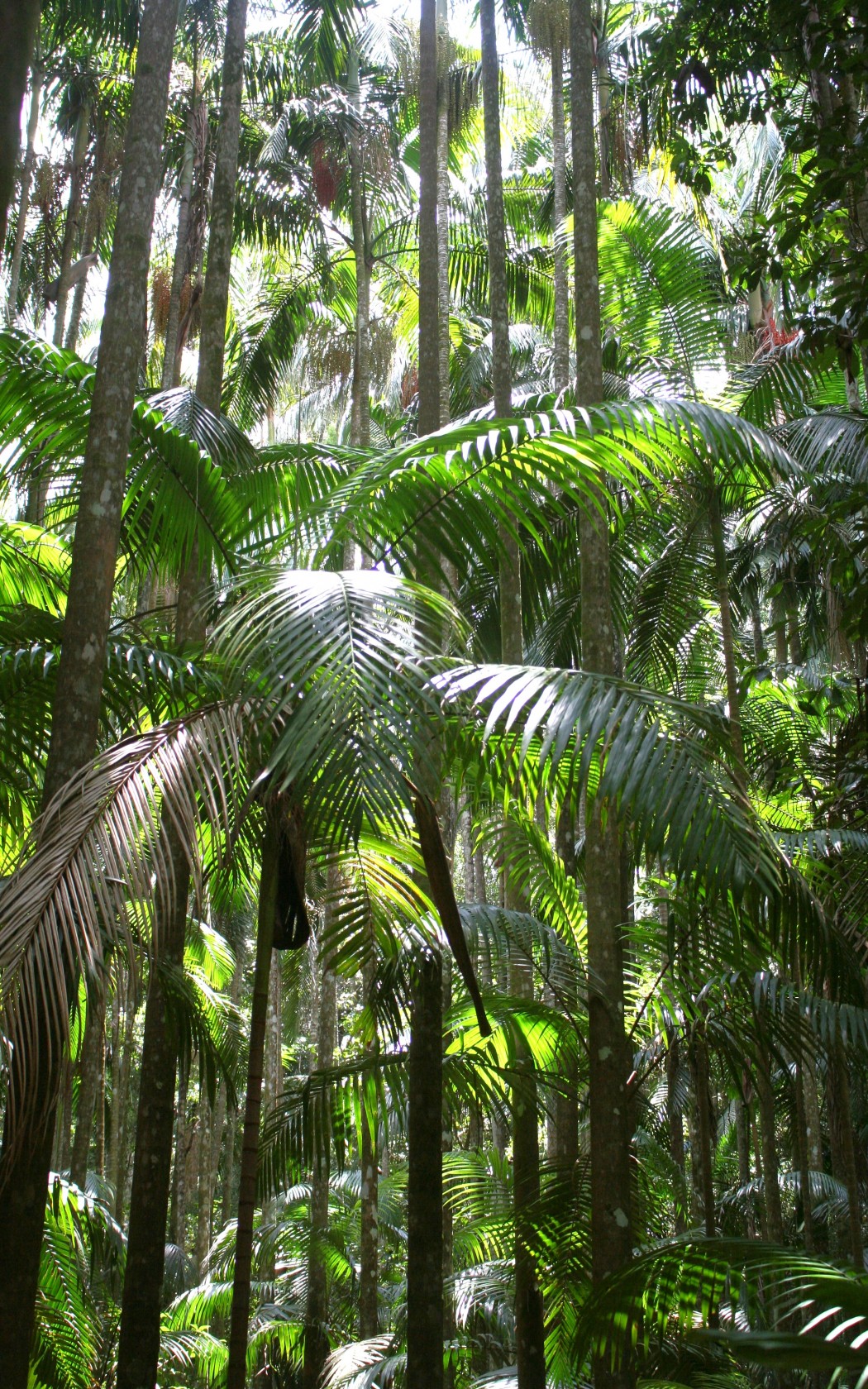
Plant
Plant - Archontophoenix cunninghamiana (H.Wendl., H.Wendl & Drude)
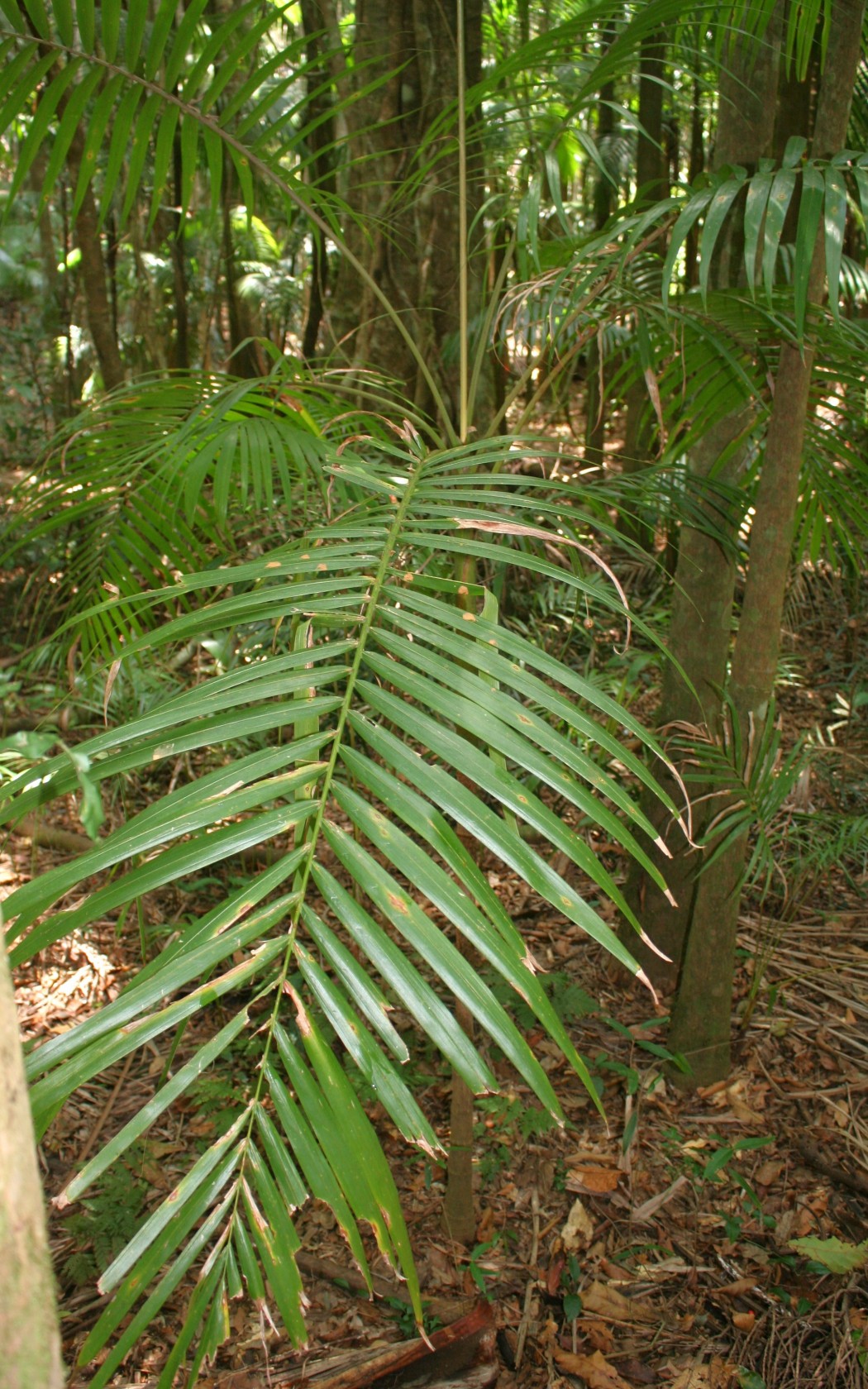
Frond (Front)
Frond (Front) - Archontophoenix cunninghamiana (H.Wendl., H.Wendl & Drude)
Expand all
 Standard Crown - Open
 Glabrous
Glabrous
Glabrous
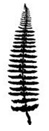 Pinnate / Imparapinnate
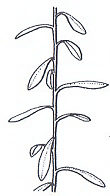 Alternate

 Hairs-fine,
Smooth
Hairs-fine,
Smooth
 Rough / Scabrous
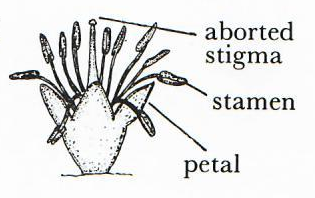 Male Staminate Flower
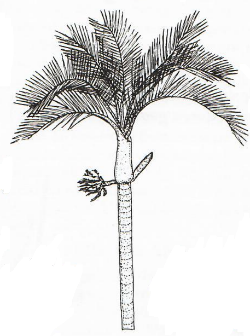 Axillary, Subfoliar / Infrafoliar
Axillary, Subfoliar / Infrafoliar
Axillary, Subfoliar / Infrafoliar
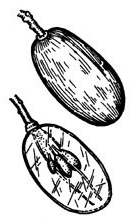 Bacca
Bacca
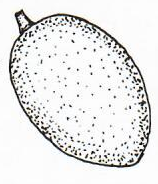
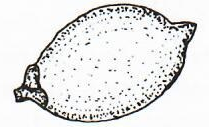 Ellipsoid,
Ovoid
Ellipsoid,
Ovoid
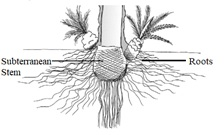 Subterranean Stem/Adventitious Root

 Wet,
Moist
Wet,
Moist
 None
None
Palm / Palm Ally Properties
Origin(s)
Plant Type
Climate Range(s) - Habitat
Aspect Range(s)
Habitat Range(s)
Habitat Zone(s)
Mature Height
Mature Width
Growth Rate
Plant Shape
Standard Crown - Open
Standard Crown - Open
Life Span
Frond Properties
Frond Colour(s) (front)
Frond Colour(s) (back)
Frond Texture (front)
Glabrous
Glabrous
Frond Texture (back)
Glabrous
Glabrous
Frond Length
Frond Aroma
Frond Shapes
Pinnate / Imparapinnate
Pinnate / Imparapinnate
Frond Arrangement
Alternate
Alternate Trunk / Stem Properties
Colour(s) (Upper/Crown Shaft)
Colour(s) (Base)
Texture (Upper)
Hairs-fine
Smooth
Hairs-fine,
Smooth
Texture (Base)
Rough / Scabrous
Rough / Scabrous
Corky
Corky
Inflorescence (Flower) Properties
Gender: Male
Flowering Time (start)
Colour(s)
Flower Shape(s)
Male Staminate Flower
Male Staminate Flower
Aroma(s)
Arrangements
Axillary, Subfoliar / Infrafoliar
Axillary, Subfoliar / Infrafoliar
Pollinator(s)
Gender: Female
Flowering Time (start)
Colour(s)
Aroma(s)
Arrangements
Axillary, Subfoliar / Infrafoliar
Axillary, Subfoliar / Infrafoliar
Pollinator(s)
Indusia (Fruiting Body) Properties
Type
Bacca
Bacca
Shape(s)
Ellipsoid
Ovoid
Ellipsoid,
Ovoid
Length
Aroma
Root Properties
Type
Subterranean Stem/Adventitious Root
Subterranean Stem/Adventitious Root Soil Properties
Type(s)
pH Range(s)
Condition(s)
Wet
Moist
Wet,
Moist
Fertile
,
Deep
,
Well Drained
Fertile,
Deep,
Well Drained
Salinities
None
None Other Properties / Uses
Bee Attraction
Bird Attraction
Butterfly Attraction
Frog Habitat
Coastal
Edible(s)
Fire Retarding
Drought Tolerance
Frost Tolerance
Smog Tolerance
Snow Tolerance
Landscape Use
Special Purpose(s)
Weed Potential(s)
General Notes
A very stately, self cleaning palm with arching fronds. Growing naturally on creek banks, gullies and moist areas. With their mass of cord-like roots in a tight colony they are important in reducing erosion on creek banks. Renowned for their ability to withstand strong winds and cyclones. Planted in groups they make an excellent display in garden or landscape.
The cabbage or leaf base was eaten by the Aborigines and early settlers and is apparently very tasty, though ususally meaning the death of the tree in harvesting.