Bismarckia nobilis Hildebrandt & H. Wendl.
Common name(s): Bismarck Palm, Silver Bismarck Palm
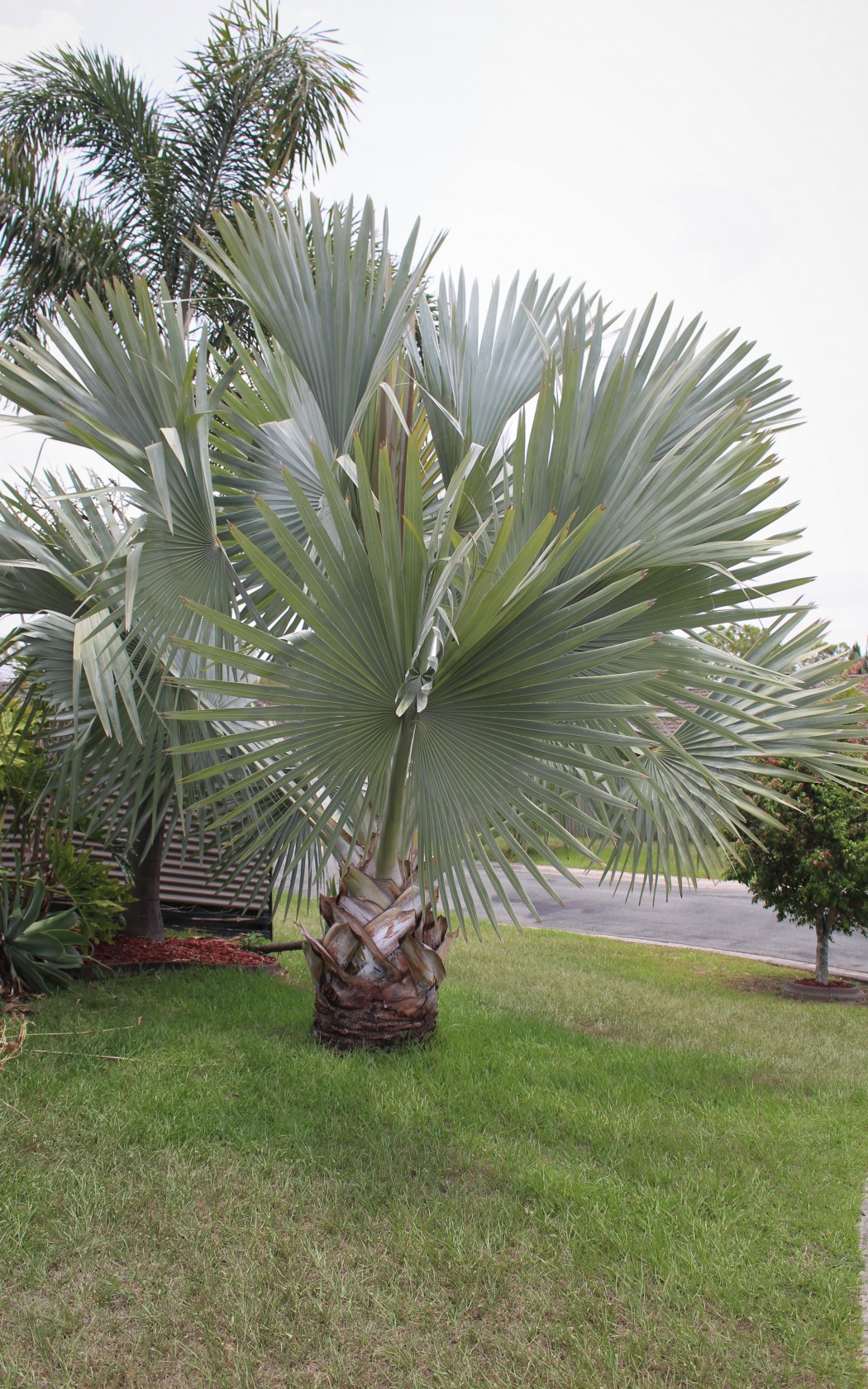
Plant
Plant - Bismarckia nobilis (Hildebrandt & H. Wendl.)
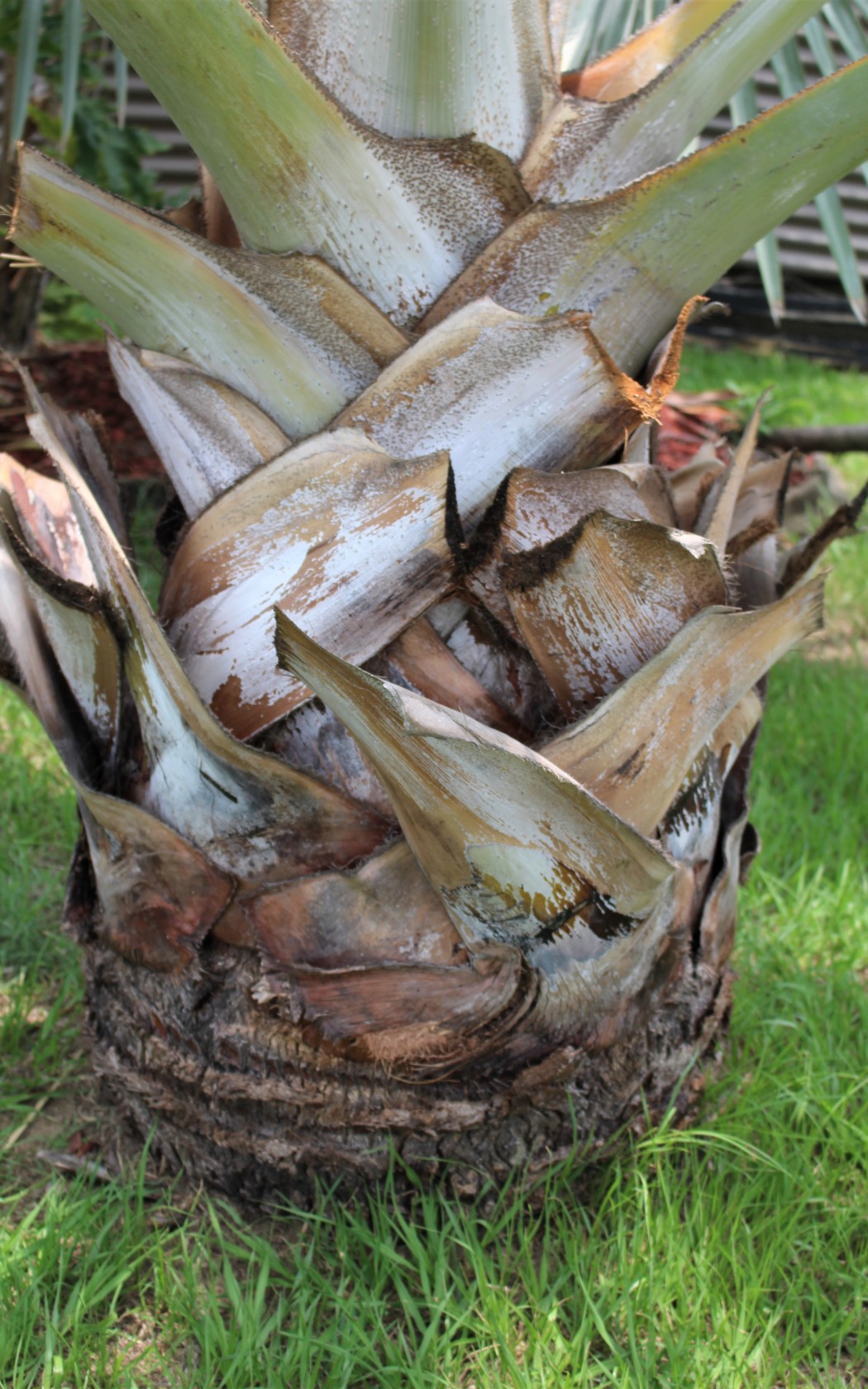
Bark (Lower)
Bark (Lower) - Bismarckia nobilis (Hildebrandt & H. Wendl.)
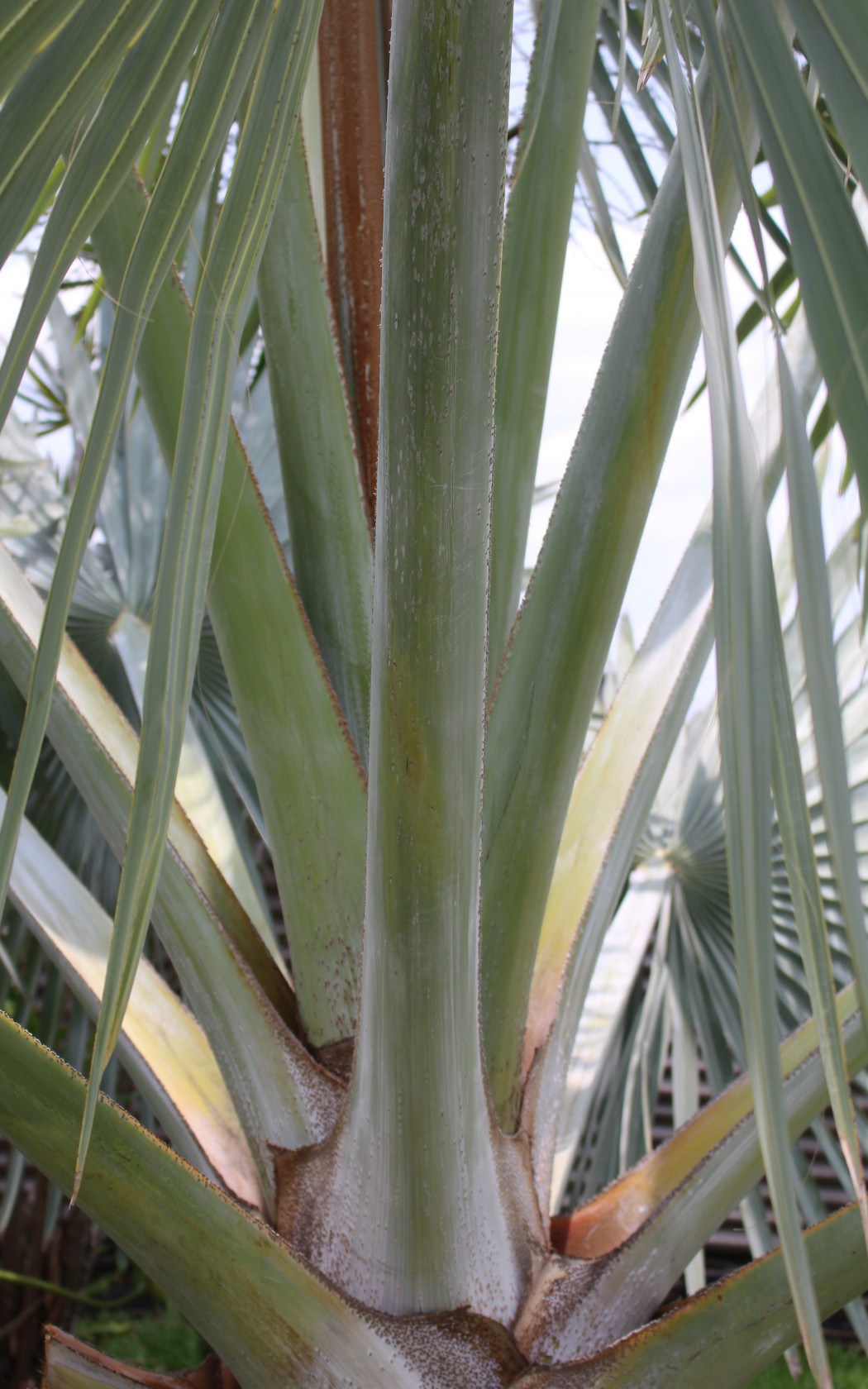
Bark (Upper)
Bark (Upper) - Bismarckia nobilis (Hildebrandt & H. Wendl.)
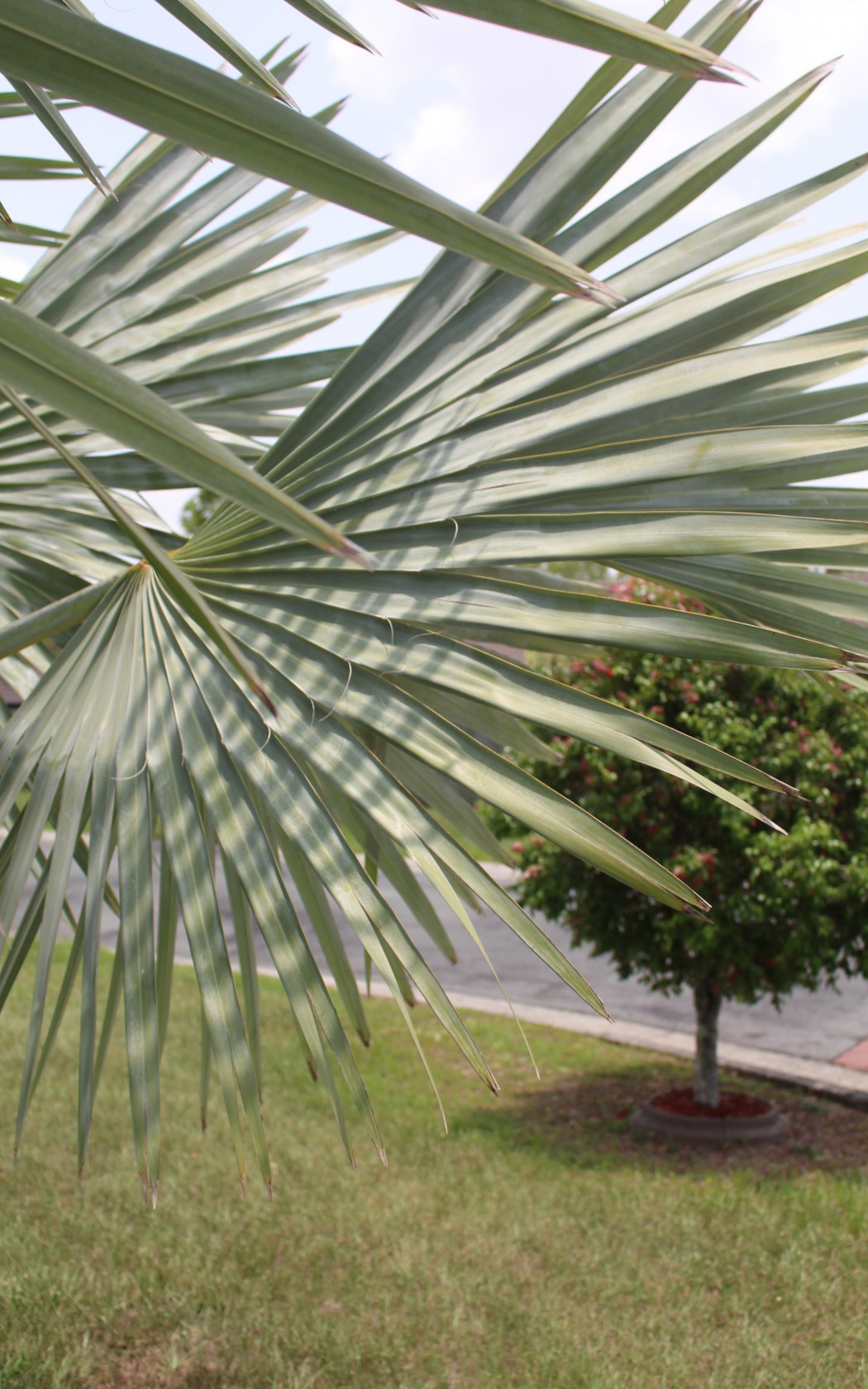
Frond
Frond - Bismarckia nobilis (Hildebrandt & H. Wendl.)
Expand all
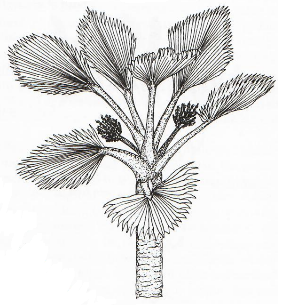
 Standard Crown - Dense
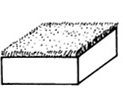
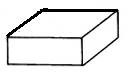 Canescent,
Glabrous
Canescent,
Glabrous
Canescent,
Glabrous
Canescent,
Glabrous
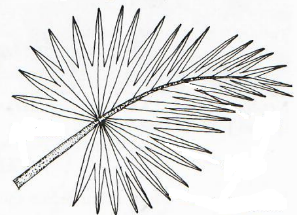 Costapalmate
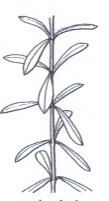 Whorled
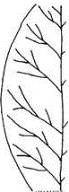 Entire
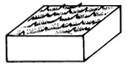 Rough / Scabrous
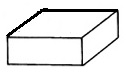
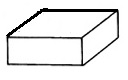 Glabrous,
Waxy
Glabrous,
Waxy
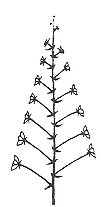 Axillary, Interfoliar Short,
Raceme
Axillary, Interfoliar Short,
Raceme
Axillary, Interfoliar Short,
Raceme
Axillary, Interfoliar Short,
Raceme
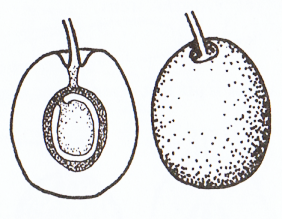 Drupe
Drupe
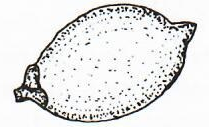 Ovoid
Ovoid
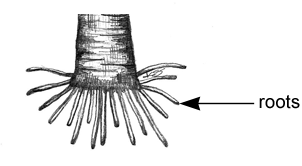 Surface Adventitious Root
 Moist
Moist
 Slight - Moderate
Palm / Palm Ally Properties
Origin(s)
Plant Type
Climate Range(s) - Habitat
Aspect Range(s)
Habitat Range(s)
Habitat Zone(s)
Mature Height
Mature Width
Growth Rate
Plant Shape
Standard Crown - Dense
Standard Crown - Dense
Life Span
Frond Properties
Frond Colour(s) (front)
Frond Colour(s) (back)
Frond Texture (front)
Canescent
Glabrous
Canescent,
Glabrous
Frond Texture (back)
Canescent
Glabrous
Canescent,
Glabrous
Frond Length
Frond Width
Frond Aroma
Frond Shapes
Costapalmate
Costapalmate
Frond Arrangement
Whorled
Whorled
Fan Frond Margin
Entire
Entire Trunk / Stem Properties
Colour(s) (Upper/Crown Shaft)
Colour(s) (Base)
Texture (Upper)
Rough / Scabrous
Rough / Scabrous
Coarse
,
Fibrous
Coarse,
Fibrous
Texture (Base)
Glabrous
Waxy
Glabrous,
Waxy Inflorescence (Flower) Properties
Gender: Male
Flowering Time (start)
Flowering Time (end)
Colour(s)
Aroma(s)
Arrangements
Axillary, Interfoliar Short
Raceme
Axillary, Interfoliar Short,
Raceme
Pendulous
Pendulous
Male and Female Flowers Borne
Gender: Female
Flowering Time (start)
Flowering Time (end)
Colour(s)
Aroma(s)
Arrangements
Axillary, Interfoliar Short
Raceme
Axillary, Interfoliar Short,
Raceme
Pendulous
Pendulous
Male and Female Flowers Borne
Indusia (Fruiting Body) Properties
Type
Drupe
Drupe
Shape(s)
Ovoid
Ovoid
Length
Aroma
Root Properties
Type
Surface Adventitious Root
Surface Adventitious Root Soil Properties
Type(s)
pH Range(s)
Condition(s)
Moist
Moist
Fertile
,
Poor
,
Shallow
,
Deep
,
Well Drained
Fertile,
Poor,
Shallow,
Deep,
Well Drained
Salinities
Slight - Moderate
Slight - Moderate
Waterlogging Class
Other Properties / Uses
Bird Attraction
Butterfly Attraction
Frog Habitat
Coastal
Edible(s)
Fire Retarding
Drought Tolerance
Frost Tolerance
Smog Tolerance
Snow Tolerance
Landscape Use
Special Purpose(s)
General Notes
The only palm in the Genus. A large, very striking palm with large silvery-grey leaves. It makes a stunning display in the garden but does require a fair amount of space, especially when young. The large agressive root system can be a problem close to buildings and pipe work. A green leaf form is available but it isn't as hardy and doesn't like low temperatures. Unfortunately the palm does not do well when dug up and relocated.
Named after General Otto von Bismarck (1815-1898), first Chancellor of the German Empire.
In its natural environment the indigenous people use the trunk for planks, leaves for roofing and basketry, with the pith used as a slightly bitter sago.