Loading...

Bismarckia nobilis Hildebrandt & H. Wendl.

Common name(s): Bismarck Palm, Silver Bismarck Palm
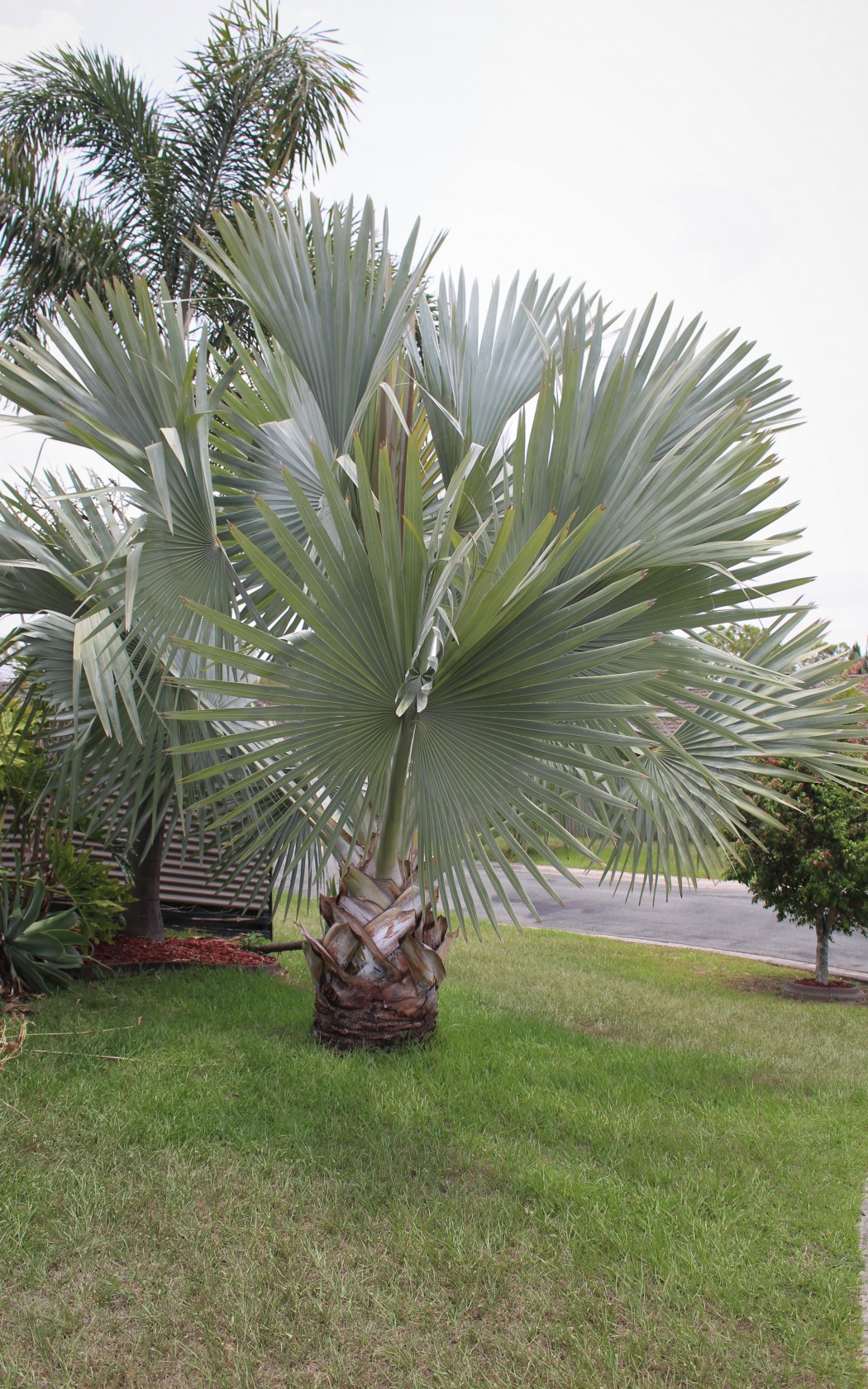
Family: Arecaceae (Palmae) Synonym(s): Medemia nobilis 'Silver' Hildebrandt & H. Wendl., Bismarckia nobilis 'Silver Select'
Plant
Plant
Taken by Ken Harrington
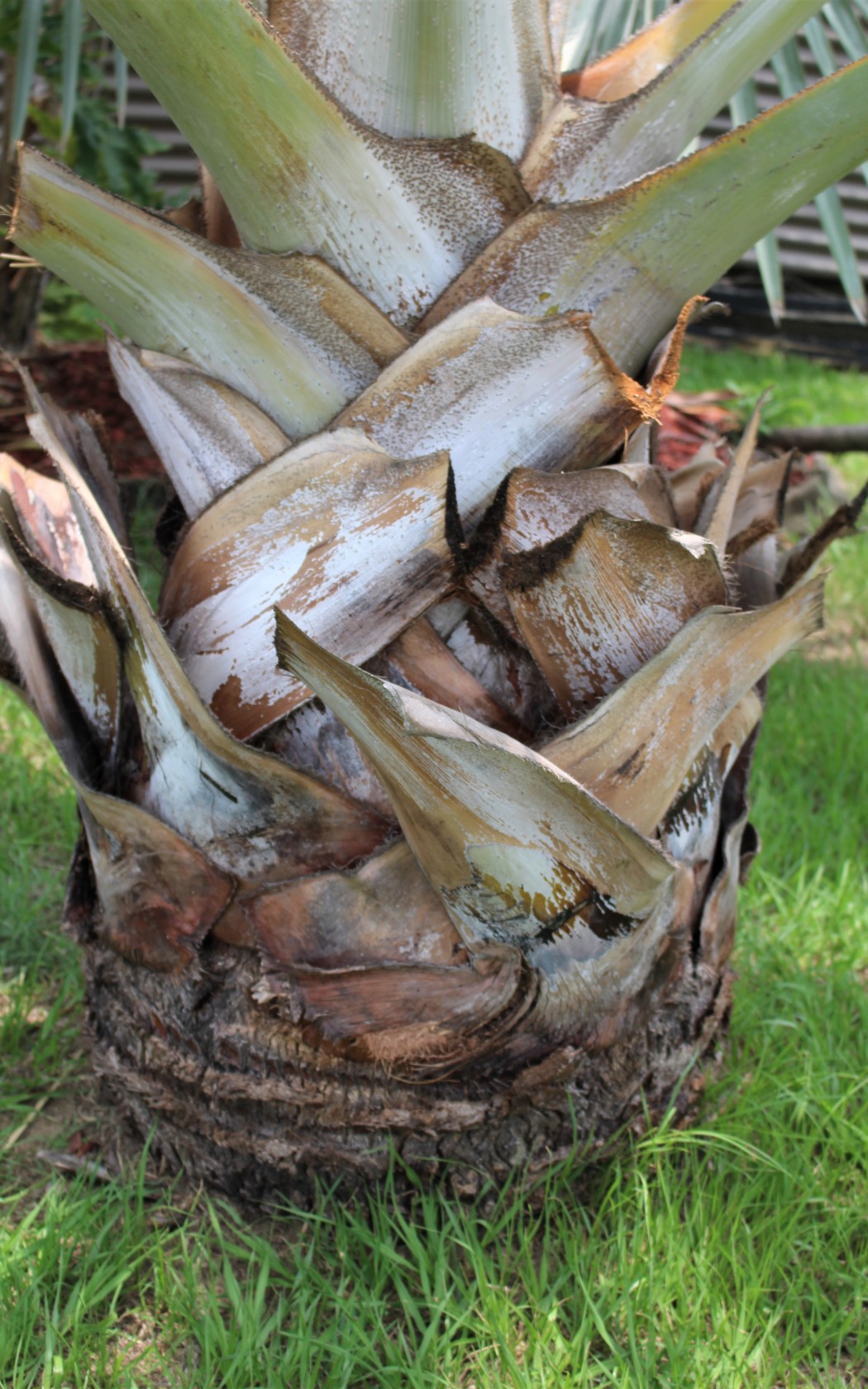
Bark_lower
Bark (Lower)
Taken by Ken Harrington
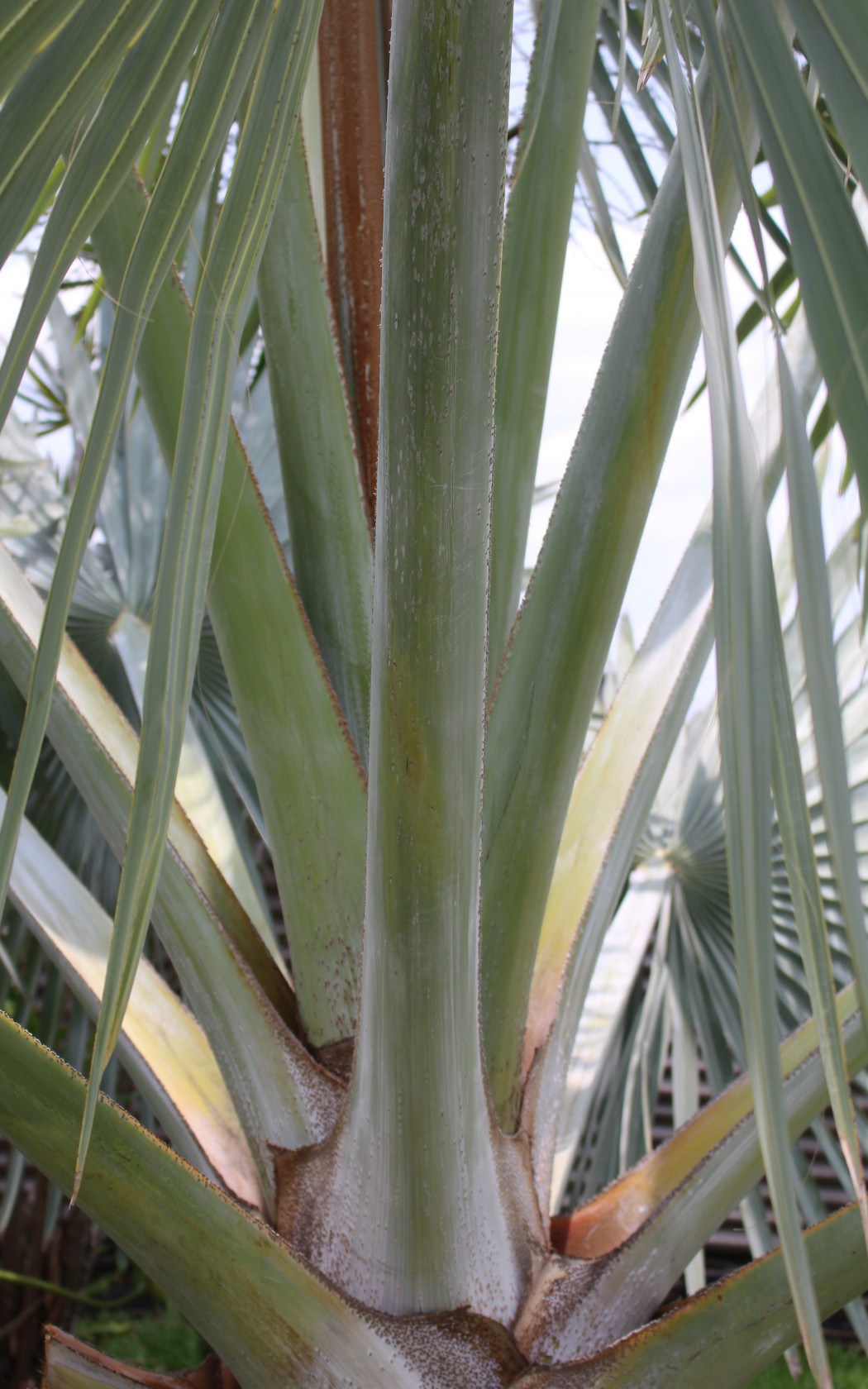
Bark_upper
Bark (Upper)
Taken by Ken Harrington
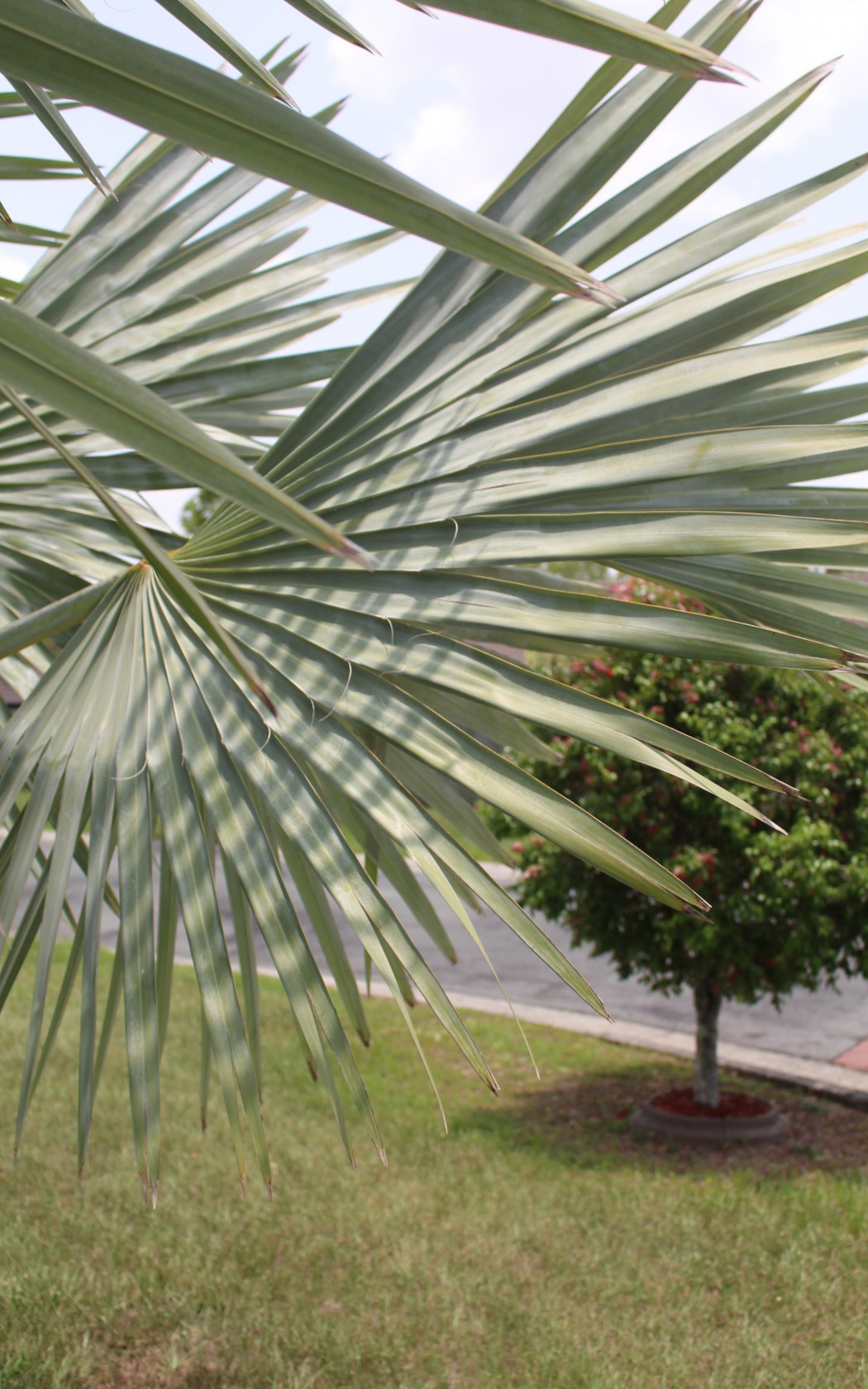
Frond
Frond
Taken by Ken Harrington
Expand all
Palm / Palm Ally Properties
Origin(s)
Madagascar
  • Madagascar: Indigenous
Plant Type
Frond Self Cleaning, Palm Fan-leaved, Solitary
Frond Self Cleaning,
Palm Fan-leaved,
Solitary
Climate Range(s) - Habitat
Oceanic, Temperate Warm, Mediterranean, Tropical-Sub, Tropical, Tropical Wet & Dry / Savanna
Oceanic,
Temperate Warm,
Mediterranean,
Tropical-Sub,
Tropical,
Tropical Wet & Dry / Savanna
Aspect Range(s)
Sun - Full, Shade - Light
Sun - Full,
Shade - Light
Habitat Range(s)
Forest - Grassy, Grasslands
Forest - Grassy,
Grasslands
Habitat Zone(s)
Dry Slopes, Exposed, Garden, Hill Sides, Landscape, Moist Slopes, Plains, Rocky, Scattered, Well drained
Dry Slopes,
Exposed,
Garden,
Hill Sides,
Landscape,
Moist Slopes,
Plains,
Rocky,
Scattered,
Well drained
Mature Height
10-15m, 20-25m
10-15m,
20-25m
Mature Width
5-6m, 6-7m
5-6m,
6-7m
Growth Rate
Slow, Moderate
Slow,
Moderate
Plant Shape
Standard Crown - Dense
Standard Crown - Dense Standard Crown - Dense
Life Span
50-100yrs
50-100yrs
Frond Properties
Frond Colour(s) (front)
Grey, Silver-grey
Grey,
Silver-grey
Frond Colour(s) (back)
Grey, Silver-grey
Grey,
Silver-grey
Frond Texture (front)
Canescent
Canescent
Glabrous
Glabrous
Canescent Canescent,
Glabrous Glabrous
Frond Texture (back)
Canescent
Canescent
Glabrous
Glabrous
Canescent Canescent,
Glabrous Glabrous
Frond Length
3-3.5m
3-3.5m
Frond Width
2.5-3m
2.5-3m
Frond Aroma
None
None
Frond Shapes
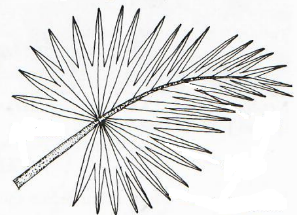
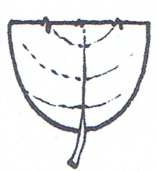
Costapalmate
Costapalmate
Costapalmate Costapalmate
Frond Arrangement
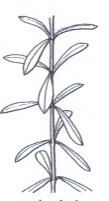
Whorled
Whorled
Whorled Whorled
Frond Attachment
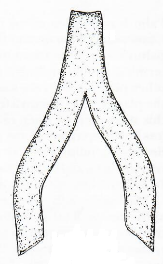
Split Sheath
Split Sheath
Split Sheath Split Sheath
Fan Frond Margin
Entire
Entire
Entire Entire
Fan Frond Cross Section
Pleated / Folded
Pleated / Folded
Pleated / Folded Pleated / Folded
Fan Frond Apice(s)
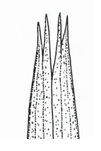
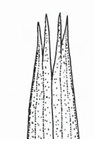
Acute Narrowly
Acute Narrowly
Pronged
Pronged
Acute Narrowly Acute Narrowly,
Pronged Pronged
Fan Frond Base
Obtuse
Obtuse
Obtuse Obtuse
Fan Frond Venation
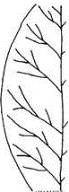
Palmate
Palmate
Palmate Palmate
Pinnae Arrangement
Fan
Fan
Fan Fan
Pinnule Apice(s) (Leaflet)
Pronged
Pronged
Pronged Pronged
Pinnule Margin(s) (Leaflet)
Entire
Entire
Entire Entire
Pinnule Cross Section(s) (Leaflet)
Induplicate
Induplicate
Induplicate Induplicate
Pinnule Venation (Leaflet)
Parallel
Parallel
Parallel Parallel
Sheath Length(s)
900mm-1m
900mm-1m
Petiole Length
2.5-3m, 3-3.5m
2.5-3m,
3-3.5m
Petiole Texture
Hairs-short
Hairs-short
Scaly
Scaly
Waxy
Waxy
Woolly / Lanate
Woolly / Lanate
Hairs-short Hairs-short,
Scaly Scaly,
Waxy Waxy,
Woolly / Lanate Woolly / Lanate
Spines-sharp , Spines-short
Spines-sharp,
Spines-short
Trunk / Stem Properties
Colour(s) (Upper/Crown Shaft)
Grey
Grey
Colour(s) (Base)
Brown Light, Grey, Grey-brown
Brown Light,
Grey,
Grey-brown
Texture (Upper)
Rough / Scabrous
Rough / Scabrous
Rough / Scabrous Rough / Scabrous
Coarse , Fibrous
Coarse,
Fibrous
Texture (Base)
Glabrous
Glabrous
Waxy
Waxy
Glabrous Glabrous,
Waxy Waxy
Cross Section
Terete
Terete
Terete Terete
Diameter
250-300mm, 300-350mm, 350-400mm, 400-450mm
250-300mm,
300-350mm,
350-400mm,
400-450mm
Length
10-11m, 11-12m, 12-13m, 13-14m
10-11m,
11-12m,
12-13m,
13-14m
Features
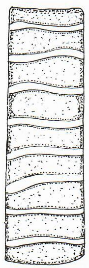
Distinct Growth Rings, Smooth Trunk
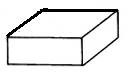
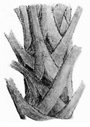
Persistent Split Leaf Bases
Distinct Growth Rings, Smooth Trunk Distinct Growth Rings, Smooth Trunk,
Persistent Split Leaf Bases Persistent Split Leaf Bases
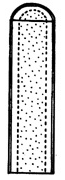
Construction
Pith Continuous
Pith Continuous
Pith Continuous Pith Continuous
Inflorescence (Flower) Properties
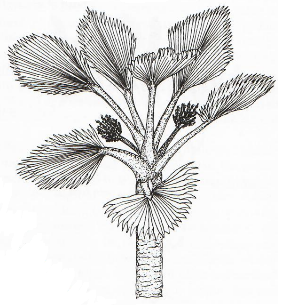
Gender: Male
Flowering Time (start)
Spring Early
Spring Early
Flowering Time (end)
Summer Late
Summer Late
Colour(s)
Brown
Brown
Aroma(s)
None
None
Arrangements
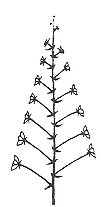
Axillary, Interfoliar Short
Raceme
Raceme
Axillary, Interfoliar Short Axillary, Interfoliar Short,
Raceme Raceme
Pendulous
Pendulous
Arrangement Size(s)
1-1.25m
1-1.25m
Male and Female Flowers Borne
On Separate Plant
On Separate Plant
Gender: Female
Flowering Time (start)
Spring Early
Spring Early
Flowering Time (end)
Summer Late
Summer Late
Colour(s)
Brown
Brown
Aroma(s)
None
None
Arrangements
Axillary, Interfoliar Short
Raceme
Raceme
Axillary, Interfoliar Short Axillary, Interfoliar Short,
Raceme Raceme
Pendulous
Pendulous
Arrangement Size(s)
1-1.25m
1-1.25m
Male and Female Flowers Borne
On Separate Plant
On Separate Plant
Indusia (Fruiting Body) Properties
Type
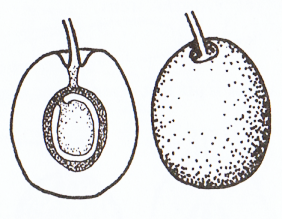
Drupe
Drupe
Drupe Drupe
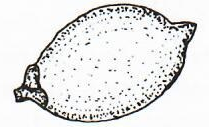
Shape(s)
Ovoid
Ovoid
Ovoid Ovoid
Outer Colour(s)
Brown
Brown
Outer Texture
Smooth
Smooth
Wrinkled
Wrinkled
Smooth Smooth,
Wrinkled Wrinkled
Length
25-30mm
25-30mm
Aroma
None
None
Seed Properties
Type
Nutlet
Nutlet
Nutlet Nutlet
Shape(s)
Ovoid
Ovoid
Ovoid Ovoid
Texture(s)
Ridged
Ridged
Size
30-40mm
30-40mm
Seed Dispersal
Animals, Birds, Gravity
Animals,
Birds,
Gravity
Seed Number
1
Root Properties
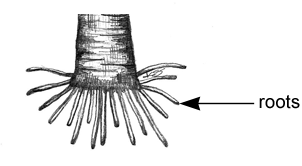
Type
Surface Adventitious Root
Surface Adventitious Root Surface Adventitious Root
Texture
Coarse , Cord-like , Pliable , Stiff
Coarse,
Cord-like,
Pliable,
Stiff
Colour(s)
Brown Light, Grey-brown
Brown Light,
Grey-brown
Soil Properties
Type(s)
Clay, Clay-loam, Loam, Sandy-loam, Sand, Lateritic, Organic Matter
Clay,
Clay-loam,
Loam,
Sandy-loam,
Sand,
Lateritic,
Organic Matter
pH Range(s)
Acid, Slightly Acid, Neutral, Slightly Alkaline, Alkaline
Acid,
Slightly Acid,
Neutral,
Slightly Alkaline,
Alkaline
Condition(s)
Moist
Moist
Moist Moist
Fertile , Poor , Shallow , Deep , Well Drained
Fertile,
Poor,
Shallow,
Deep,
Well Drained
Salinities
Slight - Moderate
Slight - Moderate
Slight - Moderate Slight - Moderate
Waterlogging Class
W0 – Low tolerance
W0 – Low tolerance
Other Properties / Uses
Bird Attraction
None
None
Butterfly Attraction
None
None
Frog Habitat
None
None
Carbon Sequestration Potential
Low
Low
Wood Density
Low < 600kg/c.m.
Low < 600kg/c.m.
Coastal
2nd Line
2nd Line
Edible(s)
None
None
Fire Regeneration(s)
Seed
Seed
Fire Retarding
None
None
Drought Tolerance
Moderate
Moderate
Frost Tolerance
Moderate
Moderate
Smog Tolerance
Moderate
Moderate
Snow Tolerance
None
None
Indigenous Use(s)
Leaves - Roofing, Thatching, Leaves - Weaving, Basketry, Pith - Eaten cooked, Wood - Construction
Leaves - Roofing, Thatching,
Leaves - Weaving, Basketry,
Pith - Eaten cooked,
Wood - Construction
Landscape Use
Very Good
Very Good
Street Use
Moderate
Moderate
Commercial Use(s)
Horticulture - Amenity
Maintenance(s)
Dead Fronding
Dead Fronding
Pests/Diseases
Palm Weevil (Rhynchophorus spp.), Scale
Palm Weevil (Rhynchophorus spp.),
Scale
Special Purpose(s)
Fire Resistant, Foliage-Interesting, Garden-Foliage, Garden-Mediterranean, Garden-Tropical, Interesting Trunk, Litter Issue - Fruit, Screen, Shade tree-Light, Specimen, Sunny Dry, Sunny Moist, Tolerant-Cockatoo's, Tolerant-Deer, Tolerant-Kangaroo's, Tolerant-Parrot's, Tolerant-Rabbits/Hares
Fire Resistant,
Foliage-Interesting,
Garden-Foliage,
Garden-Mediterranean,
Garden-Tropical,
Interesting Trunk,
Litter Issue - Fruit,
Screen,
Shade tree-Light,
Specimen,
Sunny Dry,
Sunny Moist,
Tolerant-Cockatoo's,
Tolerant-Deer,
Tolerant-Kangaroo's,
Tolerant-Parrot's,
Tolerant-Rabbits/Hares
Dormancy
Winter
Winter
Altitude Range - Habitat
100-200m, 200-300m, 300-400m, 400-500m, 500-600m, 600-700m, 700-800m, 800-900m, 900-1,000m
100-200m,
200-300m,
300-400m,
400-500m,
500-600m,
600-700m,
700-800m,
800-900m,
900-1,000m
Annual Precipitation Range
500mm, 950mm
500mm,
950mm
Propagation
Hot Water Stratified Seed

General Notes

The only palm in the Genus. A large, very striking palm with large silvery-grey leaves. It makes a stunning display in the garden but does require a fair amount of space, especially when young. The large agressive root system can be a problem close to buildings and pipe work. A green leaf form is available but it isn't as hardy and doesn't like low temperatures. Unfortunately the palm does not do well when dug up and relocated.

Named after General Otto von Bismarck (1815-1898), first Chancellor of the German Empire.

In its natural environment the indigenous people use the trunk for planks, leaves for roofing and basketry, with the pith used as a slightly bitter sago.

Propagation Notes

Hot Water Stratified Seed
Flowering
Sep, Oct, Nov
Seed Collecting
Mar, Apr, May, Jun, Jul
Sowing
Sep, Oct, Nov, Dec
Material Preparation

The fruit takes quite a few months to ripen. Pick the fruit when it is brown, off the tree or from off the ground. Peel off the outer flesh or if too hard, soak the nuts in warm water for 48 - 72 hours to loosen the outer flesh. Change the water daily. Discard any nuts that float to the top, keep the ones that sink. Floating nuts won't germinate as they lack an endosperm. Wash the nuts thoroughly with Solvol soap to remove any remaining pulp. Allow to dry. Store in a cool, dark place. It is best to sow the nuts as soon as possible for best results.

Viability:-        6 - 12 months

Seeds/gram:-

Propagating Mix

Premium Seed Raising Mix

2 parts Premium Seed Raising Mix + 1 part Isolite

Treatment

Soak the seeds in thermos of off the boil hot water for 2 days. Fill the 100mm pots with mix. Push the fresh nuts into 100mm pot till just the top is exposed, water in well with Previcur fungicide mix. Place in hothouse on 32°C heated bed with misters. Maintain hothouse environment between 75-95% humidity and temperature between 30-35° C. Spray fortnightly with fungicide. Keep in bright but indirect sun light.

Viable seeds/gram:-

Germination time:-     3 - 12 months        4 – 6 months before first frond opens

Pricking out:-              N.A.

140mm Pot Mix:-       Premium Potting Mix