Loading...

Chamaerops humilis L.

Common name(s): European Fan Palm, Mediterranean Dwarf Palm, African Hair Palm
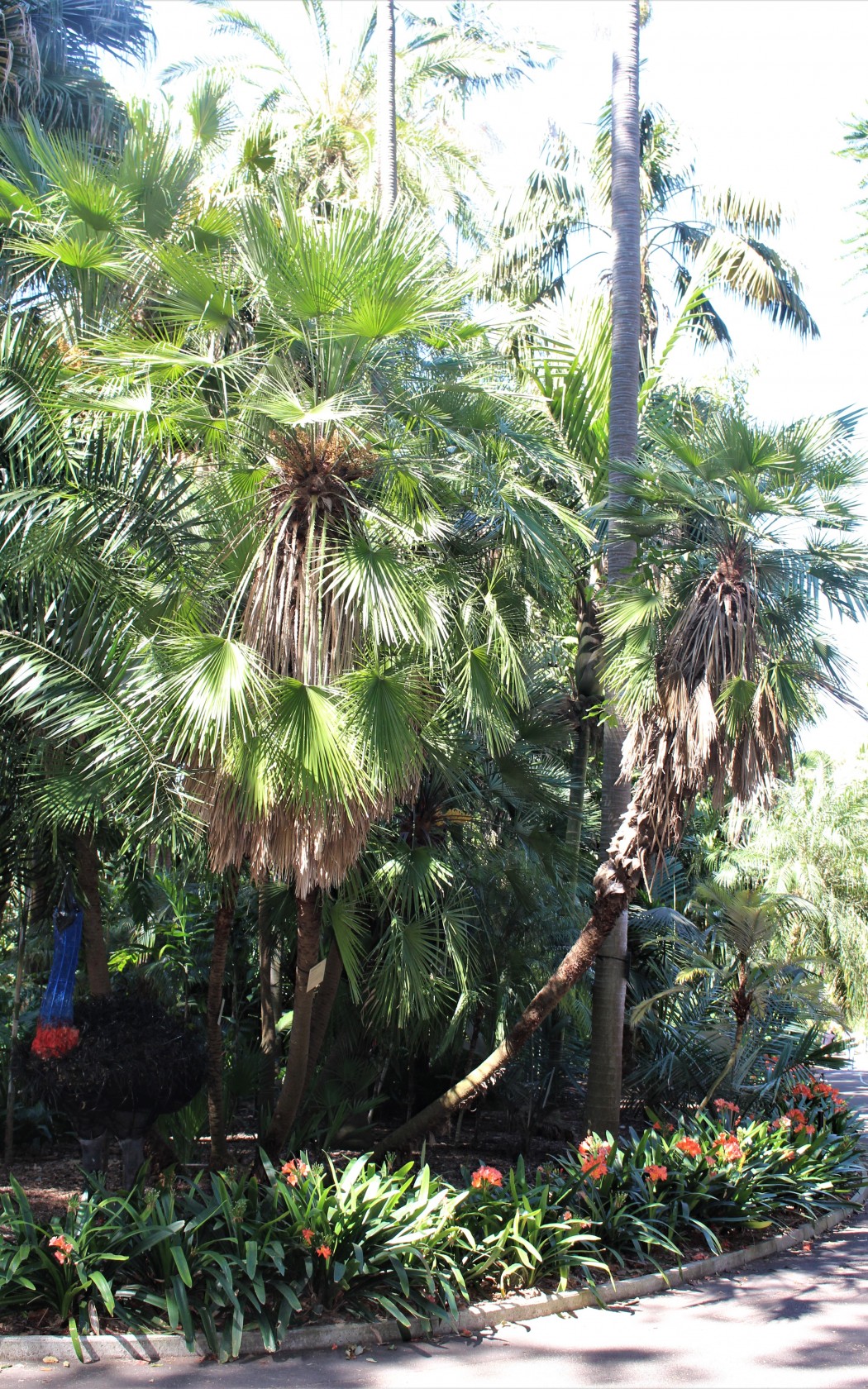
Family: Arecaceae Synonym(s): Chamaerops elegans Hook. 1882
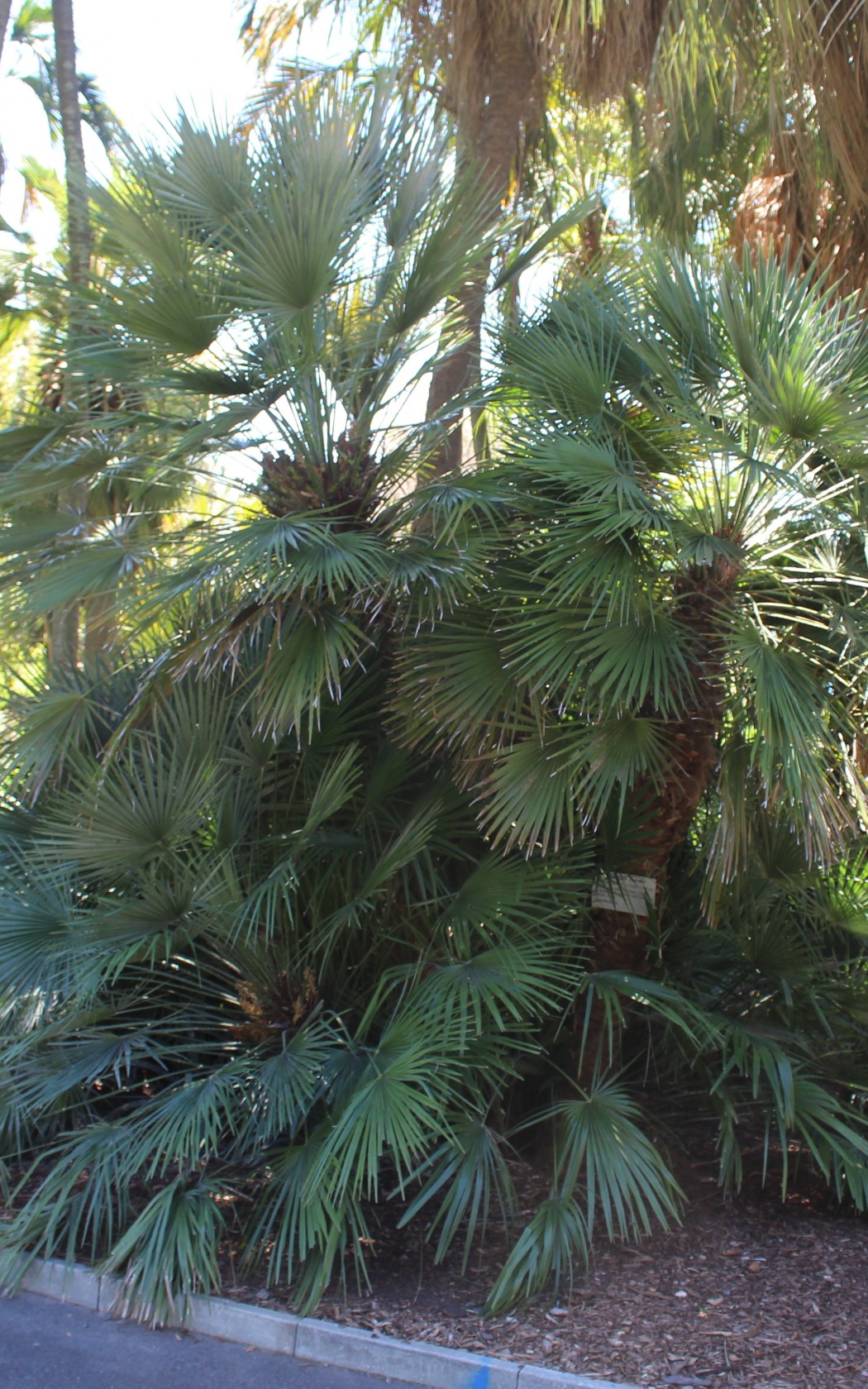
Plant
Plant
Taken by Ken Harrington
Plant
Plant
Taken by Ken Harrington
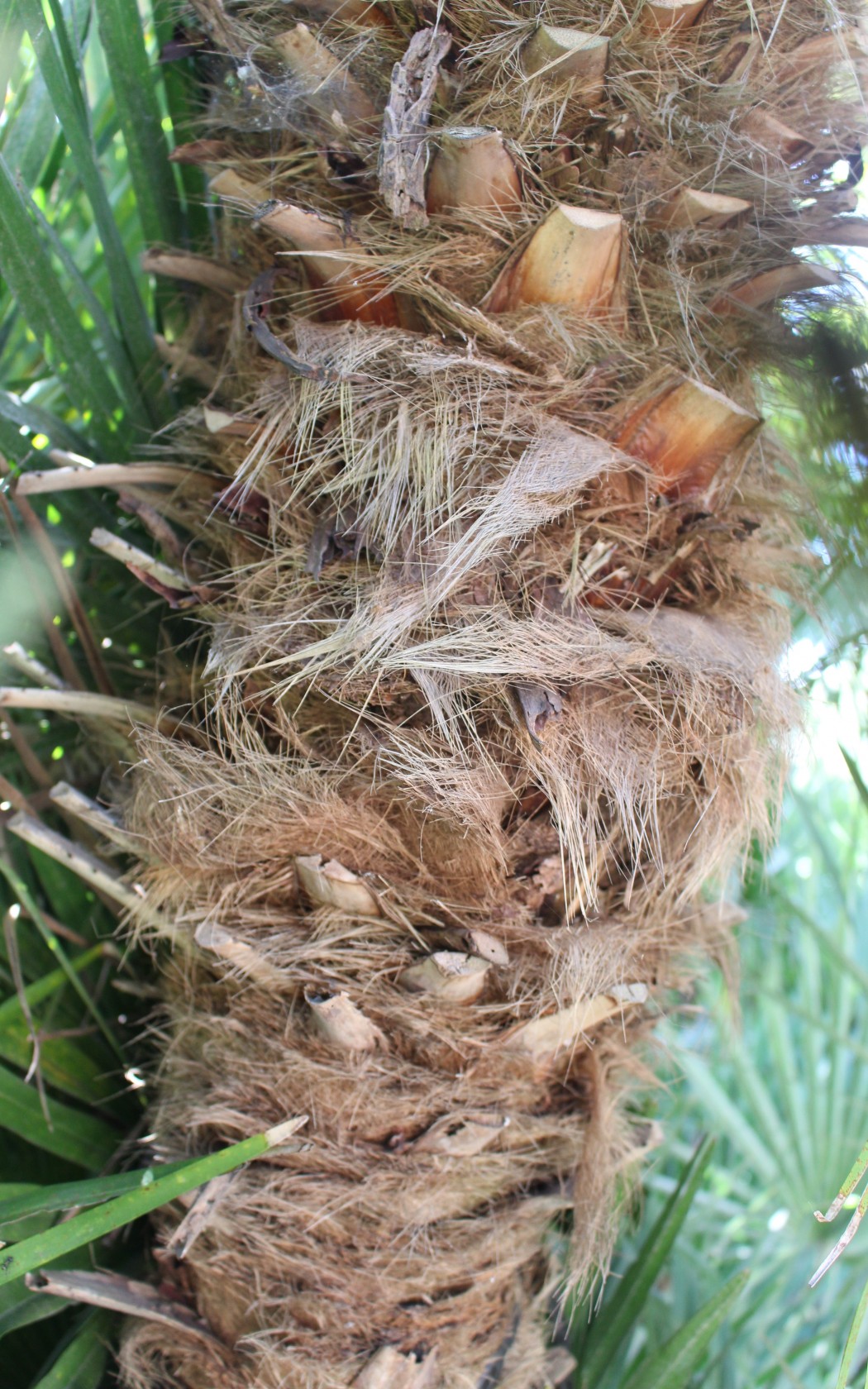
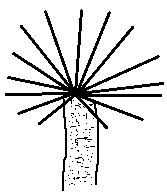
Bark
Bark
Taken by Ken Harrington
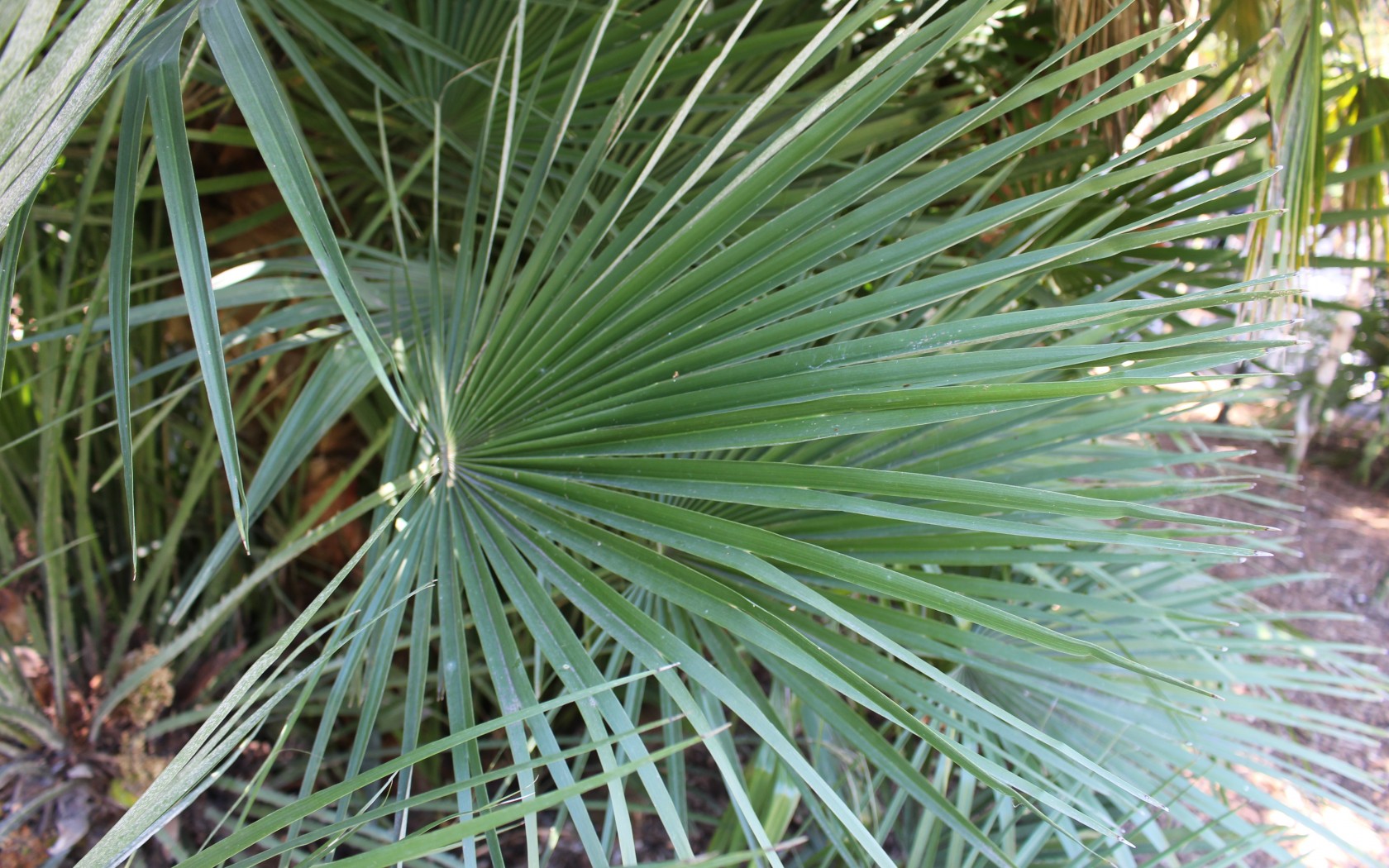
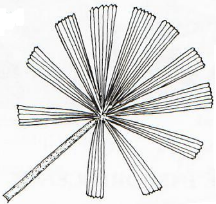
Frond
Frond
Taken by Ken Harrington
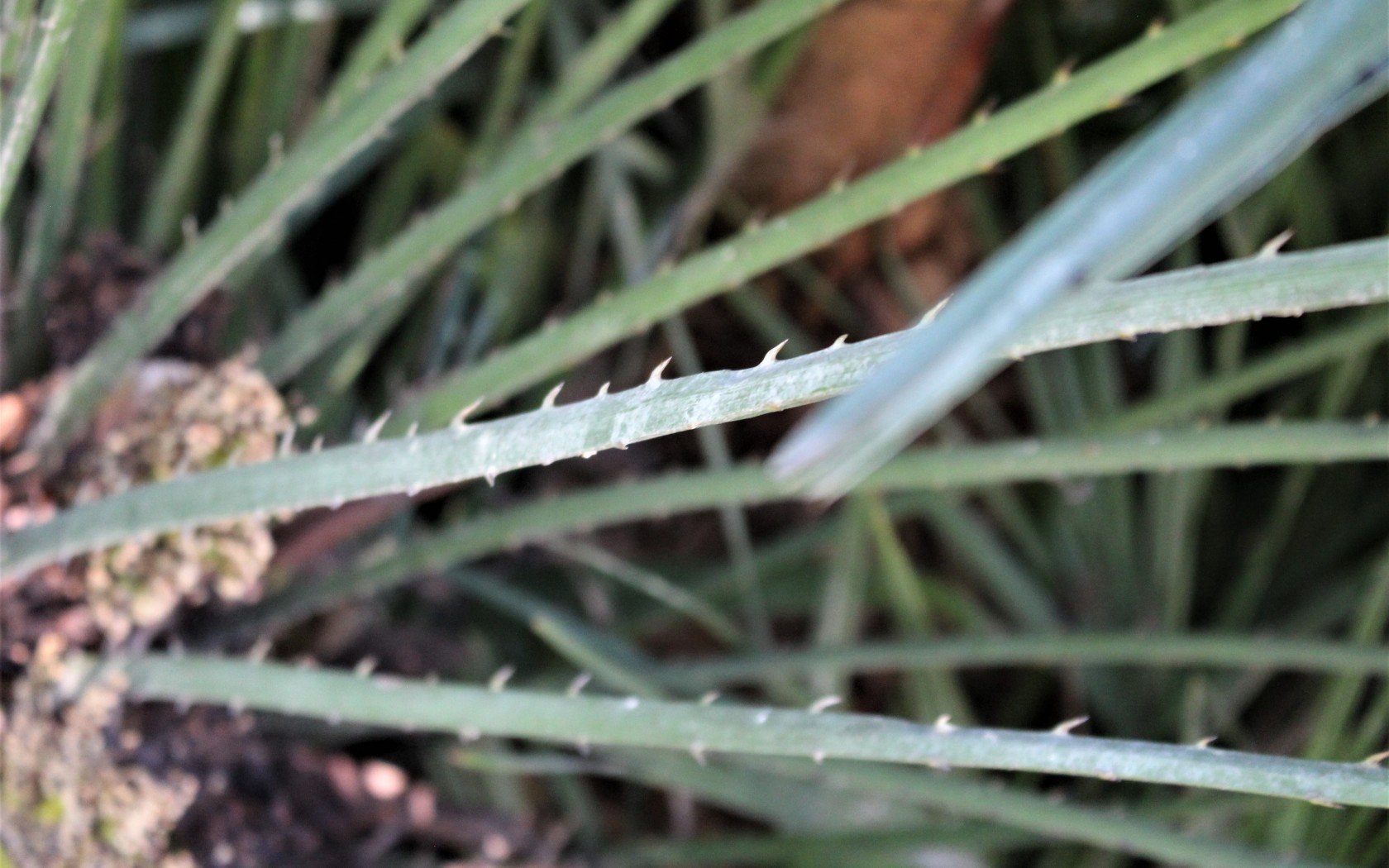
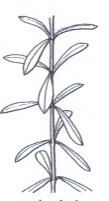
Rachis_stem
Rachis / Stem
Taken by Ken Harrington
Expand all
Palm / Palm Ally Properties
Origin(s)
Algeria
  • Algeria: Indigenous
France
  • France: Indigenous
Italy
  • Italy: Indigenous
  • Sardinia: Indigenous
  • Sicily: Indigenous
Malta
  • Malta: Indigenous
Monaco
  • Monaco: Indigenous
Morocco
  • Morocco: Indigenous
Spain
  • Balearic: Indigenous
Tunisia
  • Tunisia: Indigenous
Plant Type
Clumping, Palm Fan-leaved
Clumping,
Palm Fan-leaved
Climate Range(s) - Habitat
Oceanic, Temperate Cool, Temperate Warm, Mediterranean
Oceanic,
Temperate Cool,
Temperate Warm,
Mediterranean
Aspect Range(s)
Sun - Full
Sun - Full
Habitat Range(s)
Forest - Grassy, Grasslands, Mediterranean (Maquis Shrubland), Open Woodlands
Forest - Grassy,
Grasslands,
Mediterranean (Maquis Shrubland),
Open Woodlands
Habitat Zone(s)
Cliffs, Exposed Stony embankments, Garden, Gullies / Valley's / Canyon's, Heavy soils, Hill Sides, Landscape, Moist Slopes, Open areas, Plains, Ridges, Rock crevices, Rocky, Sandy Moist, Scattered, Well drained
Cliffs,
Exposed Stony embankments,
Garden,
Gullies / Valley's / Canyon's,
Heavy soils,
Hill Sides,
Landscape,
Moist Slopes,
Open areas,
Plains,
Ridges,
Rock crevices,
Rocky,
Sandy Moist,
Scattered,
Well drained
Mature Height
4-5m
4-5m
Mature Width
4-5m
4-5m
Growth Rate
Very Slow, Slow
Very Slow,
Slow
Plant Shape
Bun - Broad
Bun - Broad
Bun - Broad Bun - Broad
Life Span
50-100yrs, 100-150yrs
50-100yrs,
100-150yrs
Frond Properties
Frond Colour(s) (front)
Blue-green, Silver-green
Blue-green,
Silver-green
Frond Colour(s) (back)
Blue-green, Silver-green
Blue-green,
Silver-green
Frond Texture (front)
Glabrous
Glabrous
Glabrous Glabrous
Fine
Fine
Frond Texture (back)
Glabrous
Glabrous
Glabrous Glabrous
Fine
Fine
Frond Length
2-2.25m
2-2.25m
Frond Aroma
None
None
Frond Shapes
Palmate Divided
Palmate Divided
Palmate Divided Palmate Divided
Frond Arrangement
Stemmed Open Crown
Stemmed Open Crown
Whorled
Whorled
Stemmed Open Crown Stemmed Open Crown,
Whorled Whorled
Frond Attachment
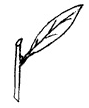
Fibrous Sheath
Fibrous Sheath
Petiolate
Petiolate
Fibrous Sheath Fibrous Sheath,
Petiolate Petiolate
Pinna Shape(s) (Frondlet)
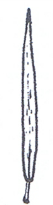
Acicular
Acicular
Acicular Acicular
Pinna Length (Frondlet)
500-550mm, 550-600mm, 600-650mm, 650-700mm, 700-750mm, 750-800mm
500-550mm,
550-600mm,
600-650mm,
650-700mm,
700-750mm,
750-800mm
Pinna Width (Frondlet)
10-15mm, 15-20mm
10-15mm,
15-20mm
Pinnae Arrangement
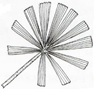
Digitate
Digitate
Digitate Digitate
Pinnule Apice(s) (Leaflet)
Acute Narrowly
Acute Narrowly
Frayed
Frayed
Acute Narrowly Acute Narrowly,
Frayed Frayed
Pinnule Base(s) (Leaflet)
Attenuate
Attenuate
Attenuate Attenuate
Pinnule Margin(s) (Leaflet)
Entire
Entire
Entire Entire
Pinnule Cross Section(s) (Leaflet)
Induplicate
Induplicate
Induplicate Induplicate
Pinnule Venation (Leaflet)
Parallel
Parallel
Parallel Parallel
Pinnule Attachment (Leaflet)
Sessile
Sessile
Sessile Sessile
Petiole Length
1-1.5m
1-1.5m
Petiole Cross Section
Concave-ribbed
Concave-ribbed
Concave-ribbed Concave-ribbed
Petiole Texture
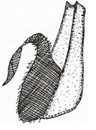
Barbs-recurved
Barbs-recurved
Waxy
Waxy
Barbs-recurved Barbs-recurved,
Waxy Waxy
Petiole Feature(s)
Barbs
Barbs
Barbs Barbs
Trunk / Stem Properties
Colour(s) (Upper/Crown Shaft)
Brown
Brown
Colour(s) (Base)
Brown, Grey-brown
Brown,
Grey-brown
Texture (Upper)
Bristly / Hispid
Bristly / Hispid
Bristly / Hispid Bristly / Hispid
Hairs-dense , Hairs-stiff
Hairs-dense,
Hairs-stiff
Texture (Base)
Bristly / Hispid
Bristly / Hispid
Hairs-stiff / Hirsute
Bristly / Hispid Bristly / Hispid,
Hairs-stiff / Hirsute Hairs-stiff / Hirsute
Hairs-dense
Hairs-dense
Cross Section
Terete
Terete
Terete Terete
Diameter
200-250mm
200-250mm
Length
1-1.5m, 1.5-2m, 2-2.5m, 2.5-3m
1-1.5m,
1.5-2m,
2-2.5m,
2.5-3m
Features
Persistent Leaf Bases with overlapping Fibrous Sheaths
Persistent Leaf Bases with overlapping Fibrous Sheaths Persistent Leaf Bases with overlapping Fibrous Sheaths
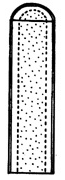
Construction
Pith Continuous
Pith Continuous
Pith Continuous Pith Continuous
Inflorescence (Flower) Properties
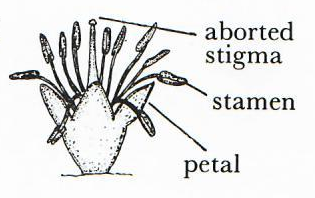
Gender: Male
Flowering Time (start)
Spring Early
Spring Early
Flowering Time (end)
Spring Late
Spring Late
Colour(s)
Yellow
Yellow
Flower Shape(s)
Male Staminate Flower
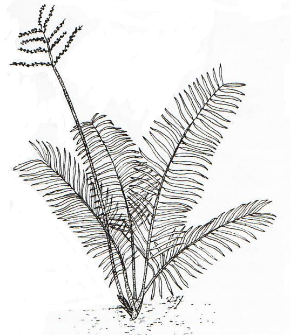
Male Staminate Flower Male Staminate Flower
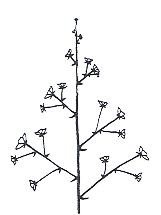
Aroma(s)
Spicy-Slight
Spicy-Slight
Arrangements
Axillary, Radical / Basal
Pannicle
Pannicle
Axillary, Radical / Basal Axillary, Radical / Basal,
Pannicle Pannicle
Erect
Erect
Arrangement Size(s)
125-150mm
125-150mm
Pollinator(s)
Insects, Wind
Insects,
Wind
Male and Female Flowers Borne
On Separate Plant
On Separate Plant
Gender: Female
Flowering Time (start)
Spring Early
Spring Early
Flowering Time (end)
Spring Late
Spring Late
Colour(s)
Yellow
Yellow
Flower Shape(s)
Female or Pistillate Flower
Female or Pistillate Flower Female or Pistillate Flower
Aroma(s)
Spicy-Slight
Spicy-Slight
Arrangements
Axillary, Radical / Basal
Pannicle
Pannicle
Axillary, Radical / Basal Axillary, Radical / Basal,
Pannicle Pannicle
Erect
Erect
Arrangement Size(s)
125-150mm
125-150mm
Pollinator(s)
Insects, Wind
Insects,
Wind
Male and Female Flowers Borne
On Separate Plant
On Separate Plant
Indusia (Fruiting Body) Properties
Type
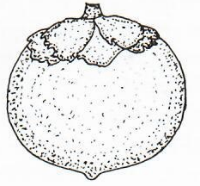
Drupe
Drupe
Drupe Drupe
Shape(s)
Globose
Globose
Orbicular
Orbicular
Globose Globose,
Orbicular Orbicular
Outer Colour(s)
Brown, Yellow, Yellow-orange
Brown,
Yellow,
Yellow-orange
Outer Texture
Smooth
Smooth
Smooth Smooth
Length
10-15mm
10-15mm
Aroma
None
None
Seed Properties
Type
Nut
Nut
Seed Dispersal
Animals, Birds
Animals,
Birds
Seed Number
1
Root Properties
Type
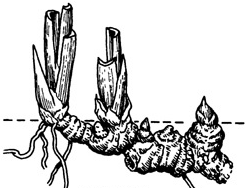
Rhizome Stoloniferous
Rhizome Stoloniferous Rhizome Stoloniferous
Soil Properties
Type(s)
Clay-loam, Loam, Sandy-loam, Hummus Rich, Organic Matter
Clay-loam,
Loam,
Sandy-loam,
Hummus Rich,
Organic Matter
pH Range(s)
Acid, Slightly Acid, Neutral, Slightly Alkaline, Alkaline
Acid,
Slightly Acid,
Neutral,
Slightly Alkaline,
Alkaline
Condition(s)
Damp
Damp
Moist
Moist
Moist-Dry
Moist-Dry
Damp Damp,
Moist Moist,
Moist-Dry Moist-Dry
Fertile , Deep , Well Drained
Fertile,
Deep,
Well Drained
Salinities
Slight
Slight
Slight Slight
Waterlogging Class
W0 – Low tolerance
W0 – Low tolerance
Other Properties / Uses
Bee Attraction
Poor
Poor
Bird Attraction
Insect, Nesting, Fruit
Insect,
Nesting,
Fruit
Butterfly Attraction
Poor
Poor
Frog Habitat
None
None
Carbon Sequestration Potential
Low
Low
Wood Density
Low < 600kg/c.m.
Low < 600kg/c.m.
Coastal
1st Line
1st Line
Edible(s)
None
None
Fire Regeneration(s)
Seed, Regrowth, Rhizome
Seed,
Regrowth,
Rhizome
Fire Retarding
Poor
Poor
Drought Tolerance
Very Good
Very Good
Frost Tolerance
Good
Good
Smog Tolerance
Good
Good
Snow Tolerance
None
None
Indigenous Use(s)
Leaves
Leaves
Landscape Use
Very Good
Very Good
Street Use
None
None
Commercial Use(s)
Horticulture - Amenity
Maintenance(s)
Dead Fronding
Dead Fronding
Pests/Diseases
Mealy Bug, Scale
Mealy Bug,
Scale
Special Purpose(s)
Garden-Container, Erosion Control, Foliage-Interesting, Garden-Coastal, Garden-Foliage, Garden-Mediterranean, Garden-Tropical, Interesting Trunk, Litter Issue - Fruit, Screen, Shady Dry, Shady Moist, Specimen, Suckering, Sunny Dry, Sunny Moist, Tolerant-Cockatoo's, Tolerant-Deer, Tolerant-Kangaroo's, Tolerant-Parrot's, Tolerant-Rabbits/Hares, Windbreak
Garden-Container,
Erosion Control,
Foliage-Interesting,
Garden-Coastal,
Garden-Foliage,
Garden-Mediterranean,
Garden-Tropical,
Interesting Trunk,
Litter Issue - Fruit,
Screen,
Shady Dry,
Shady Moist,
Specimen,
Suckering,
Sunny Dry,
Sunny Moist,
Tolerant-Cockatoo's,
Tolerant-Deer,
Tolerant-Kangaroo's,
Tolerant-Parrot's,
Tolerant-Rabbits/Hares,
Windbreak
Dormancy
Winter
Winter
Propagation
Fresh Seed

General Notes

A cold hardy, clumping, fan palm producing 6 -10 stems, for the cooler temperate climates. It can withstand temperatures down to -12oC, high winds, heat and drought.  It is the northern most growing palm in the world. The palm is an important food source and habitat for a weevil, Derelomus chamaeropsis. The leaves have been used for making brooms, weaving mats, carrier baskets etc. As the clump grows very tightly together, removing offsets is extremely difficult.

The fan leaf consists of 10-20 leaflets (pinnae).

There is three accepted varieties and cultivars C. humilis var. argentea Atlas Mountain Palm                                                                                                                                                                   C. humilis var. epondraes North West Africa, glaucous leaves                                                                                                                                           C. humilis var. humilis South West Europe, green leaves                                                                                                                                                 C. humilis var. humilis 'Nana' dwarf form                                                                                                                                                                           C. humilis 'Vulcano' compact, thornless, silvery foliage                                                                                                                                                   C. humilis 'Stella'

It has gained the Royal Horticultural Society's Award of Garden Merit

Propagation Notes

Expand all
Fresh Seed
Flowering
Sep, Oct, Nov
Seed Collecting
Mar, Apr, May
Sowing
Sep, Oct, Nov, Dec
Material Preparation

The seed takes 5 - 7 mths to ripen. Pick the fruit when it is very red, off the tree or from off the ground. Peel off the outer flesh or if too hard, soak the seeds in warm water for 48 - 72 hours to loosen the outer flesh. Change the water daily. Discard any seeds that float to the top, keep the ones that sink. Floating seeds won't germinate as they lack an endosperm. Wash the seeds thoroughly with Solvol soap to remove any remaining pulp. Allow to dry. Store in a cool, dark place. It is best to sow the seed as soon as possible for best results.

Viability:-        

Seeds/gram:-

Propagating Mix

Premium Seed Raising Mix

Treatment

Sow fresh seed into P2 or forestry tubes and cover with mix, water in well with Previcur fungicide mix. Place in hothouse on 21°C heated bed with misters. Maintain hothouse environment between 50-75% humidity and temperature between 20-30° C. Spray fortnightly with fungicide. Keep in bright but indirect light.

Viable seeds/gram:-

Germination time:-     2 - 3 months        3 – 5 months before first frond opens

Pricking out:-              N. A.

140mm Pot Mix:-       Premium Potting Soil 


Offsets
Flowering
Sep, Oct, Nov
Division
Mar, Apr, May, Jun, Jul, Aug
Material Preparation

It will be difficult to seperate offsets as the rhizome is extremely short and tight packed to the mother plant. Select offsets that are approximately a 200 - 400mm. With a sharp knife, secateurs or axe, slice down the side of the stem of the mother plant to remove the offset with roots attached. Keep moist with misting or place in a bucket of water

Propagating Mix

Premium Potting Soil

Treatment

1/4 fill the 140mm pot with mix. Hold the offset over the soil mix in the pot and back fill around the offset and firm down. The offset should stand firm and be approximately the same depth as the original soil level, not too deep or it will rot. Water the pots of mix thoroughly with Previcur fungicide.  Place in hot house, keep moist. Maintain hot house environment between 50-75% humidity and temperature between 20-30° C.

Strike Rate:-     Field Stock        75-95 %

                        Nursery Stock   90-95 %

Rooting time:- Field Stock        12 - 16 weeks

                        Nursery Stock  12 - 16 weeks