Cycas revoluta Thumb.
Common name(s): Cycad Palm, Sago Palm, King Sago, Sago Cycad, Japanese Sago Palm
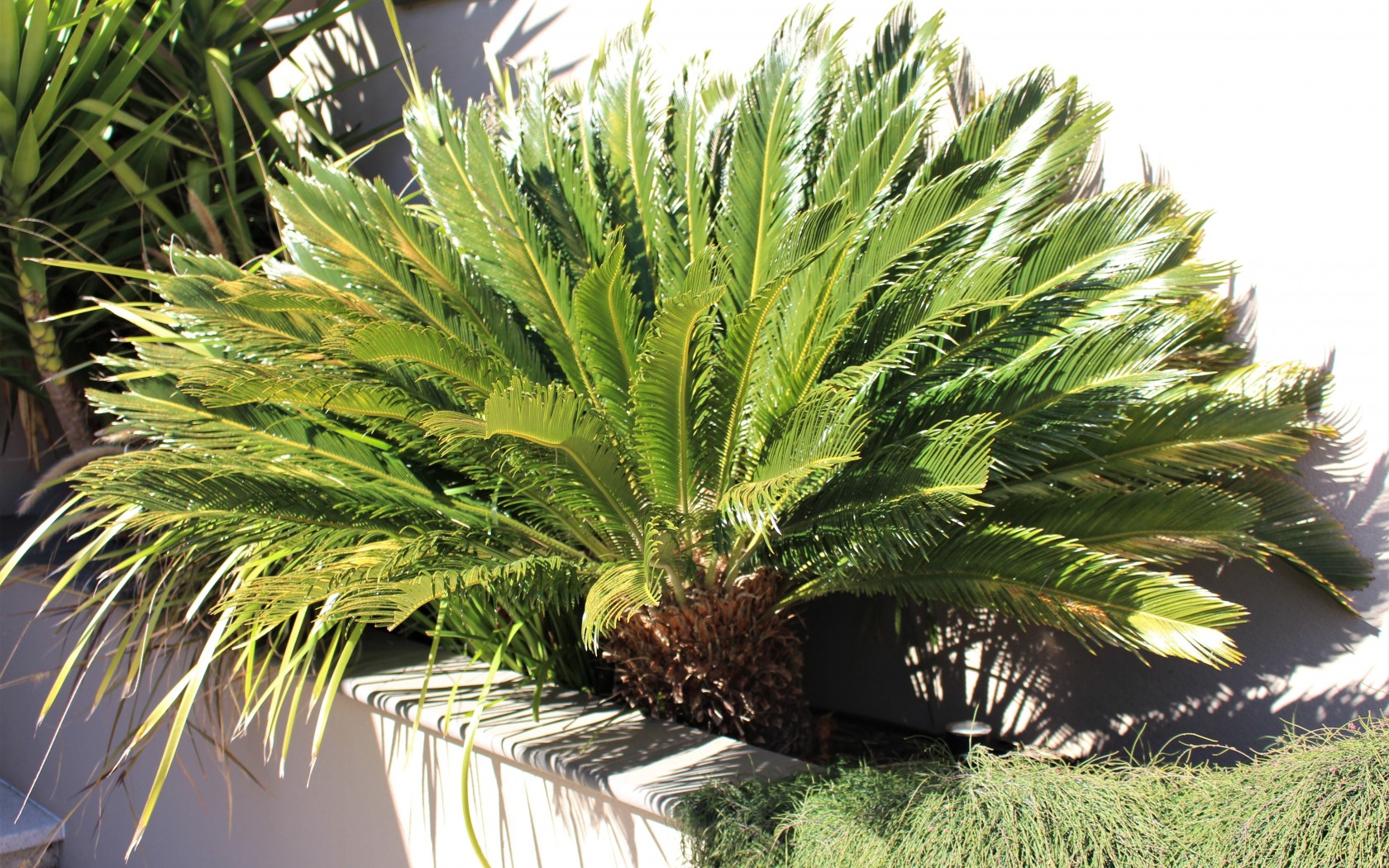
Plant
Plant - Cycas revoluta (Thumb.)
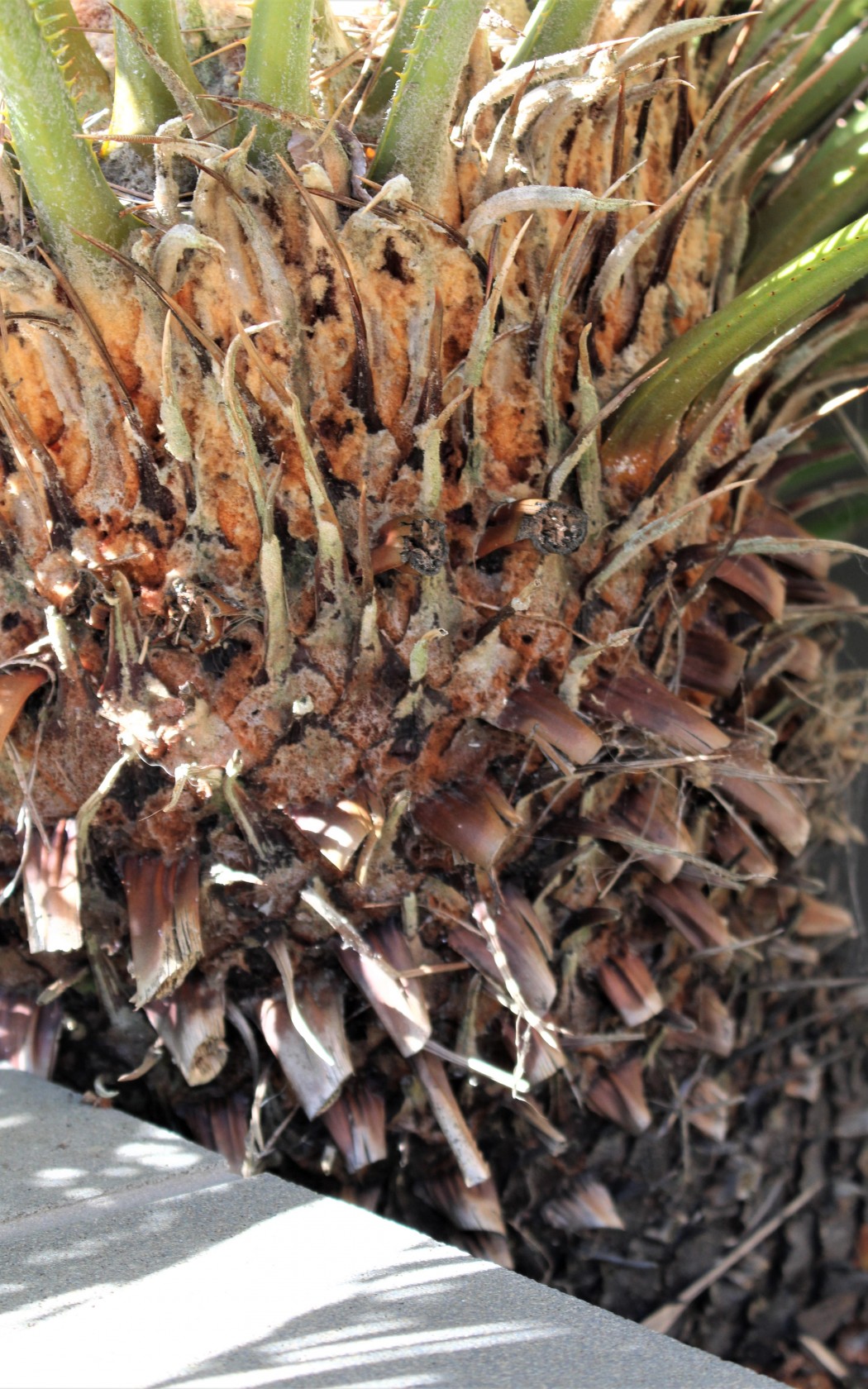
Bark
Bark - Cycas revoluta (Thumb.)
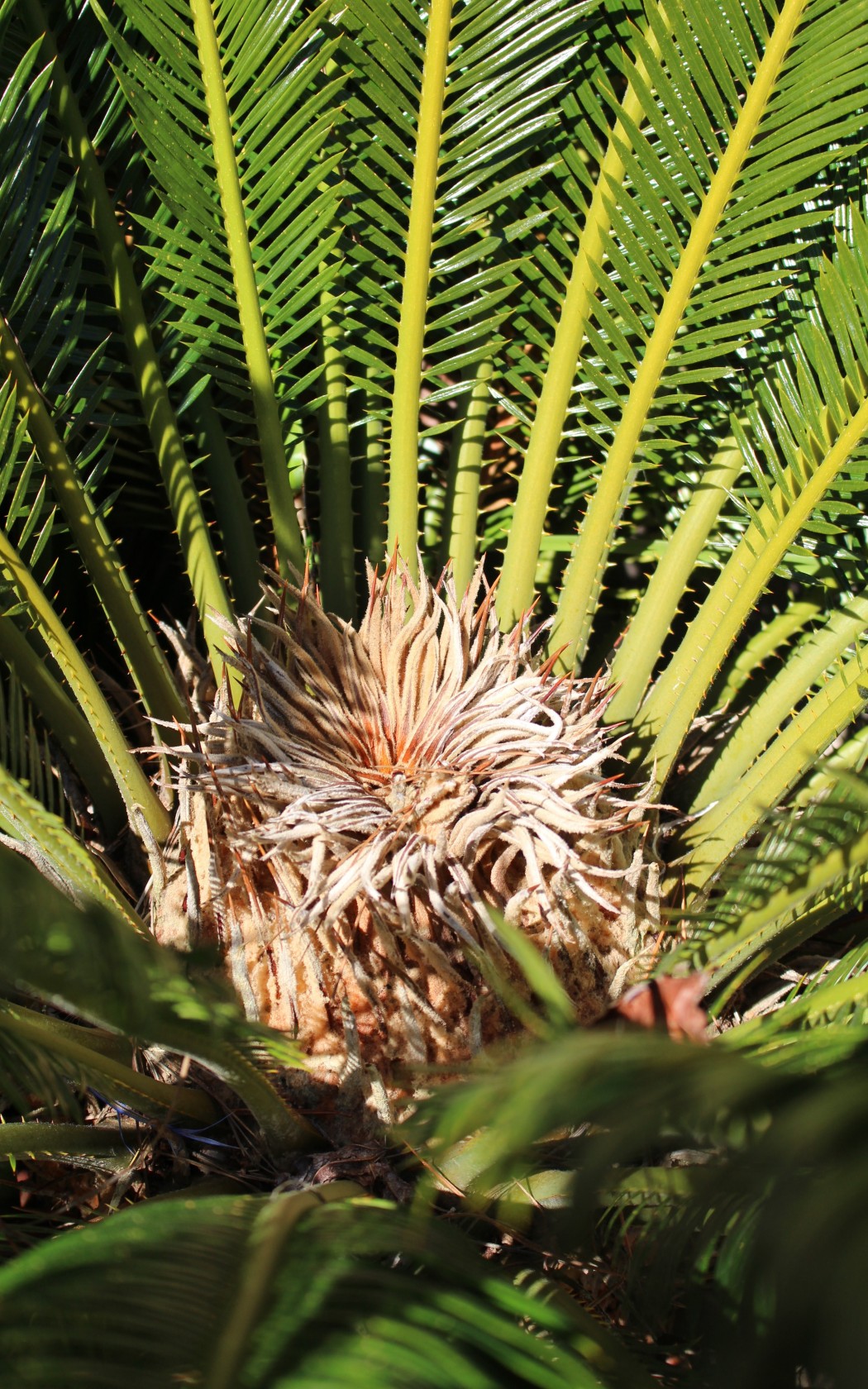
Frond
Frond - Cycas revoluta (Thumb.)
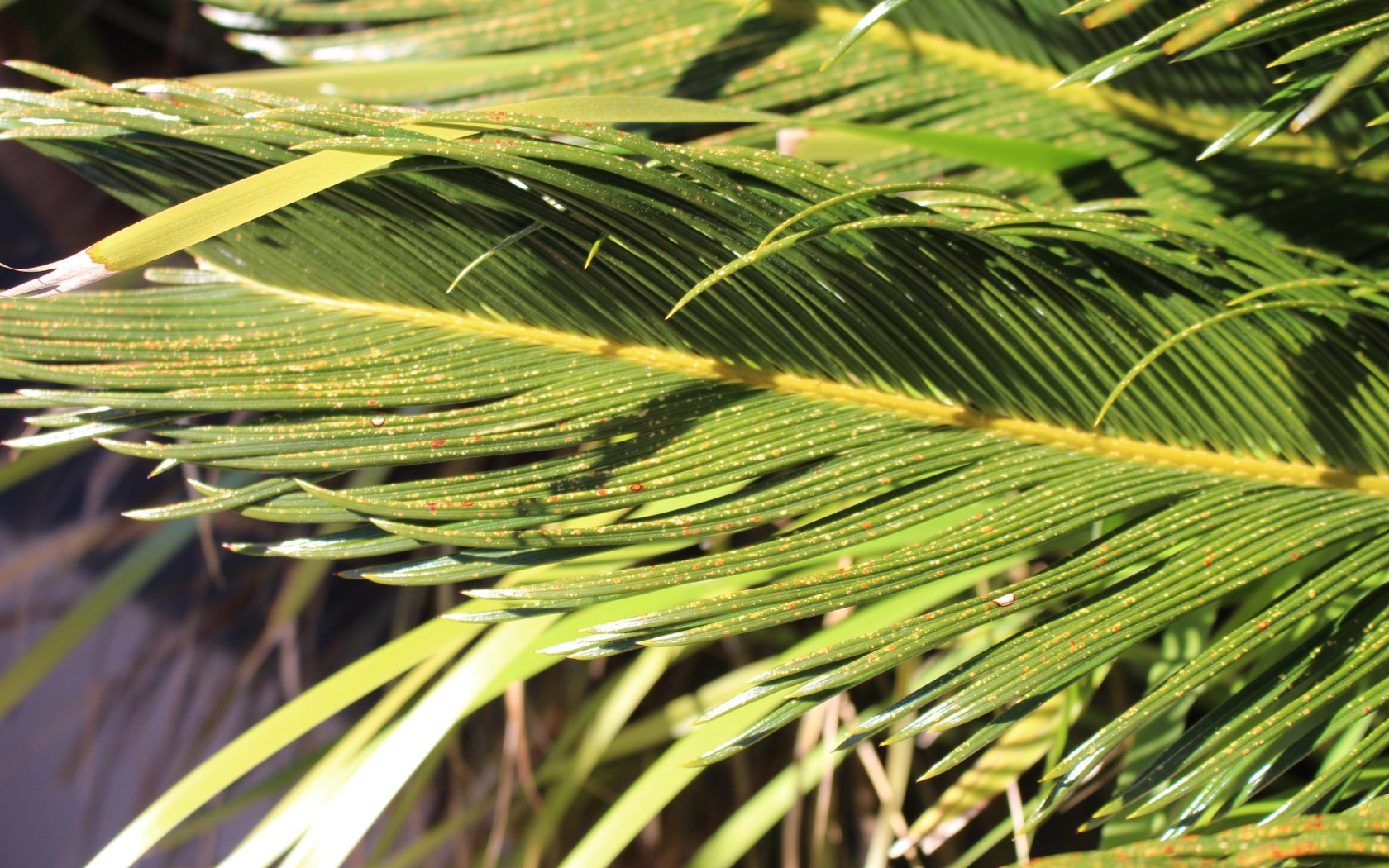
Pinna
Pinna - Cycas revoluta (Thumb.)
Expand all

 Shrub Like,
Standard Crown - Dense
Shrub Like,
Standard Crown - Dense
 Glabrous,
Leathery
Glabrous,
Leathery
Glabrous,
Leathery
Glabrous,
Leathery
 Pinnate / Parapinnate

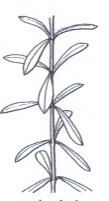 Dense Crown,
Whorled
Dense Crown,
Whorled
 Bristly / Hispid,
Rough / Scabrous
Bristly / Hispid,
Rough / Scabrous
Bristly / Hispid,
Rough / Scabrous
Bristly / Hispid,
Rough / Scabrous
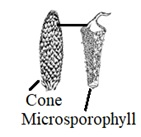 Strobilus - Male
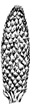 Male Inflorescence Cone
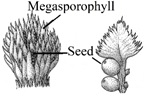 Megasporophyll - Female
 Female Inflorescence Cone
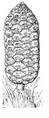 Cone Simple
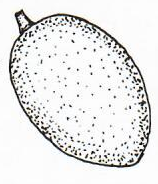 Ellipsoid

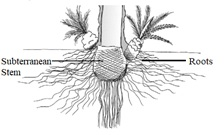 Collaroid Root,
Subterranean Stem/Adventitious Root
Collaroid Root,
Subterranean Stem/Adventitious Root

 Damp,
Moist
Damp,
Moist
 Slight
Palm / Palm Ally Properties
Origin(s)
Plant Type
Climate Range(s) - Habitat
Aspect Range(s)
Habitat Range(s)
Habitat Zone(s)
Mature Height
Mature Width
Growth Rate
Plant Shape
Shrub Like
Standard Crown - Dense
Shrub Like,
Standard Crown - Dense
Life Span
Frond Properties
Frond Colour(s) (front)
Frond Colour(s) (back)
Frond Texture (front)
Glabrous
Leathery
Glabrous,
Leathery
Stiff
Stiff
Frond Texture (back)
Glabrous
Leathery
Glabrous,
Leathery
Stiff
Stiff
Frond Length
Frond Aroma
Frond Shapes
Pinnate / Parapinnate
Pinnate / Parapinnate
Frond Arrangement
Dense Crown
Whorled
Dense Crown,
Whorled Trunk / Stem Properties
Colour(s) (Upper/Crown Shaft)
Colour(s) (Base)
Texture (Upper)
Bristly / Hispid
Rough / Scabrous
Bristly / Hispid,
Rough / Scabrous
Coarse
,
Fibrous
,
Prickly
Coarse,
Fibrous,
Prickly
Texture (Base)
Bristly / Hispid
Rough / Scabrous
Bristly / Hispid,
Rough / Scabrous
Coarse
,
Fibrous
,
Prickly
Coarse,
Fibrous,
Prickly
Inflorescence (Flower) Properties
Gender: Male
Flowering Time (start)
Flowering Time (end)
Colour(s)
Flower Shape(s)
Strobilus - Male
Strobilus - Male
Aroma(s)
Arrangements
Male Inflorescence Cone
Male Inflorescence Cone
Pollinator(s)
Male and Female Flowers Borne
Gender: Female
Flowering Time (start)
Flowering Time (end)
Flower Shape(s)
Megasporophyll - Female
Megasporophyll - Female
Aroma(s)
Arrangements
Female Inflorescence Cone
Female Inflorescence Cone
Pollinator(s)
Male and Female Flowers Borne
Indusia (Fruiting Body) Properties
Type
Cone Simple
Cone Simple
Shape(s)
Ellipsoid
Ellipsoid
Length
Aroma
Root Properties
Type
Collaroid Root
Subterranean Stem/Adventitious Root
Collaroid Root,
Subterranean Stem/Adventitious Root Soil Properties
Type(s)
pH Range(s)
Condition(s)
Damp
Moist
Damp,
Moist
Fertile
,
Deep
Fertile,
Deep
Salinities
Slight
Slight
Waterlogging Class
Other Properties / Uses
Bee Attraction
Bird Attraction
Butterfly Attraction
Frog Habitat
Coastal
Edible(s)
Fire Retarding
Drought Tolerance
Frost Tolerance
Smog Tolerance
Snow Tolerance
Landscape Use
Special Purpose(s)
General Notes
A very hardy and popular Cyad for parks and gardens around the world, adaptable to a range of climates. It does require a male and female plant for it to set seed but it doesn't normally flower every year, it however send out new fronds every spring.
The pith contains edible starch, used for making sago, after a lot of careful prepartion to leach out the toxins.
C. revoluta is Poisonous to animals and humans
It has gained the Royal Horticultural society's Award of Garden Merit 2017