Loading...

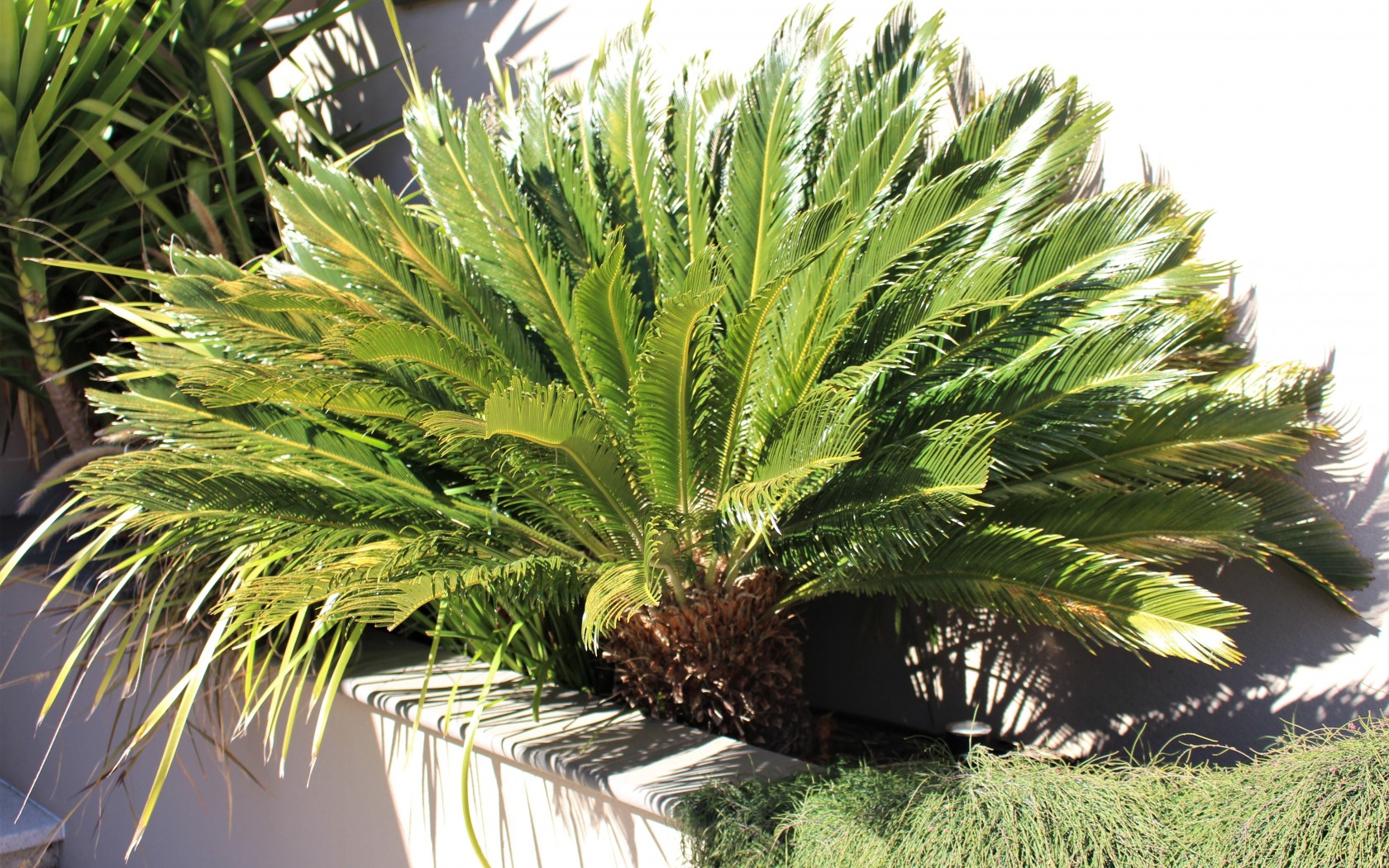
Cycas revoluta Thumb.

Common name(s): Cycad Palm, Sago Palm, King Sago, Sago Cycad, Japanese Sago Palm
Family: Cycadaceae
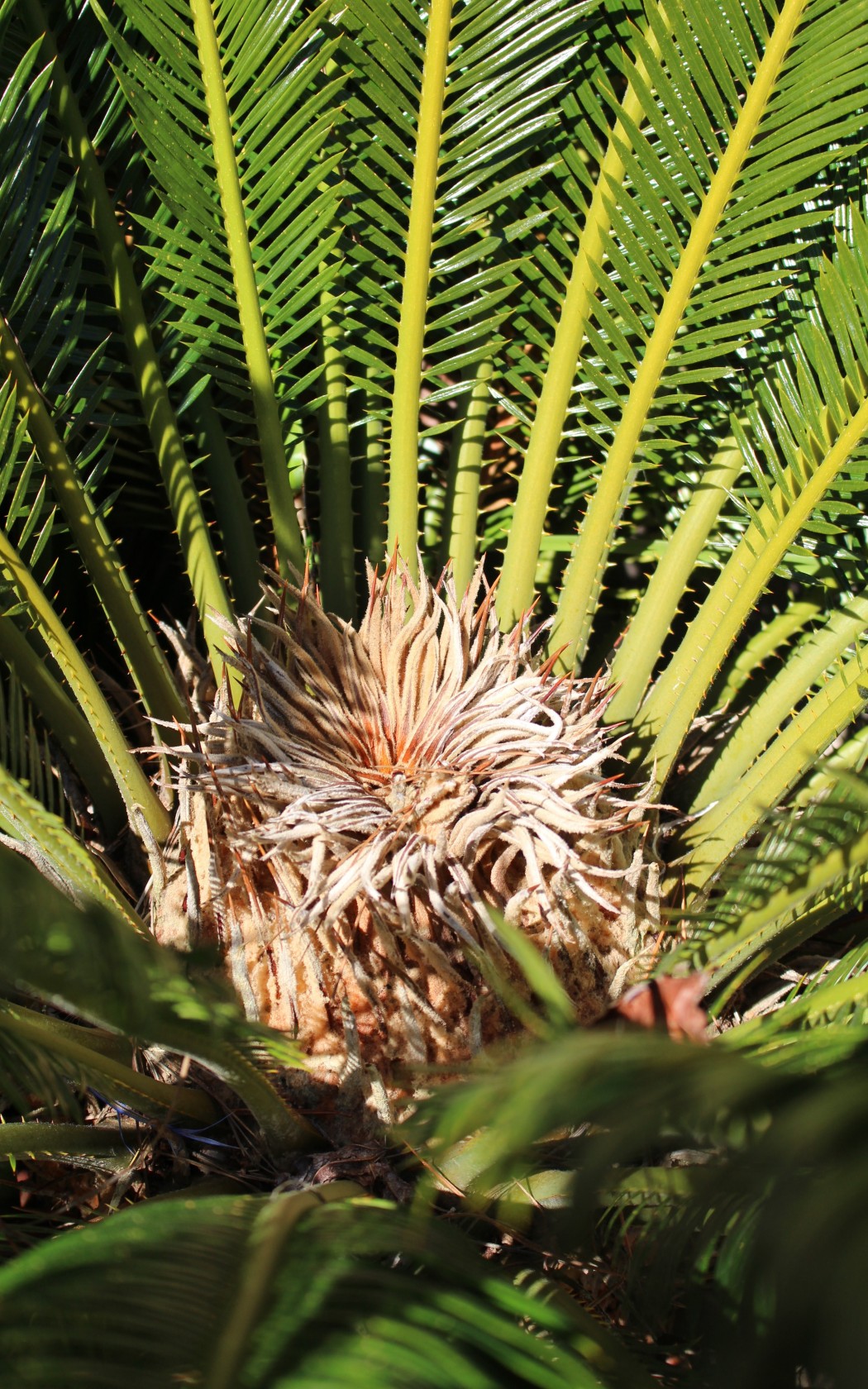
Plant
Plant
Taken by Ken Harrington
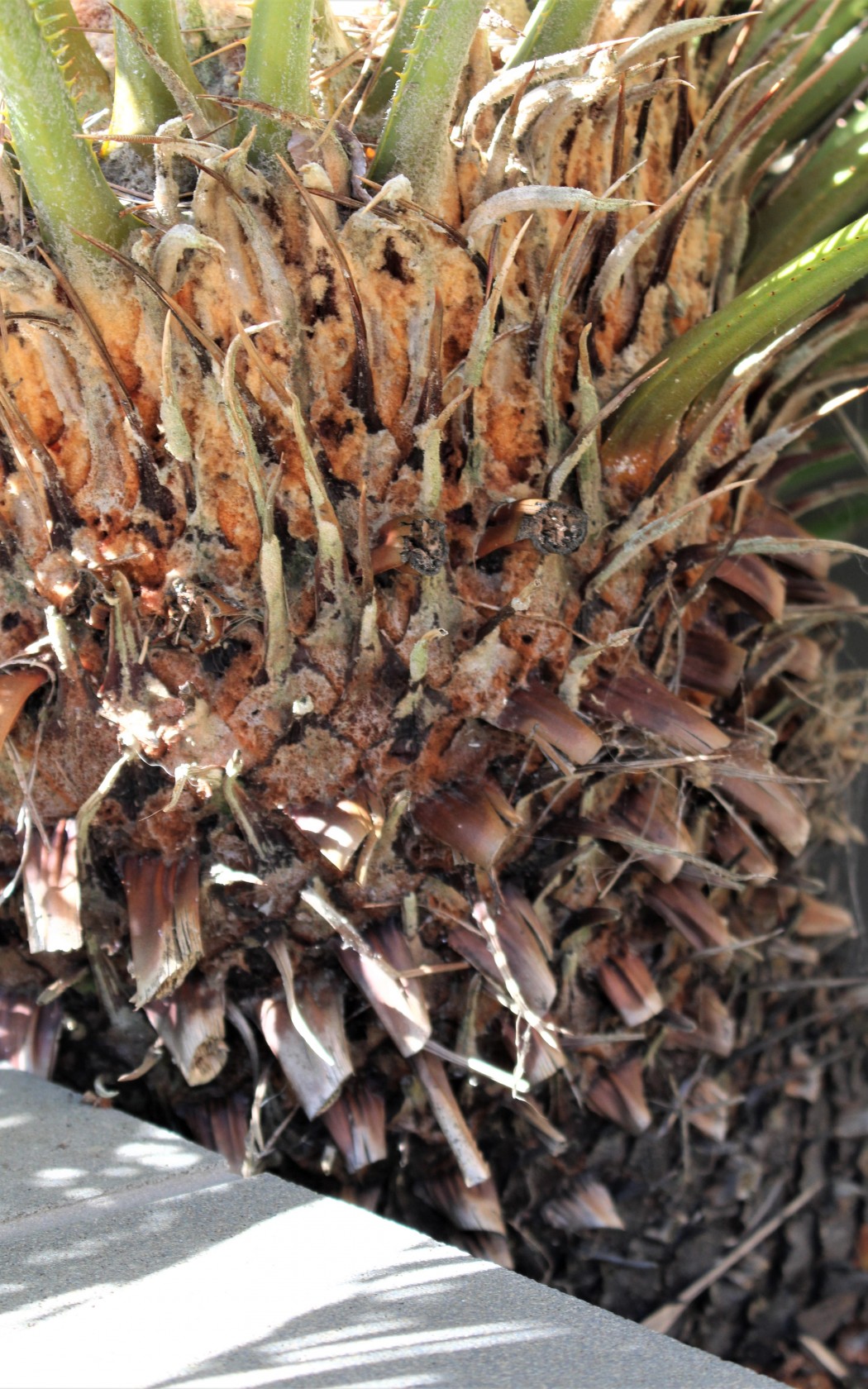
Bark
Bark
Taken by Ken Harrington
Frond
Frond
Taken by Ken Harrington
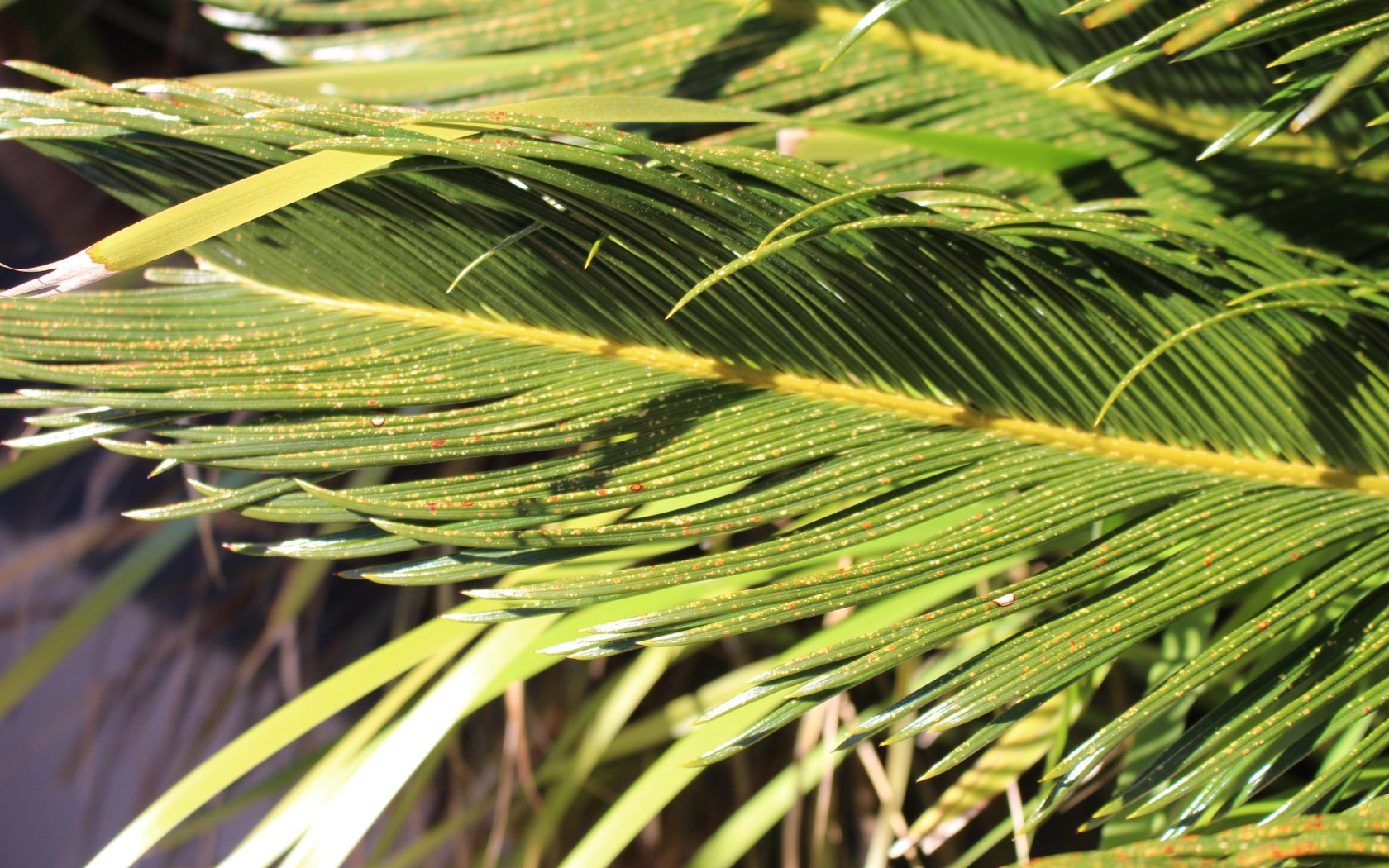
Pinna
Pinna
Taken by Ken Harrington
Expand all
Palm / Palm Ally Properties
Origin(s)
Japan
  • Okinawa: Indigenous
  • Kyushu: Indigenous
  • Shikoku: Indigenous
  • Chugoku: Indigenous
Plant Type
Clumping, Cycad, Palm Ally
Clumping,
Cycad,
Palm Ally
Climate Range(s) - Habitat
Temperate Cool, Temperate Warm, Tropical-Sub
Temperate Cool,
Temperate Warm,
Tropical-Sub
Aspect Range(s)
Sun - Full, Shade - Dappled, Shade - Light
Sun - Full,
Shade - Dappled,
Shade - Light
Habitat Range(s)
Rainforest - Sub-tropical
Habitat Zone(s)
Exposed Stony embankments, Garden, Hill Sides, Landscape, Moist Slopes, Open areas, Rock crevices, Understory, Well drained
Exposed Stony embankments,
Garden,
Hill Sides,
Landscape,
Moist Slopes,
Open areas,
Rock crevices,
Understory,
Well drained
Mature Height
2.5-3m, 3-4m, 4-5m, 5-6m
2.5-3m,
3-4m,
4-5m,
5-6m
Mature Width
2-3m, 3-4m
2-3m,
3-4m
Growth Rate
Very Slow
Very Slow
Plant Shape
Shrub Like
Shrub Like
Standard Crown - Dense
Shrub Like Shrub Like,
Standard Crown - Dense Standard Crown - Dense
Life Span
100-150yrs, 150-200yrs
100-150yrs,
150-200yrs
Frond Properties
Frond Colour(s) (front)
Glossy, Green Dark
Glossy,
Green Dark
Frond Colour(s) (back)
Dull, Green
Dull,
Green
Frond Texture (front)
Glabrous
Glabrous
Leathery
Leathery
Glabrous Glabrous,
Leathery Leathery
Stiff
Stiff
Frond Texture (back)
Glabrous
Glabrous
Leathery
Leathery
Glabrous Glabrous,
Leathery Leathery
Stiff
Stiff
Frond Length
500-600mm, 600-700mm, 700-800mm, 800-900mm, 900mm-1m, 2-2.25m
500-600mm,
600-700mm,
700-800mm,
800-900mm,
900mm-1m,
2-2.25m
Frond Aroma
None
None
Frond Shapes
Pinnate / Parapinnate

Pinnate / Parapinnate Pinnate / Parapinnate
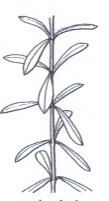
Frond Arrangement
Dense Crown
Dense Crown
Whorled
Whorled
Dense Crown Dense Crown,
Whorled Whorled
Frond Attachment
Fibrous Sheath
Fibrous Sheath
Petiolate
Petiolate
Fibrous Sheath Fibrous Sheath,
Petiolate Petiolate
Pinna Shape(s) (Frondlet)
Linear
Linear
Linear Linear
Pinna Length (Frondlet)
80-90mm, 90-100mm, 100-150mm, 150-200mm
80-90mm,
90-100mm,
100-150mm,
150-200mm
Pinna Width (Frondlet)
5-10mm, 10-15mm
5-10mm,
10-15mm
Pinnae Arrangement
Even Pinnae
Even Pinnae
Even Pinnae Even Pinnae
Pinnule Apice(s) (Leaflet)
Acute Narrowly
Acute Narrowly
Aristate
Aristate
Acute Narrowly Acute Narrowly,
Aristate Aristate
Pinnule Base(s) (Leaflet)
Attenuate
Attenuate
Attenuate Attenuate
Pinnule Margin(s) (Leaflet)
Entire
Entire
Entire Entire
Pinnule Cross Section(s) (Leaflet)
Recurved
Recurved
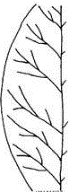
Revolute
Revolute
Recurved Recurved,
Revolute Revolute
Pinnule Venation (Leaflet)
Parallel
Parallel
Parallel Parallel
Pinnule Attachment (Leaflet)
Sessile
Sessile
Sessile Sessile
Pinnule Arrangement (Leaflet)
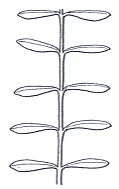
Opposite
Opposite
Opposite Opposite
Petiole Length
60-70mm, 70-80mm, 80-90mm, 90-100mm
60-70mm,
70-80mm,
80-90mm,
90-100mm
Petiole Texture
Barbs-recurved
Barbs-recurved
Barbs-recurved Barbs-recurved
Petiole Feature(s)
Barbs
Barbs
Barbs Barbs
Trunk / Stem Properties
Colour(s) (Upper/Crown Shaft)
Brown Dark
Brown Dark
Colour(s) (Base)
Brown Dark
Brown Dark
Texture (Upper)
Bristly / Hispid
Bristly / Hispid
Rough / Scabrous
Rough / Scabrous
Bristly / Hispid Bristly / Hispid,
Rough / Scabrous Rough / Scabrous
Coarse , Fibrous , Prickly
Coarse,
Fibrous,
Prickly
Texture (Base)
Bristly / Hispid
Bristly / Hispid
Rough / Scabrous
Rough / Scabrous
Bristly / Hispid Bristly / Hispid,
Rough / Scabrous Rough / Scabrous
Coarse , Fibrous , Prickly
Coarse,
Fibrous,
Prickly
Cross Section
Terete
Terete
Terete Terete
Diameter
175-200mm, 200-250mm
175-200mm,
200-250mm
Length
700-800mm, 800-900mm, 900mm-1m
700-800mm,
800-900mm,
900mm-1m
Features
Persistent Leaf Bases
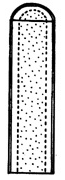
Persistent Leaf Bases Persistent Leaf Bases
Construction
Pith Continuous
Pith Continuous
Pith Continuous Pith Continuous
Inflorescence (Flower) Properties
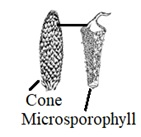
Gender: Male
Flowering Time (start)
Spring Mid
Spring Mid
Flowering Time (end)
Summer Mid
Summer Mid
Colour(s)
Cream-orange
Cream-orange
Flower Shape(s)
Strobilus - Male
Strobilus - Male
Strobilus - Male Strobilus - Male
Aroma(s)
Sweet-Slight
Sweet-Slight
Arrangements
Male Inflorescence Cone
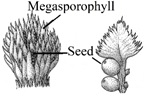
Male Inflorescence Cone Male Inflorescence Cone
Arrangement Size(s)
200-225mm
200-225mm
Pollinator(s)
Insects, Wind
Insects,
Wind
Male and Female Flowers Borne
On Separate Plant
On Separate Plant
Gender: Female
Flowering Time (start)
Spring Mid
Spring Mid
Flowering Time (end)
Summer Mid
Summer Mid
Flower Shape(s)
Megasporophyll - Female
Megasporophyll - Female Megasporophyll - Female
Aroma(s)
None
None
Arrangements
Female  Inflorescence Cone
Female Inflorescence Cone
Female  Inflorescence Cone Female Inflorescence Cone
Pollinator(s)
Insects, Wind
Insects,
Wind
Male and Female Flowers Borne
On Separate Plant
On Separate Plant
Indusia (Fruiting Body) Properties
Type
Cone Simple
Cone Simple
Cone Simple Cone Simple
Shape(s)
Ellipsoid
Ellipsoid
Ellipsoid Ellipsoid
Outer Colour(s)
Orange-brown
Orange-brown
Outer Texture
Fluffy
Fluffy
Length
250-300mm
250-300mm
Aroma
Fruity-Slight
Fruity-Slight
Seed Properties
Type
Nut
Nut
Colour
Orange
Orange
Shape(s)
Globose
Globose
Orbicular
Orbicular
Globose Globose,
Orbicular Orbicular
Texture(s)
Smooth
Smooth
Smooth Smooth
Size
25-30mm, 30-40mm
25-30mm,
30-40mm
Seed Number
many
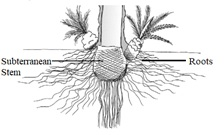
Root Properties
Type
Collaroid Root
Collaroid Root
Subterranean Stem/Adventitious Root
Collaroid Root Collaroid Root,
Subterranean Stem/Adventitious Root Subterranean Stem/Adventitious Root
Texture
Coarse , Cord-like , Pliable
Coarse,
Cord-like,
Pliable
Colour(s)
Brown, Brown Light, Cream Deep, Cream-green
Brown,
Brown Light,
Cream Deep,
Cream-green
Soil Properties
Type(s)
Clay-loam, Loam, Sandy-loam, Hummus Rich, Organic Matter, Peaty
Clay-loam,
Loam,
Sandy-loam,
Hummus Rich,
Organic Matter,
Peaty
pH Range(s)
Acid, Slightly Acid, Neutral, Slightly Alkaline, Alkaline
Acid,
Slightly Acid,
Neutral,
Slightly Alkaline,
Alkaline
Condition(s)
Damp
Damp
Moist
Moist
Damp Damp,
Moist Moist
Fertile , Deep
Fertile,
Deep
Salinities
Slight
Slight
Slight Slight
Waterlogging Class
W0 – Low tolerance
W0 – Low tolerance
Other Properties / Uses
Bee Attraction
None
None
Bird Attraction
None
None
Butterfly Attraction
None
None
Frog Habitat
None
None
Carbon Sequestration Potential
Low
Low
Wood Density
Low < 600kg/c.m.
Low < 600kg/c.m.
Coastal
2nd Line
2nd Line
Edible(s)
None
None
Fire Regeneration(s)
Seed, Regrowth
Seed,
Regrowth
Fire Retarding
Poor
Poor
Drought Tolerance
Moderate
Moderate
Frost Tolerance
Moderate
Moderate
Smog Tolerance
Good
Good
Snow Tolerance
Light
Light
Landscape Use
Very Good
Very Good
Street Use
None
None
Commercial Use(s)
Horticulture - Amenity
Maintenance(s)
Dead Fronding
Dead Fronding
Pests/Diseases
Mealy Bug, Scale
Mealy Bug,
Scale
Special Purpose(s)
Garden-Container, Fire Resistant, Floral Art, Foliage-Interesting, Garden-Courtyard, Garden-Foliage, Garden-Indoors, Garden-Japanese, Garden-Mediterranean, Garden-Rainforest, Garden-Tropical, Poisonous, Pool Side, Shade Tolerant, Shady Dry, Shady Moist, Specimen, Sunny Dry, Sunny Moist, Tolerant-Cockatoo's, Tolerant-Deer, Tolerant-Kangaroo's, Tolerant-Parrot's, Tolerant-Rabbits/Hares
Garden-Container,
Fire Resistant,
Floral Art,
Foliage-Interesting,
Garden-Courtyard,
Garden-Foliage,
Garden-Indoors,
Garden-Japanese,
Garden-Mediterranean,
Garden-Rainforest,
Garden-Tropical,
Poisonous,
Pool Side,
Shade Tolerant,
Shady Dry,
Shady Moist,
Specimen,
Sunny Dry,
Sunny Moist,
Tolerant-Cockatoo's,
Tolerant-Deer,
Tolerant-Kangaroo's,
Tolerant-Parrot's,
Tolerant-Rabbits/Hares
Propagation
Fresh Seed, Offsets

General Notes

A very hardy and popular Cyad for parks and gardens around the world, adaptable to a range of climates. It does require a male and female plant for it to set seed but it doesn't normally flower every year, it however send out new fronds every spring.

The pith contains edible starch, used for making sago, after a lot of careful prepartion to leach out the toxins. 

C. revoluta is Poisonous to animals and humans

It has gained the Royal Horticultural society's Award of Garden Merit 2017

Propagation Notes

Expand all
Fresh Seed
Flowering
Oct, Nov, Dec
Sowing
Sep, Oct, Nov, Dec
Material Preparation

The seed takes 6 - 9 mths to ripen. Pick the fruit when it is very red, off the plant. Peel off the outer flesh or if too hard, soak the seeds in warm water for 48 - 72 hours to loosen the outer flesh. Change the water daily. Discard any seeds that float to the top, keep the ones that sink. Floating seeds won't germinate as they lack an endosperm. Using gloves, so your hands don't turn orange, wash the seeds thoroughly with Solvol soap to remove any remaining pulp. Allow to dry. Store in a cool, dark place. It is best to sow the seed as soon as possible for best results.

Viability:-        6 - 12 months

Seeds/gram:-

Propagating Mix

1 part Cocopeat + 1 part Perlite

Treatment

If the seed has been stored for awhile, soak in a bowl or bucket of water overnight to soften the outer coat. Fill 100mm pots or 150mm deep seedling trays, then press the seeds 2/3 of the way into the mix, till just the flat side is above the mix surface, water in well with Previcur fungicide mix. Place in hothouse. Maintain hothouse environment between 50-75% humidity and temperature between 20-30° C. Spray fortnightly with fungicide. Keep in bright but indirect light.

In warmer climates, place outside in a shade house and keep moist but not too wet.

Viable seeds/gram:-             (90% germination rate on fresh picked seed)

Germination time:-     4 - 6 months       

Pricking out:-              2 - 3 months after germination

100mm Pot Mix:-       Premium Potting Soil     


Notes

Best to let get slightly root bound before potting on into next size pot which will 6 - 9 mths into 140mm another 18 mths into 200mm pots

Offsets
Division
Sep, Oct, Nov, Mar, Apr
Material Preparation

It will be difficult to seperate offsets as they are tightly packed to the mother plant. Select offsets that are approximately a 200 - 400mm. With a sharp knife, secateurs or axe, slice down the side of the stem of the mother plant to remove the offset with roots attached. Keep moist with misting or place in a bucket of water

Propagating Mix

Premium Potting Soil

Treatment

1/4 fill the 140 - 200mm pot with mix. Hold the offset over the soil mix in the pot and back fill around the offset and firm down. The offset should stand firm and be approximately the same depth as the original soil level, not too deep or it will rot. Water the pots of mix thoroughly with Previcur fungicide.  Place in hot house, keep moist. Maintain hot house environment between 50-75% humidity and temperature between 20-30° C.

Strike Rate:-     Field Stock        40-50 %

                        Nursery Stock   

Rooting time:- Field Stock        4 - 6 mths.

                        Nursery Stock