Livistona australis R.Br.; Mart.
Common name(s): Cabbage-tree Palm, Cabbage Palm, Australian Fan Palm

Plant
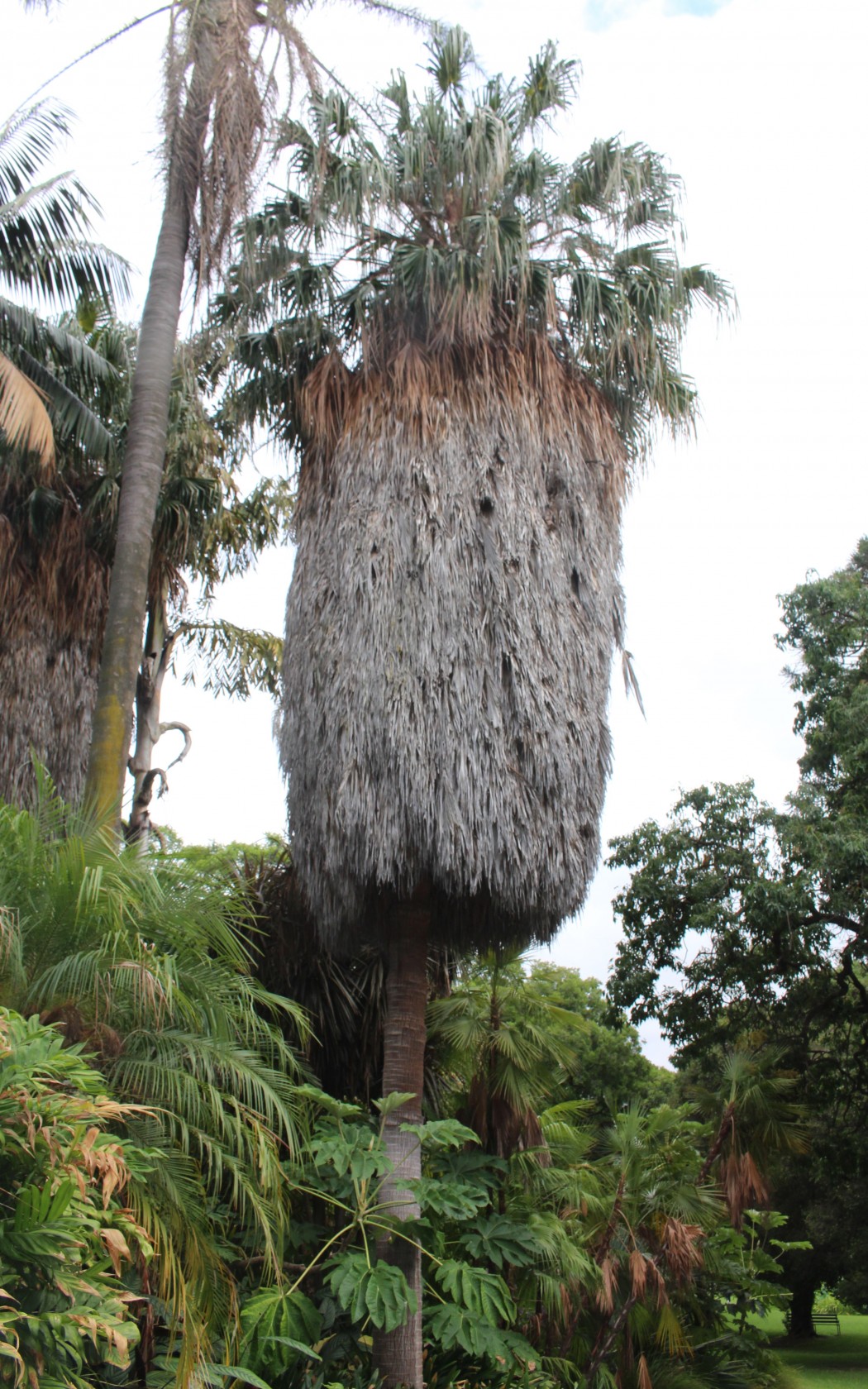
Plant - Livistona australis (R.Br.; Mart.)
Plant
Plant - Livistona australis (R.Br.; Mart.)
Bark (Lower)
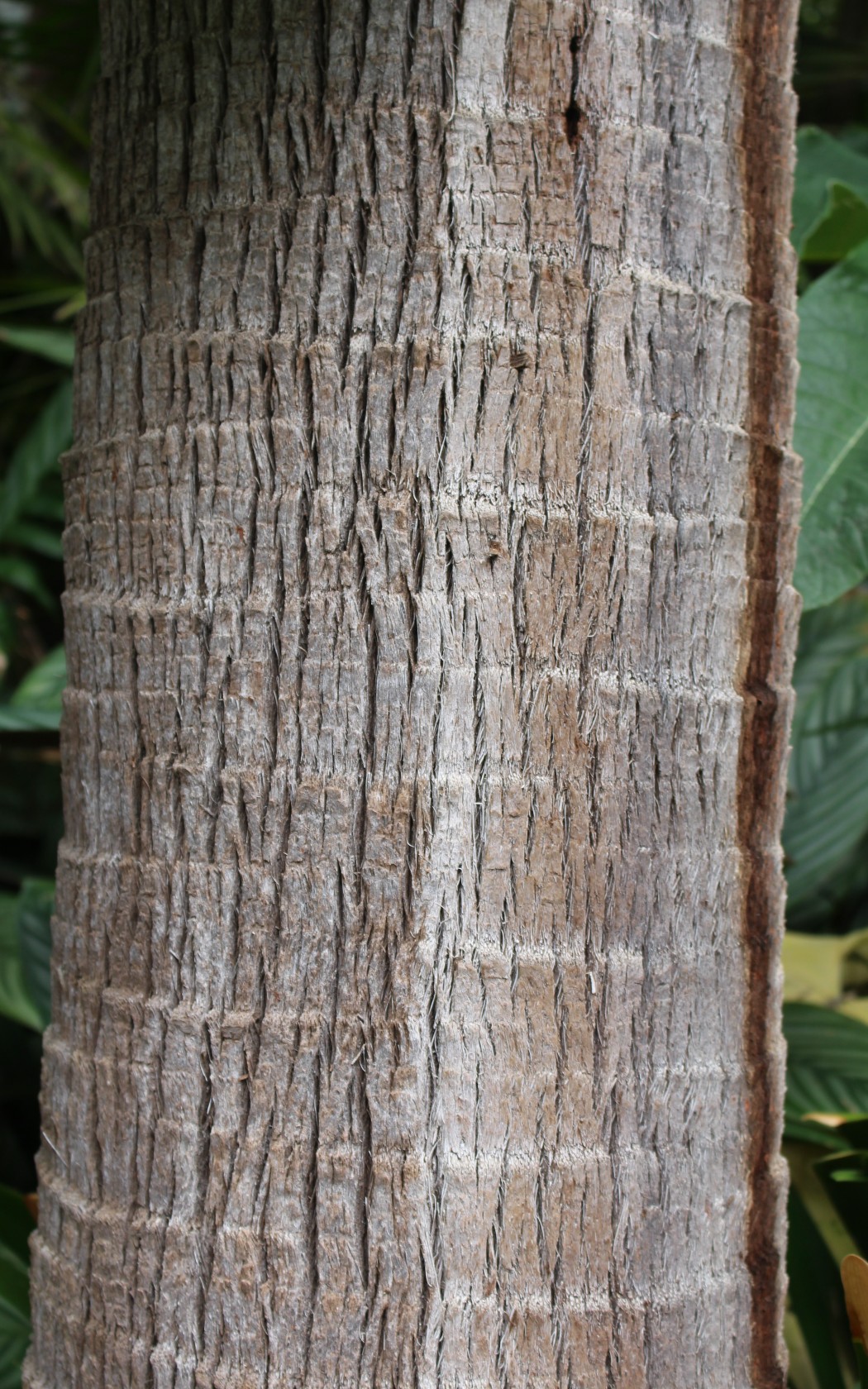
Bark (Lower) - Livistona australis (R.Br.; Mart.)

Bark (Upper)
Bark (Upper) - Livistona australis (R.Br.; Mart.)

Frond
Frond - Livistona australis (R.Br.; Mart.)

Fruit
Fruit - Livistona australis (R.Br.; Mart.)
Expand all
 Standard Crown - Dense
 Glabrous,
Leathery,
Smooth,
Waxy
Glabrous,
Leathery,
Smooth,
Waxy
Glabrous,
Leathery,
Smooth,
Waxy
Glabrous,
Leathery,
Smooth,
Waxy
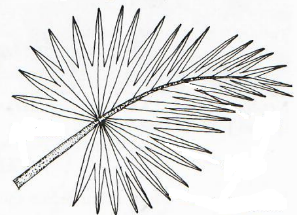
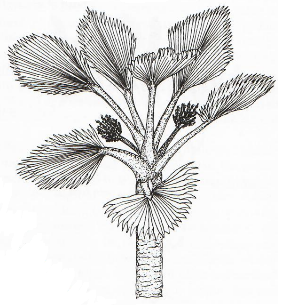
 Costapalmate,
Orbicular
Costapalmate,
Orbicular
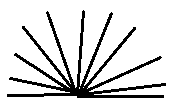
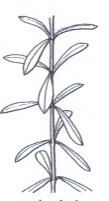 Open Crown,
Whorled
Open Crown,
Whorled
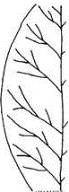 Entire
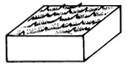 Rough / Scabrous
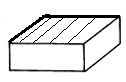 Grooved,
Rough / Scabrous
Grooved,
Rough / Scabrous
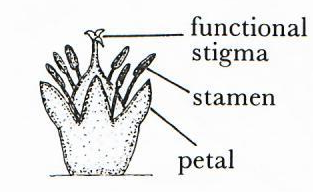
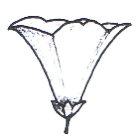 Bisexual or Hermaphrodite Flower,
Funnelform
Bisexual or Hermaphrodite Flower,
Funnelform
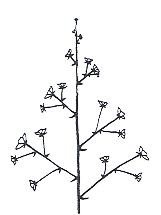 Axillary, Interfoliar Short,
Pannicle
Axillary, Interfoliar Short,
Pannicle
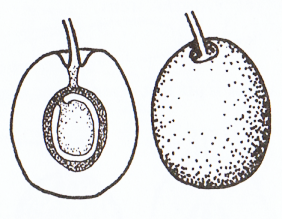 Drupe
Drupe
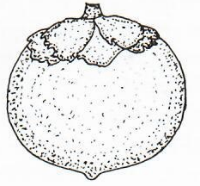 Globose
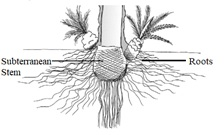 Subterranean Stem/Adventitious Root

 Moist,
Moist-Dry
Moist,
Moist-Dry
 Slight
Palm / Palm Ally Properties
Origin(s)
Plant Type
Climate Range(s) - Habitat
Aspect Range(s)
Habitat Range(s)
Habitat Zone(s)
Mature Height
Mature Width
Growth Rate
Plant Shape
Standard Crown - Dense
Standard Crown - Dense
Life Span
Frond Properties
Frond Colour(s) (front)
Frond Colour(s) (back)
Frond Texture (front)
Glabrous
Leathery
Smooth
Waxy
Glabrous,
Leathery,
Smooth,
Waxy
Rigid
Rigid
Frond Texture (back)
Glabrous
Leathery
Smooth
Waxy
Glabrous,
Leathery,
Smooth,
Waxy
Rigid
Rigid
Frond Length
Frond Width
Frond Aroma
Frond Shapes
Costapalmate
Orbicular
Costapalmate,
Orbicular
Frond Arrangement
Open Crown
Whorled
Open Crown,
Whorled
Fan Frond Margin
Entire
Entire Trunk / Stem Properties
Colour(s) (Upper/Crown Shaft)
Colour(s) (Base)
Texture (Upper)
Rough / Scabrous
Rough / Scabrous
Corky
,
Fibrous
Corky,
Fibrous
Texture (Base)
Grooved
Rough / Scabrous
Grooved,
Rough / Scabrous Inflorescence (Flower) Properties
Gender: Bisexual
Flowering Time (start)
Flowering Time (end)
Colour(s)
Flower Shape(s)
Bisexual or Hermaphrodite Flower
Funnelform
Bisexual or Hermaphrodite Flower,
Funnelform
Flower Size(s) Length
Aroma(s)
Arrangements
Axillary, Interfoliar Short
Pannicle
Axillary, Interfoliar Short,
Pannicle
Pendulous
Pendulous
Pollinator(s)
Indusia (Fruiting Body) Properties
Type
Drupe
Drupe
Shape(s)
Globose
Globose
Length
Aroma
Root Properties
Type
Subterranean Stem/Adventitious Root
Subterranean Stem/Adventitious Root Soil Properties
Type(s)
pH Range(s)
Condition(s)
Moist
Moist-Dry
Moist,
Moist-Dry
Fertile
,
Deep
,
Well Drained
Fertile,
Deep,
Well Drained
Salinities
Slight
Slight
Waterlogging Class
Other Properties / Uses
Bee Attraction
Bird Attraction
Butterfly Attraction
Frog Habitat
Coastal
Edible(s)
Fire Retarding
Drought Tolerance
Frost Tolerance
Smog Tolerance
Snow Tolerance
Landscape Use
Special Purpose(s)
General Notes
The Cabbage palm is a native of Australia and grows further south than any other native palm, A great specimen tree for the landscape.
There are 35 - 60 fronds in the crown, each frond divided into 30 - 50 pinnae
The aboriginal people with the Tharawal dialect called the palm 'Dtharowal'. The early settlers and aboriginal people used the frond for thatching rooves and baskets and ate the young growing point as cabbage, unfortunately this kills the palm after it has been harvested.