Loading...

Macrozamia communis L.A.S. Johnson 1959

Common name(s): Burrawang
Family: Zamiaceae Synonym(s): Macrozamia amabilis W.Bull, Encephalartos spiralis var. major Miq., Macrozamia australis Schaedtler, Macrozamia eximia W. Bull, Macrozamia spiralis var. eximia W. Bull, Regel
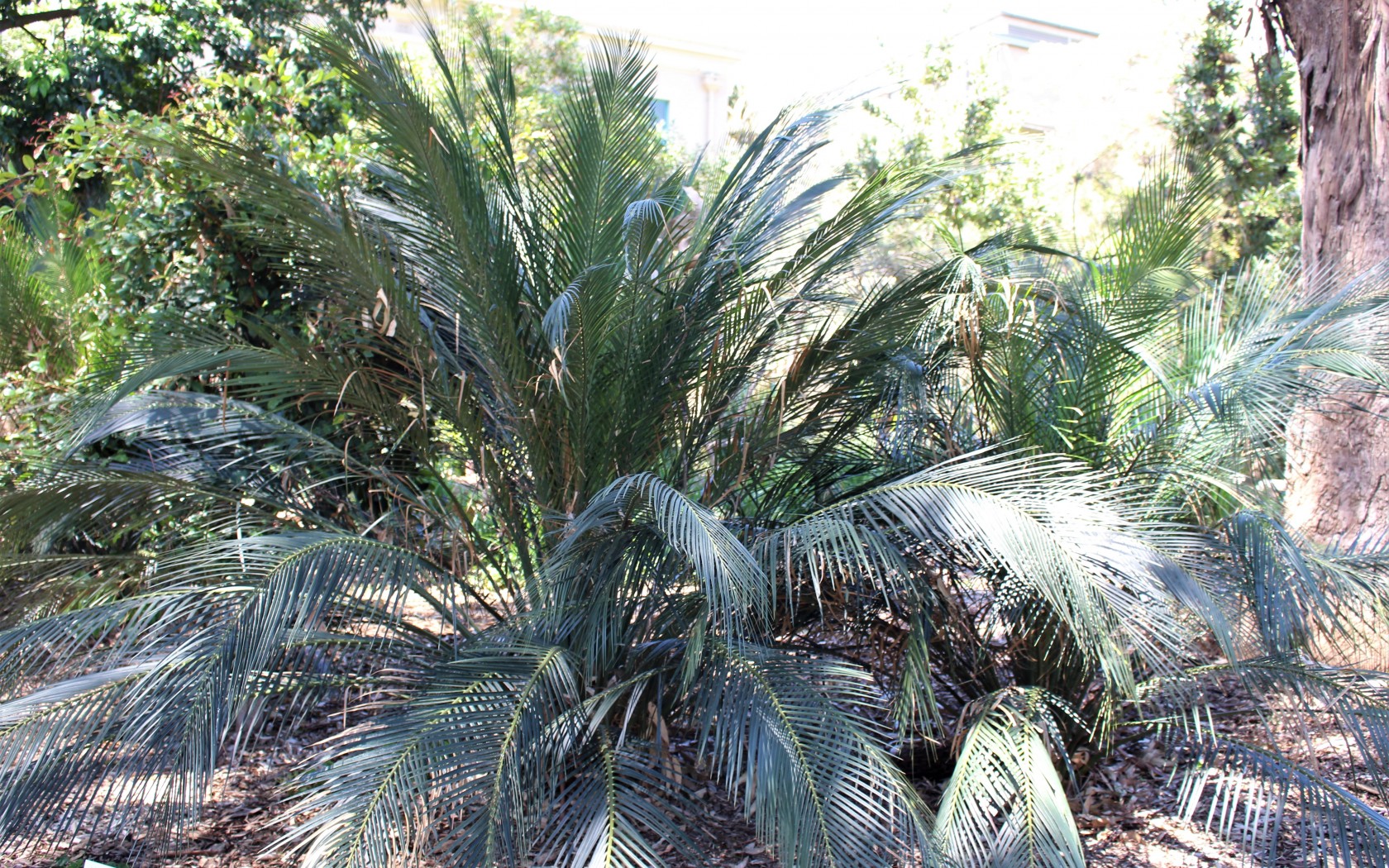
Plant
Plant
Taken by Ken Harrington
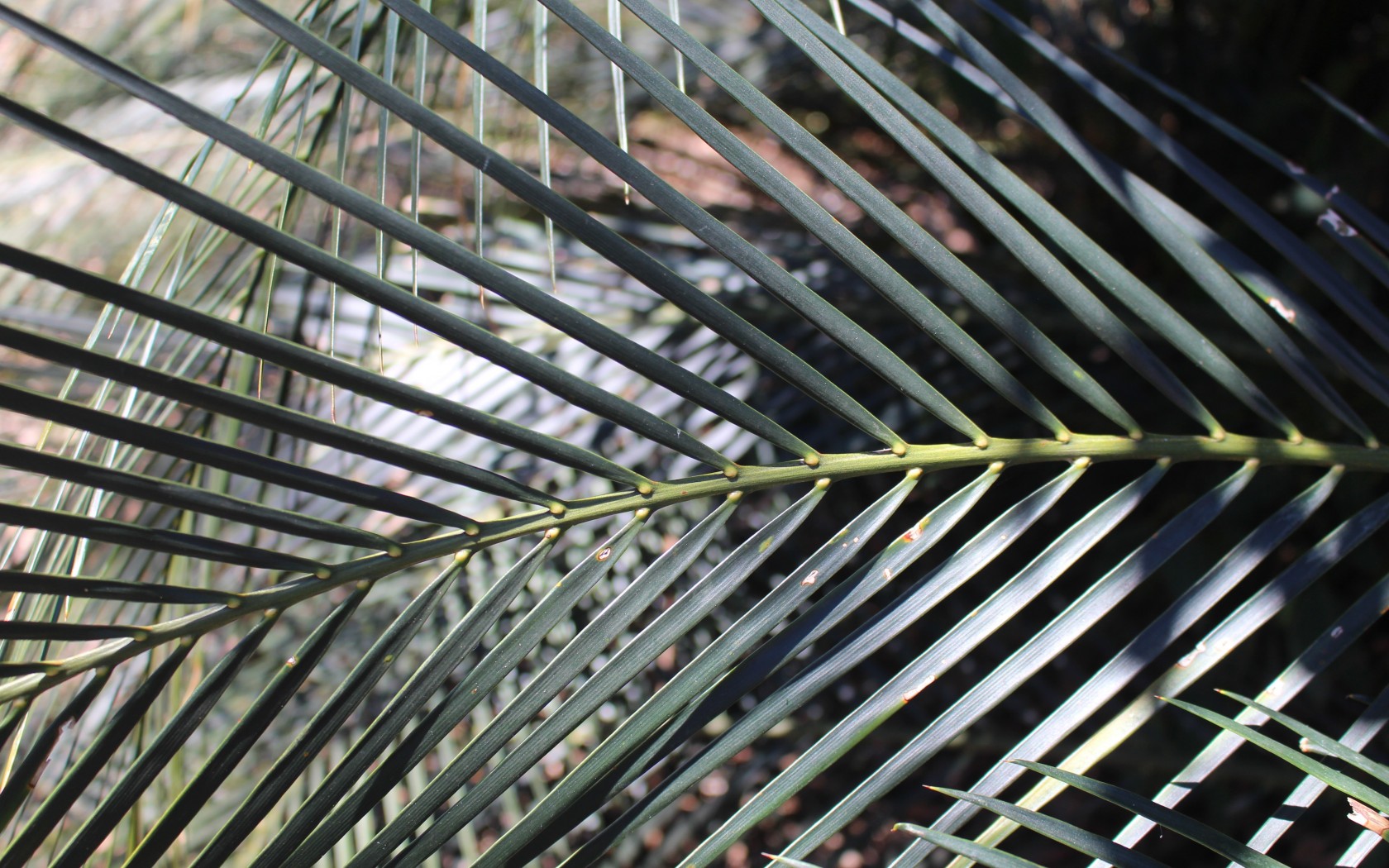
Frond
Frond
Taken by Ken Harrington
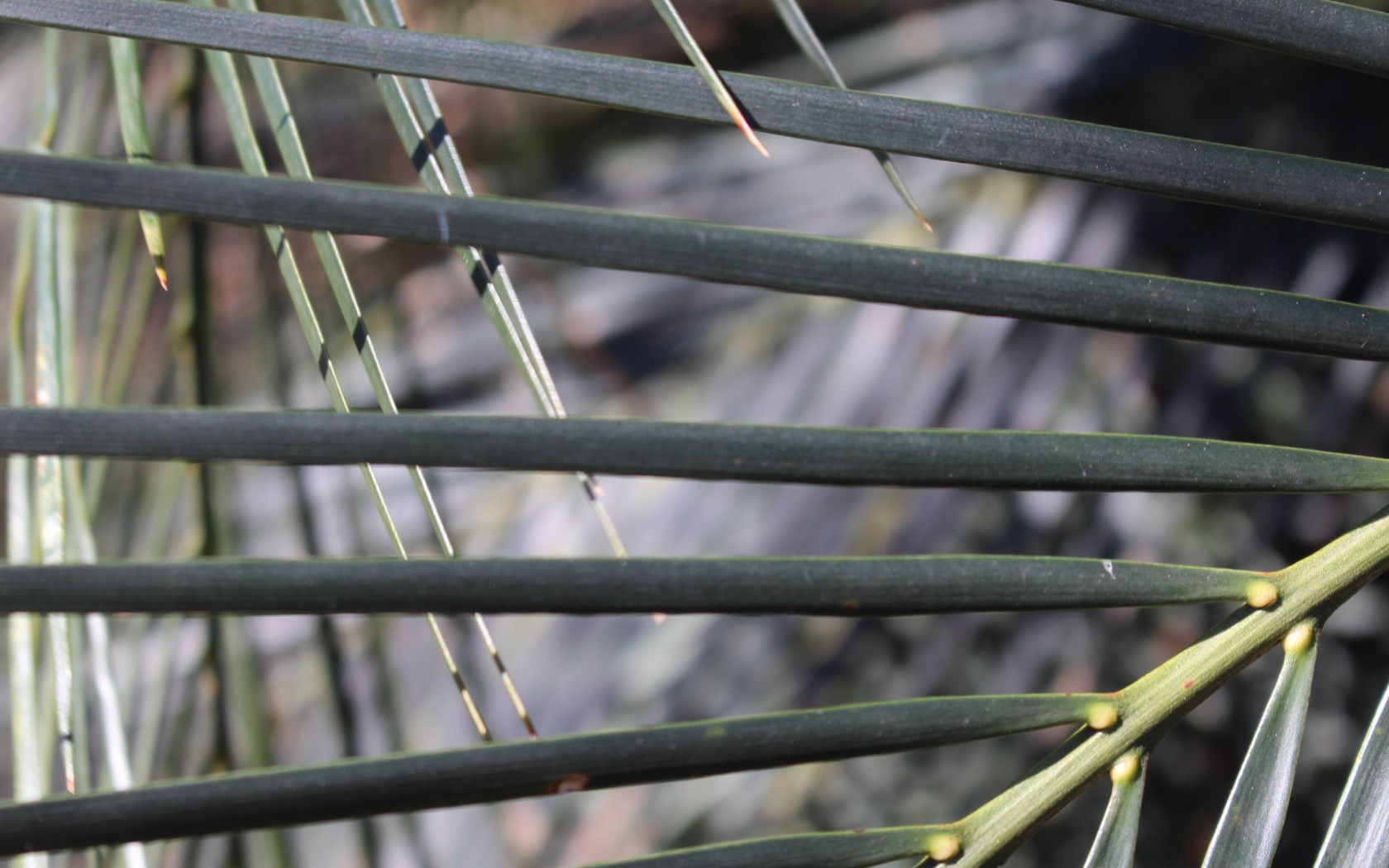
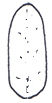
Pinna
Pinna
Taken by Ken Harrington
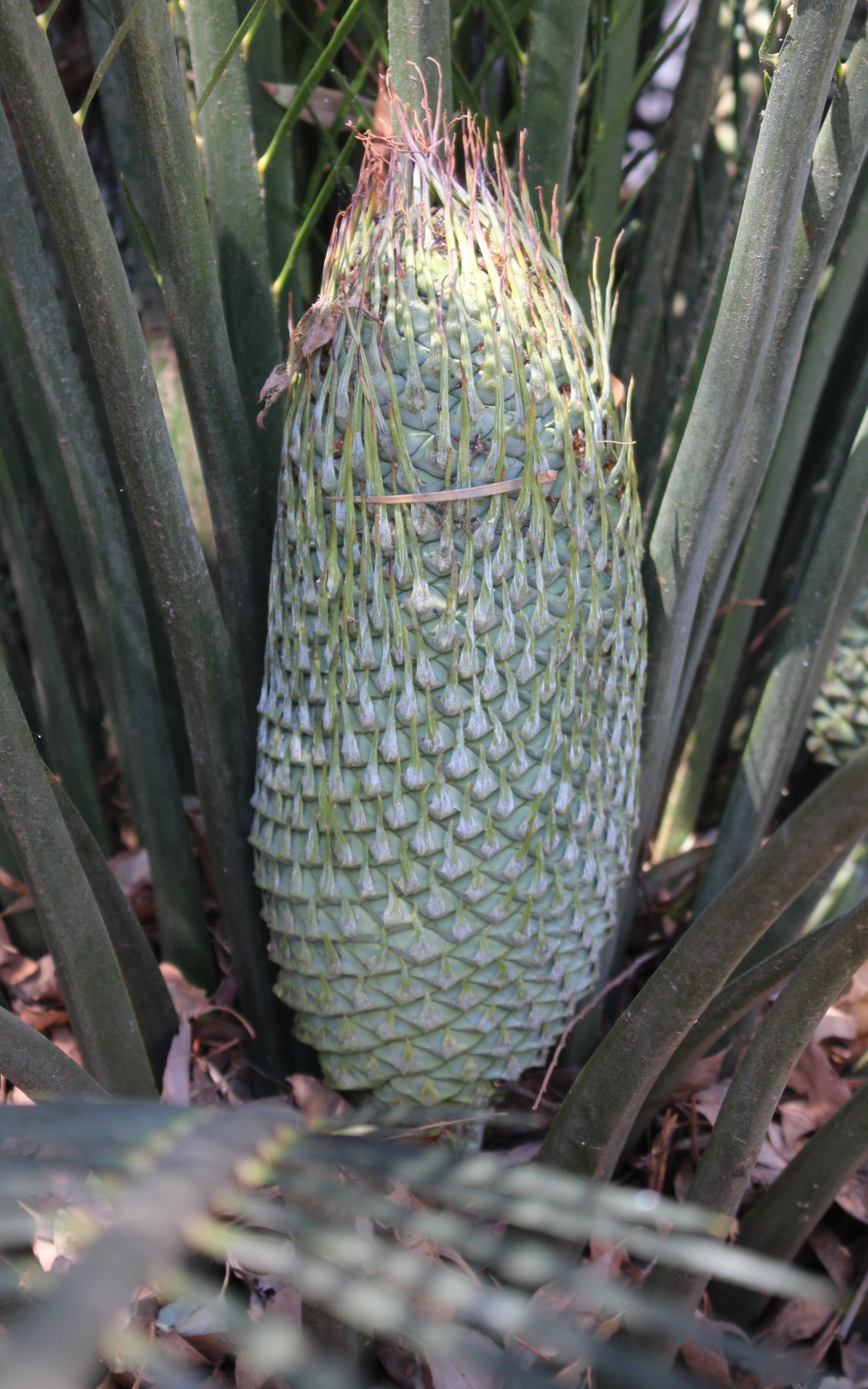
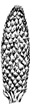
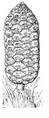
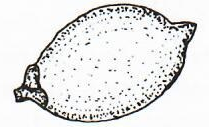
Fruit
Fruit
Taken by Ken Harrington
Expand all
Palm / Palm Ally Properties
Origin(s)
Australia
  • NSW: NC, CC, SC
Plant Type
Cycad, Frond Retained, Palm Ally, Solitary
Cycad,
Frond Retained,
Palm Ally,
Solitary
Climate Range(s) - Habitat
Temperate Warm, Mediterranean, Tropical-Sub
Temperate Warm,
Mediterranean,
Tropical-Sub
Aspect Range(s)
Sun - Morning, Shade - Dappled, Shade - Light, Shade - Medium
Sun - Morning,
Shade - Dappled,
Shade - Light,
Shade - Medium
Habitat Range(s)
Open Woodlands, Sclerophyll Forest - Dry, Sclerophyll Forest - Wet
Open Woodlands,
Sclerophyll Forest - Dry,
Sclerophyll Forest - Wet
Habitat Zone(s)
Garden, Gullies / Valley's / Canyon's, Hill Sides, Landscape, Moist Slopes, Ridges, Sandy Moist, Understory, Well drained
Garden,
Gullies / Valley's / Canyon's,
Hill Sides,
Landscape,
Moist Slopes,
Ridges,
Sandy Moist,
Understory,
Well drained
Mature Height
750mm-1m, 1-1.5m, 1.5-2m, 2-2.5m, 2.5-3m, 3-4m
750mm-1m,
1-1.5m,
1.5-2m,
2-2.5m,
2.5-3m,
3-4m
Mature Width
3-4m
3-4m
Growth Rate
Slow, Moderate
Slow,
Moderate
Plant Shape
Standard Crown - Open
Standard Crown - Open Standard Crown - Open
Life Span
100-150yrs
100-150yrs
Frond Properties
Frond Colour(s) (front)
Dull, Glossy, Green, Grey-green
Dull,
Glossy,
Green,
Grey-green
Frond Colour(s) (back)
Dull, Grey-green
Dull,
Grey-green
Frond Texture (front)
Glabrous
Glabrous
Waxy
Waxy
Glabrous Glabrous,
Waxy Waxy
Frond Texture (back)
Glabrous
Glabrous
Waxy
Waxy
Glabrous Glabrous,
Waxy Waxy
Frond Length
2.25-2.5m
2.25-2.5m
Frond Width
200-250mm, 250-300mm, 300-400mm, 400-500mm, 500-600mm
200-250mm,
250-300mm,
300-400mm,
400-500mm,
500-600mm
Frond Aroma
None
None
Frond Shapes
Pinnate / Parapinnate

Pinnate / Parapinnate Pinnate / Parapinnate
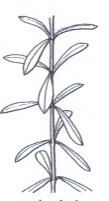
Frond Arrangement
Open Crown
Open Crown
Whorled
Whorled
Open Crown Open Crown,
Whorled Whorled
Trunk / Stem Properties
Colour(s) (Upper/Crown Shaft)
Brown Dark
Brown Dark
Colour(s) (Base)
Brown Dark
Brown Dark
Texture (Upper)
Rough / Scabrous
Rough / Scabrous
Rough / Scabrous Rough / Scabrous
Texture (Base)
Rough / Scabrous
Rough / Scabrous
Rough / Scabrous Rough / Scabrous
Inflorescence (Flower) Properties
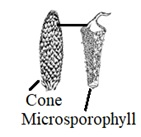
Gender: Male
Flowering Time (start)
Autumn Early
Autumn Early
Flowering Time (end)
Summer Late
Summer Late
Flower Shape(s)
Strobilus - Male
Strobilus - Male
Strobilus - Male Strobilus - Male
Aroma(s)
None
None
Arrangements
Male Inflorescence Cone
Male Inflorescence Cone Male Inflorescence Cone
Erect
Erect
Pollinator(s)
Insects, Wind, Weevils
Insects,
Wind,
Weevils
Male and Female Flowers Borne
On Separate Plant
On Separate Plant
Gender: Female
Colour(s)
Green-brown, Grey-brown
Green-brown,
Grey-brown
Flower Shape(s)
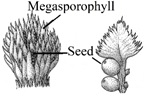
Megasporophyll - Female
Megasporophyll - Female Megasporophyll - Female
Aroma(s)
None
None
Arrangements
Female  Inflorescence Cone
Female Inflorescence Cone
Female  Inflorescence Cone Female Inflorescence Cone
Erect
Erect
Pollinator(s)
Insects, Wind, Weevils
Insects,
Wind,
Weevils
Male and Female Flowers Borne
On Separate Plant
On Separate Plant
Indusia (Fruiting Body) Properties
Type
Cone Simple
Cone Simple
Cone Simple Cone Simple
Shape(s)
Oblong
Oblong
Ovoid
Ovoid
Oblong Oblong,
Ovoid Ovoid
Length
200-250mm, 250-300mm, 300-350mm, 350-400mm, 400-450mm
200-250mm,
250-300mm,
300-350mm,
350-400mm,
400-450mm
Aroma
None
None
Root Properties
Type
Collaroid Root
Collaroid Root
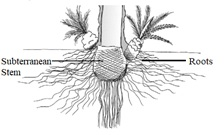
Subterranean Stem/Adventitious Root
Collaroid Root Collaroid Root,
Subterranean Stem/Adventitious Root Subterranean Stem/Adventitious Root
Soil Properties
Type(s)
Loam, Sandy-loam, Sand, Stony
Loam,
Sandy-loam,
Sand,
Stony
pH Range(s)
Acid, Slightly Acid, Neutral
Acid,
Slightly Acid,
Neutral
Condition(s)
Damp
Damp
Moist
Moist
Damp Damp,
Moist Moist
Fertile , Shallow , Deep , Well Drained
Fertile,
Shallow,
Deep,
Well Drained
Salinities
Slight
Slight
Slight Slight
Waterlogging Class
W0 – Low tolerance
W0 – Low tolerance
Other Properties / Uses
Bee Attraction
Poor
Poor
Bird Attraction
Insect
Insect
Butterfly Attraction
Moderate
Moderate
Frog Habitat
None
None
Coastal
1st Line
1st Line
Edible(s)
Nuts - Eaten after processing
Fire Retarding
Poor
Poor
Drought Tolerance
Moderate
Moderate
Frost Tolerance
Moderate
Moderate
Smog Tolerance
Moderate
Moderate
Snow Tolerance
None
None
Landscape Use
Very Good
Very Good
Special Purpose(s)
Garden-Container, Fire Resistant, Floral Art, Foliage-Interesting, Fruit-decorative, Garden-Australian Native, Garden-Coastal, Garden-Courtyard, Garden-Foliage, Garden-Formal, Garden-Indoors, Garden-Informal, Garden-Mediterranean, Garden-Rainforest, Garden-Tropical, Irritating-Leaves, Litter Issue - Nuts, Poisonous, Pond Edge, Shade Tolerant, Shady Dry, Shady Moist, Specimen, Sunny Moist, Tolerant-Cockatoo's, Tolerant-Deer, Tolerant-Kangaroo's, Tolerant-Parrot's, Tolerant-Rabbits/Hares
Garden-Container,
Fire Resistant,
Floral Art,
Foliage-Interesting,
Fruit-decorative,
Garden-Australian Native,
Garden-Coastal,
Garden-Courtyard,
Garden-Foliage,
Garden-Formal,
Garden-Indoors,
Garden-Informal,
Garden-Mediterranean,
Garden-Rainforest,
Garden-Tropical,
Irritating-Leaves,
Litter Issue - Nuts,
Poisonous,
Pond Edge,
Shade Tolerant,
Shady Dry,
Shady Moist,
Specimen,
Sunny Moist,
Tolerant-Cockatoo's,
Tolerant-Deer,
Tolerant-Kangaroo's,
Tolerant-Parrot's,
Tolerant-Rabbits/Hares

General Notes

An Australian native macrozamia that makes a wonderful hardy, specimen plant or mass understory planting in the garden. Its common name Burrawang is derived from the aboriginal people Dharuk language. M. communis takes between 10-20 years to mature before fruiting and setting seed, requiring a male and female plant to do so. In its natural habitat it can form large understory colonies.

It has 50 -100 fronds (leaves) in the crown. The pinnae are angled forward on the rachis of 45 - 60o and extend in a horizontal plane from the rachis. A prominent white callous is present at the join of the pinnae to the rachis. Female plants bear 1- 3 cones, male plants bear 1 - 5 cones.

The Aborigines (the Cadigal people), pounded and soaked the seeds in water for a week, changing daily, to remove the poison, then the pulp was made into cakes and roasted over hot embers as a good source of starch.