Phoenix canariensis Chabaud
Common name(s): Canary Island Date Palm, Pineapple Palm, Phoenix Palm
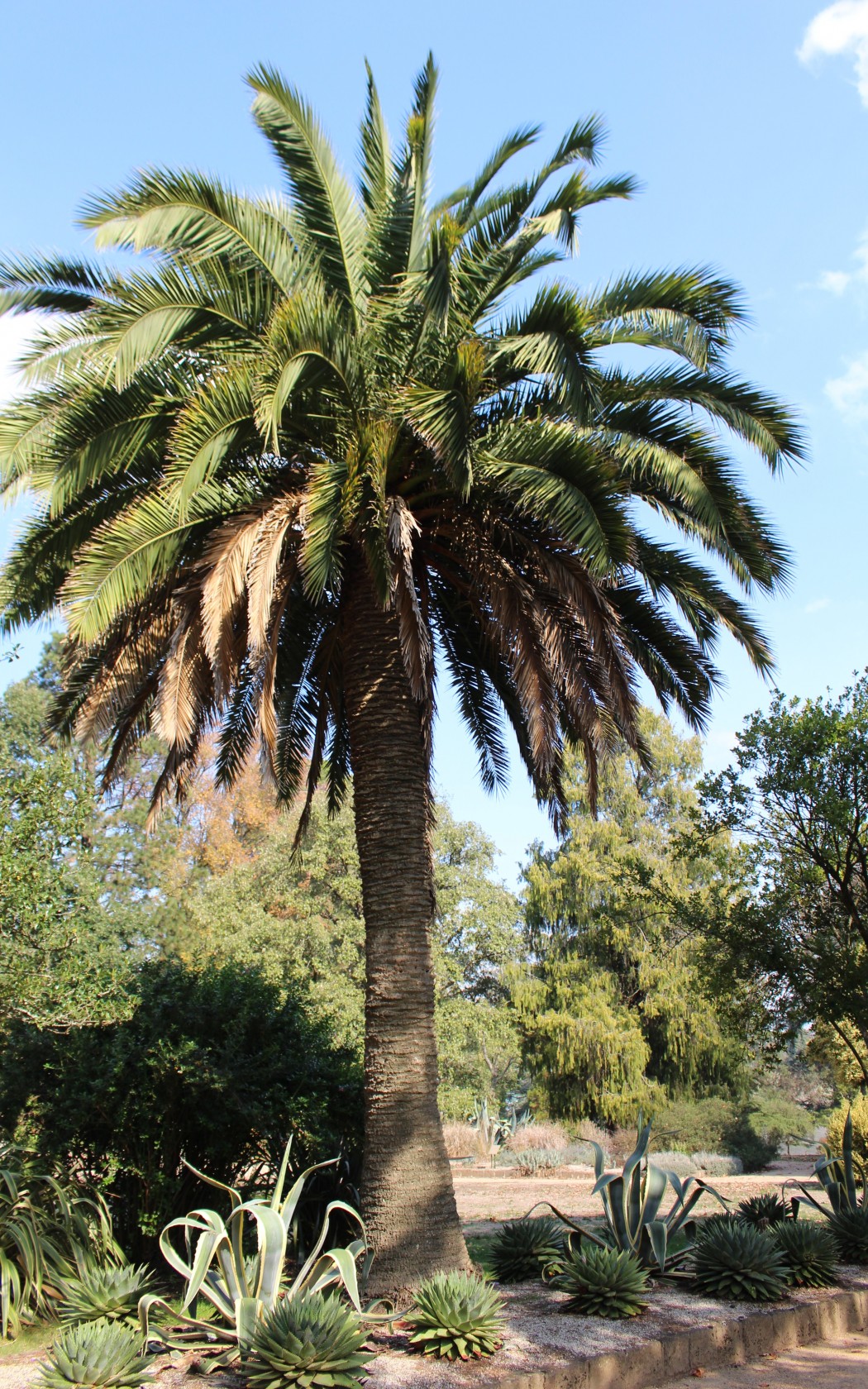
Plant
Plant - Phoenix canariensis (Chabaud)
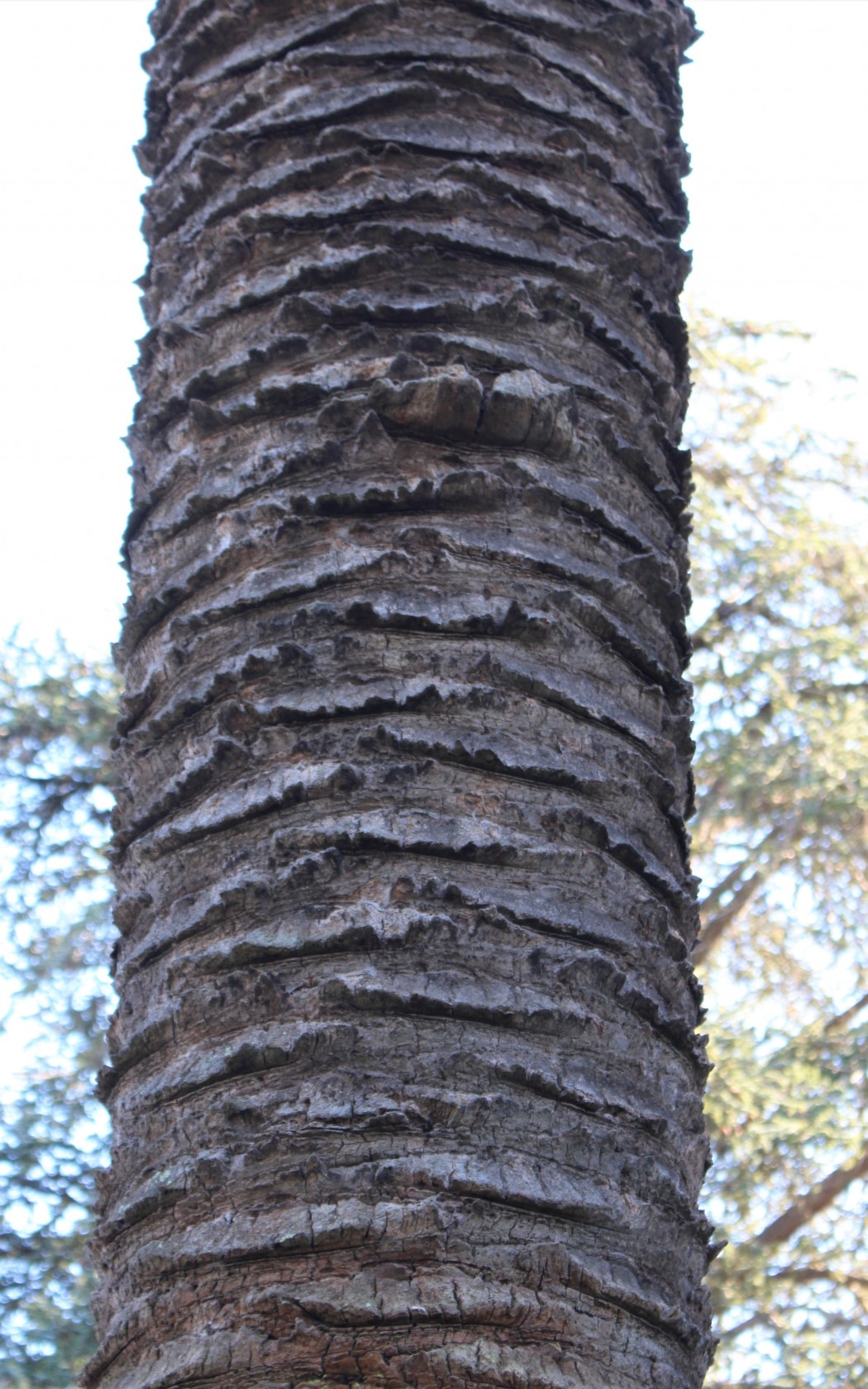
Bark
Bark - Phoenix canariensis (Chabaud)
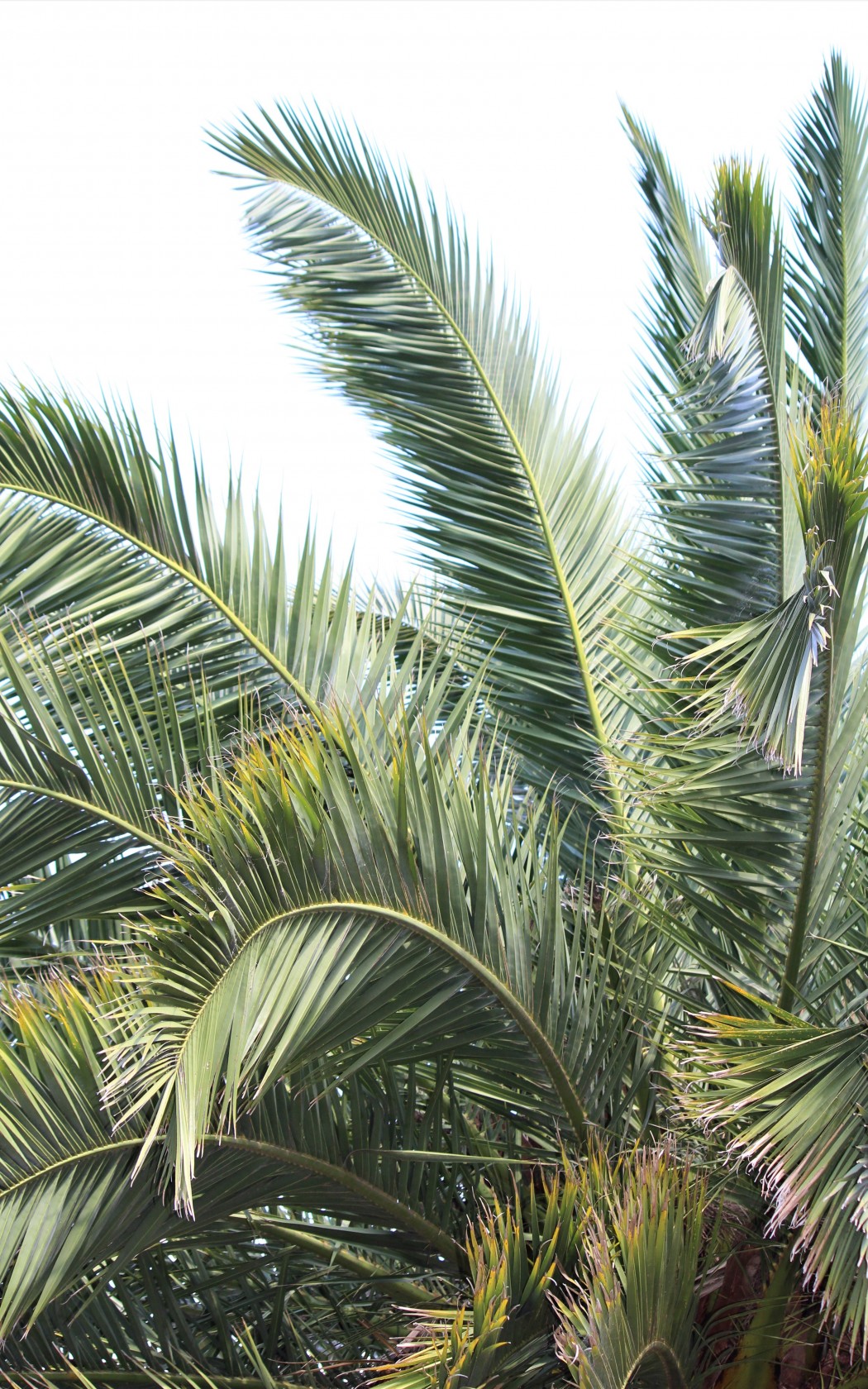
Frond
Frond - Phoenix canariensis (Chabaud)
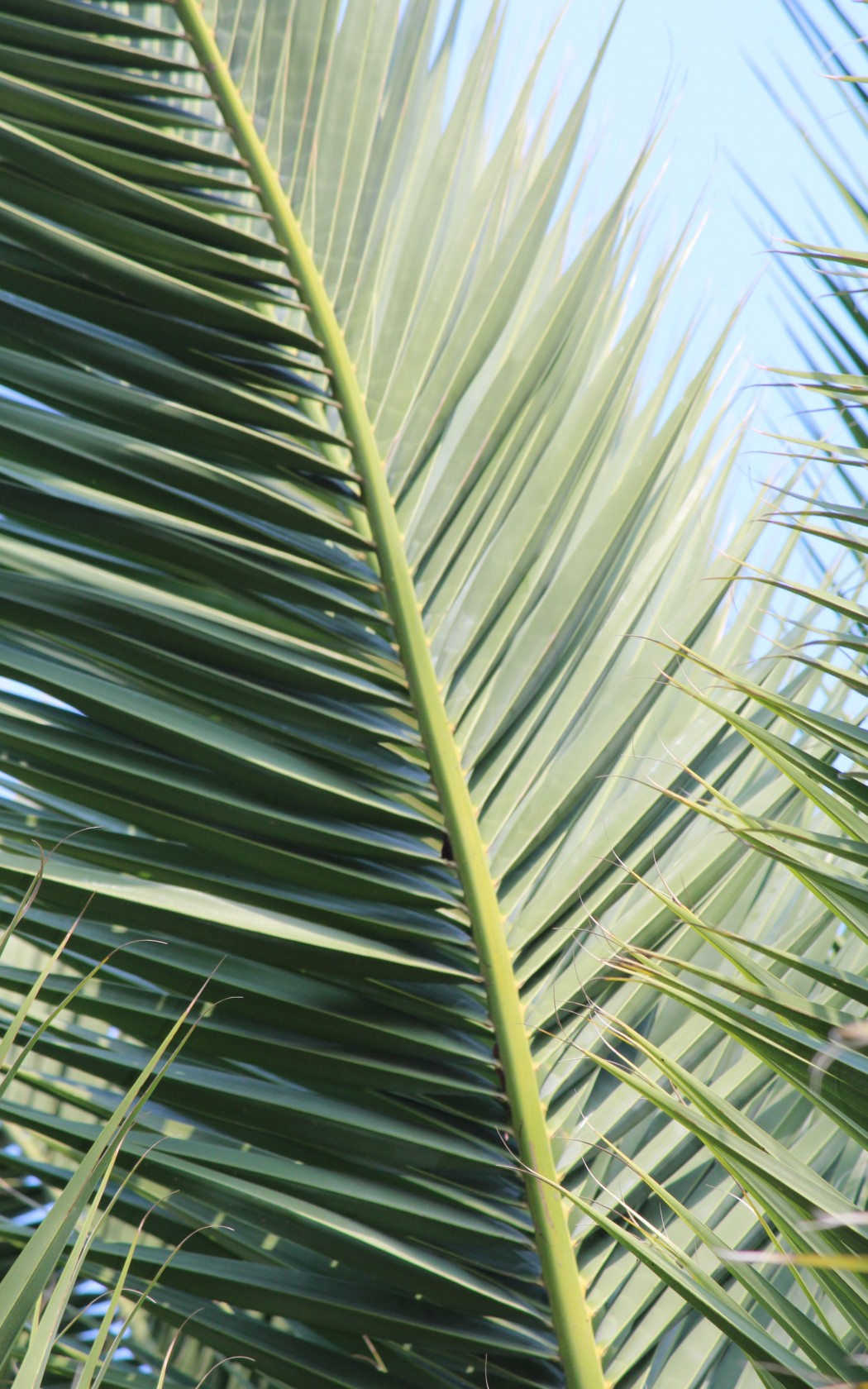
Pinna
Pinna - Phoenix canariensis (Chabaud)
Pinna
Pinna - Phoenix canariensis (Chabaud)
Expand all
 Standard Crown - Dense
 Glabrous,
Leathery
Glabrous
Glabrous,
Leathery
Glabrous


 Elliptical,
Pinnate / Parapinnate,
Recurved
Elliptical,
Pinnate / Parapinnate,
Recurved
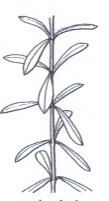 Dense Crown,
Whorled
Dense Crown,
Whorled
 Rough / Scabrous
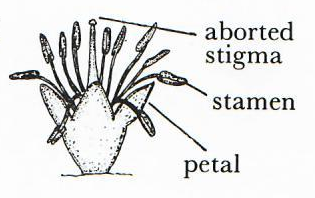 Male Staminate Flower
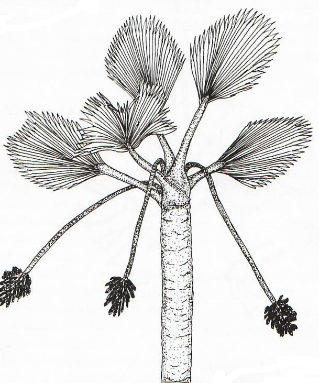
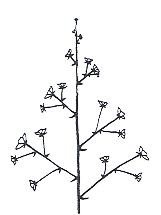 Axillary, Interfoliar Long,
Pannicle
Axillary, Interfoliar Long,
Pannicle
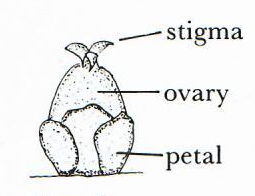 Female or Pistillate Flower
Axillary, Interfoliar Long,
Pannicle
Female or Pistillate Flower
Axillary, Interfoliar Long,
Pannicle
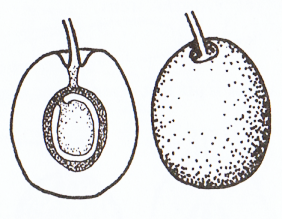 Drupe
Drupe

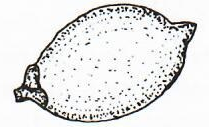 Obovoid,
Ovoid
Obovoid,
Ovoid
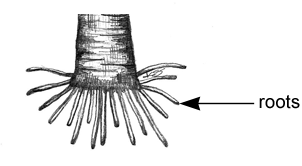 Surface Adventitious Root


 Damp,
Moist,
Moist-Dry
Damp,
Moist,
Moist-Dry
 Slight - Moderate
Palm / Palm Ally Properties
Origin(s)
Plant Type
Climate Range(s) - Habitat
Aspect Range(s)
Habitat Range(s)
Habitat Zone(s)
Mature Height
Mature Width
Growth Rate
Plant Shape
Standard Crown - Dense
Standard Crown - Dense
Life Span
Frond Properties
Frond Colour(s) (front)
Frond Colour(s) (back)
Frond Texture (front)
Glabrous
Leathery
Glabrous,
Leathery
Stiff
Stiff
Frond Texture (back)
Glabrous
Glabrous
Frond Length
Frond Width
Frond Aroma
Frond Shapes
Elliptical
Pinnate / Parapinnate
Recurved
Elliptical,
Pinnate / Parapinnate,
Recurved
Frond Arrangement
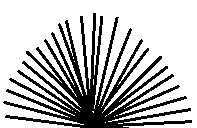
Dense Crown
Whorled
Dense Crown,
Whorled Trunk / Stem Properties
Colour(s) (Upper/Crown Shaft)
Colour(s) (Base)
Texture (Upper)
Texture (Base)
Rough / Scabrous
Rough / Scabrous
Corky
Corky
Inflorescence (Flower) Properties
Gender: Male
Flowering Time (start)
Flowering Time (end)
Colour(s)
Flower Shape(s)
Male Staminate Flower
Male Staminate Flower
Erect
Erect
Flower Size(s) Length
Aroma(s)
Arrangements
Axillary, Interfoliar Long
Pannicle
Axillary, Interfoliar Long,
Pannicle
Pendulous
Pendulous
Pollinator(s)
Male and Female Flowers Borne
Gender: Female
Flowering Time (start)
Flowering Time (end)
Colour(s)
Flower Shape(s)
Female or Pistillate Flower
Female or Pistillate Flower
Pendulous
Pendulous
Flower Size(s) Length
Aroma(s)
Arrangements
Axillary, Interfoliar Long
Pannicle
Axillary, Interfoliar Long,
Pannicle
Pendulous
Pendulous
Pollinator(s)
Male and Female Flowers Borne
Indusia (Fruiting Body) Properties
Type
Drupe
Drupe
Shape(s)
Obovoid
Ovoid
Obovoid,
Ovoid
Length
Aroma
Root Properties
Type
Surface Adventitious Root
Surface Adventitious Root Soil Properties
Type(s)
pH Range(s)
Condition(s)
Damp
Moist
Moist-Dry
Damp,
Moist,
Moist-Dry
Fertile
,
Poor
,
Deep
,
Well Drained
Fertile,
Poor,
Deep,
Well Drained
Salinities
Slight - Moderate
Slight - Moderate
Waterlogging Class
Other Properties / Uses
Bee Attraction
Bird Attraction
Butterfly Attraction
Frog Habitat
Coastal
Edible(s)
Fire Retarding
Drought Tolerance
Frost Tolerance
Smog Tolerance
Snow Tolerance
Landscape Use
Special Purpose(s)
Weed Potential(s)
General Notes
P. canariensis is the natural symbol of the Canary Islands. It has been cultivated in gardens throughout Mediterranean climates for hundreds of years. A very hardy, adaptable palm which has become one of the most planted palms in the world. On La Gomera Island the sap is collected to make palm syrup. Although the fruit is edible there is very little flesh. A palm that is easily transplanted when mature.
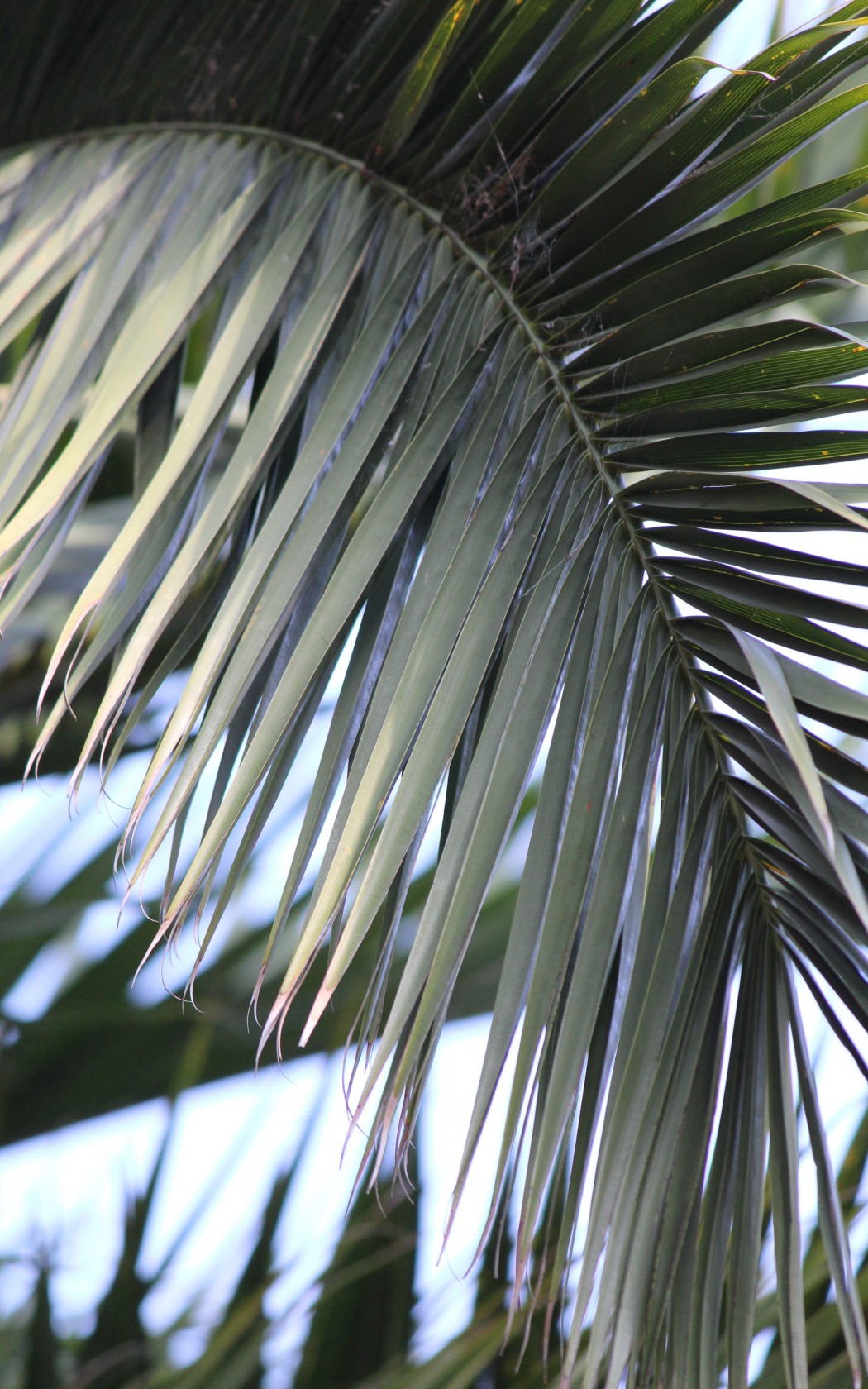
The palm has up to 100 graceful, arching, large parapinnate fronds, with 80 - 100 leaflets (pinnae) on either side of the rachis, usually angled forwards .
It has gained the Royal Horticultural Society's Award of Garden Merit