Linospadix minor W. Hill, Burret.
Common name(s): Minor Walking Stick Palm, Jakarungle (Indigenous)
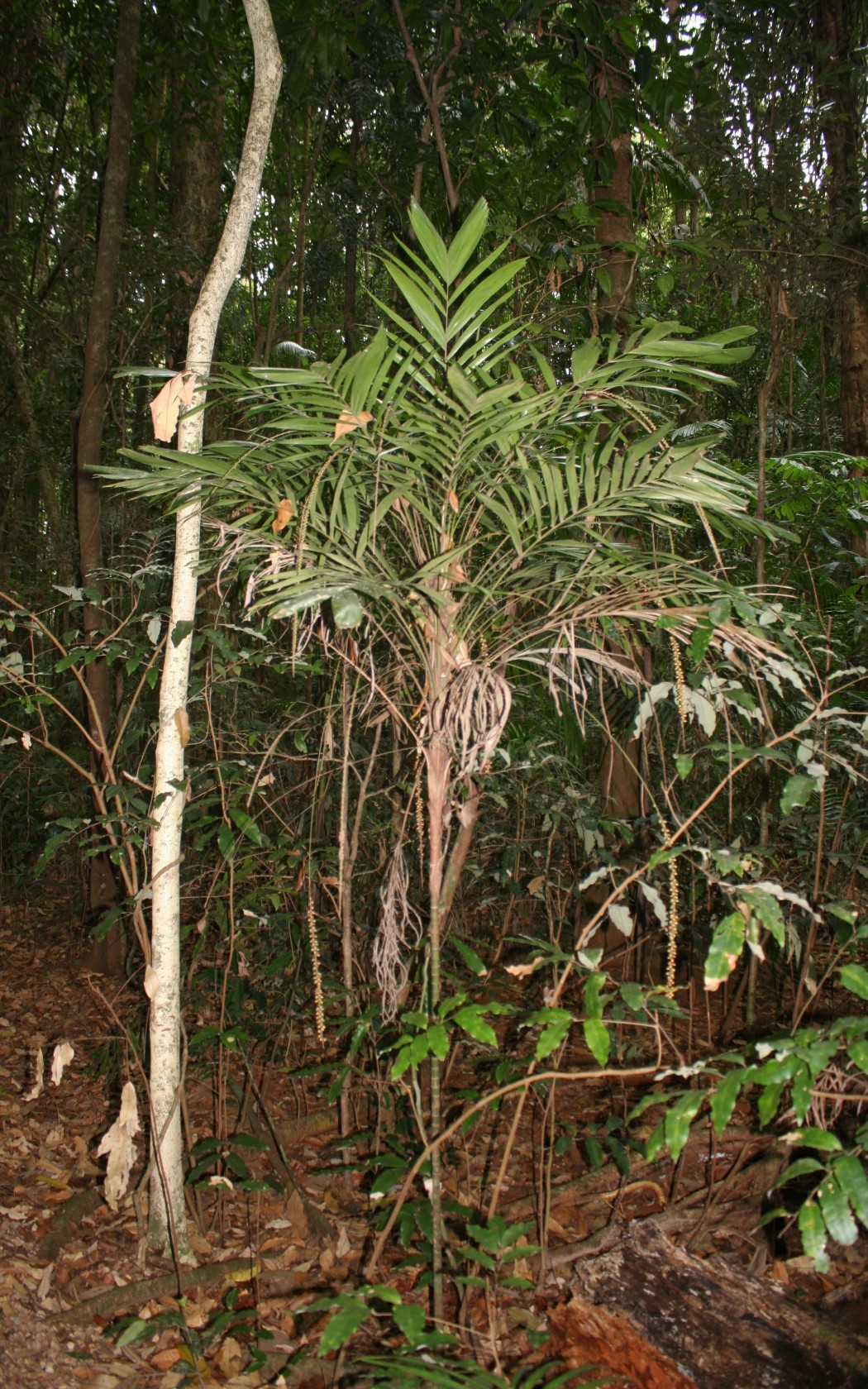
Plant
Plant - Linospadix minor (W. Hill, Burret.)
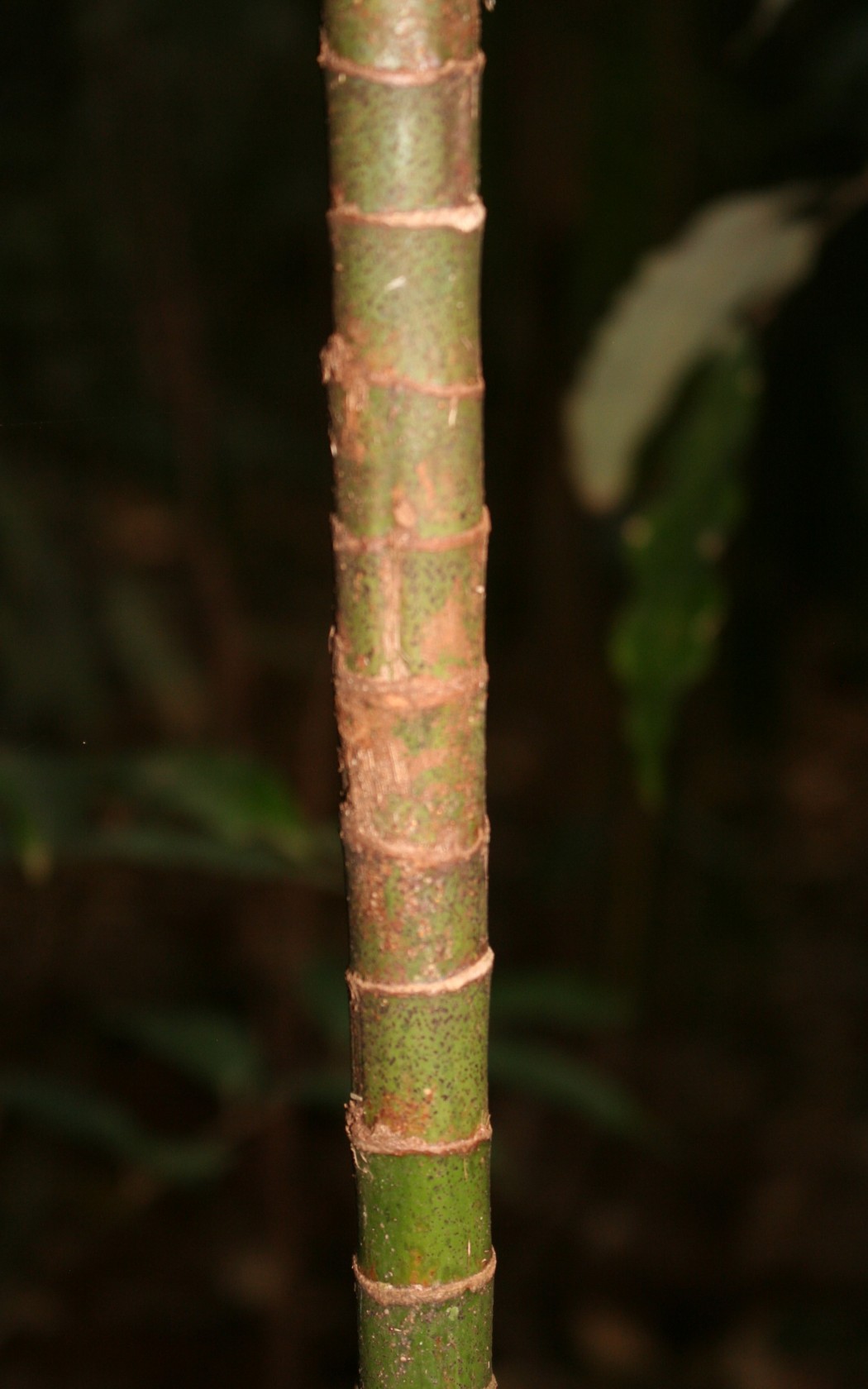
Stem
Stem - Linospadix minor (W. Hill, Burret.)
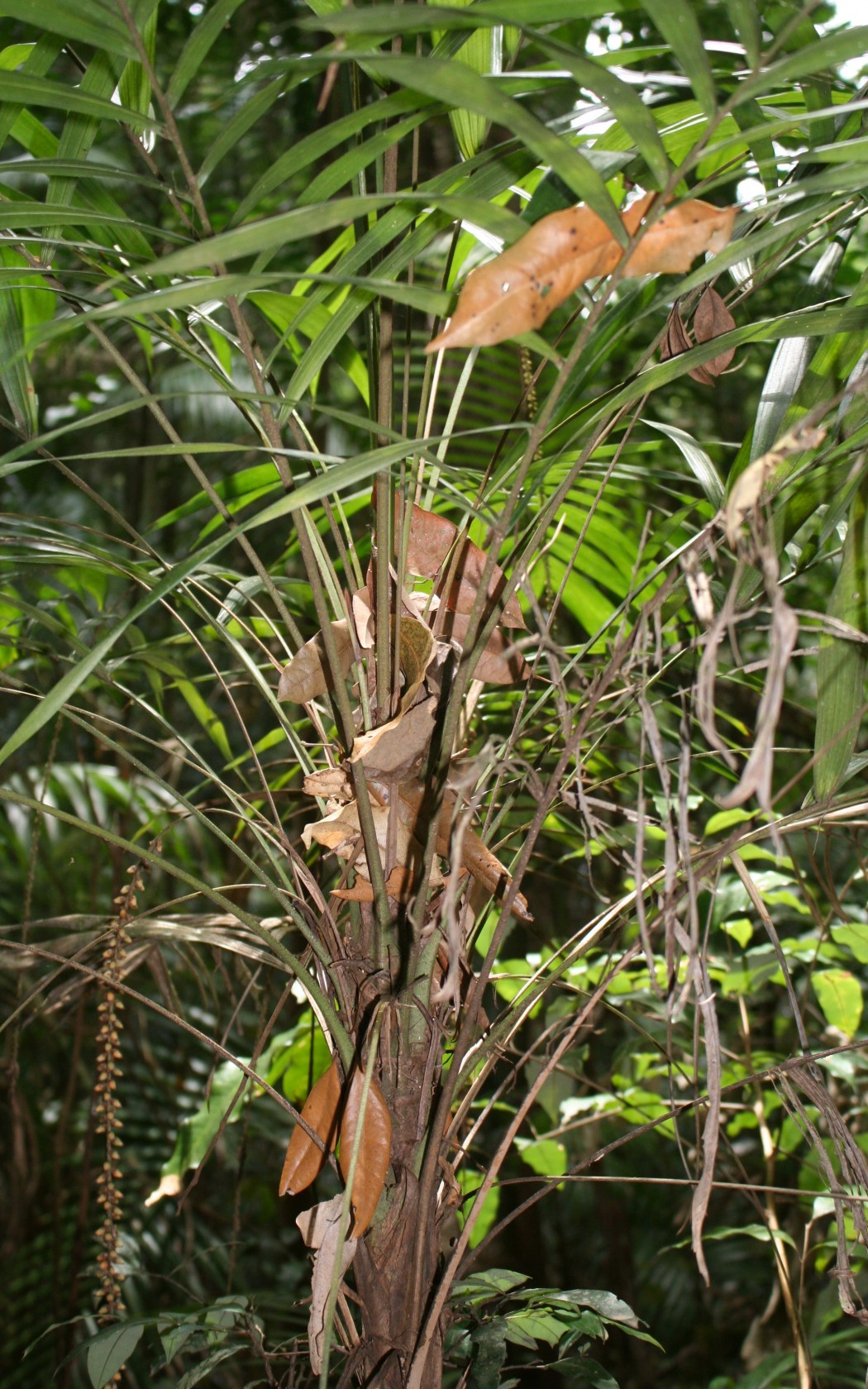
Stem (Upper)
Stem (Upper) - Linospadix minor (W. Hill, Burret.)
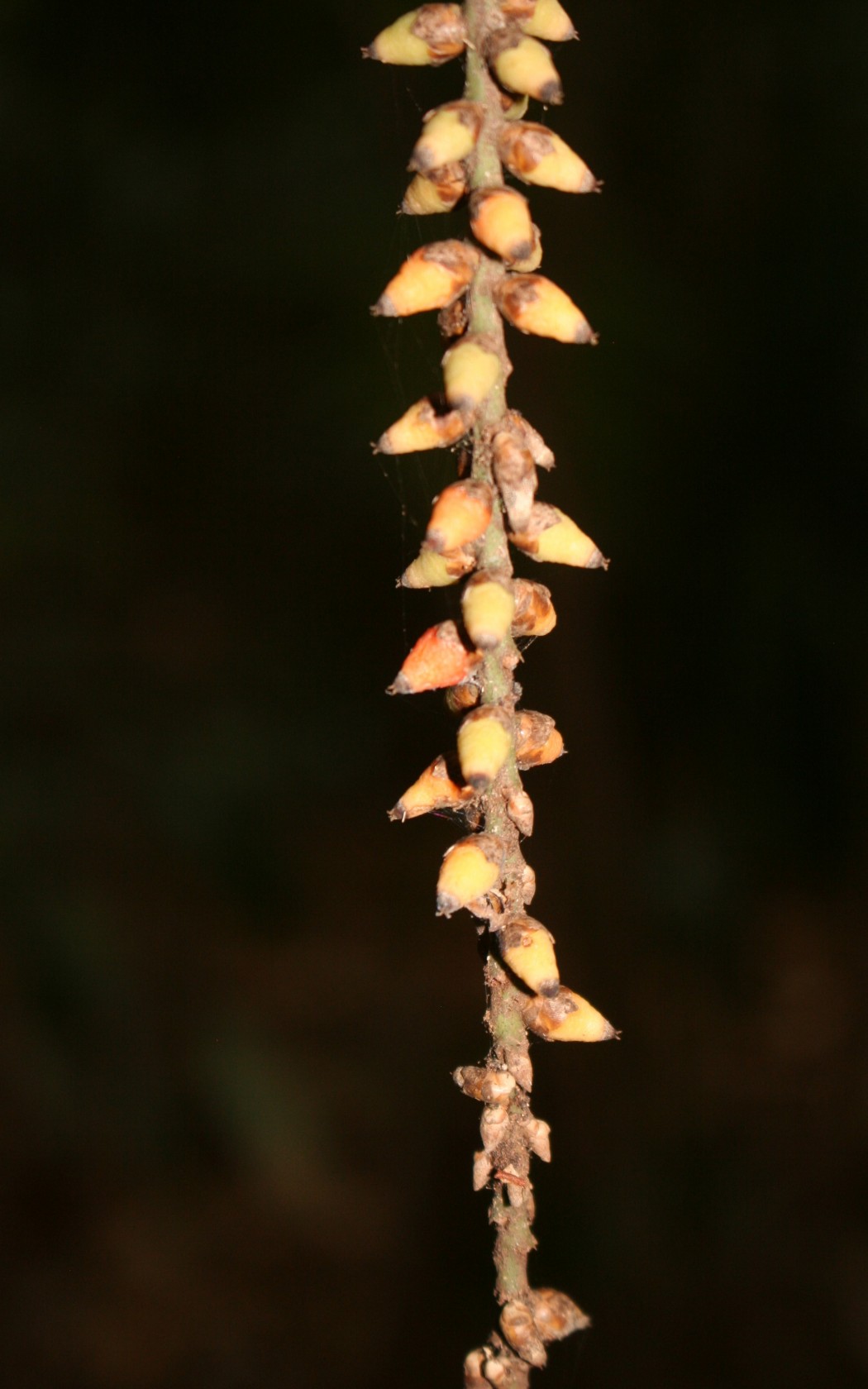
Fruit
Fruit - Linospadix minor (W. Hill, Burret.)
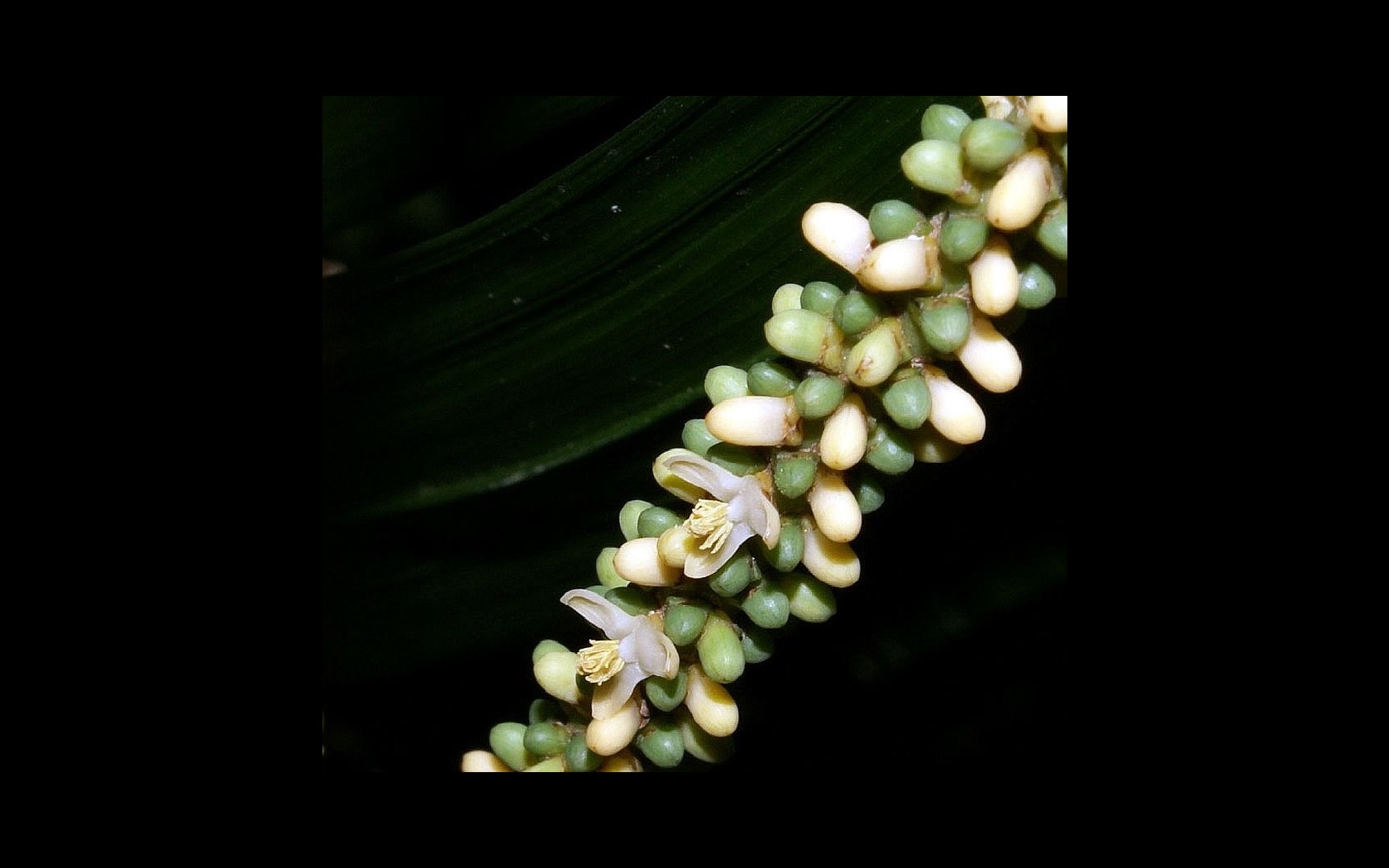
Flowers
Flowers - Linospadix minor (W. Hill, Burret.)
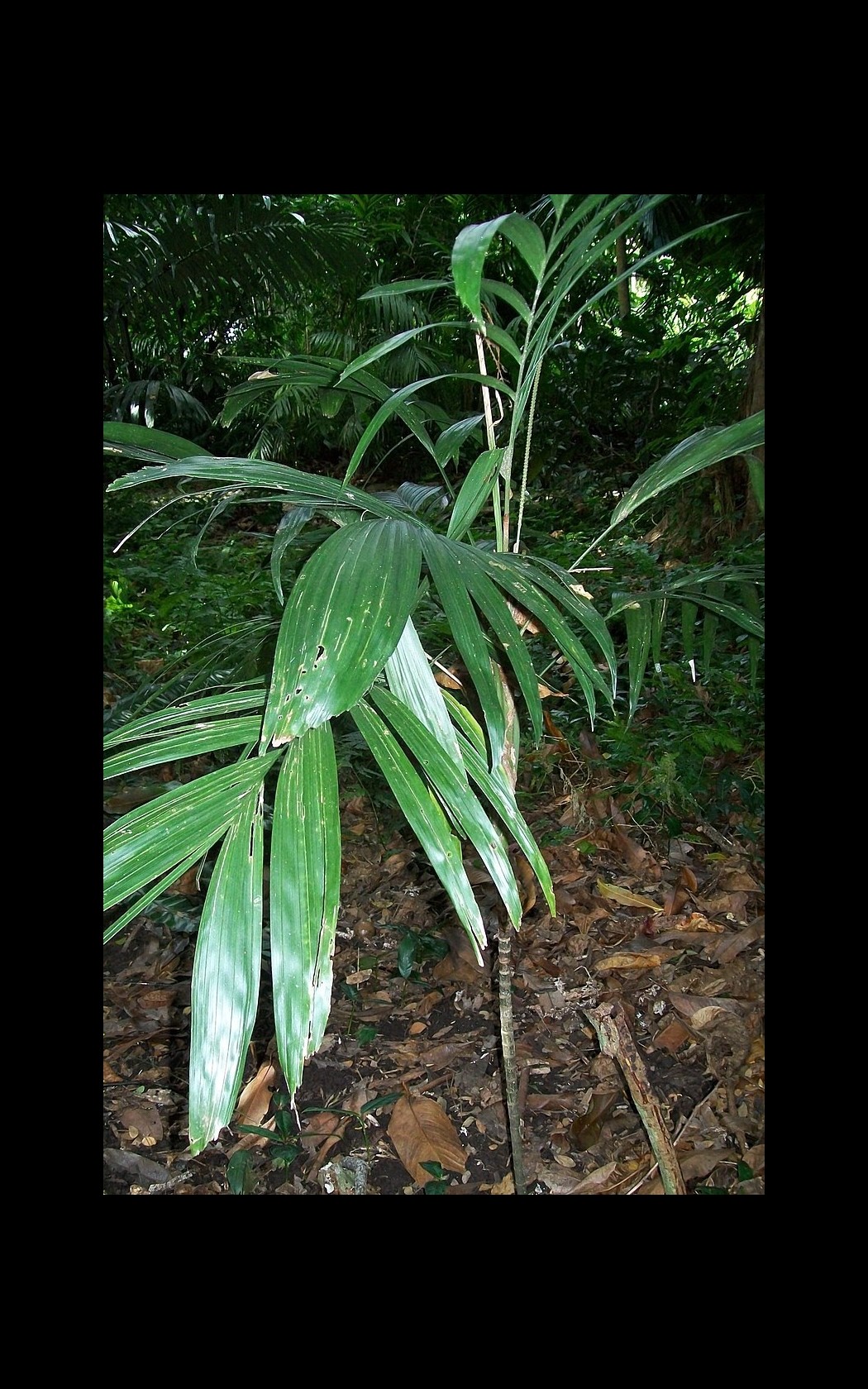
Frond
Frond - Linospadix minor (W. Hill, Burret.)
Expand all
 Standard Crown - Open
 Leathery
Leathery
Leathery
 Pinnate / Parapinnate
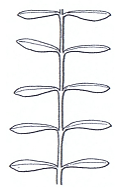 Opposite
 Waxy
Waxy
Waxy
Waxy
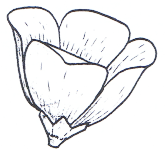
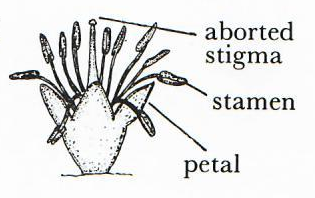 Cyathiform,
Male Staminate Flower
Cyathiform,
Male Staminate Flower
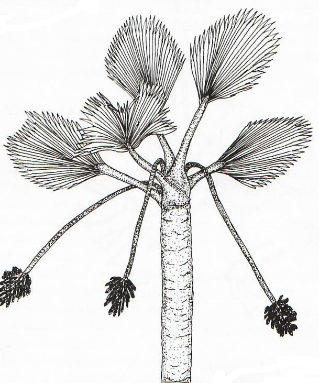 Axillary, Interfoliar Long
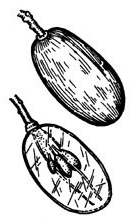 Bacca
Bacca
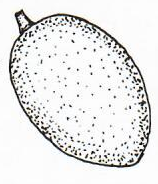 Ellipsoid
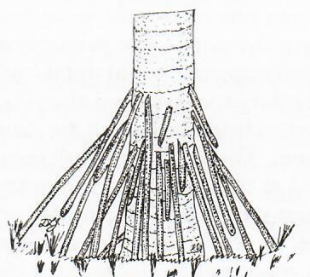 Stilt Roots

 Damp,
Moist
Damp,
Moist
 None
None
Palm / Palm Ally Properties
Origin(s)
Plant Type
Climate Range(s) - Habitat
Aspect Range(s)
Habitat Range(s)
Mature Height
Mature Width
Growth Rate
Plant Shape
Standard Crown - Open
Standard Crown - Open Frond Properties
Frond Colour(s) (front)
Frond Colour(s) (back)
Frond Texture (front)
Leathery
Leathery
Frond Texture (back)
Leathery
Leathery
Frond Length
Frond Width
Frond Aroma
Frond Shapes
Pinnate / Parapinnate
Pinnate / Parapinnate
Frond Arrangement
Opposite
Opposite Trunk / Stem Properties
Colour(s) (Upper/Crown Shaft)
Colour(s) (Base)
Texture (Upper)
Waxy
Waxy
Noded
Noded
Texture (Base)
Waxy
Waxy
Noded
Noded
Inflorescence (Flower) Properties
Gender: Bisexual
Flowering Time (start)
Flowering Time (end)
Colour(s)
Flower Shape(s)
Cyathiform
Male Staminate Flower
Cyathiform,
Male Staminate Flower
Flower Size(s) Length
Aroma(s)
Arrangements
Axillary, Interfoliar Long
Axillary, Interfoliar Long
Arrangement Shape
Pollinator(s)
Male and Female Flowers Borne
Indusia (Fruiting Body) Properties
Type
Bacca
Bacca
Infructescence
Infructescence
Shape(s)
Ellipsoid
Ellipsoid
Length
Aroma
Season of Fruiting
Root Properties
Type
Stilt Roots
Stilt Roots
Invasiveness
Soil Properties
Type(s)
pH Range(s)
Condition(s)
Damp
Moist
Damp,
Moist
Fertile
,
Shallow
,
Deep
,
Well Drained
Fertile,
Shallow,
Deep,
Well Drained
Salinities
None
None
Waterlogging Class
Watering Requirements
Other Properties / Uses
Bee Attraction
Bird Attraction
Butterfly Attraction
Frog Habitat
Coastal
Edible(s)
Fire Retarding
Drought Tolerance
Frost Tolerance
Smog Tolerance
Snow Tolerance
Landscape Use
Special Purpose(s)
Humidity Requirements
Fertilising Requirements
Wind Tolerance
General Notes
A very varied palm growing from 1 m to 5m high depending on location within the understorey. Makes a good small indoor palm or garden specimen in shaded sheltered position in warm climates. Used to make walking sticks for returned soldiers after World War II by digging them up, drying, cutting to length, carving and smoothing the root ball base into a comfortable handle. The berries are sweet with a peppery flavour.
Can be found in its natural location in clusters of up to ten plants, created from seed dropped around it giving the impression its a clumping palm.