Laccospadix australasicus H.Wedl. & Drude
Common name(s): Atherton Palm, Queensland Kentia
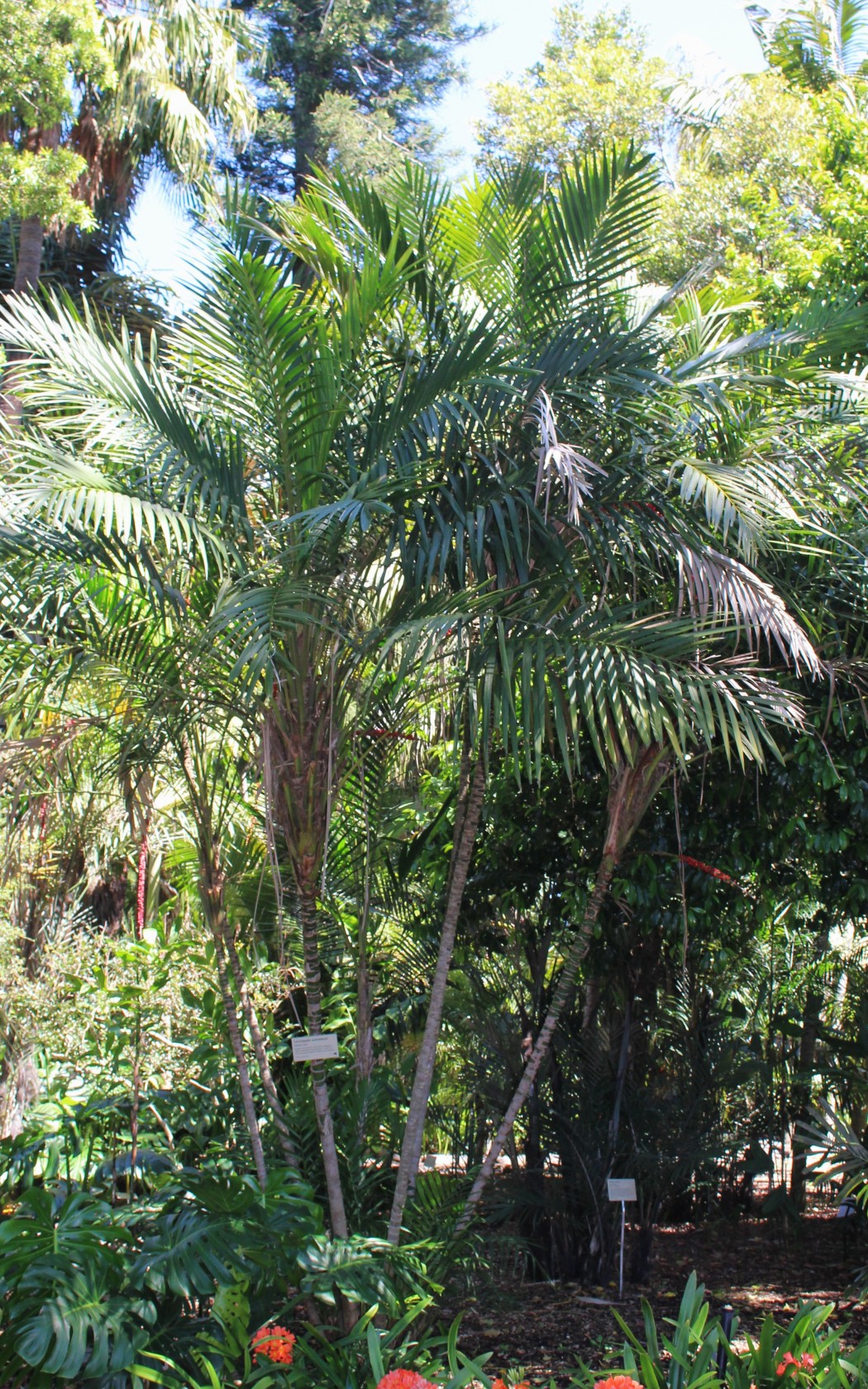
Plant
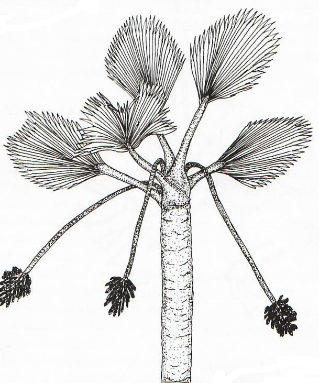
Plant - Laccospadix australasicus (H.Wedl. & Drude)
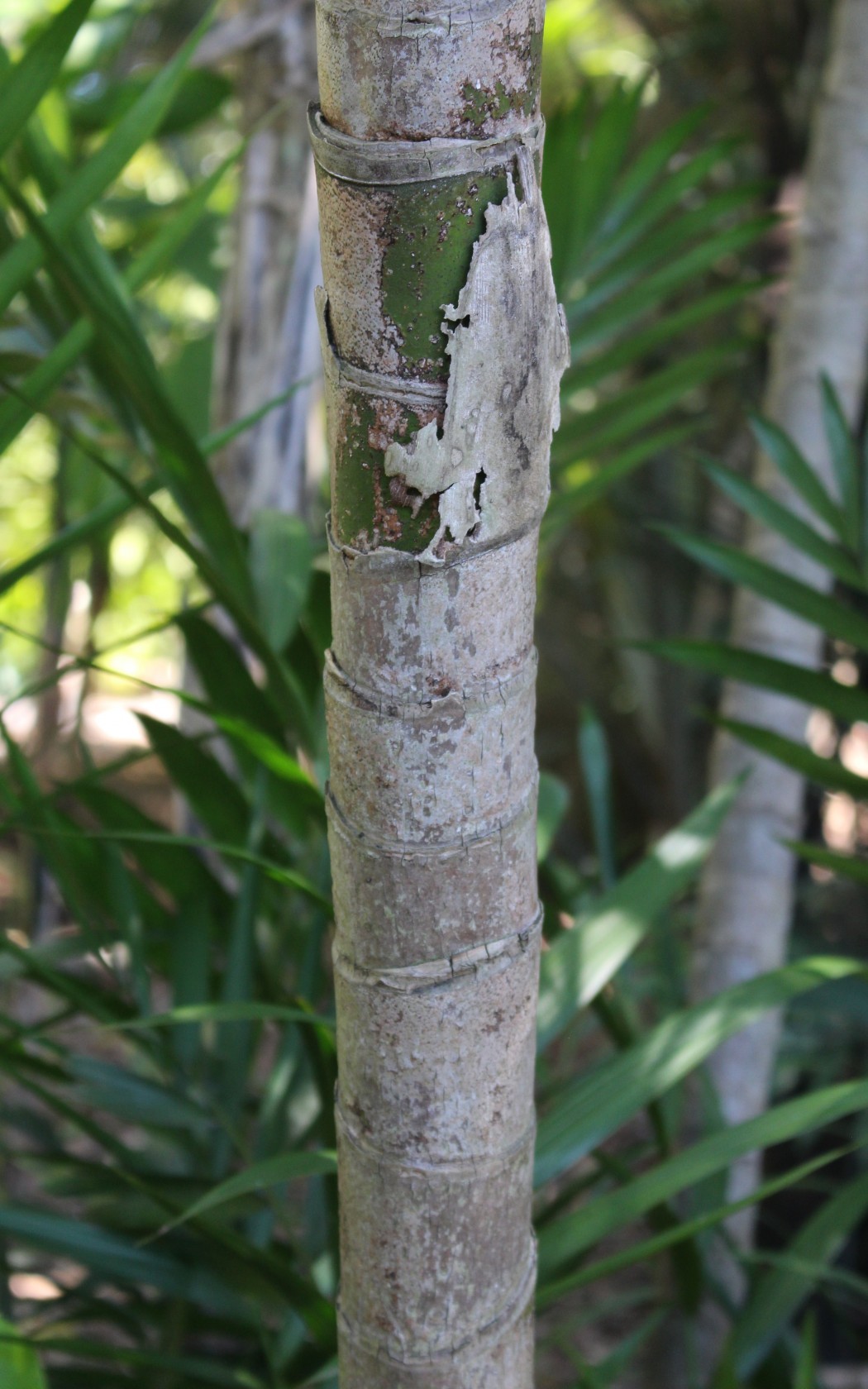
Stem (Lower)
Stem (Lower) - Laccospadix australasicus (H.Wedl. & Drude)
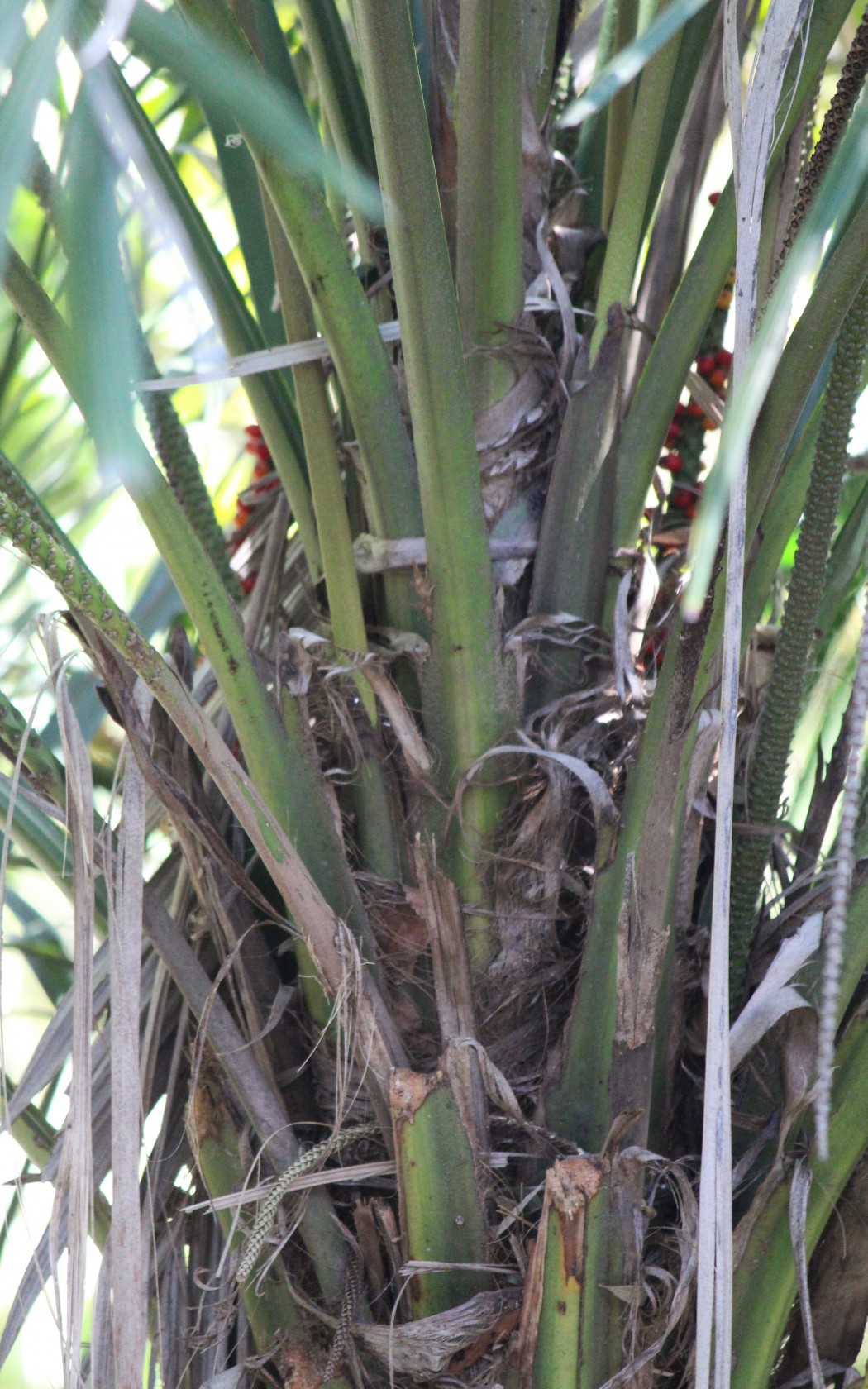
Stem (Upper)
Stem (Upper) - Laccospadix australasicus (H.Wedl. & Drude)
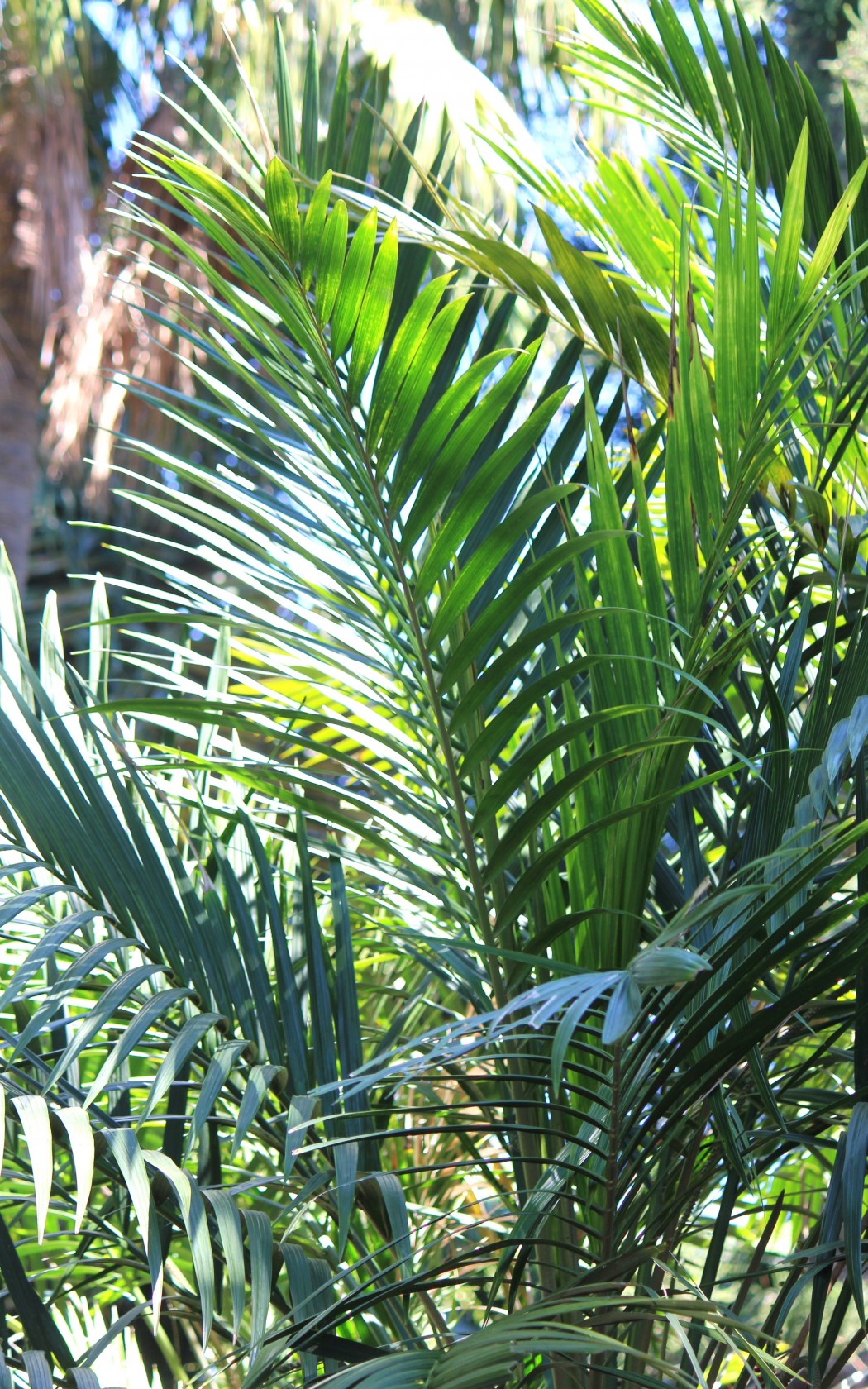
Frond
Frond - Laccospadix australasicus (H.Wedl. & Drude)
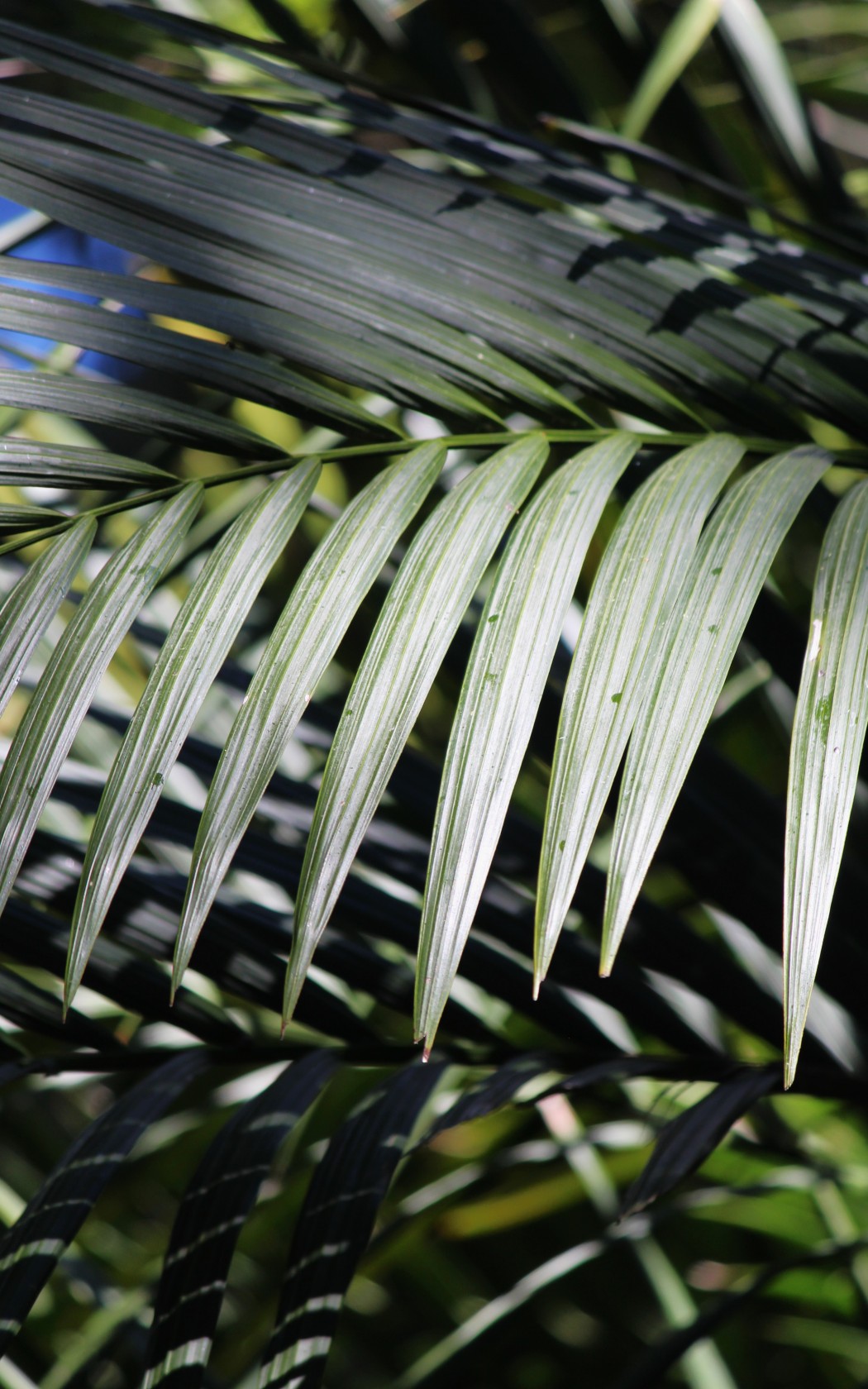
Frond (Front)
Frond (Front) - Laccospadix australasicus (H.Wedl. & Drude)
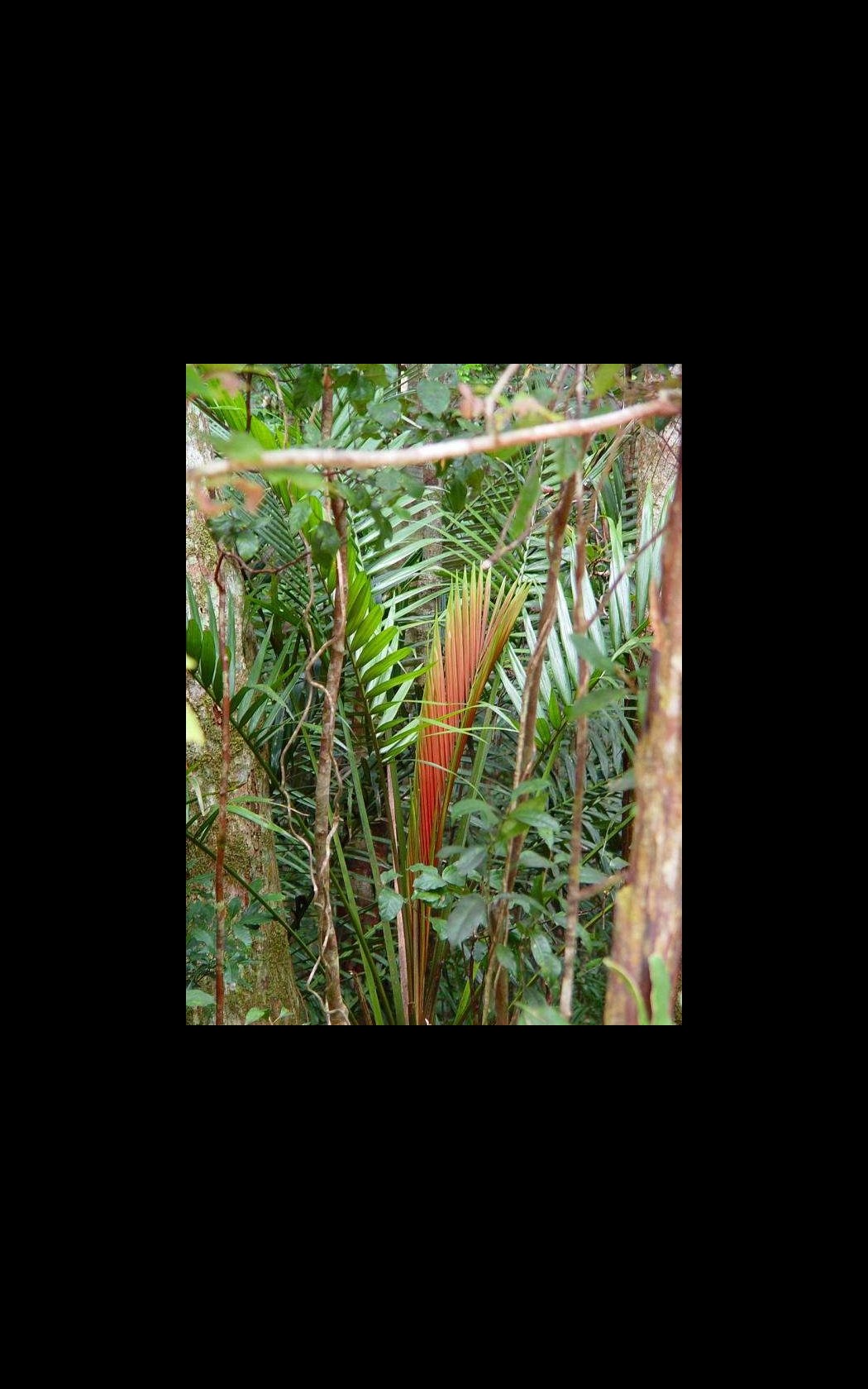
Juvenile Leaf
Juvenile Leaf - Laccospadix australasicus (H.Wedl. & Drude)
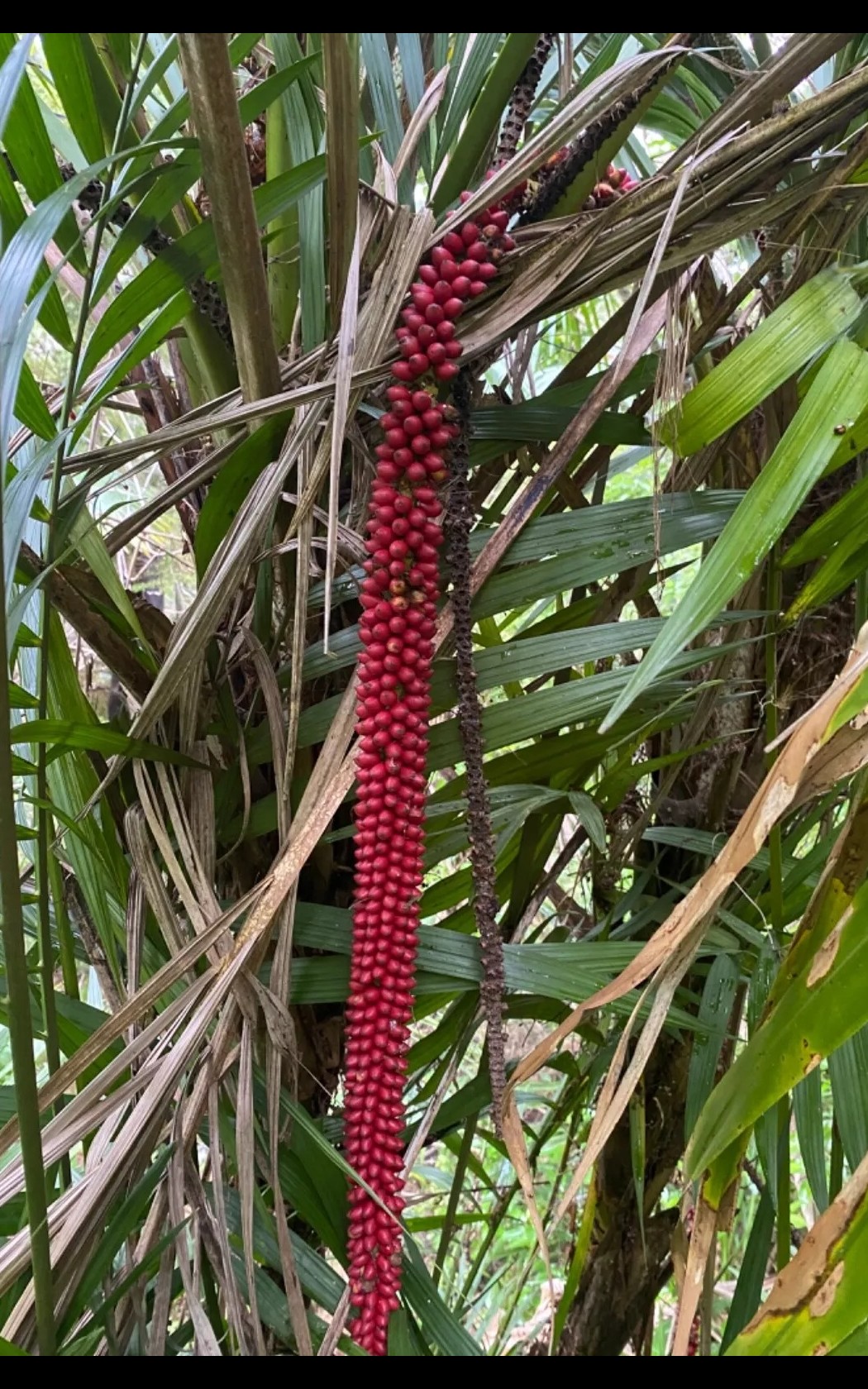
Fruit
Fruit - Laccospadix australasicus (H.Wedl. & Drude)
Expand all
 Standard Crown - Open
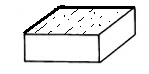 Glabrous,
Leathery
Leathery
Glabrous,
Leathery
Leathery

 Pinnate / Parapinnate,
Recurved
Pinnate / Parapinnate,
Recurved
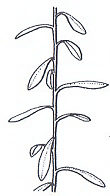 Alternate
 Hairs-long
 Glabrous,
Smooth
Glabrous,
Smooth
 Ellipsoid
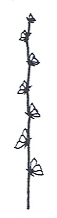 Axillary, Interfoliar Long,
Spike
Axillary, Interfoliar Long,
Spike
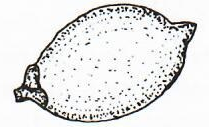 Ovoid
Ovoid
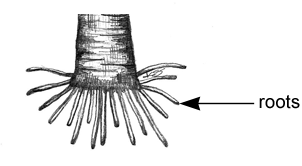 Surface Adventitious Root

 Damp,
Moist
Damp,
Moist
 None
None
Palm / Palm Ally Properties
Origin(s)
Plant Type
Climate Range(s) - Habitat
Aspect Range(s)
Habitat Range(s)
Habitat Zone(s)
Mature Height
Mature Width
Growth Rate
Plant Shape
Standard Crown - Open
Standard Crown - Open
Maturity
Frond Properties
Frond Colour(s) (front)
Frond Colour(s) (back)
Frond Texture (front)
Glabrous
Leathery
Glabrous,
Leathery
Frond Texture (back)
Leathery
Leathery
Frond Length
Frond Width
Frond Aroma
Frond Shapes
Pinnate / Parapinnate
Recurved
Pinnate / Parapinnate,
Recurved
Frond Arrangement
Alternate
Alternate Trunk / Stem Properties
Colour(s) (Upper/Crown Shaft)
Colour(s) (Base)
Texture (Upper)
Hairs-long
Hairs-long
Hairs-dense
Hairs-dense
Texture (Base)
Glabrous
Smooth
Glabrous,
Smooth Inflorescence (Flower) Properties
Gender: Bisexual
Flowering Time (start)
Flowering Time (end)
Colour(s)
Flower Shape(s)
Ellipsoid
Ellipsoid
Flower Size(s) Length
Aroma(s)
Arrangements
Axillary, Interfoliar Long
Spike
Axillary, Interfoliar Long,
Spike
Arrangement Shape
Male and Female Flowers Borne
Indusia (Fruiting Body) Properties
Shape(s)
Ovoid
Ovoid
Length
Aroma
Season of Fruiting
Root Properties
Type
Surface Adventitious Root
Surface Adventitious Root
Invasiveness
Soil Properties
Type(s)
pH Range(s)
Condition(s)
Damp
Moist
Damp,
Moist
Fertile
,
Deep
,
Well Drained
Fertile,
Deep,
Well Drained
Salinities
None
None
Waterlogging Class
Watering Requirements
Other Properties / Uses
Bee Attraction
Bird Attraction
Butterfly Attraction
Frog Habitat
Coastal
Edible(s)
Fire Retarding
Drought Tolerance
Frost Tolerance
Smog Tolerance
Snow Tolerance
Landscape Use
Special Purpose(s)
Humidity Requirements
Fertilising Requirements
Wind Tolerance
General Notes
An attractive, interesting palm with red to bronze new folaige and can be either a solitary palm or have a clumping form. The clumping form growing shorter and with thinner trunks than the solitary form. Ideal for shaded areas, underplanting of larger trees or palms.