Fagus sylvatica 'Atropunicea'
Common name(s): European Purple Beech, Copper Beech
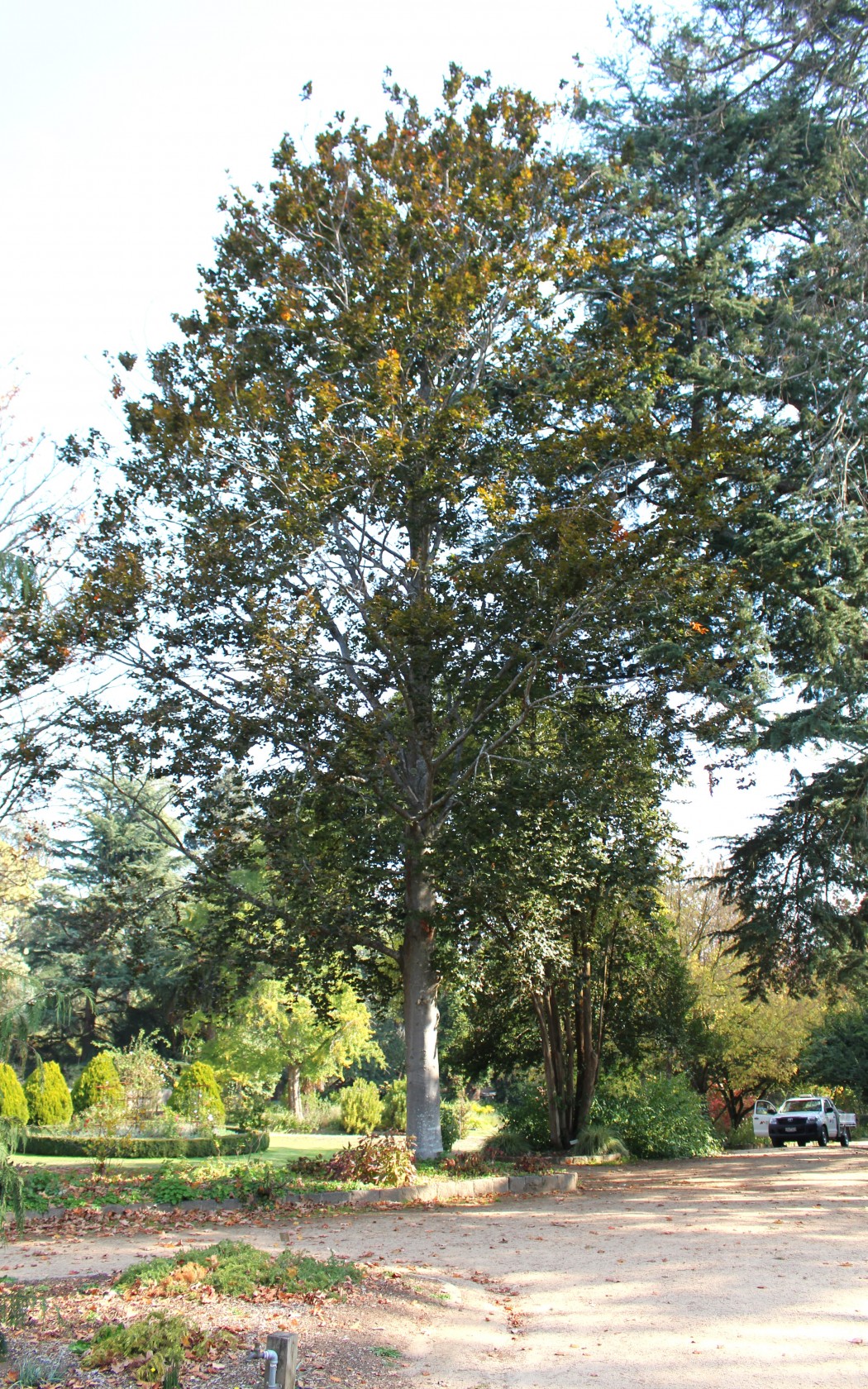
Plant
Plant - Fagus sylvatica 'Atropunicea'
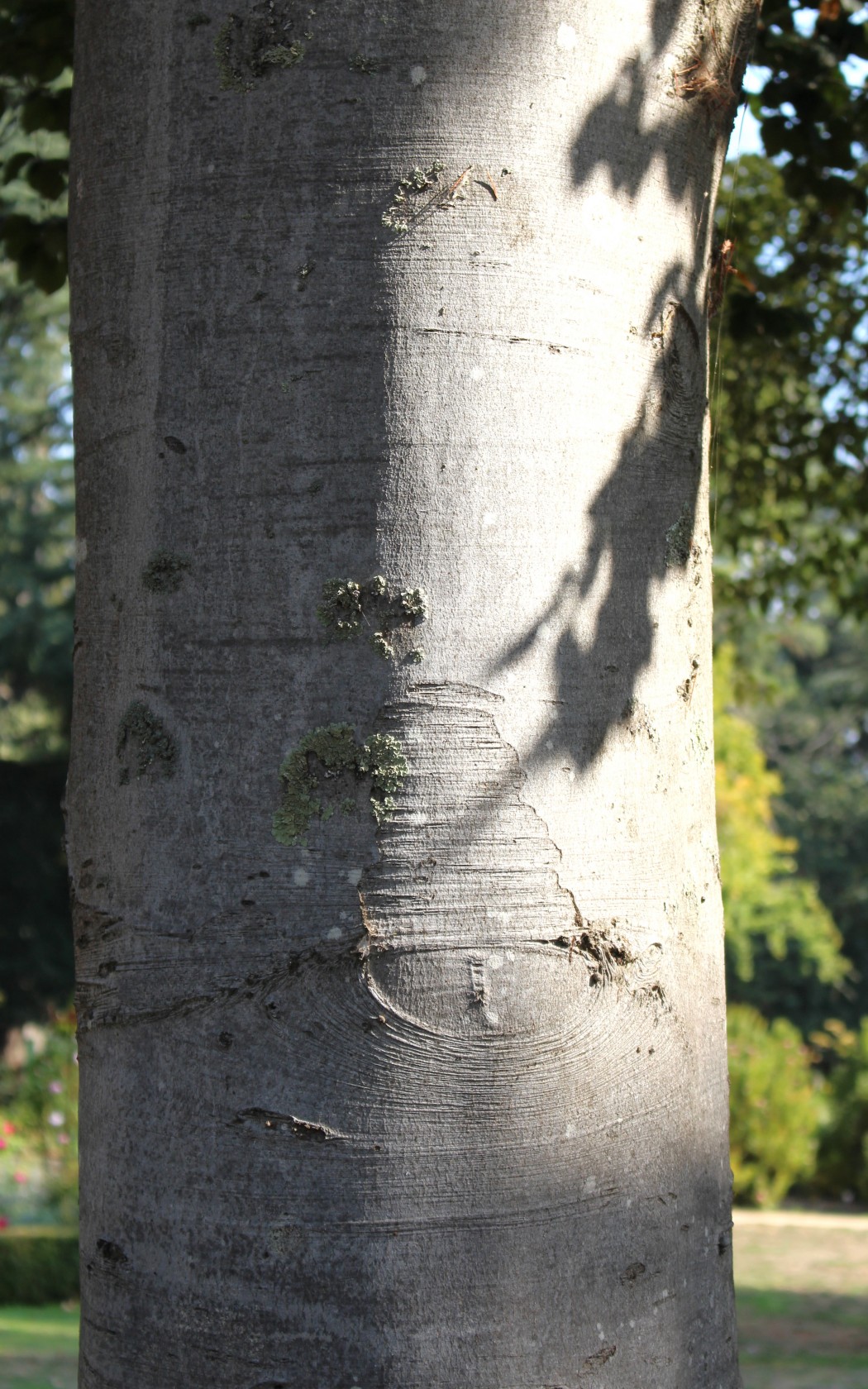
Bark (Lower)
Bark (Lower) - Fagus sylvatica 'Atropunicea'
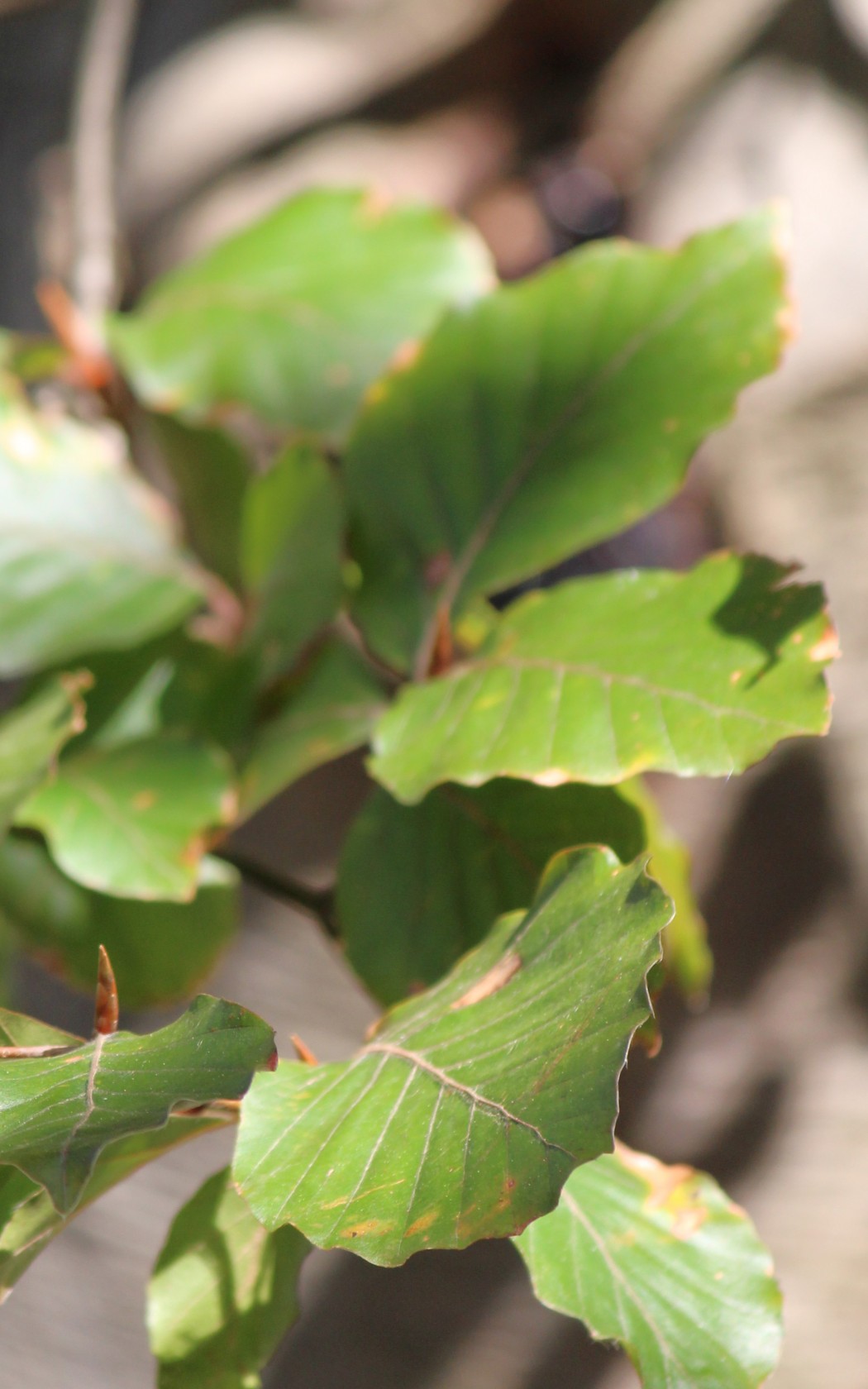
Leaves
Leaves - Fagus sylvatica 'Atropunicea'
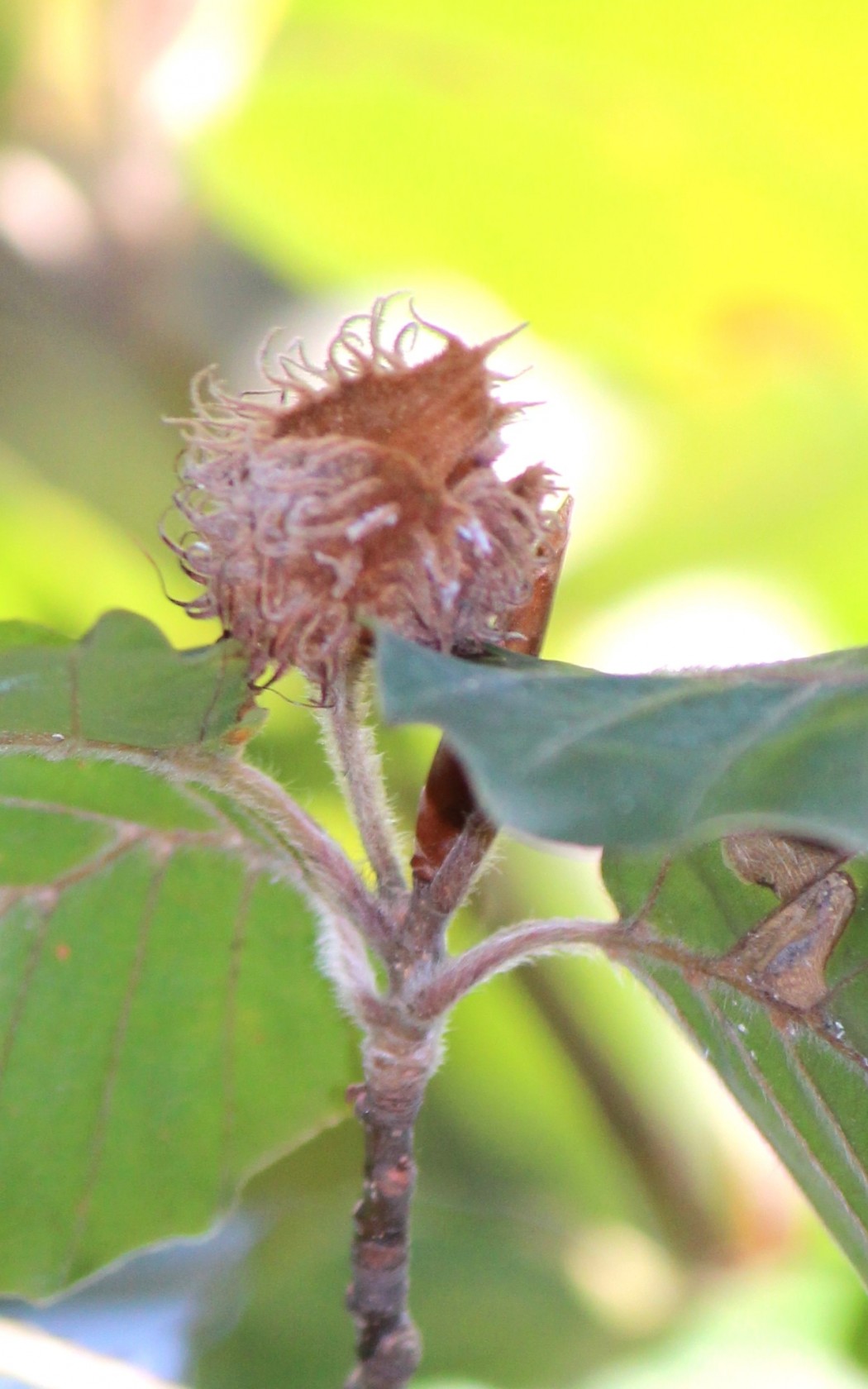
Fruit
Fruit - Fagus sylvatica 'Atropunicea'
Expand all
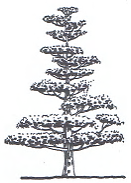
 Branches Horizontal,
Domed - Narrow
Branches Horizontal,
Domed - Narrow
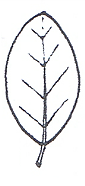
 Elliptical,
Ovate
Elliptical,
Ovate
 Glabrous,
Leathery / Coriaceous
Leathery / Coriaceous
Glabrous,
Leathery / Coriaceous
Leathery / Coriaceous
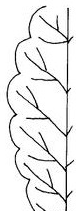
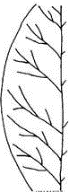
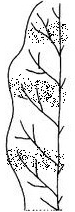 Crenate,
Entire,
Undulate
Crenate,
Entire,
Undulate
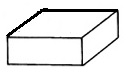 Smooth
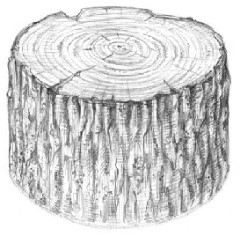 Wood Fibres - Solid
 Terete
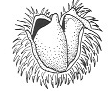 Trymosum
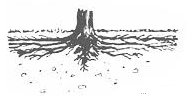 Plate
Plate


 Damp,
Moist,
Moist - Dry
Damp,
Moist,
Moist - Dry
 None
None
Plant Properties
Origin(s)
Plant Type
Climate Range(s) - Habitat
Climate Range(s) - Tolerance
Aspect Range(s)
Habitat Range(s)
Habitat Zone(s)
Mature Height
Mature Width
Plant Shape
Branches Horizontal
Domed - Narrow
Branches Horizontal,
Domed - Narrow
Growth Rate
Maturity
Life Span
Leaf Properties
Colour (front)
Colour (back)
Colour(s) Autumn
Shape(s)
Elliptical
Ovate
Elliptical,
Ovate
Aroma
Texture (front)
Glabrous
Leathery / Coriaceous
Glabrous,
Leathery / Coriaceous
Texture (back)
Leathery / Coriaceous
Leathery / Coriaceous
Leaf Length(s)
Leaf Width(s)
Margin
Crenate
Entire
Undulate
Crenate,
Entire,
Undulate Bark / Stem / Culm Properties
Colour(s) Upper
Colour(s) Lower
Texture(s) Upper
Smooth
Smooth
Trunk / Stem Construction(s)
Wood Fibres - Solid
Wood Fibres - Solid
Trunk / Stem / Culm Cross Section
Terete
Terete
Trunk / Stem Feature(s)
Trunk / Stem / Culm Diameter
Flower Properties
Gender: Male
Time(s)
Flower Colour(s)
Male and Female Flowers, Borne
Gender: Female
Time(s)
Flower Colour(s)
Aroma(s)
Male and Female Flowers, Borne
Fruit Properties
Type
Trymosum
Trymosum
Capsule - 4 valved
Capsule - 4 valved
Outer Colour(s)
Outer Texture
Aroma
Season of Fruiting
Fruit Ripening
Maturation for Fruiting
Root Properties
Type
Plate
Plate
Shallow
Shallow
Invasiveness
Soil Properties
Type(s)
pH Range(s)
Condition(s)
Damp
Moist
Moist - Dry
Damp,
Moist,
Moist - Dry
Fertile
,
Deep
,
Well Drained
Fertile,
Deep,
Well Drained
Salinities
None
None
Waterlogging Class
Watering Requirements
Other Properties / Uses
Bee Attraction
Bird Attraction
Butterfly Attraction
Frog Habitat
Coastal
Edible(s)
Frost Tolerance
Snow Tolerance
Landscape Use
Special Purpose(s)
Maintenance(s)
Pests/Diseases
Altitude Range - Tolerance
Fertilising Requirements
Wind Tolerance
General Notes
A striking deciduous tree with deep copper to purple leaves, with light brown to straw coloured leaves held over Winter and only losing its leaves as new leaves start to burst in the Spring. Autumn produces edible Beech nuts, much loved by foraging animals. An excellent shade tree for larger gardens and park land areas. Reported to be the original form of purple leaved beech.
The purple leaved Beech dates back to 15th Century where records show it was a chance forest discovery in Germany. It is assumed that 99% of the purple leaved Beeches in the world are descendents of this Copper Beech. Numerous cultivars of purple leaved Beech's are available.