Loading...

Eucalyptus camaldulensis Dehnh. 1832

Common name(s): River Red Gum
Family: Myrtaceae
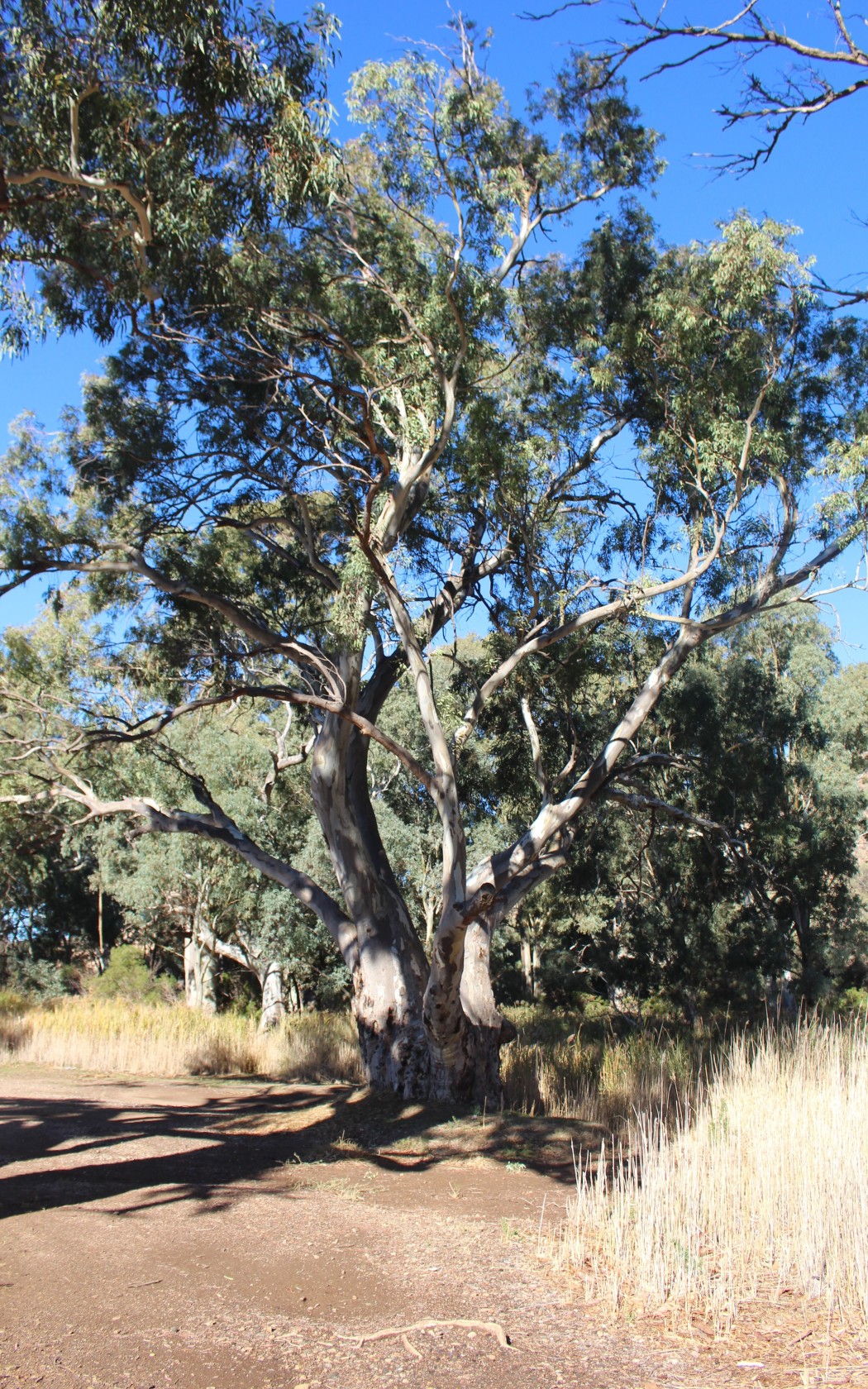
Plant
Plant
Taken by Unknown Photographer
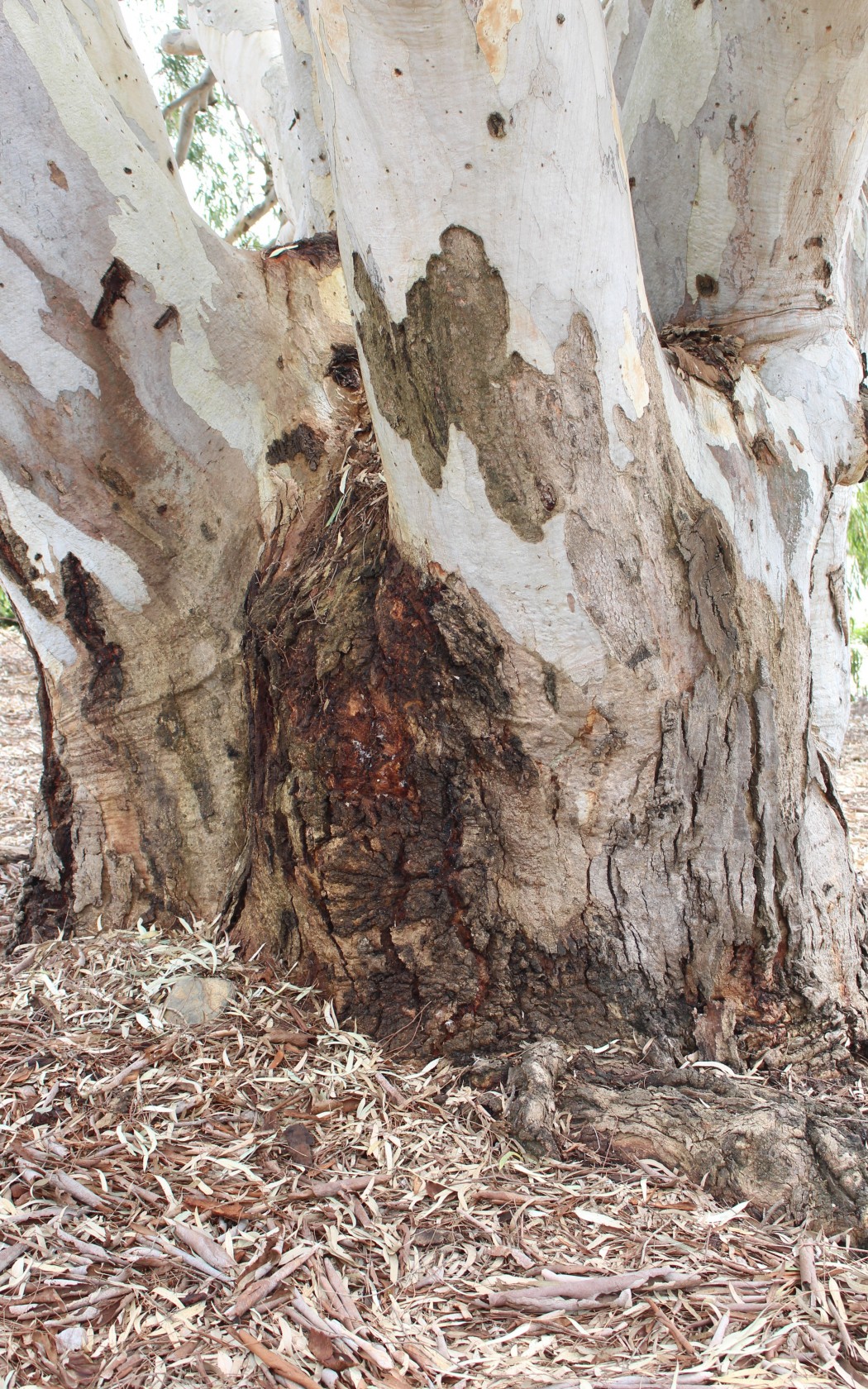
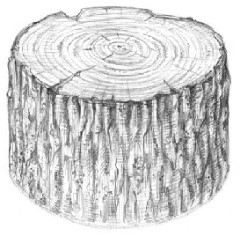
Bark_lower
Bark (Lower)
Taken by Ken Harrington on 6th November, 2024 at Mt Barker, South Australia
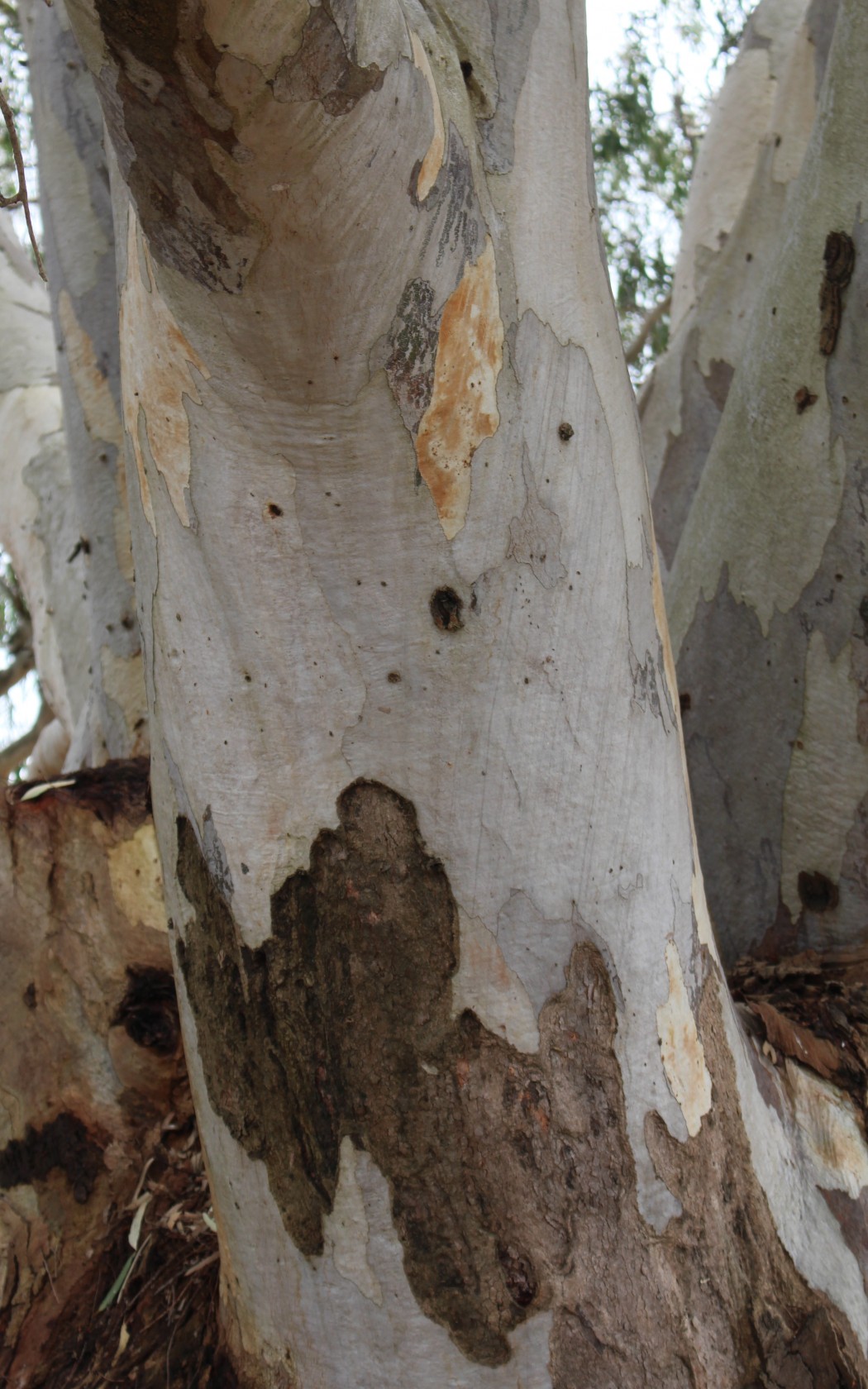
Bark_upper
Bark (Upper)
Taken by Ken Harrington
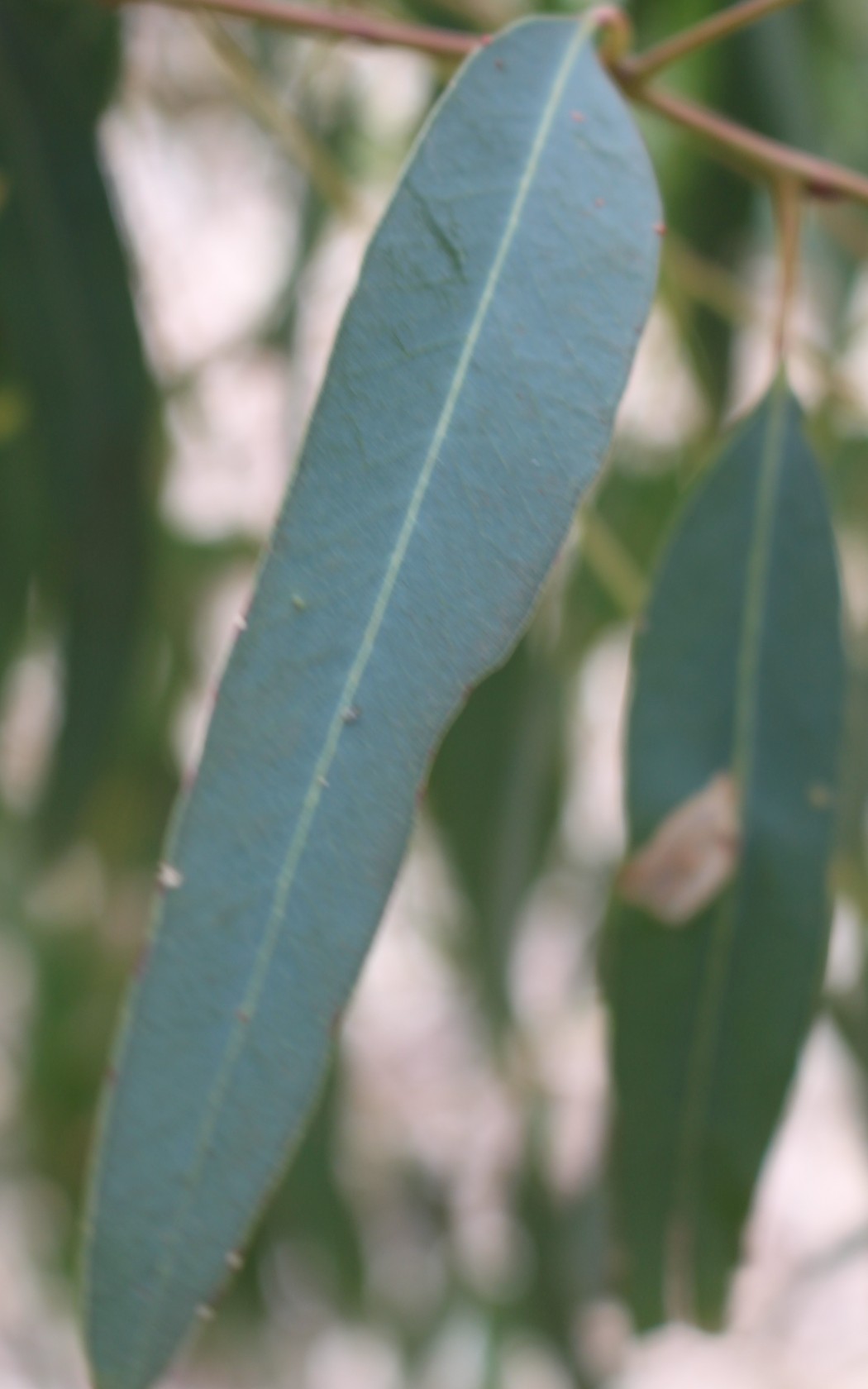
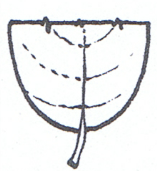
Leaf
Leaves
Taken by Ken Harrington
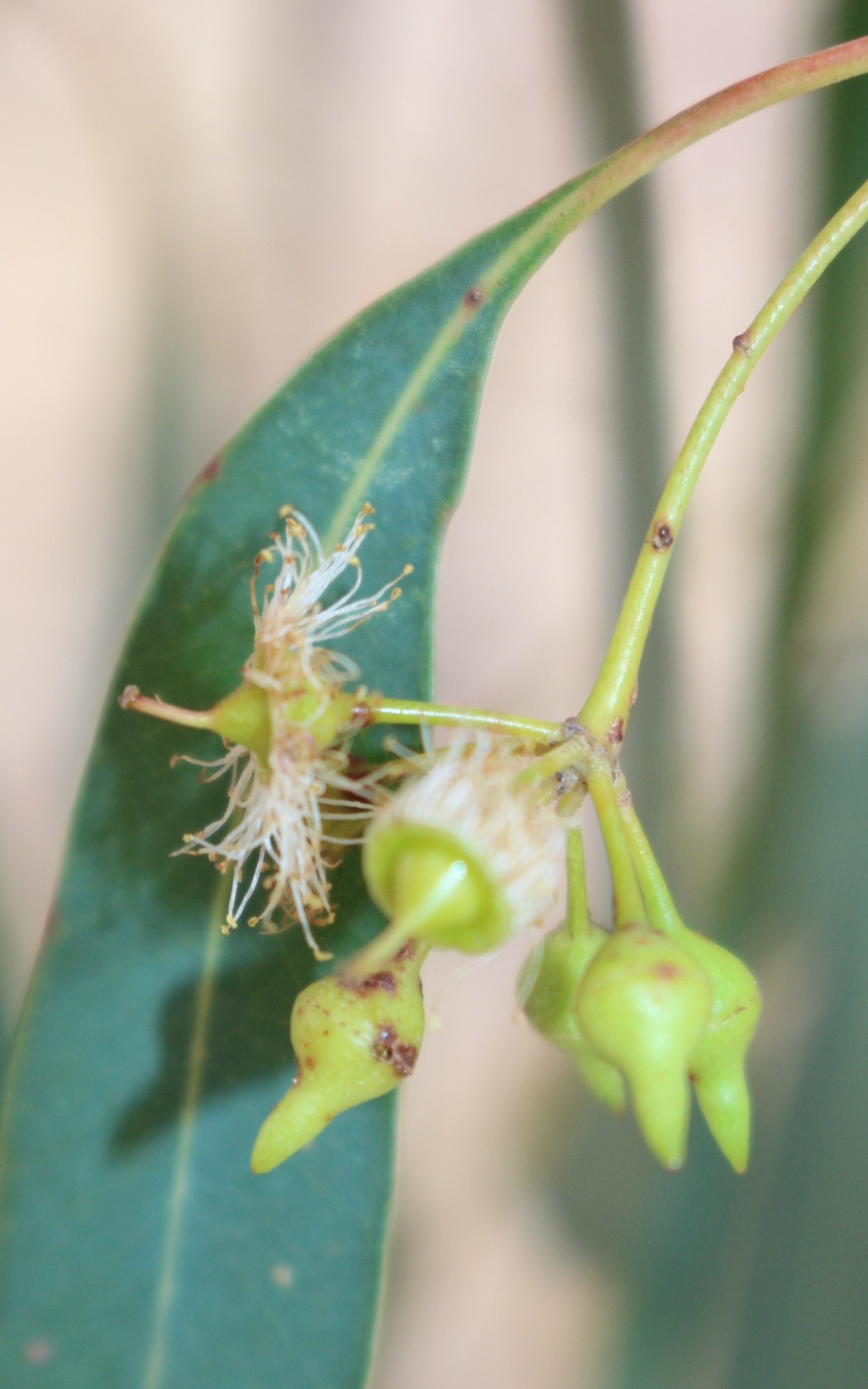
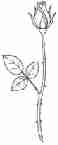
Flower_bud
Flower Bud
Taken by Ken Harrington
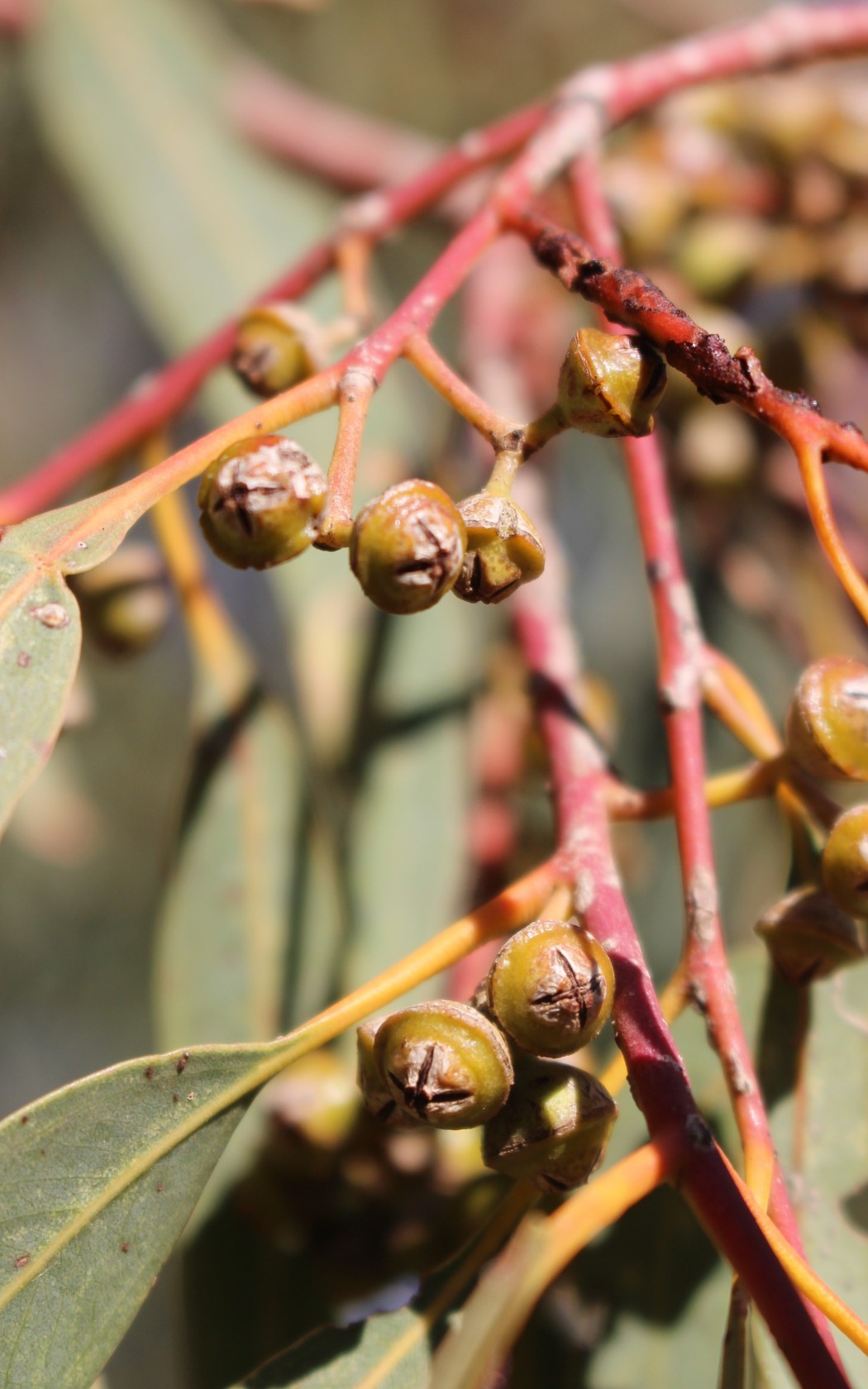
Fruit
Fruit
Taken by Ken Harrington on 7th June, 2019 at Burra, South Australia
Expand all
Plant Properties
Origin(s)
Australia
  • NSW: NF, NP, NS, NT, SF, SP, CS, CT, CC, SS, ST, LH, CAN
  • NT: DG, VR, BT, CN, CS
  • QLD: BU, KN, GN, MI, KS, LE, GS, WA, MA, BN, DD
  • SA: NW, LE, FR, EA, EP, NL, SL, MU, YP, KI, SE
  • TAS: BL, EC
  • VIC: MM, LM, WI, WA, GR, RI, MI, VP, EH, GP
  • WA: GA, FI, DM, HA, FO, CV, AS, KE, GI, AU, IR, DA
Plant Type
Evergreen Tree
Evergreen Tree
Climate Range(s) - Habitat
Arid, Temperate Cool, Temperate Warm, Mediterranean, Tropical-Sub, Tropical
Arid,
Temperate Cool,
Temperate Warm,
Mediterranean,
Tropical-Sub,
Tropical
Aspect Range(s)
Sun - Full
Sun - Full
Habitat Range(s)
Arid, Desert Vegetation, Grasslands, Forest - Grassy, Heath, Lakes / Dams / Swamps, Mallee Vegetation, Open Woodlands, Rainforest - Temperate, Rivers / Creeks / Streams, Sclerophyll Forest - Dry
Arid,
Desert Vegetation,
Grasslands,
Forest - Grassy,
Heath,
Lakes / Dams / Swamps,
Mallee Vegetation,
Open Woodlands,
Rainforest - Temperate,
Rivers / Creeks / Streams,
Sclerophyll Forest - Dry
Habitat Zone(s)
Gullies / Valley's / Canyon's, Heavy soils, Moist areas, Moist Slopes, Plains, Scattered, Wet Pockets
Gullies / Valley's / Canyon's,
Heavy soils,
Moist areas,
Moist Slopes,
Plains,
Scattered,
Wet Pockets
Mature Width
25-30m
25-30m
Plant Shape
Domed - Broad
Domed - Broad
Domed - Broad Domed - Broad
Growth Rate
Very Slow
Very Slow
Maturity
45-50 yrs
45-50 yrs
Life Span
100-150yrs, 150-200yrs
100-150yrs,
150-200yrs
Leaf Properties
Colour (front)
Dull, Green, Grey-green
Dull,
Green,
Grey-green
Colour (back)
Dull, Green, Grey-green
Dull,
Green,
Grey-green
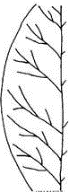
Shape(s)
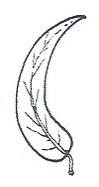
Falcate
Falcate
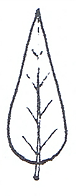
Lanceolate
Lanceolate
Falcate Falcate,
Lanceolate Lanceolate
Aroma
Spicy-Slight
Spicy-Slight
Texture (front)
Smooth
Smooth
Smooth Smooth
Texture (back)
Smooth
Smooth
Smooth Smooth
Leaf Length(s)
250-275mm
250-275mm
Leaf Width(s)
25-30mm
25-30mm
Margin
Entire
Entire
Entire Entire
Cross Section(s)
Flat
Flat
Flat Flat
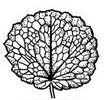
Venation(s)
Reticulate
Reticulate
Reticulate Reticulate
Arrangement
Alternate & Spiralled
Alternate & Spiralled Alternate & Spiralled
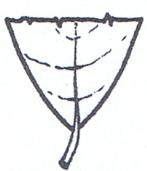
Apice(s)
Acute Narrowly
Acute Narrowly
Acute Narrowly Acute Narrowly
Base(s)
Cuneate
Cuneate
Obtuse
Obtuse
Cuneate Cuneate,
Obtuse Obtuse
Attachment
Petiolate
Petiolate
Petiolate Petiolate
Bark / Stem / Culm Properties
Colour(s) Upper
Grey , Grey-brown , White
Grey,
Grey-brown,
White
Texture(s) Upper
Smooth
Smooth
Smooth Smooth
Trunk / Stem Construction(s)
Wood Fibres / Solid
Wood Fibres / Solid
Wood Fibres / Solid Wood Fibres / Solid
Wood - Hard
Wood - Hard
Trunk / Stem / Culm Cross Section
Terete
Terete
Terete Terete
Trunk Timber Colour(s)
Red Dark, Red-brown
Red Dark,
Red-brown
Trunk / Stem / Culm Diameter
3.5-4m
3.5-4m
Flower Properties
Gender: Bisexual
Time(s)
Spring Mid - Summer
Flower Colour(s)
Cream, White
Cream,
White
Flower Shape(s)
Filamental Cyathiform
Filamental Cyathiform Filamental Cyathiform
Flower Size(s) Width
10-15mm
10-15mm
Aroma(s)
Sweet-slight
Sweet-slight
Attachment
Pedicelate
Pedicelate
Pedicelate Pedicelate
Pedicel Size (flower stem)
2-3mm, 3-4mm, 4-5mm, 5-6mm, 6-7mm, 7-8mm, 8-9mm, 9-10mm
2-3mm,
3-4mm,
4-5mm,
5-6mm,
6-7mm,
7-8mm,
8-9mm,
9-10mm
Arrangement(s)
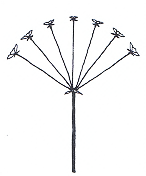
Umbel
Umbel
Umbel Umbel
Axillary
Axillary
Flowers per Arrangement
7-8, 8-9, 9-10
7-8,
8-9,
9-10
Pollinator(s)
Bees, Insects, Birds
Bees,
Insects,
Birds
Bud / Operculum Shape
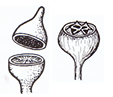
Operculum - Beaked
Operculum - Beaked
Operculum - Beaked Operculum - Beaked
Fruit Properties
Type
Capsule - Pyxidium
Capsule - Pyxidium
Capsule - Pyxidium Capsule - Pyxidium
Shape(s)
Spherical
Spherical
Spherical Spherical
Outer Colour(s)
Grey-brown
Grey-brown
Outer Texture
Rough / Scabrous
Rough / Scabrous
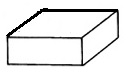
Smooth
Smooth
Rough / Scabrous Rough / Scabrous,
Smooth Smooth
Length
2-3mm, 3-4mm, 4-5mm
2-3mm,
3-4mm,
4-5mm
Width
4-5mm, 5-6mm, 6-7mm, 7-8mm, 9-10mm
4-5mm,
5-6mm,
6-7mm,
7-8mm,
9-10mm
Aroma
None
None
Season of Fruiting
Summer Late
Summer Late
Fruit Ripening
2 mths., 3 mths.
2 mths.,
3 mths.
Maturation for Fruiting
3 yrs., 4 yrs.
3 yrs.,
4 yrs.
Seed Properties
Type
Dust-like
Dust-like
Dust-like Dust-like
Colour(s)
Yellow
Yellow
Shape(s)
Square
Square
Square Square
Texture(s)
Smooth
Smooth
Smooth Smooth
Seed Length
0.5-1mm
0.5-1mm
Seed Number
Many
Root Properties
Type
Plate
Plate
Plate Plate
Texture
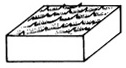
Rough / Scabrous
Rough / Scabrous
Rough / Scabrous Rough / Scabrous
Woody
Woody
Colour(s)
Brown Dark
Brown Dark
Soil Properties
Type(s)
Clay, Clay-loam, Loam, Sandy-loam, Sand, Stony
Clay,
Clay-loam,
Loam,
Sandy-loam,
Sand,
Stony
pH Range(s)
Acid, Slightly Acid, Neutral, Slightly Alkaline, Alkaline
Acid,
Slightly Acid,
Neutral,
Slightly Alkaline,
Alkaline
Condition(s)
Water logged
Water logged
Wet
Wet
Moist
Moist
Water logged Water logged,
Wet Wet,
Moist Moist
Fertile , Poor , Deep , Shallow , Well Drained
Fertile,
Poor,
Deep,
Shallow,
Well Drained
Salinities
Slight
Slight
Slight Slight
Other Properties / Uses
Bee Attraction
Very Good
Very Good
Bird Attraction
Nectar, Insect, Nesting, Habitat
Nectar,
Insect,
Nesting,
Habitat
Butterfly Attraction
Poor
Poor
Frog Habitat
None
None
Carbon Sequestration Potential
High
High
Wood Density
Medium High 600 - 800 kg/c.m.
Coastal
None
None
Edible(s)
None
None
Fire Regeneration(s)
Seed
Seed
Fire Retarding
None
None
Drought Tolerance
Good
Good
Frost Tolerance
Good
Good
Snow Tolerance
Light
Light
Smog Tolerant
Good
Good
Indigenous Use(s)
Bark, Wood
Bark,
Wood
Landscape Use
Good
Good
Street Use
Poor
Poor
Commercial Use(s)
Honey, Timber - Carpentry, building, Timber - Firewood
Honey,
Timber - Carpentry, building,
Timber - Firewood
Maintenance(s)
Pruning - Periodical
Pests/Diseases
Borers, Cicadas, Eucalypt Sawfly, Gum Tree Moth, Lerps, Phytophthora cinnamomi, Scale
Borers,
Cicadas,
Eucalypt Sawfly,
Gum Tree Moth,
Lerps,
Phytophthora cinnamomi,
Scale
Special Purpose(s)
Cabinet making, Carpentry, Drain Clogger, Firewood, Koala Food Trees, Phytophthora Susceptible, Specimen, Temporary Inundation, Windbreak
Cabinet making,
Carpentry,
Drain Clogger,
Firewood,
Koala Food Trees,
Phytophthora Susceptible,
Specimen,
Temporary Inundation,
Windbreak
Dormancy
Summer
Summer
Humidity Requirements
Low, Medium, High
Low,
Medium,
High
Vulnerability
NT - Near Threatened
Propagation
Fresh Seed

General Notes

Eucalyptus subgenus Symphomyrtus

An iconic, majestic tree of Australia, the most widely spread Eucalpyt usually found along water courses throughout Australia, providing habitat for numerous species of wildlife, a favoured tree for bees and honey and a good timber source. Under stress it is prone to dropping limbs, without warning, so camping under them can be dangerous.

Timber is resistant to termites and used for heavy construction, railway sleepers, flooring, framings, fencing, turnery, panelling and sills as well as firewood.

Even mature trees are susceptible to intense fires as it does not form a ligno-tuber to regenerate from.

Flower buds are in groupings of seven to nine or sometimes as many as eleven. 

Euc. camaldulensis has 7 sub species

E. camaldulensis ssp. camaldulensis, E. camaldulensis ssp. acuta, E. camaldulensis ssp. arida, E. camaldulensis ssp. minima, E. camaldulensis ssp. obtusa, E. camadulensis ssp. refulgens, E. camadulensis ssp. simulata

Aborigines used the bark of the tree to make canoes, timber for weapons, shields and utensils.

Propagation Notes

Fresh Seed
Flowering
Nov, Dec, Jan, Feb
Seed Collecting
Nov, Dec, Jan, Feb, Mar
Sowing
Oct, Nov, Dec, Jan, Feb, Mar
Material Preparation

Collect seed when the capsule turns brown. E. camaldulensis is one of the few to release seed when ripe, so monitor the seed for ripeness. Place in a paper bag and allow to dry fully in a warm, dry place for 1-2 weeks and the seed will fall out of the capsule. Clean or leave with the frass.  Store in a cool dark place before sowing.  Seeds are non-dormant.          

Viability:-       1- 5 years   (95%)

Seeds gram:-  3,040

Propagating Mix

Premium Seed Raising Mix

Treatment

Sow seed on the surface, cover lightly with fine gravel, water in, keep moist, place outside. Optimal temperature for germination is 20-25o C                    

Viable seeds/gram:-  2,800

Germination time:-   7 - 40 days

Pricking out:-            5 – 8 weeks into tubes after germination

Tube Mix:-                Premium Seed Raising Mix 

Notes

For direct seeding, sow from mid-winter in low rainfall areas and late winter to early spring in higher rainfall areas.

Seedlings/gram:- Adelaide Hills Form - 140, Lake Albacutya Form - 640, Mount Wedge Form - 430, Silverton Form - 936