Xanthorrhoea semiplana ssp. tateana
Common name(s): Tate's Grass Tree, Kangaroo Grass Tree
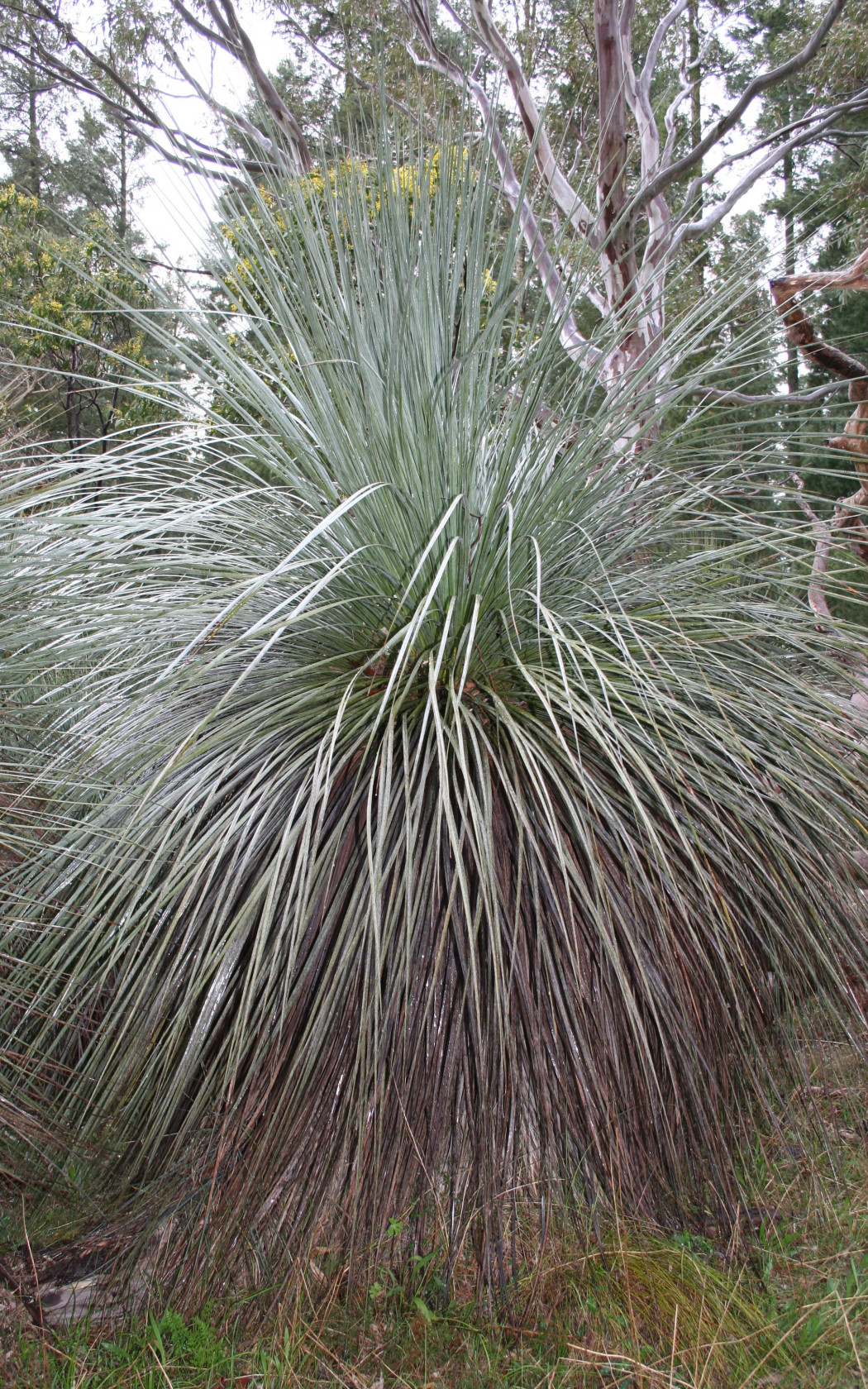
Plant
Plant - Xanthorrhoea semiplana ssp. tateana
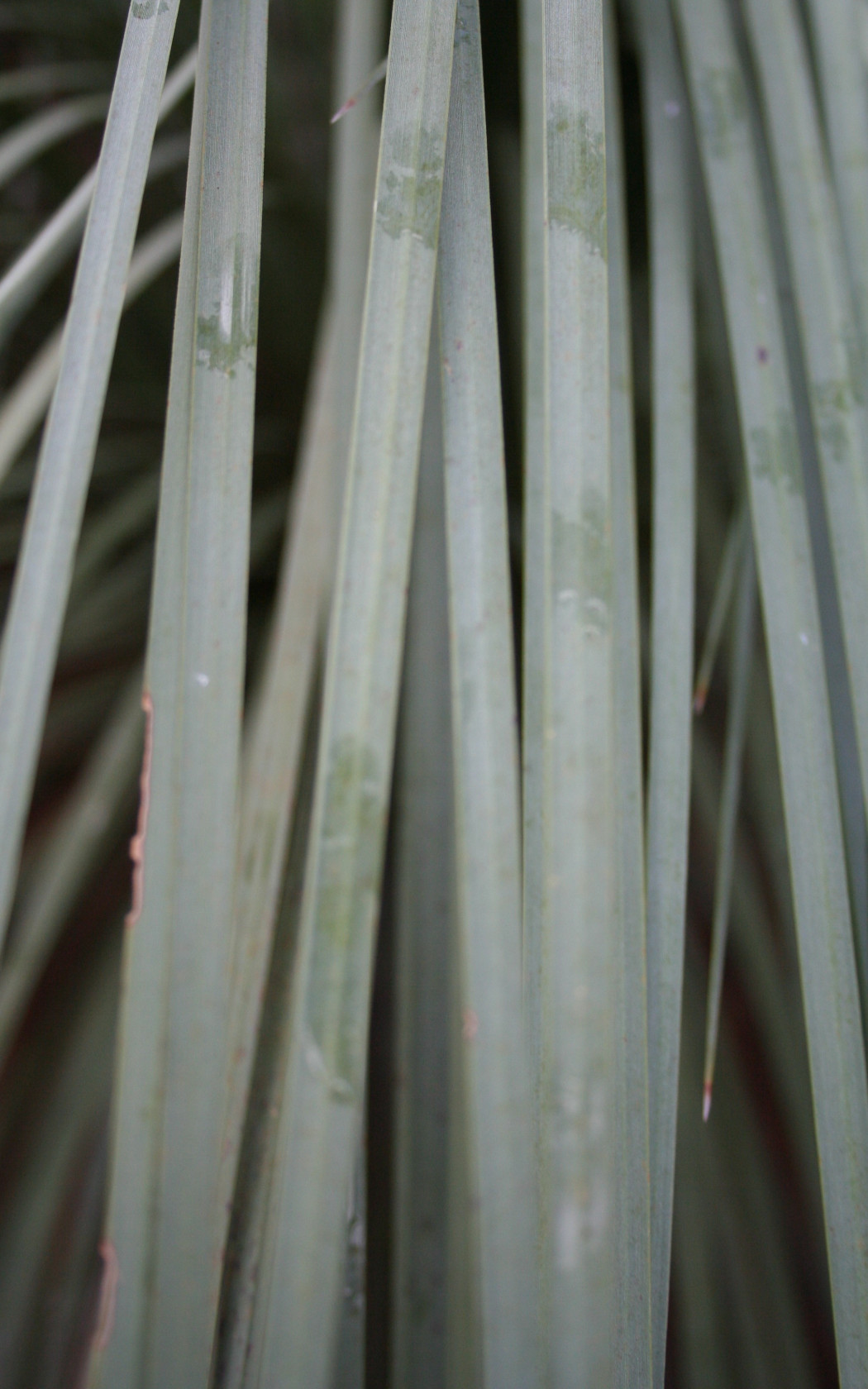
Leaves
Leaves - Xanthorrhoea semiplana ssp. tateana
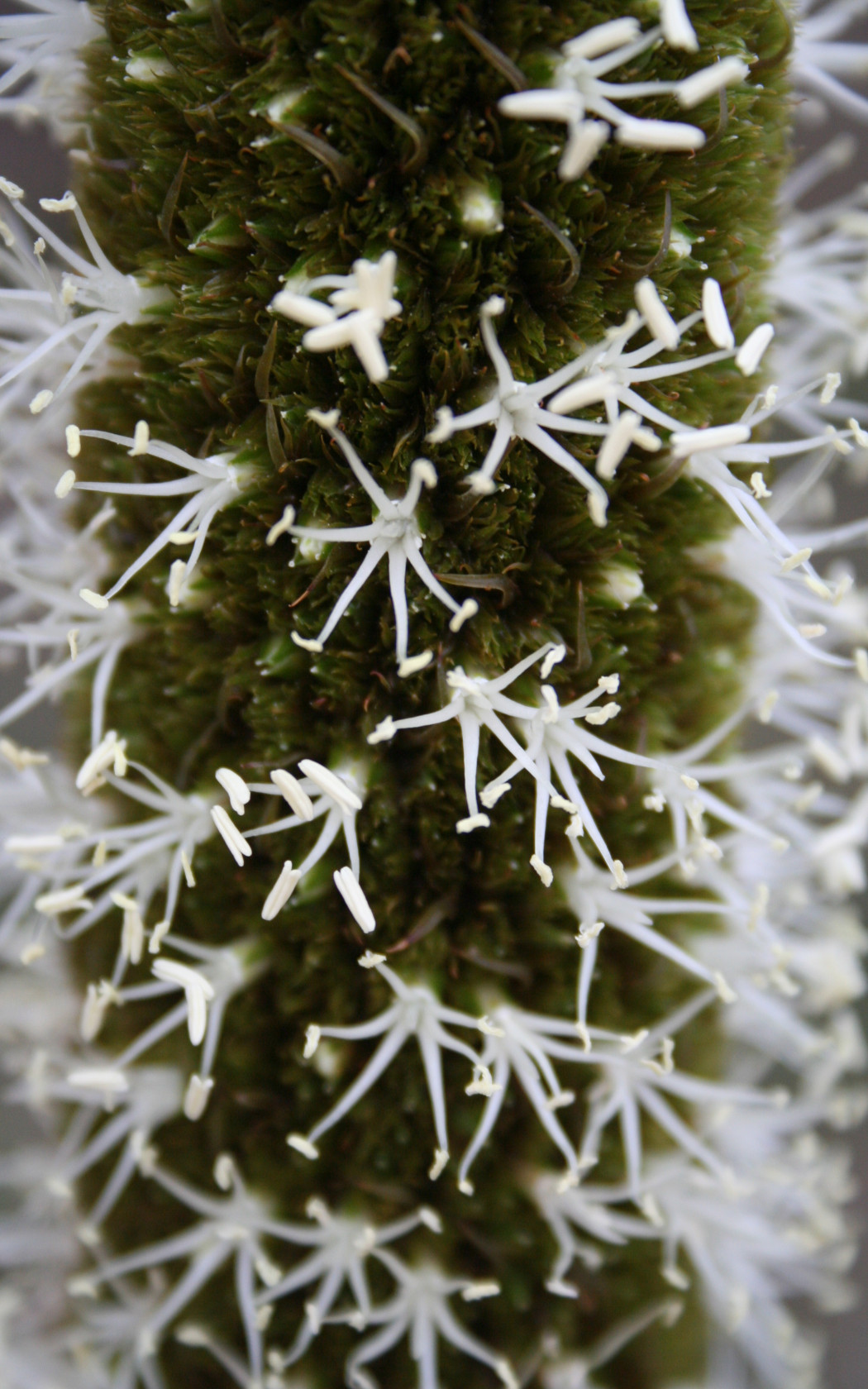
Flowers
Flowers - Xanthorrhoea semiplana ssp. tateana
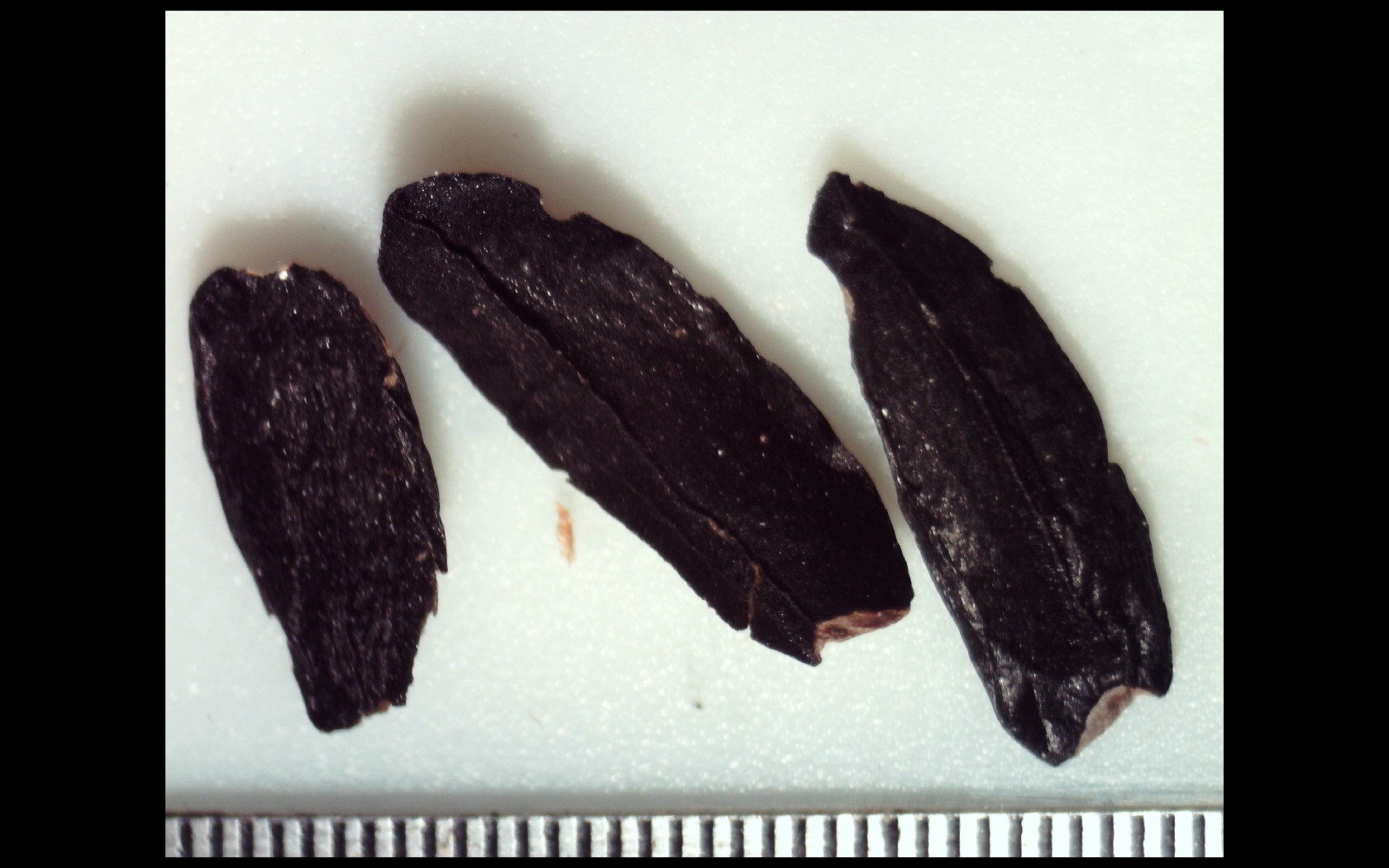
Seeds Scale 0.5mm
Seeds Scale 0.5mm - Xanthorrhoea semiplana ssp. tateana
Expand all
 Standard Crown - Dense
 Linear
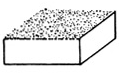 Glaucous
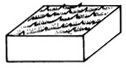 Rough / Scabrous
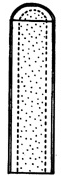 Pith Continuous
 Terete
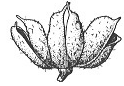 Coccetum
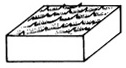
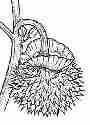 Rough / Scabrous,
Spinulose
Rough / Scabrous,
Spinulose
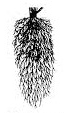 Fibrous

 Moist,
Dry
Moist,
Dry
 None
None
Plant Properties
Origin(s)
Plant Type
Climate Range(s) - Habitat
Aspect Range(s)
Habitat Range(s)
Habitat Zone(s)
Mature Height
Plant Shape
Standard Crown - Dense
Standard Crown - Dense
Growth Rate
Life Span
Leaf Properties
Colour (front)
Shape(s)
Linear
Linear
Aroma
Texture (front)
Glaucous
Glaucous
Leaf Length(s)
Leaf Width(s)
Bark / Stem / Culm Properties
Colour(s) Upper
Texture(s) Upper
Rough / Scabrous
Rough / Scabrous
Coarse
Coarse
Trunk / Stem Construction(s)
Pith Continuous
Pith Continuous
Trunk / Stem / Culm Cross Section
Terete
Terete Flower Properties
Gender: Bisexual
Time(s)
Flower Colour(s)
Aroma(s)
Pollinator(s)
Male and Female Flowers, Borne
Fruit Properties
Type
Coccetum
Coccetum
Outer Colour(s)
Outer Texture
Rough / Scabrous
Spinulose
Rough / Scabrous,
Spinulose Root Properties
Type
Fibrous
Fibrous Soil Properties
Type(s)
pH Range(s)
Condition(s)
Moist
Dry
Moist,
Dry
Poor Fertility
,
Deep
,
Shallow
,
Well Drained
Poor Fertility,
Deep,
Shallow,
Well Drained
Salinities
None
None Other Properties / Uses
Bee Attraction
Bird Attraction
Butterfly Attraction
Frog Habitat
Coastal
Edible(s)
Fire Retarding
Frost Tolerance
Snow Tolerance
Drought Tolerance
Landscape Use
Special Purpose(s)
Pests/Diseases
General Notes
An attractive trunked member of the genus, with long grass like leaves and individual flower spikes up to 2 metres tall. Faster growing than a lot of the genus but harder to find in cultivation. It takes several years before it flowers and flowers prolifically after a bush fire. Some are estimated to be 250-350 years old. A good specimen or feature plant in groups.
Aborigines soaked the flowering spikes in water to produce a sweet drink. The soft, white leaf bases were eaten, while the flower spike resin was used as an adhesive in the manufacture of tools.
A food source for nectar eating birds and butterflies.