Dianella longifolia var. grandis R.J.F. Hend.
Common name(s): Pale Flax Lily, Spreading Flax Lily, Smooth Flax Lily, Greater Blueberry Lily
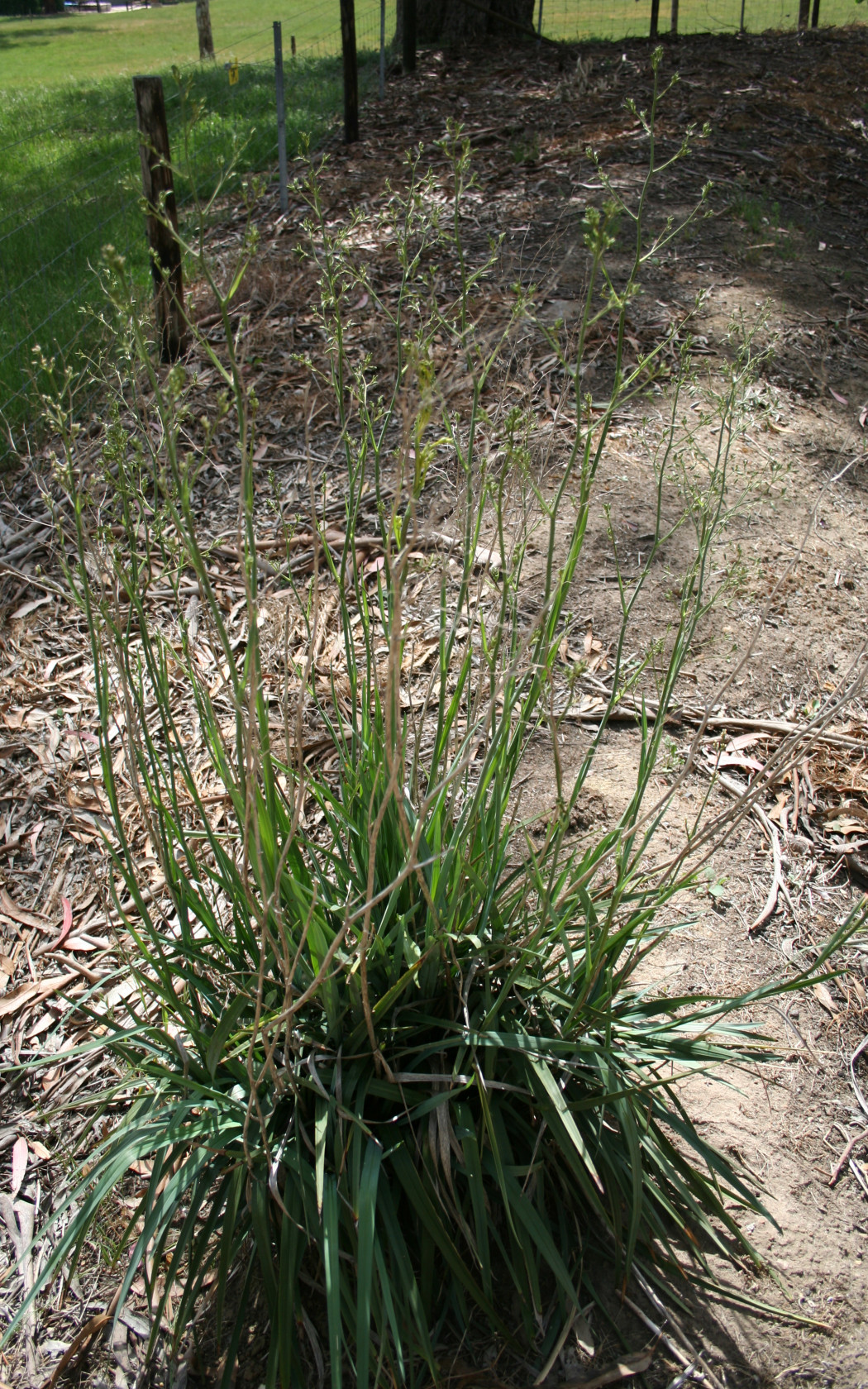
Plant
Plant - Dianella longifolia var. grandis (R.J.F. Hend.)
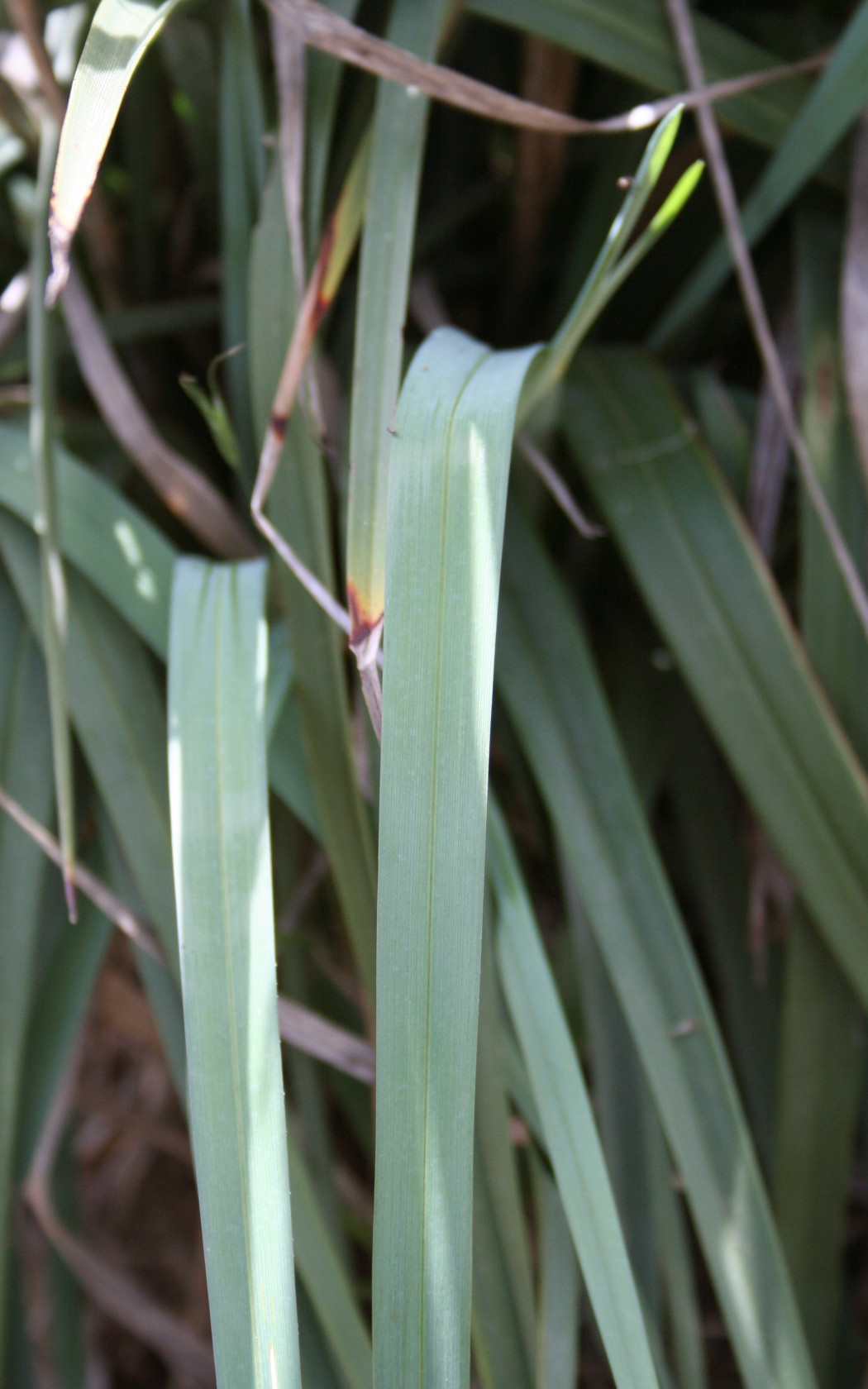
Leaves
Leaves - Dianella longifolia var. grandis (R.J.F. Hend.)
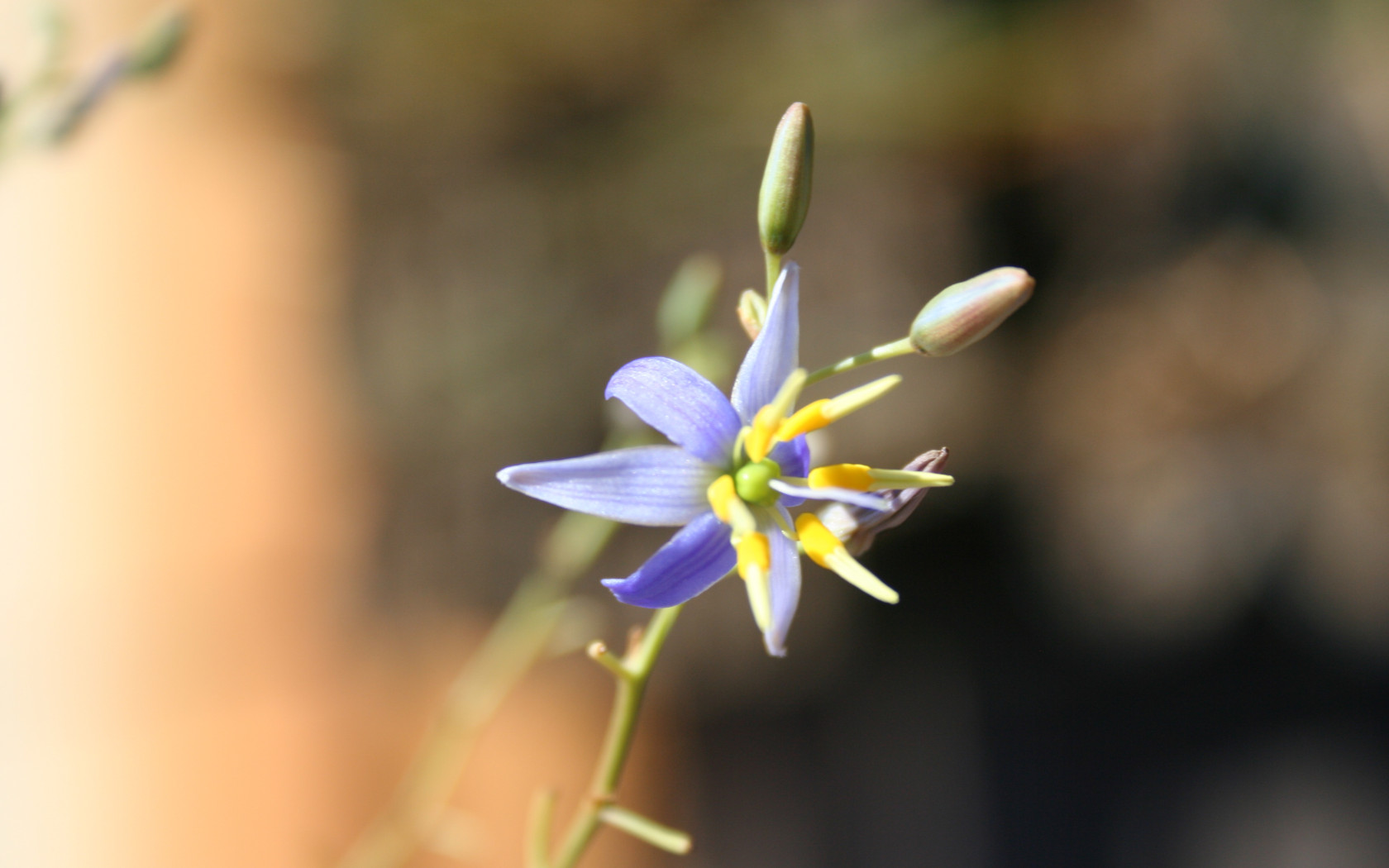
Flowers
Flowers - Dianella longifolia var. grandis (R.J.F. Hend.)
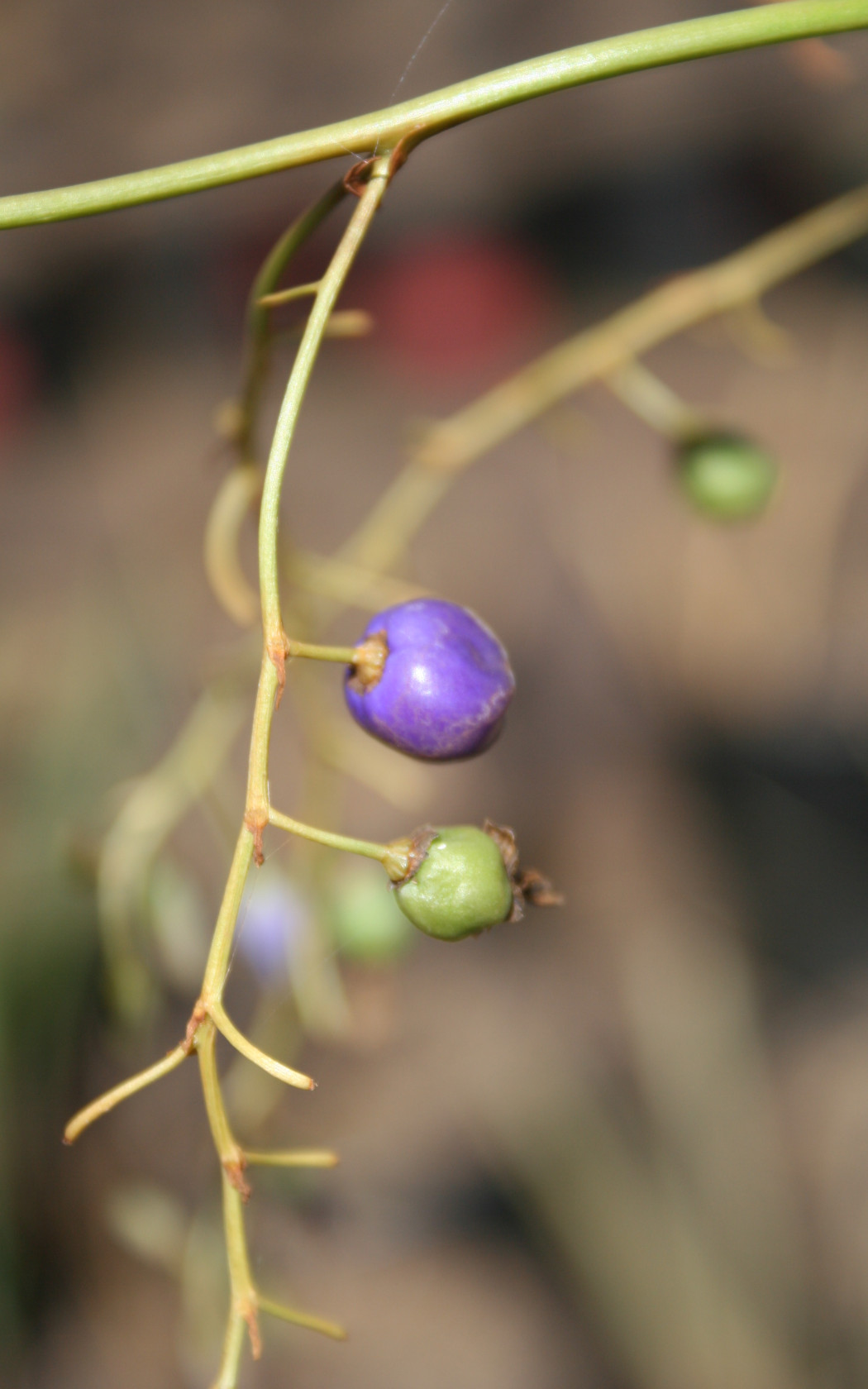
Fruit
Fruit - Dianella longifolia var. grandis (R.J.F. Hend.)
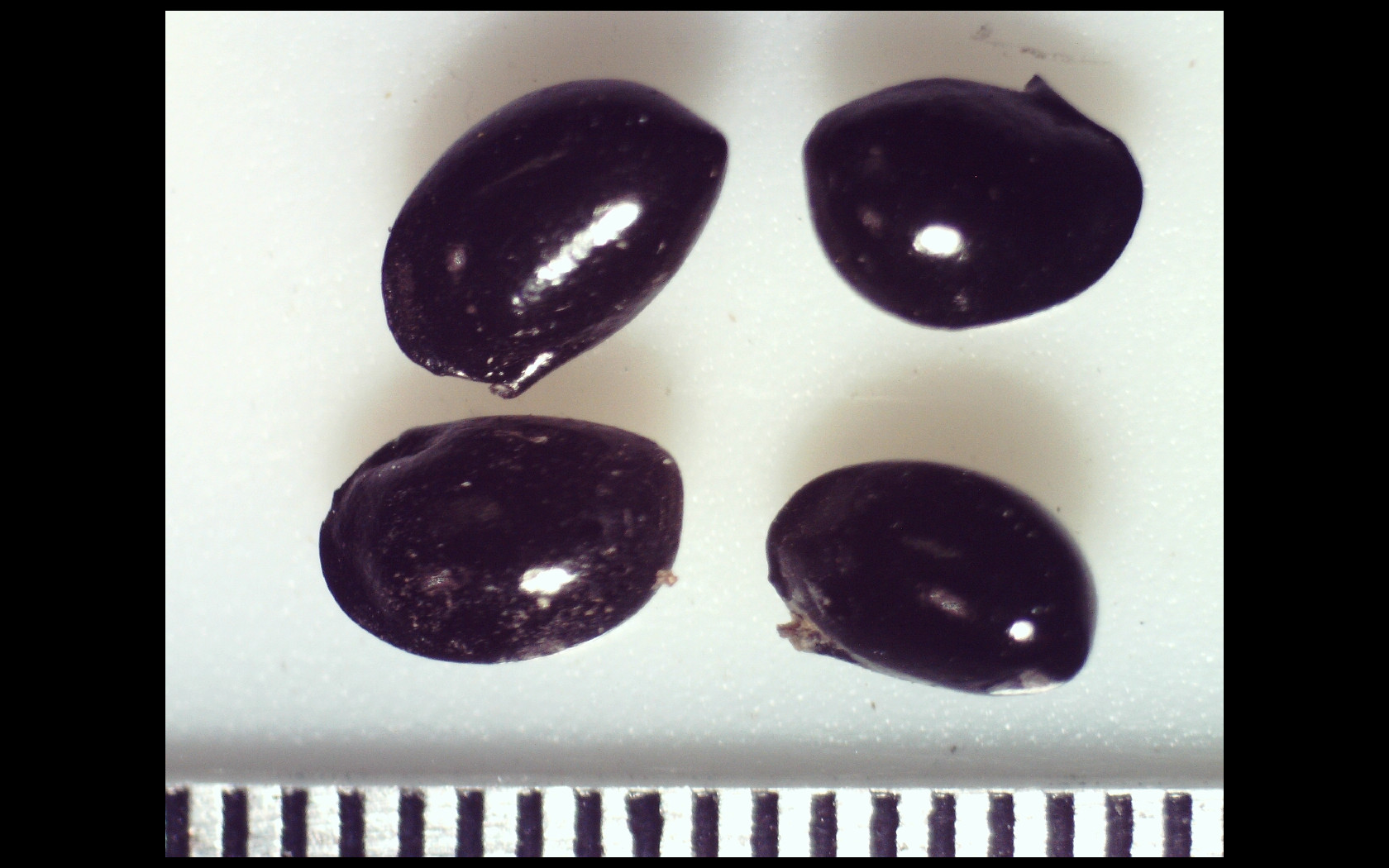
Seeds
Seeds - Dianella longifolia var. grandis (R.J.F. Hend.)
Expand all
 Clump - Upright
 Linear
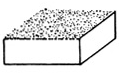 Glaucous
Glaucous
Glaucous
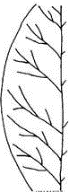 Entire
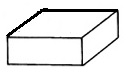 Smooth
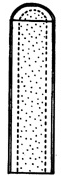 Pith Continuous
 Terete
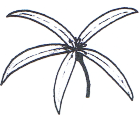
 Stellate,
Recurved
Stellate,
Recurved
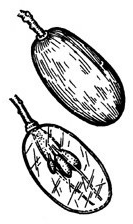 Bacca / Berry
 Smooth
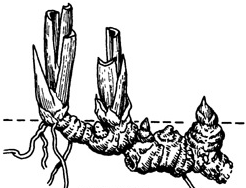 Rhizome


 Wet,
Moist,
Dry
Wet,
Moist,
Dry
 None
None
Plant Properties
Origin(s)
Plant Type
Climate Range(s) - Habitat
Climate Range(s) - Tolerance
Aspect Range(s)
Habitat Range(s)
Habitat Zone(s)
Mature Height
Mature Width
Plant Shape
Clump - Upright
Clump - Upright
Growth Rate
Maturity
Life Span
Leaf Properties
Colour (front)
Colour (back)
Shape(s)
Linear
Linear
Aroma
Texture (front)
Glaucous
Glaucous
Texture (back)
Glaucous
Glaucous
Leaf Length(s)
Leaf Width(s)
Margin
Entire
Entire Bark / Stem / Culm Properties
Colour(s) Upper
Texture(s) Upper
Smooth
Smooth
Trunk / Stem Construction(s)
Pith Continuous
Pith Continuous
Trunk / Stem / Culm Cross Section
Terete
Terete
Trunk / Stem / Culm Diameter
Flower Properties
Gender: Bisexual
Time(s)
Flower Colour(s)
Flower Shape(s)
Stellate
Recurved
Stellate,
Recurved
Pendulous
Pendulous
Aroma(s)
Flowers per Arrangement
Pollinator(s)
Fruit Properties
Type
Bacca / Berry
Bacca / Berry
Outer Colour(s)
Outer Texture
Smooth
Smooth
Aroma
Maturation for Fruiting
Root Properties
Type
Rhizome
Rhizome Soil Properties
Type(s)
pH Range(s)
Condition(s)
Wet
Moist
Dry
Wet,
Moist,
Dry
Poor Fertility
,
Deep
,
Shallow
,
Well Drained
Poor Fertility,
Deep,
Shallow,
Well Drained
Salinities
None
None
Waterlogging Class
Watering Requirements
Other Properties / Uses
Bee Attraction
Bird Attraction
Butterfly Attraction
Frog Habitat
Coastal
Edible(s)
Fire Retarding
Frost Tolerance
Snow Tolerance
Drought Tolerance
Landscape Use
Special Purpose(s)
Maintenance(s)
Fertilising Requirements
Wind Tolerance
General Notes
An excellent, tough, hardy plant for landscape garden or road side use. Usually forming upright clumps, not spreading like a lot of other Dianella species. Classified as rare and endangered in some areas of its natural habitat.
Root extracts have shown antiviral activity. Aboriginal use includes leaves for plaiting baskets, roots pounded and cooked on hot rocks and the berries eaten raw.
Four other varieties are recorded
- D. longifolia var. stenophylla
- D. longifolia var. longilfolia
- D. longifolia var. stupata
- D. longifolia var. surculosa