Xanthorrhoea johnsonii
Common name(s): Yacca, Grass Tree, Johnson's Grass Tree, Queensland Grass Tree, Northern Grass Tree
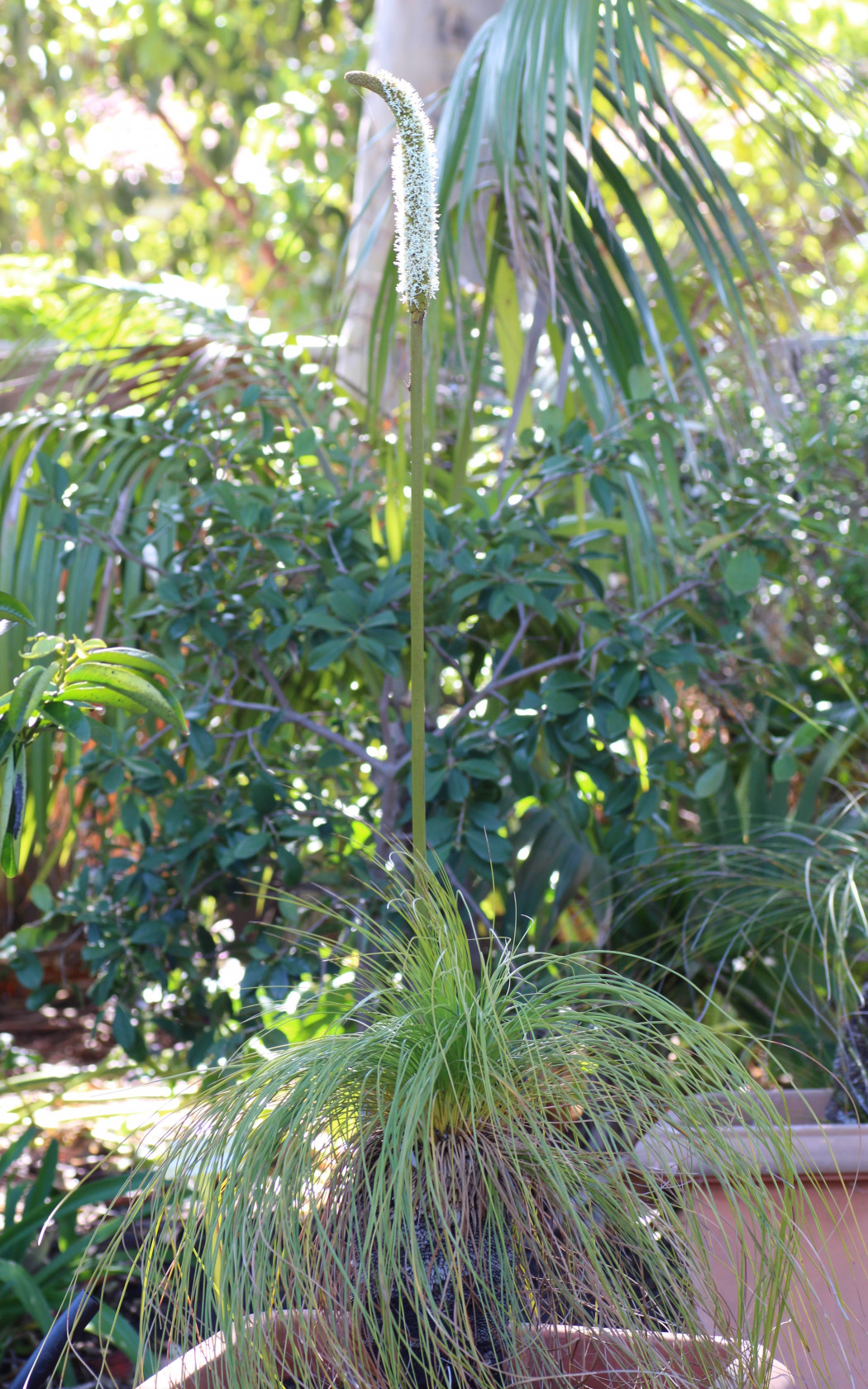
Plant
Plant - Xanthorrhoea johnsonii
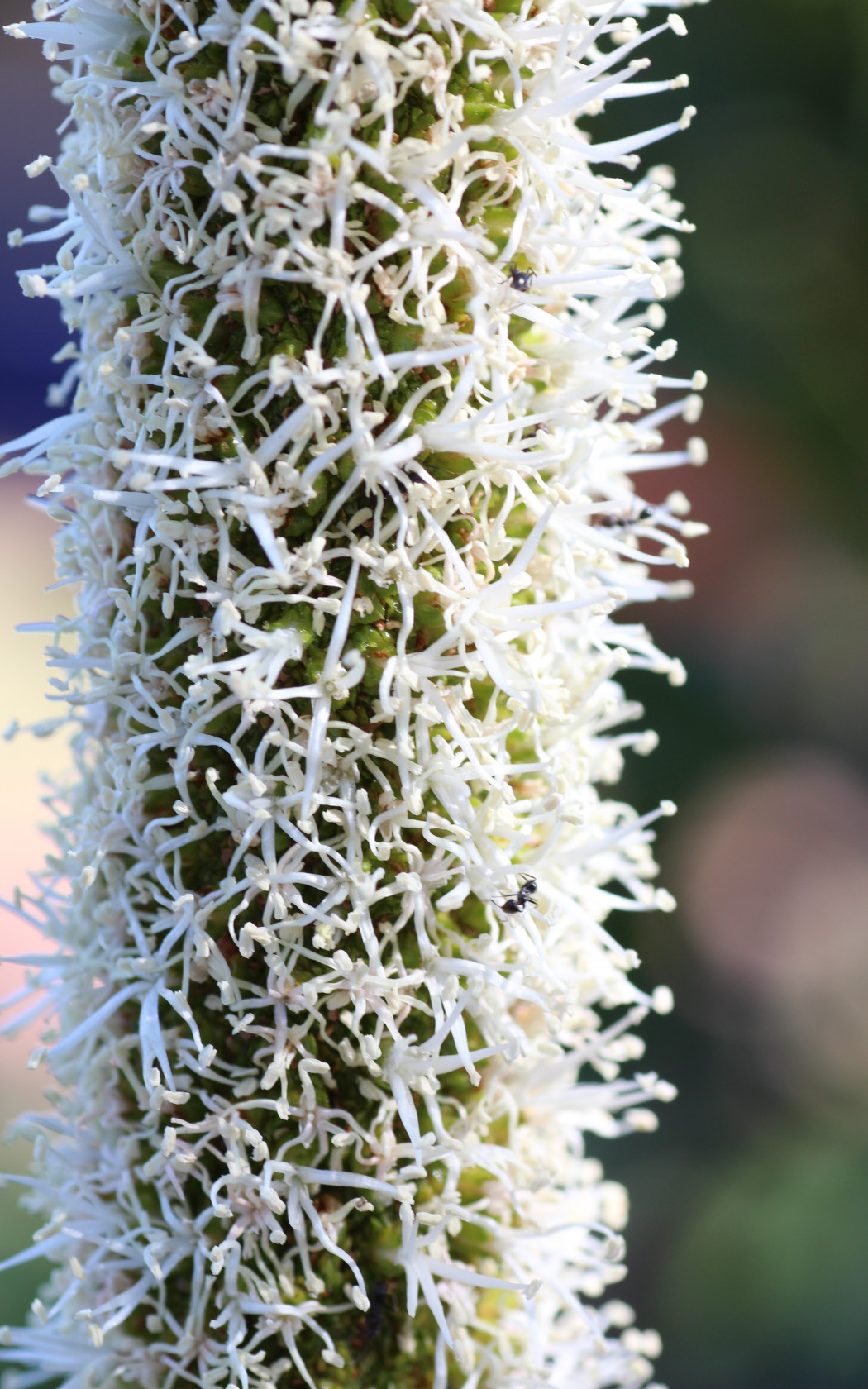
Flowers
Flowers - Xanthorrhoea johnsonii
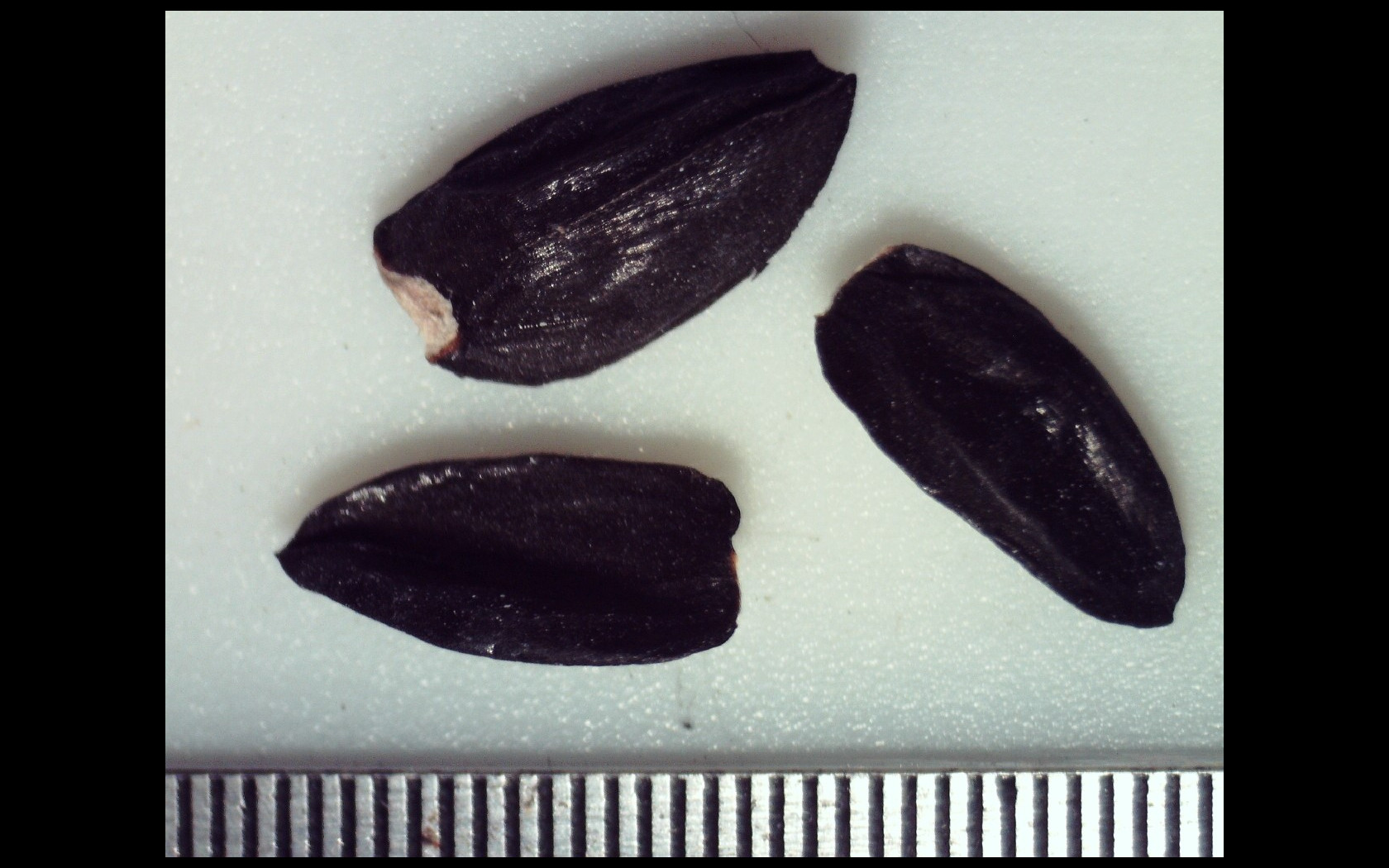
Seeds Scale 0.5mm
Seeds Scale 0.5mm - Xanthorrhoea johnsonii
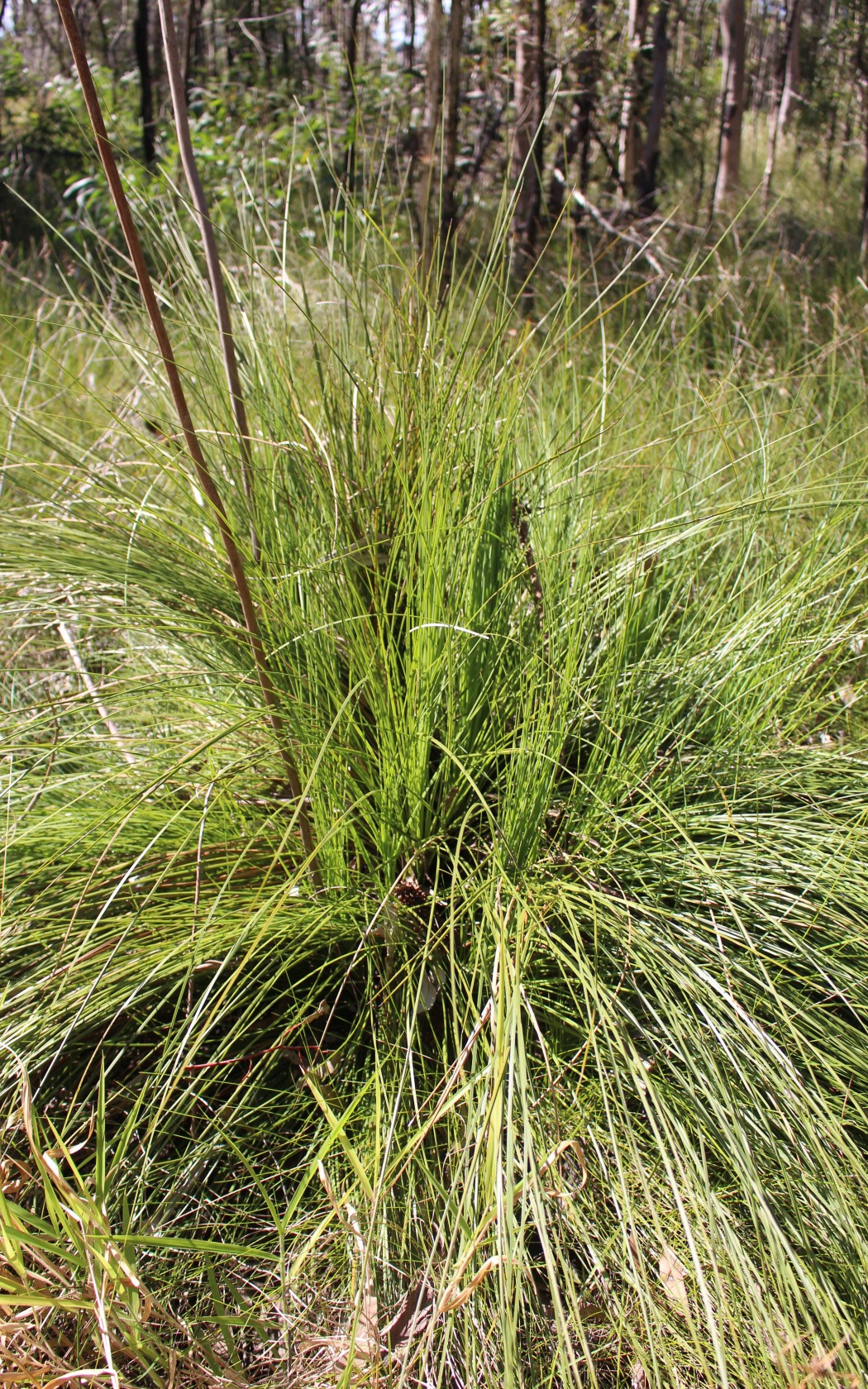
Plant
Plant - Xanthorrhoea johnsonii
Expand all
 Standard Crown - Dense
 Linear
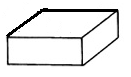 Glabrous
Glabrous
Glabrous
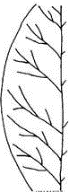 Entire
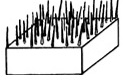
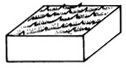 Bristly / Hispid,
Rough / Scabrous
Bristly / Hispid,
Rough / Scabrous
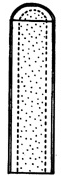 Pith Continuous
 Terete
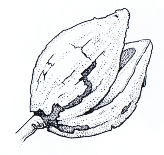 Coccum
 Rough / Scabrous
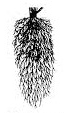 Fibrous
 Moist
Moist
 None
None
Plant Properties
Origin(s)
Plant Type
Climate Range(s) - Habitat
Aspect Range(s)
Habitat Range(s)
Habitat Zone(s)
Mature Height
Plant Shape
Standard Crown - Dense
Standard Crown - Dense
Growth Rate
Life Span
Leaf Properties
Colour (front)
Colour (back)
Shape(s)
Linear
Linear
Aroma
Texture (front)
Glabrous
Glabrous
Texture (back)
Glabrous
Glabrous
Leaf Length(s)
Leaf Width(s)
Margin
Entire
Entire Bark / Stem / Culm Properties
Colour(s) Upper
Texture(s) Upper
Bristly / Hispid
Rough / Scabrous
Bristly / Hispid,
Rough / Scabrous
Trunk / Stem Construction(s)
Pith Continuous
Pith Continuous
Trunk / Stem / Culm Cross Section
Terete
Terete
Trunk / Stem / Culm Length
Flower Properties
Gender: Bisexual
Time(s)
Flower Colour(s)
Aroma(s)
Pollinator(s)
Male and Female Flowers, Borne
Fruit Properties
Type
Coccum
Coccum
Outer Colour(s)
Outer Texture
Rough / Scabrous
Rough / Scabrous Root Properties
Type
Fibrous
Fibrous
Deep
Deep
Soil Properties
Type(s)
pH Range(s)
Condition(s)
Moist
Moist
Poor Fertility
,
Deep
,
Shallow
,
Well Drained
Poor Fertility,
Deep,
Shallow,
Well Drained
Salinities
None
None Other Properties / Uses
Bird Attraction
Butterfly Attraction
Frog Habitat
Coastal
Edible(s)
Fire Retarding
Frost Tolerance
Snow Tolerance
Drought Tolerance
Landscape Use
Special Purpose(s)
Pests/Diseases
General Notes
An iconic specimen or feature plant for gardens and landscaping with trunks up to 3 metres tall and sometimes branched. Very slow growing, about 88mm per year, it takes several years before it flowers and flowers prolifically after a bush fire. Some are estimated to be 350-450 years old.
A food source for nectar eating birds, bee's and butterflies.
Aborigines soaked the flowering spikes in water to produce a sweet drink. The soft, white leaf bases were eaten, while the flower spike resin was used as an adhesive in the manufacture of tools.