Ulmus glabra 'Camperdownii'
Common name(s): Camperdown Elm, Weeping Elm, Scotch Elm
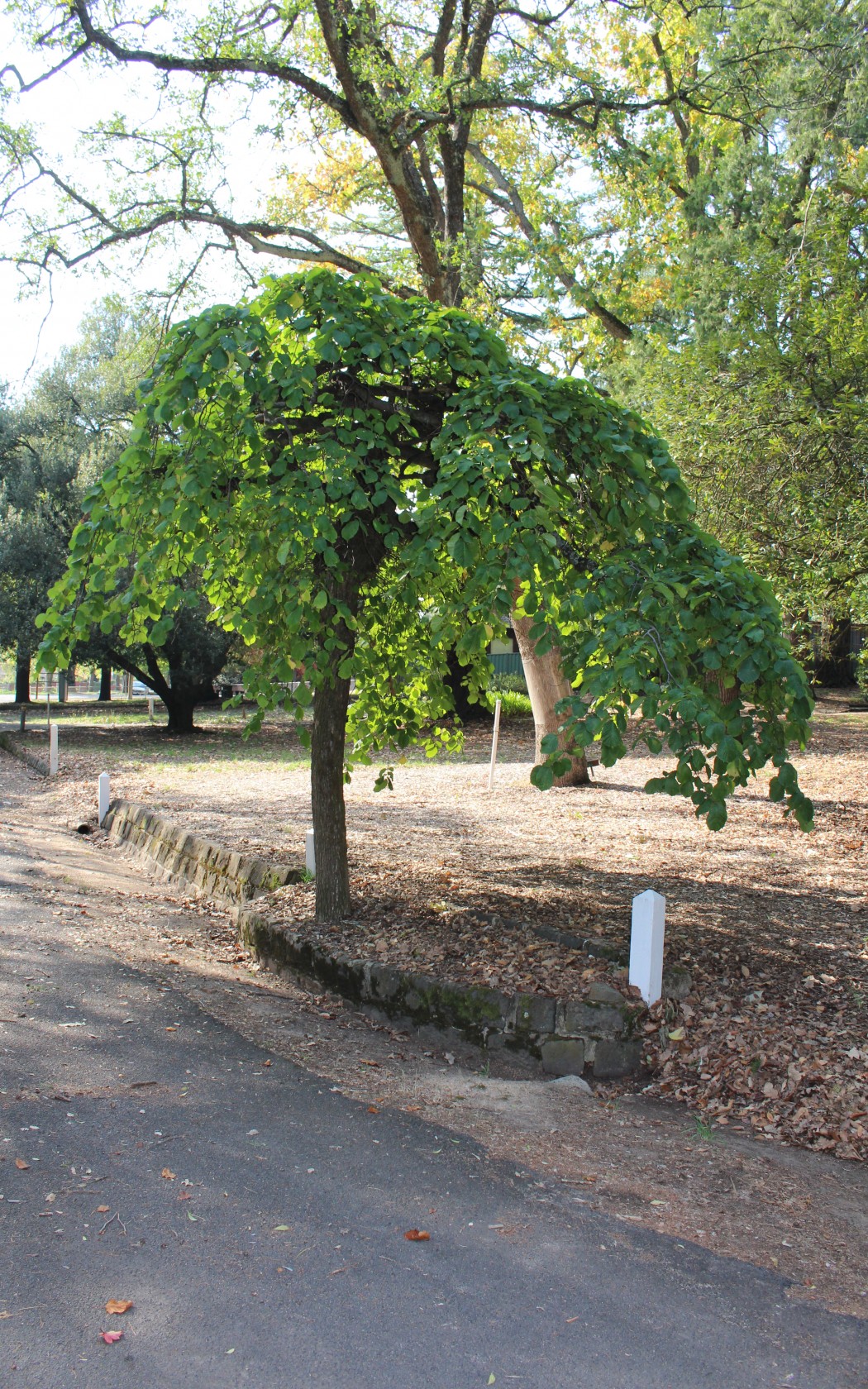
Plant
Plant - Ulmus glabra 'Camperdownii'
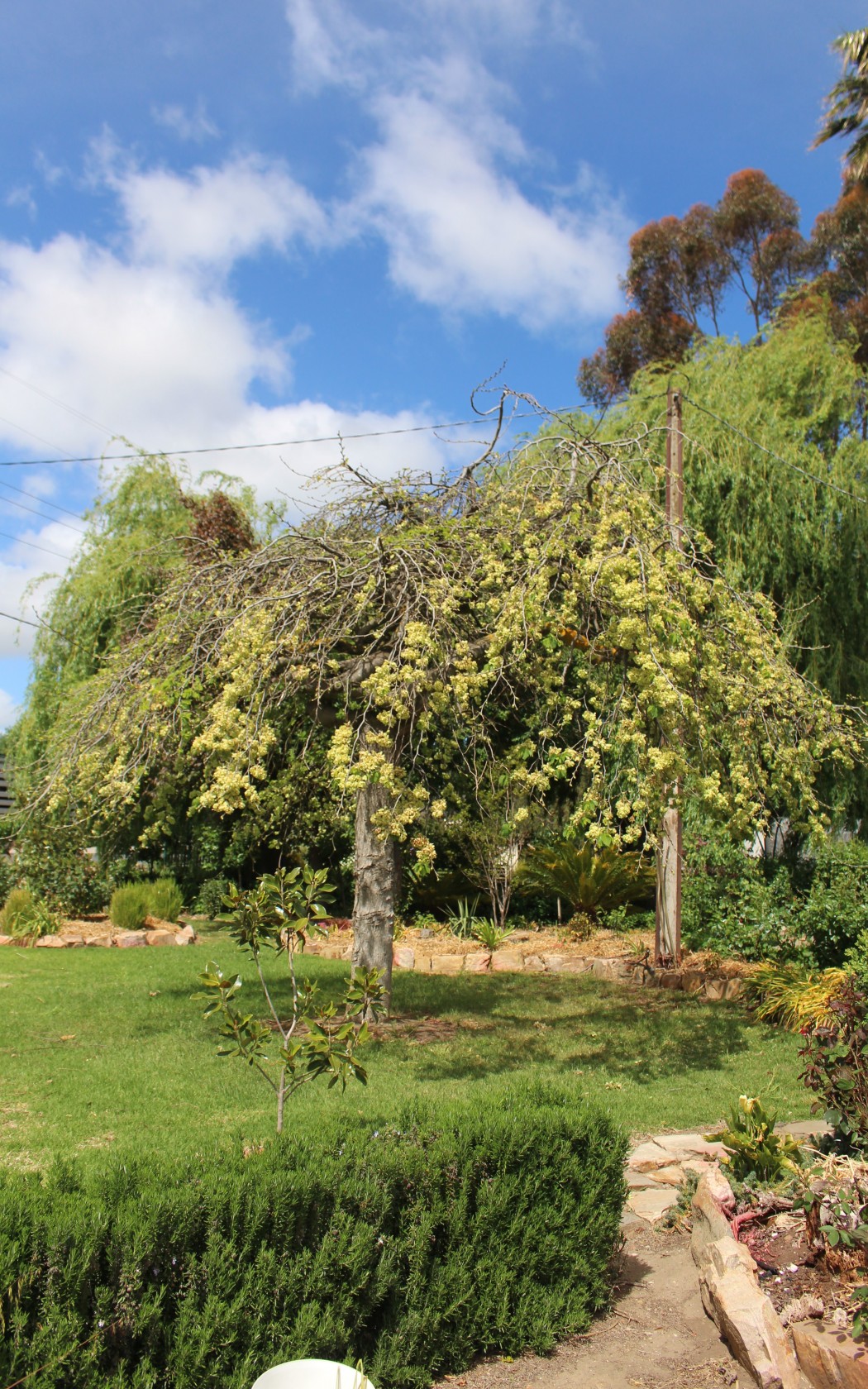
Plant
Plant - Ulmus glabra 'Camperdownii'
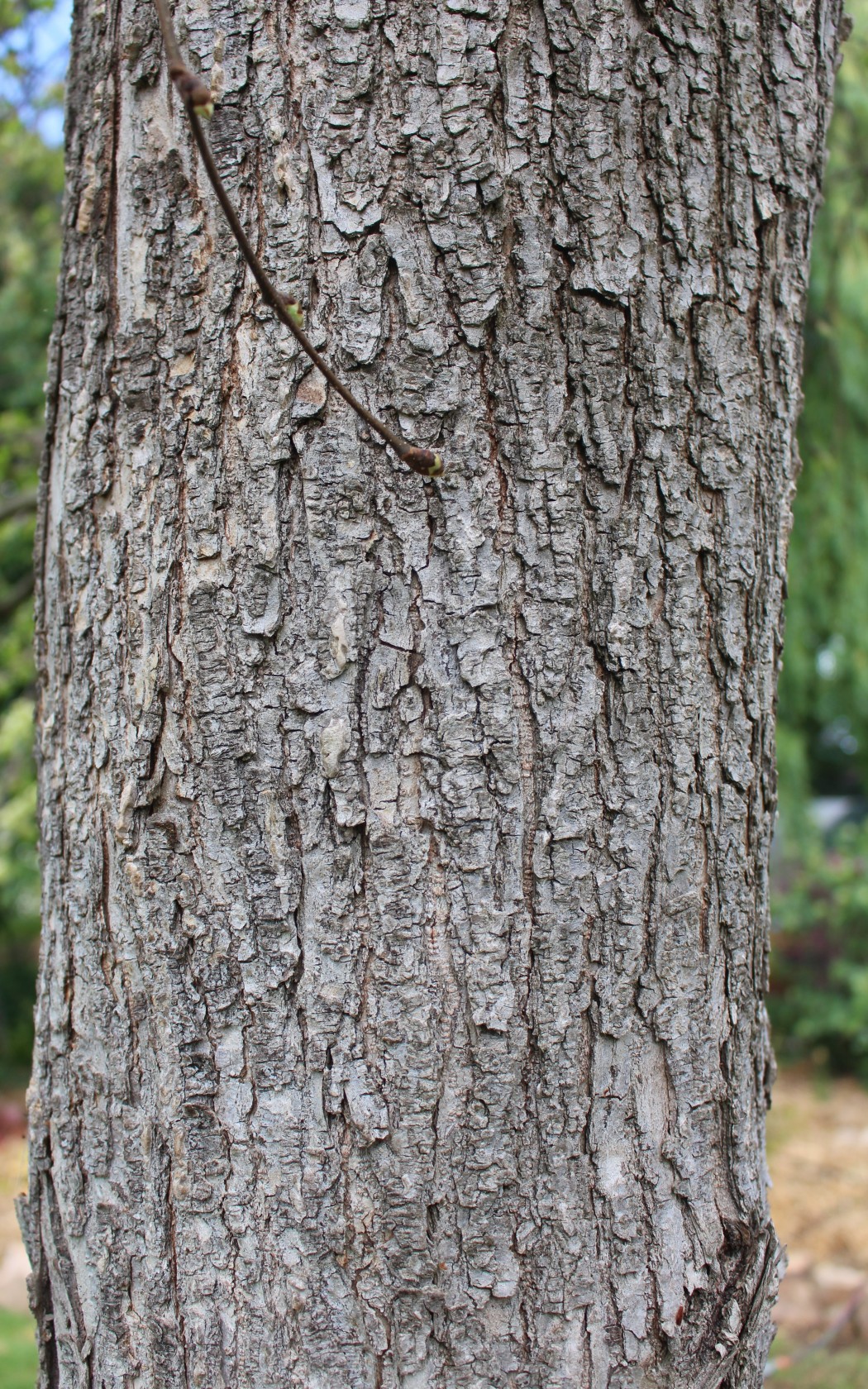
Bark (Lower)
Bark (Lower) - Ulmus glabra 'Camperdownii'
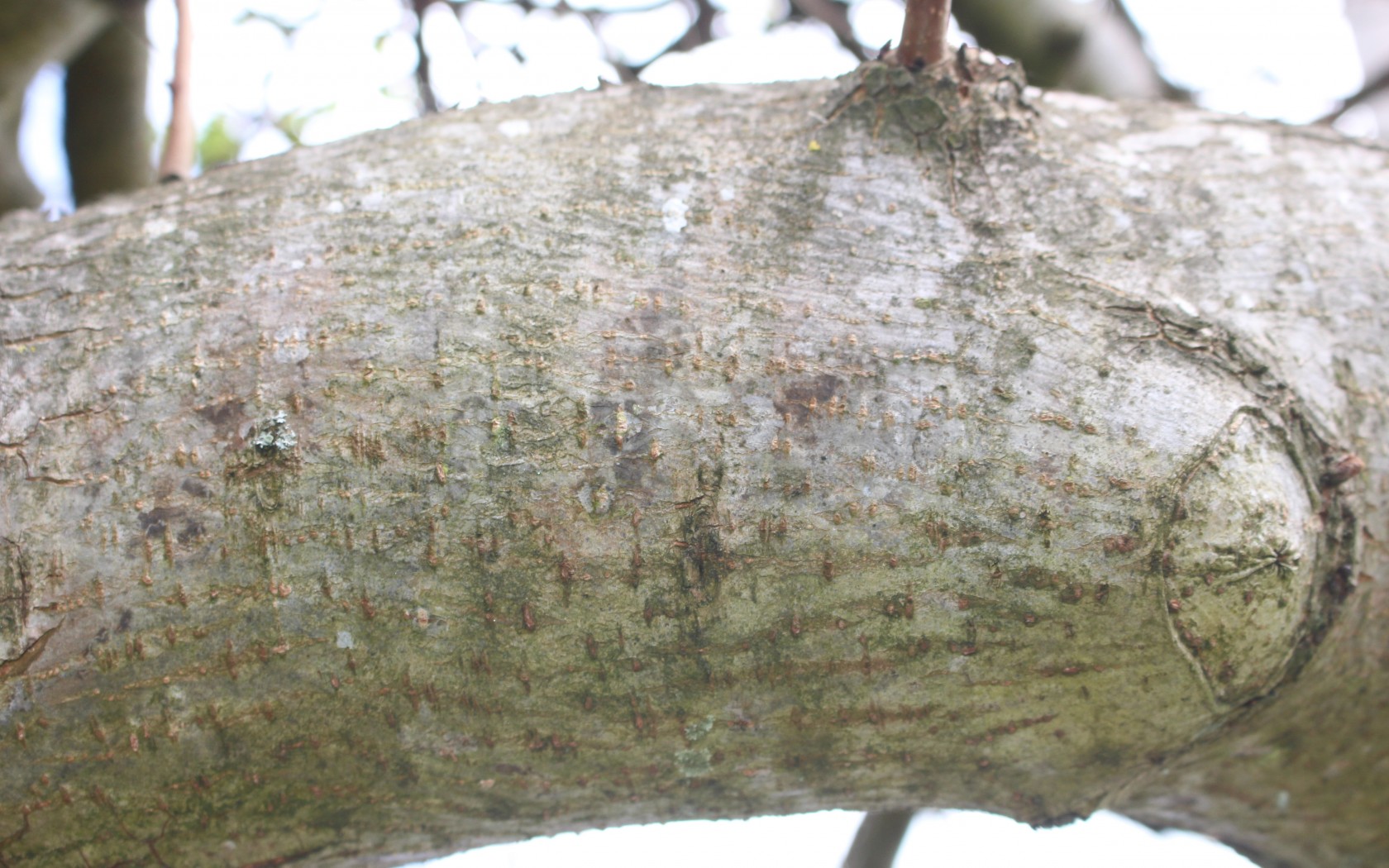
Bark (Upper)
Bark (Upper) - Ulmus glabra 'Camperdownii'
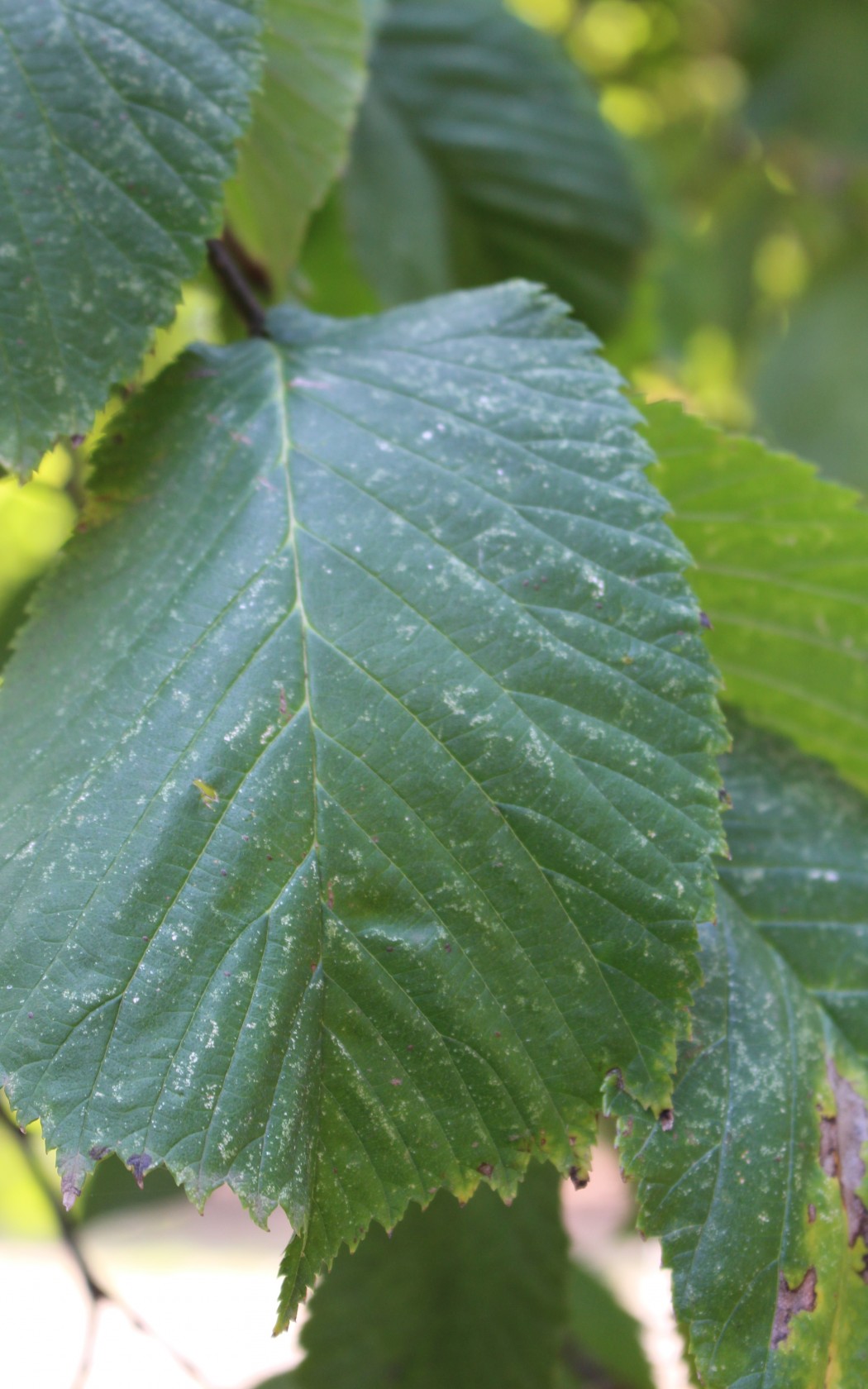
Leaves
Leaves - Ulmus glabra 'Camperdownii'
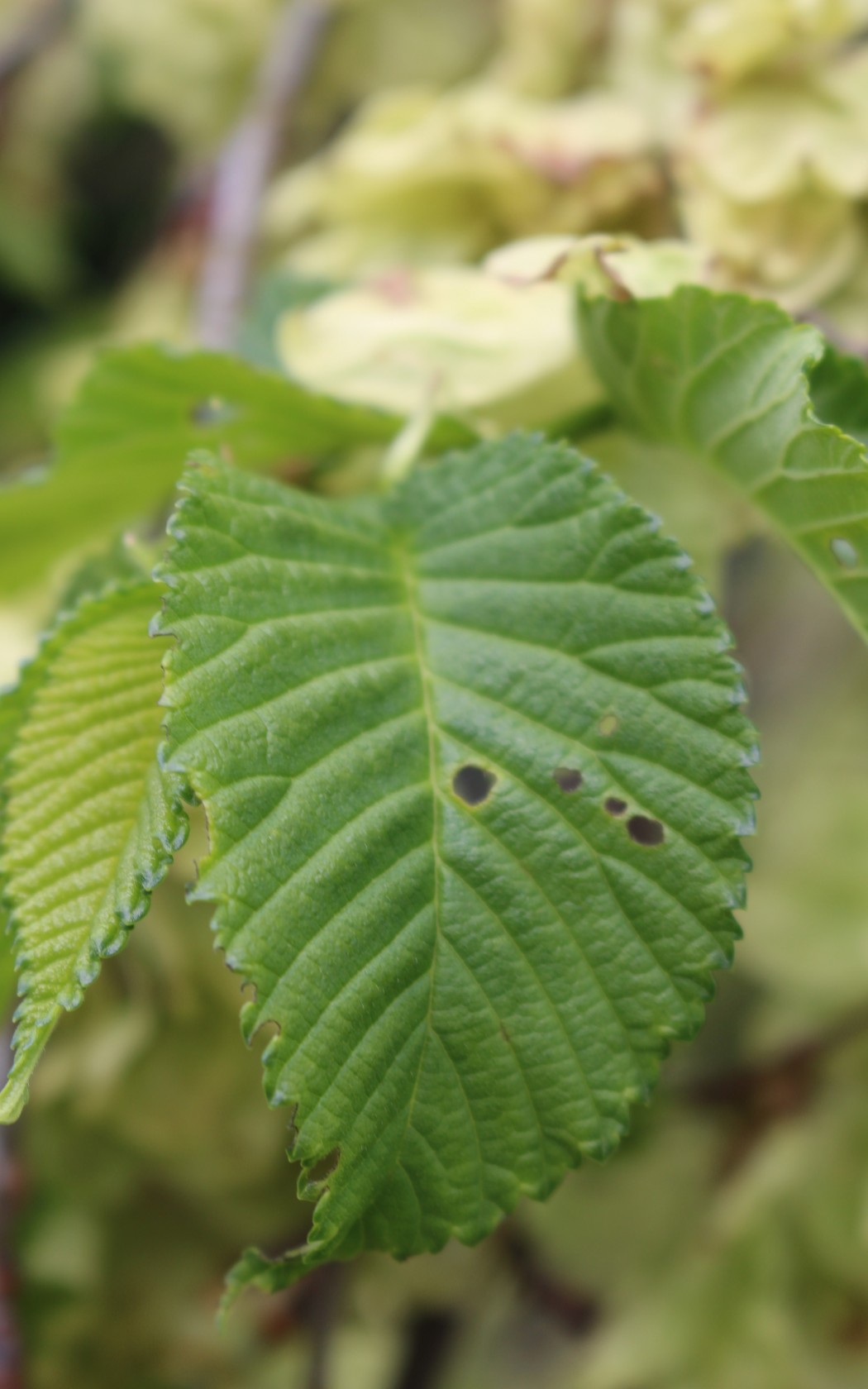
Leaves
Leaves - Ulmus glabra 'Camperdownii'
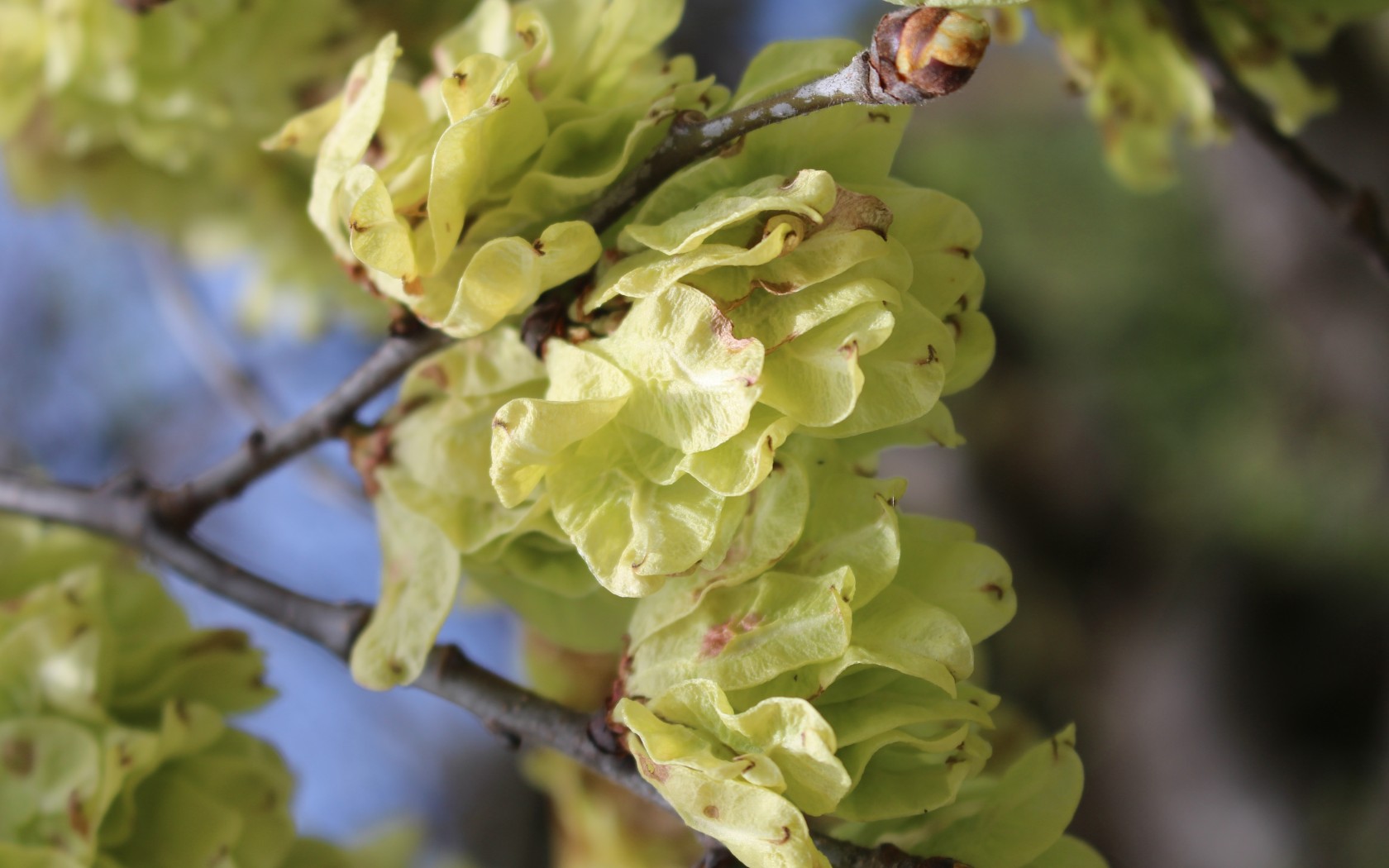
Flowers
Flowers - Ulmus glabra 'Camperdownii'
Expand all


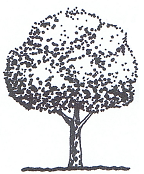 Branches Pendulous / Weeping,
Domed - Broad,
Standard
Branches Pendulous / Weeping,
Domed - Broad,
Standard
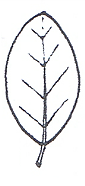 Elliptical
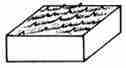 Rough / Scabrous
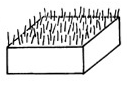 Pubescent
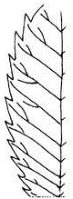 Serrate
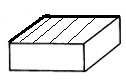
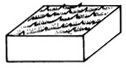
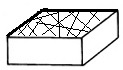 Furrowed,
Rough / Scabrous,
Tessellated
Furrowed,
Rough / Scabrous,
Tessellated
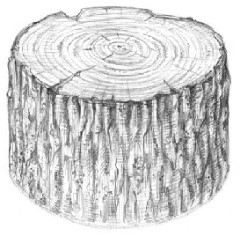 Wood Fibres - Solid
 Terete
 Filamental Eucaform
 Samara
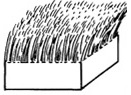 Papery,
Velvety / Velutinous
Papery,
Velvety / Velutinous
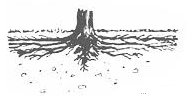 Plate
Plate
 Moist
Moist
 None
None
Plant Properties
Origin(s)
Plant Type
Climate Range(s) - Habitat
Aspect Range(s)
Habitat Range(s)
Habitat Zone(s)
Mature Height
Mature Width
Plant Shape
Branches Pendulous / Weeping
Domed - Broad
Standard
Branches Pendulous / Weeping,
Domed - Broad,
Standard
Growth Rate
Life Span
Leaf Properties
Colour (front)
Colour (back)
Colour(s) Autumn
Shape(s)
Elliptical
Elliptical
Aroma
Texture (front)
Rough / Scabrous
Rough / Scabrous
Texture (back)
Pubescent
Pubescent
Fine
Fine
Leaf Width(s)
Margin
Serrate
Serrate Bark / Stem / Culm Properties
Colour(s) Upper
Texture(s) Upper
Furrowed
Rough / Scabrous
Tessellated
Furrowed,
Rough / Scabrous,
Tessellated
Rigid
Rigid
Trunk / Stem Construction(s)
Wood Fibres - Solid
Wood Fibres - Solid
Trunk / Stem / Culm Cross Section
Terete
Terete Flower Properties
Gender: Bisexual
Time(s)
Flower Colour(s)
Flower Shape(s)
Filamental Eucaform
Filamental Eucaform
Aroma(s)
Pollinator(s)
Male and Female Flowers, Borne
Fruit Properties
Type
Samara
Samara
Outer Colour(s)
Outer Texture
Papery
Velvety / Velutinous
Papery,
Velvety / Velutinous
Aroma
Root Properties
Type
Plate
Plate Soil Properties
Type(s)
pH Range(s)
Condition(s)
Moist
Moist
Fertile
,
Deep
,
Well Drained
Fertile,
Deep,
Well Drained
Salinities
None
None Other Properties / Uses
Bee Attraction
Bird Attraction
Butterfly Attraction
Frog Habitat
Coastal
Edible(s)
Fire Retarding
Frost Tolerance
Snow Tolerance
Drought Tolerance
Landscape Use
Special Purpose(s)
Maintenance(s)
Pests/Diseases
General Notes
A lovely specimen tree for larger lawn areas or garden beds. The Camperdown Elm was discovered in about 1835-40 as a yound contorted elm growing in the forest at Camperdown House in Dundee, Scotland, by David Taylor the head forester, for the Earl of Camperdown. The original tree which is growing on its own roots was relocated to the gardens of Camperdown House, where it still grows and is only about 3 metres tall, with a weeping habit and contorted branch structure. Final size of the tree will vary upon latitude and location as trees grown in 315 Eureka St., Ballarat Victoria, Australia have attained a height and spread of 13 metres, planted in the late 1800's.