Loading...

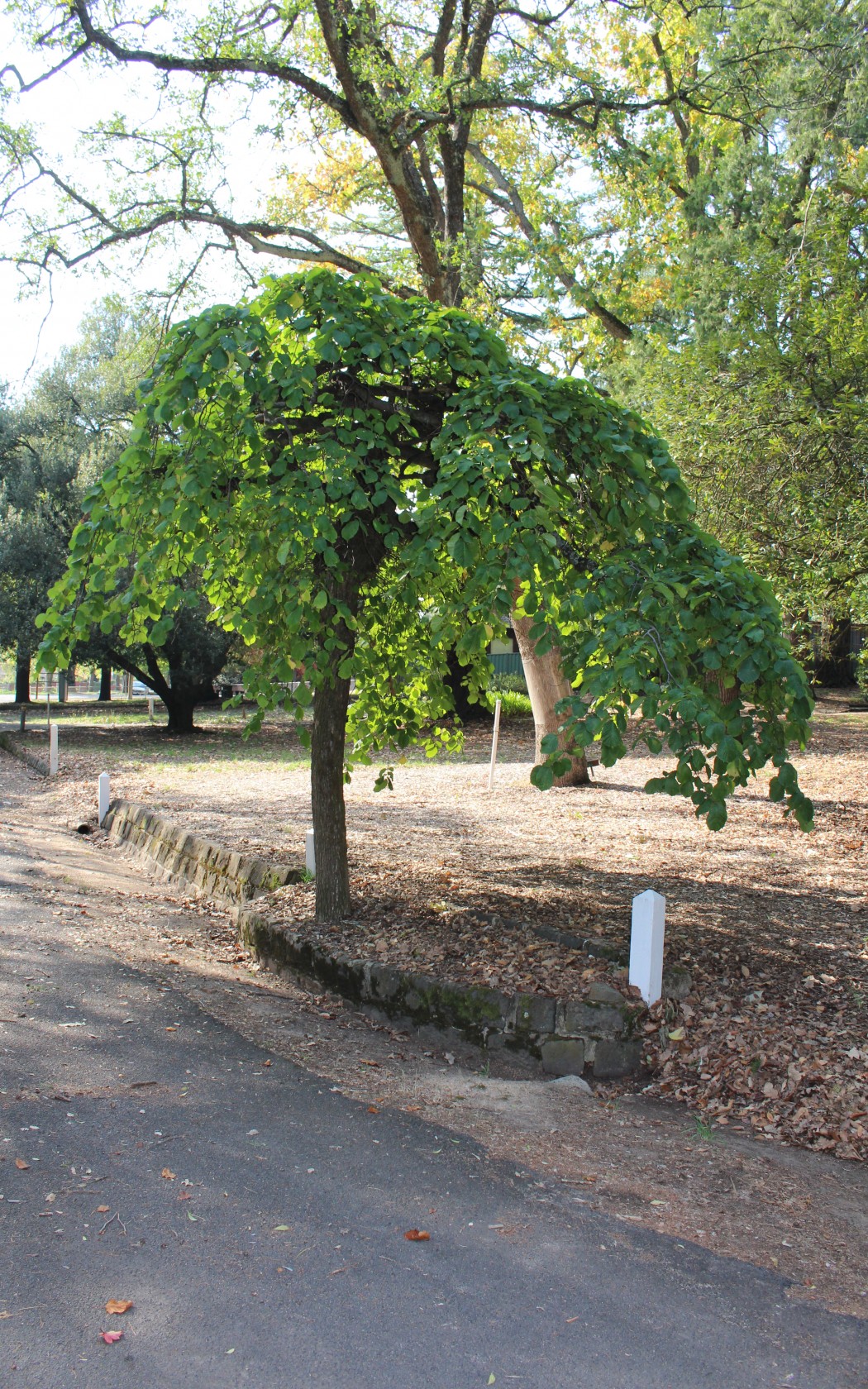
Ulmus glabra 'Camperdownii'

Common name(s): Camperdown Elm, Weeping Elm, Scotch Elm
Family: Ulmaceae Synonym(s): Ulmus glabra var. pendula, Ulmus glabra var. pendula camperdowii, Ulmus montana pendula nova, Ulmus scampstoniensis pendula
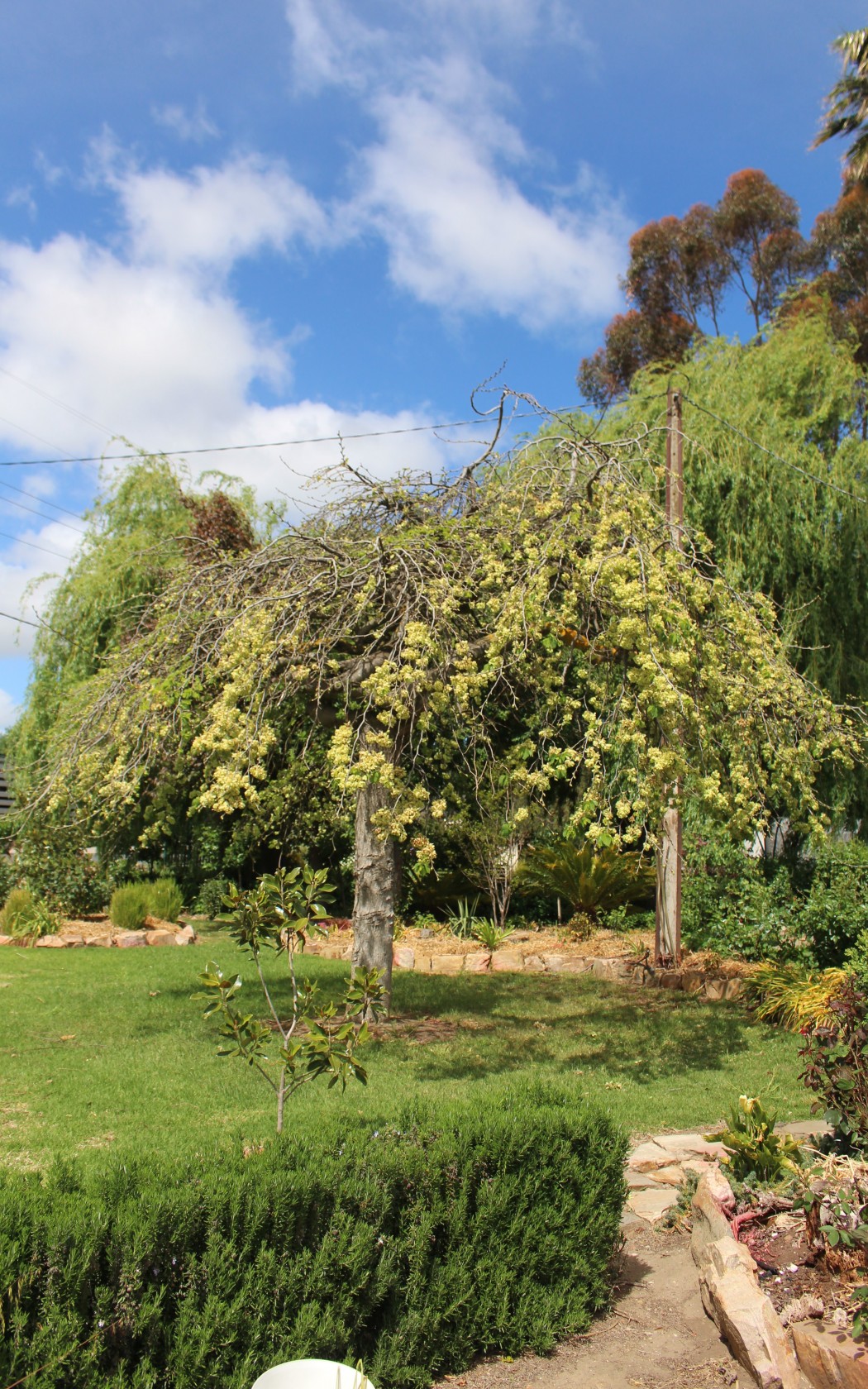
Plant
Plant
Taken by Ken Harrington
Plant
Plant
Taken by Ken Harrington
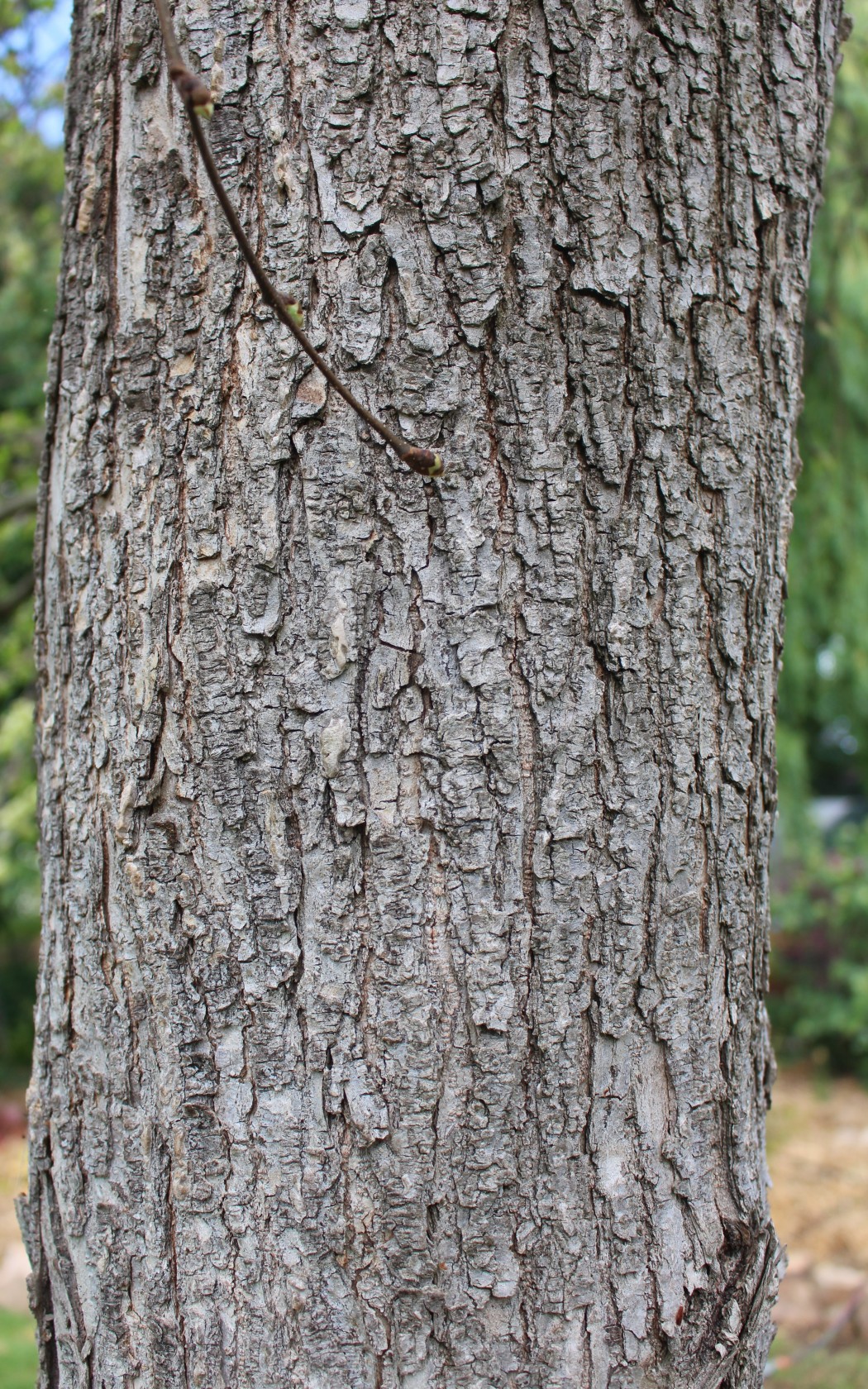
Bark_lower
Bark (Lower)
Taken by Ken Harrington
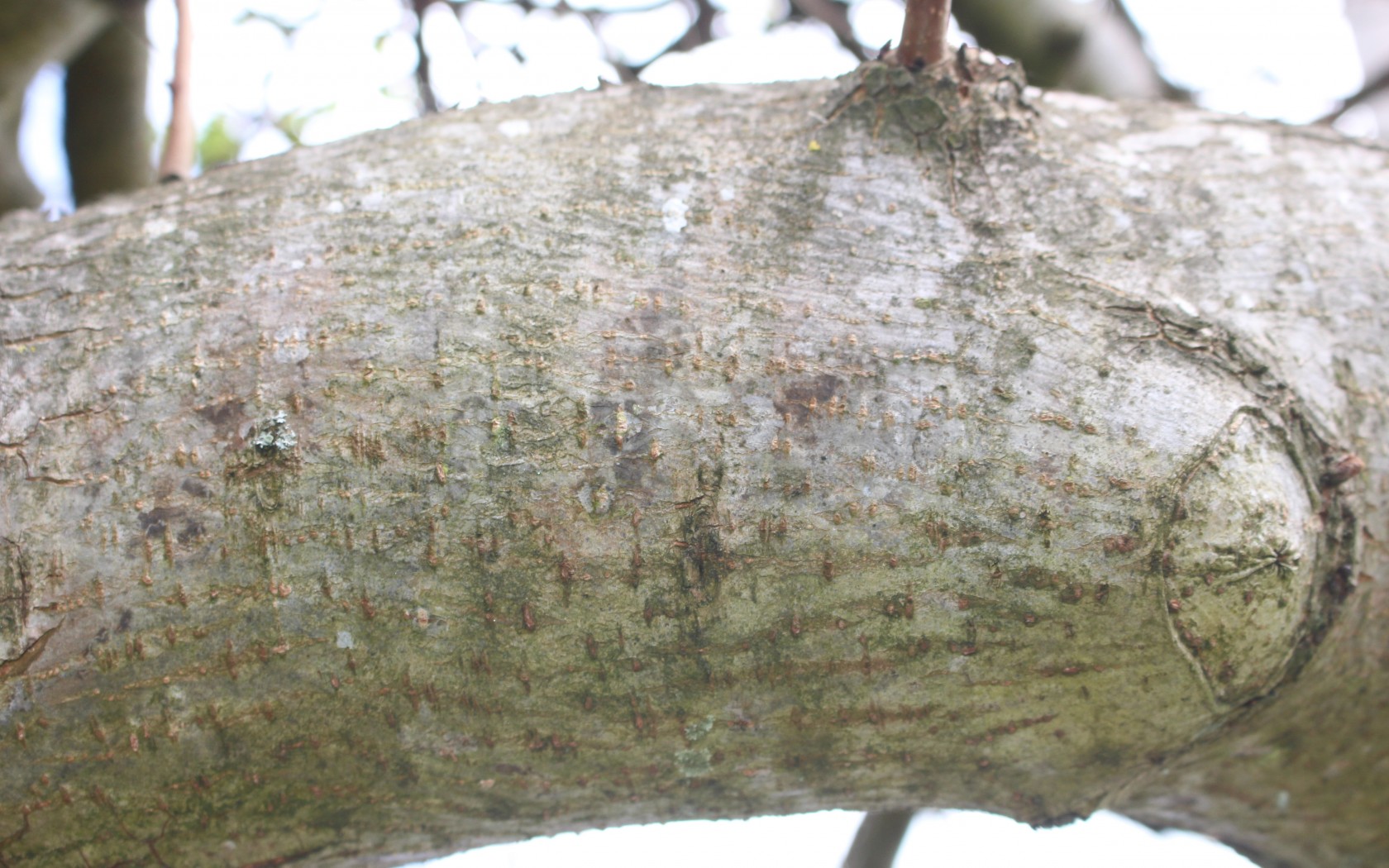
Bark_upper
Bark (Upper)
Taken by Ken Harrington
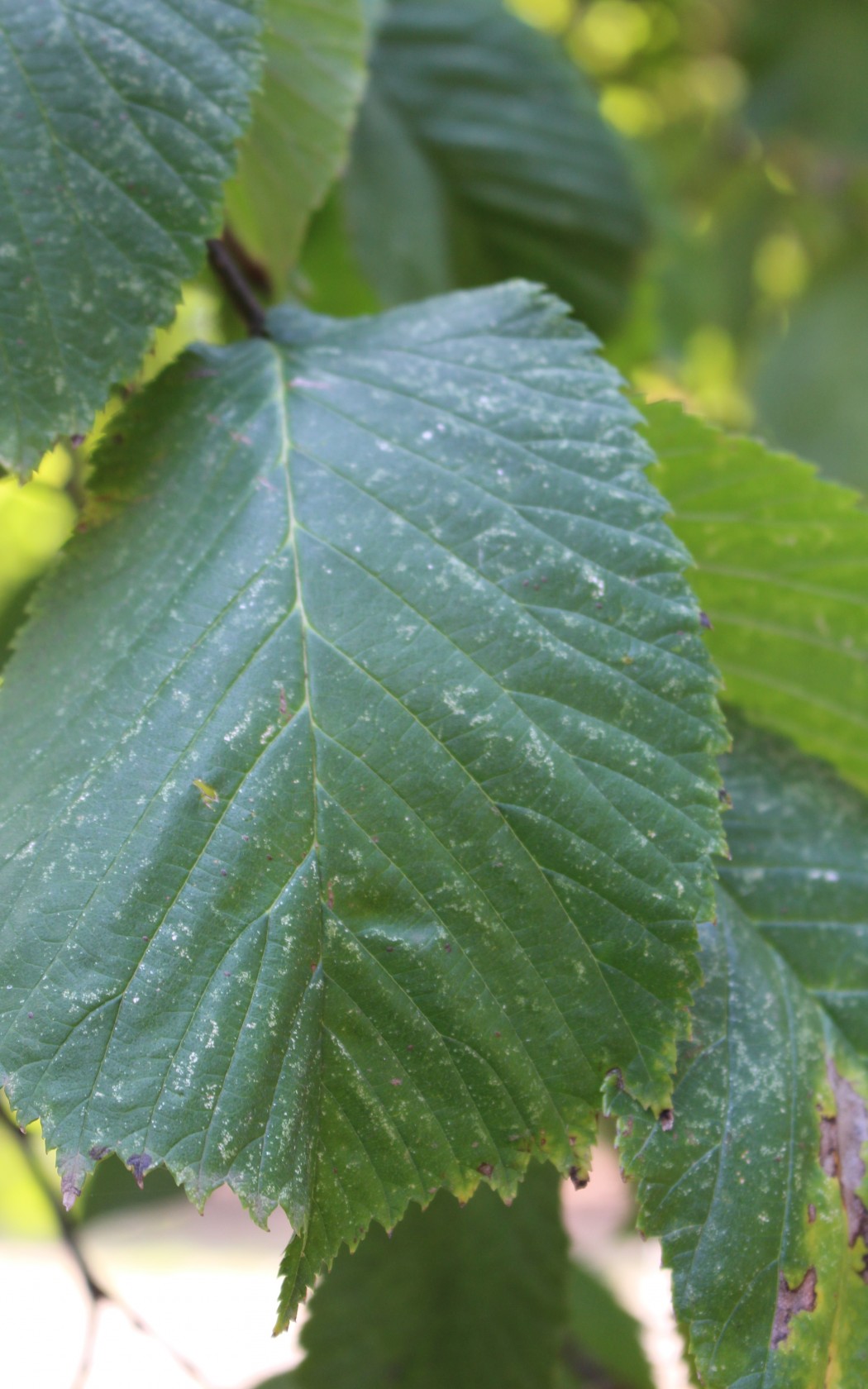
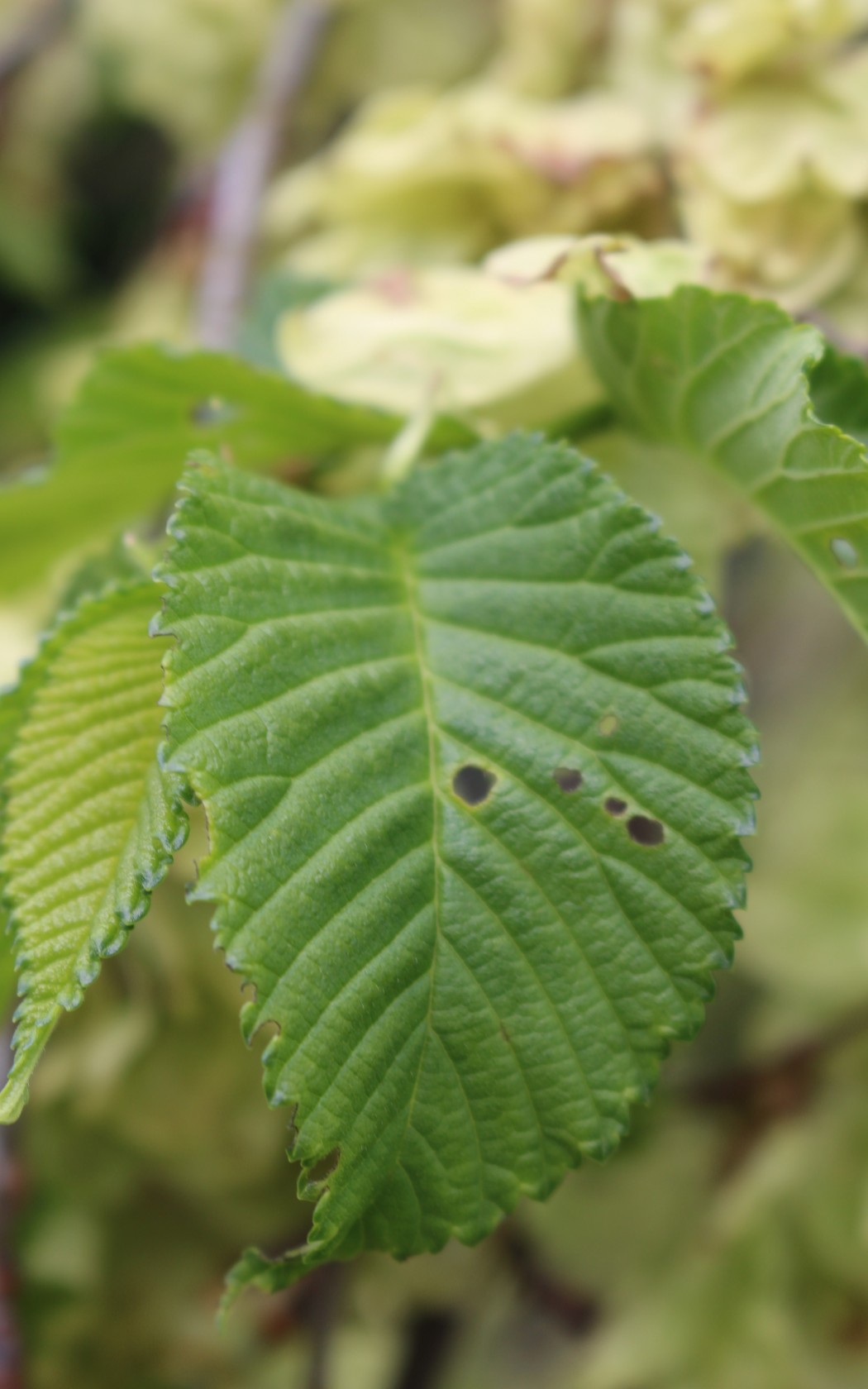
Leaf
Leaves
Taken by Ken Harrington
Leaf
Leaves
Taken by Ken Harrington
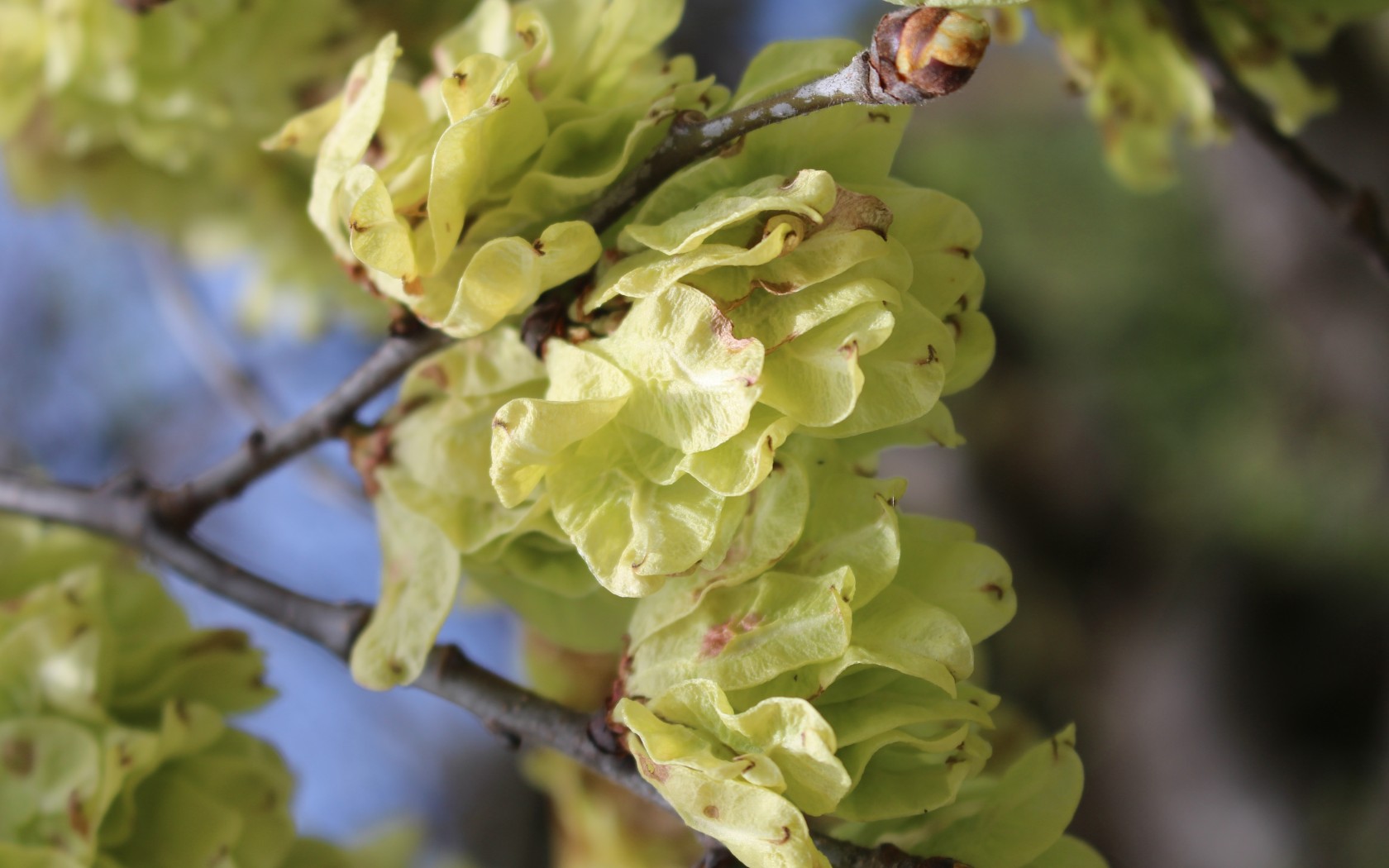
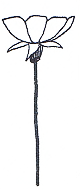
Flower
Flowers
Taken by Ken Harrington
Expand all
Plant Properties
Origin(s)
United Kingdom
  • U.K.: Cultivar
Plant Type
Deciduous Tree
Deciduous Tree
Climate Range(s) - Habitat
Temperate Cool, Temperate Warm
Temperate Cool,
Temperate Warm
Aspect Range(s)
Sun - Full, Shade - Light
Sun - Full,
Shade - Light
Habitat Range(s)
Garden, Landscape
Garden,
Landscape
Habitat Zone(s)
Garden, Moist areas, Moist Slopes, Open areas, Well drained
Garden,
Moist areas,
Moist Slopes,
Open areas,
Well drained
Mature Height
9-10m, 10-15m
9-10m,
10-15m
Mature Width
9-10m, 10-15m
9-10m,
10-15m
Plant Shape
Branches Pendulous / Weeping
Domed - Broad
Domed - Broad
Standard
Standard
Branches Pendulous / Weeping Branches Pendulous / Weeping,
Domed - Broad Domed - Broad,
Standard Standard
Growth Rate
Slow
Slow
Life Span
150-200yrs
150-200yrs
Leaf Properties
Colour (front)
Glossy, Green Dark
Glossy,
Green Dark
Colour (back)
Green
Green
Colour(s) Autumn
Yellow, Yellow Light, Yellow-golden
Yellow,
Yellow Light,
Yellow-golden
Shape(s)
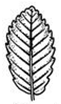
Elliptical
Elliptical
Elliptical Elliptical
Aroma
None
None
Texture (front)
Rough / Scabrous
Rough / Scabrous
Rough / Scabrous Rough / Scabrous
Texture (back)
Pubescent
Pubescent
Pubescent Pubescent
Fine
Fine
Leaf Width(s)
80-90mm, 90-100mm
80-90mm,
90-100mm
Margin
Serrate
Serrate
Serrate Serrate
Cross Section(s)
Flat
Flat
Flat Flat
Venation(s)
Pinnate
Pinnate
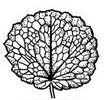
Reticulate
Reticulate
Pinnate Pinnate,
Reticulate Reticulate
Arrangement
Alternate & Spiralled
Alternate & Spiralled Alternate & Spiralled
Apice(s)
Acuminate Broadly
Acuminate Broadly
Acuminate Broadly Acuminate Broadly
Base(s)
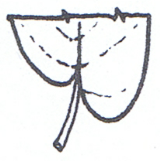
Oblique
Oblique
Oblique Oblique
Attachment
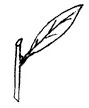
Petiolate
Petiolate
Petiolate Petiolate
Petiole Length
4-5mm
4-5mm
Bark / Stem / Culm Properties
Colour(s) Upper
Grey Dark , Grey-brown
Grey Dark,
Grey-brown
Texture(s) Upper
Furrowed
Furrowed
Rough / Scabrous
Rough / Scabrous
Tessellated
Tessellated
Furrowed Furrowed,
Rough / Scabrous Rough / Scabrous,
Tessellated Tessellated
Rigid
Rigid
Trunk / Stem Construction(s)
Wood Fibres / Solid
Wood Fibres / Solid
Wood Fibres / Solid Wood Fibres / Solid
Trunk / Stem / Culm Cross Section
Terete
Terete
Terete Terete
Flower Properties
Gender: Bisexual
Time(s)
Spring - Spring
Flower Colour(s)
Red-green, Green Light
Red-green,
Green Light
Flower Shape(s)
Filamental Cyathiform
Filamental Cyathiform Filamental Cyathiform
Flower Size(s) Width
1-2mm, 15-20mm
1-2mm,
15-20mm
Aroma(s)
None
None
Arrangement(s)
Solitary
Solitary
Solitary Solitary
Arrangement Size(s)
10-15mm, 15-20mm
10-15mm,
15-20mm
Pollinator(s)
Bees
Bees
Stamen Colour(s)
Purple, Purple-crimson
Purple,
Purple-crimson
Male and Female Flowers, Borne
On Same Plant
On Same Plant
Stamen Number
many
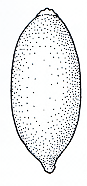
Fruit Properties
Type
Samara
Samara
Samara Samara
Shape(s)
Elliptic
Elliptic
Obovate
Obovate
Elliptic Elliptic,
Obovate Obovate
Broad
Broad
Outer Colour(s)
Brown Light, Yellow Light
Brown Light,
Yellow Light
Outer Texture
Papery
Papery
Velvety / Velutinous
Papery Papery,
Velvety / Velutinous Velvety / Velutinous
Length
20-25mm
20-25mm
Aroma
None
None
Seed Properties
Type
Nutlet
Nutlet
Nutlet Nutlet
Colour(s)
Brown Light
Brown Light
Shape(s)
Oval
Oval
Oval Oval
Texture(s)
Papery
Papery
Papery Papery
Seed Number
many
Root Properties
Type
Plate
Plate
Plate Plate
Texture
Rough / Scabrous
Rough / Scabrous
Rough / Scabrous Rough / Scabrous
Stiff , Woody
Stiff,
Woody
Colour(s)
Brown Dark
Brown Dark
Soil Properties
Type(s)
Clay, Clay-loam, Loam, Sandy-loam, Sand, Calcareous, Hummus Rich, Organic Matter
Clay,
Clay-loam,
Loam,
Sandy-loam,
Sand,
Calcareous,
Hummus Rich,
Organic Matter
pH Range(s)
Slightly Acid, Neutral, Slightly Alkaline
Slightly Acid,
Neutral,
Slightly Alkaline
Condition(s)
Moist
Moist
Moist Moist
Fertile , Deep , Well Drained
Fertile,
Deep,
Well Drained
Salinities
None
None
None None
Other Properties / Uses
Bee Attraction
Poor
Poor
Bird Attraction
Nesting, Habitat
Nesting,
Habitat
Butterfly Attraction
None
None
Frog Habitat
None
None
Carbon Sequestration Potential
Low
Low
Wood Density
Low 200 - 400 kg/c.m.
Coastal
None
None
Edible(s)
None
None
Fire Regeneration(s)
None
None
Fire Retarding
Moderate
Moderate
Drought Tolerance
Good
Good
Frost Tolerance
Moderate
Moderate
Snow Tolerance
None
None
Smog Tolerant
Good
Good
Landscape Use
Good
Good
Street Use
Moderate
Moderate
Commercial Use(s)
None
None
Maintenance(s)
Pruning - Periodical, Pruning - Shaping
Pruning - Periodical,
Pruning - Shaping
Pests/Diseases
Aphid, Borers, Dutch Elm Disease, Elm Case Bearer, Elm Leaf Beetle, Scale, Sooty Mould, Thrip
Aphid,
Borers,
Dutch Elm Disease,
Elm Case Bearer,
Elm Leaf Beetle,
Scale,
Sooty Mould,
Thrip
Special Purpose(s)
Foliage-interesting, Garden-Cottage, Garden-Formal, Garden-Informal, Garden-Woodland, Playground Friendly, Screen, Shade tree-Heavy, Specimen, Sunny Moist, Weeping, Windbreak
Foliage-interesting,
Garden-Cottage,
Garden-Formal,
Garden-Informal,
Garden-Woodland,
Playground Friendly,
Screen,
Shade tree-Heavy,
Specimen,
Sunny Moist,
Weeping,
Windbreak
Propagation
Wedge Grafting

General Notes

A lovely specimen tree for larger lawn areas or garden beds. The Camperdown Elm was discovered in about 1835-40 as a yound contorted elm growing in the forest at Camperdown House in Dundee, Scotland, by David Taylor the head forester, for the Earl of Camperdown. The original tree which is growing on its own roots was relocated to the gardens of Camperdown House, where it still grows and is only about 3 metres tall, with a weeping habit and contorted branch structure. Final size of the tree will vary upon latitude and location as trees grown in 315 Eureka St., Ballarat Victoria, Australia have attained a height and spread of 13 metres, planted in the late 1800's.


Propagation Notes

Wedge Grafting
Flowering
Sep, Oct, Nov
Grafting
Jun, Jul, Aug
Material Preparation

Root Stock-     U. pumila, U. americana, U. x hollandica

                       1.8 - 2.4 m high – tall standard

Scion-             U. glabra 'Camperdownii'

                       Firm semi-hardwood material, thickness to match top of stock plant.


Treatment

Stock Plant-  Measure the length of the stock plant stem and cut off the top at the required height. Remove any leaves from the length of the stem, below this point.  With a budding knife, carefully slice / split down the stem approximately 50 - 75mm to allow for the scion material to be inserted at the marked point. 

Scion-           Firm semi-hardwood stem cutting 100 - 200mm long. Trim off lower leaves, reduce top leaves by 50%. Shave off both sides of the scion to form a tapered wedge approx. 50 – 75mm long. Ensure the scion prepared surface is the same diameter as the recieving section of the stock plant.   Mist cutting material frequently while continuing graft material preparation.

Grafting-      Tie one end of a length of budding tape to the stem of the stock plant, just below the split in the stem. Push the prepared, tapered scion material down into the prepared split in the stock plant so the top of the taper is almost all the way into the split, ensuring the sides of the scion cambium layer match and touch the cambium layer of the stock plant.                                                                                                                        Holding the split together firmly, wrap the budding tape tightly up the stem over the graft, to just above the split, onto the scion material, overlapping    the tape all the way up. Tie off the budding tape and cut off the excess.

Spray with Envy (anti-transpiration) solution. Place in hothouse environment between 50-75% humidity and temperature between 20-34° C.

Spray weekly with fungicide and Envy. Keep in bright but indirect light.

Strike Rate-    90%

Strike Time-   10 - 14 weeks

Leave successful graft in hothouse and allow 6 - 8 weeks after the graft has struck for the new shoots to develop.  

Remove successful grafted plant from hot house and harden off in a protected shade house for 4 - 6 weeks.