Loading...

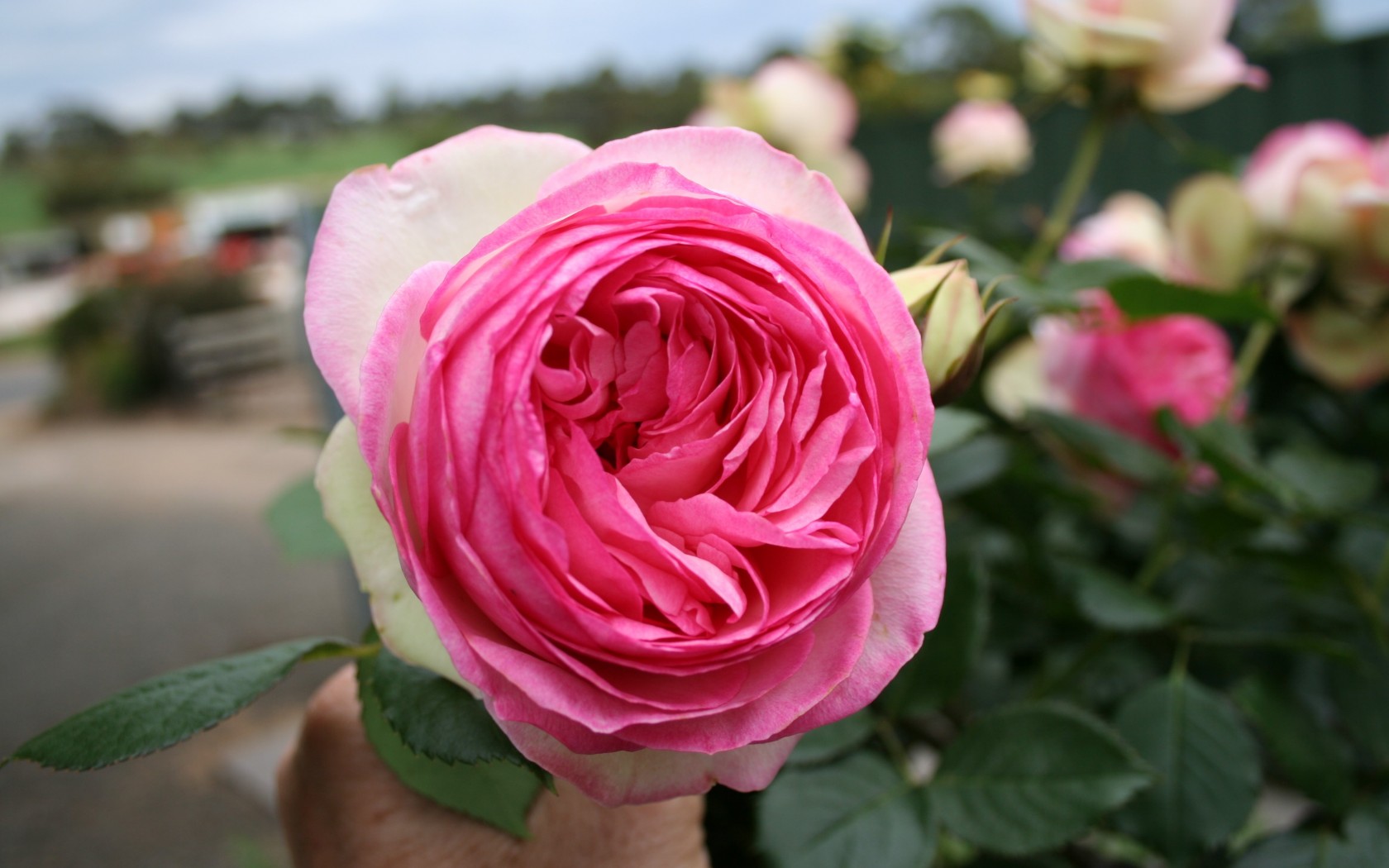
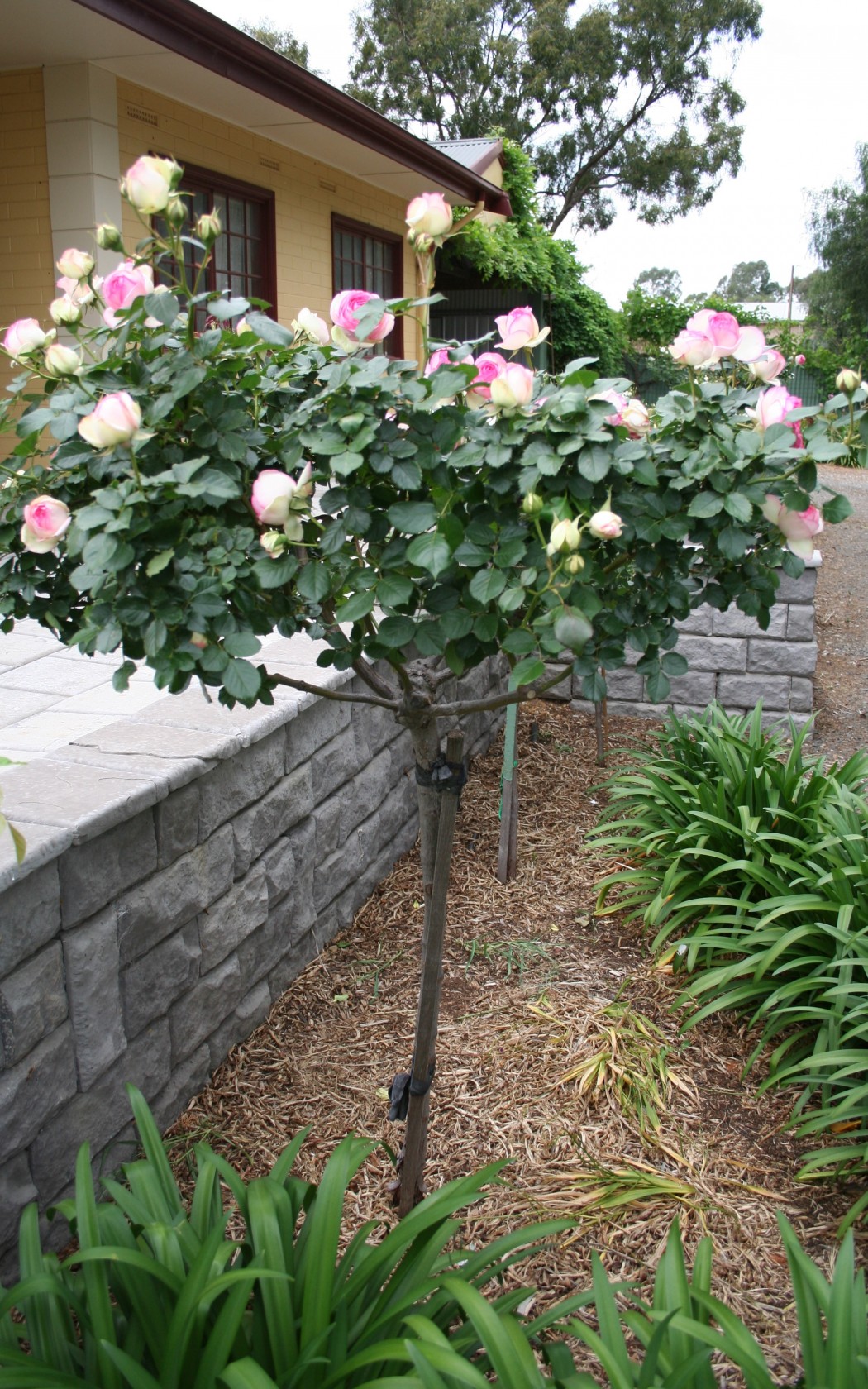
Rosa 'Peirre de la Ronsard' - Standard

Common name(s): 'Peirre de la Ronsard' Standard
Family:
Plant
Plant
Taken by Ken Harrington
Flower
Flowers
Taken by Ken Harrington
Expand all
Plant Properties
Origin(s)
France
  • France: Cultivar
Plant Type
Deciduous Shrub
Deciduous Shrub
Climate Range(s) - Habitat
Continental, Oceanic, Temperate Cool, Temperate Warm, Mediterranean
Continental,
Oceanic,
Temperate Cool,
Temperate Warm,
Mediterranean
Aspect Range(s)
Sun - Full, Sun - Afternoon, Shade - Dappled
Sun - Full,
Sun - Afternoon,
Shade - Dappled
Habitat Range(s)
Garden, Landscape
Garden,
Landscape
Habitat Zone(s)
Dry areas, Garden, Gullies / Valley's / Canyon's, Hills, Moist areas, Moist Slopes, Open areas, Sandy Moist, Slopes, Well drained
Dry areas,
Garden,
Gullies / Valley's / Canyon's,
Hills,
Moist areas,
Moist Slopes,
Open areas,
Sandy Moist,
Slopes,
Well drained
Mature Height
1.5-2m
1.5-2m
Mature Width
1-1.5m
1-1.5m
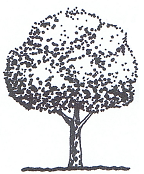
Plant Shape
Standard
Standard
Standard Standard
Growth Rate
Moderate
Moderate
Life Span
30-50yrs
30-50yrs
Leaf Properties
Colour (front)
Glossy, Green, Green Dark
Glossy,
Green,
Green Dark
Colour (back)
Dull, Green, Green Dark
Dull,
Green,
Green Dark
Colour(s) Autumn
Brown, Brown Light
Brown,
Brown Light
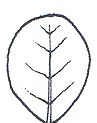
Shape(s)
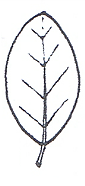
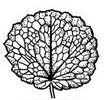
Elliptical
Elliptical
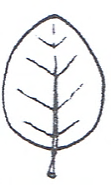
Oval
Oval
Pinnate / Imparapinnate
Elliptical Elliptical,
Oval Oval,
Pinnate / Imparapinnate Pinnate / Imparapinnate
Aroma
None
None
Texture (front)
Glabrous
Glabrous
Glossy
Glossy
Glabrous Glabrous,
Glossy Glossy
Texture (back)
Glabrous
Glabrous
Glabrous Glabrous
Dull
Dull
Leaf Length(s)
25-30mm, 30-40mm, 40-50mm
25-30mm,
30-40mm,
40-50mm
Leaf Width(s)
15-20mm, 20-25mm, 25-30mm
15-20mm,
20-25mm,
25-30mm
Compound Leaf Length
80-90mm, 90-100mm, 100-125mm
80-90mm,
90-100mm,
100-125mm
Margin
Entire
Entire
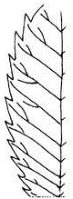
Serrate
Serrate
Entire Entire,
Serrate Serrate
Cross Section(s)
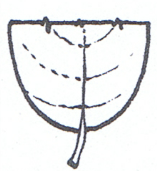
Concave
Concave
Concave ribbed
Concave ribbed
Concave Concave,
Concave ribbed Concave ribbed
Venation(s)
Reticulate
Reticulate
Reticulate Reticulate
Arrangement
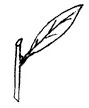
Alternate & Spiralled
Alternate & Spiralled Alternate & Spiralled
Apice(s)
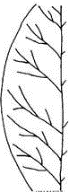
Acuminate Broadly
Acuminate Broadly
Acuminate Broadly Acuminate Broadly
Base(s)
Obtuse
Obtuse
Obtuse Obtuse
Attachment
Petiolate
Petiolate
Petiolate Petiolate
Bark / Stem / Culm Properties
Colour(s) Upper
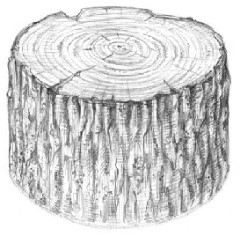
Brown , Brown-green , Green
Brown,
Brown-green,
Green
Texture(s) Upper
Hard , Rigid
Hard,
Rigid
Trunk / Stem Construction(s)
Wood Fibres / Solid
Wood Fibres / Solid
Wood Fibres / Solid Wood Fibres / Solid
Trunk / Stem / Culm Cross Section
Terete
Terete
Terete Terete
Trunk / Stem / Culm Diameter
15-20mm, 20-25mm
15-20mm,
20-25mm
Trunk / Stem / Culm Length
800-900mm
800-900mm
Flower Properties
Gender: Bisexual
Time(s)
Spring - Summer
Flower Colour(s)
Pink, Pink Light
Pink,
Pink Light
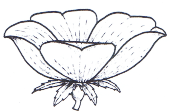
Flower Shape(s)
Craterform
Craterform
Craterform Craterform
Double Flower , Erect
Double Flower,
Erect
Flower Size(s) Width
70-80mm, 80-90mm, 90-100mm
70-80mm,
80-90mm,
90-100mm
Petal Shape(s)
Obovate
Obovate
Obovate Obovate
Aroma(s)
Sweet-slight
Sweet-slight
Arrangement(s)
Solitary
Solitary
Solitary Solitary
Erect
Erect
Pollinator(s)
Butterflies, Insects
Butterflies,
Insects
Bud / Operculum Shape
Bud - Double-conic
Bud - Double-conic
Bud - Double-conic Bud - Double-conic
Petal Number
50-60
Fruit Properties
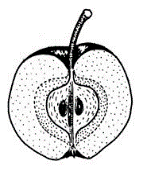
Type
Pome
Pome
Pome Pome
Shape(s)
Obovate
Obovate
Obovoid
Obovoid
Obovate Obovate,
Obovoid Obovoid
Outer Colour(s)
Orange, Orange-yellow, Red
Orange,
Orange-yellow,
Red
Outer Texture
Smooth
Smooth
Smooth Smooth
Fleshy
Fleshy
Length
10-15mm
10-15mm
Aroma
None
None
Seed Properties
Type
Achene
Achene
Achene Achene
Colour(s)
Brown-yellow, Orange-brown, Yellow-brown, Yellow-orange
Brown-yellow,
Orange-brown,
Yellow-brown,
Yellow-orange
Shape(s)
Fusiform
Fusiform
Fusiform Fusiform
Random
Random
Texture(s)
Angular , Rigid
Angular,
Rigid
Seed Length
5-6mm
5-6mm
Seed Number
5-15
Root Properties
Type
Fibrous
Fibrous
Fibrous Fibrous
Texture
Fibrous
Fibrous
Fibrous Fibrous
Hard , Pliable , Woody
Hard,
Pliable,
Woody
Colour(s)
Brown, Brown Dark, Brown Light
Brown,
Brown Dark,
Brown Light
Soil Properties
Type(s)
Clay-loam, Loam, Sandy-loam, Calcareous, Organic Matter
Clay-loam,
Loam,
Sandy-loam,
Calcareous,
Organic Matter
pH Range(s)
Acid, Slightly Acid, Neutral, Slightly Alkaline
Acid,
Slightly Acid,
Neutral,
Slightly Alkaline
Condition(s)
Water logged
Water logged
Moist
Moist
Water logged Water logged,
Moist Moist
Fertile , Poor , Deep , Shallow
Fertile,
Poor,
Deep,
Shallow
Salinities
None
None
None None
Other Properties / Uses
Bee Attraction
Poor
Poor
Bird Attraction
Insect
Insect
Butterfly Attraction
Moderate
Moderate
Frog Habitat
None
None
Coastal
None
None
Edible(s)
None
None
Fire Regeneration(s)
None
None
Fire Retarding
None
None
Drought Tolerance
Poor
Poor
Frost Tolerance
Moderate
Moderate
Snow Tolerance
None
None
Smog Tolerant
Moderate
Moderate
Landscape Use
Very Good
Very Good
Street Use
None
None
Commercial Use(s)
Flowers - Cut
Flowers - Cut
Maintenance(s)
Dead Heading, Pruning - Shaping
Dead Heading,
Pruning - Shaping
Pests/Diseases
Aphid, Black Spot, Caterpillars
Aphid,
Black Spot,
Caterpillars
Special Purpose(s)
Garden-Border Plant, Cut Flowers, Floral Art, Flowers-aromatic, Garden-Cottage, Garden-Courtyard, Garden-Flower, Garden-Formal, Garden-Informal, Long Flowering, Specimen, Sunny Moist
Garden-Border Plant,
Cut Flowers,
Floral Art,
Flowers-aromatic,
Garden-Cottage,
Garden-Courtyard,
Garden-Flower,
Garden-Formal,
Garden-Informal,
Long Flowering,
Specimen,
Sunny Moist
Propagation
Bark Grafting

General Notes

The cultivar was created by Marie-louise Meilland in France 1985 as part of the Renaissance Collection. Large old style double rose blooms are carmine-pink on the inside and cream on the outside with a light to moderate fragrance.  In 2006 it was selected as the'World's Favourite Rose' the highest title a rose can be granted. Introduced as a climbing rose. This is 'standard' form but it requires a lot of pruning to maintain its shape and a red flowering form.

Propagation Notes

Bark Grafting
Flowering
Sep, Oct, Nov, Dec, Jan, Feb, Mar
Grafting
Jul, Aug, Sep, Oct
Material Preparation

Root Stock Plant:- Ensure the root stock plant is strong and vigarous and is suitable for the soil and condition that the finished rose will be required to                                   grow in. Measure the length of the stock plant stem for the standard, and allow another 200 - 300 mm then cut off square at the top,                               at the required height. Remove a few lower leaves and thornsfrom the required stndard height o make it easier to work with.  

Scion:-                   From current seasons firmwood stem cutting with buds showing. With a budding knife, carefully, slice down the stem, just above the                                bud, to just below the bud and remove the oval shaped bud and attached bark. If any wood is attached to the back of the bud,                                         carefully prize free. Drop prepared buds in a bowl of sterile water to keep moist.

Treatment

Root Stock Plant:- With a budding knife, at the standard height required, carefully make a small slice / split down the stem approximately                                     15mm long and then a small horizontal cut across the stem to form a 'T'. With the back of the budding knife, carefully prize the bark                                 away from the woody stem, to allow for the scion material to be inserted.

Scion Material:- If the bud is not the same size as the prepared slit in the root stock, trim a little of the bark off or enlargen the 'T' split. Carefully slide                                the bud down into the 'T' slit and ensure the flaps of the 'T' close around the bud nicely. Tie one end of a length of budding tape to the                            stem of the stock plant, just below the split in the stem.  Holding the split together firmly, wrap the budding tape tightly up the stem,                                up around the bud, to just above the split, onto the root stock material, overlapping the tape all the way up. Tie off the budding tape                                and cut off the excess.

Once the graft has taken, the top growth is cut off  just above the inserted bud / s and removed, leaving the new inserted buds to grow on.

Notes

Normally this is done with the root stock in beds insitu, to be dug up in a couple of seasons for sale. 

If done on potted root stock, place outside in a protected area.