Loading...

Thaumatophyllum xanadu Croat., J.Boos & Mayo, Sakur., Calazans & Mayo. 2018

Common name(s): Philodendron 'Xanadu', Xanadu
Family: Araceae Synonym(s): Philodendron xanadu Croat., Mayo & J. Boos. 2002 publ. 2003
Plant
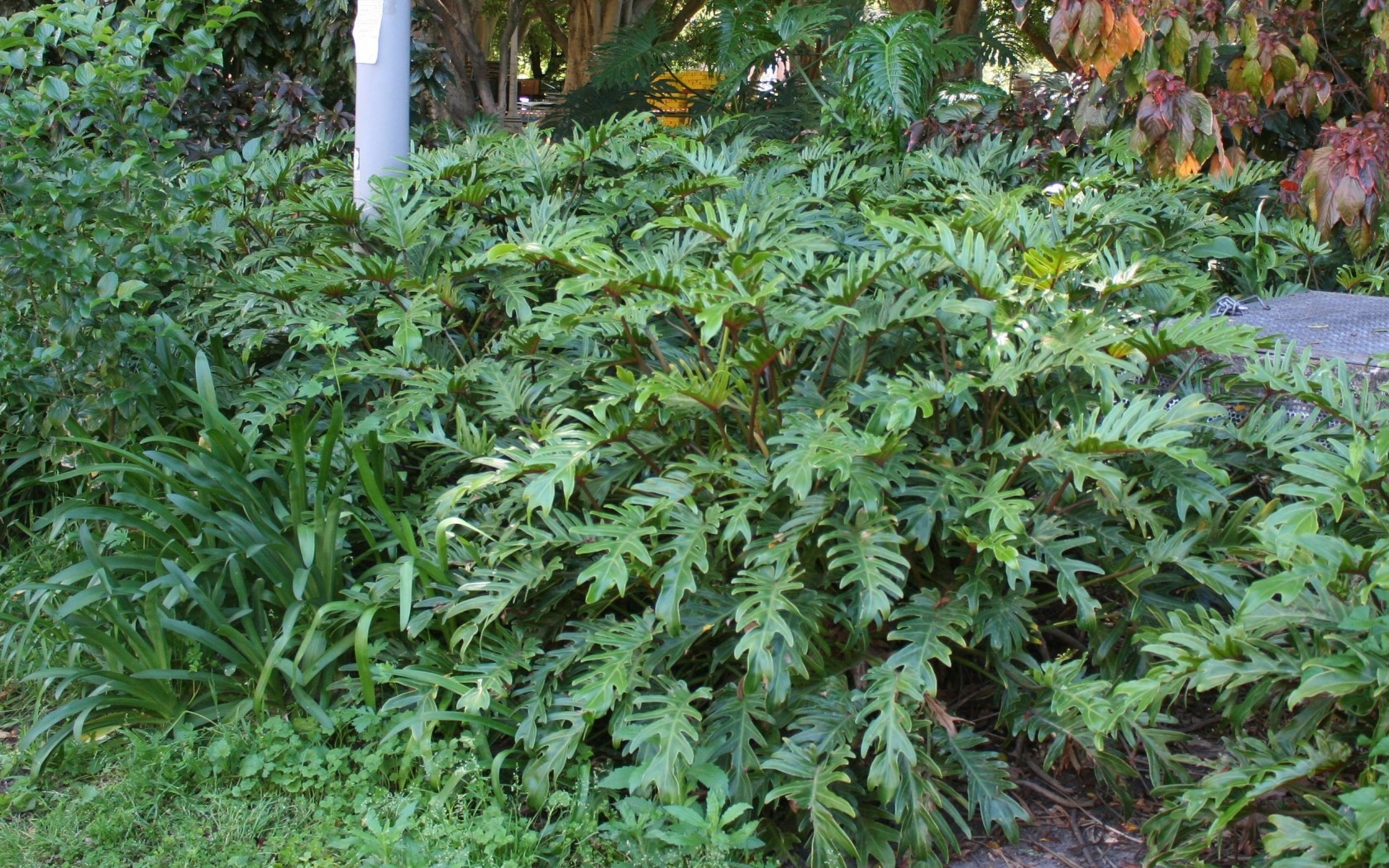
Plant
Taken by Ken Harrington on 7th July, 2021 at Sydney Botanic Gardens, New South Wales
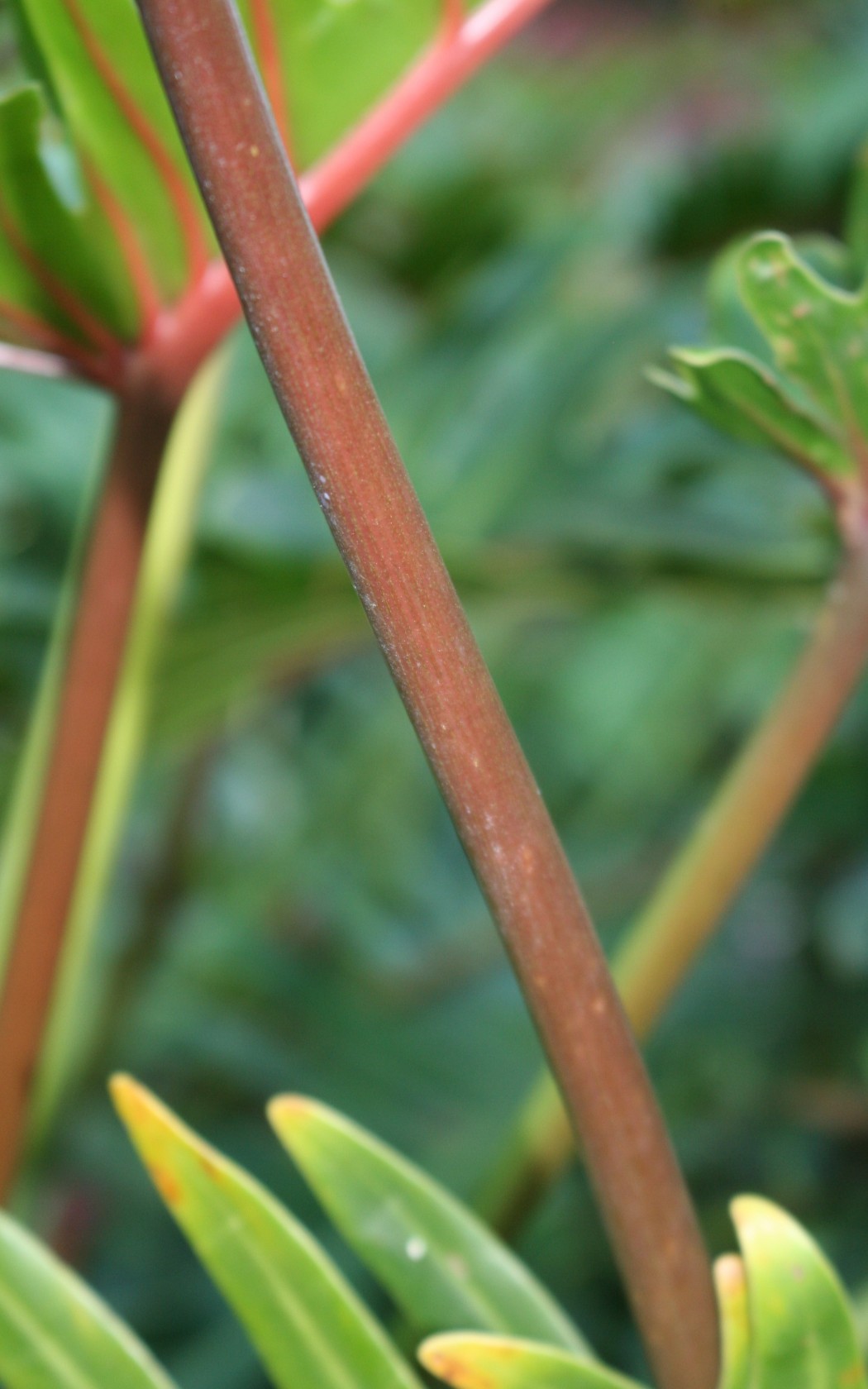
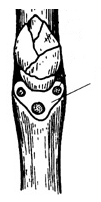
Stem_upper
Stem (Upper)
Taken by Ken Harrington on 7th July, 2021
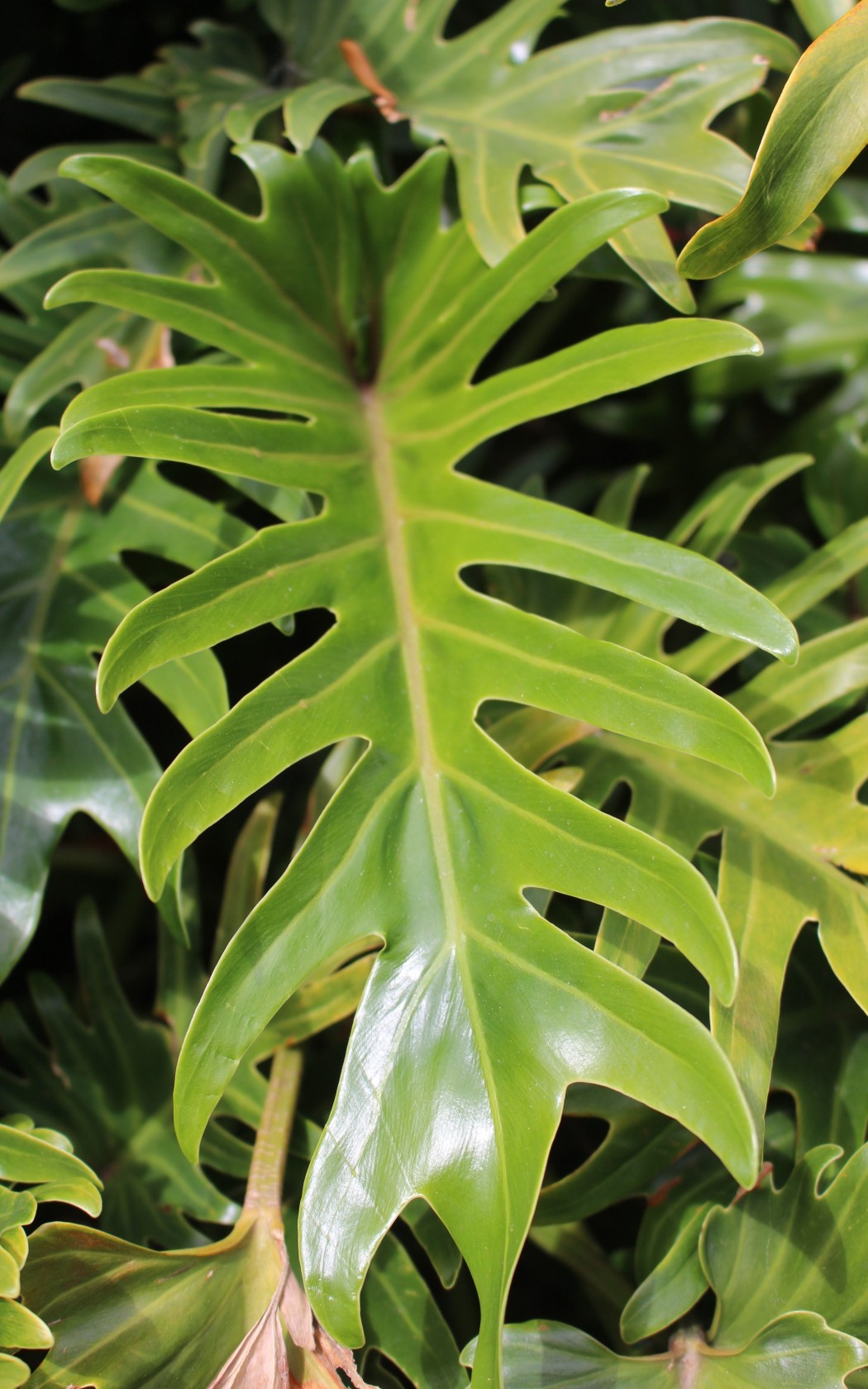
Leaf_front
Leaf (Front)
Taken by Ken Harrington on 7th July, 2021
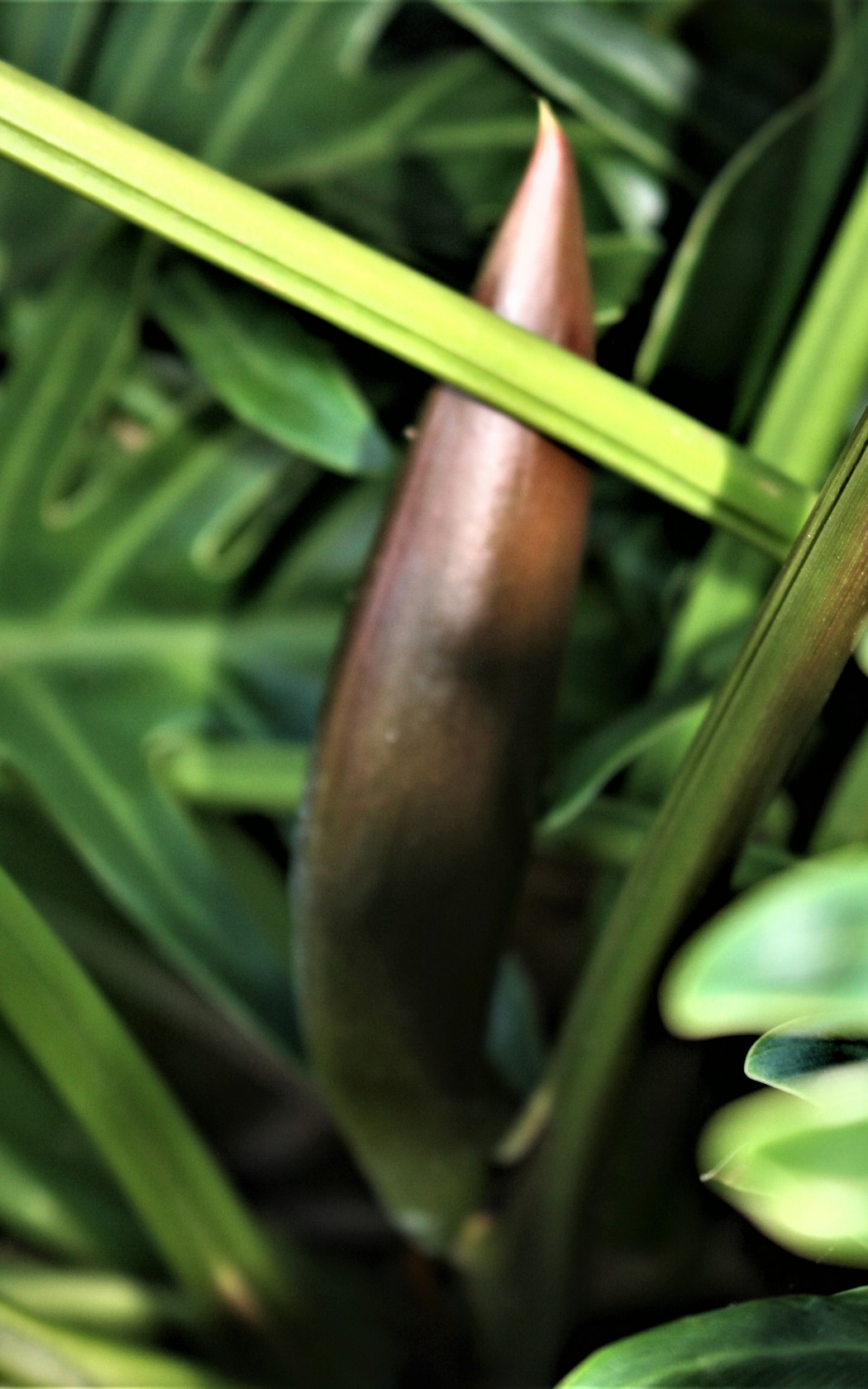
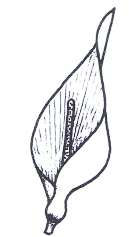
Flower_bud
Flower Bud
Taken by Ken Harrington on 7th July, 2021
Expand all
Plant Properties
Origin(s)
Brazil
  • Brazil: Indigenous
Plant Type
Evergreen Shrub , Perennial
Evergreen Shrub,
Perennial
Climate Range(s) - Habitat
Oceanic, Temperate Cool, Temperate Warm, Mediterranean, Tropical-Sub, Tropical, Tropical Monsoon
Oceanic,
Temperate Cool,
Temperate Warm,
Mediterranean,
Tropical-Sub,
Tropical,
Tropical Monsoon
Aspect Range(s)
Sun - Full, Sun - Morning, Shade - Dappled, Shade - Light, Shade - Medium
Sun - Full,
Sun - Morning,
Shade - Dappled,
Shade - Light,
Shade - Medium
Habitat Range(s)
Rainforest - Sub-tropical, Rainforest - Tropical
Rainforest - Sub-tropical,
Rainforest - Tropical
Habitat Zone(s)
Heavy soils, Moist areas, Moist Slopes, Sandy Moist, Scattered, Understory, Well drained, Wind Protected
Heavy soils,
Moist areas,
Moist Slopes,
Sandy Moist,
Scattered,
Understory,
Well drained,
Wind Protected
Mature Height
1-1.5m
1-1.5m
Mature Width
1-1.5m, 1.5-2m
1-1.5m,
1.5-2m
Plant Shape
Bun - Broad
Bun - Broad
Bun - Broad Bun - Broad
Growth Rate
Fast
Fast
Maturity
1-2 yrs
1-2 yrs
Life Span
15-30yrs
15-30yrs
Leaf Properties
Colour (front)
Glossy, Green Dark
Glossy,
Green Dark
Colour (back)
Green Dark
Green Dark
Shape(s)
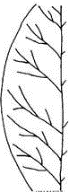
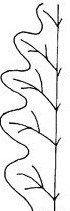
Lobed Pinnately / Pinnatifid
Lobed Pinnately / Pinnatifid Lobed Pinnately / Pinnatifid
Deeply
Deeply
Aroma
None
None
Texture (front)
Glabrous
Glabrous
Leathery
Leathery
Smooth
Smooth
Waxy
Waxy
Glabrous Glabrous,
Leathery Leathery,
Smooth Smooth,
Waxy Waxy
Texture (back)
Glabrous
Glabrous
Leathery
Leathery
Smooth
Smooth
Glabrous Glabrous,
Leathery Leathery,
Smooth Smooth
Leaf Length(s)
300-325mm
300-325mm
Leaf Width(s)
250-300mm
250-300mm
Margin
Entire
Entire
Lobed
Lobed
Entire Entire,
Lobed Lobed
Bark / Stem / Culm Properties
Colour(s) Upper
Brown-green , Green Dark
Brown-green,
Green Dark
Colour(s) Lower
Brown-grey, Grey-brown
Brown-grey,
Grey-brown
Texture(s) Upper
Waxy
Waxy
Waxy Waxy
Fleshy
Fleshy
Trunk / Stem Construction(s)
Pith Continuous
Pith Continuous
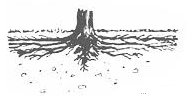
Pith Continuous Pith Continuous
Wood - Soft
Wood - Soft
Trunk / Stem / Culm Cross Section
Terete
Terete
Terete Terete
Trunk / Stem Feature(s)
Leaf Scar
Leaf Scar
Leaf Scar Leaf Scar
Adventitious Roots
Adventitious Roots
Trunk / Stem / Culm Diameter
60-70mm, 70-80mm, 80-90mm
60-70mm,
70-80mm,
80-90mm
Trunk / Stem / Culm Length
500-600mm, 600-700mm, 700-800mm
500-600mm,
600-700mm,
700-800mm
Flower Properties
Gender: Bisexual
Flower Colour(s)
Red Dark, Red-brown, White
Red Dark,
Red-brown,
White
Flower Shape(s)
Spathiate
Spathiate
Spathiate Spathiate
Aroma(s)
None
None
Pollinator(s)
Bees, Beetles, Insects
Bees,
Beetles,
Insects
Male and Female Flowers, Borne
On Same Flower Head
On Same Flower Head
Root Properties
Type
Plate
Plate
Plate Plate
Aerial
Aerial
Invasiveness
Low
Low
Soil Properties
Type(s)
Clay, Clay-loam, Loam, Sandy-loam, Hummus Rich, Organic Matter, Premium Potting Mix
Clay,
Clay-loam,
Loam,
Sandy-loam,
Hummus Rich,
Organic Matter,
Premium Potting Mix
pH Range(s)
Slightly Acid, Neutral, Slightly Alkaline
Slightly Acid,
Neutral,
Slightly Alkaline
Condition(s)
Damp
Damp
Moist
Moist
Moist - Dry
Moist - Dry
Damp Damp,
Moist Moist,
Moist - Dry Moist - Dry
Fertile , Deep , Shallow , Well Drained
Fertile,
Deep,
Shallow,
Well Drained
Salinities
Slight
Slight
Slight Slight
Waterlogging Class
W0 – Low tolerance
W0 – Low tolerance
Watering Requirements
WR4 - allow soil to dry between watering, WR7 - reduce watering during dormant period
WR4 - allow soil to dry between watering,
WR7 - reduce watering during dormant period
Other Properties / Uses
Bee Attraction
Poor
Poor
Bird Attraction
None
None
Butterfly Attraction
None
None
Frog Habitat
Poor
Poor
Coastal
2nd Line
2nd Line
Edible(s)
None
None
Fire Retarding
Good
Good
Drought Tolerance
Poor
Poor
Frost Tolerance
Poor
Poor
Snow Tolerance
None
None
Landscape Use
Very Good
Very Good
Maintenance(s)
Dead Leaf Removal, Pruning - Shaping
Dead Leaf Removal,
Pruning - Shaping
Pests/Diseases
Aphid, Mealy Bug, Root Rot Fungus, Scale, Spider mite, Thrip
Aphid,
Mealy Bug,
Root Rot Fungus,
Scale,
Spider mite,
Thrip
Special Purpose(s)
Garden-Border Plant, Erosion Control, Fire Resistant, Fire Retarding, Floral Art, Foliage-interesting, Garden-Bali, Garden-Courtyard, Garden-Foliage, Garden-Indoors, Garden-Informal, Garden-Rainforest, Garden-Tropical, Groundcover, Hedge-informal, Poisonous, Pond Edge, Pool Side, Screen, Shady Moist, Specimen, Sunny Moist, Tolerant-Deer, Tolerant-Kangaroo's, Tolerant-Rabbits/Hares
Garden-Border Plant,
Erosion Control,
Fire Resistant,
Fire Retarding,
Floral Art,
Foliage-interesting,
Garden-Bali,
Garden-Courtyard,
Garden-Foliage,
Garden-Indoors,
Garden-Informal,
Garden-Rainforest,
Garden-Tropical,
Groundcover,
Hedge-informal,
Poisonous,
Pond Edge,
Pool Side,
Screen,
Shady Moist,
Specimen,
Sunny Moist,
Tolerant-Deer,
Tolerant-Kangaroo's,
Tolerant-Rabbits/Hares
Fertilising Requirements
FR6, FR11
FR6,
FR11
Wind Tolerance
Light Winds
Light Winds

General Notes

Originally thought to come from a chance seedling in 1983 from a nursery in Western Australia and trademarked as 'Xanadu' and then trademarked in the United States as 'Winterbourn' in 1988. It has since been substantiated that the plant originated from seed collected from a wild plant in Brazil.  It will take warm temperate areas, to give a lush, leafy tropical feel but doesn't like frost and although it will take full sun in the tropics the lack of humidity in warm temperate areas causes the leaves to yellow and burn. In heavy shade, like a lot of plants it can become leggy and straggly. Grown outdoors as a compact, foliaged landscape plant in tropical and warmer climates or as a very popular house plant in cooler climates. Very versatile for a tropical look with mass planting, understory or border planting.

The leaves are Poisonous and can cause swelling of the throat and tongue if ingested and skin irritations from the sap.

Released as plant of the year in 1988 by House Plants of Australia.