Loading...

Glossodia major

Common name(s): Purple Cockatoo, Waxlip Orchid
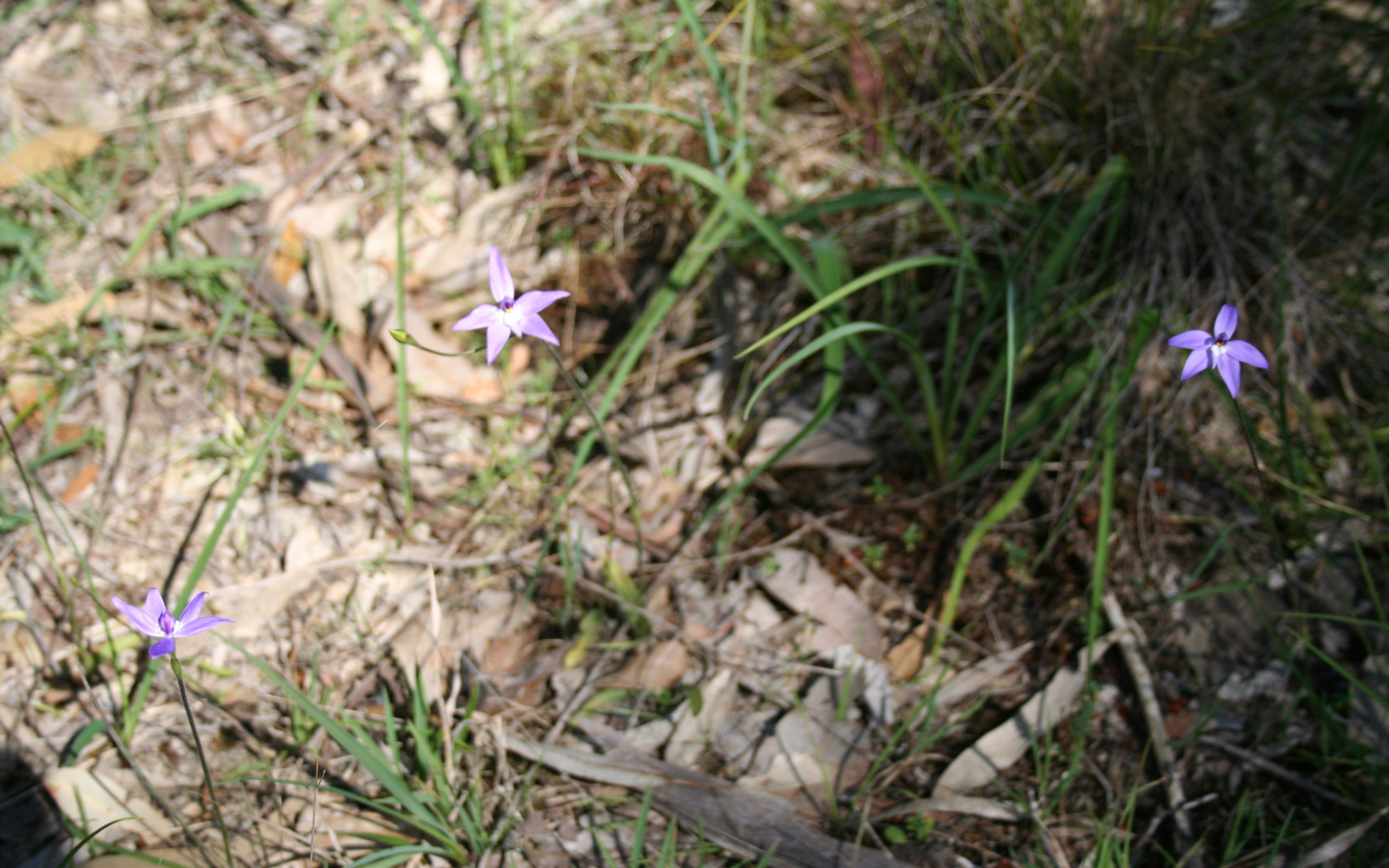
Family: Orchidaceae Synonym(s): Caladenia major
Plant
Plant
Taken by Unknown Photographer
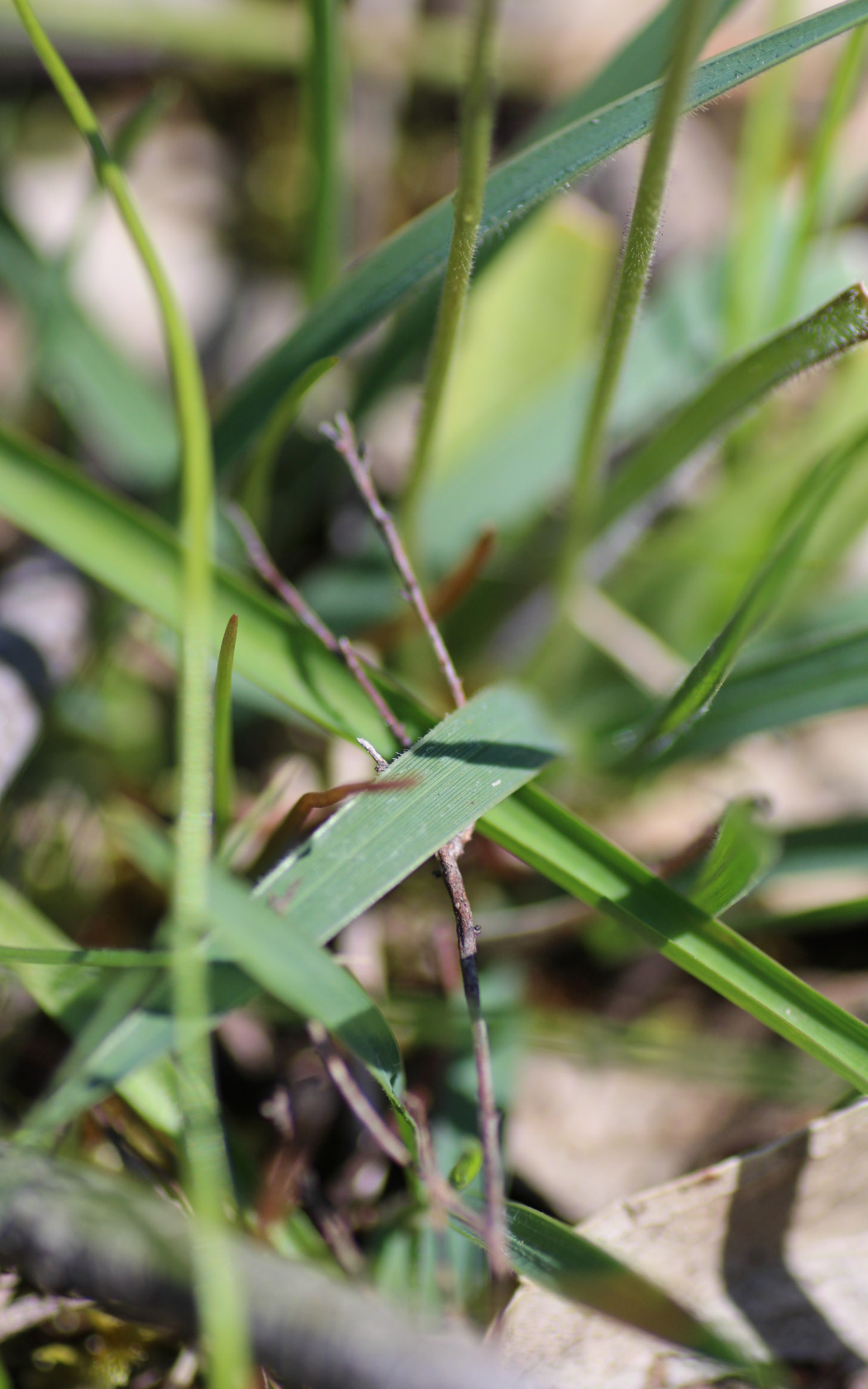
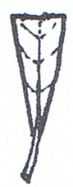
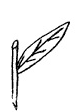
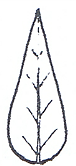
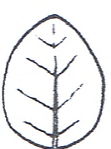
Leaf
Leaves
Taken by Unknown Photographer
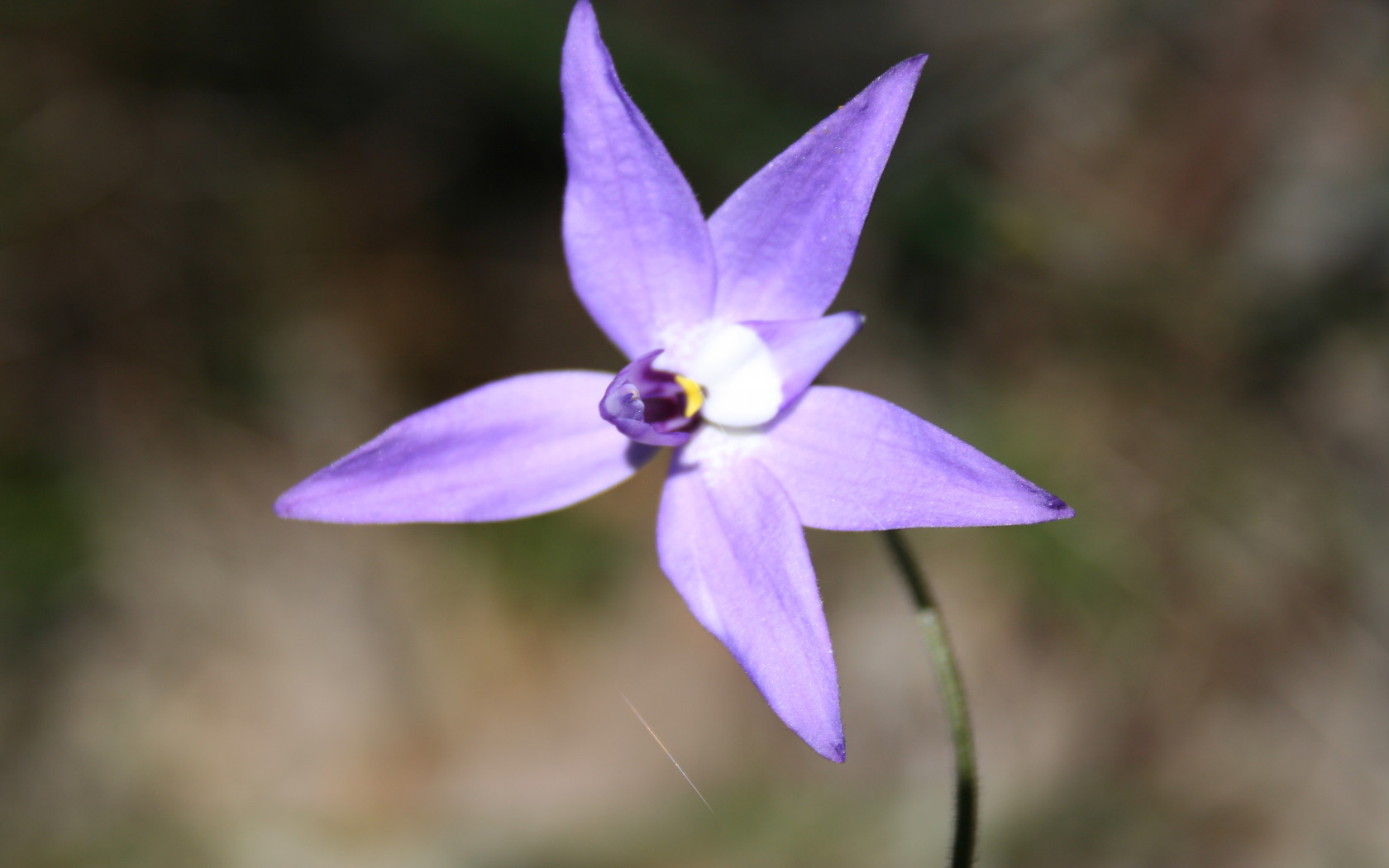
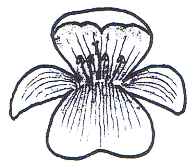
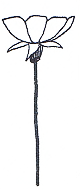
Flower
Flowers
Taken by Unknown Photographer
Expand all
Plant Properties
Origin(s)
Australia
  • NSW: NS, NT, NC, CS, CT, CC, SS, ST, SC
  • QLD: KN, KS, LE, PC, DD, MO
  • SA: NL, SL, MU, KI, SE
  • TAS: NW, ML, NE
Plant Type
Herb-Perennial
Herb-Perennial
Climate Range(s) - Habitat
Temperate Cool
Temperate Cool
Aspect Range(s)
Sun - Morning, Shade - Dappled, Shade - Light
Sun - Morning,
Shade - Dappled,
Shade - Light
Habitat Range(s)
Forest - Grassy, Heath, Open Woodlands, Sclerophyll Forest - Dry, Sclerophyll Forest - Wet
Forest - Grassy,
Heath,
Open Woodlands,
Sclerophyll Forest - Dry,
Sclerophyll Forest - Wet
Habitat Zone(s)
Dry Slopes, Heavy soils, Scattered, Understory, Well drained
Dry Slopes,
Heavy soils,
Scattered,
Understory,
Well drained
Mature Height
100-150mm
100-150mm
Mature Width
50-100mm
50-100mm
Plant Shape
Clump - Upright Open
Clump - Upright Open Clump - Upright Open
Growth Rate
Very Fast
Very Fast
Life Span
2-5yrs
2-5yrs
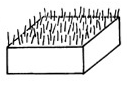
Leaf Properties
Colour (front)
Green Dark
Green Dark
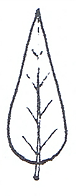
Shape(s)
Lanceolate
Lanceolate
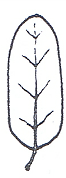
Oblong
Oblong
Lanceolate Lanceolate,
Oblong Oblong
Aroma
Spicy-Slight
Spicy-Slight
Texture (front)
Pubescent
Pubescent
Pubescent Pubescent
Leaf Width(s)
15-20mm
15-20mm
Margin
Entire
Entire
Entire Entire
Cross Section(s)
Concave
Concave
Flat
Flat
Concave Concave,
Flat Flat
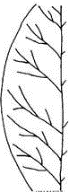
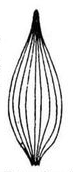
Venation(s)
Parallel Multicostate Convergent
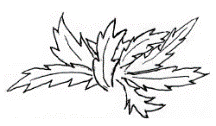
Parallel Multicostate Convergent Parallel Multicostate Convergent
Arrangement
Basal or Radial
Basal or Radial
Basal or Radial Basal or Radial
Apice(s)
Acute Narrowly
Acute Narrowly
Acute Narrowly Acute Narrowly
Base(s)
Attenuate
Attenuate
Attenuate Attenuate
Attachment
Sessile
Sessile
Sessile Sessile
Bark / Stem / Culm Properties
Colour(s) Upper
Green
Green
Texture(s) Upper
Hairs-Slightly
Hairs-Slightly
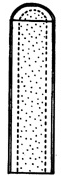
Trunk / Stem Construction(s)
Pith Continuous
Pith Continuous
Pith Continuous Pith Continuous
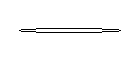
Trunk / Stem / Culm Cross Section
Terete
Terete
Terete Terete
Flower Properties
Gender: Bisexual
Time(s)
Winter Late - Spring Late
Flower Colour(s)
Mauve, Purple
Mauve,
Purple
Flower Shape(s)
Labiate
Labiate
Labiate Labiate
Flower Size(s) Width
50-60mm
50-60mm
Petal Shape(s)
Lanceolate
Lanceolate
Oval
Oval
Lanceolate Lanceolate,
Oval Oval
Aroma(s)
Sweet-slight
Sweet-slight
Arrangement(s)
Solitary
Solitary
Solitary Solitary
Petal Number
5
Fruit Properties
Type
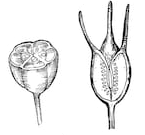
Capsule - Denticidal
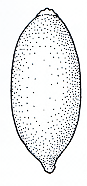
Capsule - Denticidal Capsule - Denticidal
Shape(s)
Elliptic
Elliptic
Elliptic Elliptic
Outer Colour(s)
Brown
Brown
Outer Texture
Papery
Papery
Papery Papery
Seed Properties
Colour(s)
Brown Light, Yellow-brown
Brown Light,
Yellow-brown
Shape(s)
Orbicular
Orbicular
Orbicular Orbicular
Texture(s)
Smooth
Smooth
Smooth Smooth
Seed Length
< 0.5mm
< 0.5mm
Seed Number
Many
Root Properties
Type
Tuberous
Tuberous
Tuberous Tuberous
Texture
Fleshy , Pliable , Soft
Fleshy,
Pliable,
Soft
Colour(s)
Brown Light
Brown Light
Soil Properties
Type(s)
Clay-loam, Loam, Sandy-loam, Sand
Clay-loam,
Loam,
Sandy-loam,
Sand
pH Range(s)
Slightly Acid, Neutral, Slightly Alkaline
Slightly Acid,
Neutral,
Slightly Alkaline
Condition(s)
Moist
Moist
Dry
Dry
Moist Moist,
Dry Dry
Poor , Deep , Shallow , Well Drained
Poor,
Deep,
Shallow,
Well Drained
Salinities
None
None
None None
Other Properties / Uses
Bee Attraction
Moderate
Moderate
Bird Attraction
None
None
Butterfly Attraction
Moderate
Moderate
Frog Habitat
None
None
Wood Density
N/A
N/A
Coastal
None
None
Edible(s)
None
None
Fire Regeneration(s)
Seed, Tubers
Seed,
Tubers
Fire Retarding
None
None
Drought Tolerance
Moderate
Moderate
Frost Tolerance
Moderate
Moderate
Snow Tolerance
None
None
Smog Tolerant
Poor
Poor
Indigenous Use(s)
Tubers
Tubers
Landscape Use
None
None
Street Use
None
None
Commercial Use(s)
None
None
Pests/Diseases
Slugs, Snails
Slugs,
Snails
Special Purpose(s)
Groundcover, Shade Tolerant, Shady Dry, Shady Moist
Groundcover,
Shade Tolerant,
Shady Dry,
Shady Moist
Propagation
Fresh Seed

General Notes

Use in the garden or landscape is not recommended, unless they occur naturally and then should be protected from harm.

A delight to find flowering in the wild, ranging from deep purple to a very occasional pure white, but should not be picked. The thousands of seeds released from one capsule are dispersed by wind and water and only germinate following infection of the embyro by a suitable mycorrhizal fungus. Very few seeds become mature plants

Aborogines ate the starchy tubers raw or cooked. 

Propagation Notes

Fresh Seed
Flowering
Jul, Aug, Sep, Oct, Nov
Seed Collecting
Sep, Oct, Nov, Dec
Sowing
Sep, Oct, Nov
Material Preparation

Best if flowers are marked when visible so that the seed head can be more easily found. Pick and place in a paper bag to allow to dry. the seed comes out of the pod readily. Store in a cool, dark place.

Propagating Mix

2 parts coarse washed sand + 1 part rich loam + 1 part coarse composted redgum saw dust + 1 part compsosted leaf mulch (mouldy), mix together and keep moist

OR

4.5 parts Premium Potting Mix (without fertiliser) + 5 parts coarse washed sand + 0.5 parts composted leaf litter, mix together and keep moist. A small amount of blod and bone fertiliser may be added.

Humus collected from around near the orchid plants are growing added to the soil mix may encourage mycorrhizal fungus activity.

Treatment

Using 100 - 120 mm pots to start, fill with moist potting mix. Sprinkle the very fine seed over the surface and cover with a fine layer of leaf compost, water in or heavily mist, so as to not wash away seed with smoked water. Place in an area that is in dappled shade and keep moist by misting regularly. Ensure as the days get warmer into summer general overhead watering is not undertaken but the soil should just be moist.

If a hot house is available, place on 21° heated bed with misters. Maintain hothouse environment between 30-50% humidity and temperature between 20-34° C. Keep in indirect light 50-60% shade.

Viable seeds/gram:- 

Germination time:-  2 - 3 weeks

Pricking out:- 

Tube Mix:-              Premium Seed Raising Mix

                              2 parts Premium Seed Raising Mix (to retain moisture) x 1 part washed sand

Notes

A lot of research is being undertaken by the Royal Botanical Gardens Victoria in propagating terrestrial orchids. Understanding which mycorrhizal fungus interacts with the different orchids.

Repotting and dividing the tubers of the orchids is best done in Dec. / Jan. when the orchid is dormant, leaving half the old soil with the mycorrhizal fungus with the plant to colonise the new soil.

It can be 2 -3 seasons before a flower will form on new seedling plants.

Ideally these species are propagated in a sterile environment in a lamina flow cabinet and until a little more research is done on mycorrhizal relationships, a little bit of praying.