Angophora costata Gaertn., Britten 1916 subsp. costata
Common name(s): Sydney Red Gum, Rusty Gum, Smooth-barked Apple
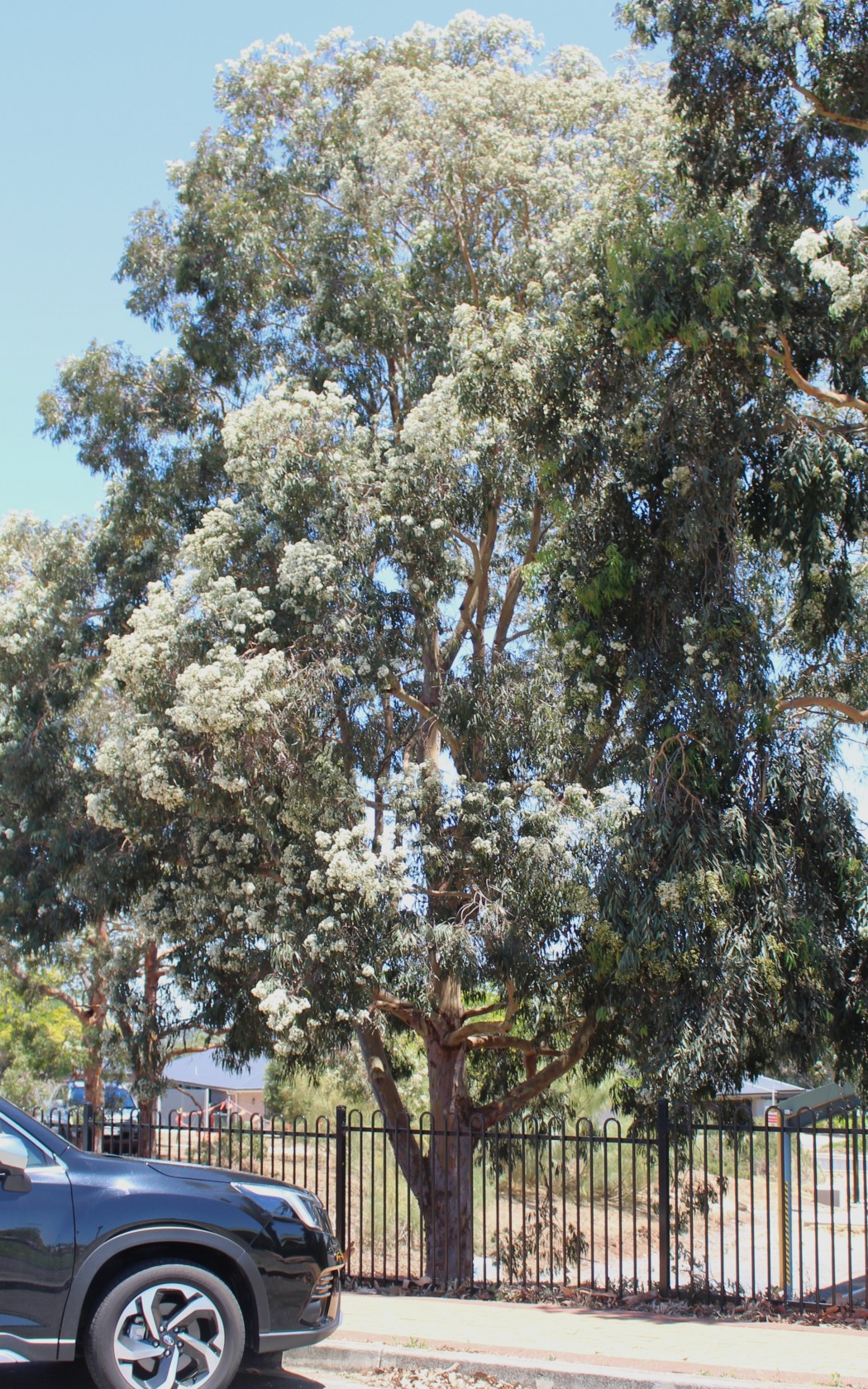
Plant
Plant - Angophora costata (Gaertn., Britten 1916) subsp. costata
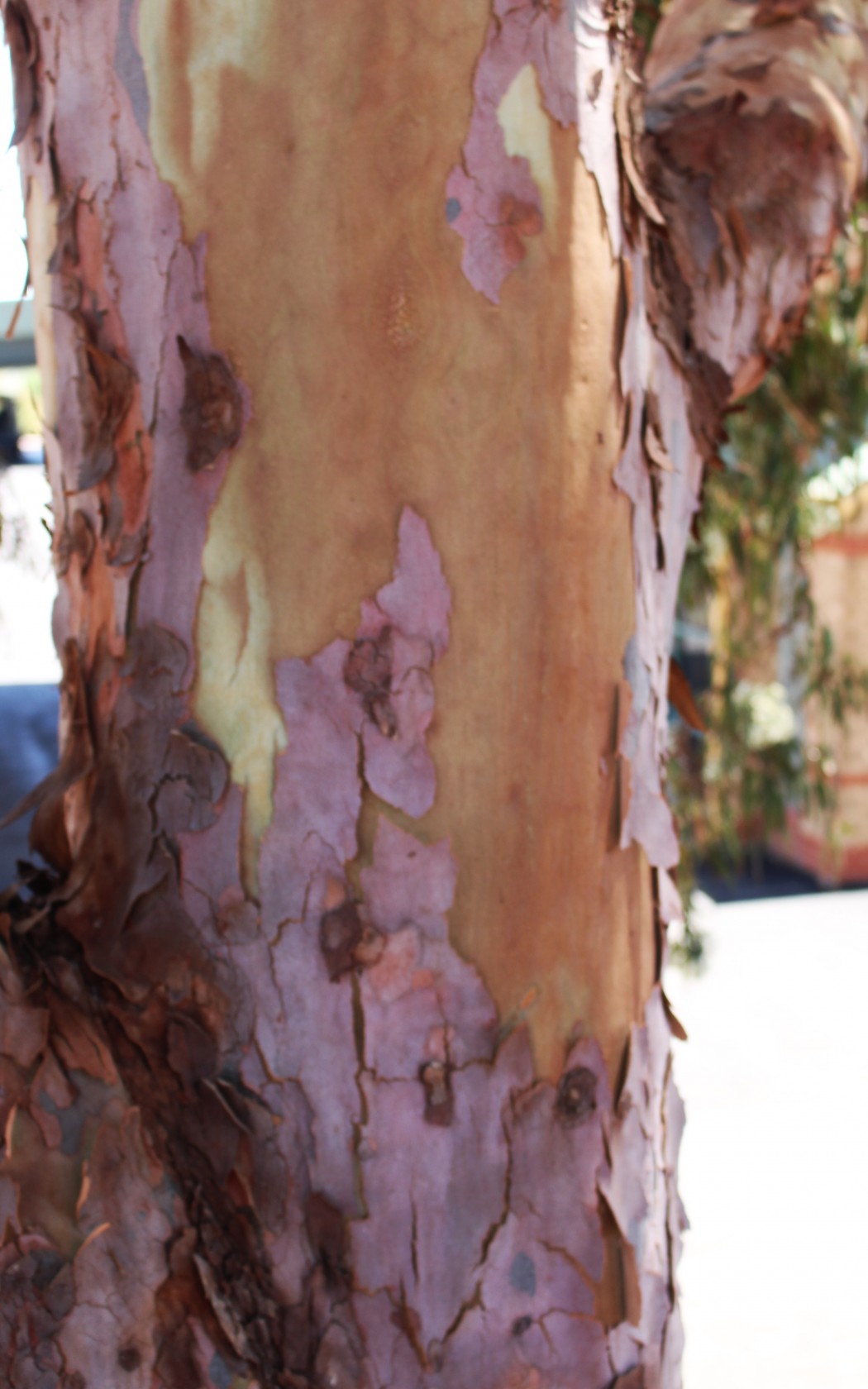
Bark (Lower)
Bark (Lower) - Angophora costata (Gaertn., Britten 1916) subsp. costata
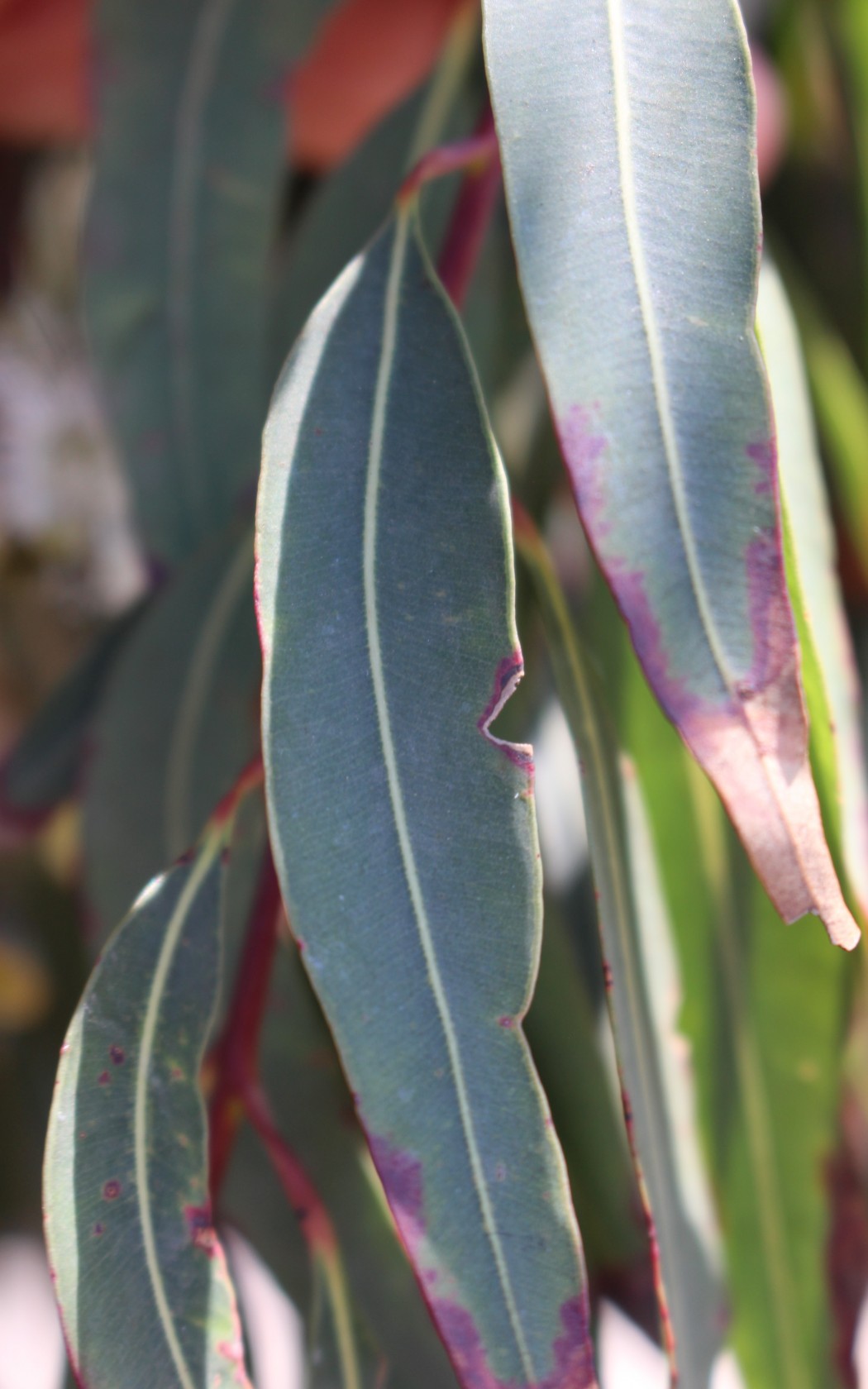
Leaf (Front)
Leaf (Front) - Angophora costata (Gaertn., Britten 1916) subsp. costata
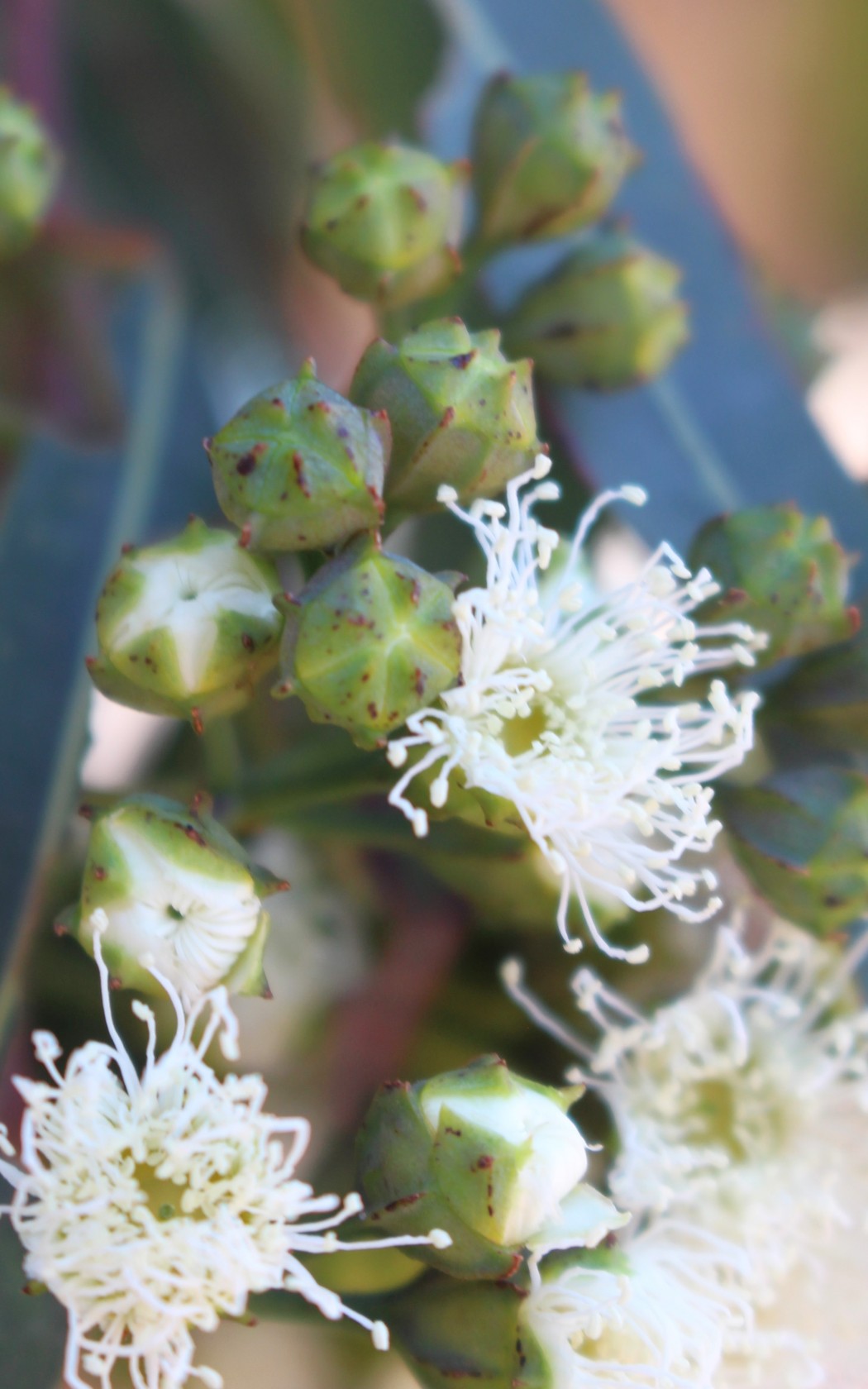
Flower Bud
Flower Bud - Angophora costata (Gaertn., Britten 1916) subsp. costata
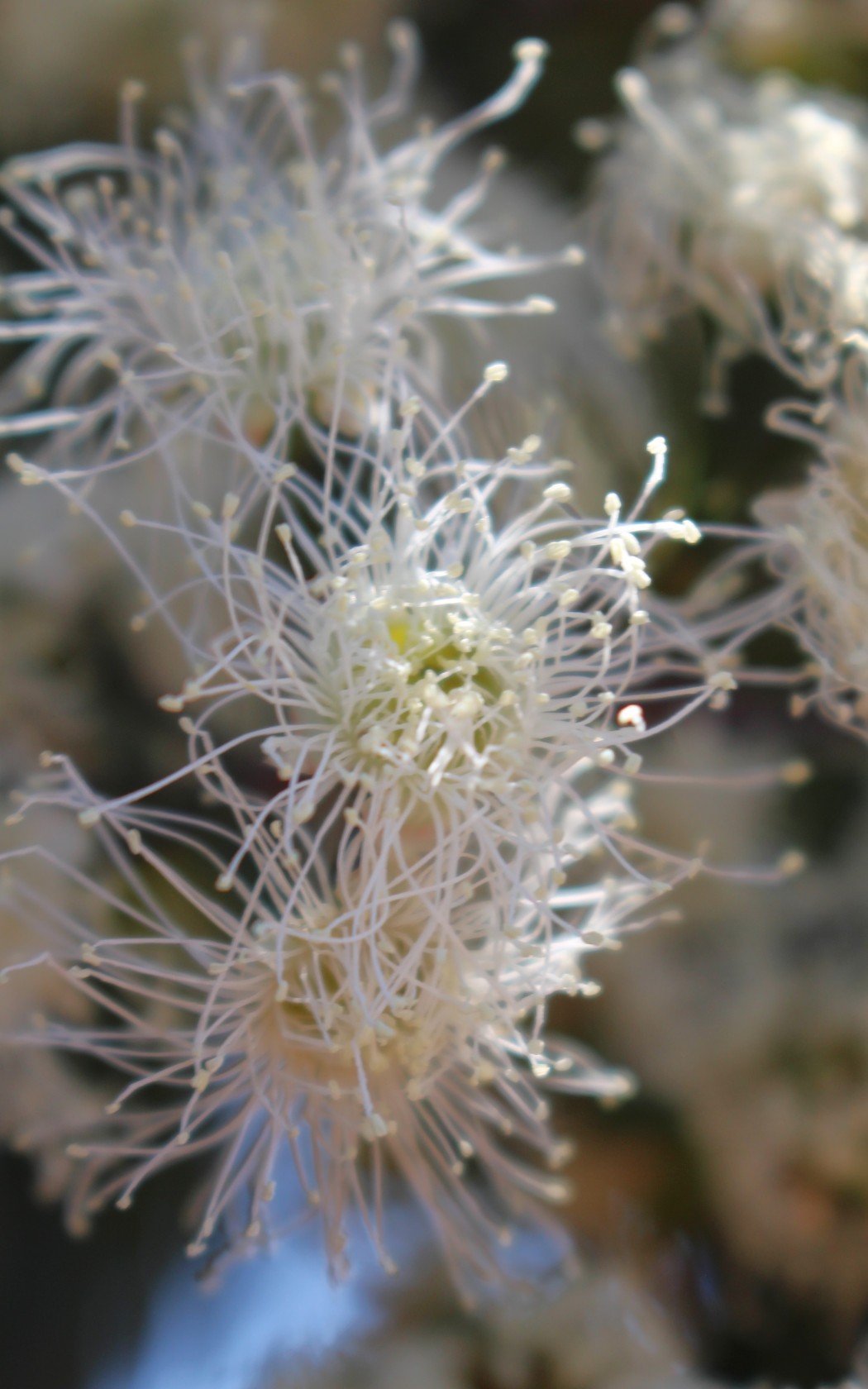
Flowers
Flowers - Angophora costata (Gaertn., Britten 1916) subsp. costata
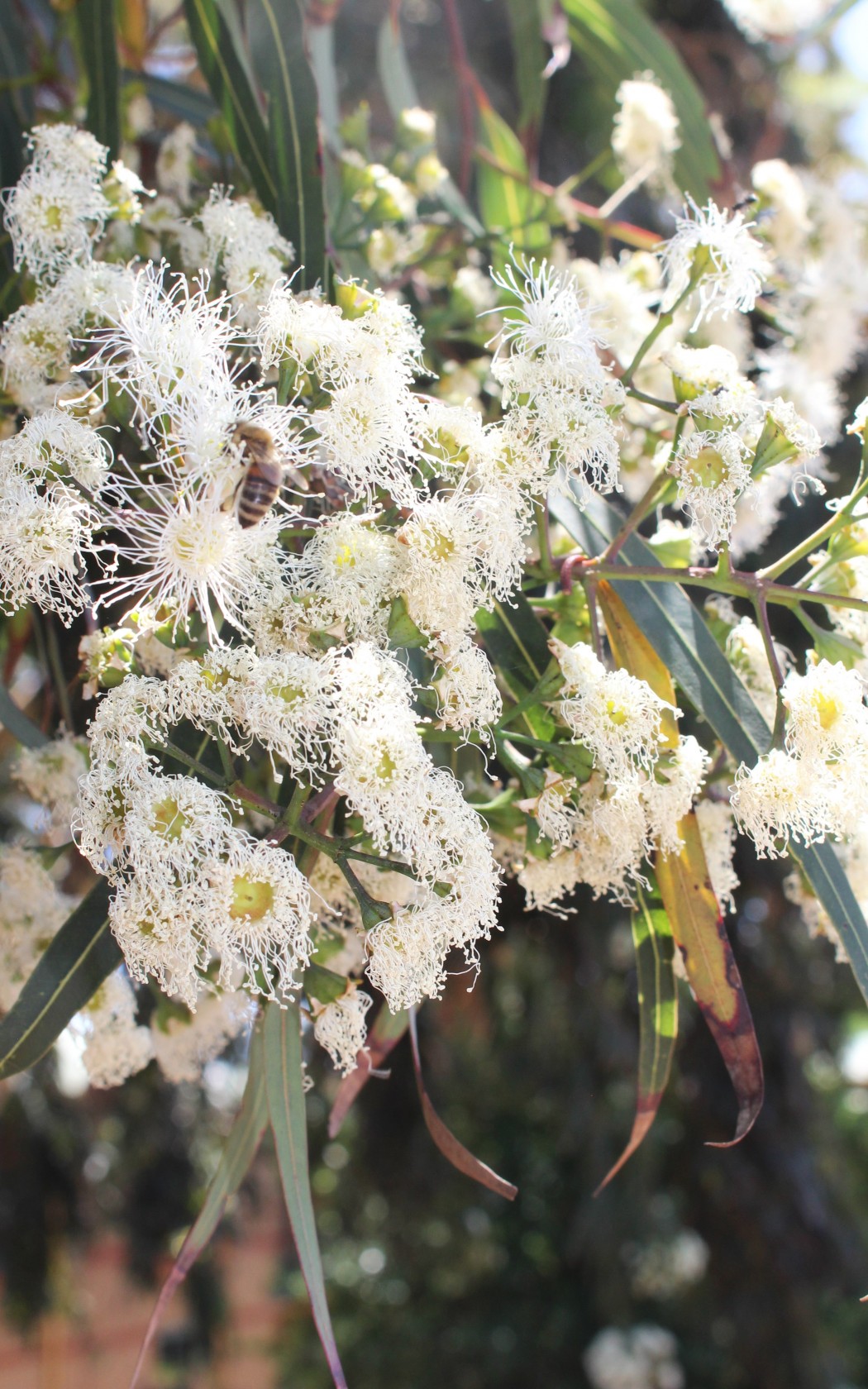
Inflorescence
Inflorescence - Angophora costata (Gaertn., Britten 1916) subsp. costata
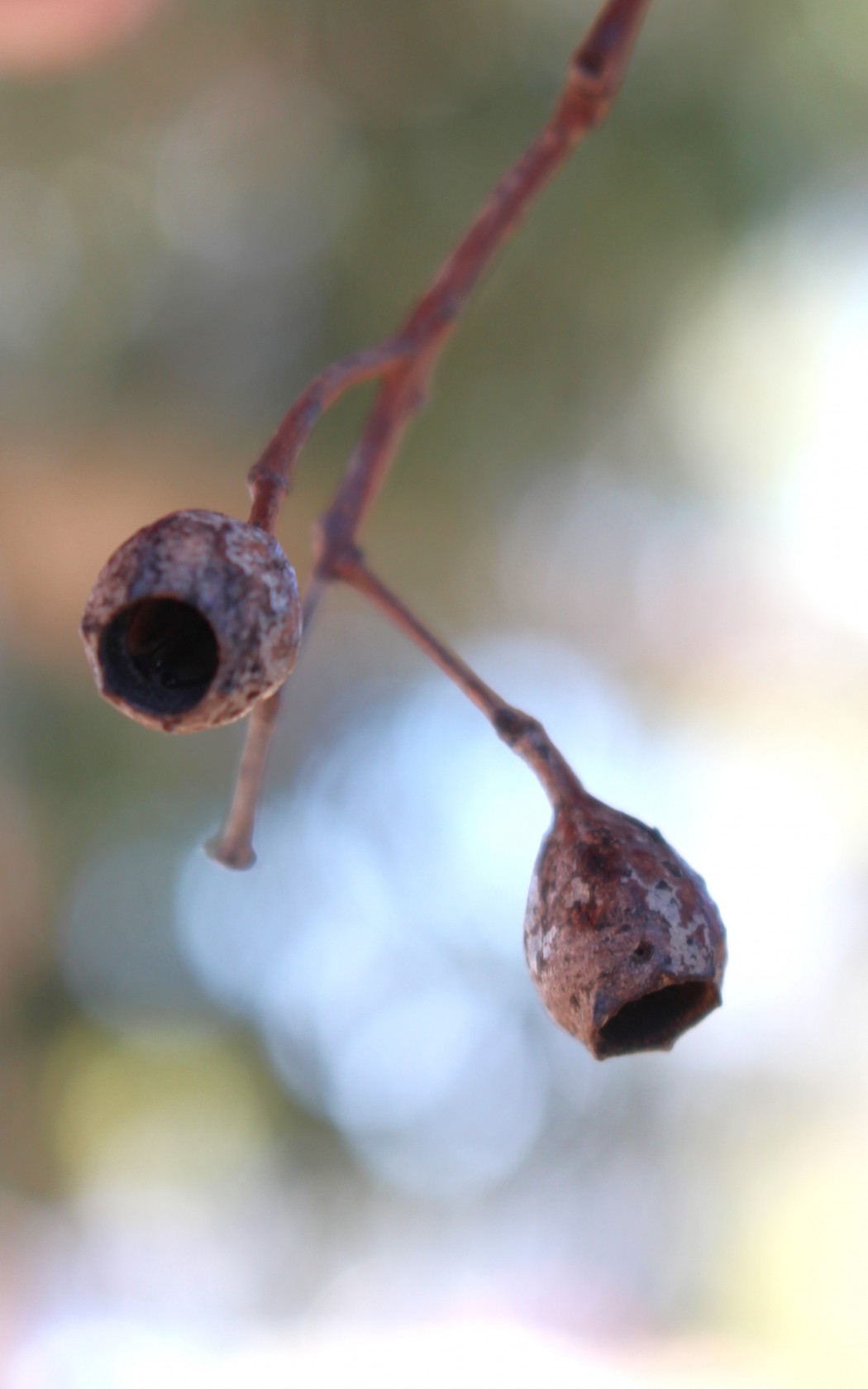
Fruit
Fruit - Angophora costata (Gaertn., Britten 1916) subsp. costata
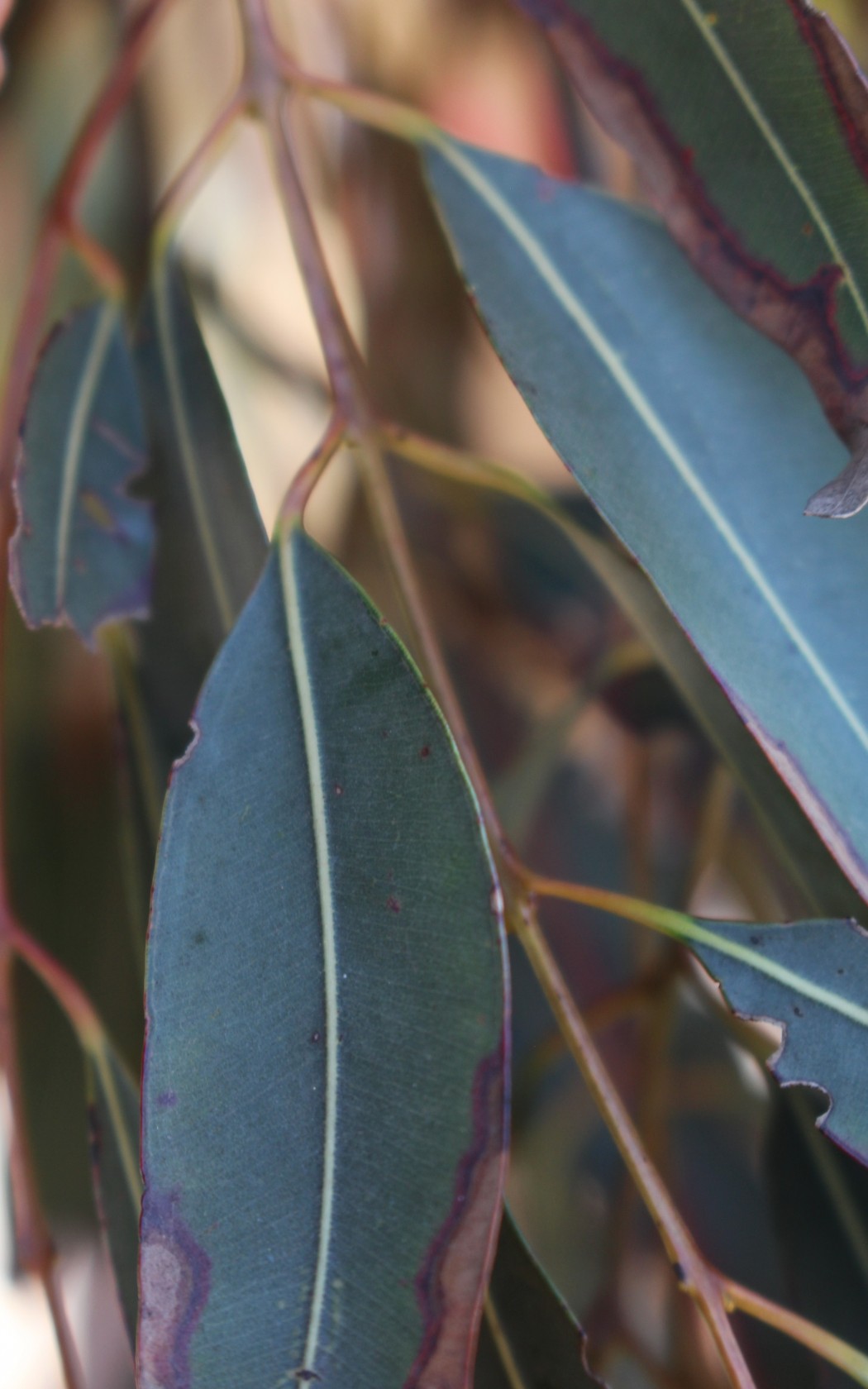
Stem (Upper)
Stem (Upper) - Angophora costata (Gaertn., Britten 1916) subsp. costata
Expand all
 Domed - Broad
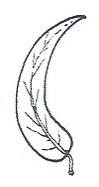
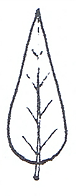 Falcate,
Lanceolate
Falcate,
Lanceolate
 Glabrous,
Leathery / Coriaceous
Glabrous,
Leathery / Coriaceous
Glabrous,
Leathery / Coriaceous
Glabrous,
Leathery / Coriaceous
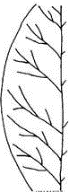 Entire
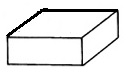 Smooth
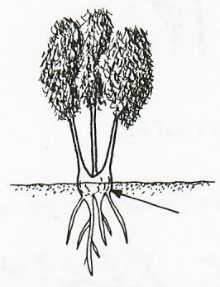
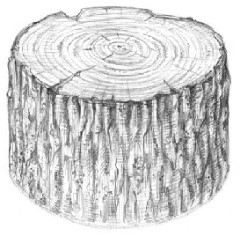 Lignotuber,
Wood Fibres - Solid
Lignotuber,
Wood Fibres - Solid
 Terete
 Filamental Eucaform
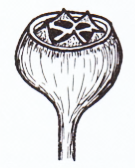 Capsule
 Ribbed,
Ribbed-Slightly
Ribbed,
Ribbed-Slightly
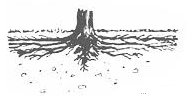 Plate
Plate


 Damp,
Moist,
Moist - Dry
Damp,
Moist,
Moist - Dry
 Slight
Plant Properties
Origin(s)
Plant Type
Climate Range(s) - Habitat
Aspect Range(s)
Habitat Range(s)
Habitat Zone(s)
Mature Height
Mature Width
Plant Shape
Domed - Broad
Domed - Broad
Growth Rate
Maturity
Life Span
Leaf Properties
Colour (front)
Colour (back)
Shape(s)
Falcate
Lanceolate
Falcate,
Lanceolate
Aroma
Texture (front)
Glabrous
Leathery / Coriaceous
Glabrous,
Leathery / Coriaceous
Texture (back)
Glabrous
Leathery / Coriaceous
Glabrous,
Leathery / Coriaceous
Leaf Length(s)
Leaf Width(s)
Margin
Entire
Entire Bark / Stem / Culm Properties
Colour(s) Upper
Colour(s) Lower
Texture(s) Upper
Smooth
Smooth
Trunk / Stem Construction(s)
Lignotuber
Wood Fibres - Solid
Lignotuber,
Wood Fibres - Solid
Trunk / Stem / Culm Cross Section
Terete
Terete
Trunk / Stem Feature(s)
Trunk / Stem / Culm Diameter
Flower Properties
Gender: Bisexual
Time(s)
Flower Colour(s)
Flower Shape(s)
Filamental Eucaform
Filamental Eucaform
Aroma(s)
Flowers per Arrangement
Pollinator(s)
Fruit Properties
Type
Capsule
Capsule
Outer Colour(s)
Outer Texture
Ribbed
Ribbed-Slightly
Ribbed,
Ribbed-Slightly
Aroma
Season of Fruiting
Maturation for Fruiting
Root Properties
Type
Plate
Plate
Shallow
Shallow
Invasiveness
Soil Properties
Type(s)
pH Range(s)
Condition(s)
Damp
Moist
Moist - Dry
Damp,
Moist,
Moist - Dry
Fertile
,
Poor Fertility
,
Deep
,
Well Drained
Fertile,
Poor Fertility,
Deep,
Well Drained
Salinities
Slight
Slight
Soil / Water Contamination Tolerance(s)
Waterlogging Class
Watering Requirements
Other Properties / Uses
Bee Attraction
Bird Attraction
Butterfly Attraction
Frog Habitat
Coastal
Edible(s)
Fire Retarding
Frost Tolerance
Snow Tolerance
Drought Tolerance
Landscape Use
Special Purpose(s)
Maintenance(s)
Pests/Diseases
Fertilising Requirements
Wind Tolerance
Weed Potential(s)
General Notes
A large, handsome tree often gnarled and crooked with pink to pale grey bark shed in spring showing new salmon-pink bark. The timber can be brittle so isn't used much in construction. As it can drop branches do not plant where it will overhang a building. Makes a nice specimen tree in a larger garden or landscape setting.
There is two sub species
- Angophora costata subsp. costata, no hairs on the flower and smaller fruit
- Angophora costata subsp. euryphlla, hairs on the base of the flower, larger fruit